
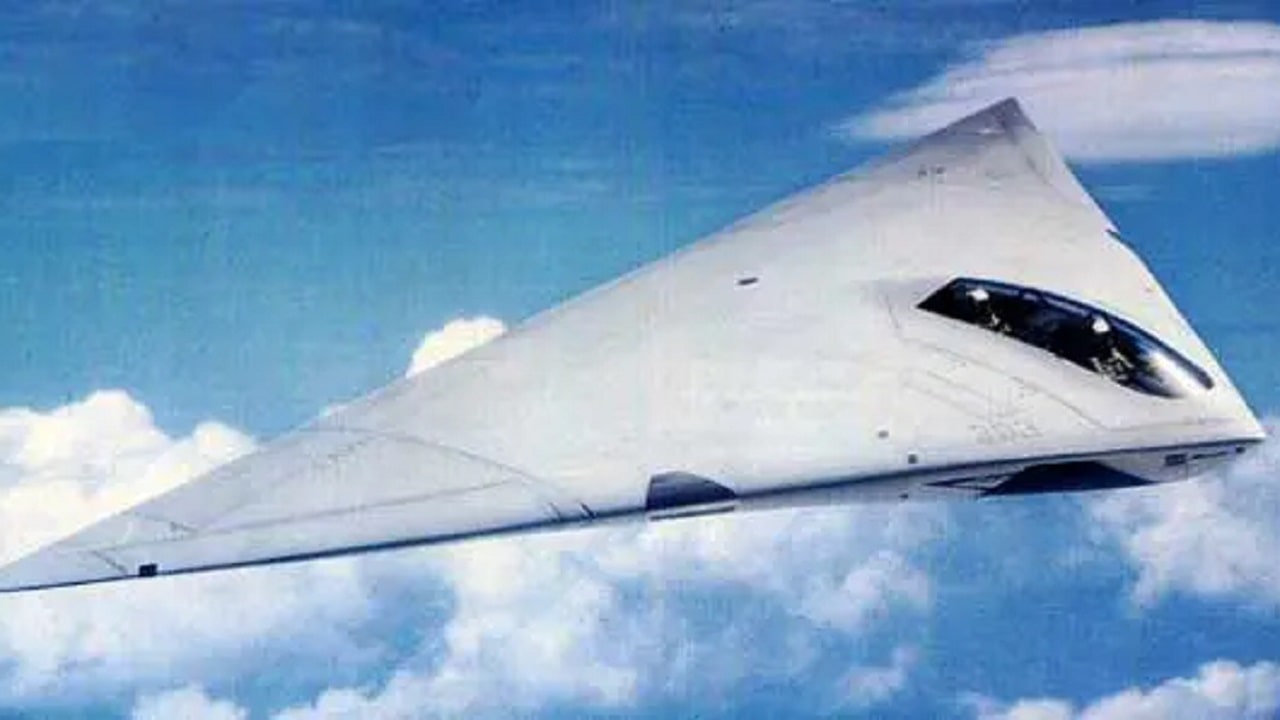
Key Points and Summary – The A-12 Avenger II was conceived as a stealthy, carrier-based strike aircraft to replace the A-6 Intruder and survive dense Soviet air defenses.
-Built around a radical triangular flying-wing shape and internal weapons carriage, it aimed to deliver precision (and nuclear) strike in the opening phase of a high-end war.
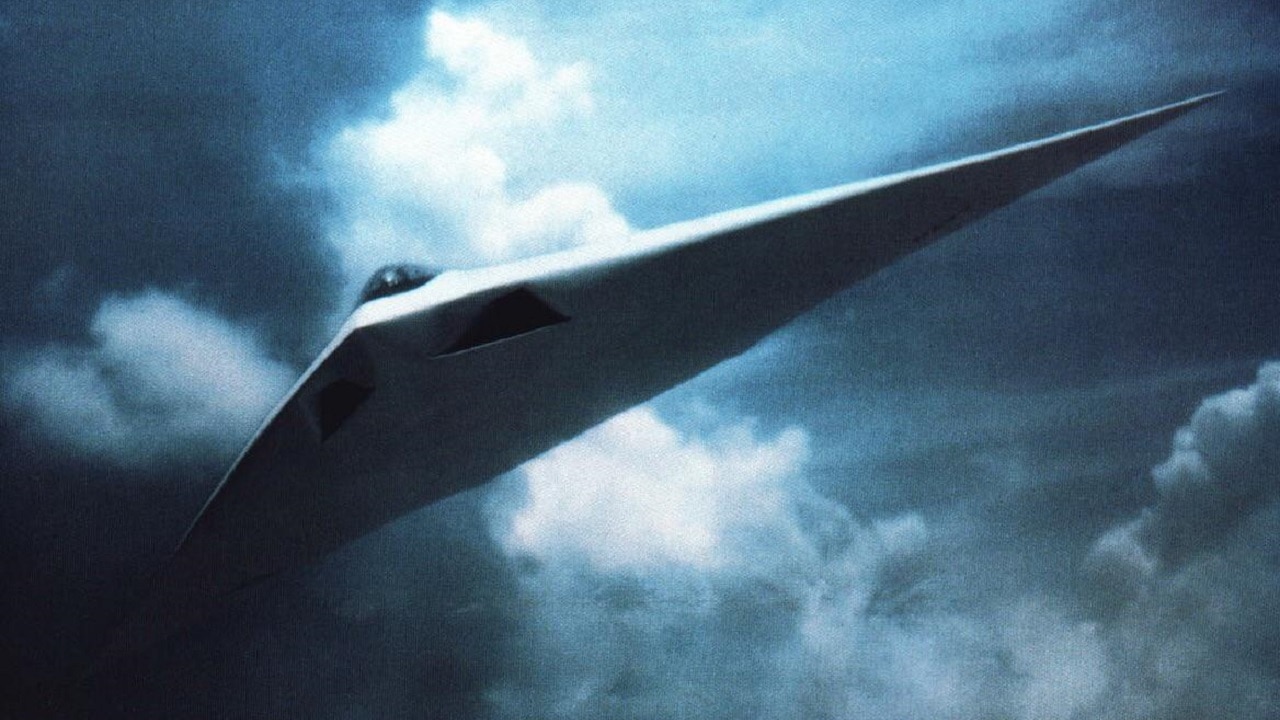
A-12 Avenger. Image Credit: Creative Commons.

A-12 Avenger diagram. Image Credit: Creative Commons.
-But the program ran into the carrier aviation reality check: weight growth, immature stealth materials, and daunting maintenance demands in a salty maritime environment.
-Costs surged, schedules slipped, and performance targets stayed out of reach. When the Cold War ended, urgency vanished—and in 1991 the Pentagon canceled the A-12, leaving an infamous cautionary tale.
The A-12 Avenger II Flying Dorito Never Made It Into the Sky
The A-12 Avenger II was an ambitious—and infamous—military aircraft program at the end of the Cold War.
Nicknamed the “Flying Dorito” for its triangular, flying-wing shape, the A-12 was intended to be a stealthy, carrier-based attack aircraft for the US Navy and Marine Corps.
The design never entered service—never even flew—yet remains a case study in ambitious design proposals.
Historical Context for A-12 Avenger II Flying Dorito
During the late Cold War, the US was bent on penetrating dense, increasingly sophisticated Soviet air defense systems, raising pressing concerns about the survivability of existing carrier-based aircraft such as the F/A-18 and A-6E Intruder.
The A-6, specifically, was on the chopping block, with the Navy hoping to replace the proven yet outdated all-weather attack aircraft.
The replacement aircraft would need profound strike/precision-strike capability against heavily defended airspace, carrier capability, and low observability.
And, at the time, following the success of the F-117 program and projections about the future of warfare, stealth was becoming a new standard.
In theory, the A-12 was supposed to meet all of the above requirements, an attack aircraft, not a fighter, designed for the penetration of Soviet Integrated Air Defense Systems, offering conventional and nuclear strike.
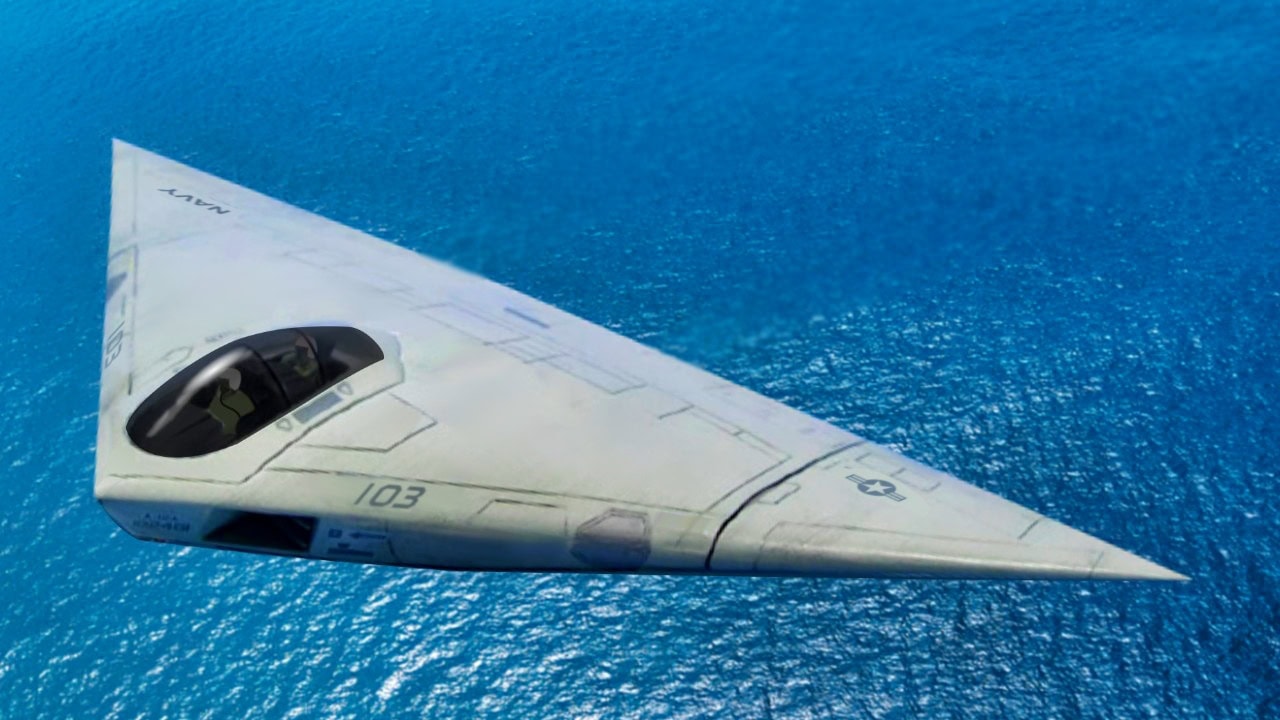
A-12 Avenger II. Image Credit: Creative Commons.
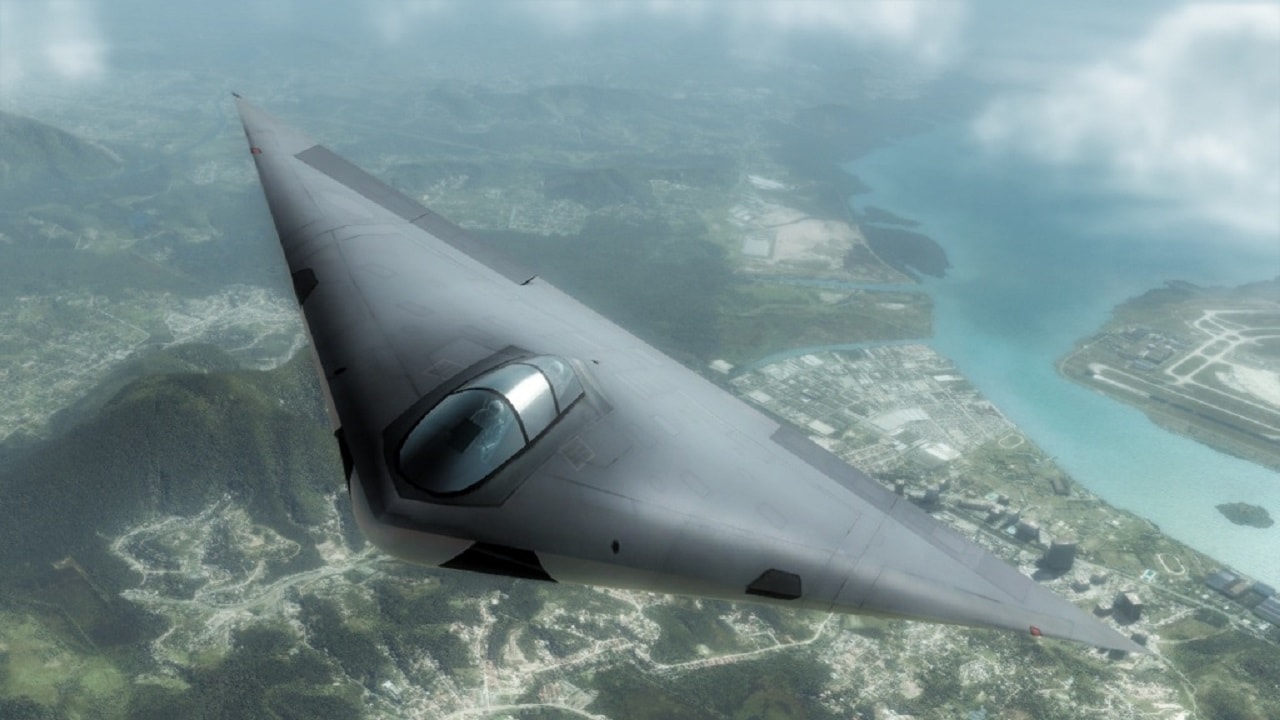
A-12 Avenger II. Image Credit: Creative Commons.
The program, for the benefit of both the Navy and Marine Corps, relied on a contractor team of McDonnell Douglas and General Dynamics.
The idea was ahead of its time, bent on fielding the Navy’s first stealth strike platform, years before the F-35 concept would enter service.
The airframe design was radical, featuring a triangular flying-wing configuration. The design emphasizes radar cross-section (RCS) reduction and internal weapons carriage. There was no traditional vertical tails.
The aircraft was expected to operate subsonically, foreshadowing the stealth-over-speed design priorities of the B-2 and B-21.
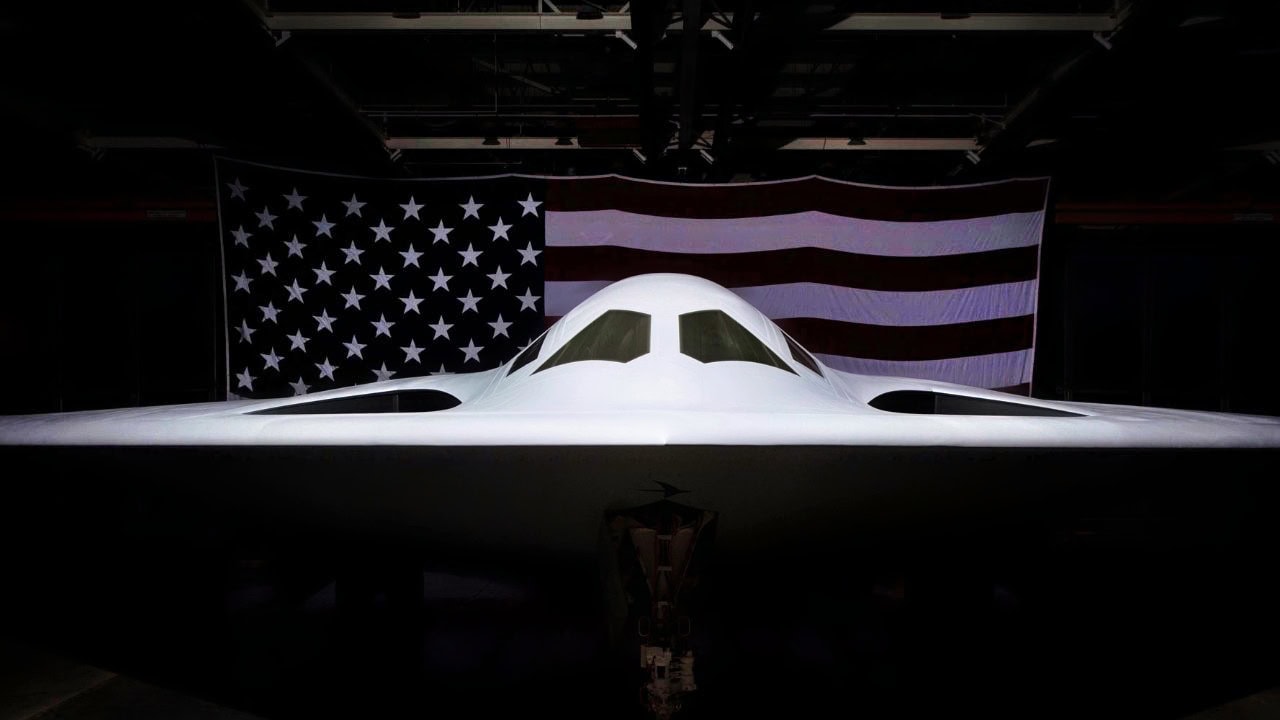
B-21 Raider Bomber. Image Credit: Creative Commons.
Yet the design proved overly ambitious.
In the late Cold War, stealth coatings and materials were still immature, heavy, and difficult to maintain.
Weight became a significant issue due to the strict limitations of carrier operations, which demanded aircraft light enough for arrest landings and catapult launches. Further, early stealth technology was sensitive and prone to degradation—a factor that was especially concerning in the corrosive salt and wind of maritime environs.
If the A-12 had entered service, it would have been launched from aircraft carriers in the opening phase of conflicts, to penetrate defended airspace using stealth rather than speed. The aircraft would have delivered precision munitions against command nodes, air defenses, and high-value infrastructure. The concept was ahead of its time, yet operationally fragile, ultimately collapsing before production.
The A-12 collapsed because of multiple damning reasons. First, program costs ballooned dramatically; billions were spent without generating a flyable aircraft.
The program was also delayed, missing repeated milestones, with contractors unable to meet weight and performance targets. The program’s management has been criticized for providing poor oversight with unrealistic expectations.
The death knell for the program was the end of the Cold War; the A-12’s strategic urgency evaporated while budget pressure increased in the post-Cold War constriction period. Political tolerances shifted, with less willingness for investment in novel, unproven military technology.
The program was cancelled in 1991, becoming one of the most acrimonious cancellations in Pentagon history, culminating in a legal battle between the US Government and McDonnell Douglas and General Dynamics. In the end, no A-12 prototype ever flew.
The History That Was Made
But the program did contribute to stealth shaping and materials science knowledge while also demonstrating the limits of strategic stealth concepts in carrier aviation (at the time). The A-12 program informed later programs, like F-117 operations and B-2 development, and eventually, F-35B/C maritime adaptation.
The A-12 is remembered as a moment when technological ambition outran institutional capacity, highlighting the unique difficulties of marrying stealth technology with carrier operations.
The program’s failure delayed naval stealth strike for decades, until the arrival of the F-35C. So while the A-12 never flew, the program’s shadow looms large; it offered a glimpse of the future, albeit that future was attempted too early to stick.
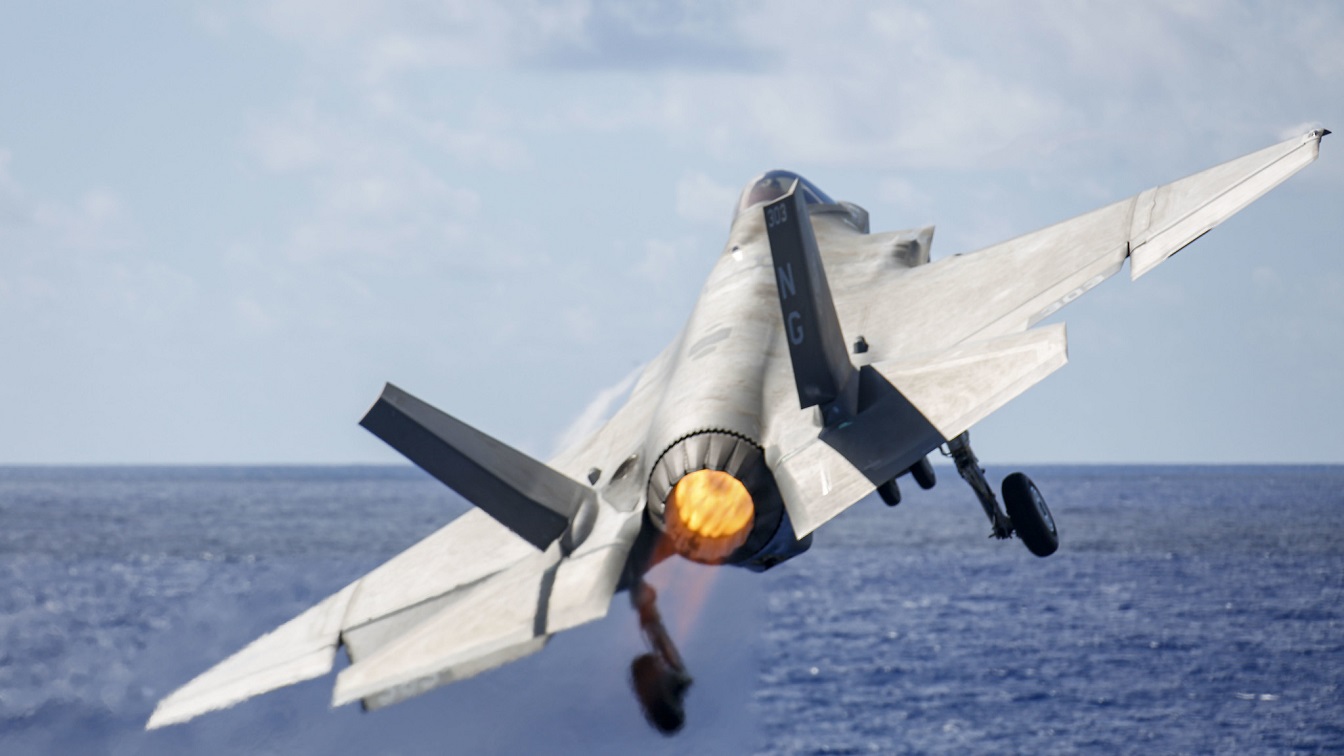
PHILIPPINE SEA (May. 13, 2022) An F-35C Lightning II assigned to the “Black Knights” of Marine Fighter Attack Squadron (VMFA) 314 launches from the Nimitz-class aircraft carrier USS Abraham Lincoln (CVN 72). The Abraham Lincoln Carrier Strike Group is on a scheduled deployment in the U.S. 7th Fleet area of operations to enhance interoperability through alliances and partnerships while serving as a ready-response force in support of a free and open Indo-Pacific region. (U.S. Navy photo by Mass Communication Specialist 3rd Class Michael Singley) 220513-N-MM912-1002
A Failed Stealth Bomber for the U.S. Navy
Indeed, the “Flying Dorito” stands as a reminder that in military aviation, being right in concept is not enough.
One needs timing, management, and realism to match the program’s vision.
About the Author: Harrison Kass
Harrison Kass is an attorney and journalist covering national security, technology, and politics. Previously, he was a political staffer and candidate, and a US Air Force pilot selectee. He holds a JD from the University of Oregon and a master’s in global journalism and international relations from NYU.