
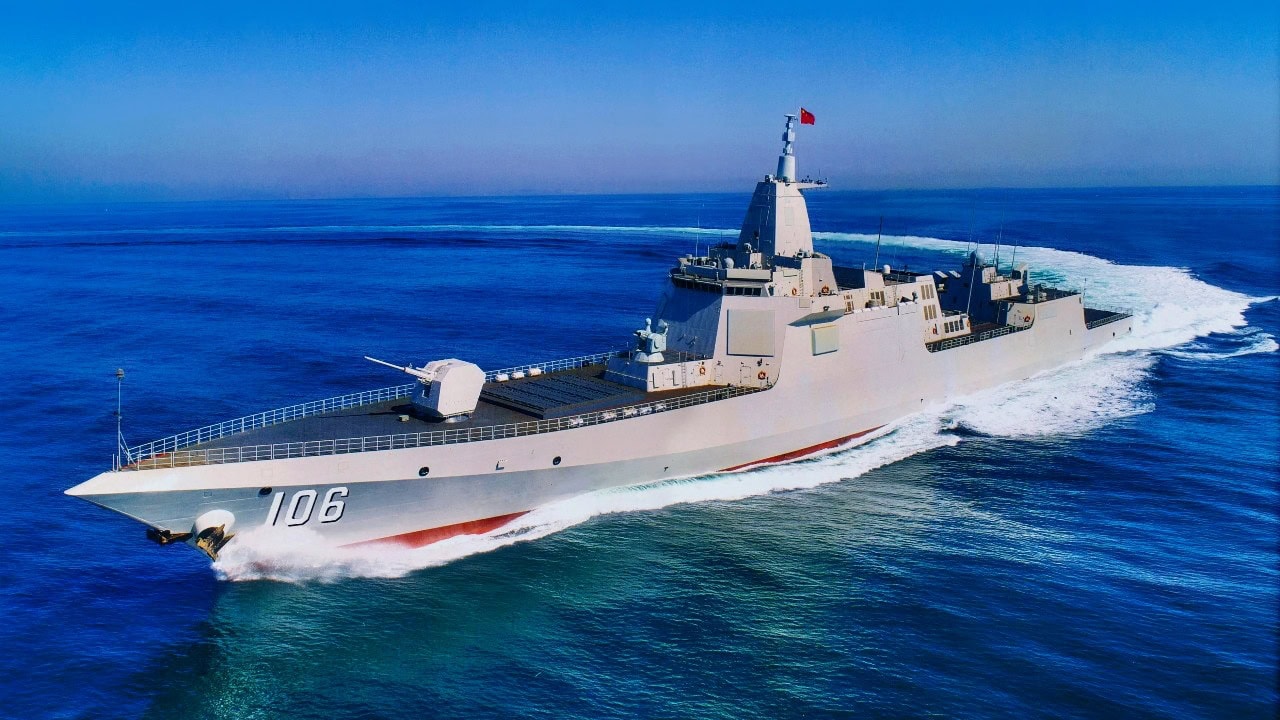
Key Points and Summary – China has released video showing what it calls a “finalization test” of the ship-launched YJ-20 hypersonic anti-ship missile fired from a PLAN Type 055 destroyer.
-The footage appears to show a cold-launch from an aft VLS cell and a successful strike on a maritime target, implying the weapon could be nearing operational deployment.
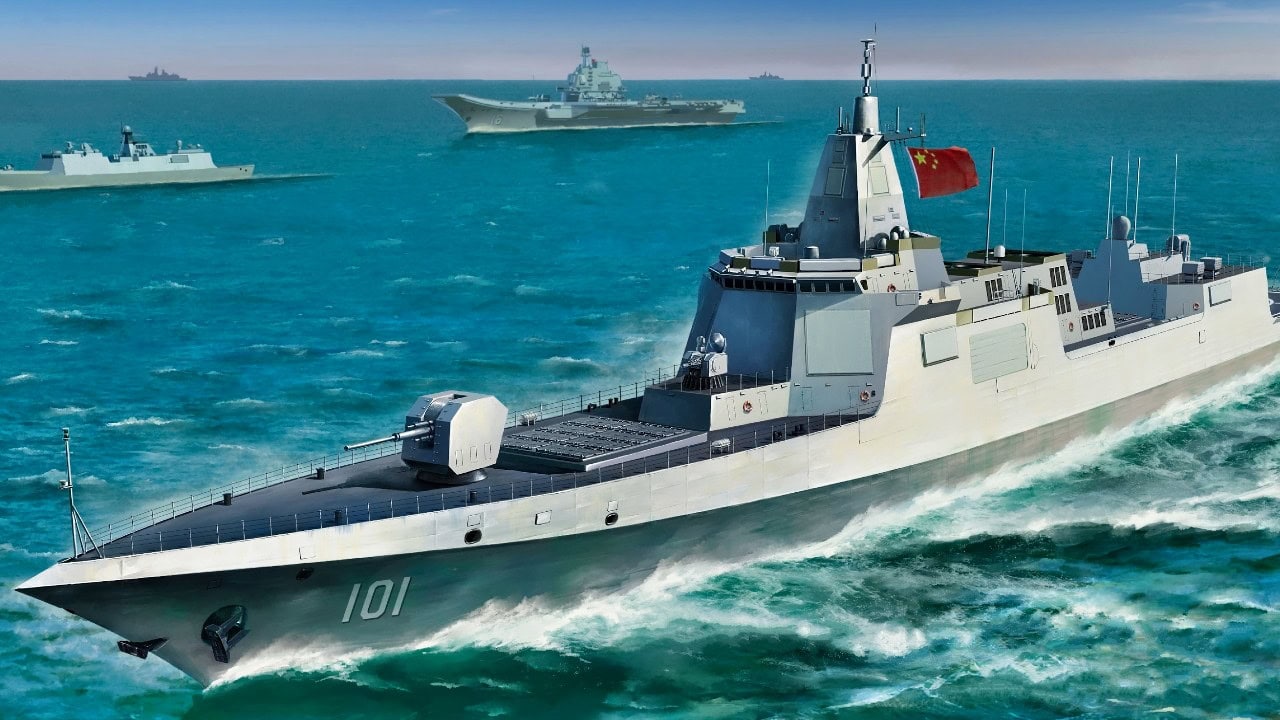
Chinese Navy Warship Created by Artist. Image Credit: Creative Commons.
-If fielded across the Type 055 fleet, the YJ-20 would give Beijing a faster, harder-to-intercept ship-based strike option that strengthens China’s broader A2/AD posture in the Western Pacific—especially against high-value surface forces.
China Shows Ship-Launched YJ-20 Hypersonic Missile In Apparent Final Test
The Chinese military has released video footage of what was described as a “finalization test” of the YJ-20 hypersonic anti-ship missile launched from the deck of a People’s Liberation Army Navy (PLAN) Type 055 “super destroyer,” suggesting that the deployment of one of the world’s most advanced naval strike weapons could be near.
The video, shared through official channels and distributed via Chinese media outlets, depicts the stern of the Type 055 Wuxi firing the YJ-20 from an aft (rear) vertical launch system (VLS). The missile is seen ejecting in a cold-launch sequence, in which it is ejected from its container using compressed gas or a piston before the main rocket engine ignites and accelerates rapidly toward a maritime target. Chinese reporting described the event as a “finalization test” – a term typically applied to the concluding trials before a weapons system transitions from development to production or active service.
The footage is the first public demonstration of a live YJ-20 firing from a surface warship and depicts the missile successfully striking a target. Detailed information regarding its range and test conditions was not, however, disclosed.
Near-Operational Hypersonic Strike Capability
The YJ-20 itself was publicly unveiled earlier in 2025 during China’s Victory Day military parade in Beijing on September 3, where it appeared alongside other advanced anti-ship and hypersonic systems. The system was officially described as part of a new generation of naval strike weapons designed for long-range, high-speed engagements.
The YJ-20 is understood to be a hypersonic anti-ship ballistic or aero-ballistic missile with a biconic aerodynamic configuration, meaning it is capable of maneuverable re-entry and unpredictable trajectories, making it difficult for enemy defenses to intercept.
Hypersonic missiles are generally defined by their ability to maintain speeds above Mach 5 for extended periods, and multiple accounts have so far indicated that the YJ-20 is capable of achieving and maintaining these kinds of velocities, particularly during final attack phases.
While official metrics on range, seeker technology, or guidance systems remain classified, the combination of speed, maneuverability, and radar- or infrared-guidance would make the missile difficult to defeat with current naval countermeasures.
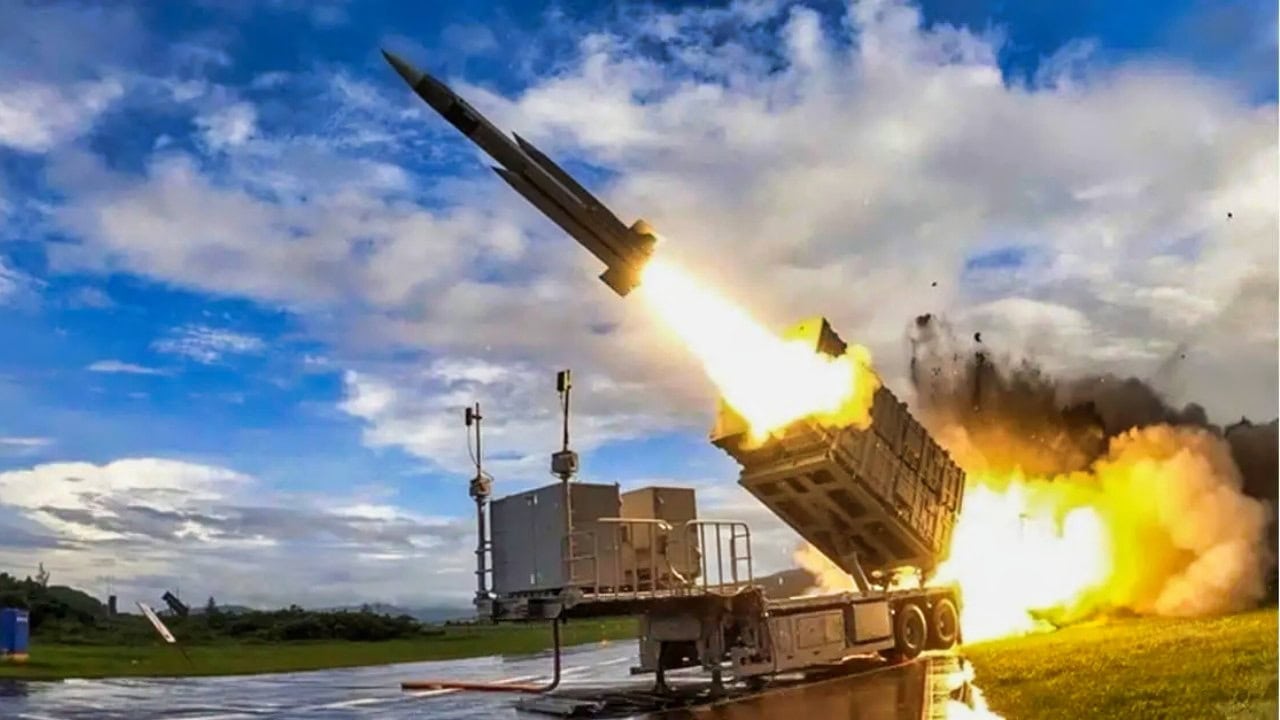
Qingtian Hypersonic Cruise Missile. Screenshot.

Mako Hypersonic Missile. Image Credit: Creative Commons.
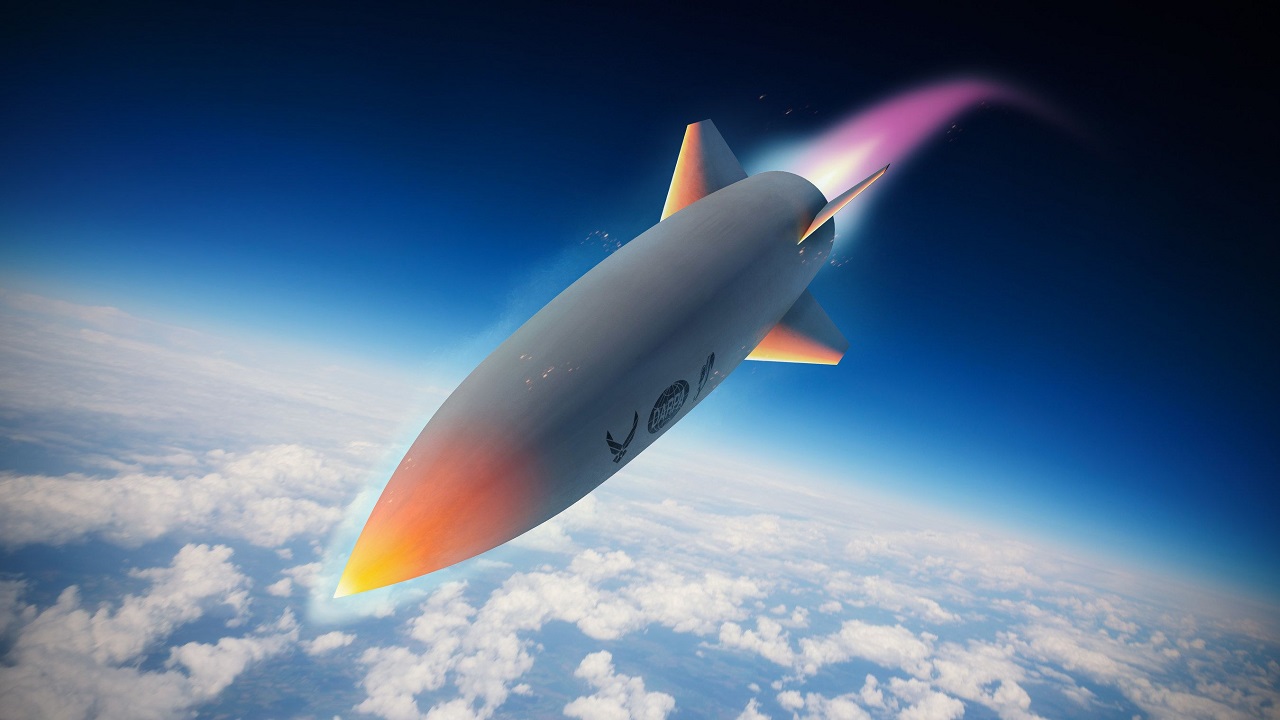
Hypersonic Missile Sample Image VIA DARPA.
The YJ-20 may also have secondary land-attack capability against fixed targets, broadening its utility beyond strictly anti-ship warfare and even enhancing its role in China’s broader anti-access/area denial (A2/AD) strategy, which seeks to deter American or Western intervention in the Indo-Pacific.
The Type 055 Super Destroyer from China’s Navy (PLAN)
The Type 055 destroyer, designated the Renhai class by NATO, is among the largest and most capable surface combatants in the PLAN fleet, with a full load displacement of approximately 12,000 to 13,000 tons and a length of roughly 180 meters.
Its 112-cell vertical launch system is central to the ship’s power, too. It’s capable of accommodating a wide array of missiles, from long-range surface-to-air interceptors to anti-ship and land-attack munitions.
The addition of a hypersonic missile like the YJ-20 to its arsenal, therefore, will significantly expand the ship’s strike reach and lethality.
Since the mid-2010s, at least eight Type 055 destroyers have been reported to be in service, with additional hulls under construction as part of an ambitious PLAN expansion. The class has routinely participated in blue-water operations over the years, including taking part in carrier escort duties well beyond China’s littoral waters.
The integration of hypersonic anti-ship missiles on large surface combatants like this represents a significant increase in Chinese long-range strike capability.
If fielded widely, the new capability would increase the risk posed to adversary carrier strike groups operating within the so-called first and second island chains in the western Pacific.
Strategic Implications for the Hypersonic YJ-20 Missile and the U.S. Navy
The release of the latest YJ-20 footage comes as tensions in the Taiwan Strait grow and the geopolitical situation between Beijing and Washington remains strained.
Recent Chinese military action around Taiwan and expanded training operations indicate how these new strike capabilities may be used, and prove that Beijing is actively attempting to deter both Taipei and other external powers.
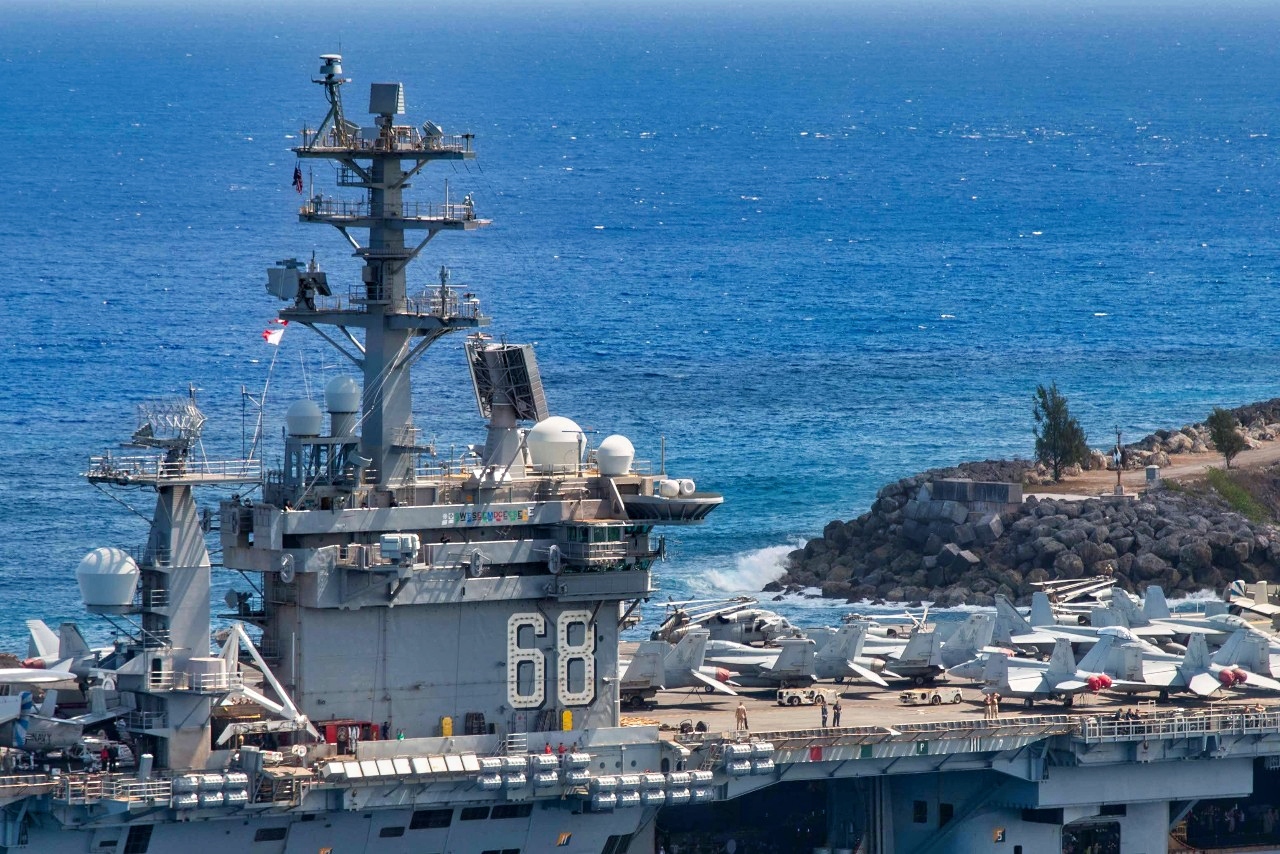
APRA HARBOR, Guam (April 18, 2025) Nimitz-class aircraft carrier USS Nimitz (CVN 68) arrived in Guam for a scheduled port visit, April 18. Nimitz is underway in the U.S. 7th Fleet area of operations on a scheduled deployment, demonstrating the U.S. Navy’s unwavering commitment to a free and open Indo-Pacific. (U.S. Navy Photos by Mass Communication Specialist 1st Class Samantha Jetzer)
For the U.S. Navy, which continues to invest in networked defenses and layered anti-missile systems, the potential implementation of ship-borne hypersonic anti-ship missiles presents a new challenge.
While U.S. stockpiles include long-range interceptors, there is no direct equivalent hypersonic anti-ship missile that has been fielded from a cruiser or destroyer.
While several programs are under development, none are in service as a deployed ship-launched weapon as of late 2025.
The Pentagon itself has acknowledged China’s rapid advances in hypersonic technology, noting that China “has the world’s leading hypersonic missile arsenal” and continues development of both conventional and nuclear-armed variants.
What Happens Now?
Although the YJ-20 itself was not singled out in the Pentagon’s annual report on China’s military, its public debut supports the trend acknowledged in Washington.
If the YJ-20 is nearing operational service, it would mark a notable shift in the maritime balance by giving China a credible, ship-based hypersonic threat against high-value surface forces for the first time.
About the Author:
Jack Buckby is a British researcher and analyst specialising in defence and national security, based in New York. His work focuses on military capability, procurement, and strategic competition, producing and editing analysis for policy and defence audiences. He brings extensive editorial experience, with a career output spanning over 1,000 articles at 19FortyFive and National Security Journal, and has previously authored books and papers on extremism and deradicalisation.