
Key Points and Summary – China has sentenced 27 people for smuggling antimony ingots out of the country, signaling a tougher enforcement phase in Beijing’s export-control push on dual-use minerals.
-The ringleader received 12 years and a 1 million yuan fine after authorities linked the network to falsified customs declarations and overseas partners.
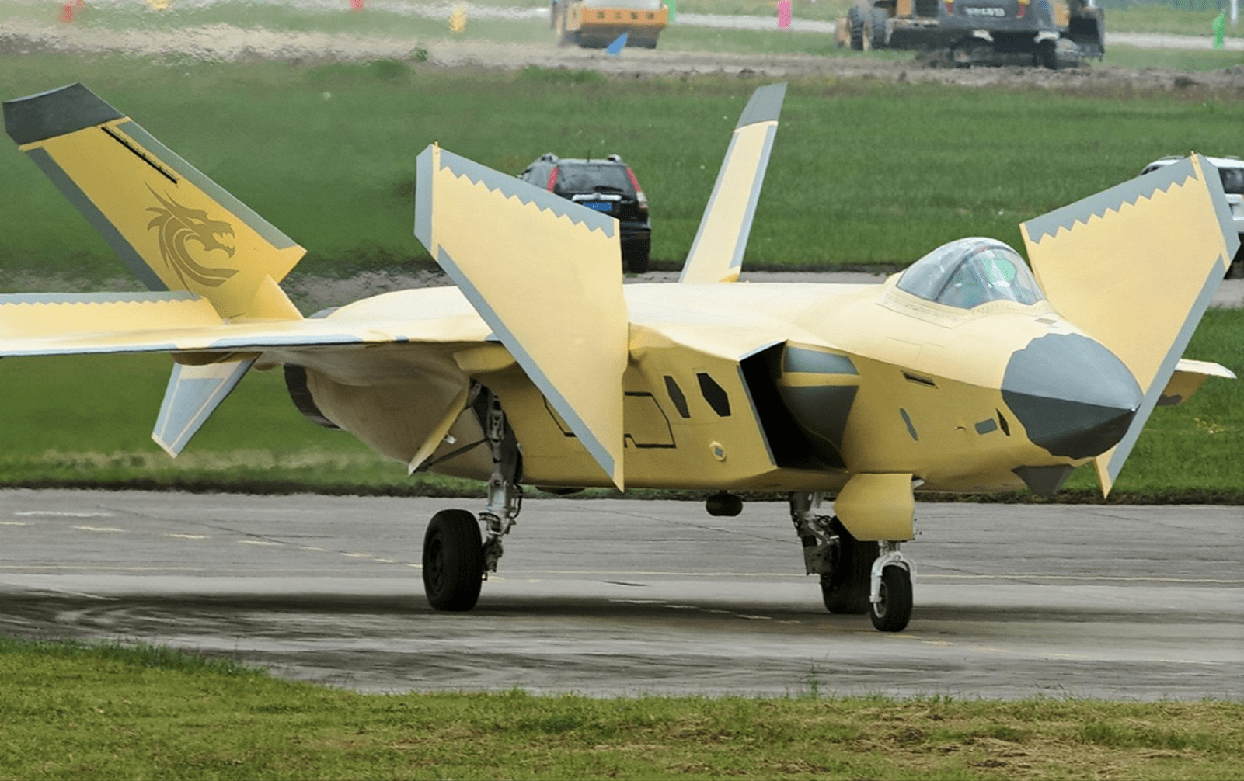
J-20 Stealth Fighter. Image Credit: Creative Commons.
-Investigators say the scheme involved roughly 166 metric tons, with more than half intercepted.
-Antimony’s importance in flame retardants, batteries, semiconductors and defense-related components makes it strategically sensitive, and 2024 licensing rules widened the gap between domestic and overseas prices—creating strong incentives to smuggle via indirect routes, for Western industry and defense.
China Just Sentenced 27 Smugglers—Why Antimony Matters to Defense Tech
A Chinese court has handed down lengthy prison sentences to dozens of individuals involved in the illegal export of antimony as Beijing increasingly cracks down on sale of strategic minerals.
The Shenzhen Intermediate People’s Court this week sentenced 27 people for smuggling antimony ingots out of China without the required export licenses – a violation of national export control regulations.
The ruling comes as China seeks to close loopholes in its oversight of dual-use materials – commodities that have both civilian and military applications – that are currently at the center of global supply chain discussions.
The lead defendant, Wang Wubin, received a 12-year prison sentence and a fine of 1 million yuan for orchestrating the scheme.
According to court documents, Wang had worked overseas with smuggling networks earlier in 2025 to purchase large quantities of antimony inside China and transport them overseas using falsified customs declarations and other methods designed to evade inspection. The other defendants received sentences ranging from several months in detection to five years in prison, depending on their level of involvement and the quantities handled.
More than 166 metric tons of antimony were reportedly involved in the crime, according to investigators – and Chinese customs officials reportedly intercepted more than half of that volume before it left the country. Authorities did not, however, identify the final destinations of the shipments.
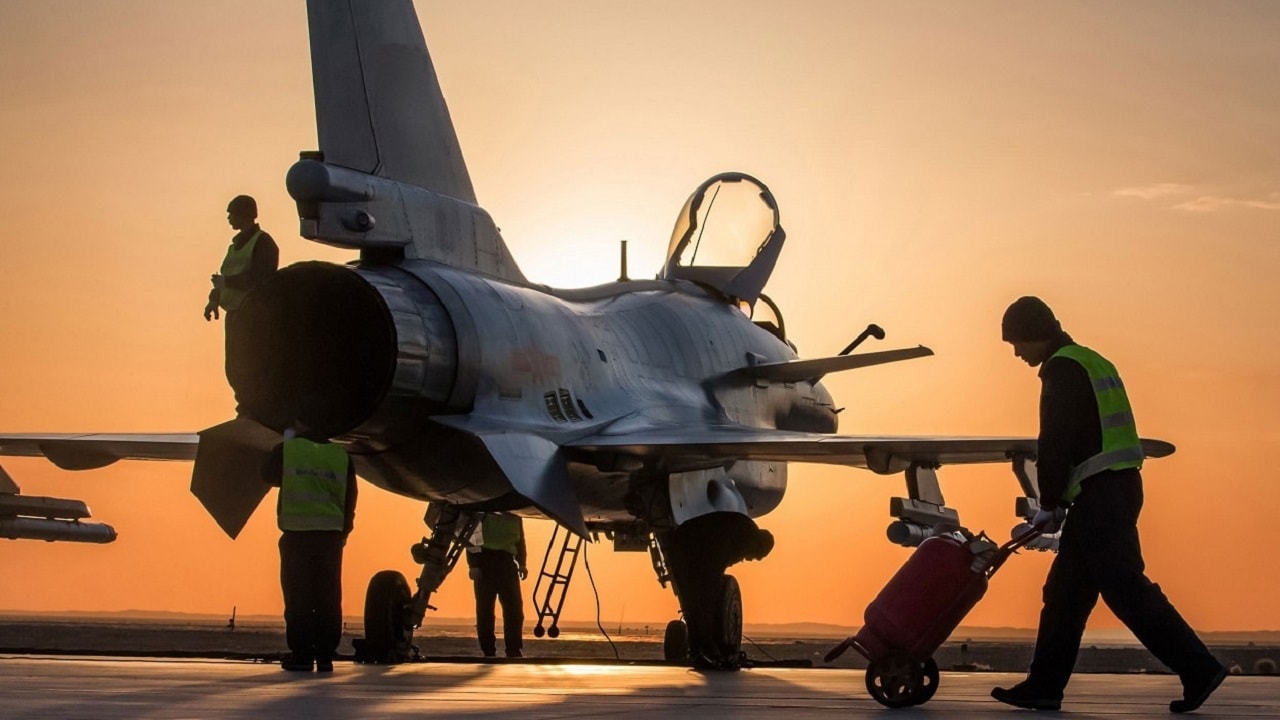
Chinese J-10 fighter. Image Credit: Creative Commons.
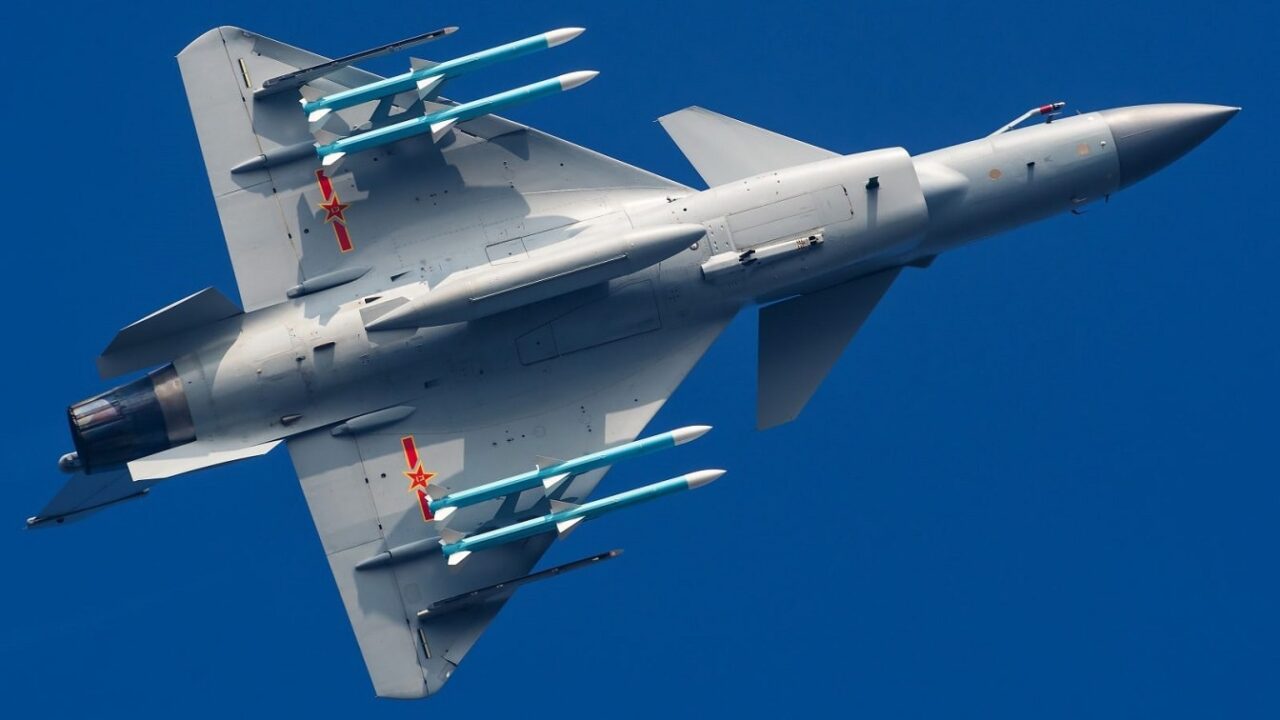
Chengdu J-10 Fighter Jet. Image Credit: Creative Commons.
Why Antimony?
Antimony is a silvery-grey metalloid chemical element that is valued for its distinctive combination of hardness, heat resistance, and chemical stability.
It is most commonly used as an additive rather than a standalone material, where it enhances the performance of other substances by making them more fire-resistant, stronger, or more durable. Antimony currently plays a critical role in flame retardants used in electronics, construction materials, and textiles.
It is also used in lead-acid batteries, semiconductor manufacturing, infrared sensors, and specialized alloys.
Because these applications span civilian technology, industrial manufacturing, and military systems, antimony is widely classified as a “dual-use” material – one that supports both commercial supply chains and defense capabilities. Its importance has grown alongside demand for advanced electronics, energy storage, and modern weapons systems – but global supply remains highly concentrated.
Antimony, therefore, occupies a sensitive position within China’s export control regime.
The metal is used in flame retardants and batteries, semiconductors and other products manufactured throughout the country, making it a core material for commercial technology and the country’s burgeoning defense industries.

J-10 Fighter. Image: Creative Commons.
China is currently the world’s largest producer, too, accounting for well over half of global output – and as a result, Beijing has steadily tightened oversight of the sector in recent years.
Beijing formally added antimony to its export control list in 2024, requiring exporters to obtain government approval before shipping the material abroad. Later that year, China imposed a ban on antimony exports to the United States, alongside similar restrictions on gallium and germanium, citing national security concerns.
While officials announced in November that some shipments to the U.S. would be temporarily permitted following talks between Xi Jinping and Donald Trump, all three metals remain subject to licensing requirements and additional scrutiny.
The smuggling operation was clearly powered by market dynamics, too: when export controls were imposed, a substantial gap between domestic and overseas prices appeared. Industry data shows that European benchmark prices tripled over the past year, while China’s official exports collapsed by roughly 90 percent compared with previous years.
That disparity is what created such strong incentives to smuggle the materials out of China, particularly through indirect routes through Southeast Asia and Latin America.
The case also comes as Western governments continue to warn that reliance on China for niche but essential minerals is creating strategic vulnerabilities, particularly for defense and other manufacturing operations.
Antimony has been identified by the U.S. Geological Survey as a critical mineral due to its many defense applications and limited domestic production – and the U.S. relied on imports for roughly three-quarters of its supply between 2020 and 2023.
About the Author:
Jack Buckby is a British author, counter-extremism researcher, and journalist based in New York who writes frequently for National Security Journal. Reporting on the U.K., Europe, and the U.S., he works to analyze and understand left-wing and right-wing radicalization, and reports on Western governments’ approaches to the pressing issues of today. His books and research papers explore these themes and propose pragmatic solutions to our increasingly polarized society. His latest book is The Truth Teller: RFK Jr. and the Case for a Post-Partisan Presidency.