
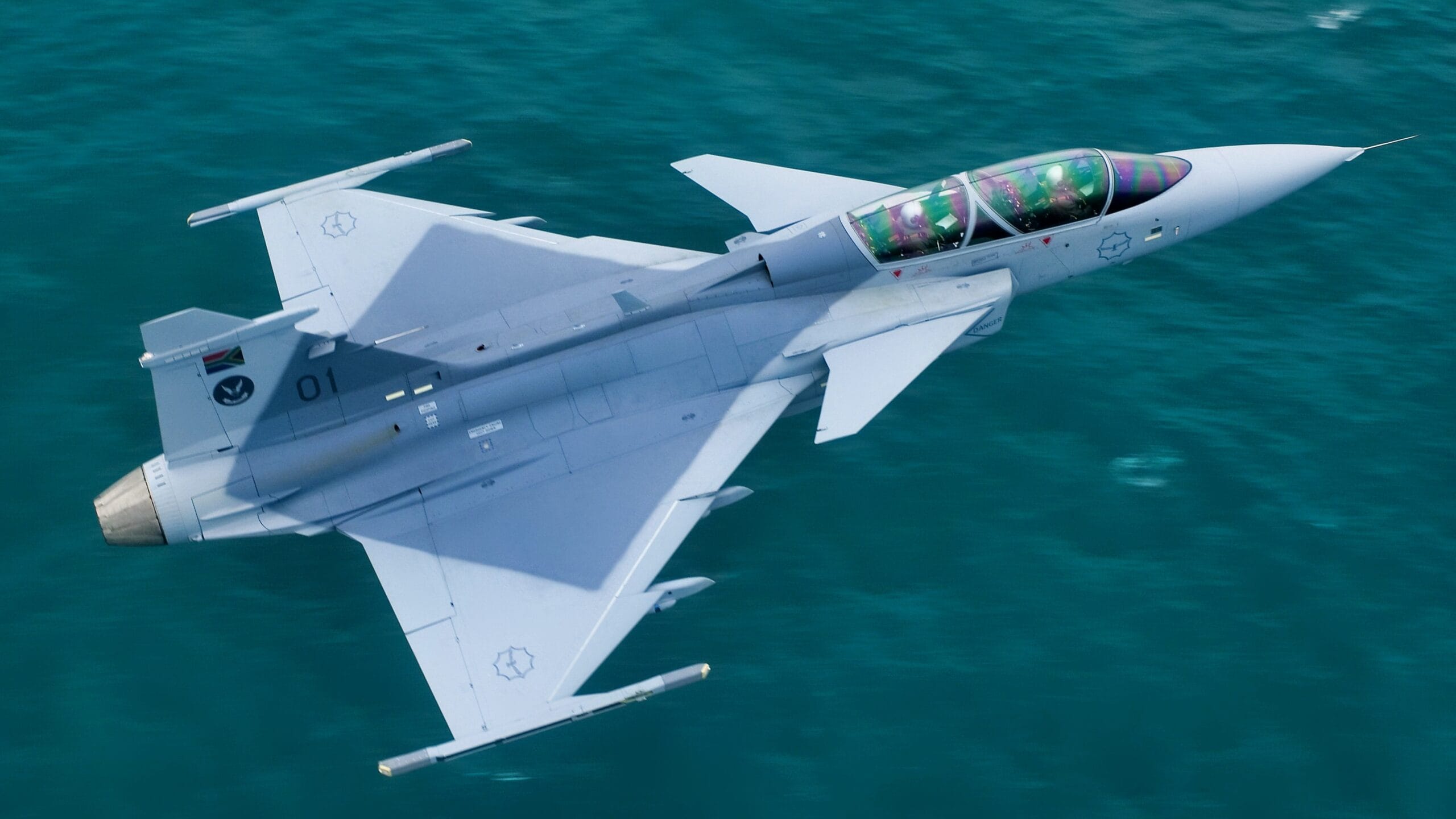
Key Points and Summary – Canada is still delaying a final decision on whether to proceed with all 88 planned F-35s or cap deliveries at 16 and switch to Saab’s JAS 39 Gripen – and jobs politics are now front and center.
-Saab has upped its Canadian offer from 6,000 to 10,000 jobs tied to local JAS 39 Gripen production and long-term support, a figure Industry Minister Mélanie Joly is openly entertaining as she criticizes the industrial benefits from the F-35 program.
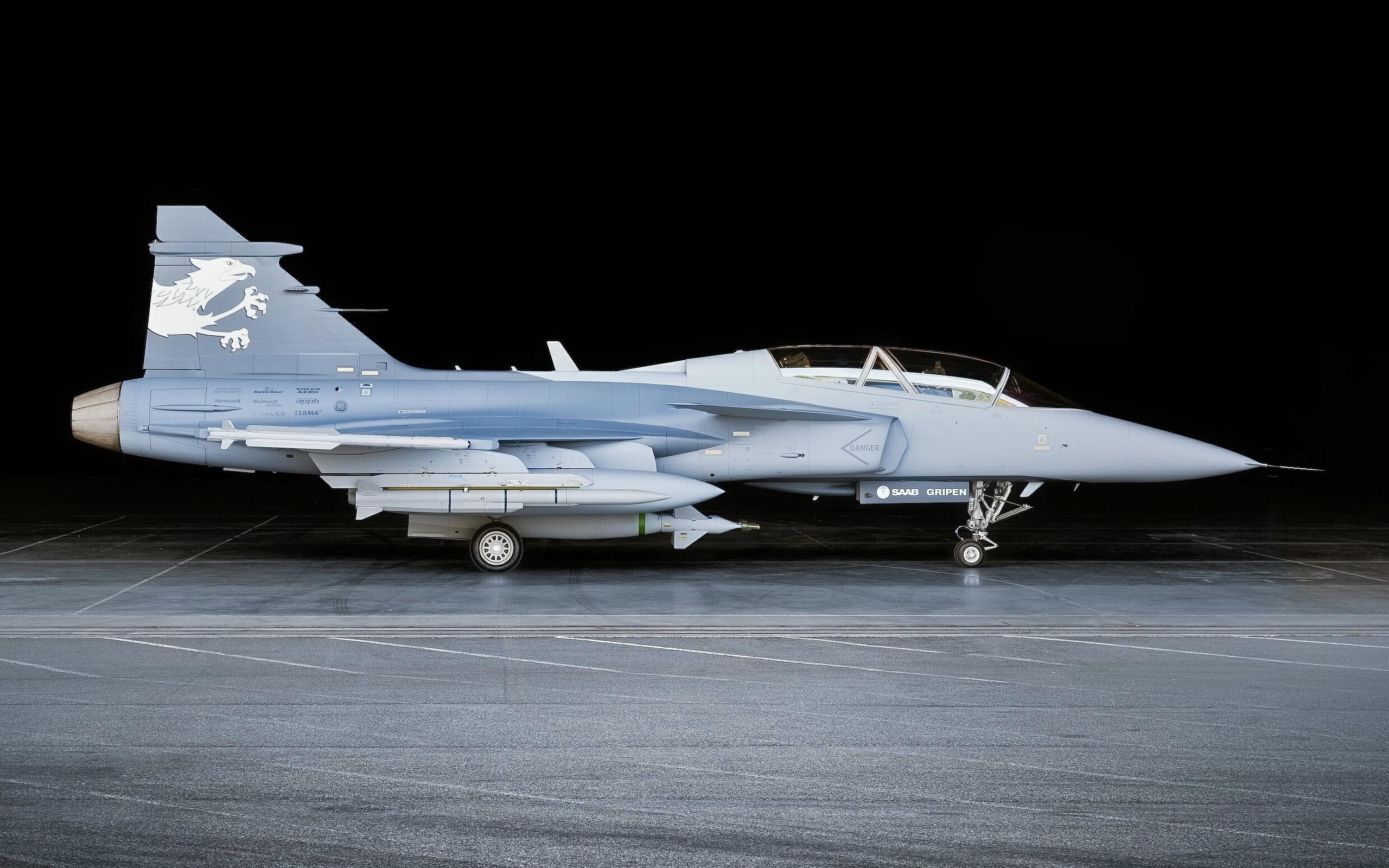
JAS 39 Gripen. Image Credit: Creative Commons.
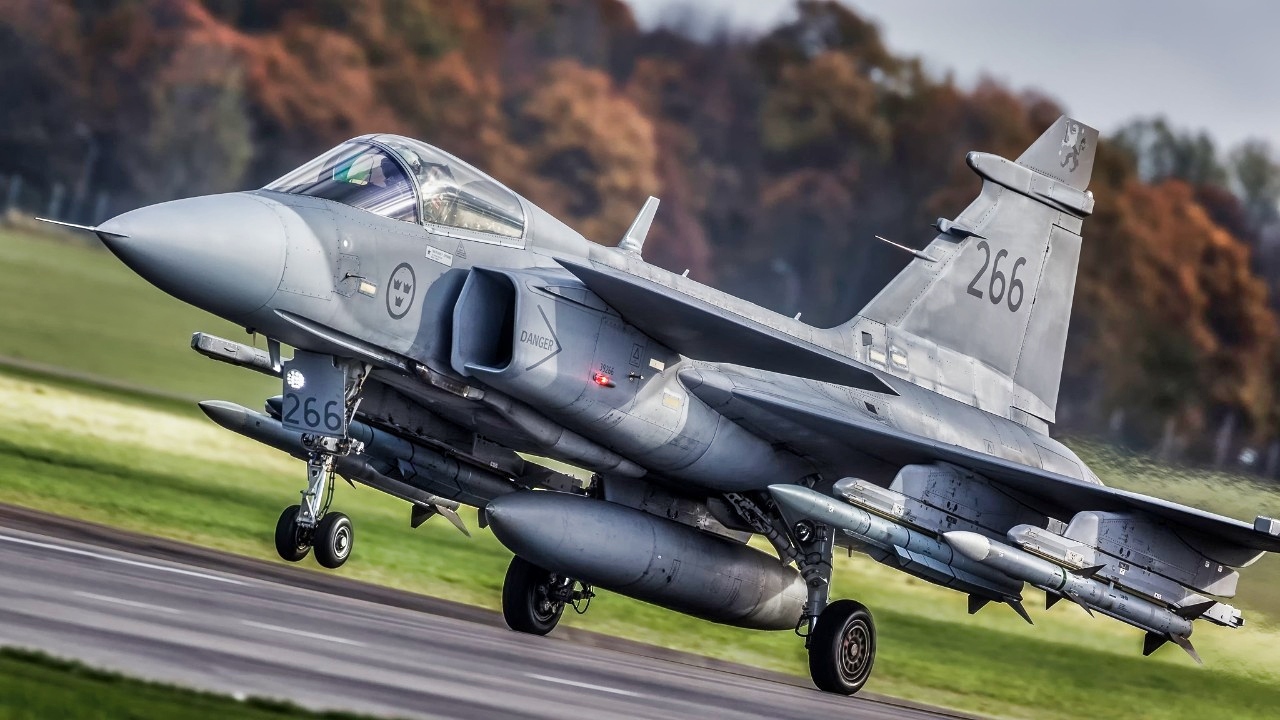
JAS 39 Gripen. Image Credit: Creative Commons.
-But F-35 proponents and defense economists say Saab’s numbers are “completely unrealistic,” noting Brazil’s Gripen line employs only a few hundred people and that Canada’s entire defense sector counts roughly 60,000 workers.
F-35 Proponents Question Saab’s JAS 39 Gripen Promise of 10K Jobs In Canada
The Canadian government has yet to decide on whether to go forward with the purchase of 88 F-35 fifth-generation stealth fighters, or cap the number at 16, which it is already legally obligated to pay for, and move to purchase the Swedish Saab fourth-generation+ JAS 39 Gripen.
Saab made a late push for the Gripen, promising 10,000 jobs in Canada if Ottawa decides to adopt it, which would then be built in Canada.
The promise of 10,000 Canadian jobs is a giant carrot to dangle in front of Ottawa, and it could sway the decision that is months overdue. The Carney administration promised to decide one way or the other on the F-35 before the end of the summer.
When Saab first bid on the contract to replace Canada’s aging CF-18 Hornet fighters, it offered 6,000 jobs, but now that number has risen to 10,000.
Now, winter is coming (no GoT pun intended), and there’s still no decision. But one F-35 proponent says the 10,000-person job offer should be called into question.
Background On Jobs For Canada
Recently, Canadian Industry Minister Mélanie Joly said that Canada has been “shortchanged on industrial benefits” out of its contract with Lockheed Martin to purchase American-made F-35s.
“We believe that we didn’t get enough when it comes to the F-35,” Joly said to the news media.
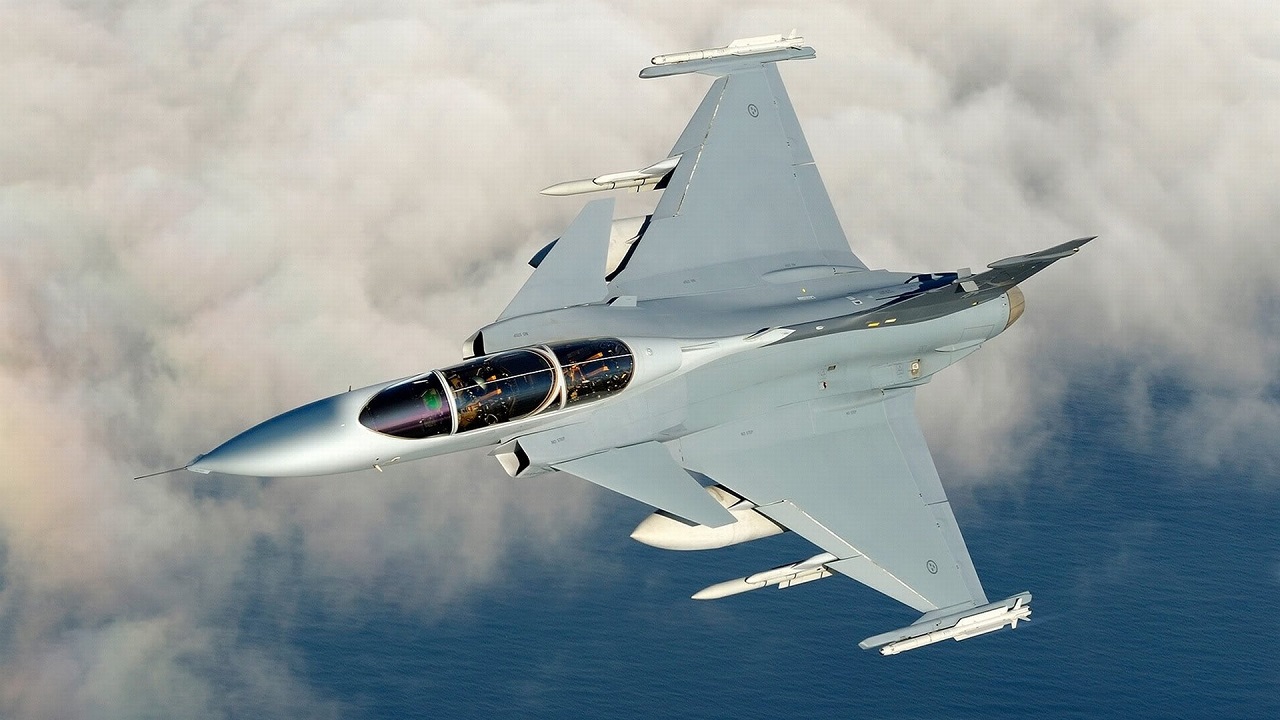
JAS 39. Image Credit: Creative Commons.
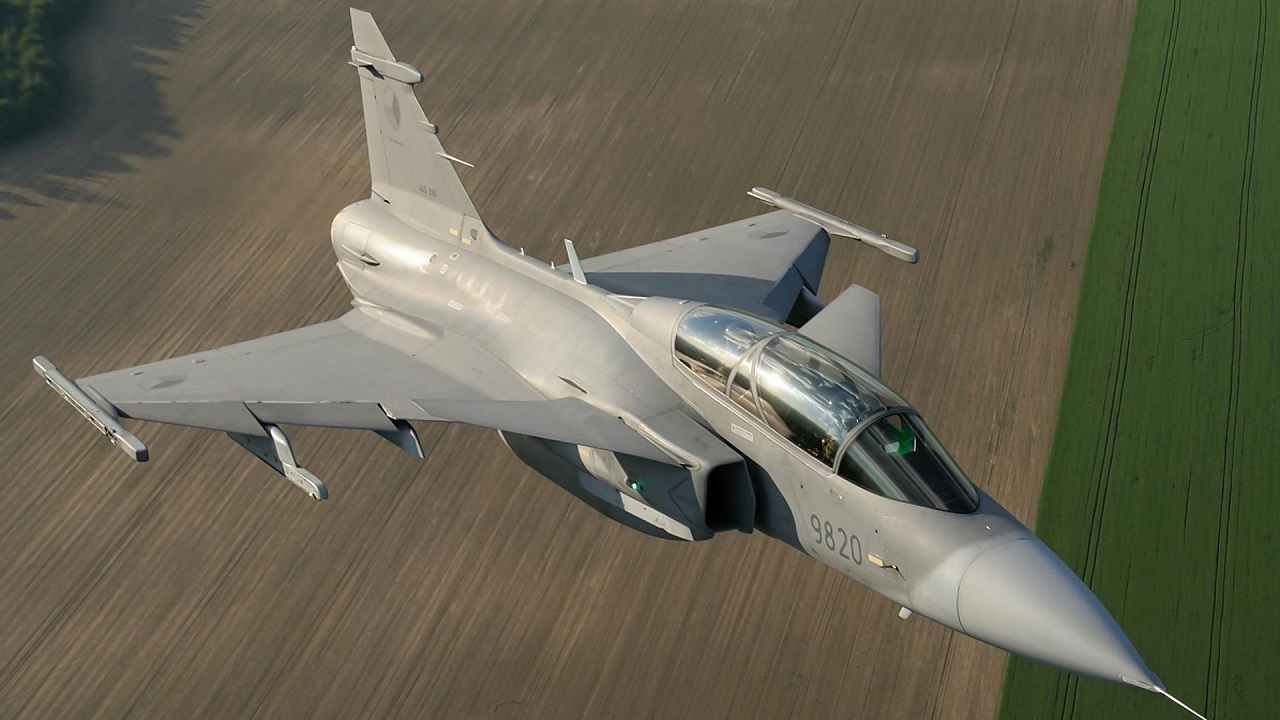
JAS 39. Image Credit: Creative Commons.
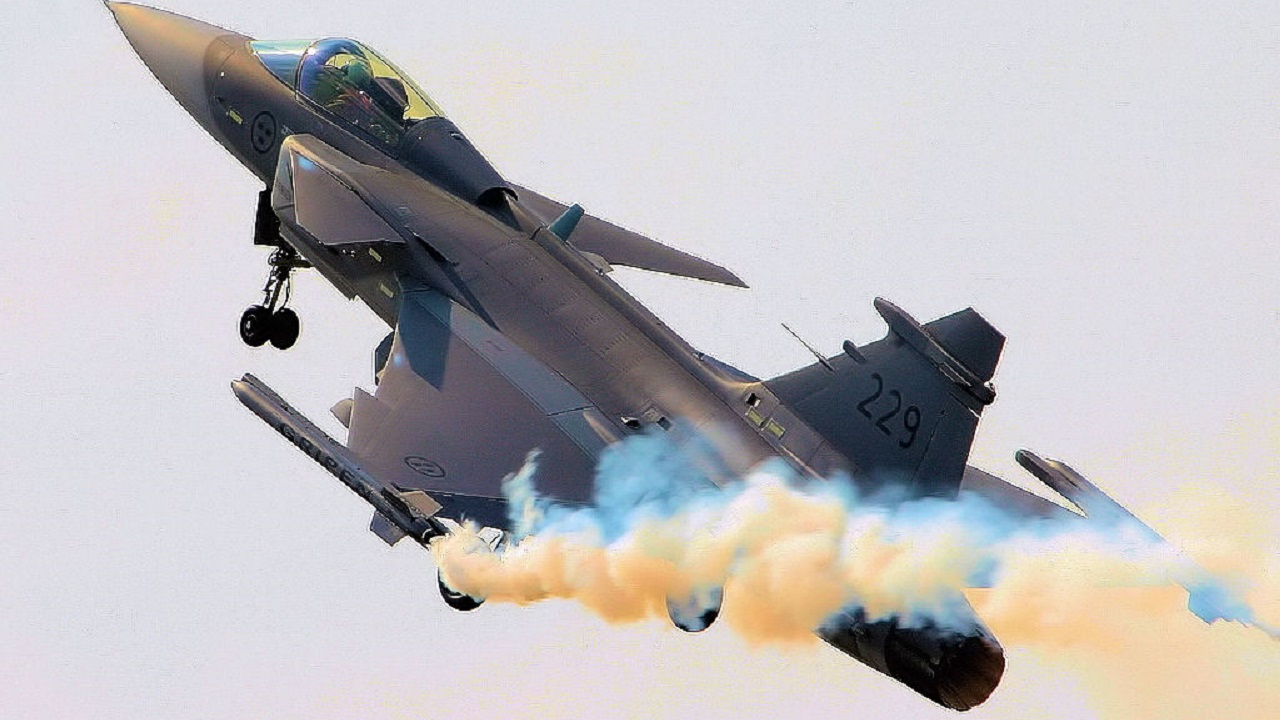
JAS 39 Gripen. Image Credit: Creative Commons.
“The industrial benefits are not enough. There needs to be more jobs created out of the F-35 contract. That’s clear to me and clear to this government,” she added.
Joly acknowledged publicly that the Carney government was in talks with Saab, which has promised to bring 10,000 aerospace manufacturing jobs to the country to assemble its Gripen E fighter jet.
“We think that we can use military procurement to get more,” Joly said to reporters. “That is why we’re looking, indeed, at the Gripen.”
Sweden’s Conditional Offer Of 10,000 Jobs
Saab’s promise of 10,000 jobs in Canada is a conditional offer tied to a potential contract to supply Gripen fighter jets, but its legitimacy is heavily debated and questioned by critics. The offer is not a guaranteed, standalone job creation scheme.
The jobs would only materialize if the Canadian government selects Saab’s Gripen jet for its military fleet and allows for a full domestic production and R&D hub. The offer includes manufacturing, assembly, and long-term sustainment activities.
Critics have said the 10,000 jobs figure is completely unrealistic. However, Saab spokesperson Jenny Gerdes stated the estimate reflects the “scale of work” anticipated based on projected global demand and the potential scope of Canadian involvement, but has not shared the specific modelling methodology with the public or the government, citing ongoing discussions.
“The figure is based on projected global demand for Gripen and the corresponding production, sustainment, and R&D activities Canada would undertake,” Gerdes said in an email to the Canadian Press.
“The details of the industrial program and the associated modelling are part of ongoing discussions with the government of Canada, so we’re not in a position to share specific breakdowns,” she added. “However, the estimate aligns with established industry benchmarks and what we know Canadian firms can support.”
The 10,000 Figure Seems Abnormally High on JAS 39 Gripen
The Canadian Press article includes a rebuttal from Richard Shimooka, an F-35 proponent at the Macdonald-Laurier Institute think tank, who dismissed Saab’s jobs figure as “completely unrealistic.”
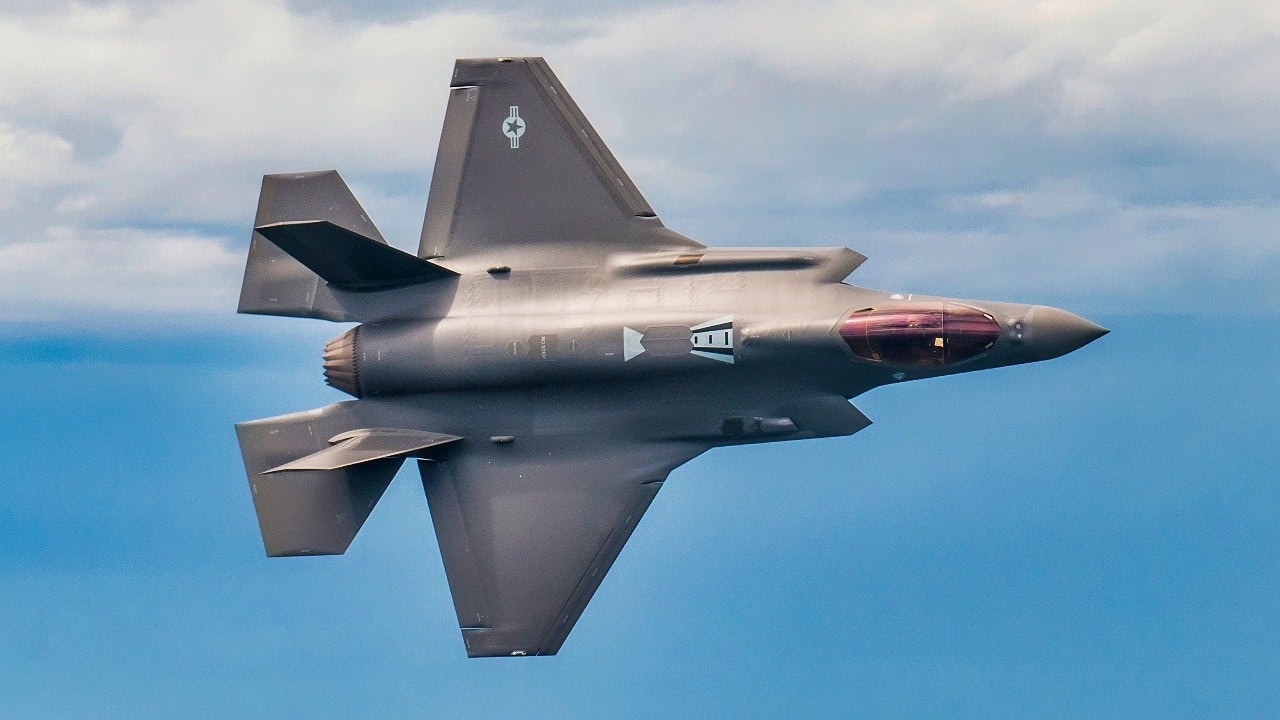
F-35 Fighter. Image Credit: Lockheed Martin.
“They’ve created a media ecosystem that has Canadians fully believing that this aircraft will give you 10,000 jobs and will export (jets) out to Ukraine,” he said, adding that figure would be larger than Saab Aerospace’s entire workforce in Sweden.
Defense economists in Canada have also expressed skepticism, noting that the Canadian defense sector as a whole only employs about 60,000 people.
Brazil’s Job Numbers Are Only A Few Hundred
Saab builds the Gripen in Sweden and Brazil. They have a contract with the Brazilian government and are hoping to secure further contracts with other Latin American countries.
However, Saab’s job numbers in Sao Paulo, Brazil, are a far cry from what they are promising to Canada.
James Bezan, another Conservative defense critic who has supported the F-35 purchase, has called the government review unnecessary and warned that it threatens Canadian jobs already in the F-35 supply chain.
Bezan told the Commons defense committee last week that Brazil’s partnership with Saab has only led to several hundred domestic jobs, “not the numbers that get thrown around here.”
According to Saab’s website, “Approximately 200 employees are directly involved, with 60 dedicated to the production area as operators, supervisors, and managers, and the rest providing support in production engineering, supplies, logistics, quality, administration, and other areas.”
Minister Joly’s department, Innovation, Science and Economic Development Canada, said it can’t share the details behind Saab’s estimate because it doesn’t have that information.
The company has developed the 10K job estimate. ISED does not have any details on the methodology underlying the forecast,” department spokesperson Justin Simard said in an email.
Saab’s workforce numbers about 25,000+ people. In addition to Gripen, they produce airborne surveillance systems, air traffic management systems, and aerostructures for other aircraft. Submarines (Kockums), surface vessels, underwater systems, and naval combat systems. Carl Gustaf multi-role weapon system, anti-tank weapons, radar, and command & control systems.
Civil security solutions, critical infrastructure protection, and emergency response. Radar, electronic warfare, and command & control systems.
Politics aside (which is a significant part of the Canadian review), the numbers that Saab is floating around seem overinflated. The production force in Brazil is far below the level promised to Canada. But Saab will no doubt be pressed to provide details to corroborate their numbers.
Until then, it is speculation whether those numbers are truly overinflated.
About the Author: Steve Balestrieri
Steve Balestrieri is a National Security Columnist. He served as a US Army Special Forces NCO and Warrant Officer. In addition to writing on defense, he covers the NFL for PatsFans.com and is a member of the Pro Football Writers of America (PFWA). His work was regularly featured in many military publications.