
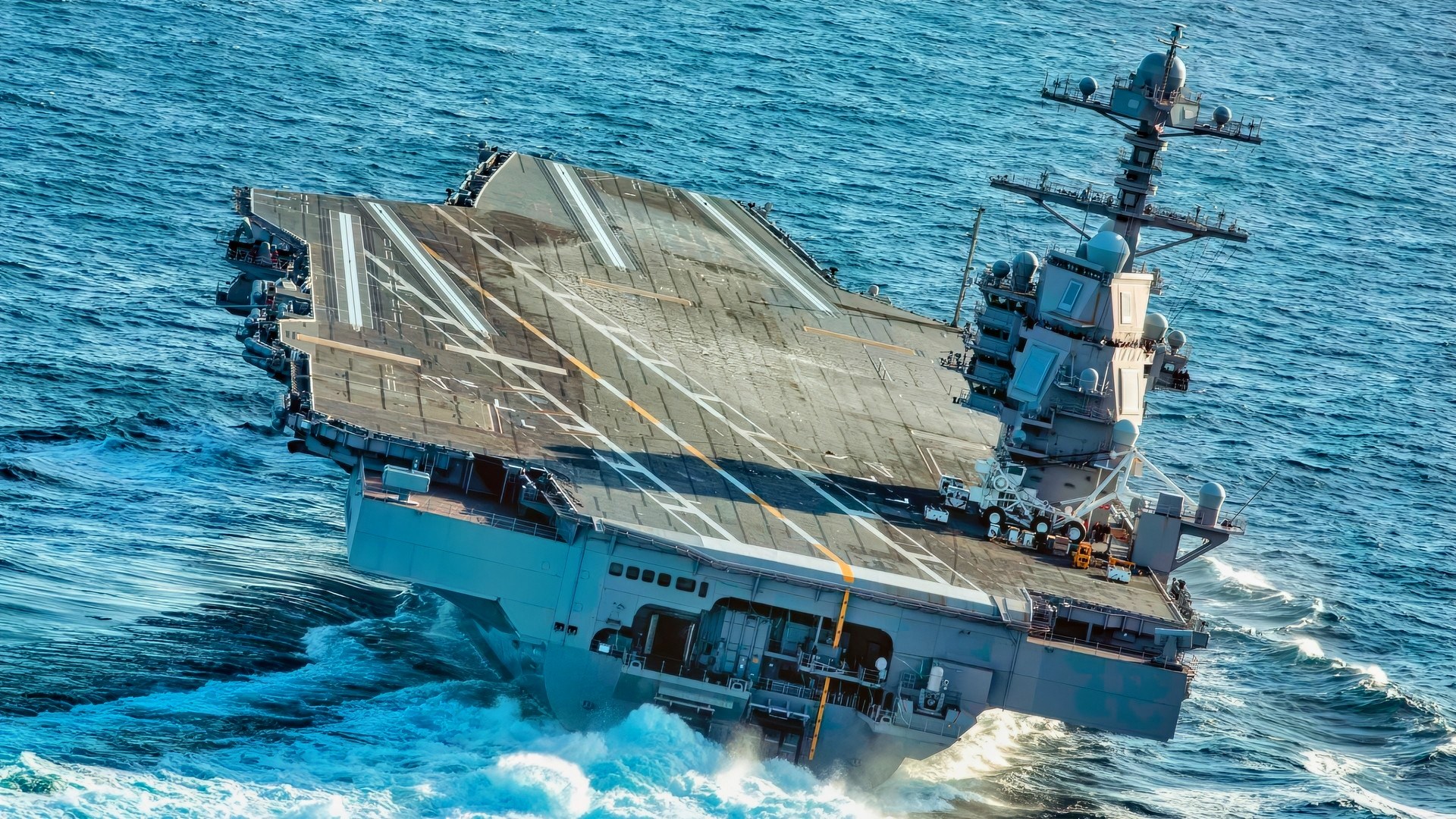
Key Points and Summary – A 2015 NATO exercise saw France’s nuclear attack submarine Saphir penetrate a U.S. carrier strike group and achieve a simulated torpedo “kill” on USS Theodore Roosevelt.
-The incident was not combat, but it underscored a lasting reality: anti-submarine warfare is probabilistic, not absolute.
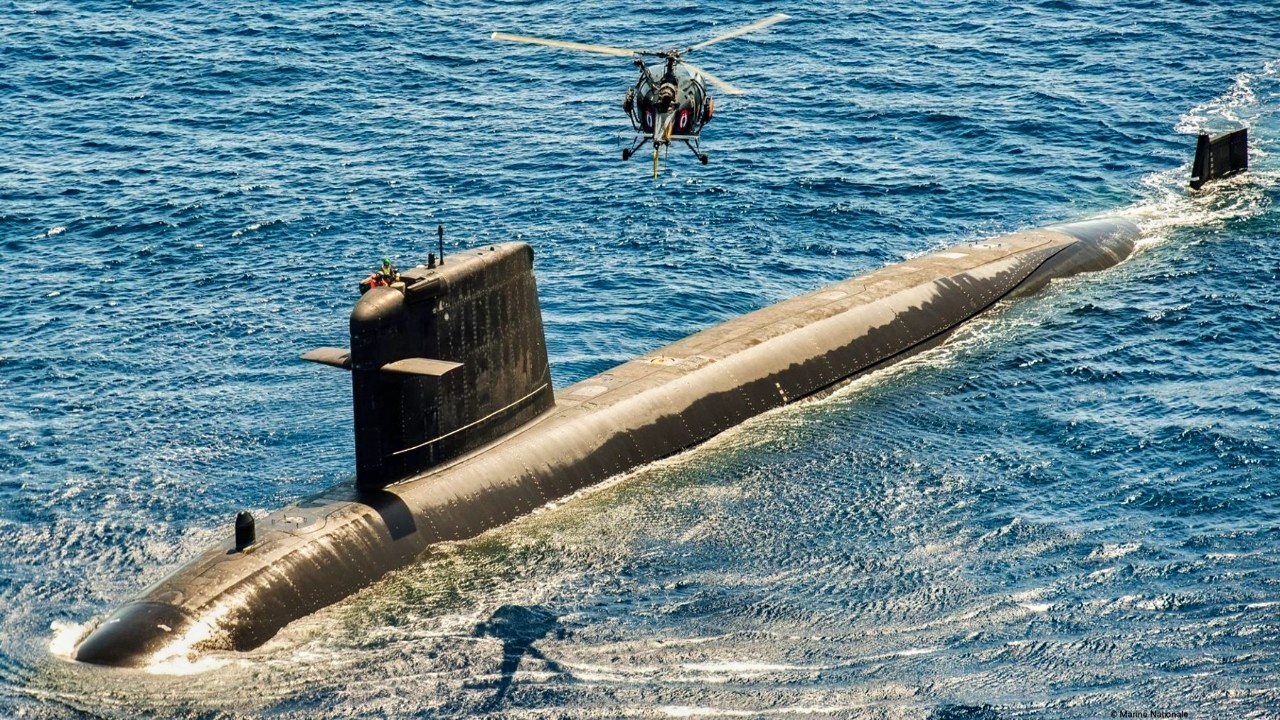
Rubis-Class French Navy Submarine. Image Credit: Creative Commons.
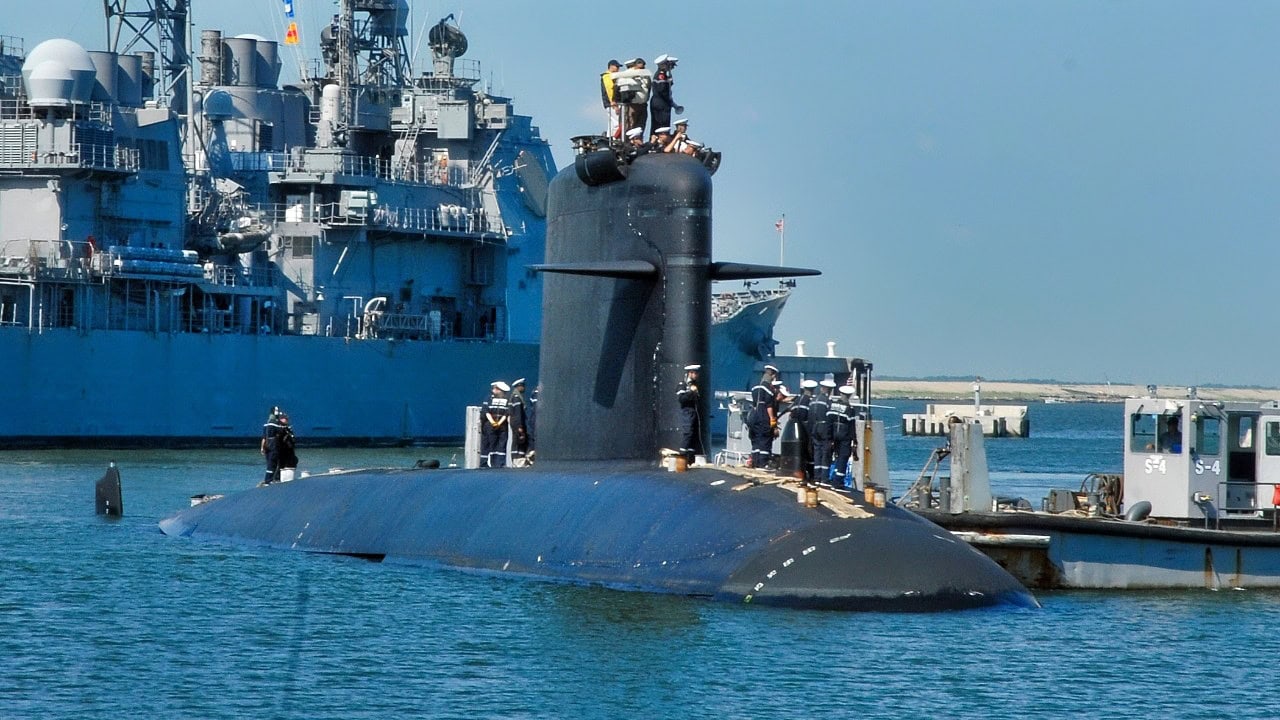
Rubis-Class: The French nuclear attack submarine FS Amethyste arrives at Naval Station Norfolk after completing patrol operations in the West Indies. Amethyste is making a four-day port call before joining the Theodore Roosevelt Task Group for Joint Task Force Exercise starting next week.
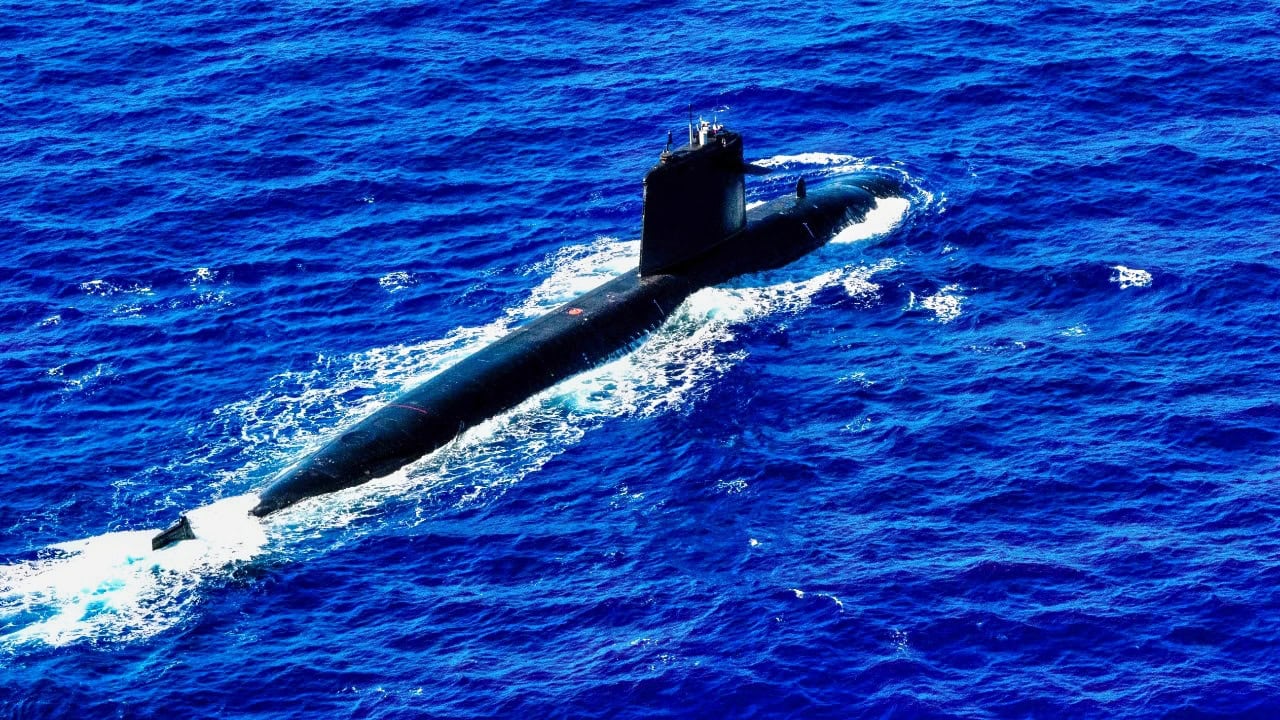
Rubis-Class Submarine from France
-Even a well-defended carrier—screened by escorts, helicopters, and patrol aircraft—can be vulnerable if a quiet, patient submarine finds a seam.
-The French boat’s success highlighted how environment, timing, and disciplined tactics can trump size and cost in undersea warfare. The takeaway wasn’t carrier obsolescence, but a reminder that submarines remain the most dangerous threat to surface fleets.
France Has a Nuclear Submarine That Took Out a U.S. Navy Aircraft Carrier In a Wargame
In 2015, the French submarine Saphir “sank” a US aircraft carrier in a NATO exercise.
The kill was simulated, not actual, occurring during a war game, not combat. But the incident illustrated the enduring vulnerabilities in carrier strike groups (CSGs), an asymmetry that puts US carriers, the most expensive warships ever built, at risk.
What Happened?
During a multinational exercise, a Rubis-class SSN successfully penetrated the defensive screen of a US CSG.
The French submarine achieved an undetected approach and a simulated torpedo firing. In terms of the exercise, this constituted a “kill” on the carrier.
The French Navy publicly acknowledged the success, and the US Navy did not dispute it.
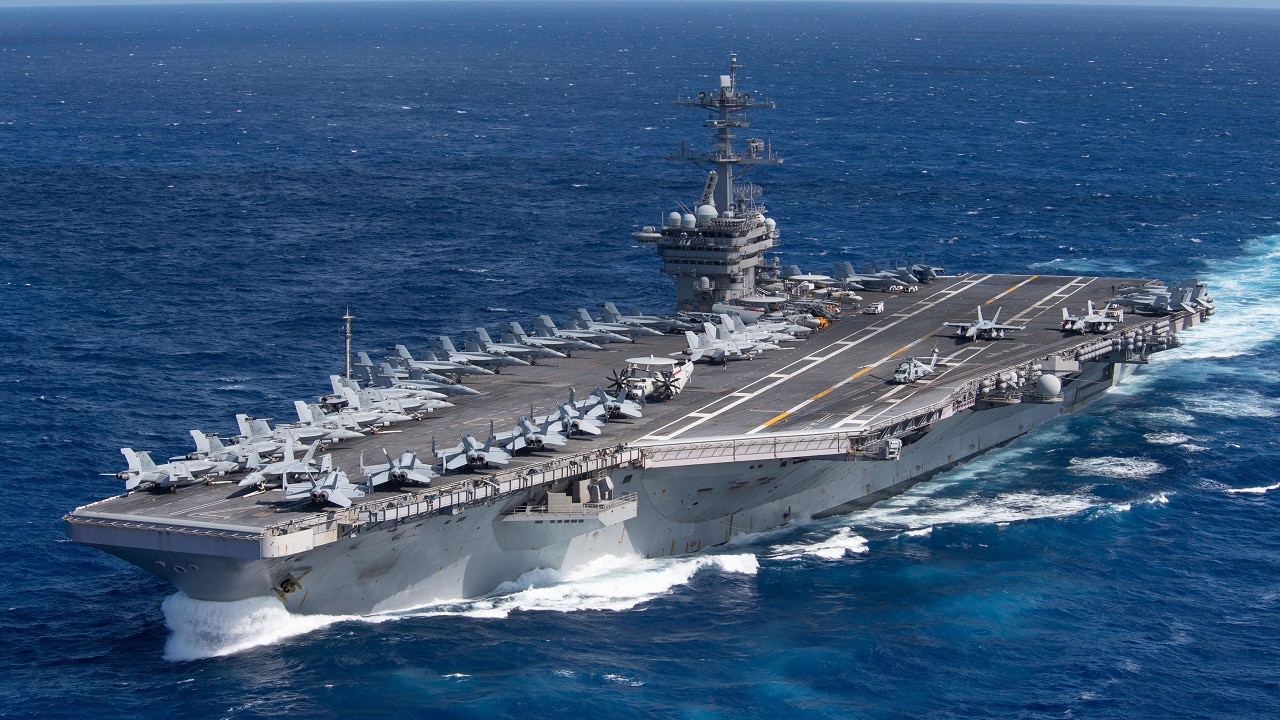
(Jan. 25, 2020) The aircraft carrier USS Theodore Roosevelt (CVN 71) transits the Pacific Ocean Jan. 25, 2020. The Theodore Roosevelt Carrier Strike Group is on a scheduled deployment to the Indo-Pacific. (U.S. Navy photo by Mass Communication Specialist Seaman Kaylianna Genier)
While the incident may seem something of an embarrassment to the US Navy, it served its intended purpose: exposing weaknesses.
Better to recognize vulnerabilities to a multi-billion-dollar super carrier in a low-stakes war game than in an actual combat scenario.
France Is a Nuclear Submarine Superpower
The submarine in question here, the Rubis, was France’s first nuclear-powered attack submarine, comparable to the compact US SSNs.
The key characteristics of the Rubis are its small displacement, nuclear propulsion, and optimization for littoral and blue-water operations.
The strengths that allowed the Rubis to sneak past the CSG’s defenses were a low acoustic signature, excellent maneuverability, and a crew well-trained in ASW evasion.
The takeaway from the exercise: the Rubis punches well above its weight.

PACIFIC OCEAN (April 29, 2021) Two F/A-18 Super Hornets assigned to Carrier Air Wing (CVW) 11 launch from the flight deck of the aircraft carrier USS Theodore Roosevelt (CVN 71), April 29, 2021. The Theodore Roosevelt Carrier Strike Group is on a scheduled deployment conducting routine operations in U.S. 3rd Fleet. (U.S. Navy photo by Mass Communication Specialist 3rd Class Erik Melgar) 210429-N-XX200-4059
A Nimitz-Class Aircraft Carrier in Trouble
By contrast, the carrier involved was the USS Theodore Roosevelt, a Nimitz-class aircraft carrier.
The Roosevelt was operating with the wider CSG, which included a variety of group defenses, such as destroyers equipped with sonar, helicopters equipped with dipping sonar, and maritime patrol aircraft. The point being, the Roosevelt was well protected.
But, as the exercise demonstrated, ASW is probabilistic, not absolute. And defending a moving carrier in the open ocean is a complex procedure. One submarine only needs one successful approach to land a devastating torpedo blow—and that’s exactly what the Rubis executed in the simulation.
France vs. America – Submarine vs. Aircraft Carrier
So how did a lowly, Cold War-era French submarine defeat an American CSG?
Submarine warfare favors patience, stealth, and timing. In exercises, defenders often simulate realistic limitations, with attackers permitted to exploit seams.
The Rubis likely benefited from noise clutter, environmental conditions, or fractured focus in a threat-saturated environment.
The Rubis victory does not mean that carriers are floating helplessly on the open ocean; it just means that carrier defense is not a perfect science, and there will always be vulnerabilities to a boat measuring over 1,000 feet long.
The incident reinforces a core naval truth: submarines remain the most dangerous threat to surface vessels. The implications for carriers are clear: survivability depends on layered defense, meaning constant movement, ISR, and escort implications.

An elevated port quarter view of the nuclear-powered aircraft carrier USS THEODORE ROOSEVELT (CVN-71) as it leaves Hampton Roads, Va.
Without question, Russia and China are closely studying these exercises and likely concluding that their investment in attack submarines is worthwhile.
But it’s important not to draw too strong a set of conclusions from the Rubis’s victory.
The exercise does not prove that carriers are obsolete or that the US Navy is unprepared for today’s threats. Exercises are meant to identify vulnerabilities and to press CSGs to improve their tactics. The US Navy routinely “loses” exercises on purpose to learn. Besides, real combat would differ from exercises.
There would be different, less constrictive rules of engagement, a different force posture, and other risk tolerances. Things wouldn’t have transpired in quite the same way.
From a broader geopolitical perspective, the exercise shows that France has a serious blue-water navy. And the incident reinforces NATO interoperability and the credibility of US allies. The incident demonstrates that ASW is extremely important, a top priority, and that submarine development matters as much as carrier development for future combat.
Yes, a U.S. Navy Aircraft Carrier Can Be Destroyed by A Submarine
In sum, the Rubis-class “sinking” of the Roosevelt wasn’t a humiliation; it was a timely warning, by design. Modern warfare hinges upon stealth, sensors, and patience.
The Rubis showed this, demonstrating that size, speed, or fiscal investment does not yield invulnerability.
As the US pivots towards the Indo-Pacific, a much more maritime-centric environment than Europe or the Middle East, lessons gleaned from exercises like this will be invaluable. China’s A2/AD bubble is designed to exploit carrier vulnerabilities, so preemptive exercises designed to gauge CSG defense mechanisms are essential training grounds.
About the Author: Harrison Kass
Harrison Kass is an attorney and journalist covering national security, technology, and politics. Previously, he was a political staffer and candidate, and a US Air Force pilot selectee. He holds a JD from the University of Oregon and a master’s in global journalism and international relations from NYU.