
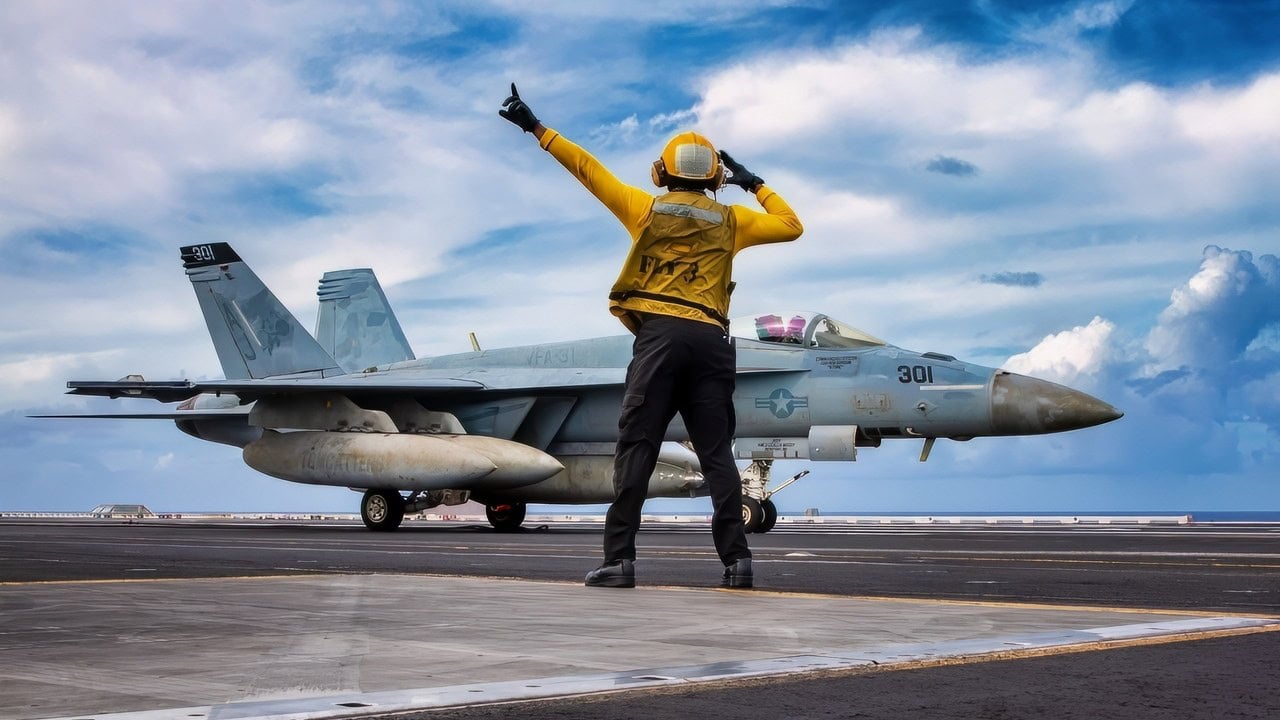
Key Points and Summary – The Gerald R. Ford-class was billed as a revolution in carrier design, but it has become a case study in how not to modernize a fleet.
-The lead ship blew past its budget, follow-on hulls are years late, and key technologies such as EMALS, Advanced Arresting Gear, and weapons elevators have struggled to work reliably at sea.
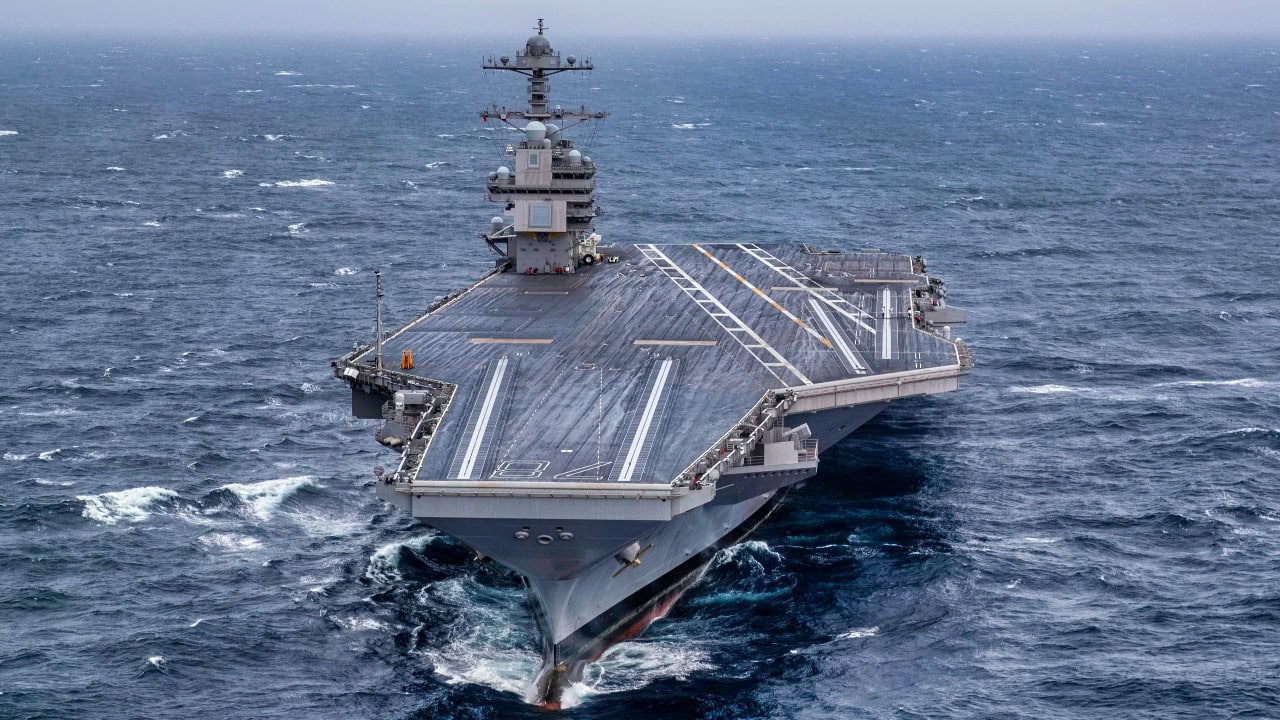
ATLANTIC OCEAN (Oct. 27, 2019) USS Gerald R. Ford (CVN 78) steams in the Atlantic Ocean for the first time since July 2018. Ford is conducting sea trials following its 15 month post-shakedown availability. (U.S. Navy photo by Mass Communication Specialist 3rd Class Connor Loessin)
-Layered on top are heavy maintenance demands, complex digital systems, and growing questions about survivability against Chinese A2/AD threats and long-range missiles.
-Together, these issues raise doubts about whether the Navy overreached on a platform now central to its future.
-In 2 Words: Many Problems?
Ford-Class Aircraft Carrier: A $120 Billion Mistake?
The Gerald R. Ford-class is the latest class of supercarriers being produced for the U.S. Navy. They were the first carriers in the world to introduce electromagnetic launch systems, as well as a number of other technologies such as new radars and battle management systems.
These carriers were supposed to be the most advanced vessels in the fleet, but they have caused some of the greatest problems. From cost overruns and delays to technical difficulties, the Ford-class project has run into hurdle after hurdle.
Cost Overruns
The first and most glaring issue is cost. The lead ship, the USS Gerald R. Ford (CVN-78), cost more than $13 billion, a figure that far exceeds its initial projections, and when research and development expenses are factored in, the total investment climbs even higher.
Subsequent ships in the class, such as CVN-79 and CVN-80, are projected to cost between $13.2–$15 billion each, pushing the overall program toward an estimated $120 billion. These figures have sparked intense debate about affordability, especially as the Navy faces competing priorities for modernization and fleet expansion. Critics argue that such staggering costs create long-term fiscal burdens and reduce flexibility in naval procurement strategies.
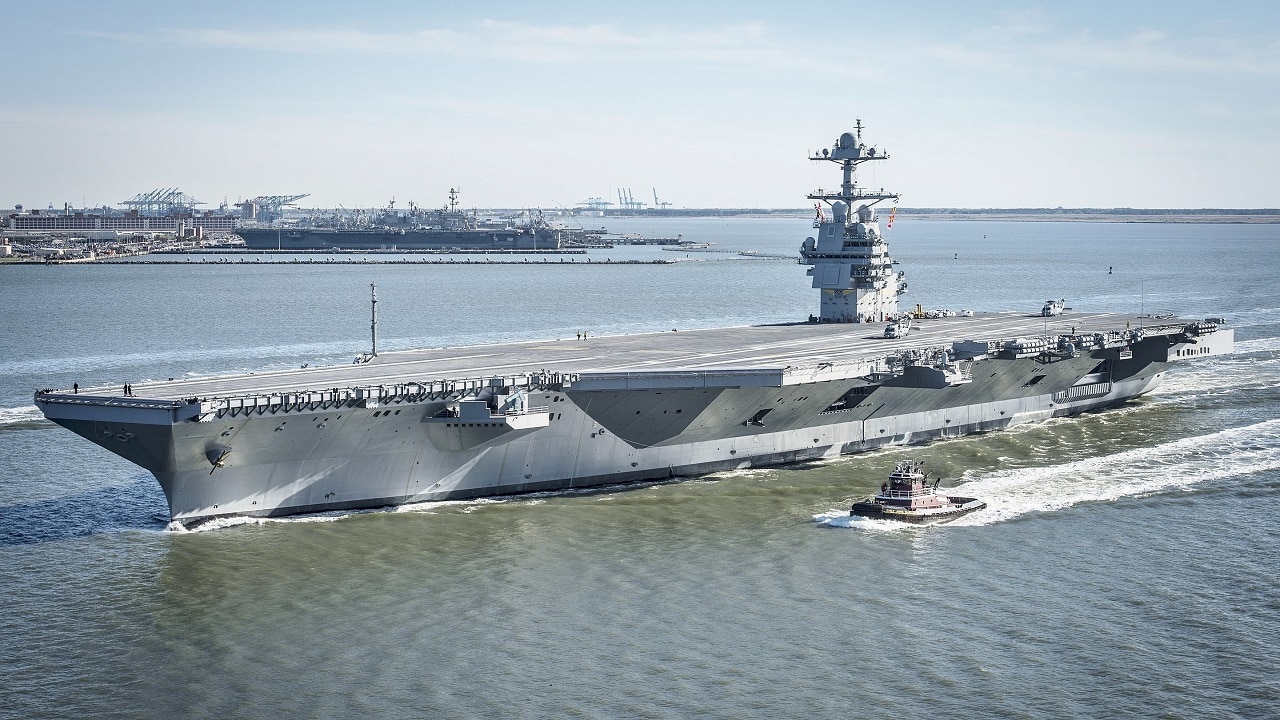
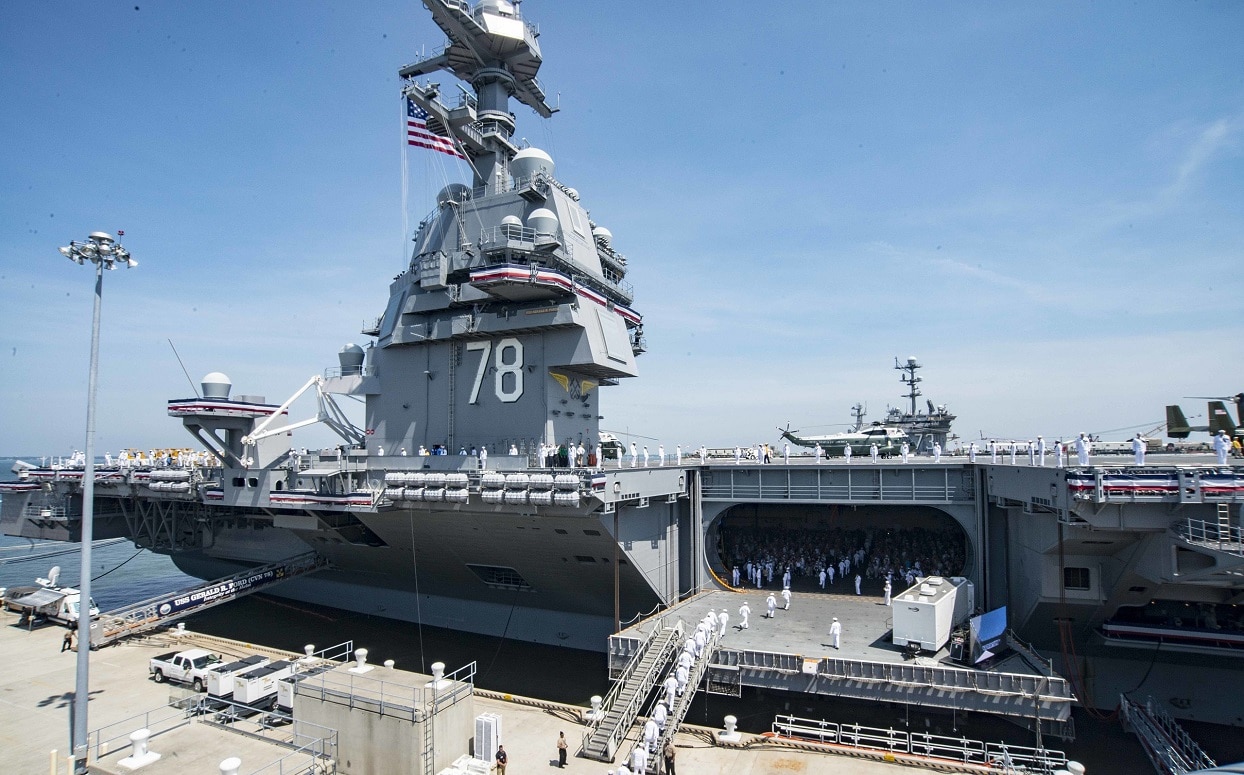
The U.S. Navy aircraft carrier USS Gerald R. Ford (CVN-78) underway under her own power for the first time while leaving Newport News Shipbuilding, Newport News, Virginia (USA), on 8 April 2017. The first-of-class ship – the first new U.S. aircraft carrier design in 40 years – spent several days conducting builder’s sea trials, a comprehensive test of many of the ship’s key systems and technologies. USS George Washington (CVN-73) and the amphibious assault ship USS Kearsarge (LHD-3) are visible in the background.
Program Delays
Closely tied to the cost problem are pervasive schedule delays. The second ship in the class, John F. Kennedy (CVN-79), has slipped by two years from its original delivery date, now expected in 2027. The third ship, Enterprise (CVN-80), has been postponed to 2030, also two years later than planned.
These delays stem largely from integration challenges with the carrier’s advanced technologies, such as electromagnetic catapults and arresting gear, as well as supply chain disruptions that have crippled domestic shipbuilding.
The result is a ripple effect across the fleet, creating readiness gaps and forcing the Navy to adjust deployment schedules to compensate for the slower pace of carrier availability.
Technological Unreliability
The class’ third major weakness lies in technological reliability. A huge selling point for the Ford-class was its technological sophistication. But its new systems have been a constant problem, and integrating them has proven more difficult than anticipated.
The electromagnetic aircraft launch system and the advanced arresting gear, designed to replace traditional steam catapults and arresting wires, have suffered repeated failures and reliability issues even years after initial deployment.
Similarly, the advanced weapons elevators, which use electromagnetic technology to move ordnance between decks, were delivered in non-functional condition on the lead ship and continue to pose challenges for subsequent vessels.
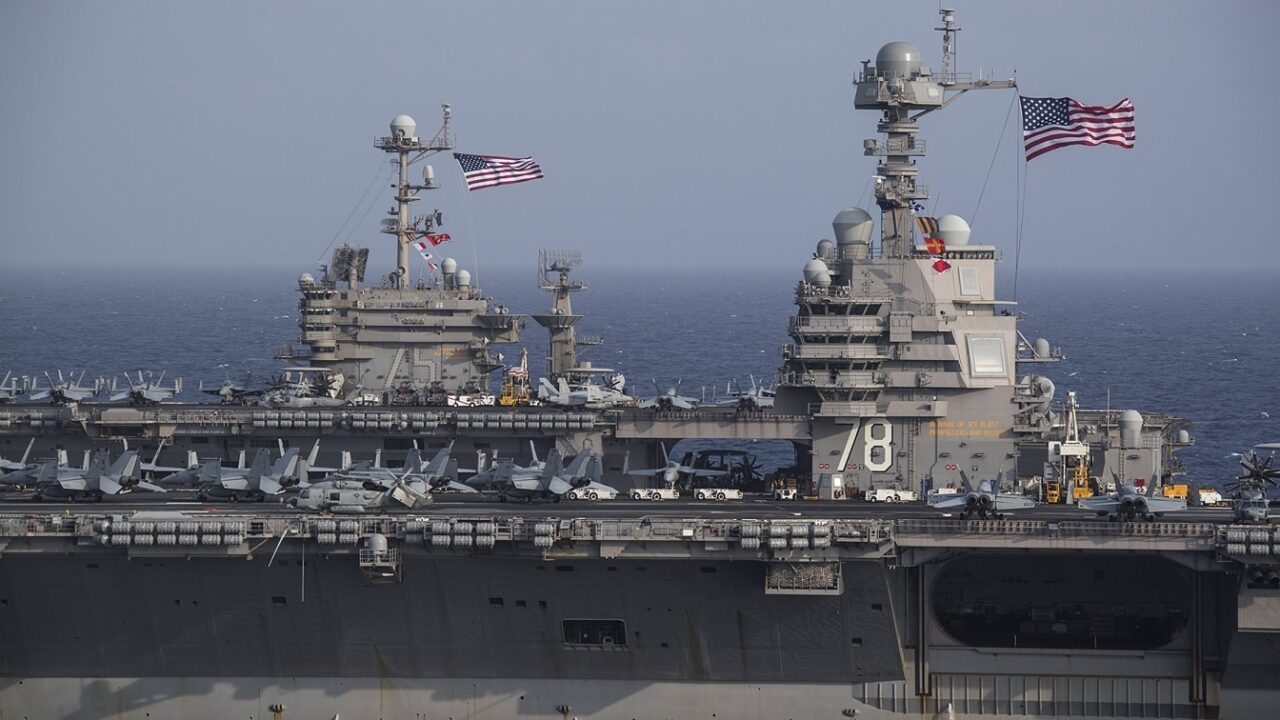
(June 4, 2020) The Ford-class aircraft carrier USS Gerald R. Ford (CVN 78) and the Nimitz-class aircraft carrier USS Harry S. Truman (CVN 75) transit the Atlantic Ocean, June 4, 2020, marking the first time a Ford-class and a Nimitz-class aircraft carrier have operated together underway. Gerald R. Ford is underway conducting integrated air wing operations and the Harry S. Truman Carrier Strike Group remains at sea in the Atlantic Ocean as a certified carrier strike group force ready for tasking in order to protect the crew from the risks posed by COVID-19, following their successful deployment to the U.S. 5th and 6th Fleet areas of operation. (U.S. Navy photo by Mass Communication Specialist 2nd Class Ruben Reed/Released
Even the dual band radar system, intended to provide superior situational awareness, has experienced intermittent failures and is slated for replacement. These reliability problems undermine operational effectiveness and reduce sortie rates, calling into question whether the promised performance gains justify the risks and costs.
Maintenance Issues for Ford-Class
The new carriers require significantly more maintenance than their simpler predecessors. The Ford-class carriers incorporate a highly networked architecture and numerous interdependent systems, which means that even minor failures can cascade across multiple subsystems.
Reports have highlighted unexpected problems such as frequent clogging of toilets that may sound trivial but can lead to failures on other parts of the ship. Cybersecurity vulnerabilities also loom large, given the extensive automation and digital integration throughout the ship.
Furthermore, the nuclear propulsion system, while offering endurance advantages, entails high decommissioning costs and specialized handling requirements, adding to the long-term sustainment burden. In practice, what was intended to reduce manpower and improve efficiency has instead created a maintenance environment that is more complex and costly than anticipated.
Gerald R. Ford-class. Image: Creative Commons.
Bigger Probelm for Ford-Class: Is the Aircraft Carrier Obsolete?
Finally, there is the question of survivability in modern conflict. Ford-class carriers are enormous, high-value assets that remain prime targets for adversaries equipped with anti-access/area-denial capabilities, including long-range ballistic missiles and drone swarms.
A less-discussed issue is the air wing. Fighters such as the F-35C and the F/A-18 Super Hornet lack the combat range necessary during a war against China. This would force carriers to operate in range of Chinese hypersonic missiles, which might only require one or two well-placed hits to render the vessel incapable of flight missions.
Critics argue that in an era of precision-guided weapons and distributed lethality, concentrating so much capability and cost into a single platform may be strategically unsound. Some analysts advocate for a shift toward smaller, more agile ships that can operate in contested environments without presenting such an inviting target.
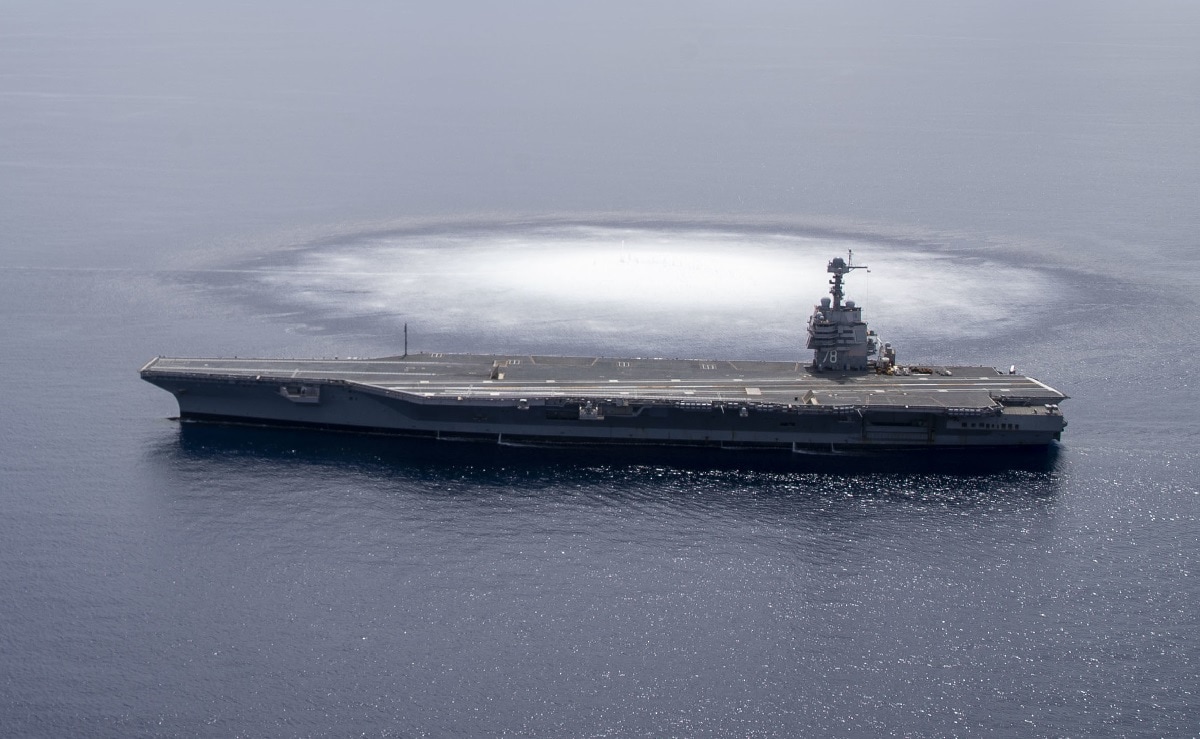
The aircraft carrier USS Gerald R. Ford (CVN 78) completes the first scheduled explosive event of Full Ship Shock Trials while underway in the Atlantic Ocean, June 18, 2021. The U.S. Navy conducts shock trials of new ship designs using live explosives to confirm that our warships can continue to meet demanding mission requirements under harsh conditions they might encounter in battle. (U.S. Navy photo by Mass Communication Specialist 3rd Class Riley B. McDowell)
Taken together, these five attributes paint a sobering picture of the Ford-class program. While proponents contend that these carriers will deliver on their promise once technical issues are resolved, the scale of the challenges has raised fundamental questions about the wisdom of pursuing such an ambitious design all at once.
Admiral Mike Gilday acknowledged that incorporating 23 new technologies into a single class was excessive and introduced unnecessary risk.
Historically, first-of-class ships experience teething problems, but the Ford-class has faced particularly severe setbacks that have strained budgets and delayed fleet modernization.
About the Author: Isaac Seitz
Isaac Seitz, a Defense Columnist, graduated from Patrick Henry College’s Strategic Intelligence and National Security program. He has also studied Russian at Middlebury Language Schools and has worked as an intelligence Analyst in the private sector.