
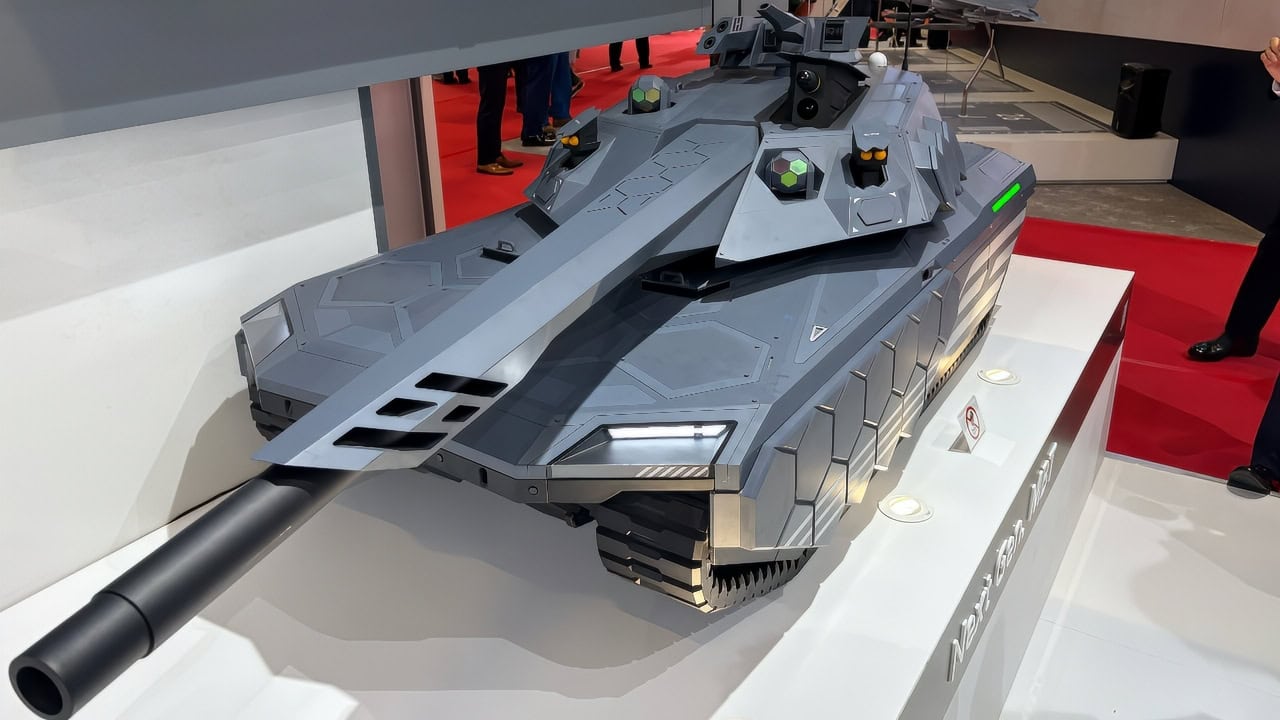
Key Points and Summary – South Korea’s K3 is a next-generation main battle tank concept that breaks sharply from traditional armor design.
-Developed with Hyundai Rotem as a successor to the K2 Black Panther, it centers on a hydrogen fuel-cell and hybrid-electric drive, promising silent mobility, lower signatures, and high agility in Korea’s mountainous, urban terrain.
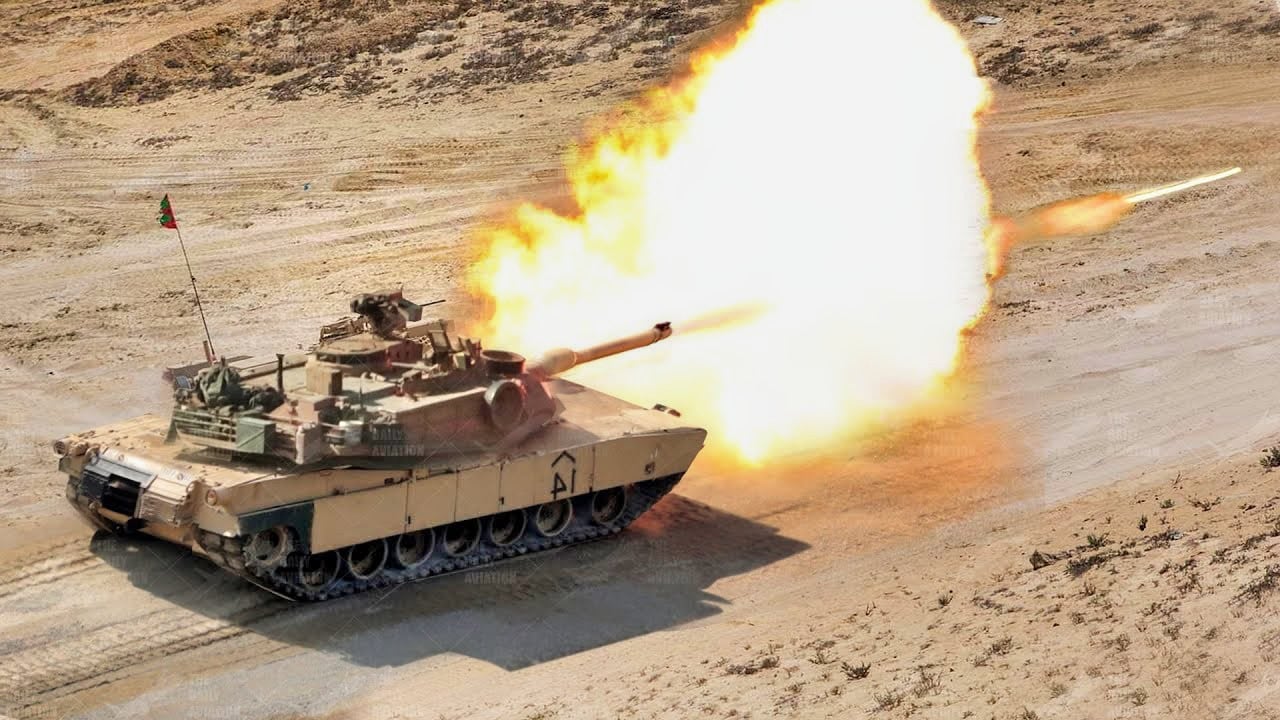
M1 Abrams Firing. Image Credit: Creative Commons.
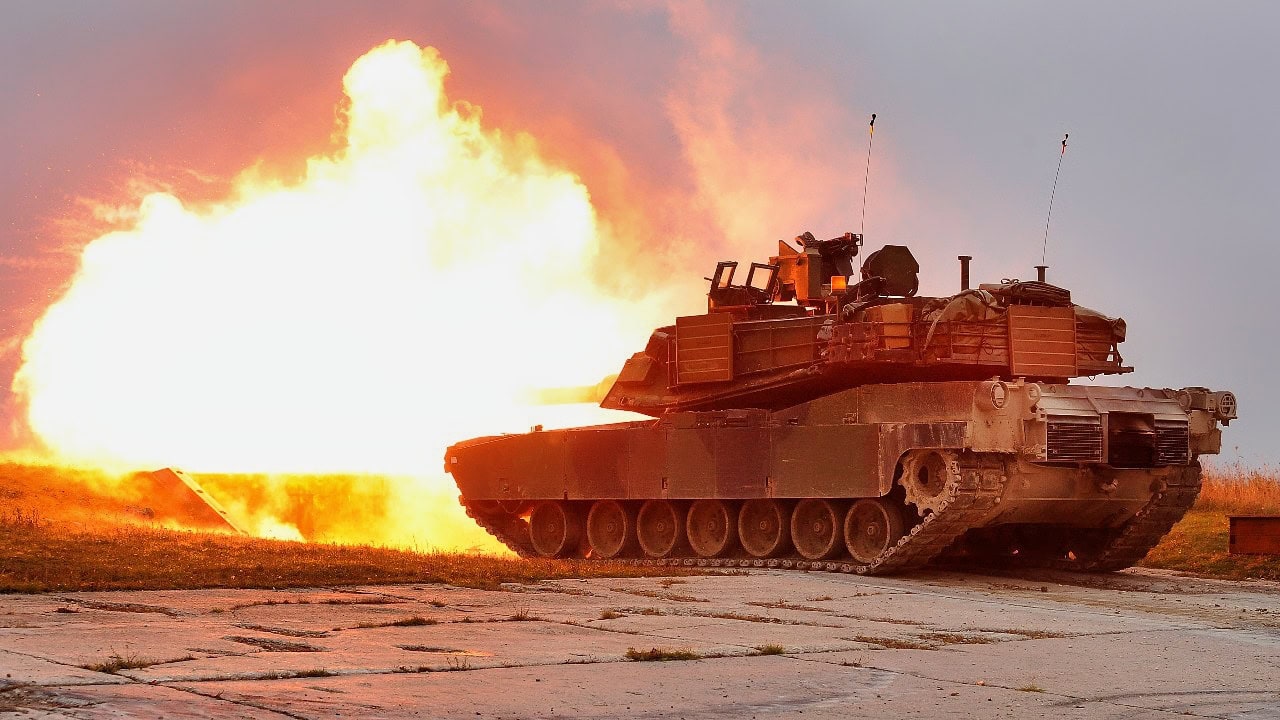
U.S. Soldiers, assigned to the 1st Battalion, 64th Armor Regiment, 1st Armored Brigade Combat Team, 3rd Infantry Division, conduct gunnery with M1A2 Abrams tanks during exercise Combined Resolve V at 7th Army Joint Multinational Training Command in Grafenwoehr, Germany, Oct. 8, 2015. Combined Resolve is designed to exercise the U.S. Army’s regionally aligned force to the U.S. European Command area of responsibility with multinational training at all echelons. Approximately 4,600 participants from 13 NATO and European partner nations will participate. The exercise involves around 2,000 U.S. troops and 2,600 NATO and Partner for Peace nations. Combined Resolve is a preplanned exercise that does not fall under Operation Atlantic Resolve. This exercise will train participants to function together in a joint, multinational and integrated environment and train U.S. rotational forces to be more flexible, agile and to better operate alongside our NATO Allies. (U.S. Army photo by Visual Information Specialist Gertrud Zach/released)
-Envisioned features include a 130–140 mm gun, reduced crew with an autoloader, advanced active protection, AI-driven fire control, and organic UAV teaming.
-If realized, the K3 could set a new global standard for “sixth-generation” tanks and signal that armor’s future lies in power, sensors, and networking—not just thicker steel.
K3: The New Tank That Looks Like the B-21 Raider Bomber?
South Korea’s K3 MBT is a next-generation main battle tank (MBT) concept, currently under development with Hyundai Rotem. With several innovative features, including hydrogen fuel-cell propulsion, the K3 is arguably the most radical MBT concept under development anywhere in the world, a break from the traditions of armored vehicle design.
The K3’s defining concept, arguably, is the hydrogen fuel-cell propulsion, but the tank incorporates several innovations, including hybrid electric drive, advanced AI, networked systems, active protection, and drone teaming.
In short, the K3 is a 21st-century MBT, a departure from the traditional, lumbering tanks of the 20th century.
Bold and radical, the K3 is an effort to leapfrog incremental Western designs, like the M1E2 Abrams and Leopard 2A8, creating an entirely new technological class of MBT.
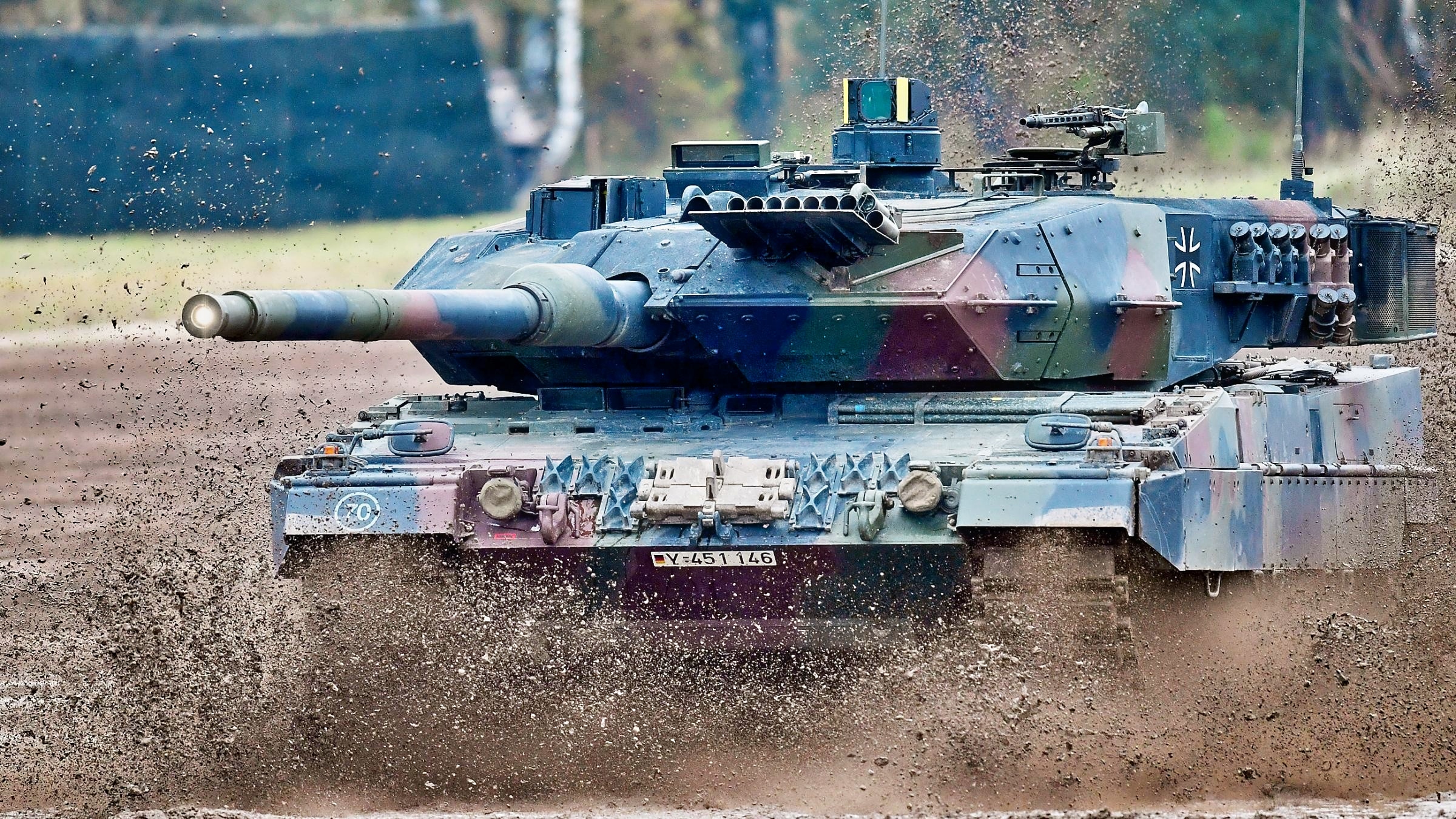
Leopard 2 Tank. Leopard 2 Tank. Image Credit: Creative Commons.
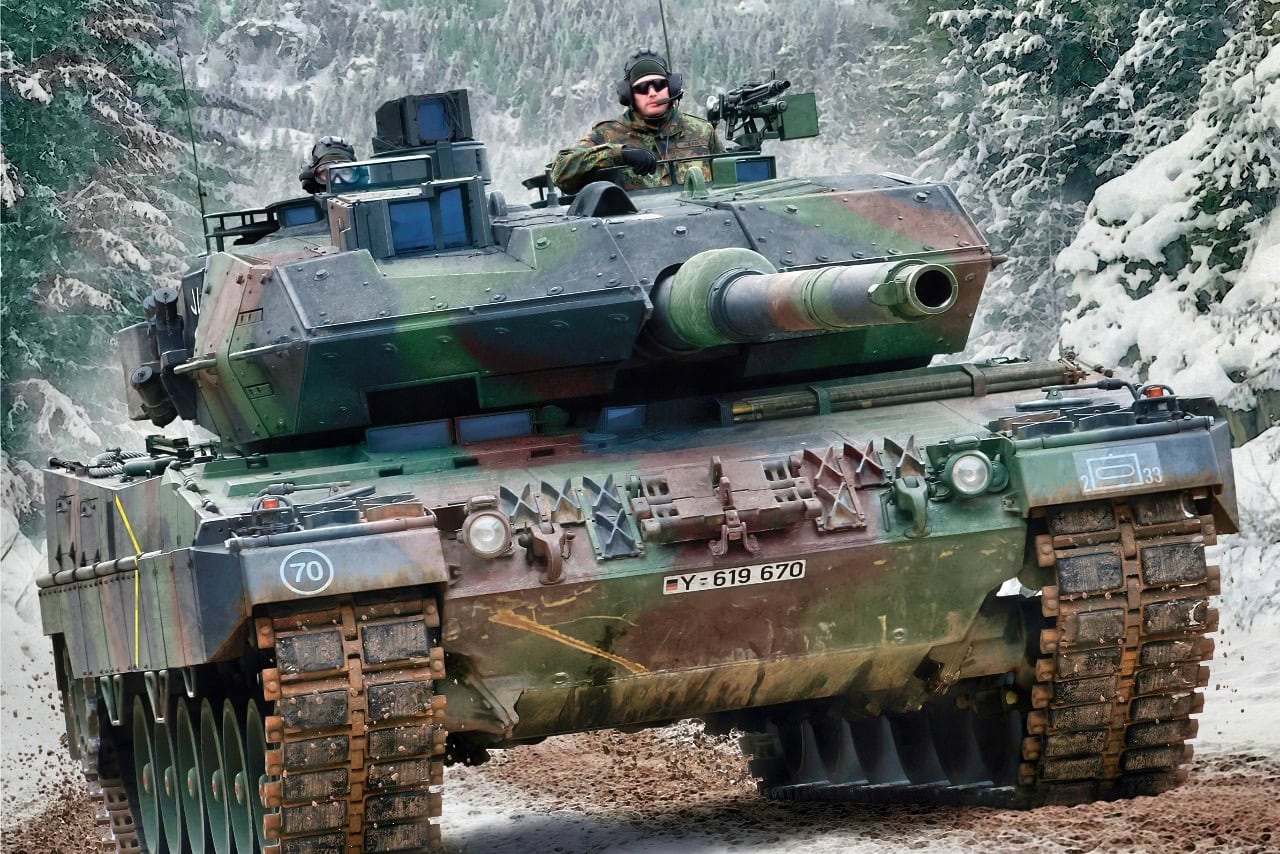
Leopard 2 Tank. Image Credit: Creative Commons.
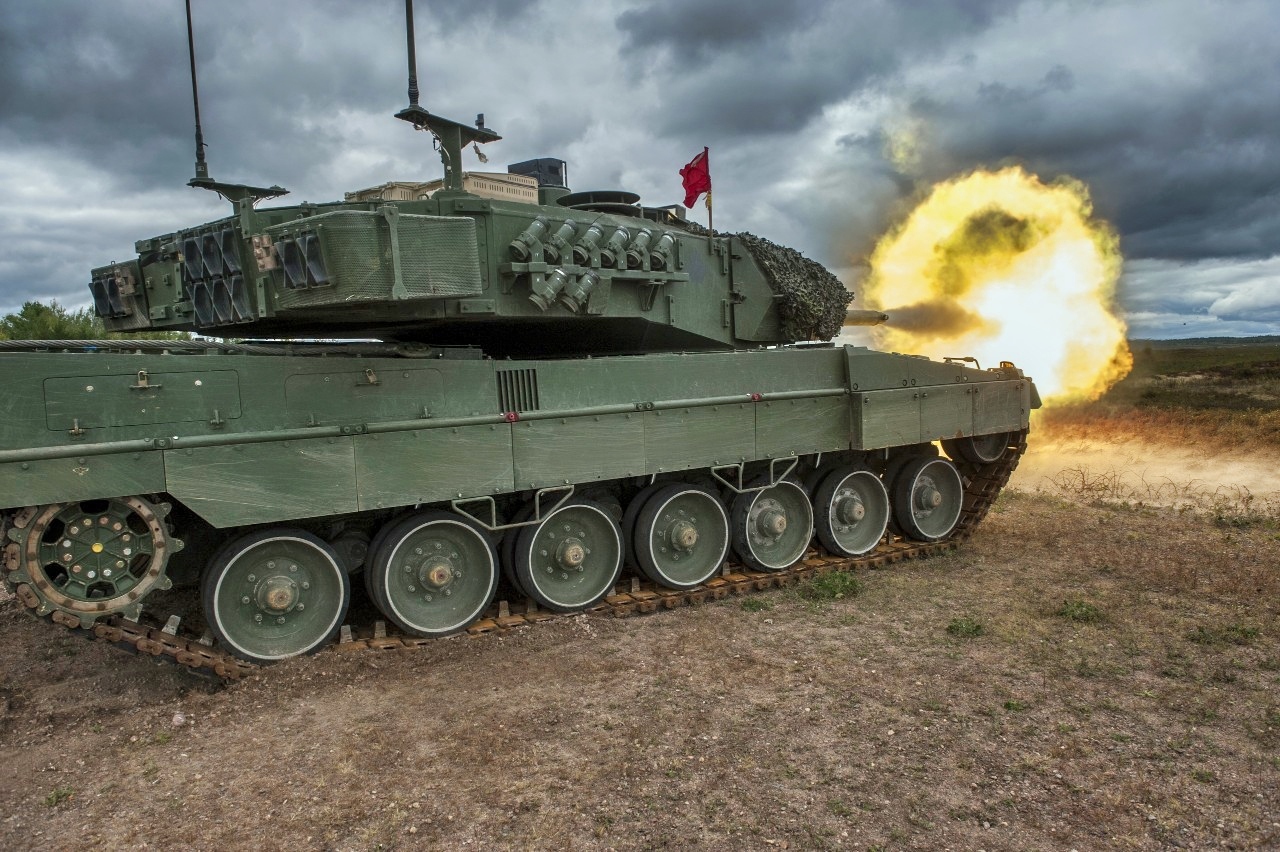
Leopard 2 Tank. Image Credit: Creative Commons.
South Korea once relied on the US-built M48 Patton and licensed M60 equivalents, but began developing indigenous models in the 1980s, with the K1. The follow-up design, the K2 Black Panther, represented a significant breakthrough, one of the world’s most advanced MBTs. The success of the K2 gave South Korea the momentum and confidence to design a worthy successor, something bold and modern. Intended to enter service sometime in the late 2030s, the K3, if executed as envisioned, will be significantly ahead of the K2.
The K3 is still conceptual, not yet prototyped, but rendered. The primary power source is a hydrogen fuel cell, while a hybrid-electric drive enables silent movement.
The systems will be fully digital, with AI-assisted fire control. And like so many modern systems, the K3 is expected to be integrated with companion drones for situational awareness and targeting.
Onboard AI and autonomous systems enable automated target recognition, semi-autonomous navigation, reduced crew workload, and, potentially in the future, unmanned operations.
The K3 will be the first MBT where electric power and computing shape the platform more than raw horsepower and firepower.
The specifications remain conceptual, but will probably look something like this: a 55-60 ton weight, lighter than the Abrams or Leopard, allowing for increased mobility; a 300 mile range, depending on the hydrogen storage parameters; top speed around 43 miles per hour; a main gun of either 130-mm or 140-mm; a two or three person crew, possibly with an autoloader.
The platform is expected to feature silent mobility mode, onboard UAV launch and control, AI-assisted navigation and target recognition, and a reduced IR signature on account of the hydrogen fuel cell. If fully realized as conceived, the K3 would be a sixth-generation MBT, well ahead of current Western designs.
K3 Tank Strategic Implications
South Korea wants a groundbreaking MBT, in part, because of the Korean Peninsula’s geography. Mountainous landscapes, punctuated by dense urban areas, require agile, silent vehicles.
Of course, the looming North Korean threat is a powerful incentive, with their massed artillery and massive volume of tanks. South Korea is also seeking to deter China through technological signaling. And ideally, the K3 would be exportable, boosting South Korean industry and economy, enhancing ties with NATO and Asian partner states.
If deployed, the K3 would likely be used for rapid maneuvers in complex terrains, executing distributed operations rather than massed armored pushes. The hydrogen-electric drive would enable near-silent ambush tactics, which would be unprecedented on a 60-ton weapons platform.
If the K3 is successful, it could potentially reshape global tank design—away from diesel engines and toward electric-hydrogen hybrids. South Korea would become the global leader, ahead of Europe and the US, in terms of armored innovation.
The platform would solidify a shift from bigger guns and thicker-armor priorities towards a more refined, sensor- and signature-emphasis that would determine survivability on the modern battlefield.
The K3 also serves as a refutation of the idea that tanks are obsolete; critics argue that modern drones, ATGMs, loitering munitions, etc., make tanks a relic.
But South Korea’s investment suggests they believe the opposite, that tanks remain central to war fighting, only they must evolve their power systems, signatures, and digital architecture to remain relevant. So in some respects, the K3’s success or failure may serve to answer a larger question: whether the tank still has a place on the battlefield.
About the Author: Harrison Kass
Harrison Kass is an attorney and journalist covering national security, technology, and politics. Previously, he was a political staffer and candidate, and a US Air Force pilot selectee. He holds a JD from the University of Oregon and a master’s in global journalism and international relations from NYU.