
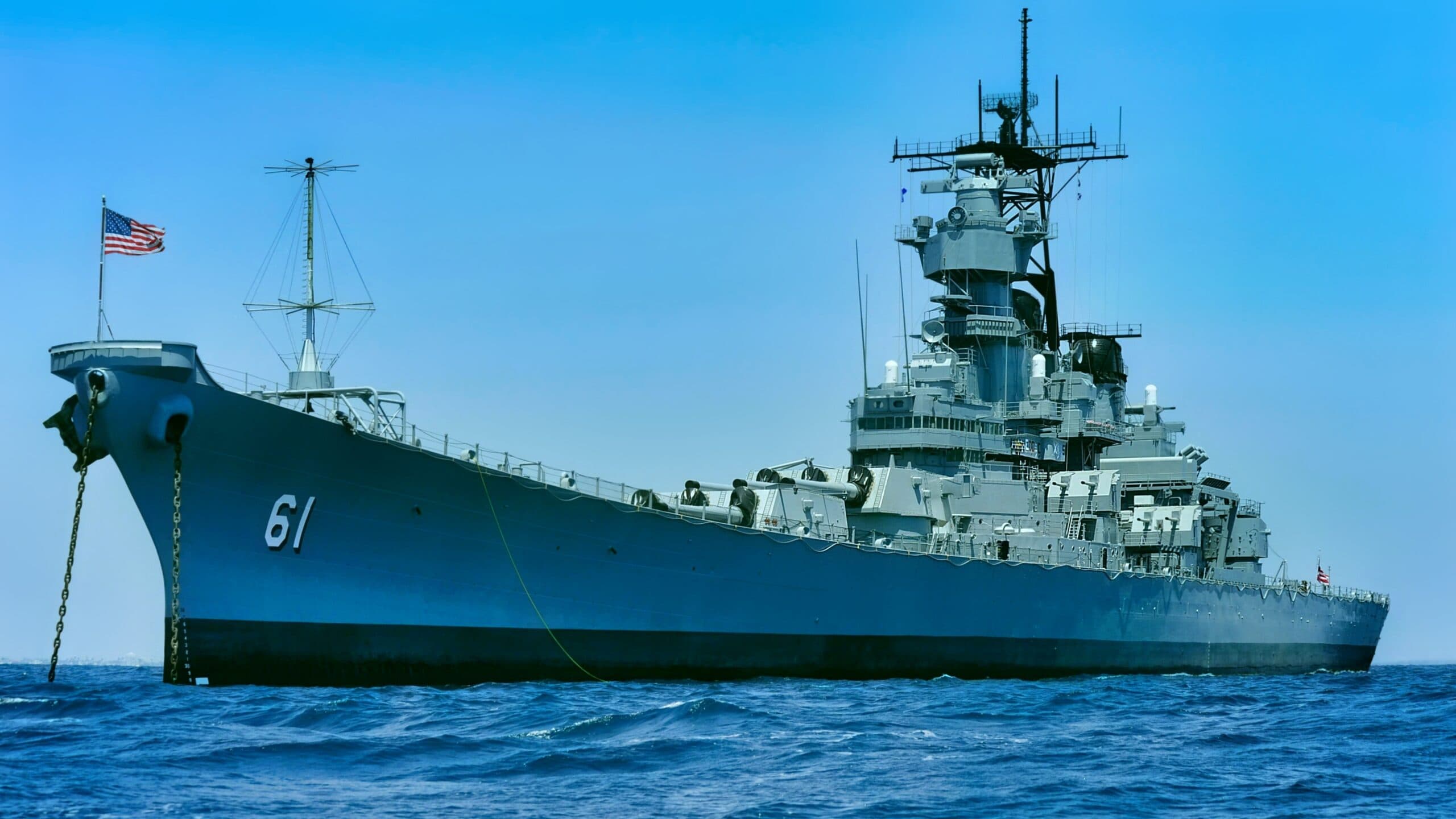
Key Points and Summary – Strip away the branding, and the Trump-class battleship looks less like Iowa nostalgia and more like a networked warfighting hub, think the F-47 NGAD.
-Here, size isn’t for big guns, but for power generation, missile magazines, sensors, and resilient command-and-control.
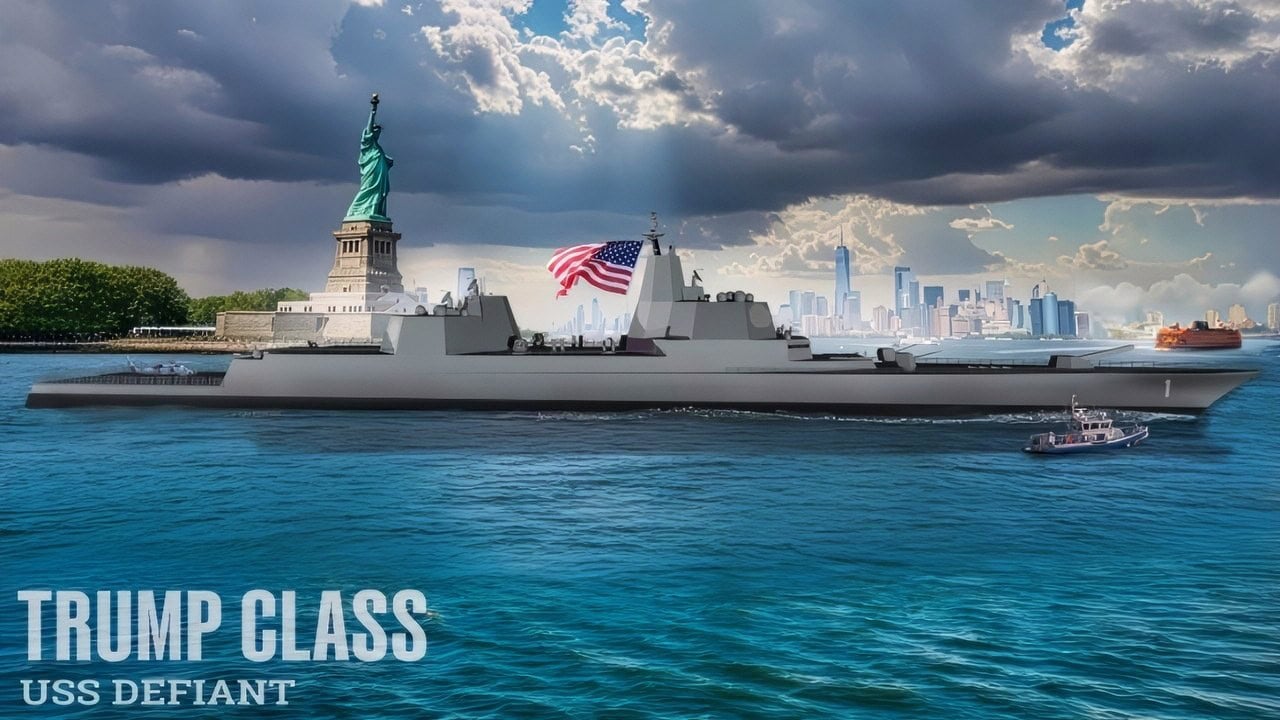
Trump-Class Battleship. Image Credit: Creative Commons/White House.
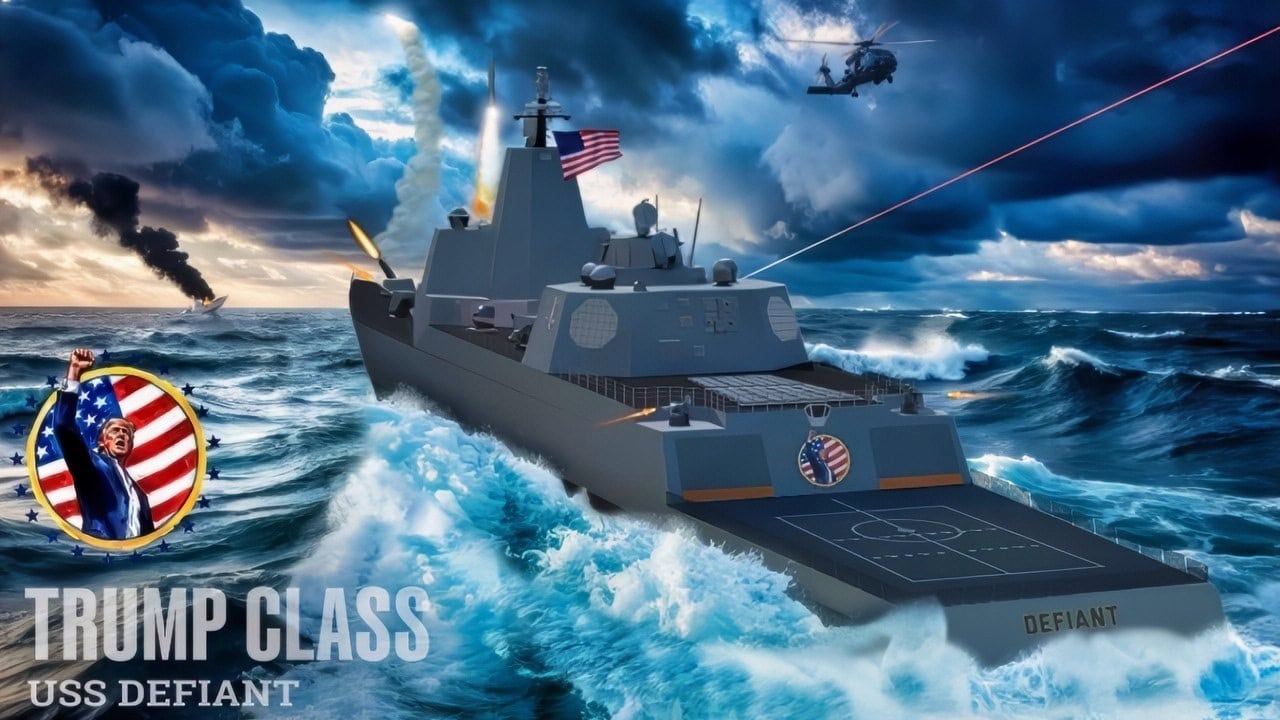
Trump-Class Battleship. Image Credit: Creative Commons/White House Photo.
-The ship’s real job would be a maritime quarterback, coordinating unmanned surface and undersea systems, off-board targeting, long-range fires, and dispersed manned forces in a contested environment.
-Critics fixate on cost, shipyards, and vulnerability, but the deeper issue is architecture: how to keep dispersed power still coherent when networks are jammed and resupply is contested.
-Done poorly it’s a target; done well it’s decisive.
The Trump-Class Battleship, Stripped of the Noise
The announcement of a so-called “Trump-class battleship” was met with reflex rather than reflection. The branding was unmistakable. The reactions followed on cue: Critics dismissed it as nostalgia dressed up as strategy, while supporters hailed it as a long-overdue assertion of maritime dominance. Both responses miss the more consequential question. Set aside the branding, the politics, and the near-term obstacles to construction, and the concept points toward a different—and more interesting—possibility about the future of naval warfare.
Strip away the political posturing and something sharper comes into view. If the Trump-class vessel were ever constructed along the lines publicly described, it would not represent a return to the bygone age of big guns and decisive surface duels.
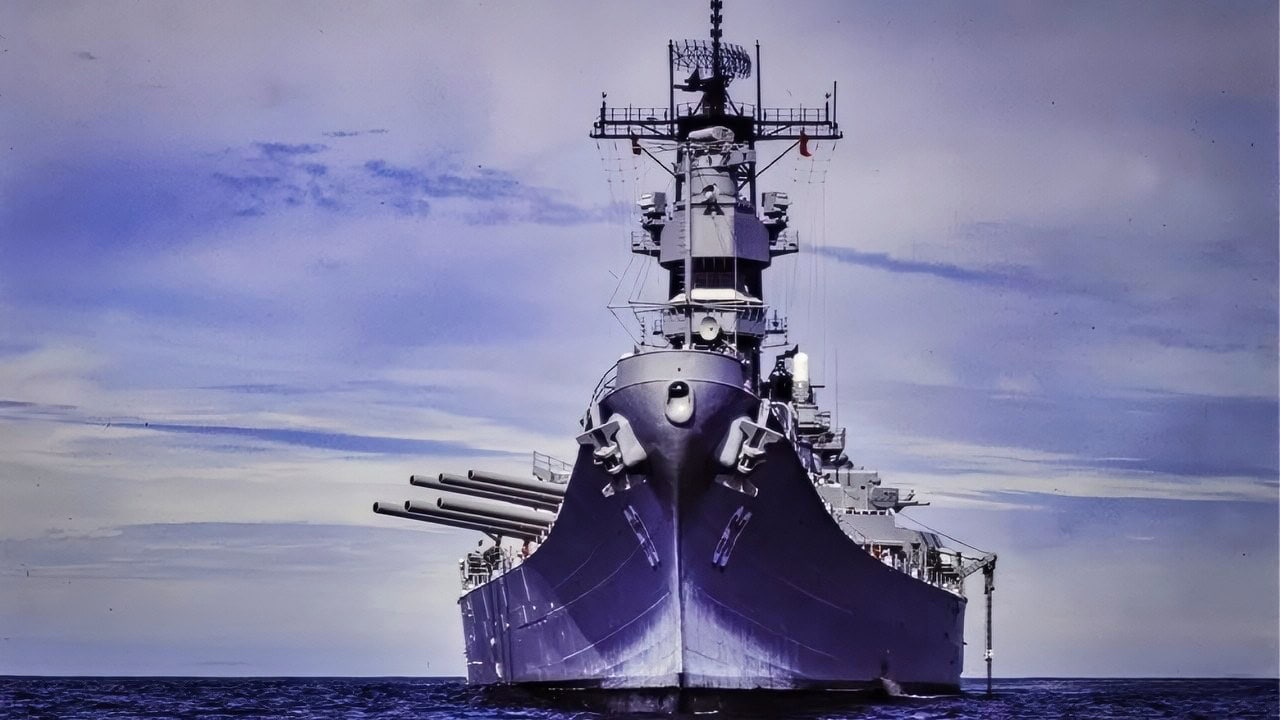
USS Missouri Navy Battleship. Image Credit: Creative Commons.
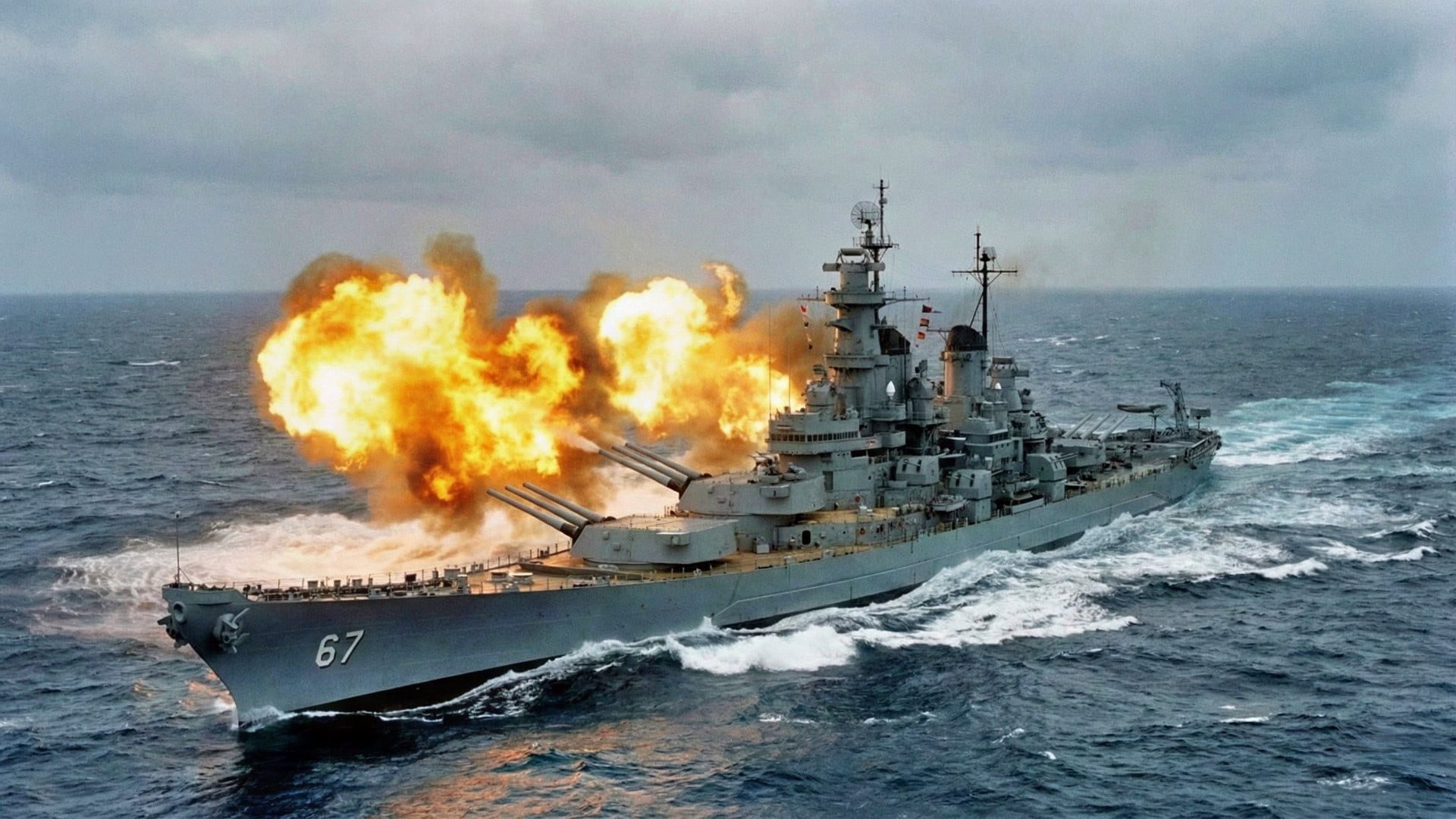
Montana-Class Battleship Imagined. Image created by Nano Banana Pro.
It would instead gesture toward something far more modern: a floating command node for a networked maritime warfighting ecosystem.
Less Iowa-class nostalgia, more sixth-generation fighter aircraft logic.
That is a distinction that matters.
Beyond the Battleship Caricature
The term “battleship” is doing more harm than good here.
It conjures images of thick armor, turreted guns, and line-of-battle tactics that have been obsolete for nearly a century. That mental model makes the proposed Trump-class battleship easy to dismiss. Too easy—and to the detriment of serious debate about the future maritime battlespace and role of large, crewed surface combatants in that future battlespace.
What has been sketched publicly bears little resemblance to a traditional capital ship, with its heavy armor and 16-inch guns. The emphasis is not on naval gunfire but on missiles, sensors, energy, and command-and-control.
The notional ship is large not to mount massive guns—though it will be equipped with vertical launch system cells, long-range hypersonic missiles, and five-inch guns—but to generate power, host deep magazines, and manage information at scale. In other words, the size would be functional rather than romantic.
Seen this way, the Trump-class is not being designed to out-fight enemy ships directly. It is being designed to orchestrate a network-centric fight.
A Maritime “Quarterback”
The more useful analogy is not a World War II dogfighter but a sixth-generation combat aircraft.
These planes aren’t built for close-in, fighter-on-fighter aerial combat. They are built to orchestrate a fight: run sensors, command unmanned platforms, integrate information, and enable others to apply effects.
The same logic, translated to the sea, could be done by the kind of big, energy-dense surface combatant that is being envisioned here. Rather than plunging headlong into contested territory as a lone wolf, this ship would position itself at the center of a network—a Surface Action Group—coordinating unmanned undersea vehicles scanning the depths, unmanned surface vehicles extending surveillance and attack range, long-range missiles targeted by off-board information, and manned aircraft functioning as part of a dispersed kill chain.

NGAD Fighter via Lockheed Martin.
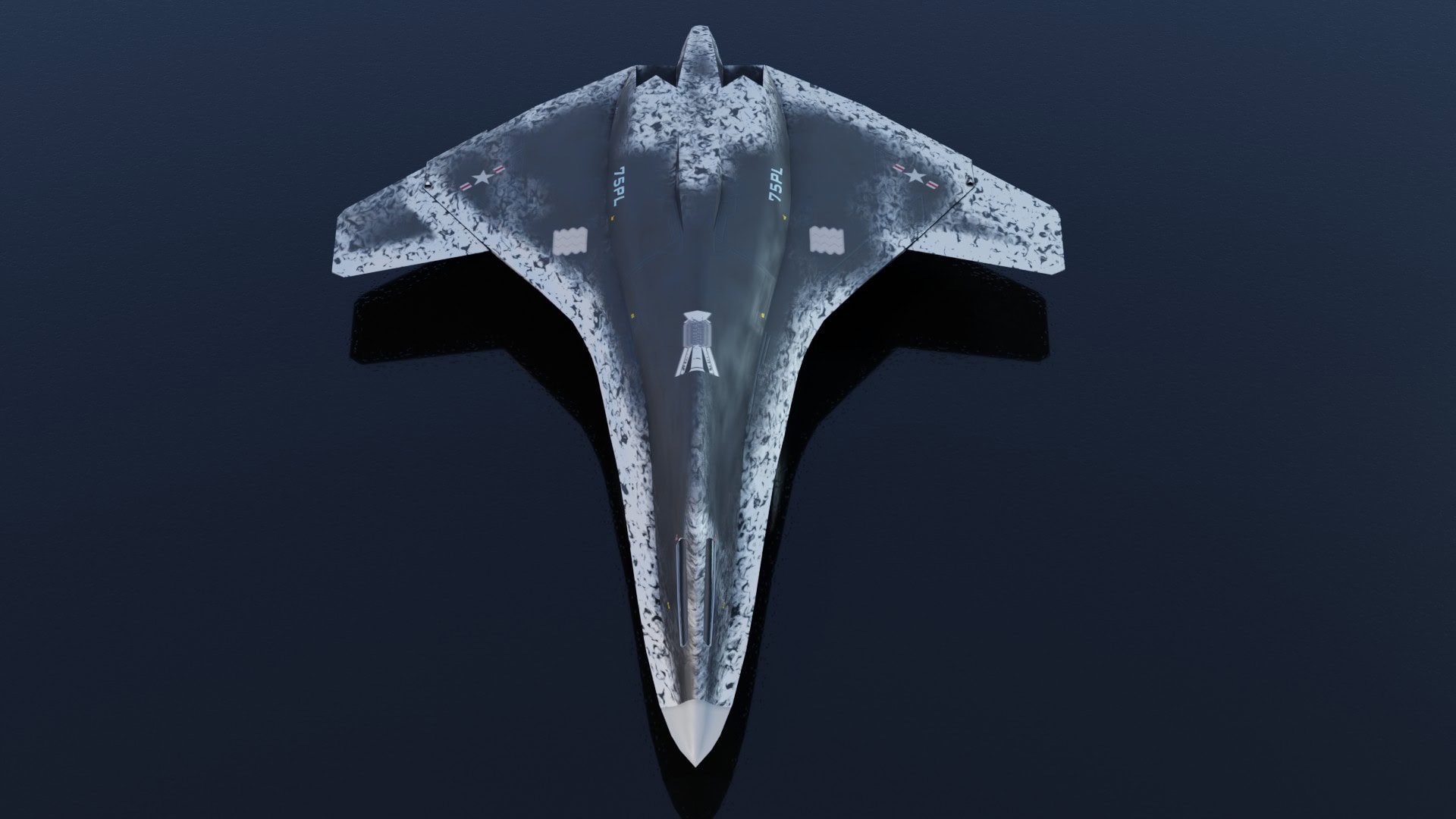
NGAD Fighter Mock Up. Image Credit: Creative Commons.
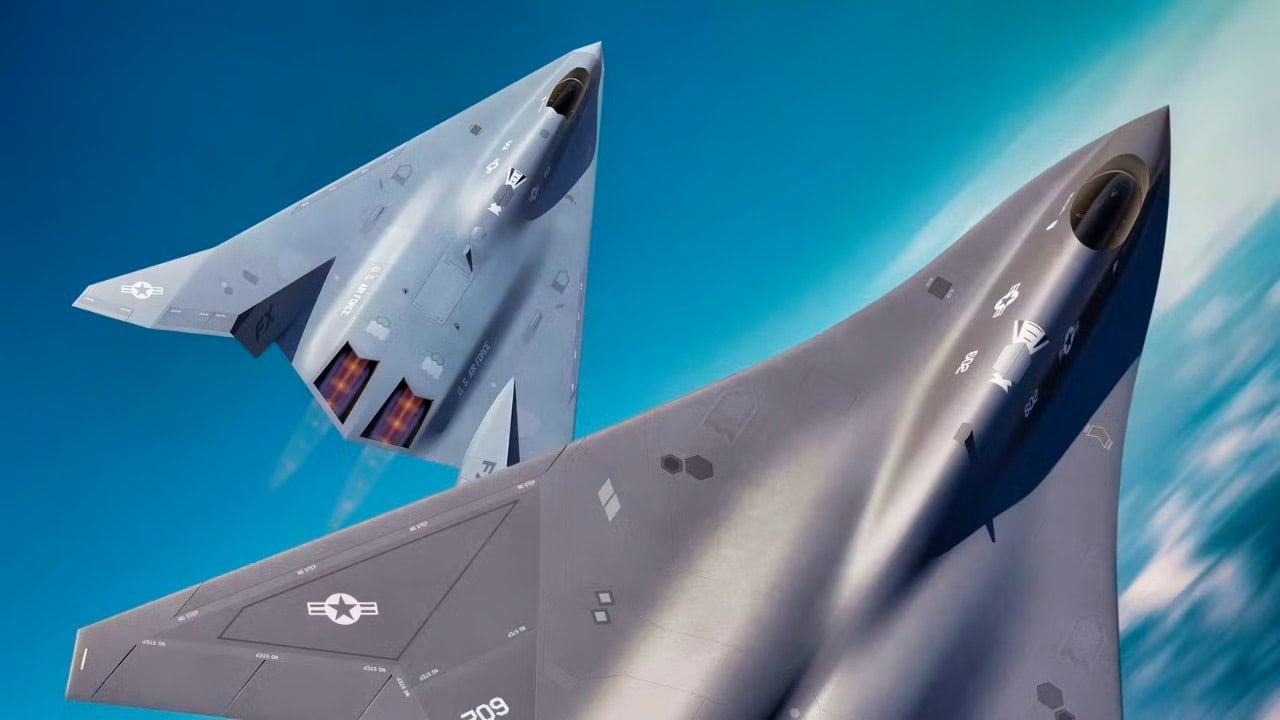
U.S. NGAD Fighter. Artist Rendering.
Seen in this light, the Trump-class concept is making a play for the same future that many naval analysts already envision for aircraft carriers. The carrier is already in the process of slowly transforming from a platform for delivering airpower into a hub for managing a swarm of other assets. What differs is not the underlying operational calculus but the domain in which it is applied: air in the case of the carrier, sea in the case of the battleship, and information in the case of both.
Power, Persistence, and the Network
Large hulls still matter in ways that are often obscured by contemporary fixation on vulnerability.
Modern naval combat is increasingly energy-intensive: directed-energy systems, advanced sensor arrays, and resilient, high-capacity communications all demand sustained electrical generation that small combatants simply cannot provide. Scale also buys endurance.
Deep magazines, endurance, and the ability to remain on station for extended periods continue to shape outcomes in protracted competition, particularly in theaters where resupply is contested or uncertain. Just as important is command resilience. A distributed network still requires nodes capable of fusing information, exercising judgment, and restoring coherence when links are degraded or severed. Finally, mass facilitates integration. Even in this age of miniaturization, only large platforms can physically and organizationally host the full range of command, control, intelligence, and coordination functions needed to synchronize unmanned systems, long-range fires, and crewed assets across domains.

Image: Lockheed Martin showing a refueling NGAD fighter.
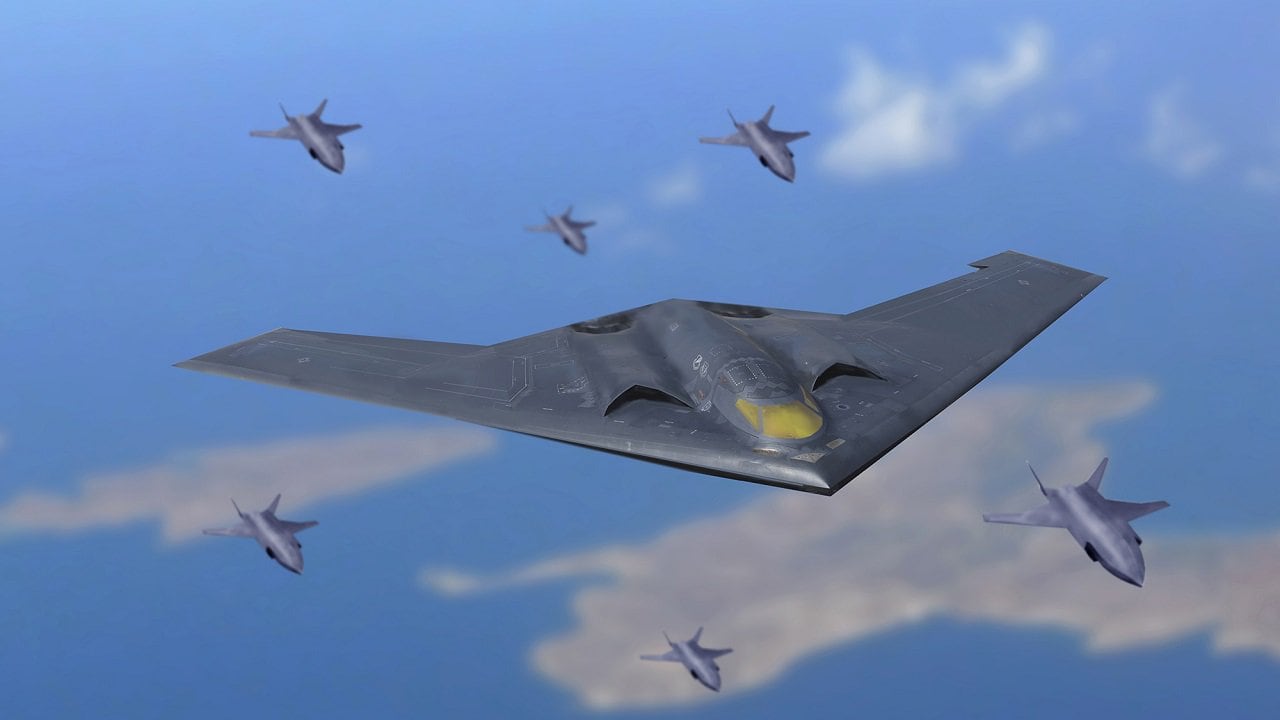
An artist illustration depicts a U.S. Air Force extended-range B-21 Raider escorted on a mission by armed unmanned next generation air dominance platforms. This fictional bomber features longer, wider wings, and a deeper fuselage that accommodates larger fuel tanks and dual weapons bays that enables the bomber to carry a much larger and varied payload. Mike Tsukamoto/staff; Greg Davis/USAF
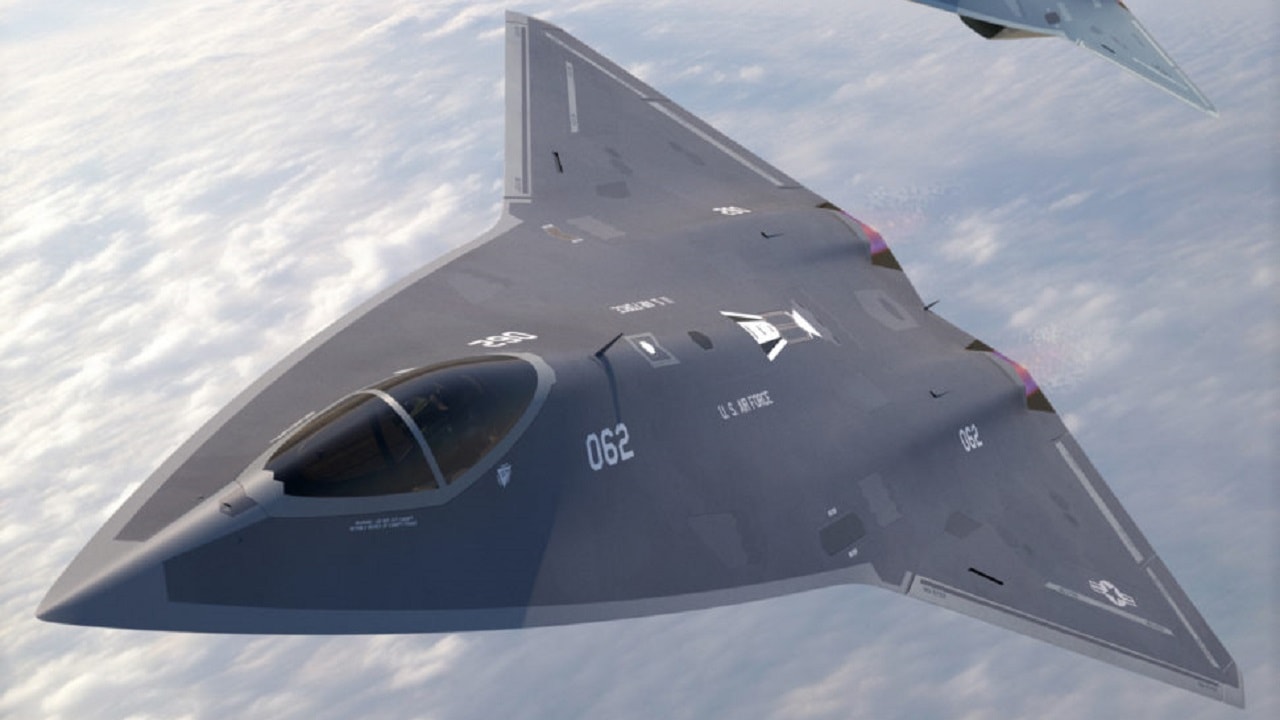
NGAD 6th Generation Fighter: Original artwork courtesy of Rodrigo Avella. Follow him on Instagram for more incredible aviation renders.
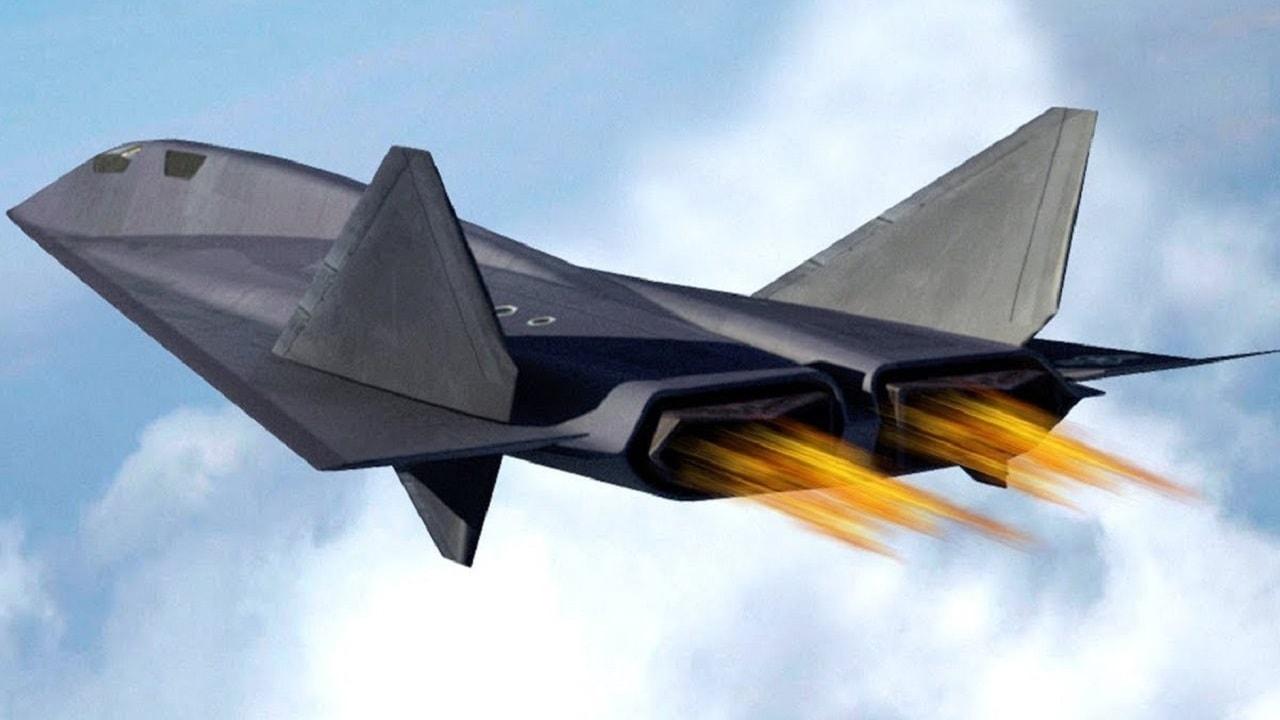
By: Image Credit: Rodrigo Avella
A ship built around those requirements would not be optimized for independent action. It would be designed to manage complexity in a contested environment. Its survivability would come less from armor than from distance, deception, layered defenses, and the deliberate dispersal of risk across the network it enables.
This is where the “Golden Fleet” rhetoric, however overwrought, inadvertently brushes up against a real strategic problem: how to maintain maritime control when concentration invites attack, yet dispersion risks incoherence.
The Practical Objections—and Why They Miss the Point
None of this erases the formidable obstacles. The United States has struggled in recent years to deliver major surface combatants on time and on budget, and that reality alone makes the near-term construction of a Trump-class vessel highly unlikely.
But that is not the same as saying the underlying idea is incoherent. Concepts often precede capability by years, sometimes decades. The question worth asking is not whether the hull for this ship will be laid down tomorrow, but whether its underlying concept points in a strategically useful direction.
On that score, the answer is more nuanced than many of the early reactions suggest.
An Ecosystem, Not a Showpiece
The danger is not that the concept is too futuristic. It is that it could be misunderstood as a standalone showpiece—a symbol of strength rather than the organizing element of a broader naval warfighting architecture. Read that way, a Trump-class battleship invites criticism on the wrong terms, focusing attention on size, visibility, and vulnerability while obscuring the logic that would justify its existence.
If pursued seriously, however, the ship would not be intended to operate independently or to concentrate combat power in a single hull. Its purpose would be to provide a stable quarterback within a networked naval force, linking unmanned surface and undersea platforms, off-board sensing, long-range fires, and widely dispersed manned assets into a coherent system of systems. The ship’s value would lie less in what it could strike directly than in its ability to exercise command, integrate information, and maintain operational coherence across a contested and fragmented battlespace.
Seen in those terms, the risks and rewards of the concept turn entirely on execution. Done poorly, such a ship would become exactly what its critics fear: a huge and conspicuous target, concentrating risk in precisely the way modern maritime warfare punishes most severely. Done well, it could become something genuinely decisive—not by dominating the fight itself, but by preserving coordination in a distributed one, allowing naval forces to disperse combat power widely without losing the ability to act in concert.
The Real Question
The more interesting question is not whether the Trump-class battleship heralds the return of the past, because it assuredly does not. It is whether the U.S. Navy, and the political system that wields power over it, is capable of clear-headed thinking about the future well enough to differentiate between branding and architecture.
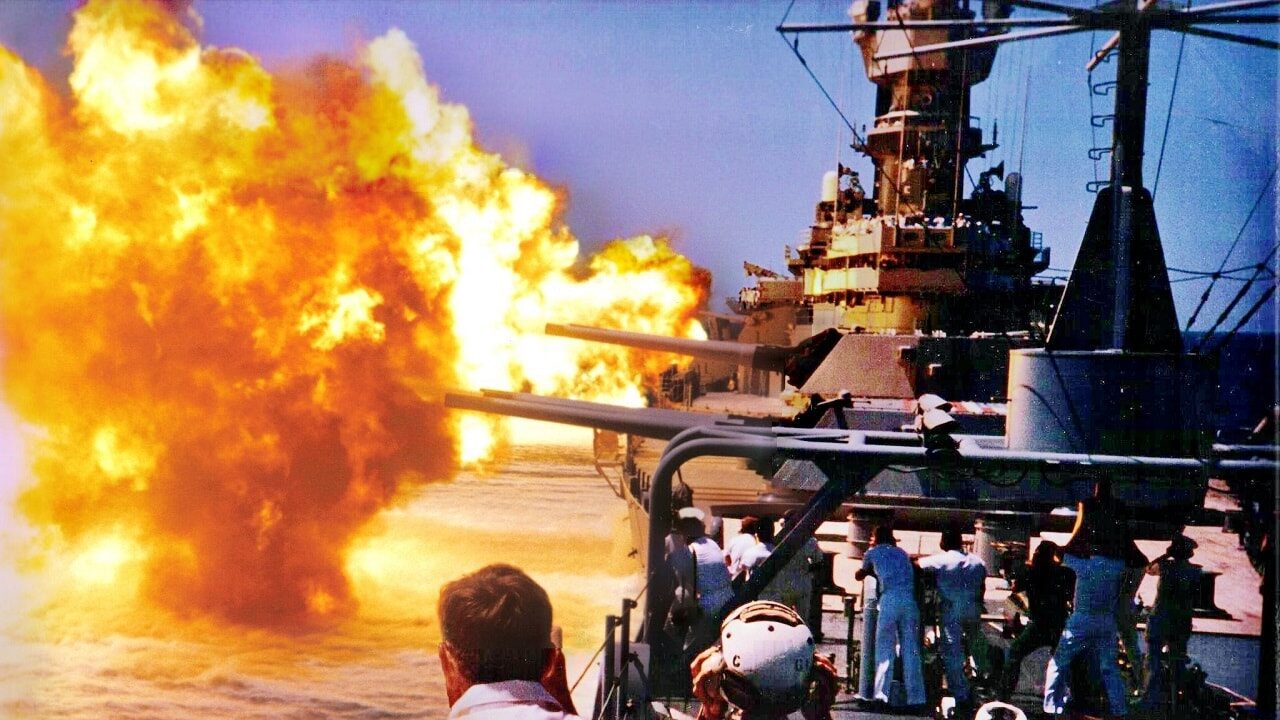
Battleship USS Iowa. Image Credit: Creative Commons.
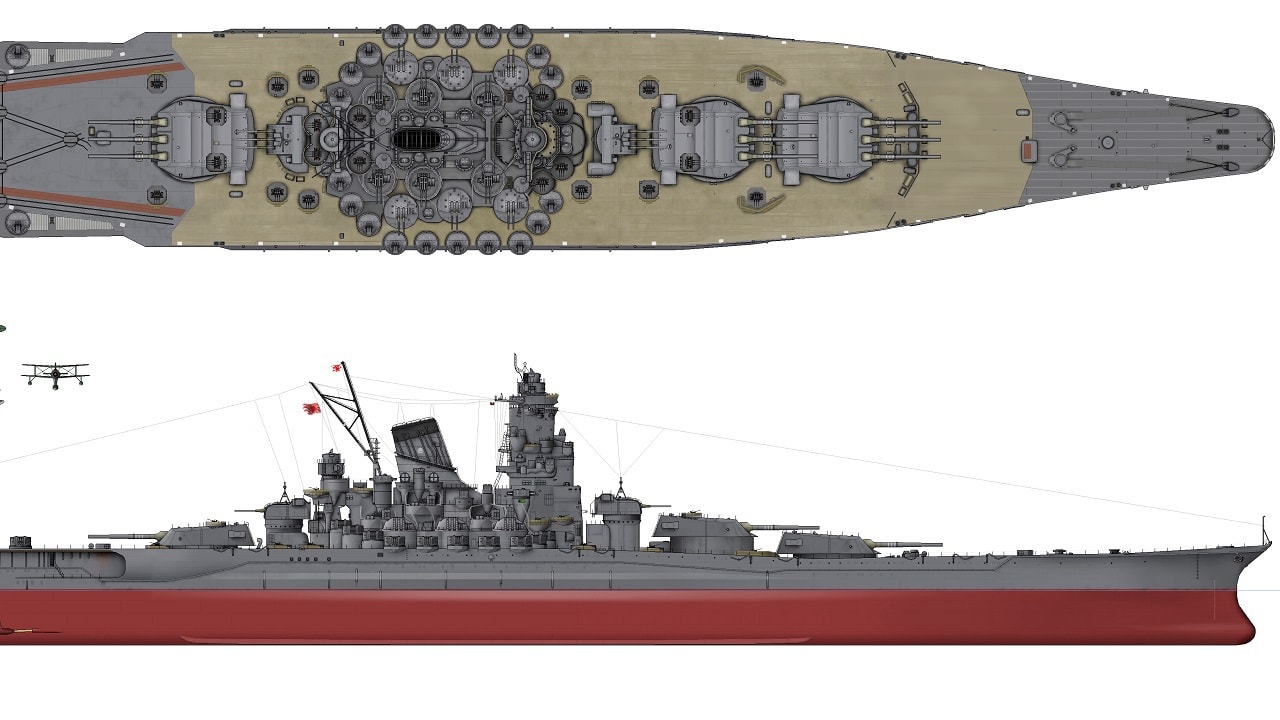
Battleship Yamato Blueprint. Image Credit: Creative Commons.
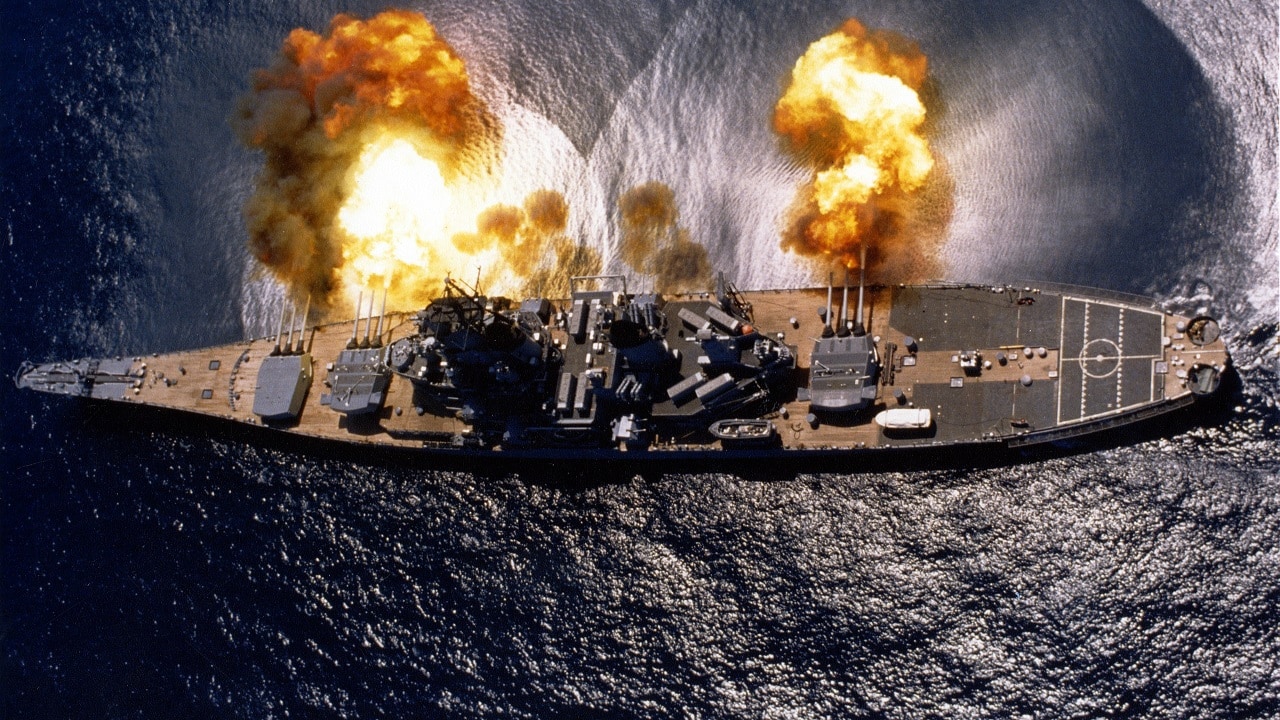
USS Iowa (BB-61) fires a full broadside of her nine 16″/50 and six 5″/38 guns during a target exercise near Vieques Island, Puerto Rico (21°N 65°W). Note concussion effects on the water surface, and 16-inch gun barrels in varying degrees of recoil.
Labels will change, and administrations will come and go, but strategic challenges have a way of outlasting them all. The maritime battlespace will only become more crowded, more networked, and less forgiving, and in that environment, platforms designed to connect, command, and enable may be as crucial as those built to deliver lethal force.
If the Trump-class concept is remembered as little more than a slogan, it will deserve all the mockery it is getting. If, on the other hand, it is remembered as an early, if imperfect, attempt to conceptualize a maritime quarterback for a networked age, it may yet prove more prescient than many of its critics are willing to credit.
About the Author: Dr. Andrew Latham
Andrew Latham is a non-resident fellow at Defense Priorities and a professor of international relations and political theory at Macalester College in Saint Paul, MN. You can follow him on X: @aakatham.