
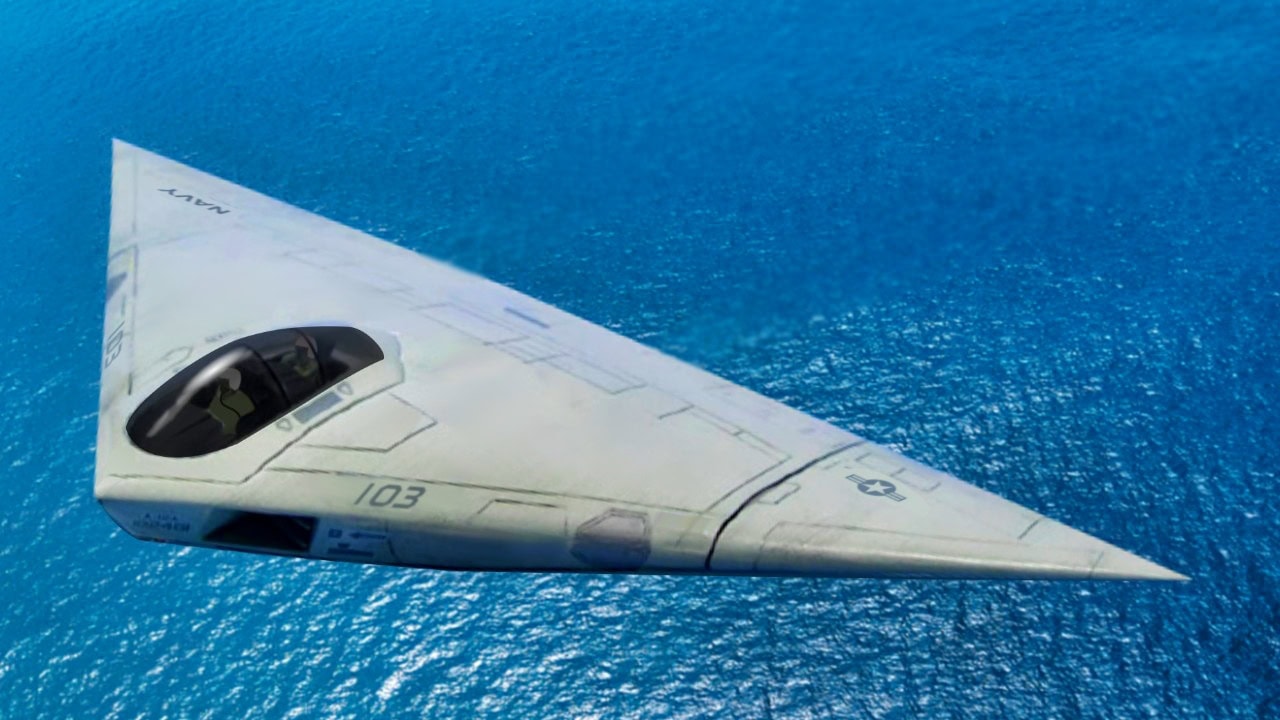
Key Points and Summary – The A-12 Avenger II was supposed to give the U.S. Navy a carrier-based stealth bomber to replace the A-6 Intruder, combining flying-wing stealth, internal weapons bays, and all-weather strike from the deck.
-Instead, spiraling weight, immature composites, avionics delays, and a disastrous fixed-price contract drove the program badly over budget and behind schedule.
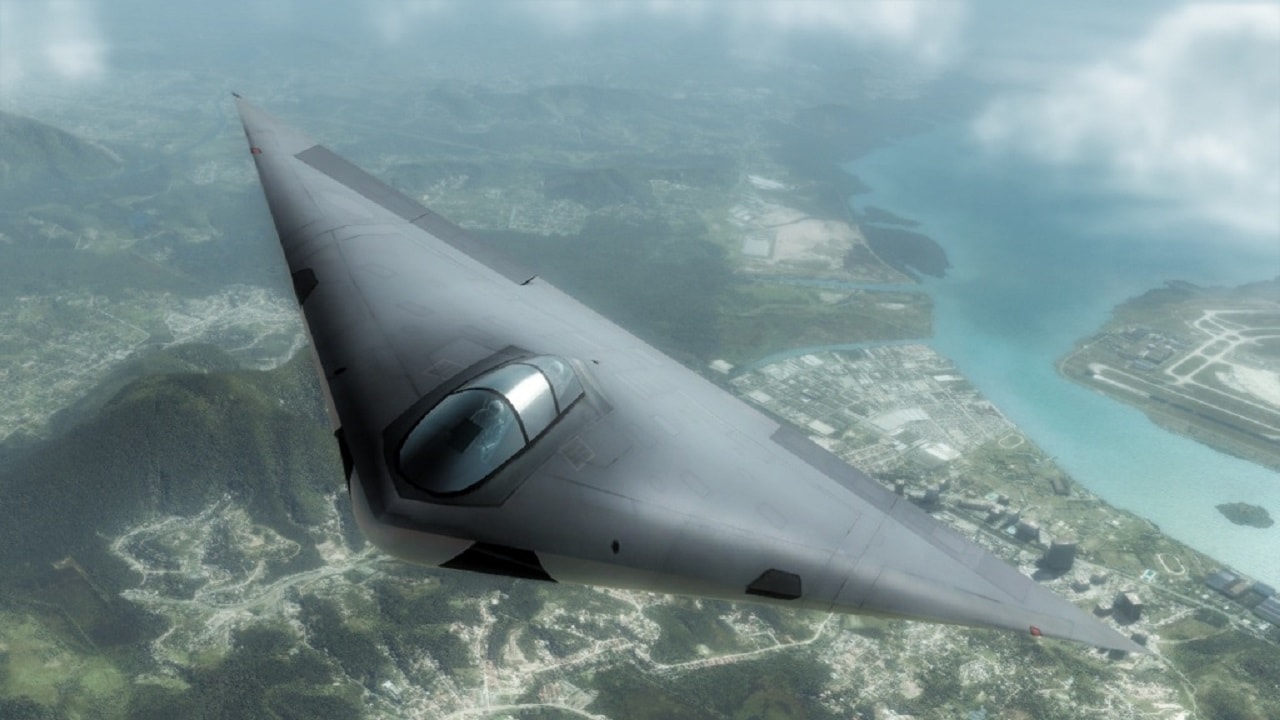
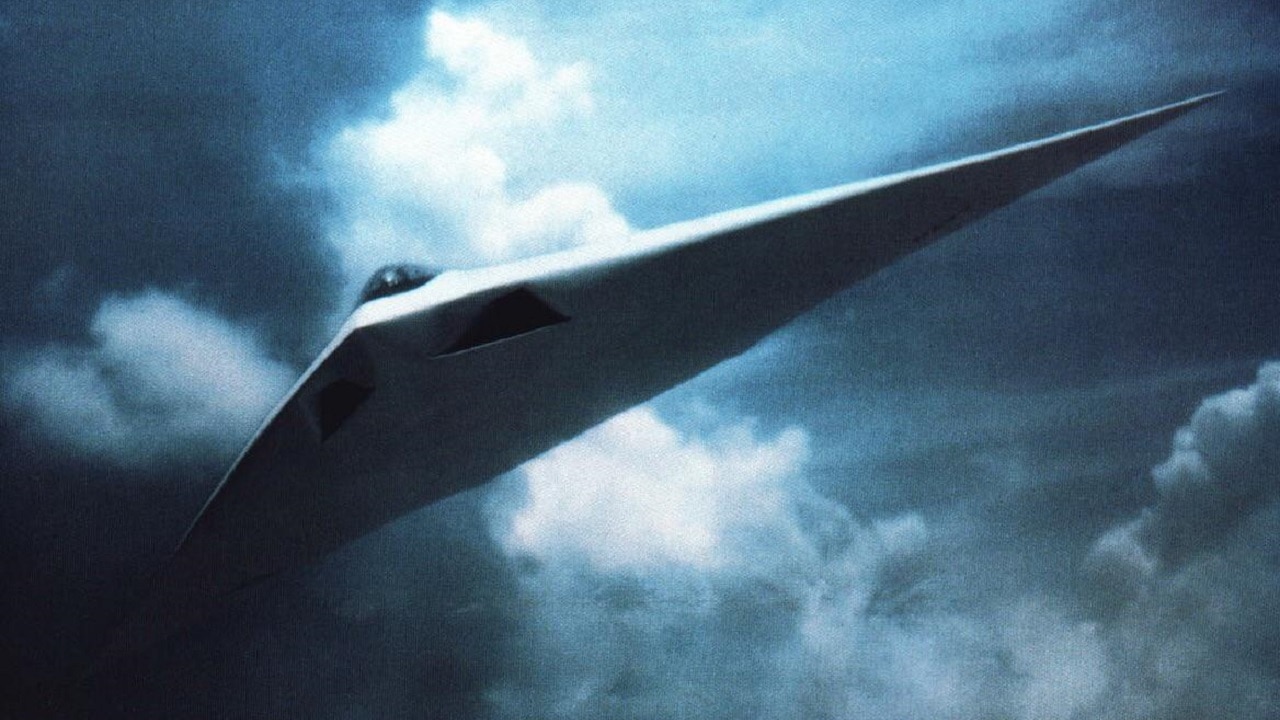
A-12 Avenger. Image Credit: Creative Commons.
-In January 1991, Defense Secretary Dick Cheney canceled the jet and demanded repayment, triggering litigation that dragged on for decades.
-Yet the A-12’s failure reshaped U.S. thinking: it pushed the Navy toward incremental upgrades, changed how stealth contracts are written, and still informs how programs like the B-21 Raider are run today.
-In One Word: Cancelled.
A-12 Avenger II: the Stealth Bomber That Never Flew
When the A-12 Avenger II was canceled in early 1991, it was the end of an exciting chapter of U.S. naval aviation.
With the cancellation of the Avenger II project, the dream of a carrier-based stealth bomber capable of penetrating Soviet air defenses died. But over thirty years later, the A-12 perhaps matters more than people realize: it’s a tale of remarkable ambition and risk, as well as the dangers of pairing cutting-edge stealth technology with the unforgiving realities of carrier operations.
The U.S. has found new and better solutions to the problems the A-12 Avenger II was intended to solve, but it’s a curious tale worth revisiting nonetheless.
What Went Wrong with the A-12 Avenger II
In the late 1980s, the U.S. Navy sought to replace its aging carrier-based attack aircraft with a new, stealthy successor. The A-12, which was developed by a consortium of McDonnell Douglas and General Dynamics, promised a significant step forward: it had a flying-wing design. It was capable of delivering precision strikes from carriers under the cover of invisibility.
When the development contract was officially awarded in 1988, the A-12 was expected to replace the aging A-6 Intruder and provide stealthy, all-weather strike capabilities to U.S. air wings. The aircraft would have carried its weapons internally, used S-duct inlets, and featured a tailless delta planform – all design elements designed to reduce its radar signature.
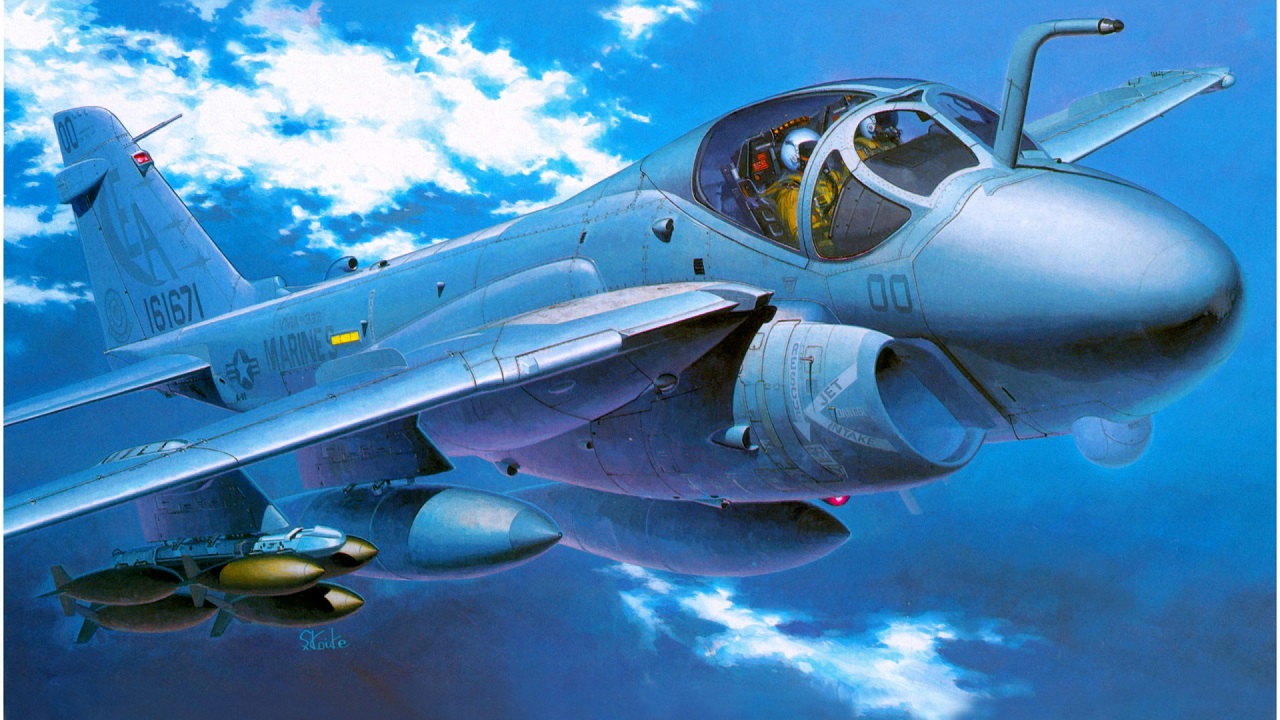
A-6 Intruder. Image Credit: Creative Commons.
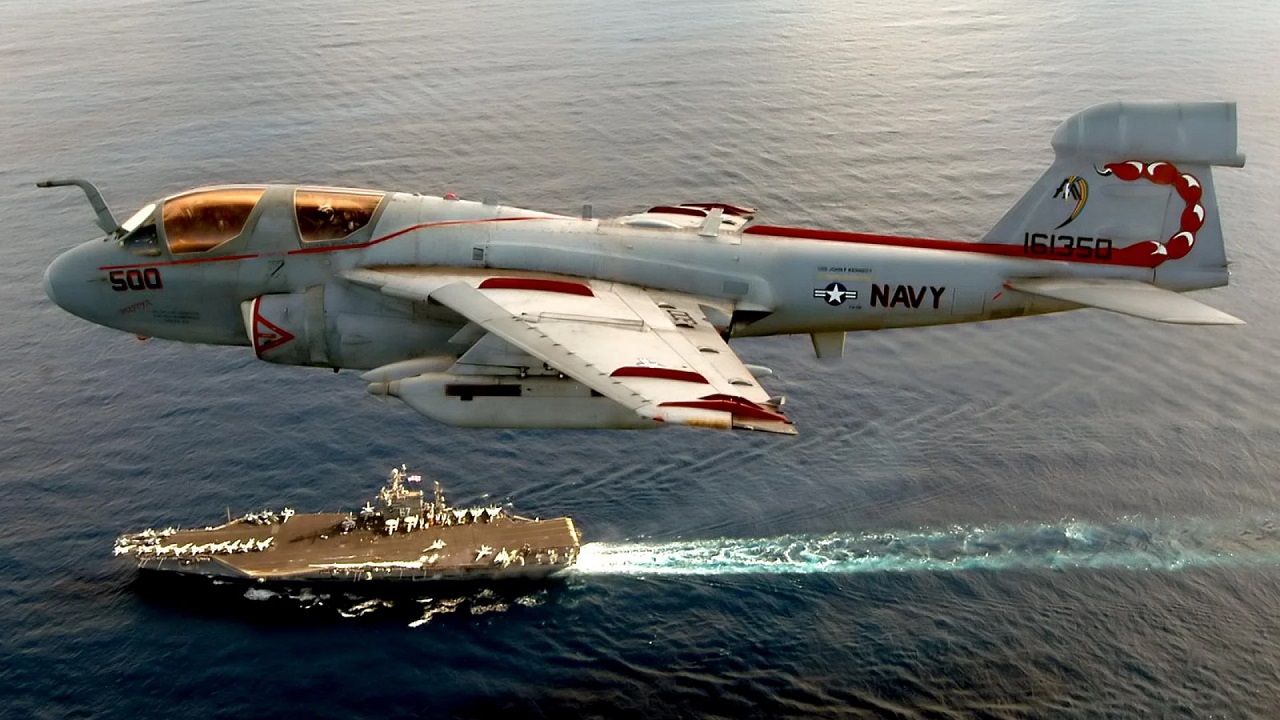
A-6 Intruder. Image Credit: Creative Commons.
And while the project demonstrated great technical ambition, it all came undone due to various interlocking real-world constraints.
By 1990, the A-12 was already around 30% over its design weight specification. Not only that, but composite materials required to build the advanced jet proved more difficult to manufacture than initially expected.
Then there was the matter of avionics and radar integration, where unexpected delays and cost increases put pressure on designers and engineers.
What began as a $4.8 billion fixed-price contract ballooned, and some estimates suggest that continued development of the aircraft would have ultimately absorbed as much as 70% of the Navy’s aircraft procurement budget over three years.
By late 1990 the program was well behind schedule. Its first flight had slipped past 1991 and cost overruns kept mounting.
In December of that year, the Navy issued a “show cause” notice to the contractors, demanding justification for why the contract should not be terminated for default.
But even then, few expected the A-12 project actually to die, and most expected that the following January 5 “show cause” meeting would end with a government bailout intended to keep the program moving. But that’s not what happened.
On January 7, then-secretary of Defense Dick Cheney pulled the plug on the A-12 project. Contractors were ordered to repay roughly $1.35 billion for work that had never resulted in a deliverable aircraft.
In the years that followed, the cancellation was the focus of ongoing litigation. The case was settled in January 2014 – decades later – with Boeing (which had absorbed McDonnell Douglas) and General Dynamics agreeing to pay $200 million each to the Navy.
Why the A-12 Still Matters
Though the A-12 never flew, its demise left an imprint on the U.S. Navy – and not just because of the decades-long lawsuit. In reality, the A-12 shaped how future stealth and strike programs were conceived, managed, and ultimately executed.
First, the A-12 revealed the perils of pairing highly ambitious requirements like stealth, carrier recoverability, an internal weapons carriage, and all-weather strike capability with a fixed-price contract.
Something this complex was never going to be simple enough to warrant a fixed-price contract.
Over the years, that decision has been revealed to be one of the worst decisions in the project. The lesson today is this: in complex and experimental aerospace development, a rigid contract combined with shifting requirements will almost always end in failure.
And then there’s the fact that the fate of the A-12 project shifted the Navy towards a more incremental, evolutionary approach to aircraft development, rather than betting everything on one radical and new airframe.
Future strike capabilities that followed tended to arrive via upgrades to existing platforms or gradually integrating emerging technologies.
The combination of an internal weapons bay, stealth, and carrier compatibility lived on, but in a more cautious, incremental way.
Third, the shadow of the A-12 looms over even today’s stealth bomber efforts like the B-21 Raider.
The B-21, like the A-12, embraces the flying-wing concept, internal weapons, and low observability.
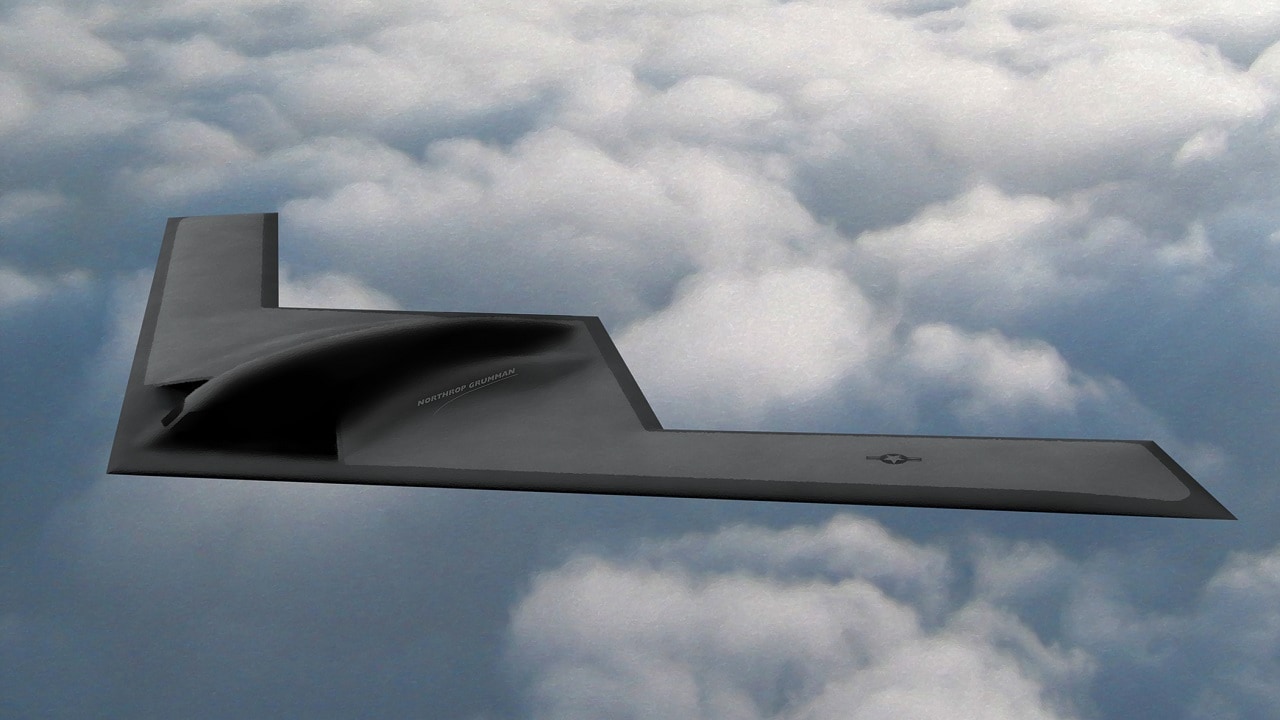
B-21 Raider bomber. Image Credit: Creative Commons.
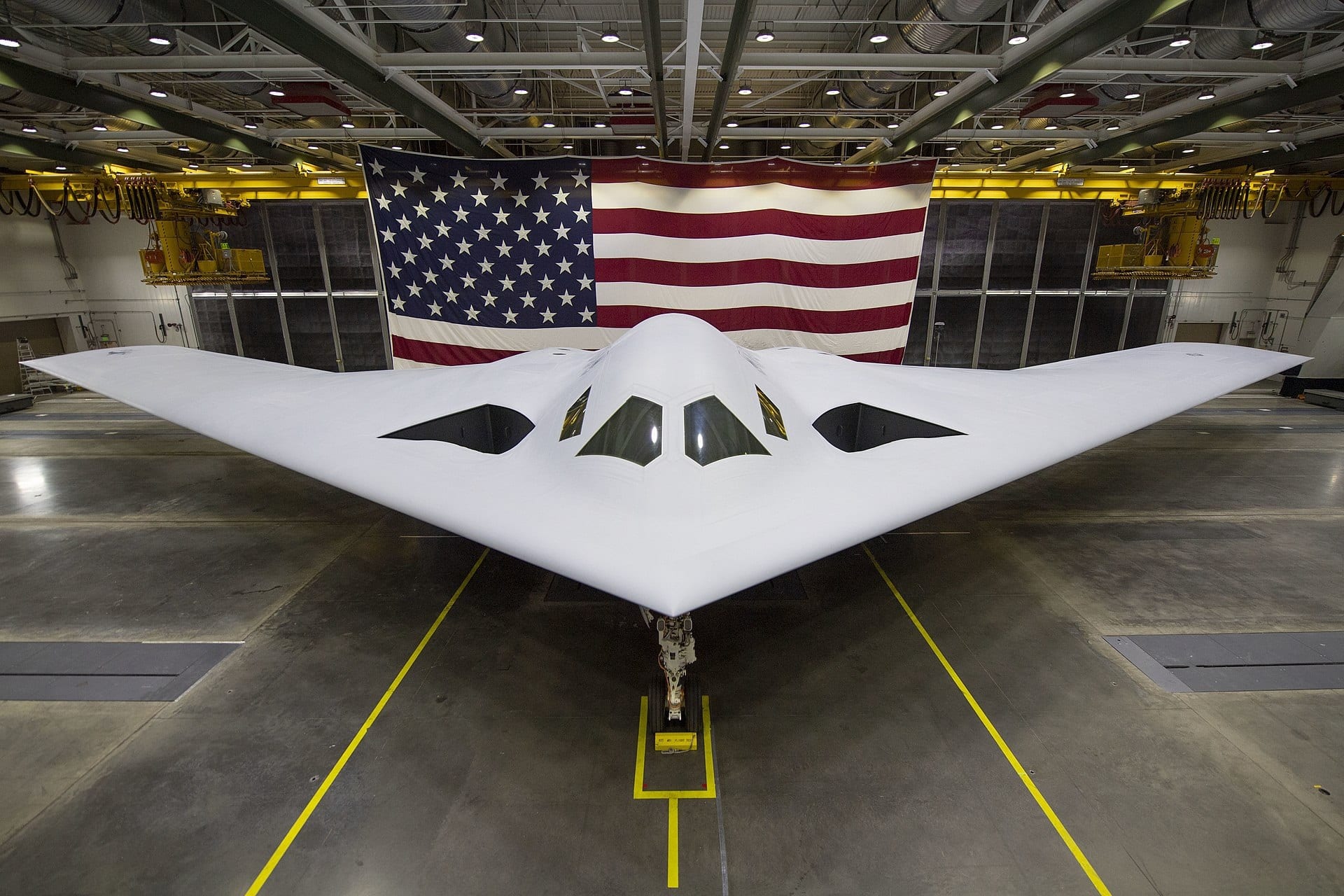
The B-21 Raider was unveiled to the public at a ceremony December 2, 2022 in..Palmdale, Calif. Designed to operate in tomorrow’s high-end threat environment, the B-21 will play a critical role in ensuring America’s enduring airpower capability. (U.S. Air Force photo)
It’s everything the A-12 was meant to be and far more – and its development has been far more tempered, too.
Critical design reviews were complicated in 2018, long after lessons about the aircraft’s cost, weight, and design had been fully analyzed and anticipated.
The fact that the B-21 research and design process has been far more cautious reflects the memory of the A-12’s failure.
About the Author:
Jack Buckby is a British author, counter-extremism researcher, and journalist based in New York who writes frequently for National Security Journal. Reporting on the U.K., Europe, and the U.S., he analyzes and understands left-wing and right-wing radicalization and reports on Western governments’ approaches to the pressing issues of today. His books and research papers explore these themes and propose pragmatic solutions to our increasingly polarized society. His latest book is The Truth Teller: RFK Jr. and the Case for a Post-Partisan Presidency.