
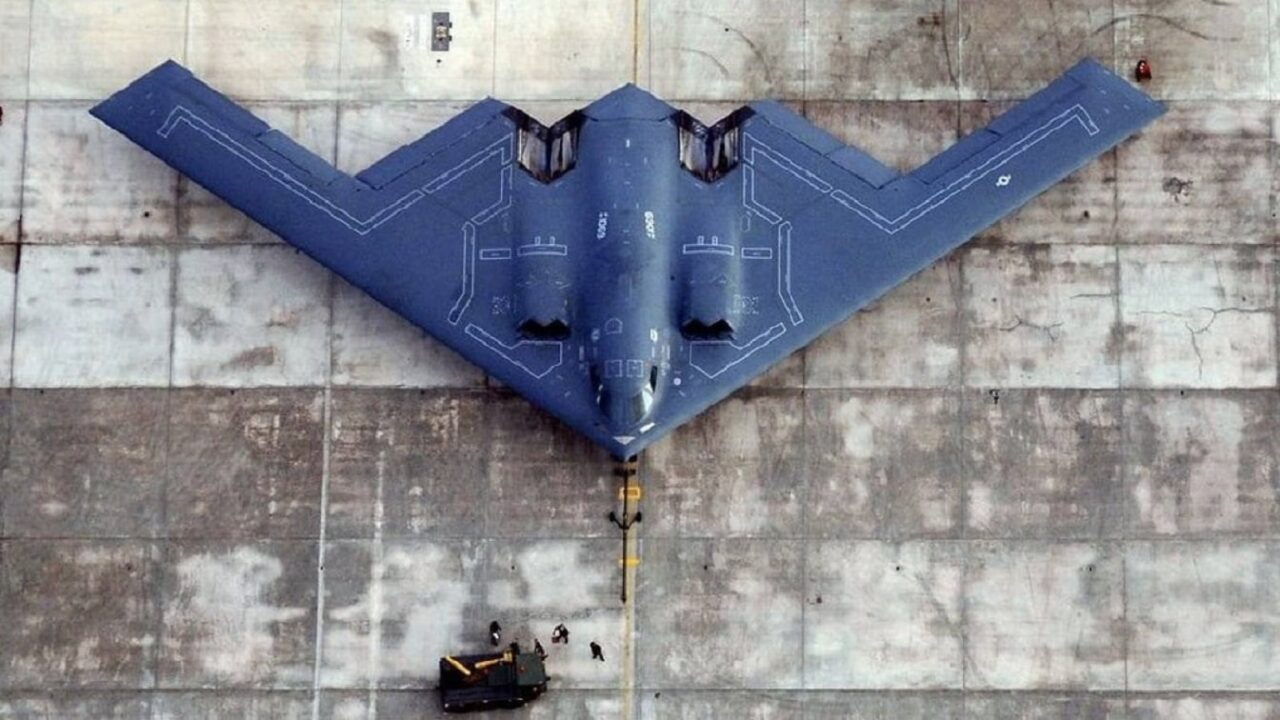
Key Points and Summary – The B-21 Raider is billed as the future of America’s bomber force, but its impact depends less on stealth than on how many the U.S. can field—and how quickly.
-With B-1s and B-2s slated to retire early in the 2030s and the B-52 aging into its eighth decade, the Air Force faces a narrow window to ramp up B-21 production.
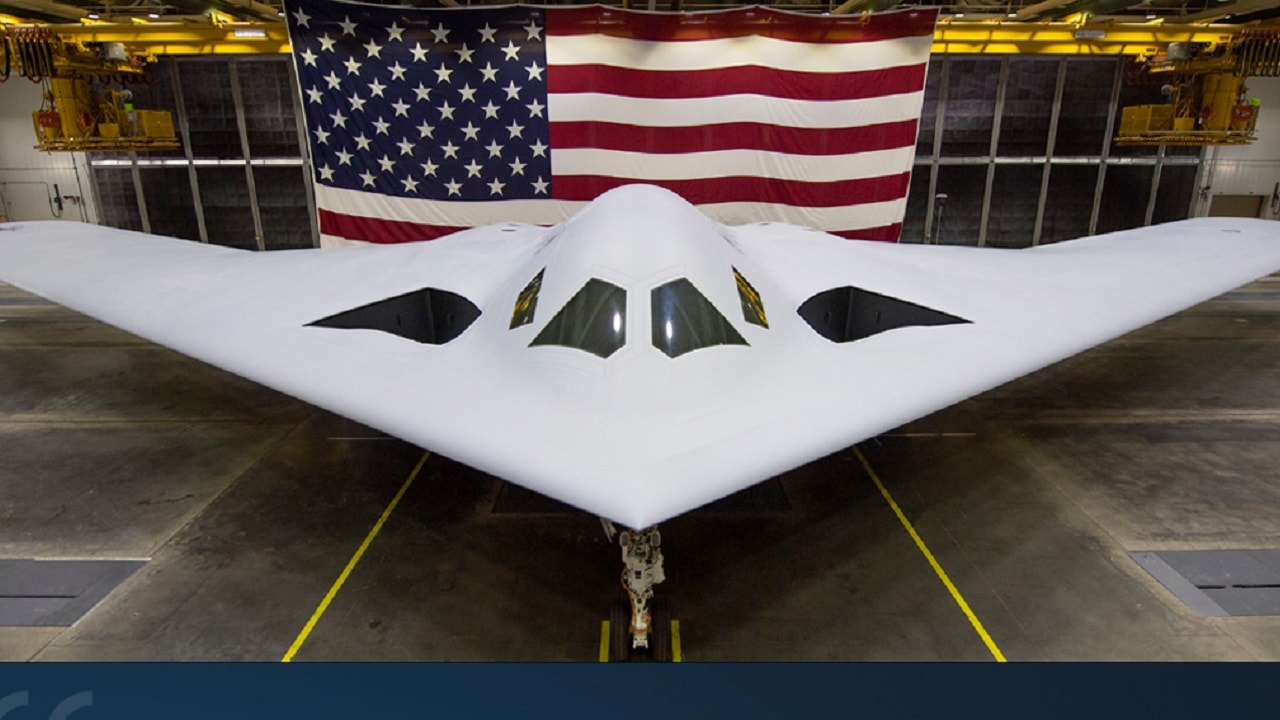
B-21 Raider
-A fleet of just 100 aircraft risks leaving Washington short of bombers in a high-threat era defined by China’s growing long-range strike capabilities and the coming H-20.
-Unless the industrial base surges output, the U.S. could enter the 2030s with a shrinking strategic hammer.
Air Force B-21 Raider: Stealth Matters More If We Build Enough
America’s next-generation stealth bomber, the B-21 Raider, is set to begin operating alongside America’s Cold War-era bombers in the coming years – but a combination of factors means that it could be some time before the U.S. can field enough to replace them truly.
Between industrial conditions and the slow pace of building new ones, and thanks in part to the decades-long lifespan of legacy bombers still in use, the real test won’t be how good the B-21 really is but how many the U.S. can field and how quickly.
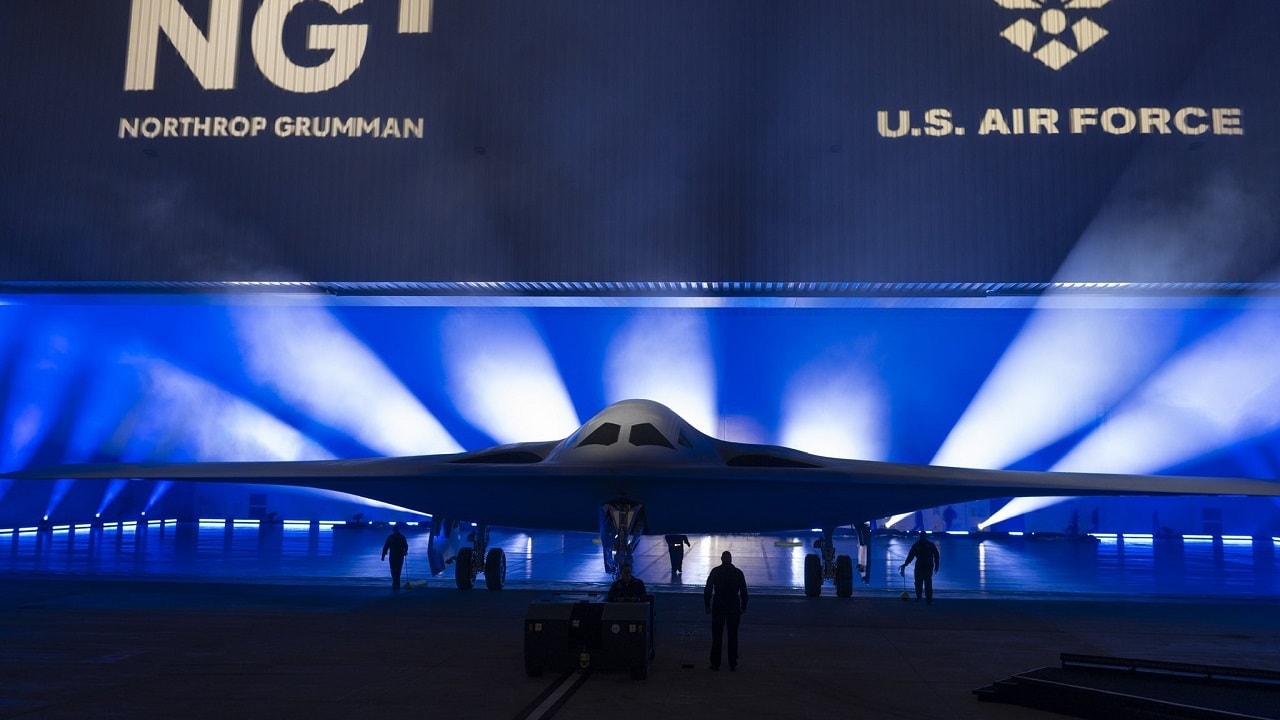
B-21 Raider. Image Credit: U.S. Air Force.
If production drags, the U.S. Air Force risks entering the 2030s with far fewer frontline bombers than today – just as global threats require the U.S. to field more.
This all matters because long-range stealth bombers are increasingly necessary for the West, not just the United States.
With peer competitors like the Xi’an H-20 on the horizon, capable of striking across the Indo-Pacific, the U.S. will increasingly need redundant, survivable strike capacity.
And without enough B-21s arriving quickly enough to replace America’s aging assets, its bomber force could ultimately prove insufficient.
Why Size and Speed Matter for the B-21 Fleet
The U.S. Air Force’s public plan for the B-21 so far envisions purchasing at least 100 aircraft – but many argue that isn’t anywhere close to enough.
That figure, however, is a baseline – not necessarily a target. As China rapidly expands its air force assets and the combat environment changes thanks to automation, drones, and long-range missiles, it’s clear that America’s bomber force matters perhaps more than ever.
Consider what a larger fleet of B-21 Raiders could do for the U.S. in this environment. First, it offers a redundancy and attrition buffer.
That means in a conflict against a peer adversary, the U.S. will have enough aircraft to replace those lost to missile strikes, accidents, failures, or maintenance downtime. A small fleet, as the Air Force well knows, leaves little room for attrition.
There would also be room for two-theatre readiness.
With 150-200 bombers – as many analysts suggest is the appropriate number – the U.S. could sustain simultaneous operations in the Pacific and Europe, or conduct continuous presence patrols while maintaining reserves, too.
The U.S. could be fully prepared in two theaters – and they may even prove necessary in time.
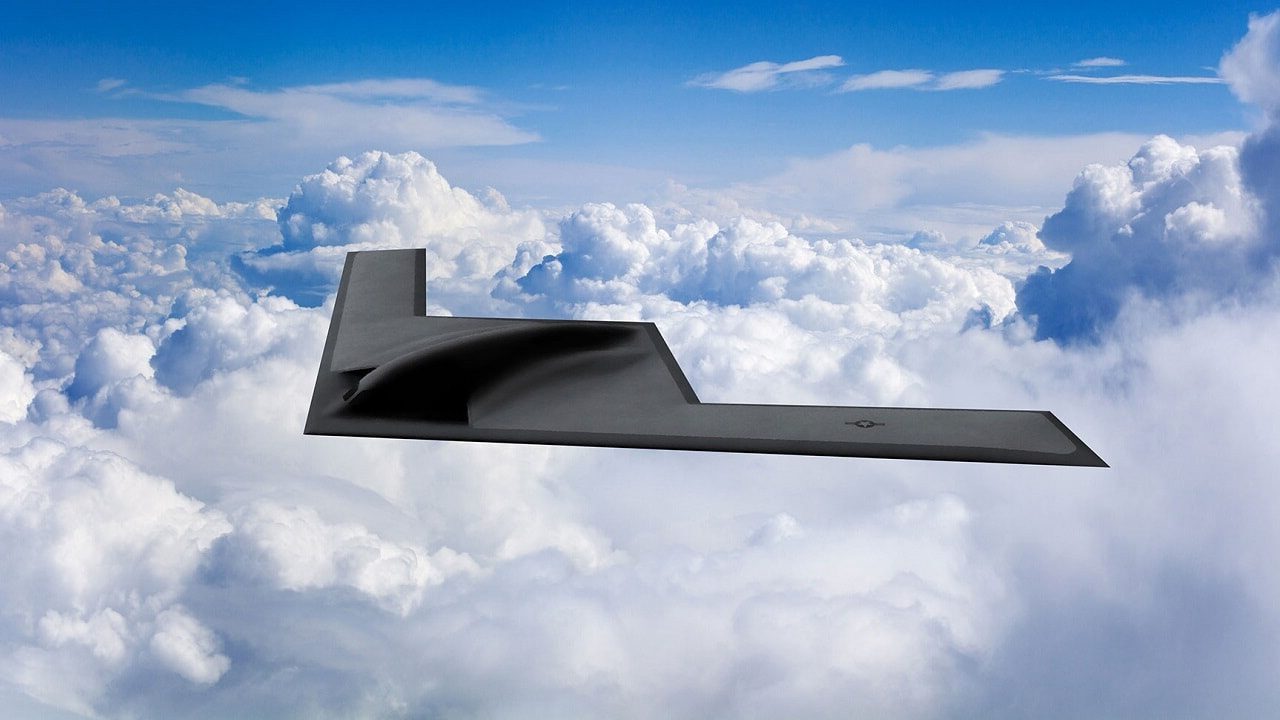
B-21 Raider Stealth Bomber. Image Credit: Creative Commons.
There’s also the matter of sustained deterrence: with high-end stealth bombers, numbers have an even greater effect.
Talk about force multiplying! China may be looking to field huge numbers of its own advanced fighters and bombers, but if the U.S. does the same with superior tech, then those concerns about the gap between China and the U.S. narrowing matter just a little bit less.
The urgency here should be clear to any observer familiar with China’s actions.
The Xi’an H-20 stealth strategic bomber may not emerge until the 2030s, but we do know it’s in development – and we also know that China is fielding advanced long-range, intercontinental missiles.
When the H-20 becomes operational, China will have had the best part of a decade to build up its long-range missile arsenal – and it will pose a greater threat to the U.S. than ever before and will certainly have upended Western planning.
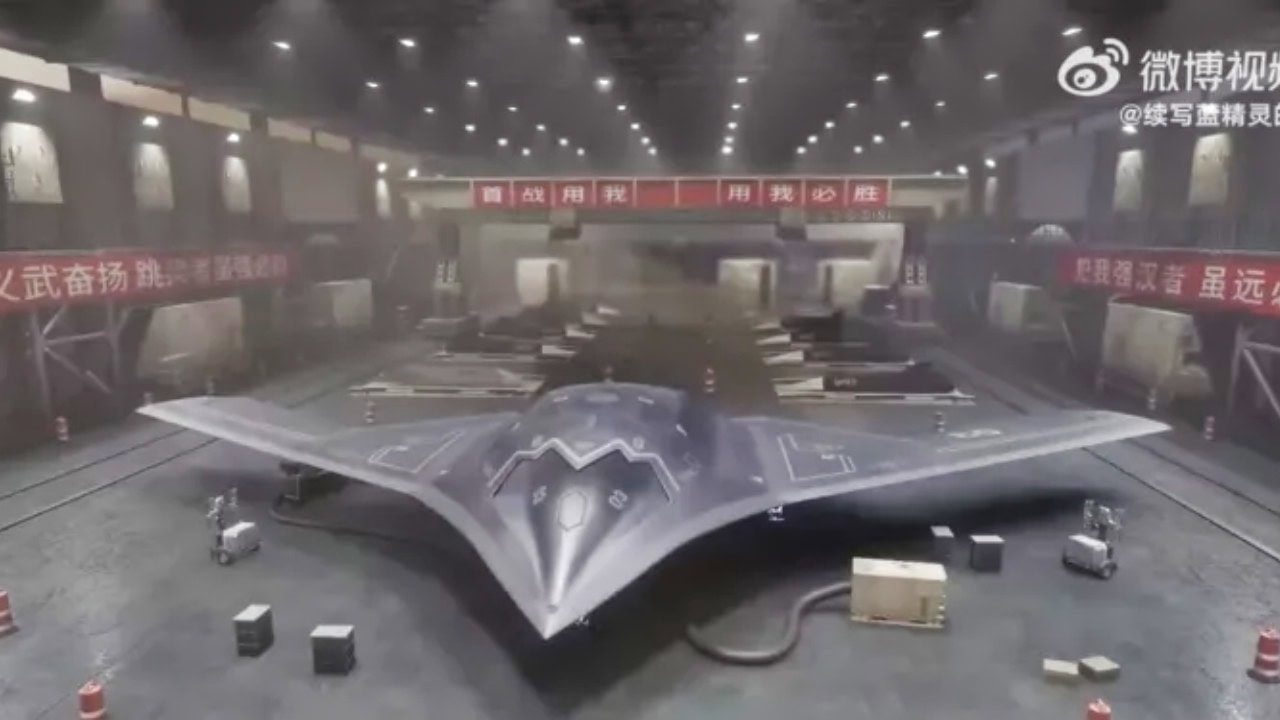
H-20 Bomber. Image Credit: X Screenshot.
With the power to mount long-range strike, conventional or nuclear, against U.S. bases, the U.S. has a clear incentive to build on its most exciting and revolutionary new platforms.
U.S. Faces A Narrow Upgrade Window
The timeline here is tight.
The B-1 and B-2 fleets are slated for retirement by around 2031-2032 as B-21s begin to come online.
Even the B-52 – though slated to survive in some form – is a holdover from 70 years ago and won’t be suited for today’s high-threat environment.
That leaves a narrow period in which B-21 production and deployment must ramp up to avoid a worrying drop in American bomber capability.
If that doesn’t happen, the U.S. could find itself entering the mid-2030s – a period likely to be defined by great-power competition – with a bomber fleet that is no larger, and perhaps smaller, than it is today.
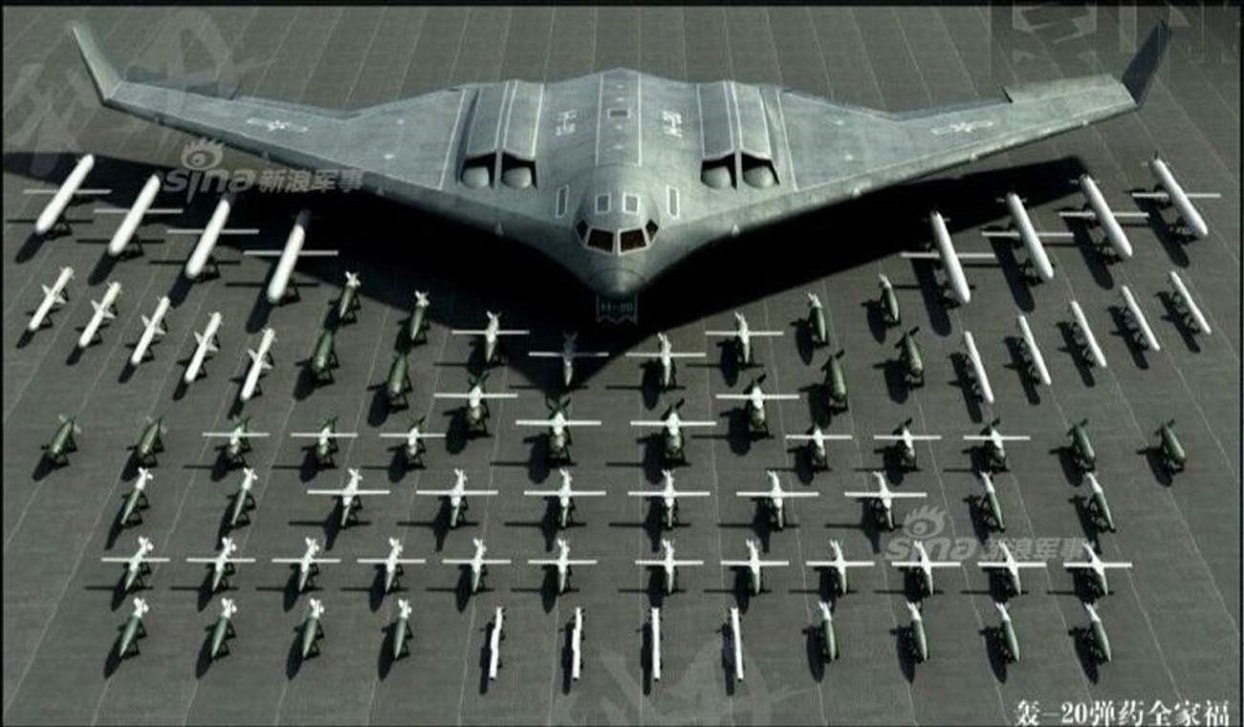
Image: Creative Commons.
Put differently, without an aggressive B-21 production rate and procurement of a large fleet, America risks trading stealth and modern design for obsolescence. The question, however, is whether the industrial base is up to the task.
About the Author:
Jack Buckby is a British author, counter-extremism researcher, and journalist based in New York who writes frequently for National Security Journal. Reporting on the U.K., Europe, and the U.S., he analyzes and understands left-wing and right-wing radicalization and reports on Western governments’ approaches to the pressing issues of today. His books and research papers explore these themes and propose pragmatic solutions to our increasingly polarized society. His latest book is The Truth Teller: RFK Jr. and the Case for a Post-Partisan Presidency.