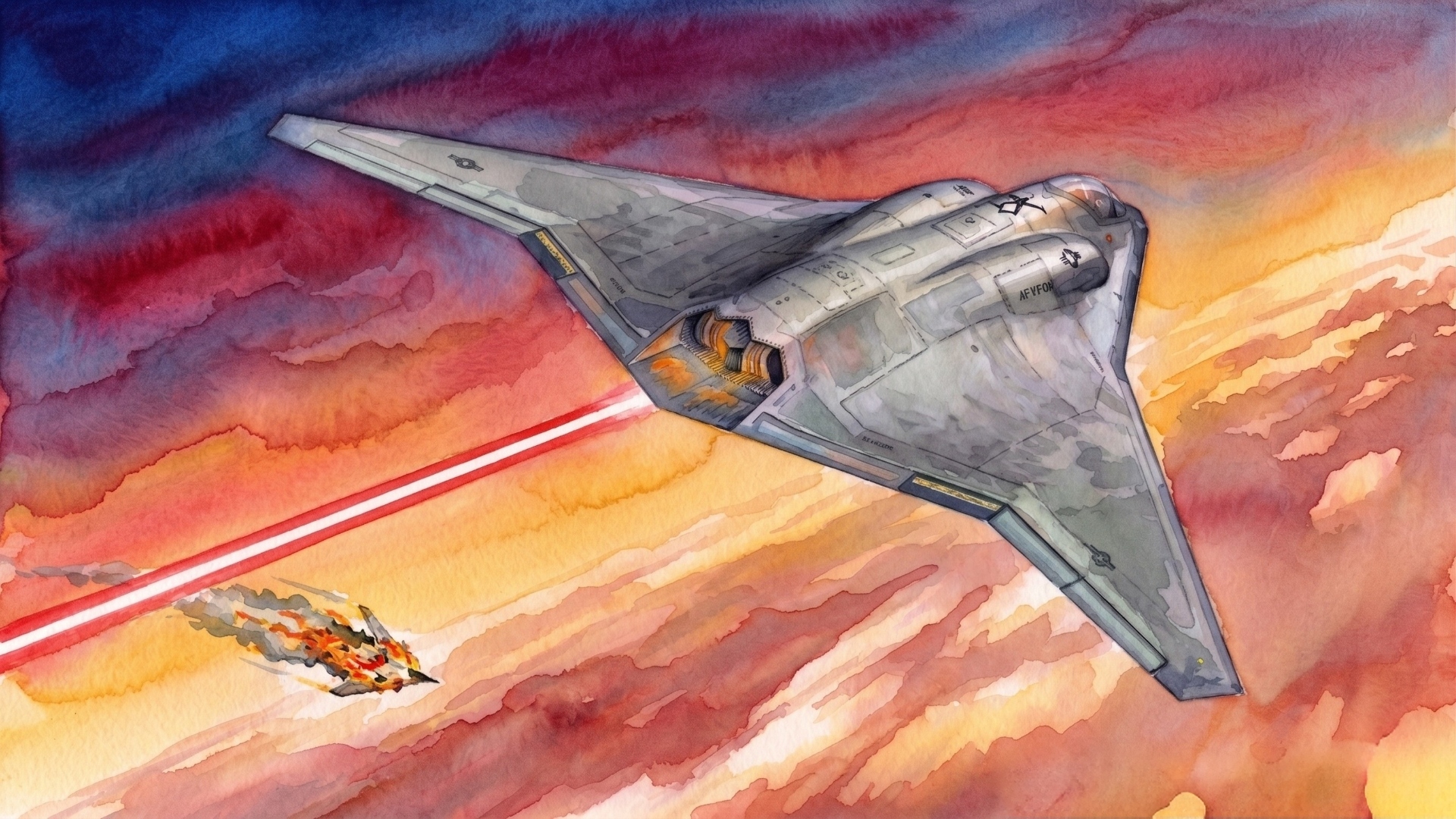
After years of speculation about when a decision would be announced and who would be the winner of the biggest fighter program in its history, the US Navy has announced its timeline to decide by August 2026. This is the date for an award for the long-anticipated F/A-XX contract. It is also probably the biggest news to come out of the annual Sea Air Space conference in years.
F/A-XX: The Cloud of Uncertainty
But the real news is yet to come – and there are too many chances that this news could be a combination of bad and worse.
Regardless of which company the Navy awards the contract to, there will be insurmountable problems with the program.
These dilemmas impact the US defense industry and the Pentagon and Navy budgeting processes at present, which is probably why the decision has been so long in the making.
From 2023-2025, members of the defense press corps dutifully showed up at the annual Sea Air Space event in Washington, DC’s National Harbor expo center.
Each year, they were expecting someone of high rank to make an announcement that would move the needle on the US Navy’s (USN) F/A-XX program.
Each of those years, they departed at the end of the last day largely empty-handed.
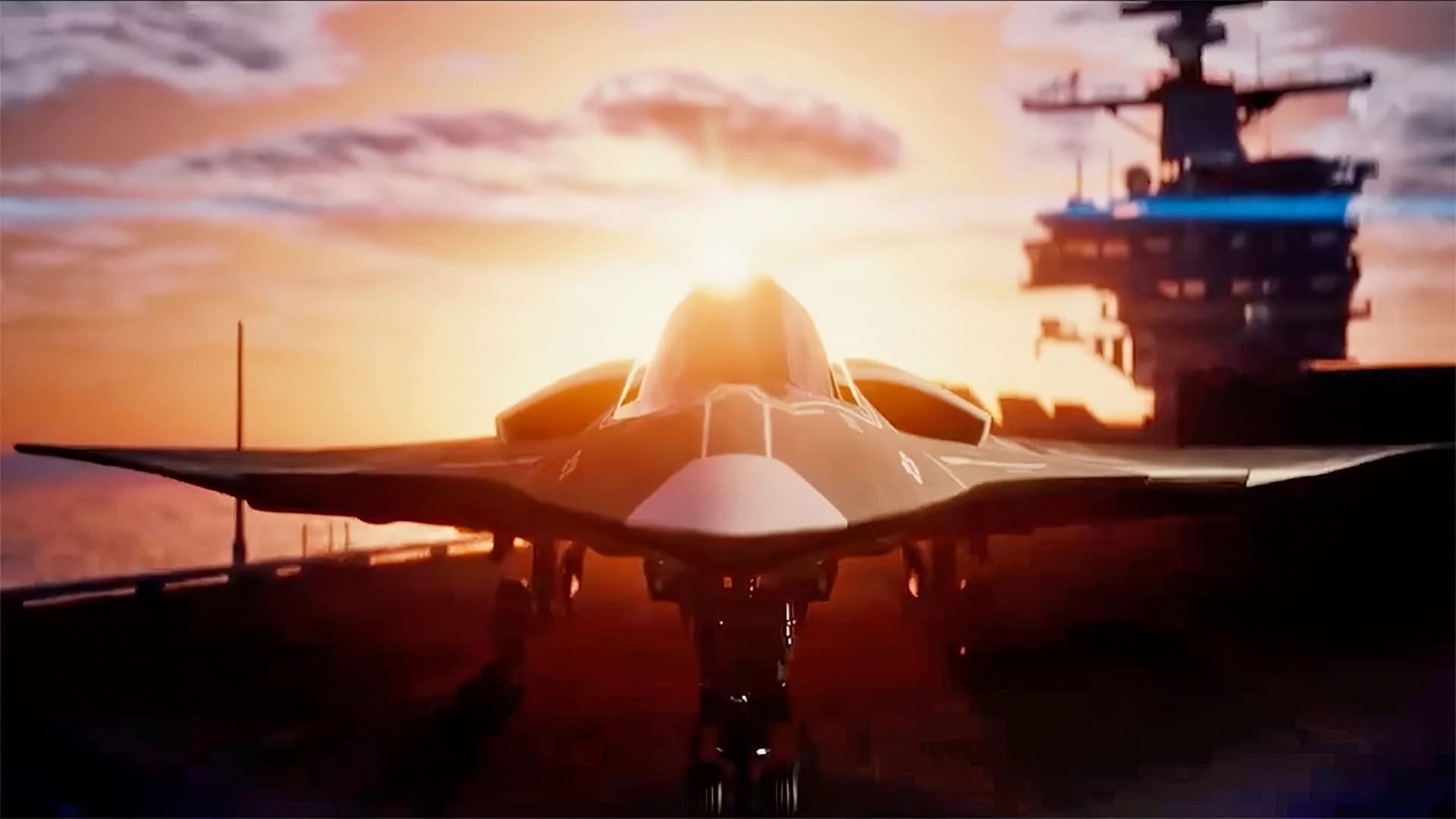
FA-XX Fighter Video Screenshot. Image Credit: NG Video Screencap.
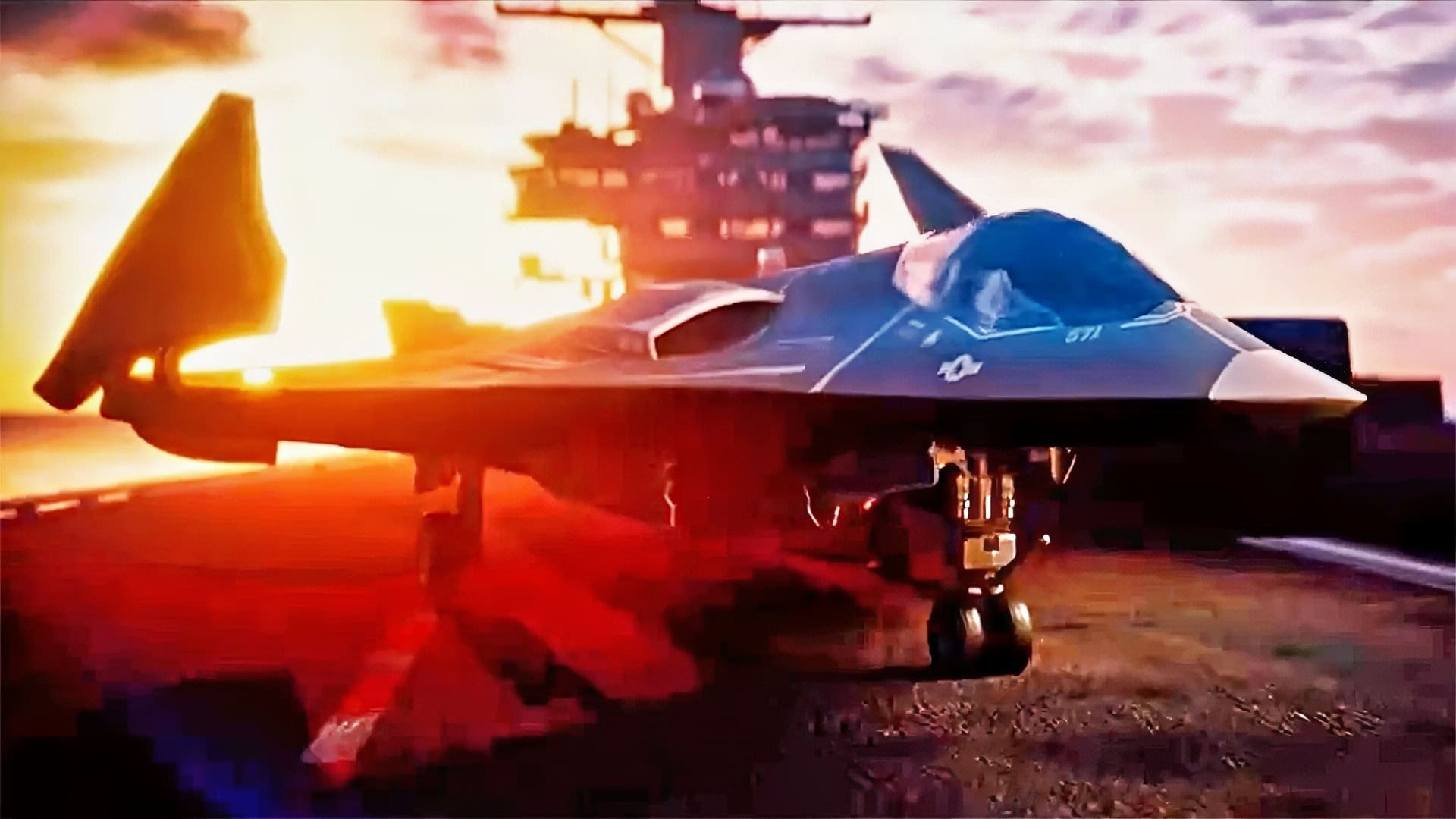
FA-XX Fighter Screenshot from X
The after-action analysis on the US Navy finally announcing that a source selection would be made in August 2026, and the complications the program will have to navigate, have been a cause of these delays.
“It is a combination of factors that are involved,” said a former flag-rank military official who spoke to 19FortyFive. “But in the end, this program largely succeeds or fails based on industrial base decisions. There are just too many responsibilities now heaped on too few prime contractors.”
Unknown Funding for F/A-XX Stealth Fighter
Speaking to reporters on Monday, 20 April, Chief of Naval Operations (CNO) Adm. Daryl Caudle gave the August 2026 date.
It was arrived at after a series of meetings and discussions with Deputy Secretary of Defense Steve Feinberg, Department of War planners, and Navy officials.
“I think you’re going to see a down-select on this in August. I think that’s the month that they have committed to making the decision on the program,” Adm. Caudle told the press on the opening day of the expo and accompanying symposium.
This is the beginning of a program plan and timetable, but the risks to the US military, the US Department of War and Navy budgeting, and industry are considerable.
Issues of how to pay for the aircraft are at the top of the risk-related items.
It is that lack of clarity about where the money is coming from that is the chief reason no plans have yet been outlined for how to pay for the program.
Navy officials have publicly committed to moving the F/A-XX procurement decision forward.
The Pentagon’s record-breaking 2027 budget request does provide substantial funding for USN aircraft programs.
But that request includes only $140 million in total for the F/A-XX program.
Of this sum, $68 million would come from the baseline Pentagon budget, and $72 million would be supplied by reconciliation funding that still needs to be passed as separate legislation by Congress.
The remainder of the aviation portion of the Navy’s budget request constitutes the service’s largest increase in funding for its aviation component.
The budget calls for $34.4 billion in procurement, more than twice the $16.6 billion requested in 2026.
But the unknown remains what would be left after all the previous commitments to Naval Aviation procurement.
As of now, the plan calls for another 47 different models of the F-35. This breaks down as 20 F-35Cs for the Navy and 17 F-35Cs and 10 F-35Bs for the US Marine Corps.
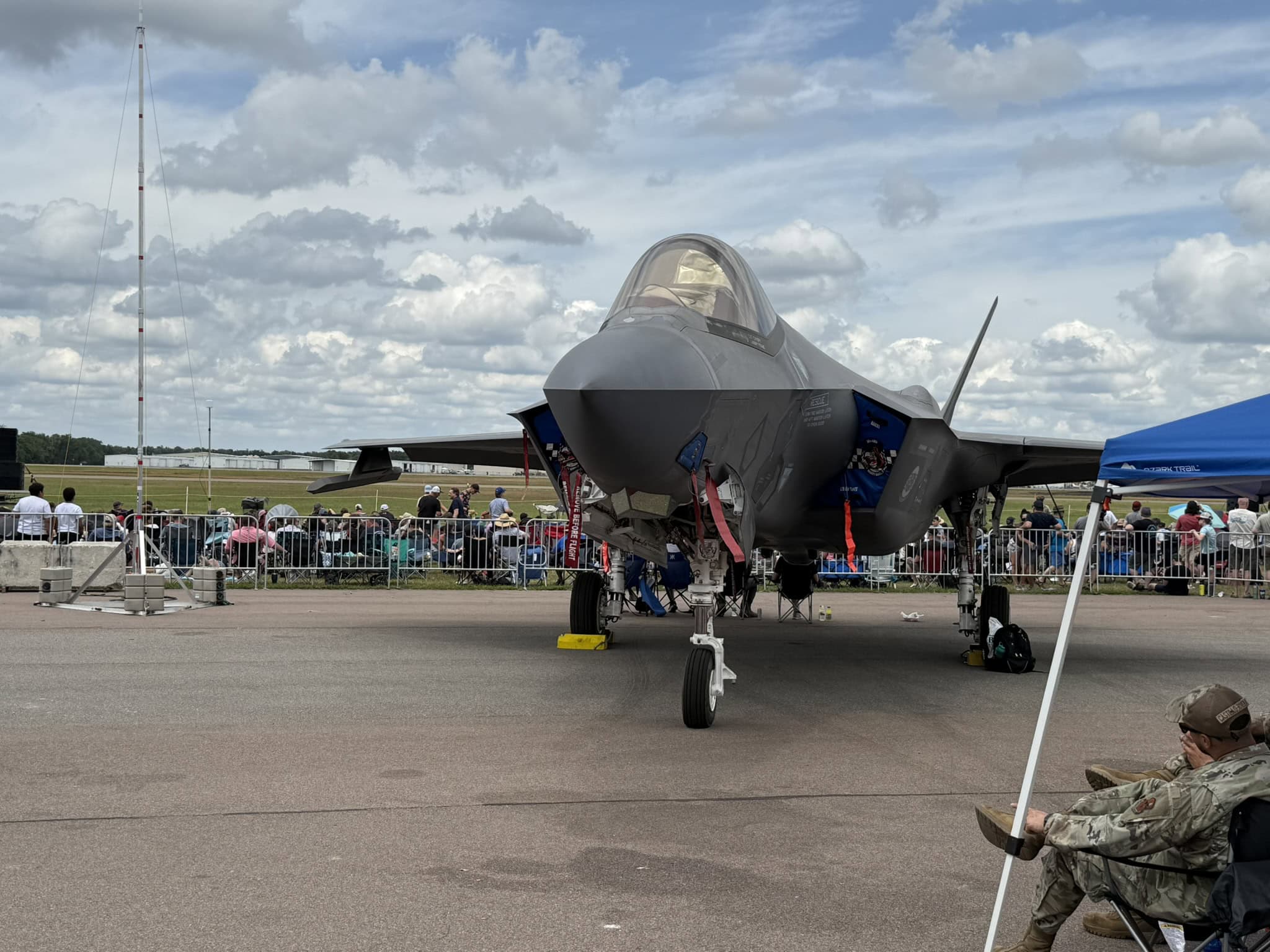
F-35C. 19FortyFive.com original image from Lakeland, Florida Airshow on 4/19/2026.
Then there are additional outlays for the Poseidon P-8, E-2D Hawkeye, and the MQ-25 – among others. Boeing has also raised the price of the Poseidon by moving away from the production of the aircraft on which the P-8 is based, the 737NG, and shifting to the 737 MAX. That, among other factors, has increased the flyaway cost of that aircraft from $172.1 to $328.5 million.
The hard part of supporting the F/A-XX program will come to the fore a year from now. How much money would then be available for the 6th-generation fighter project to proceed to the next stage of its development will be a point of deliberation when the 2028 budget planning begins in earnest and is projected to be priced in the billions.
At this point, a prime contractor will be selected. Detailed design work is further down the road.
But once the aircraft enters the Engineering and Manufacturing Development (EMD) phase, the cost of the F/A-XX and its percentage of the budget will quickly become a major focus of the Pentagon’s planning process.
Shrinking Industrial Base
The unanswered question of where the program’s money is coming from makes the project complicated enough.
But the US Navy has said for some time now, and Adm Caudle reiterated again during the Sea Air Space event, that neither of the two contractors remaining as potential primes on the program – Boeing or Northrop Grumman (NG) – has the capacity to support the development and subsequent production of the F/A-XX.
“One of the contractors who would make this plane for us is in a place where they really can’t deliver in the timeframe we need it,” Caudle said. “So there was, just, you know, ‘check twice, cut once’ kind of mentality here on this decision.”
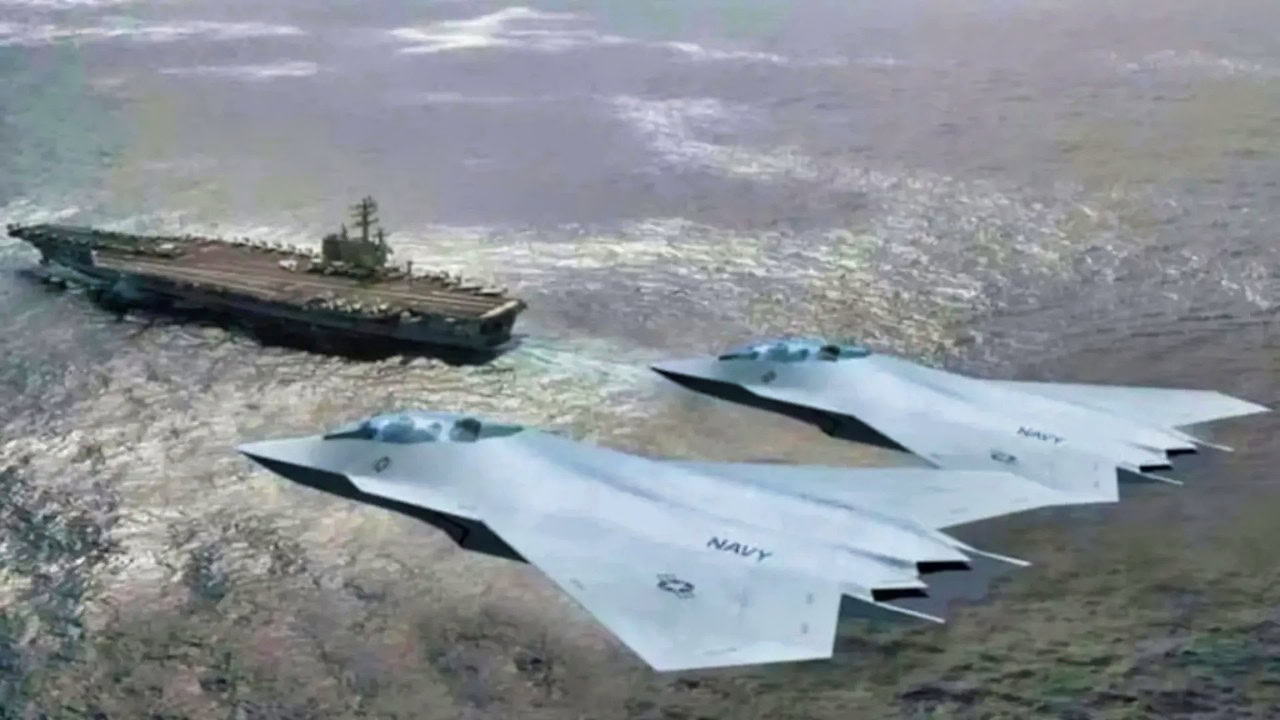
F/A-XX Fighter for US Navy. Navy graphic mockup.
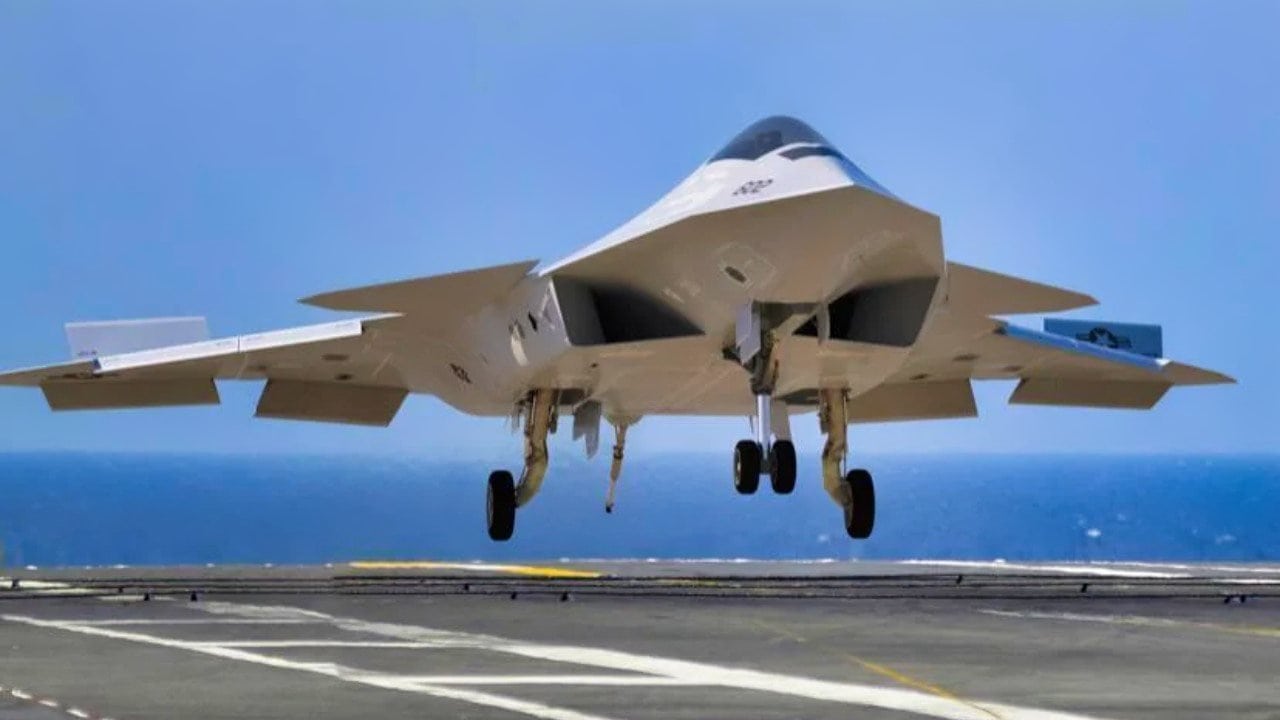
F/A-XX. Image Credit: Creative Commons.
Caudle declined to name which of the two contractors lacks the capacity to manage the F/A-XX effectively. Both Boeing and NG executives have said in the past that they disagree with this assessment. Both state they can meet the USN schedule for the 6th-generation fighter.
The claims of both CEOs aside, and there is no reason to suspect that they do not believe that their companies can meet the challenge, the US defense industrial sector has, in general, not fared well since the end of the Cold War.
As more than one assessment in the past two years has concluded, the US defense industry has atrophied in the post-1990 era.
What efficiency experts and disciples of the “just in time” manufacturing process have wrought, the same assessments read, is a US defense sector that is about one step away from being a fallen giant. More than one retired senior military officer or industry executive who spoke to 19FortyFive on the subject echoed these sentiments.
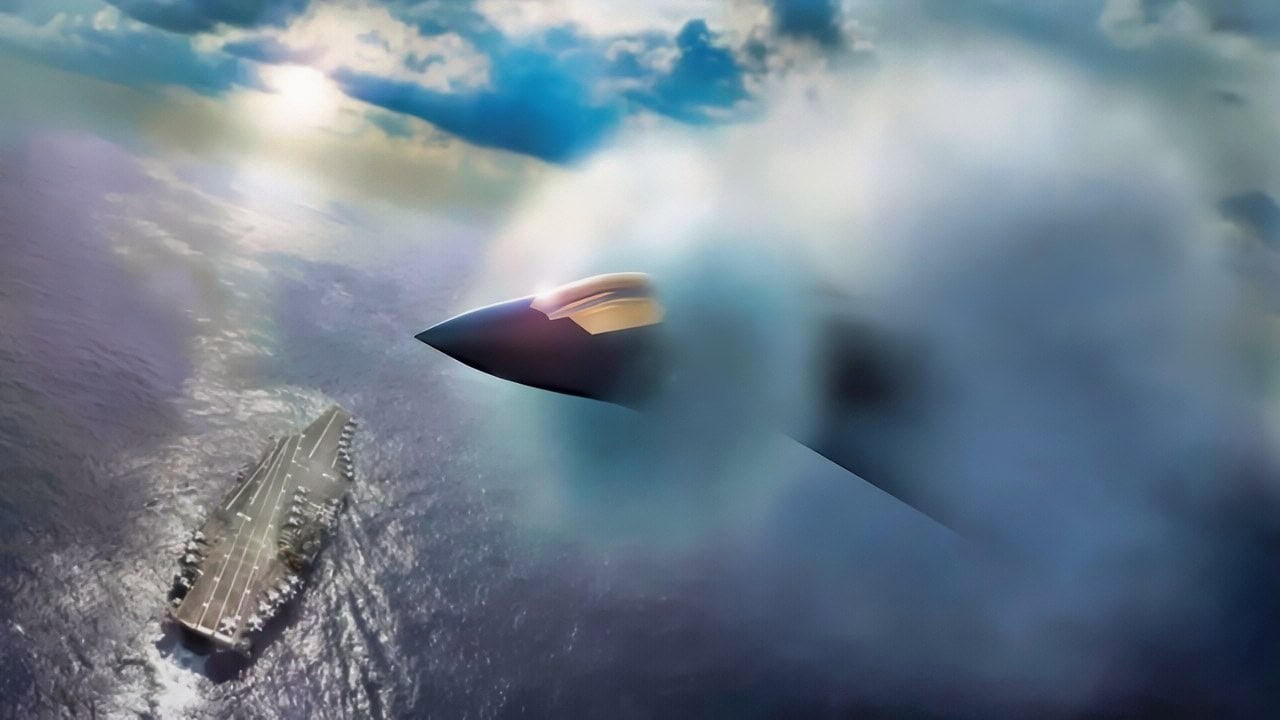
F/A-XX Boeing Image.
The numbers tell the whole story. In the post-Cold War “peace dividend” era, the number of prime contractors has been whittled down (some would say “chainsawed” is more accurate verbiage) from 51 firms down to just five.
“While this consolidation does not necessarily indicate a smaller defense industry, the broader ecosystem of defense subcontractors and suppliers has also shrunk: In the past five years alone, the defense sector has lost a net 17,045 companies,” reads a study from the US National Defense Industrial Association (NDIA).
“And remember this was a study published three years ago,” said one of the senior US industry personnel we spoke to, who is also active with NDIA. “If it were written today, the findings would almost assuredly [be] more negative.”
“The increase in ‘efficiency’ that the consolidation into one-tenth the number of primes we used to have has not provided the capability we now need to surge production with a hot war in Ukraine, another one in the Middle East, and everyone talking about the need to be prepared for Beijing to make a move on Taiwan,” he added. “The result has been the exact opposite.”
A Disaster for Morale
Although many current-day personnel in the defense sector would argue that their management has little awareness of this, what matters most in an enterprise that designs and builds weapon systems is the morale of its personnel. “Without a talented cadre of people who can enthusiastically support a product line from development all the way through to series production, the ability of a company to survive in the market eventually dies,” explained the offical above.
There is a very unhappy precedent to what is happening in the US that would bear examining – an example of something not to do.
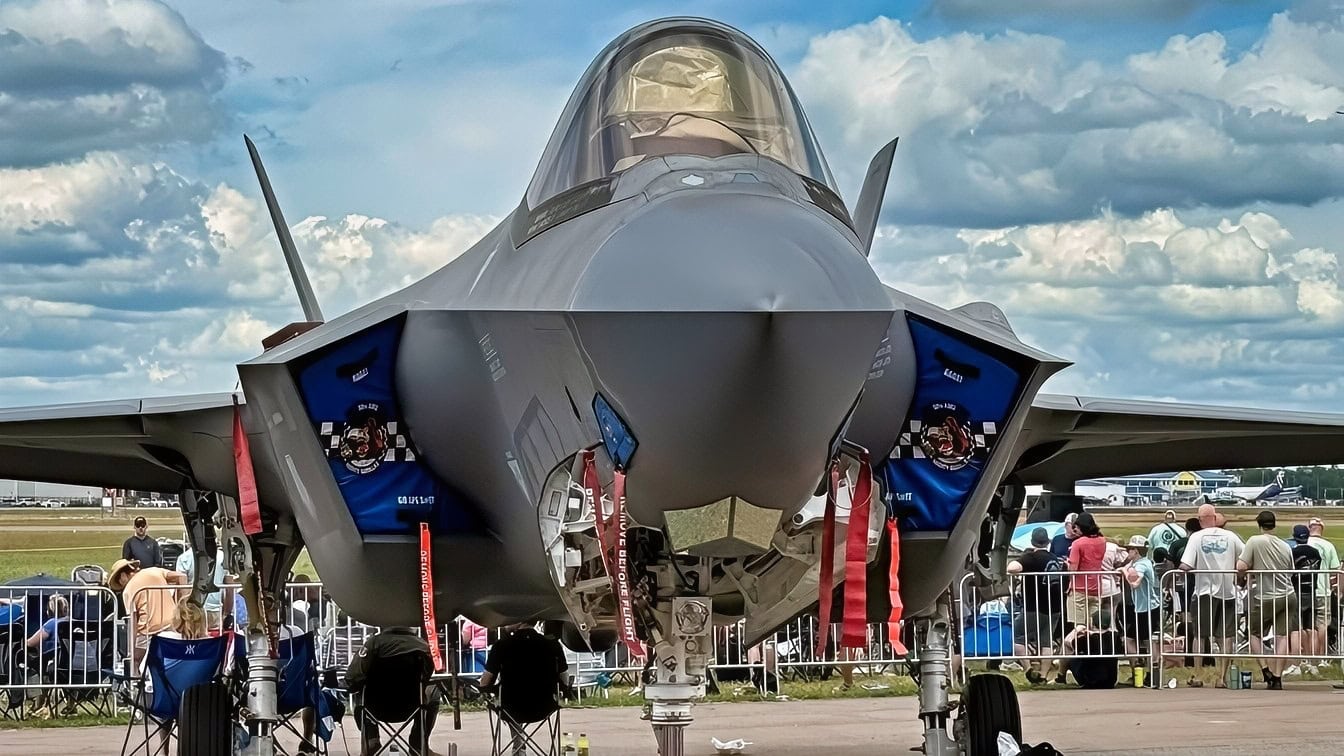
F-35C Lakeland Airshow Photo 19FortyFive Image Taken on 4/19/2026.
In hundreds of discussions over the past 2-3 decades with colleagues who were once part of the old Soviet defense industrial empire, they point to the large numbers of people who just disappeared from the ranks of designers, engineers, managers, etc., after the collapse of the USSR.
One long-time associate who used to work inside one of the largest and most well-known Soviet design bureaus explained one day the degree to which Moscow’s one-time weapons-making empire had wasted away to nothing.
“Subsystem enterprises – radar designers, missile engineers – who used to have 3500 or more employees working for them now have about 300 or less. Design houses that used to develop and engineer an entire air defense battery or an aircraft – they used to have 15,000 or more people working for them, but now may have a workforce of 2000 or less. Departments inside of special engineering centers that once had a staff of 200 people now have a number of employees that you can count on the fingers of two hands.”
“You cannot perform the work that these enterprises used to be responsible for with a small fraction of the experienced personnel required – even if all of them are geniuses,” he continued. “So there is little to no chance you will see a next-generation of any kind of Russian weapon system ever again – at least as long as most of us are alive,” he explained.
“And to say that watching the Russian industry that the world used to tremble at the thought of, reduced to a shadow of its former self, is horrendous for the morale and motivation of those who remain working away at a drawing table or on a CAD screen. Well, that is an understatement,” he concluded.
Sadly, the US defense sector has gone in the same direction. Combining dozens of prime contractors down to a handful has not resulted in a small number of companies with huge employee rolls. Instead, the number of persons employed in defense-related work in America has shrunk by two-thirds since the Cold War – from 3.2 million or more workers in 1985 to 1.1 million in 2021.
Paradoxically, the general rule of thumb is that the most expensive line item for any defense company is the number of workers it employs. This drastic reduction in manpower should have led to a massive drop in overall defense spending, but instead, spending is higher now than during the Cold War, prompting many to ask where that money is being spent.

U.S Air Force Captain Kristin “BEO” Wolfe, F-35A Lightning II Demonstration Team Commander, flies during a demonstration at the Oregon International Airshow in McMinnville, Ore., Aug. 20, 2022. The F-35 Demo team travels around the United States and around the world, showcasing the world’s most technologically advanced fifth-generation fighter jet. (U.S. Air National Guard photo by Master Sgt. John Winn)
With a hot war in Ukraine entering its fifth year, there has been some realization in the US defense industrial sector that having a workforce that is only one-third of what it used to be is not enough to meet the challenges ahead. But try as they may, the US defense companies are not able to lure enough new workers to get above the 1.1 million mark.
A now-retired senior program manager at one of the five remaining primes spoke to 19FortyFive on the subject and commented that “you cannot blame people for not being enthralled with the idea of going to work for one of these defense behemoths,” he said.
“Job security is only as good as the next program that the US Government decides to cut back radically on funding for, or just cancel altogether. Pay increases do not keep pace with inflation for many people these days. And then look at the whole story of what happened with Niel Golightly at Boeing,” he said.
“That’s what passes for leadership within the executive suite in the US defense sector these days,” he said. “And just about anyone who comes to work here knows it. No one in management ever has your back.”
Golightly, a US Navy veteran who went to work for Boeing as a senior press and communications officer, was forced to resign in 2020 over an article he wrote in 1987 while still on active duty The article was published in a journal largely read only by Navy veterans and those interested in maritime warfare with a low circulation but it was used to push him out of the famous US planemaker.
“The effort to bring him down was cynical, opportunistic, and predatory,” said the retired program manager. “You cannot expect the number of people in the US defense sector to rise until the engineers and designers stop being overruled and pushed aside by HR,” he added.
That is the terrain into which the firm elected to build the F/A-XX aircraft will be deployed. It is no small challenge – and not just from a personnel standpoint.
Experience Matters
But the major concern among top-level consultants who work for the major US defense primes – most of them former high-ranking military personnel or Pentagon officials – is whether the company designing and building the next USN fighter will be fully capable of meeting the challenge.
There are several comments that one hears repeated in conversations with this small circle of consultants and industry analysts as well.
All of them are concerned that the stakes are extremely high when it comes to building a next-generation stealthy fighter, and mistakes made now could have disastrous consequences later.
One of the two possibilities for the Navy program is Boeing, which already has the contract to build the USAF F-47.
Lockheed Martin (LM) currently has no official role in either program, which disturbs more than one combat aircraft professional. Most state the obvious, saying that the company’s experience in designing stealth platforms from the U-2 to the SR-71 to the F-117A. F-22 and F-35 are no small record of achievement.
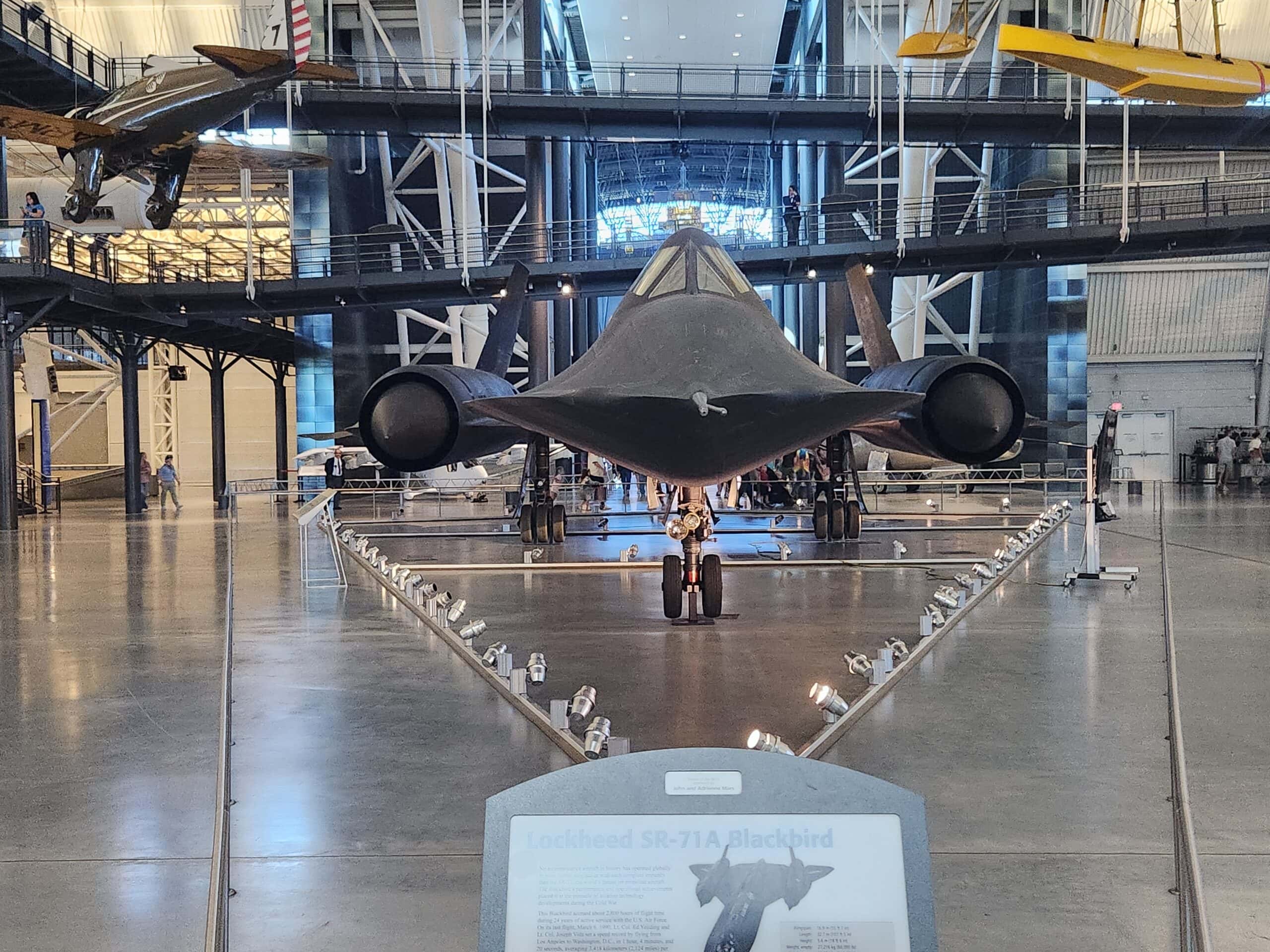
SR-71 Blackbird. 19FortyFive.com original image.
“Does anyone realize what it takes to be able to gain 70 years of experience in designing stealth, radar-evading aircraft?” said one former high-ranking military official speaking about LM. “Well, it takes 70 years – there are no shortcuts.”
Most projects, regardless of which one of the two remaining primes ends up designing the F/A-XX, there does seem to be a logical course forward.
This would have LM brought in as a sub-contractor to handle design issues in the front hemisphere – all the way to the rear end of the cockpit – and to be responsible for much of the production of that section of the F/A-XX as well.
A possibility might be a division of labor on the F/A-XX similar to what US industry has agreed to with Germany’s Rheinmetall on co-production of the F-35. The German defense giant will build the center fuselages for the aircraft, while the US will build the front fuselages and the rear sections – the parts of the fighter that involve the most sensitive elements of its stealth design.

A U.S. Air Force F-35A Lightning II flies over the 56th Fighter Wing during Luke Days 2026, March 22, 2026, at Luke Air Force Base, Arizona. Luke Days 2026 highlights the precision and professionalism required to generate combat airpower and sustain the nation’s defense. Currently in operational service, the F-35A integrates stealth technology and advanced sensors to detect and defeat threats while maintaining air dominance. Opportunities for the public to see military aviation up close helps build appreciation for the readiness of the joint force. (U.S. Air Force photo by Senior Airman Belinda Guachun-Chichay)
F/A-XX and the Future of the U.S. Military
Whatever decision the US makes, the consensus is that it could have a significant impact on the health of the US defense sector ten years from now.
The billions to be spent on both F-47 and F/A-XX will also determine how the US would perform in a war against the PRC – a country that already has prototypes of its own 6th-generation fighters flying. In the end, the implications of which company will design and manufacture this next-generation US Navy fighter may be the most important of all.
About the Author: Reuben F. Johnson
Reuben F. Johnson has thirty-six years of experience analyzing and reporting on foreign weapons systems, defense technologies, and international arms export policy. Johnson is the Director of Research at the Casimir Pulaski Foundation. He is also a survivor of the Russian invasion of Ukraine in February 2022. He worked for years in the American defense industry as a foreign technology analyst and later as a consultant for the U.S. Department of Defense, the Departments of the Navy and Air Force, and the governments of the United Kingdom and Australia. In 2022-2023, he won two awards in a row for his defense reporting. He holds a bachelor’s degree from DePauw University and a master’s degree from Miami University in Ohio, specializing in Soviet and Russian studies. He lives in Warsaw.