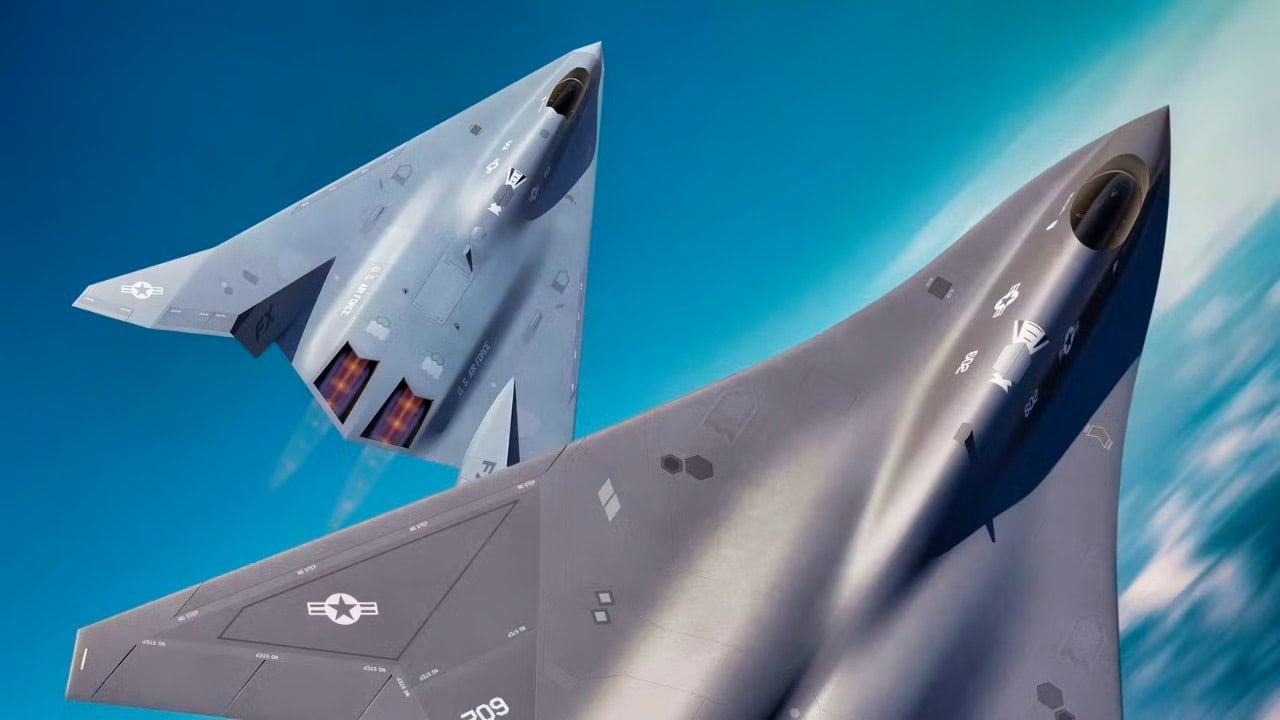
Key Points and Summary: The Trump administration’s proposed $1.5 trillion fiscal year 2027 Pentagon defense budget — controversial for its unprecedented size as a percentage of federal spending since the Cold War — includes substantial funding for expanded fleet sizes of the Northrop Grumman B-21 Raider stealth bomber, Boeing F-47 Next Generation Air Dominance fighter, F/A-XX sixth-generation naval fighter competition, and the Golden Dome missile defense initiative, plus major investments to close the U.S. Navy submarine deficit and replenish weapons stockpiles depleted during the ongoing war against Iran.
-Despite the budget’s scale, the specific allocation against current global threats, including near-peer competitors, emerging hypersonic weapons capabilities, and space-domain competition, may make the request more defensible than critics acknowledge.
The U.S. Military’s Stealth Fighter Future?
Expanded plans for a larger-than-anticipated fleet size of B-21s, F-47s, and F/A-XX stealth fighters, early production and design work on new programs like Golden Dome, efforts to close the U.S. Navy’s submarine deficit, and a massive effort to replenish weapons stockpiles for force readiness….are just a few reasons why the Pentagon’s “large” new defense budget proposal might make sense.
A proposal for a $1.5 trillion Pentagon budget is certainly controversial, yet it can be defended on strategic, economic, and technological grounds, given the scope of the global threat environment and the number of emerging large-scale modernization programs.
While the number itself may seem staggering, the value of such a budget depends less on its size and more on how it is allocated, what new programs it can support, and what growing threats it can help counter.
First, the modern threat landscape is more complex than at any point since the Cold War.
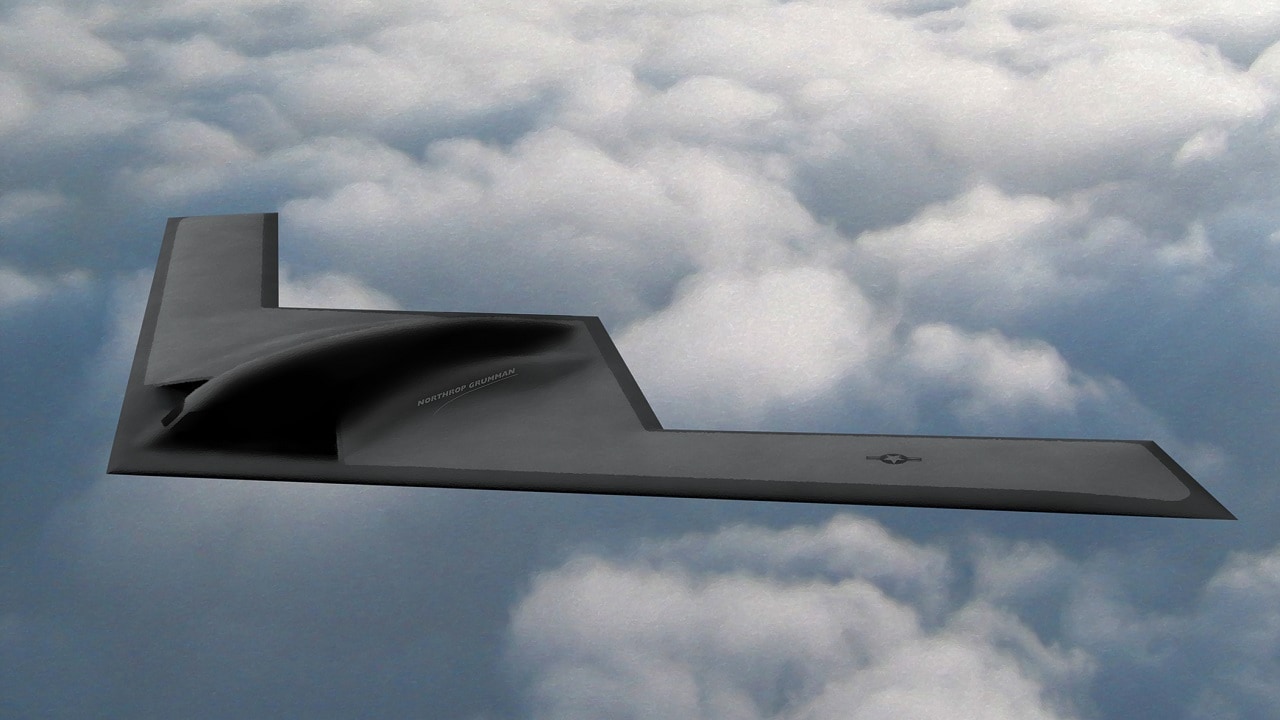
B-21 Raider bomber. Image Credit: Creative Commons.
The United States faces simultaneous challenges from near-peer competitors, regional conflicts, cyber threats, and emerging domains like space and artificial intelligence. This reality is underscored by the current Iran war, as it opens up discussions to ensure the Pentagon is able to sustain a “massive” arsenal of missiles, interceptors, drones, and AI-enabled computing.
Maintaining deterrence across all of these fronts requires not just maintaining existing capabilities, but modernizing them. A $1.5 trillion budget would accelerate the replacement of aging systems—many of which date back decades—with next-generation platforms designed for contested environments.
The Air Force, for example, has had great success “upgrading” legacy platforms to support modernization goals; there is still a consistent, growing U.S. Air Force “need” for more new platforms.
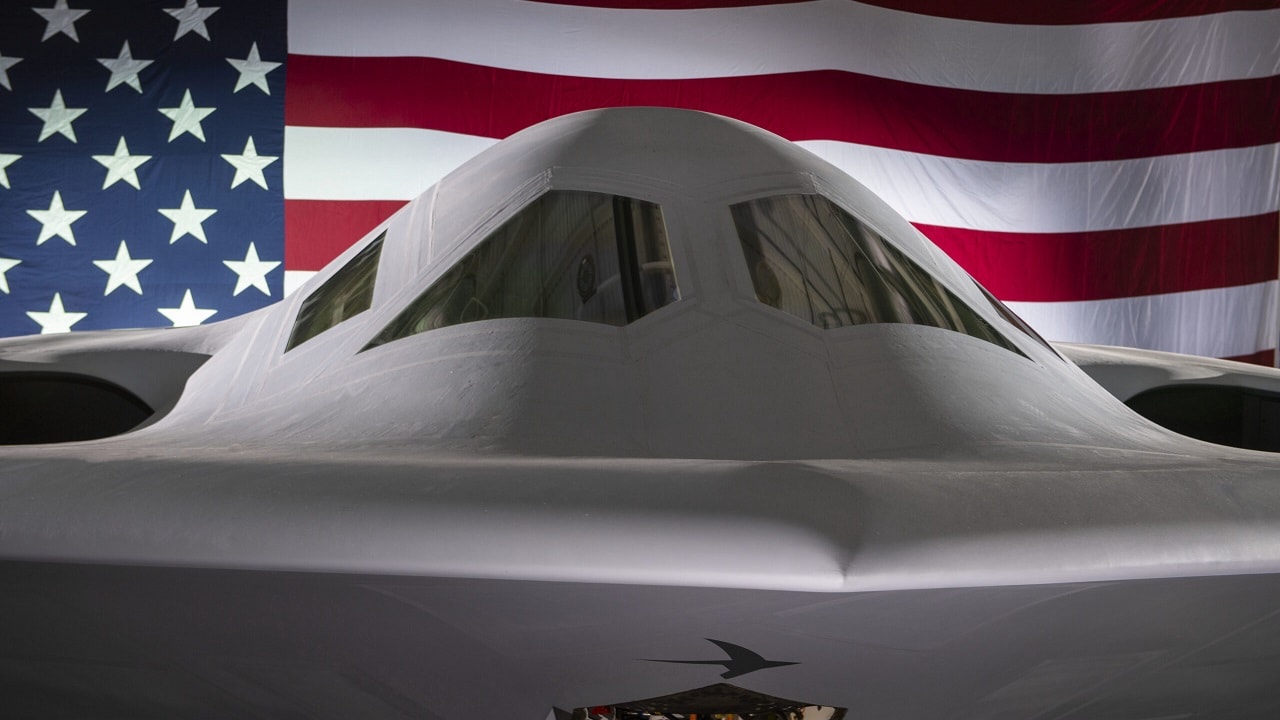
The B-21 Raider was unveiled to the public at a ceremony on December 2, 2022, in Palmdale, Calif. Designed to operate in tomorrow’s high-end threat environment, the B-21 will play a critical role in ensuring America’s enduring airpower capability. (U.S. Air Force photo)
Overall, the U.S. military services need stealth aircraft, hypersonic weapons, advanced missile defense systems, and resilient new MEO and LEO satellite networks. These investments are not simply about military dominance; they are about preventing conflict by making potential adversaries think twice.
Supports Expanded Force
Second, a larger defense budget supports readiness and personnel. The U.S. military is an all-volunteer force, and sustaining it requires competitive pay, healthcare, housing, and training.
A significant portion of any Pentagon budget goes toward service members and their families. Increased funding would improve the quality of life, enhance mental health services, and support more robust training exercises that ensure troops are prepared for real-world scenarios. High readiness levels reduce the likelihood of miscalculation in crises and increase the effectiveness of deterrence.
Third, the budget would drive innovation. Historically, defense spending has been a major catalyst for technological breakthroughs with civilian applications. The internet, GPS, and various aerospace technologies all have roots in defense research.
A $1.5 trillion budget would significantly expand investments in artificial intelligence, quantum computing, cybersecurity, and autonomous systems. These are not just military tools—they are foundational technologies that will shape the global economy. By funding their development, the United States can maintain leadership in industries critical to future prosperity.
Industrial Base
Another key area of spending would be infrastructure and logistics. The U.S. military operates on a global scale, maintaining bases, supply chains, and alliances across multiple continents.
Much of this infrastructure is aging and requires modernization to remain effective and resilient. Investments would go toward upgrading ports, airfields, and pre-positioned equipment, as well as improving energy efficiency and climate resilience. In a world where supply chains can be disrupted by conflict or natural disasters, having robust logistical capabilities is a strategic advantage.
A $1.5 trillion budget would also strengthen alliances. The United States does not operate alone; its security commitments to allies in Europe, Asia, and elsewhere are central to global stability.
Increased funding allows for more joint exercises, security assistance, and interoperability initiatives. This helps allies build their own defense capabilities, reducing the burden on U.S. forces over time while creating a more balanced and resilient international security network. Strong alliances are often more effective than unilateral action, and they depend on credible U.S. commitments backed by resources.
Security Means Prosperity
Critics often argue that such a large budget diverts resources from domestic priorities. That concern is valid, and any increase in defense spending should be weighed against other needs.
However, proponents argue that security is a prerequisite for economic stability. Global trade, energy flows, and financial systems all depend on a relatively stable international order, much of which is underwritten by U.S. military presence. In this view, defense spending is not separate from economic well-being but a component of it.
In terms of specific acquisitions, a $1.5 trillion budget would likely fund expanded procurement of next-generation fighter jets, such as sixth-generation air superiority platforms, as well as additional naval vessels, including submarines and aircraft carriers designed for distributed operations.
It would accelerate the development and deployment of hypersonic missiles and counter-hypersonic defenses, a rapidly evolving area of competition.
Cybersecurity investments would increase dramatically, focusing on both offensive and defensive capabilities to protect critical infrastructure.
Space systems would also receive major funding, including satellites for communication, navigation, and missile warning, along with capabilities to defend them from attack.
U.S. Nuclear Triad
Additionally, the budget would support nuclear modernization. The U.S. nuclear triad—land-based missiles, submarine-launched missiles, and strategic bombers—is aging and requires replacement to remain credible.
While expensive, proponents argue that a modernized nuclear deterrent reduces the risk of nuclear conflict by ensuring reliability and survivability.
Finally, there is the economic impact. Defense spending supports millions of jobs across the country, from manufacturing and engineering to research and logistics. Large-scale investments would sustain and expand this industrial base, particularly in high-tech sectors.
This has ripple effects on local economies and helps maintain a skilled workforce.
About the Author: Kris Osborn
Kris Osborn is the Military Technology Editor of 19FortyFive. Osborn is also President of Warrior Maven – Center for Military Modernization. Osborn previously served at the Pentagon as a highly qualified expert in the Office of the Assistant Secretary of the Army—Acquisition, Logistics & Technology. Osborn has also worked as an anchor and on-air military specialist at national TV networks. He has appeared as a guest military expert on Fox News, MSNBC, The Military Channel, and The History Channel. He also has a Master’s Degree in Comparative Literature from Columbia University