
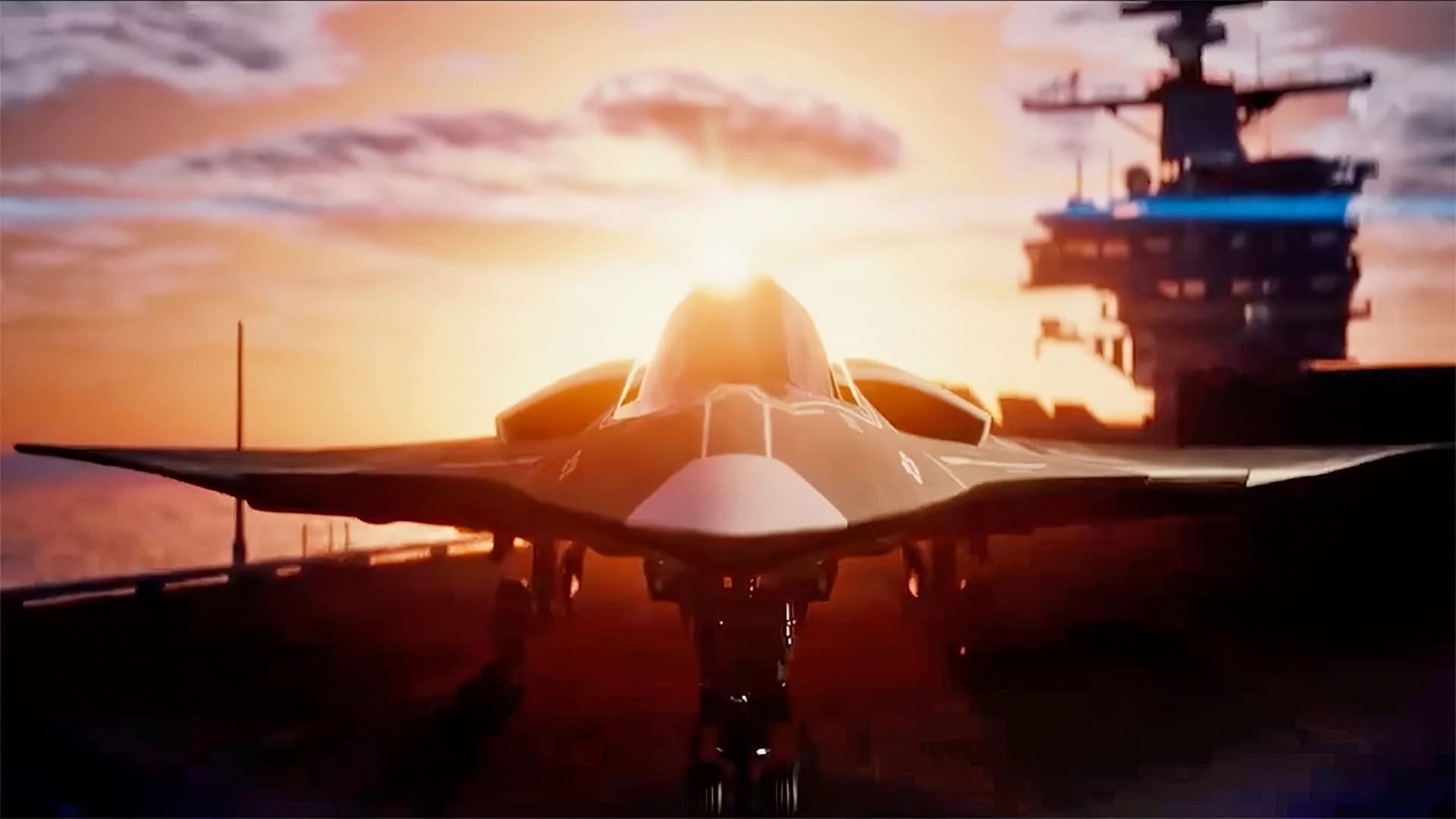
The F/A-XX next-gen naval fighter concept video Northrop Grumman posted last Sunday runs for fifteen seconds. Tailless airframe, folding wings, dorsal intakes — the jet sitting on what looks like a Ford-class flight deck, sharp and belonging to a future nobody has figured out how to pay for yet.
Watch it again. Don’t look at the aircraft. Look at where it’s sitting — a carrier, somewhere in the Philippine Sea, inside a threat environment that the designers of that airframe need to defeat before anything leaves a weapons bay.
That problem doesn’t appear in the video. It won’t be resolved in August either.
F/A-XX and A Milestone That Resolves Nothing
Admiral Caudle told reporters at Sea-Air-Space last Sunday that the Navy expects a contractor downselect by August. Boeing or Northrop. One goes home, EMD (Engineering and Manufacturing Development) begins, a program that has spent years bouncing between the budget axe and congressional rescue, finally gets traction.
What it doesn’t get is an answer to the question driving the whole effort.
The F/A-XX has been cut, restored, nearly surrendered to the Air Force’s F-47 timeline, and cut again — not because the competing designs were inadequate, but because the Pentagon hasn’t resolved what a carrier air wing actually needs to accomplish against China in a shooting war.
The specific questions remain open: whether the carrier operates inside or outside the weapons engagement zone on Day One, whether it absorbs first-wave attrition or holds back for follow-on strikes.
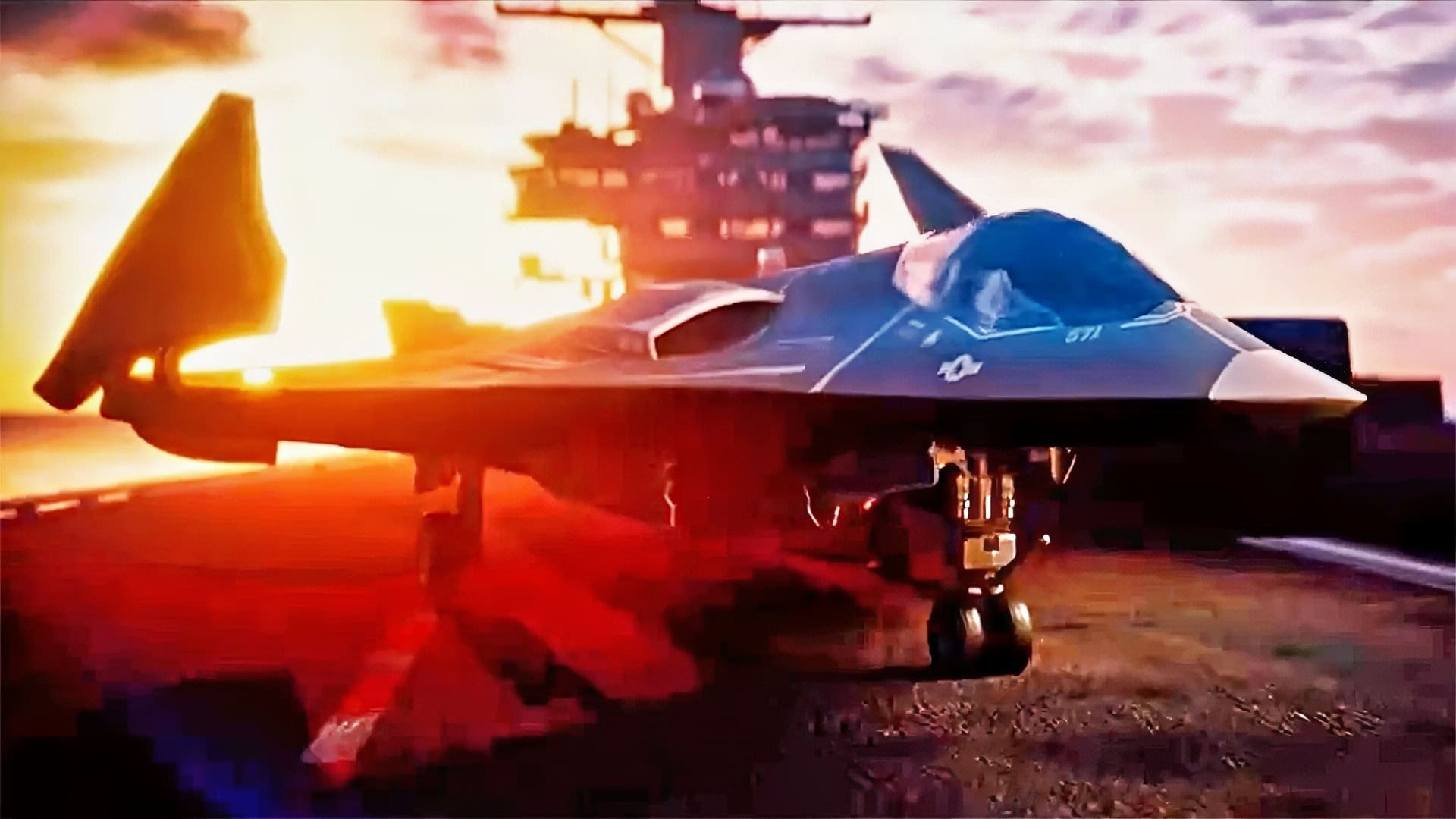
FA-XX Fighter Screenshot from X
That institutional ambiguity doesn’t disappear when the contract drops. It gets absorbed into the program and calcifies. Once EMD begins, the program grows its own immune system. Requirements get locked in, budgets deepen, and the cost of changing course rises faster than the will to pay it.
If the concept underlying it is wrong, the aircraft will still be very good at executing it.
Put the Carrier on the Map
Place a strike group in the Philippine Sea on the first day of a Taiwan contingency. To operate outside the reach of China’s DF-26 — with a range of approximately 3,000 kilometers — the group is already more than a thousand miles from the Chinese coast.
The F/A-18 Super Hornet‘s combat radius runs around 450 nautical miles unrefueled. That gap doesn’t close through better airmanship or more aggressive tanking schedules. The F/A-XX has to solve it through a dramatically extended range and the ability to survive the approach once the range is there. The Navy has not publicly explained how it does both simultaneously.
The tanking problem compounds this. At those distances, every sortie requires aerial refueling support.
Tankers are large, slow, and non-stealthy — they fly predictable corridors well within range of the same Chinese missile systems pushing the carrier back in the first place. The F/A-XX can be as low-observable as its designers intend. The aircraft cannot keep itself airborne. China’s targeting calculus doesn’t begin with the fighter. It begins with what the fighter depends on.
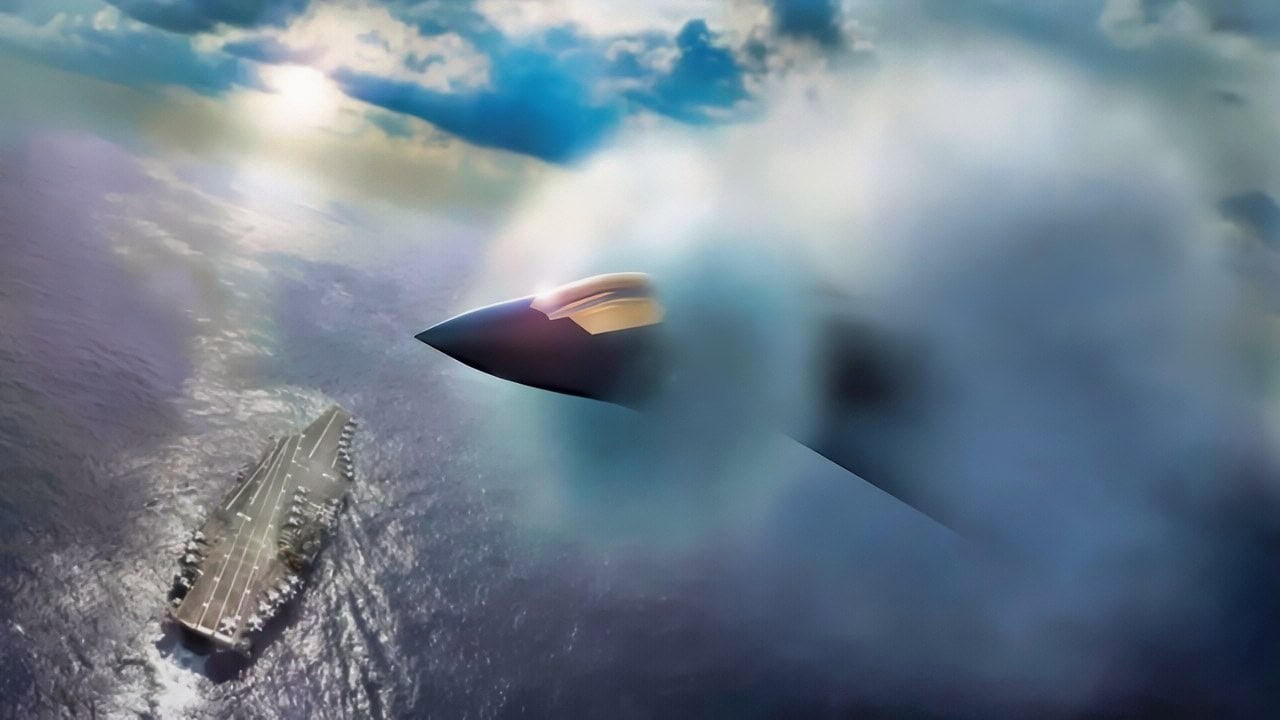
F/A-XX Boeing Image.
Stealth narrows the survivability problem without resolving it. China has spent 20 years building specifically toward counter-stealth: over-the-horizon radar, low-frequency detection networks, and sensor fusion that draws on platforms no carrier jet can reach or suppress. The threat environment the F/A-XX will enter in the mid-2030s is being built against this exact aircraft profile right now.
The most credible architecture for handling both problems is a manned jet directing Collaborative Combat Aircraft forward — F/A-XX as quarterback, unmanned systems running the routes.
The concept has logic behind it. It also requires F/A-XX and its drone surrogates to share a functioning kill chain inside a communications-degraded, electronically contested environment — a coordination problem that has never been solved under operational conditions. Selecting a contractor in August doesn’t move that problem any closer to resolution.
The Part Nobody Wants to Say Out Loud
Naval aviation has been here before. The F-35C was supposed to give the carrier air wing a fifth-generation strike capability. It did — at the cost of range that made the threat geometry problem worse, not better.
The program answered the requirements document. The requirements document had asked the wrong questions.
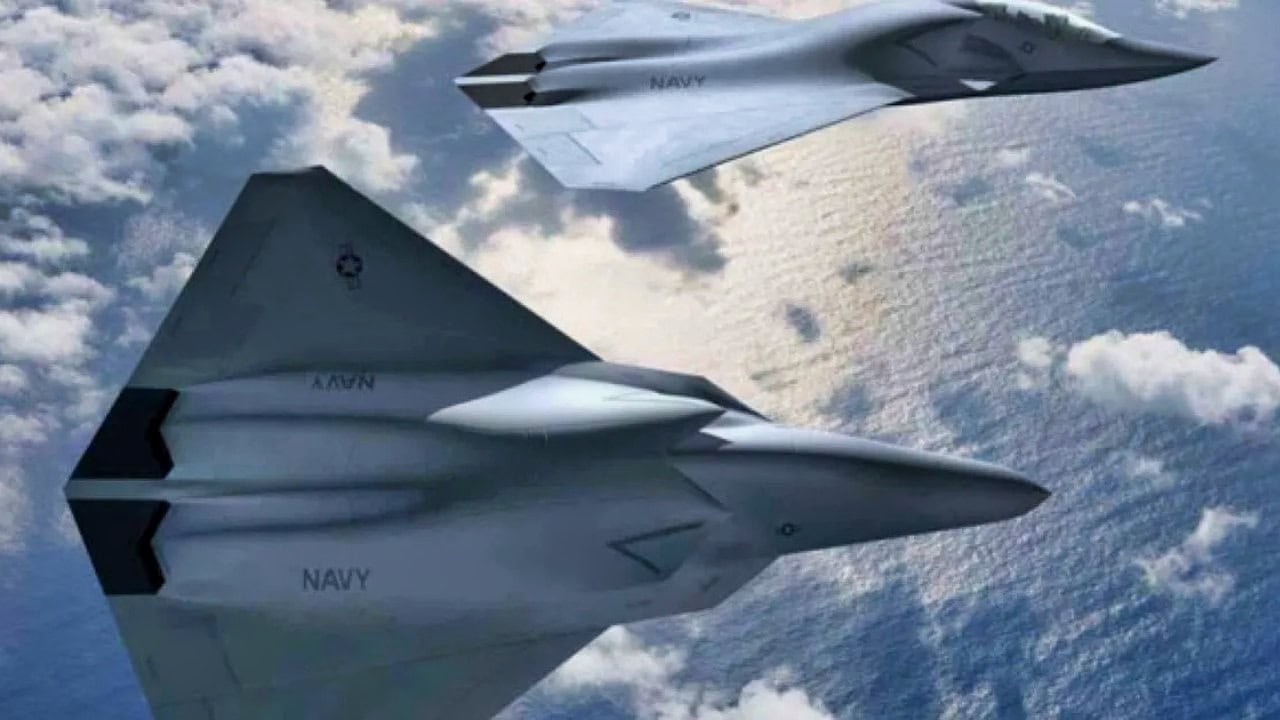
F/A-XX Fighter. Image Credit: Boeing.
The F/A-XX is running the same risk. A program kept alive by contractors who can’t afford to lose it and legislators who can’t afford the headlines if it dies tends to reflect those pressures in the aircraft it eventually produces.
After August: The Real F/A-XX Question or Problem
The coverage will focus on Boeing versus Northrop — designs, industrial capacity, and which company deserves it. Some of that will be worth reading.
None of it touches the actual question: whether a carrier-based fighter, any carrier-based fighter, can operate at scale against an adversary that has organized its entire military modernization program around making carriers too expensive to use.
That question was unresolved before the competition started. It will still be unresolved the morning after the contract drops. The Navy will have a contractor, a schedule, and a program of record.
What it won’t have is an answer to the question that actually decides wars.
About the Author: Dr. Andrew Latham
Andrew Latham is a professor of international relations and political theory at Macalester College in Saint Paul, MN. You can follow him on X: @aakatham. He writes a daily column for 19FortyFive.com.