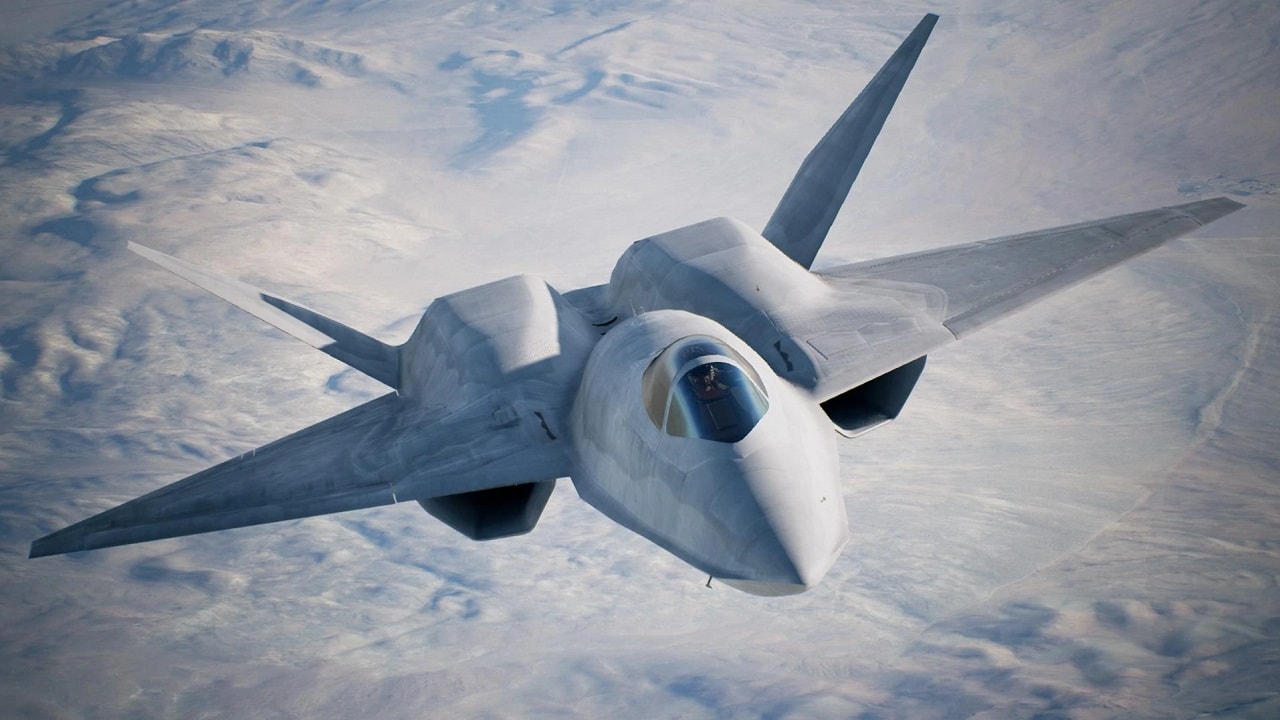
Summary and Key Points: Northrop’s YF-23 Black Widow II remains the great “what if” of the ATF competition—praised for stealth shaping, speed, range, and multispectral survivability.
-Its diamond wing, blended fuselage, canted V-tail, buried S-duct intakes, and internal weapons carriage were optimized for a first-look, first-shot fight.
-The design prioritized supercruise, energy retention, and endurance—traits that fit long-range, beyond-visual-range combat in big theaters.
-Yet the Air Force leaned toward the YF-22’s thrust-vectoring agility, perceived lower program risk, and broader confidence in deliverability, turning the YF-23 into an enduring aviation cult favorite.
-19FortyFive has been to see both YF-23 fighters last year at various museums last year. We have included photos from those visits in this article.
Was the YF-23 Actually Better Than the F-22? Here’s the Case
The YF-23 was a tech demonstrator aircraft that participated in the Advanced Tactical Fighter (ATF) program in 1990.
The fighter featured a sleek blended-wing design that emphasized stealth, aerodynamic performance, and speed above all else.
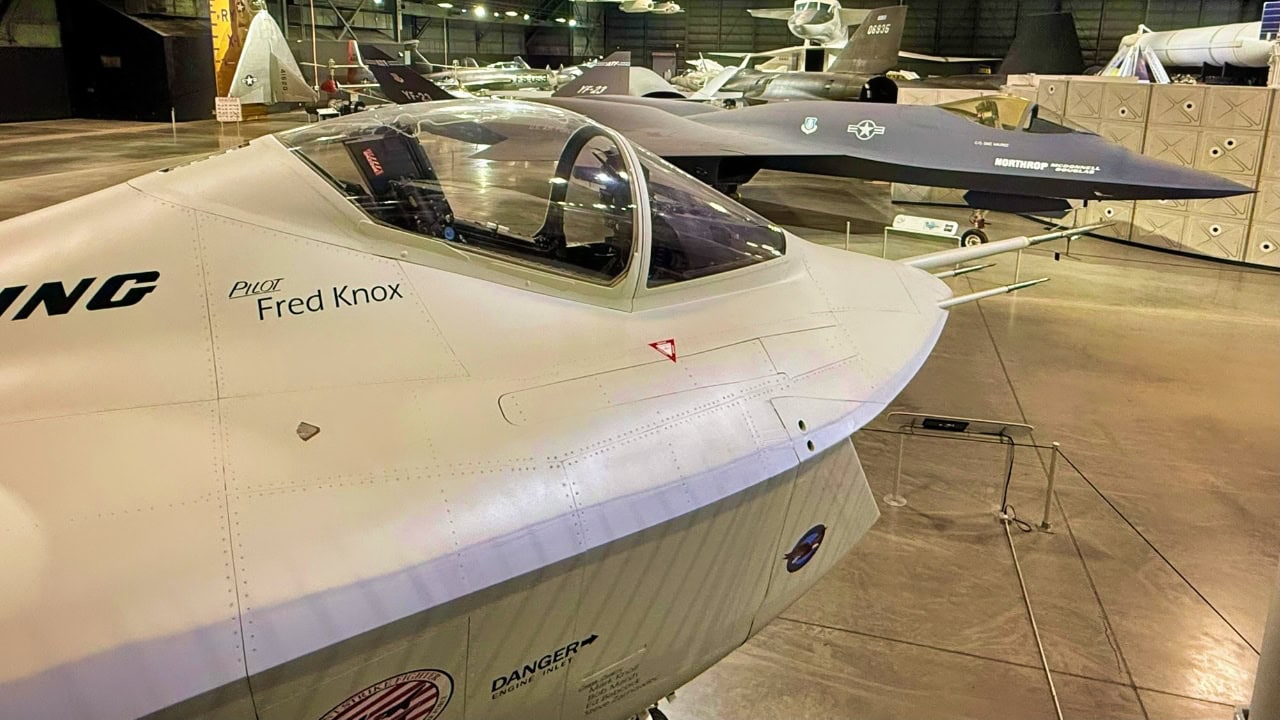
X-32 and YF-23 Together at U.S. Air Force Museum. 19FortyFive.com Image.
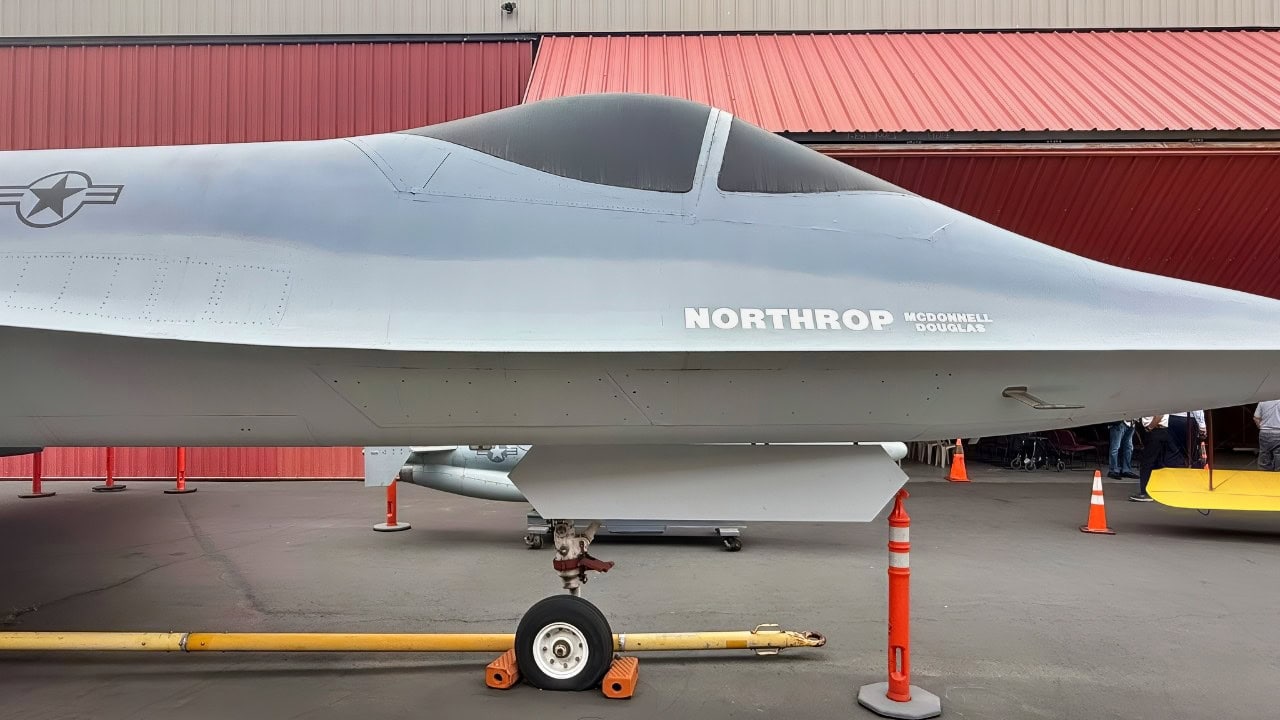
YF-23A Black Widow II 19FortyFive Image Taken by Harry J. Kazianis.
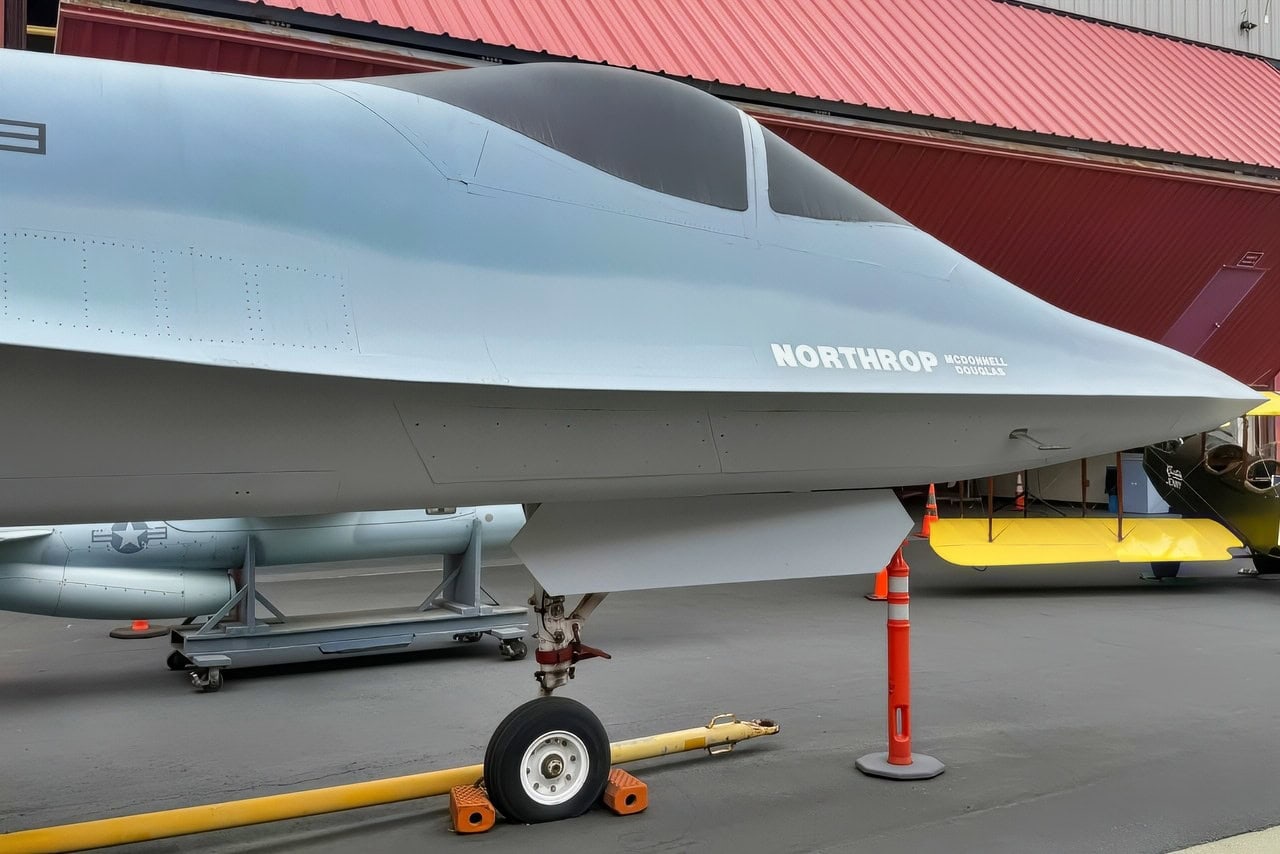
YF-23 Stealth Fighter. Image taken by Harry J. Kazianis for 19FortyFive.

YF-23. Image Credit: 19FortyFive.com
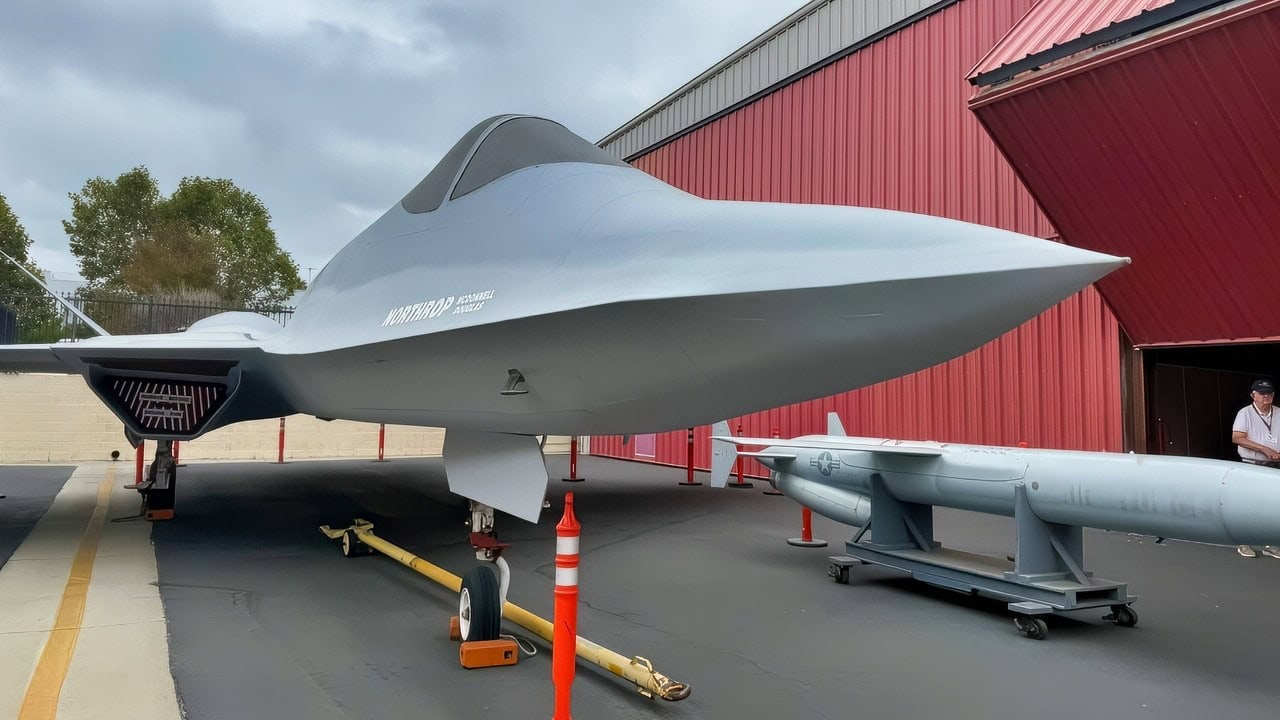
YF-23 image from the Western Museum of Flight. Photo by Harry J. Kazianis/19FortyFive.com
While the aircraft had many design advantages, it was ultimately rejected in favor of the YF-22 and later transferred to NASA.
Ever since the ATF competition concluded, however, the YF-23 has gained a massive following of people who insist that the Air Force unfairly shafted the aircraft.
But was the aircraft actually that good? Here are what I believe are the top five best traits of the YF-23
Stealth Features
The most defining feature of the YF-23 was its exceptional stealth. Northrop approached low observability as a shaping problem first and foremost, minimizing radar cross-section through geometry rather than relying heavily on coatings or active measures.
The aircraft’s diamond-shaped wings, blended fuselage, and sharply canted V-tail eliminated many of the right angles and perpendicular surfaces that typically reflect radar energy. The V-tail, in particular, reduced the number of vertical surfaces while still providing the necessary control authority, achieving both aerodynamic and stealth benefits.
The engine intakes were deeply buried and S-shaped to block radar from directly illuminating the compressor faces, while all weapons were carried internally to preserve a clean external profile.
Many engineers and analysts later concluded that the YF-23 probably exhibited lower radar observability than the YF-22 in several aspects, making it one of the stealthiest fighter designs ever flown.
YF-23 Speed
Closely related to its stealth was the YF-23’s outstanding supercruise and high-speed performance.
The aircraft was designed to spend much of its combat life flying supersonically without afterburners, a capability that dramatically increases range, reduces infrared signature, and improves reaction time.
Its sleek fuselage, long planform, and efficient aerodynamics allowed it to supercruise faster than its competitor, with test aircraft demonstrating sustained supersonic flight well beyond Mach 1.6.
The YF-23 was also designed for very high top-end speed, with projected performance exceeding Mach 2. This speed advantage reinforced the aircraft’s “first-look, first-shot” philosophy, allowing it to penetrate enemy airspace, engage opposing fighters, and disengage on its own terms.
Flight Performance
The YF-23’s powerful engines reinforced this emphasis on speed and efficiency. Two prototypes were built, one powered by the Pratt & Whitney YF119 and the other by the General Electric YF120.
The YF120 was particularly ambitious, featuring a variable-cycle design intended to optimize performance across a wide range of speeds and altitudes. While this made it more complex, it delivered impressive thrust and fuel efficiency during testing, complementing the aircraft’s aerodynamic strengths.
Even the more conservative YF119 installation benefited from the YF-23’s clean integration and low-drag configuration.
Despite persistent claims that the YF-23 lacked agility, its flight characteristics were well-suited to its intended mission profile. The aircraft was highly stable at high speeds and altitudes, with smooth, predictable handling and excellent control during supersonic cruise.
Fly-by-wire flight controls enabled precise control of the unconventional airframe, and test pilots consistently reported that the aircraft was neither difficult to fly nor unsafe. Rather than pursuing extreme post-stall maneuverability, Northrop optimized the YF-23 for energy retention, speed, and stability.
Range and Endurance
Another major strength of the YF-23 was its range and endurance. Compared to the YF-22, the Black Widow II emphasized fuel efficiency and combat radius, reflecting Northrop’s belief that future air combat would prioritize long-range interception and beyond-visual-range engagements rather than close-in maneuvering fights.
The aircraft’s internal fuel volume and aerodynamic efficiency gave it a longer unrefueled range, making it well-suited to large theaters such as the Pacific or deep-strike missions against heavily defended targets. This focus aligned closely with the broader ATF requirement for survivability in high-threat environments, even if it diverged from traditional fighter pilot priorities.

YF-22. Image Credit: Creative Commons.
Infrared Signature Reduction
In addition to its lower RCS, the YF-23 incorporated advanced infrared signature reduction. Its exhaust system was carefully designed to mask the hottest engine components, with long exhaust troughs and upper-surface exhaust placement reducing vulnerability to infrared-guided missiles, particularly from ground-based systems.
At a time when most public discussion of stealth focused almost exclusively on radar, this attention to thermal management demonstrated a sophisticated understanding of multispectral survivability. In many respects, this aspect of the YF-23’s design anticipated modern concerns about integrated air defense systems and passive detection methods.
Why the YF-23 Lost the ATF Competition
The reasons the YF-23 lost the ATF competition are rooted more in priorities than in raw performance. One of the most significant factors was the US Air Force’s enduring emphasis on maneuverability and dogfighting capability.
The YF-22 featured thrust-vectoring nozzles that gave it unmatched low-speed agility and dramatic post-stall maneuvers. These traits strongly appealed to senior pilots and leadership shaped by earlier air combat doctrines. Although both aircraft met the formal ATF requirements, the YF-22 aligned more closely with the Air Force’s desire for dominance across the entire flight envelope, including visual-range combat.
According to test pilot Paul Metz, the only individual to fly both the YF-23 and the F-22, the Air Force had greater confidence in Lockheed’s ability to manage a complex development program and deliver an operational aircraft on time and within acceptable risk margins.
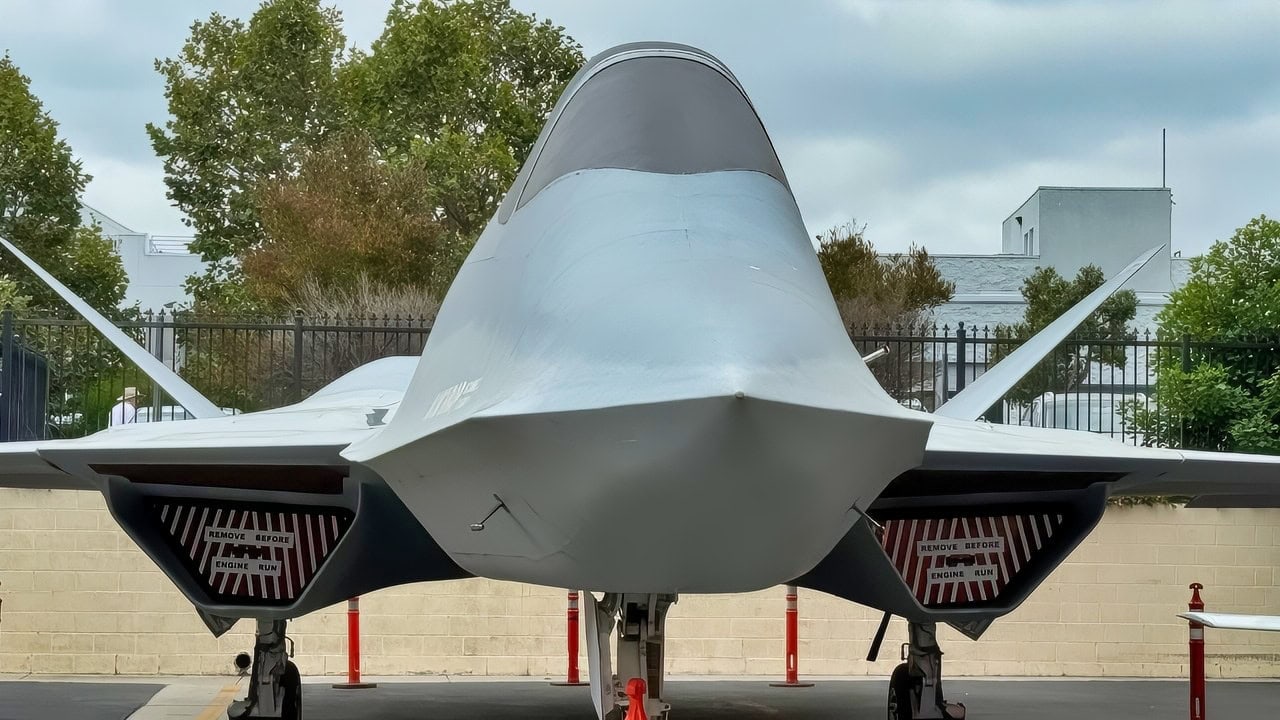
YF-23 at Western Museum of Flight. Image: 19FortyFive.com
Lockheed’s Skunk Works had a long and highly visible track record, while Northrop was perceived, fairly or not, as less effective at presenting its strengths to non-technical decision-makers.
Finally, industrial and political considerations cannot be ignored.
At the time of the ATF decision, Northrop was already deeply invested in major programs such as the B-2 Spirit bomber, while Lockheed lacked a flagship fighter program. Selecting the YF-22 helped sustain competition within the US aerospace industrial base, a strategic concern in the uncertain post–Cold War environment.
Although never officially cited as decisive, this factor clearly favored Lockheed’s proposal.
About the Author: Isaac Seitz
Isaac Seitz, a Defense Columnist, graduated from Patrick Henry College’s Strategic Intelligence and National Security program. He has also studied Russian at Middlebury Language Schools and has worked as an intelligence Analyst in the private sector.