Key Points and Summary – In the wake of Pearl Harbor, Washington sought more than battlefield victories—it wanted the man behind the attack.
-That chance came in April 1943, when U.S. codebreakers intercepted Admiral Isoroku Yamamoto’s detailed travel plans in the Solomon Islands.
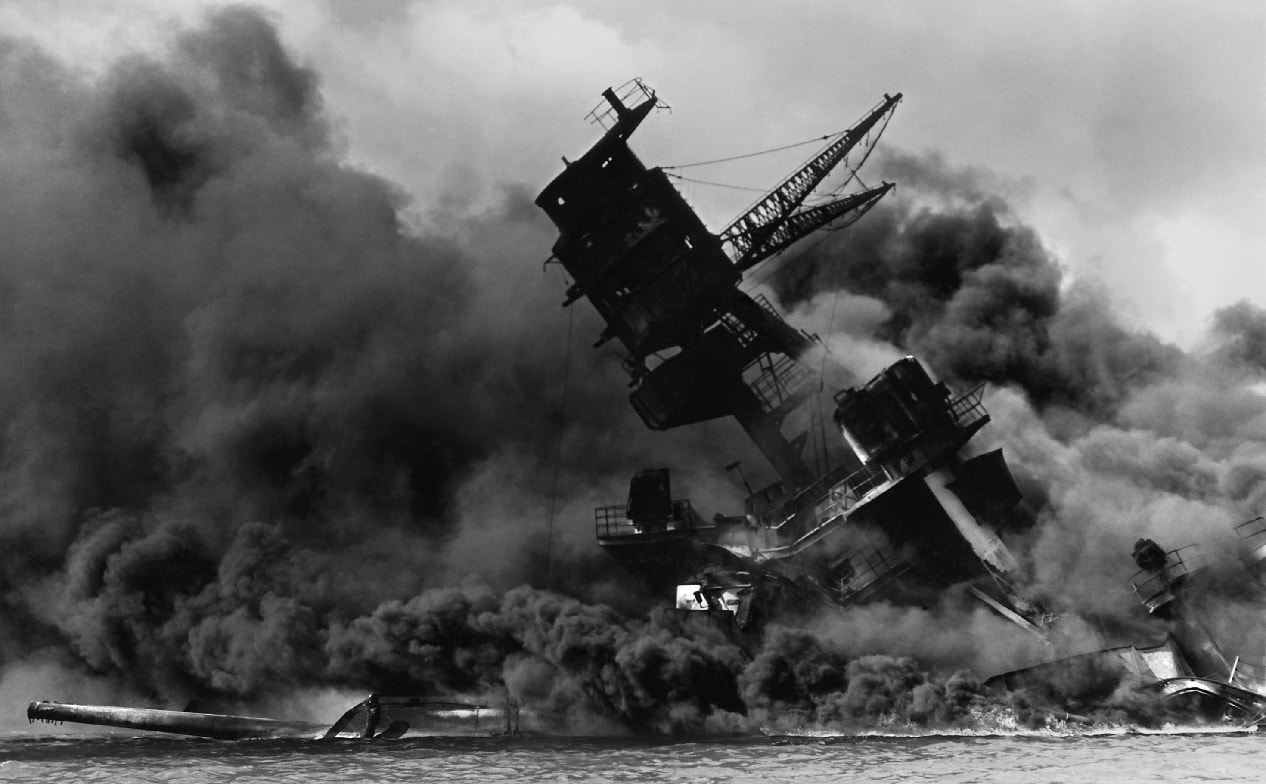
USS Arizona in the aftermath of Pearl Harbor. Image Credit: Creative Commons.
-From Guadalcanal, a handpicked group of P-38 Lightning pilots flew a low-level, 1,000-mile mission to ambush his transport over Bougainville.
-Their surprise attack brought down Yamamoto’s bomber, killing Japan’s most talented naval strategist and delivering symbolic payback for Pearl Harbor.
-The operation showcased America’s growing edge in signals intelligence—and raised enduring questions about targeted killing in wartime.
Operation Vengeance: How America Hunted Yamamoto After Pearl Harbor
In the aftermath of Pearl Harbor, America was angry. This attack marked the first time that the U.S. had been attacked by a foreign power on American soil, arguably since the Mexican-American War in 1846.
Something had to be done in retaliation for the attack. The target: the mastermind behind the Pearl Harbor operation, Admiral Isoroku Yamamoto, the commander-in-chief of the Imperial Japanese Navy and one of the most competent strategists in Japan. In an aptly named “Operation Vengeance,” the U.S. executed a military operation to assassinate Yamamoto, dealing a crippling strategic blow to the Japanese Navy.
Background: Pearl Harbor and Its Aftermath
Admiral Yamamoto was arguably Japan’s most brilliant naval strategist. He masterminded the Pearl Harbor attack in December 1941, which almost crippled the U.S. Pacific Fleet and thrust America into the war.
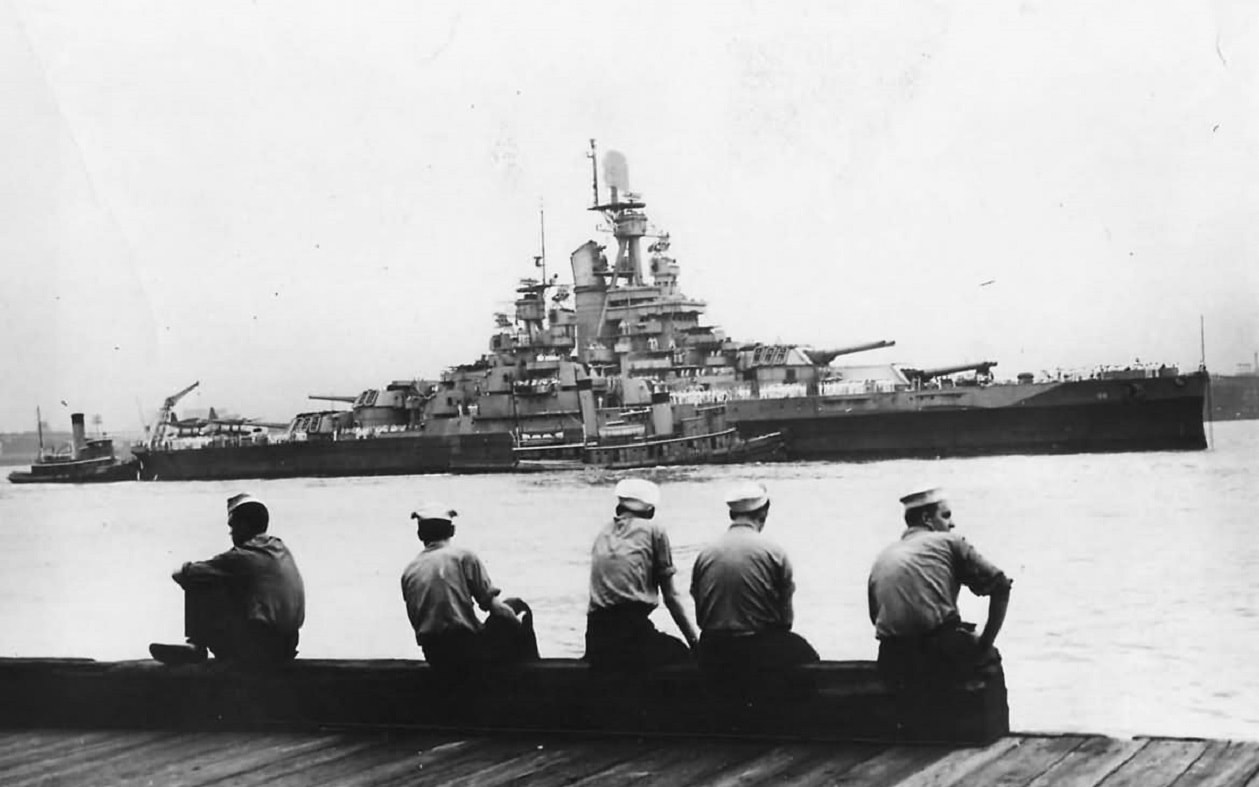
Battleship USS Nevada. Image: Creative Commons.
Despite his loyalty to Japan, Yamamoto was a realist; he had warned Japanese leaders that war with the United States would be disastrous in the long run. Nevertheless, once war began, he committed himself fully to Japan’s cause. By early 1943, the tide of war in the Pacific had begun to turn.
The U.S. victory at Midway in June 1942 had shattered Japan’s offensive momentum, sinking four of its fleet carriers and killing many experienced pilots. Yamamoto, however, remained a formidable opponent and would continue to offer fierce resistance as long as he still lived. Eliminating him would not only disrupt Japanese command but also serve as retribution for Pearl Harbor.
The opportunity to strike Yamamoto arose from a remarkable intelligence success. The U.S. Navy’s cryptographic unit, Station HYPO, had broken Japanese naval codes known as JN-25. On April 14, 1943, American codebreakers intercepted a message detailing Yamamoto’s inspection tour of forward bases in the Solomon Islands. The message included precise times, routes, and aircraft details.
Yamamoto planned to fly from Rabaul to Bougainville on April 18, arriving at 9:45 a.m. President Franklin D. Roosevelt reportedly gave the order: “Get Yamamoto.” The mission was approved by Admiral Chester Nimitz, commander of the U.S. Pacific Fleet. The challenge was immense: Yamamoto’s flight path was deep within Japanese-controlled territory, requiring a long-range interception.
Preparing Operation Vengeance
The responsibility for the strike fell to the 13th Air Force and the Army Air Forces’ 339th Fighter Squadron, based on Guadalcanal.
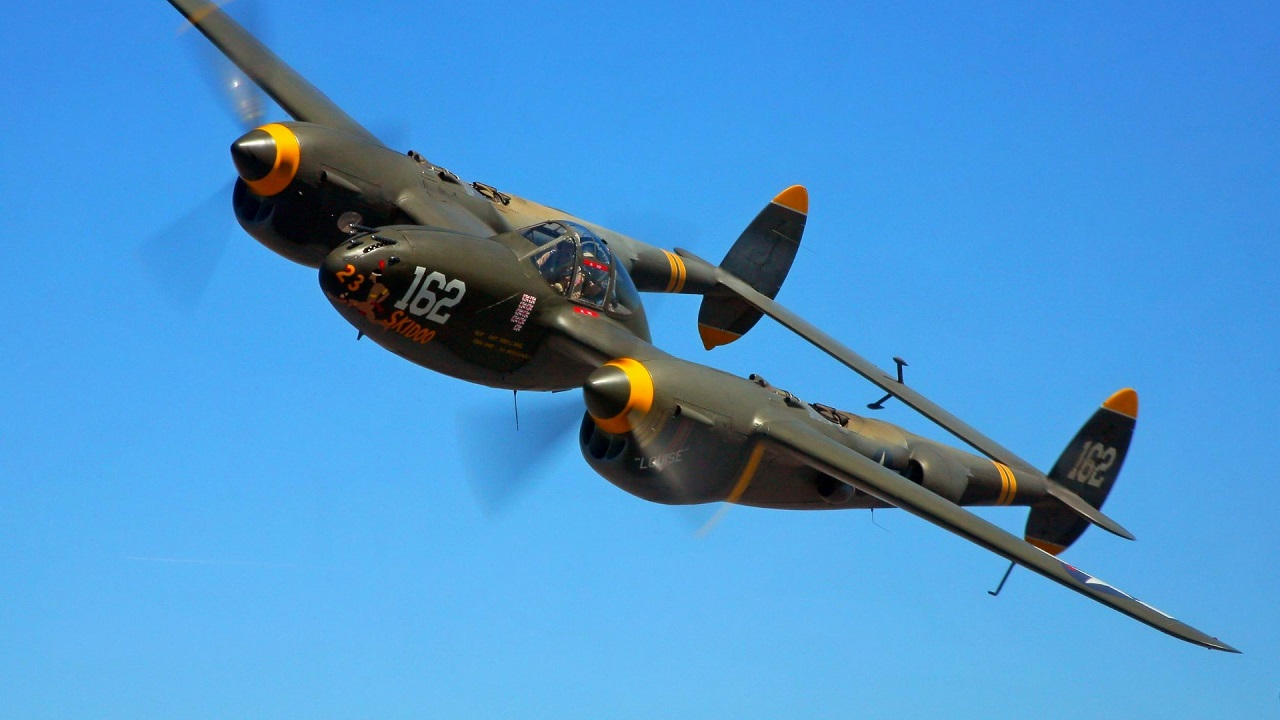
The Lockheed P-38 Lightning was indeed the very first aircraft produced by Skunk Works and its iconic mastermind, Clarence “Kelly” Johnson.
The aircraft chosen were Lockheed P-38 Lightnings, the only fighters with the range to complete the 1,000-mile round trip. Each P-38 was fitted with drop tanks to extend its range. The plan called for 18 P-38s: four designated as the “killer” flight to attack Yamamoto’s aircraft, and the rest as cover against Japanese fighters.
The pilots were briefed on the importance of secrecy; if Japan realized its codes were compromised, it would change them immediately, erasing the Allies’ intelligence advantage. The timing of the operation had to be perfect.
The Americans calculated Yamamoto’s position based on his schedule and aimed to intercept him over Bougainville at precisely 9:35 a.m. The P-38s would fly at wave-top level to avoid radar detection, then climb to attack altitude at the last moment.
On April 18, 1943, the P-38s took off from Guadalcanal at 7:25 a.m. The flight lasted for nearly two hours over open ocean at low altitude. At 9:34 a.m., the American pilots spotted two Japanese Mitsubishi G4M “Betty” bombers, escorted by six Zero fighters. Yamamoto was aboard one of the bombers.
The Americans attacked immediately. Captain Thomas G. Lanphier and Lieutenant Rex T. Barber engaged the bombers. Barber fired on Yamamoto’s aircraft, riddling it with bullets and causing it to crash into the jungle of Bougainville.

The P-38 was originally conceived as an advanced, high-performance twin-engine interceptor. On Feb. 11, 1939, Lt. Ben Kelsey set a coast to coast record of 7 hours, 48 minutes in the sleek prototype Lightning, but crashed while landing. Despite the accident, development continued and the first of 13 service test YP-38s flew on Sept. 16, 1940. Early model P-38s experienced turbulent airflow over the tail and problems at high dive speeds, known as compressibility, but later modifications corrected these difficulties.
The second bomber was also shot down, killing Yamamoto’s chief of staff. The escorting Zeros fought fiercely, but the Americans managed to escape, losing one P-38 in the process.
Operation Success
Yamamoto’s death was a severe blow to Japanese morale. He was revered as a national hero, and his loss was kept secret from the Japanese public for weeks.
His death deprived Japan of its most capable naval strategist at a time when the war was turning against it.
For the United States, Operation Vengeance was a triumph of intelligence, planning, and execution. It demonstrated the value of codebreaking and long-range air power.
The attack was a significant morale booster for American troops and a massive loss for the Japanese, who had lost one of their best commanders.
Ironically, despite the domination Yamamoto exerted during the war, he was far from the monster he was so often portrayed as.
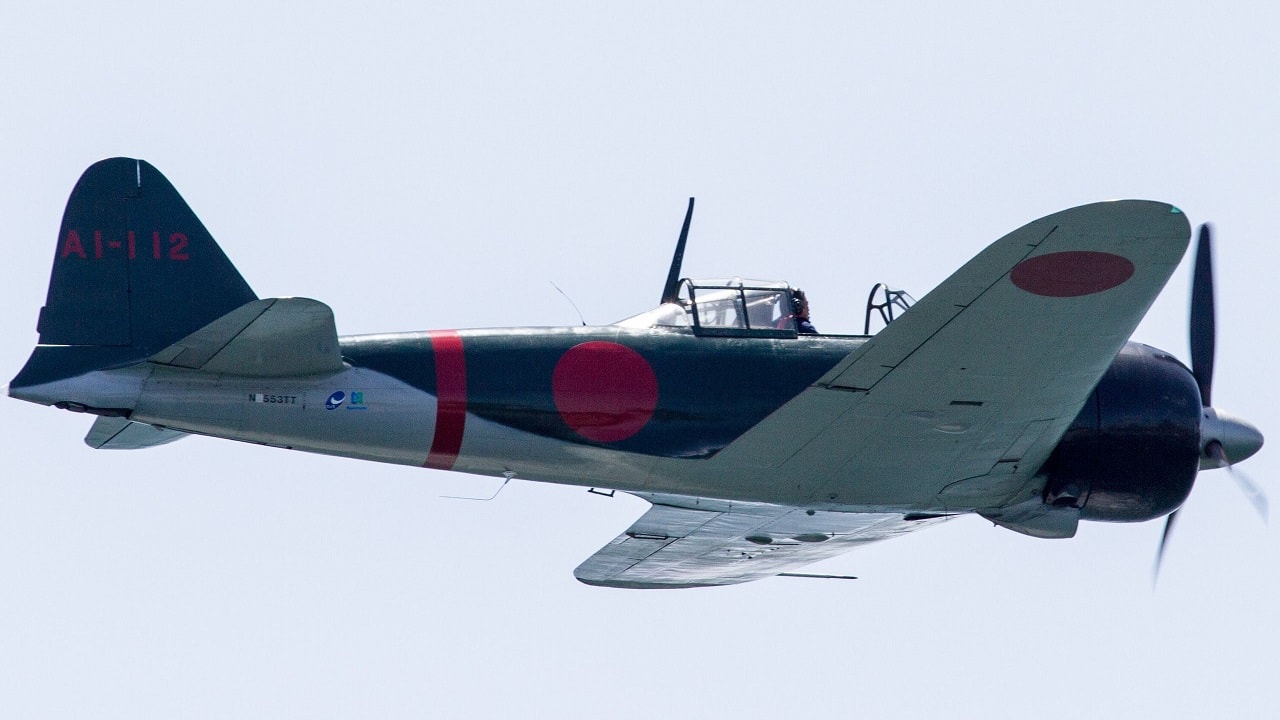
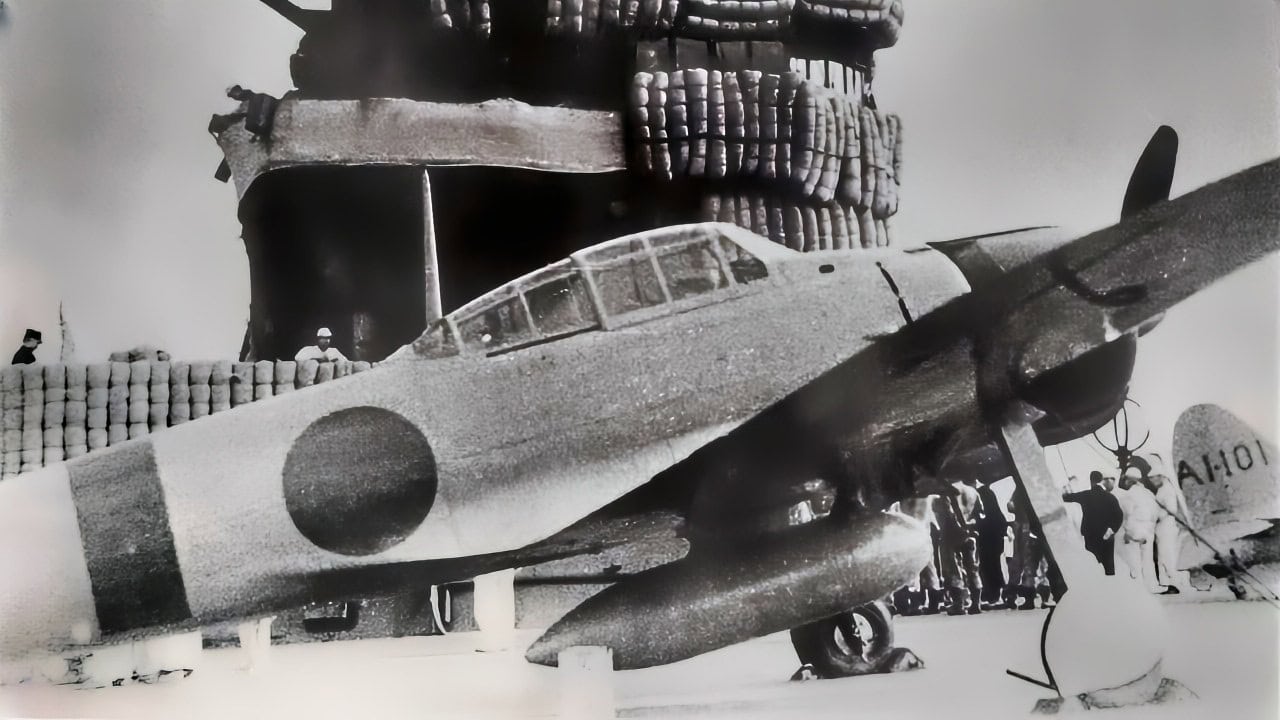
Japanese Zero Fighter Plane. Image Credit: Creative Commons.
He opposed Japan’s alliance with Nazi Germany, fearing that it would pull them into a wider, unsustainable war.
He opposed attacking the United States because he knew its superior industrial capacity would ultimately win the day.
He was, however, extremely loyal and dedicated to his country during a time of war. He was also an extremely competent commander, which made him a legitimate military target.
Some may argue that it was an unethical targeted strike, but war is war, and sometimes hard decisions need to be made.
About the Author: Isaac Seitz
Isaac Seitz, a Defense Columnist, graduated from Patrick Henry College’s Strategic Intelligence and National Security program. He has also studied Russian at Middlebury Language Schools and has worked as an intelligence Analyst in the private sector.