
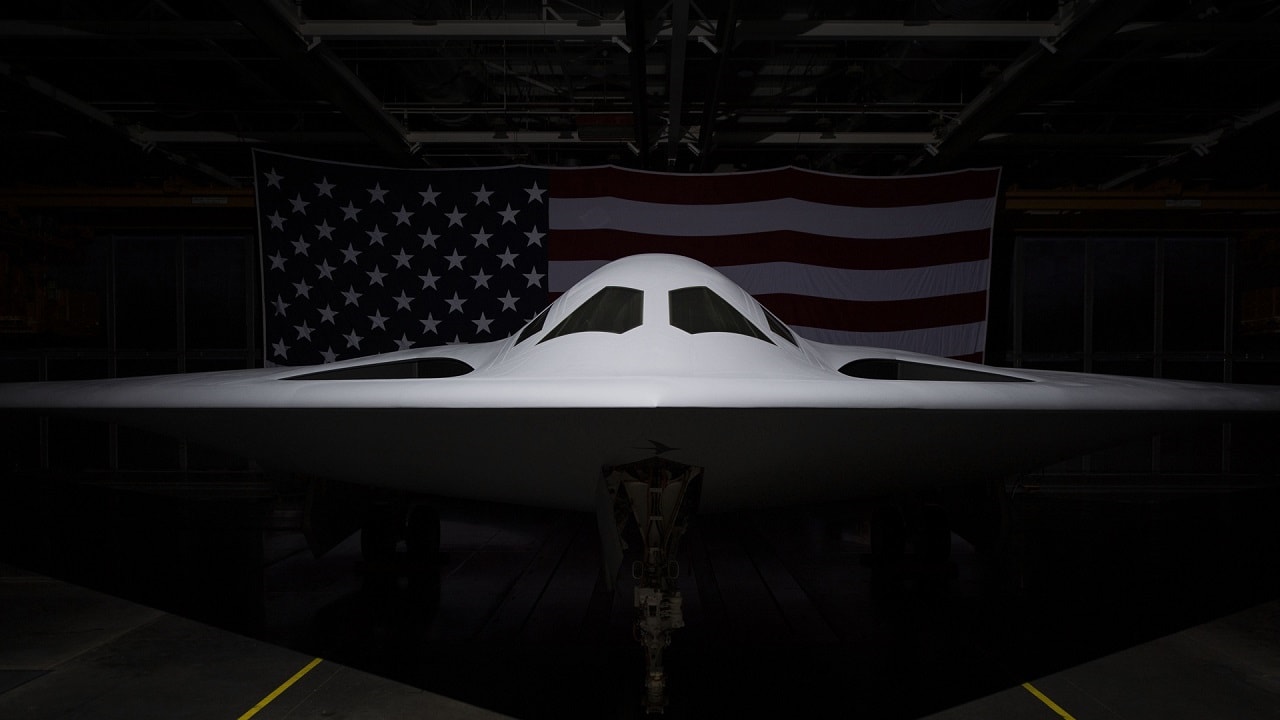
Synopsis: Dyess Air Force Base is undergoing a major transformation ahead of the B-21 Raider’s arrival, with roughly $1.6 billion in construction projects planned.
-The upgrades reflect the unique demands of a next-generation stealth bomber: low-observable maintenance requires climate-controlled hangars, while sensitive mission systems drive higher security requirements.
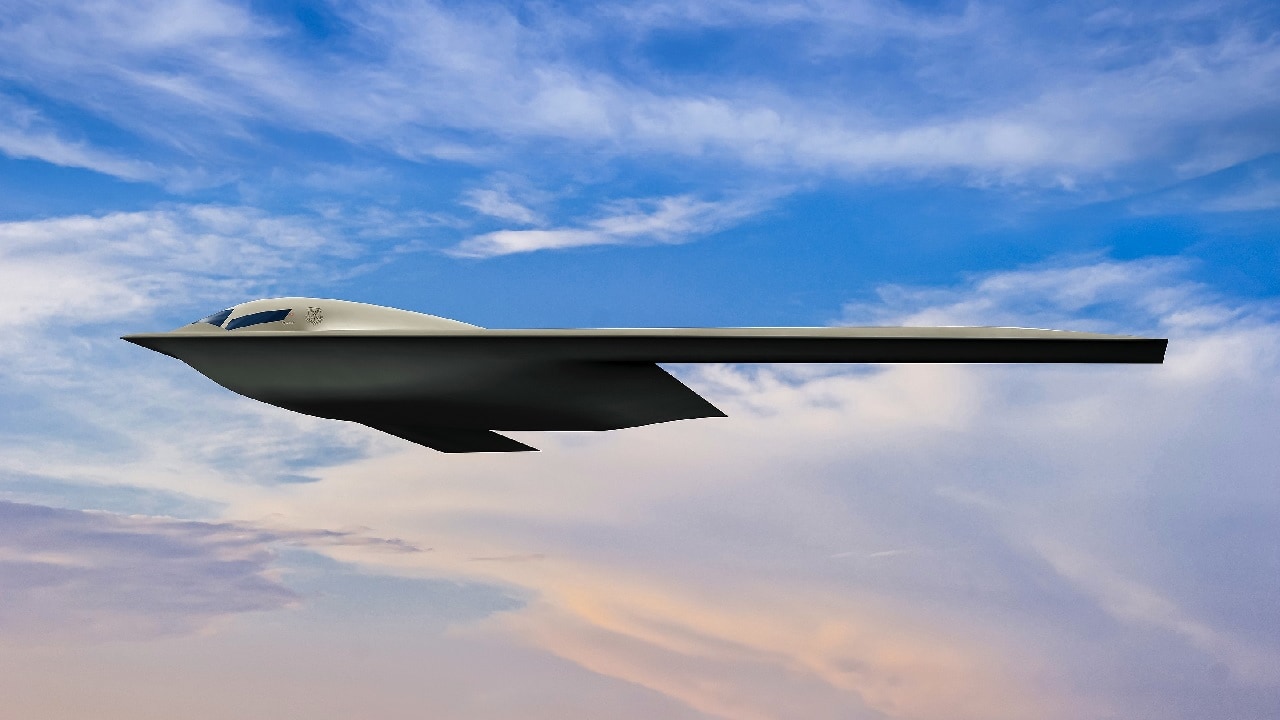
Shown is a B-21 Raider artist rendering graphic. The rendering highlights the future stealth bomber with Edwards Air Force Base, Calif., as the backdrop. Designed to perform long range conventional and nuclear missions and to operate in tomorrow’s high end threat environment, the B-21 will be a visible and flexible component of the nuclear triad. (U.S. Air Force graphic). This is the third USAF rendering of the B-21 Raider. Note changes in the windshield from previous official renderings.
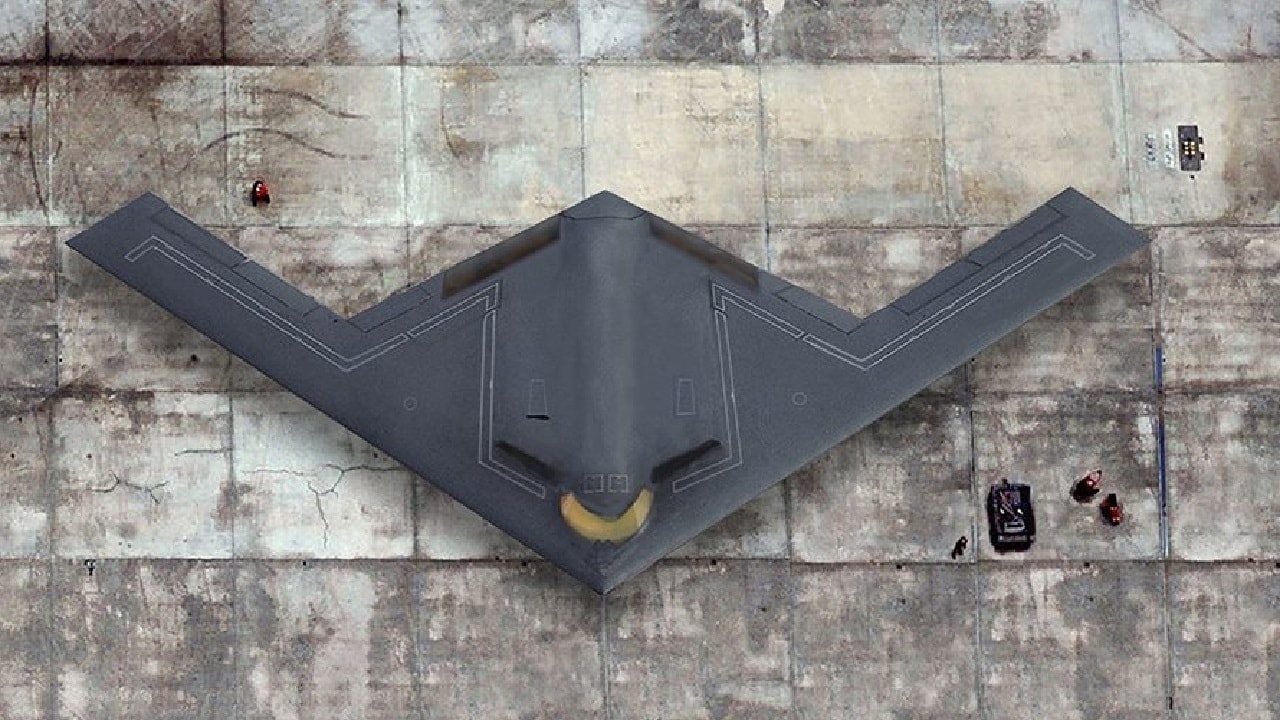
B-21 Raider artist rendering. Image Credit: Creative Commons.
-Dyess is expected to become one of three main B-21 operating locations alongside Ellsworth and Whiteman, reinforcing its role as a central bomber hub.
-New fueling infrastructure, maintenance complexes, runway work, and expanded security facilities are moving forward in phases—built to be ready before the aircraft arrives.
Dyess Air Force Base Is Spending $1.6 Billion for the B-21 Raider
As the U.S. Air Force moves closer to fielding its next-generation stealth bomber, Dyess Air Force Base in Texas is undergoing one of the most extensive infrastructure upgrades in history. Base leaders have confirmed that preparations are underway for the arrival of the B-21 Raider, which will require roughly $1.6 billion in military construction projects.
The cost of the upgrades is a clear indicator of the scale of change needed to support the new aircraft’s advanced capabilities, including maintenance for its low-observable coatings and more.
Dyess is slated to become one of three main operating locations for the B-21, alongside Ellsworth Air Force Base in South Dakota and Whiteman Air Force Base in Missouri. While Ellsworth is expected to host the first operational B-21 aircraft, Dyess’ inclusion reflects its long-standing role as a core hub for U.S. bomber operations and its strategic location within the Air Force Global Strike Command’s entire enterprise.
A New Bomber Requires A New Base
Unlike the B-1B Lancer currently flown at Dyess, the B-21 is designed from the outset for low-observable operations in contested airspace, including nuclear deterrence missions. That distinction is what is driving much of the infrastructure overhaul currently underway.
The B-21’s maintenance and security demands differ substantially from legacy bombers. Stealth coatings, mission systems, and sensitive new avionics require work to be conducted almost entirely within specialized hangars and climate-controlled facilities. Similar requirements have already reshaped infrastructure planning at Ellsworth, where the Air Force is investing billions to replace Cold War-era facilities originally built for the B-52 fleet.
According to the Air Force, environmental protection shelters, which are designed to reduce wear on low-observable materials and therefore minimize maintenance downtime, are the primary focus of the new infrastructure upgrades.
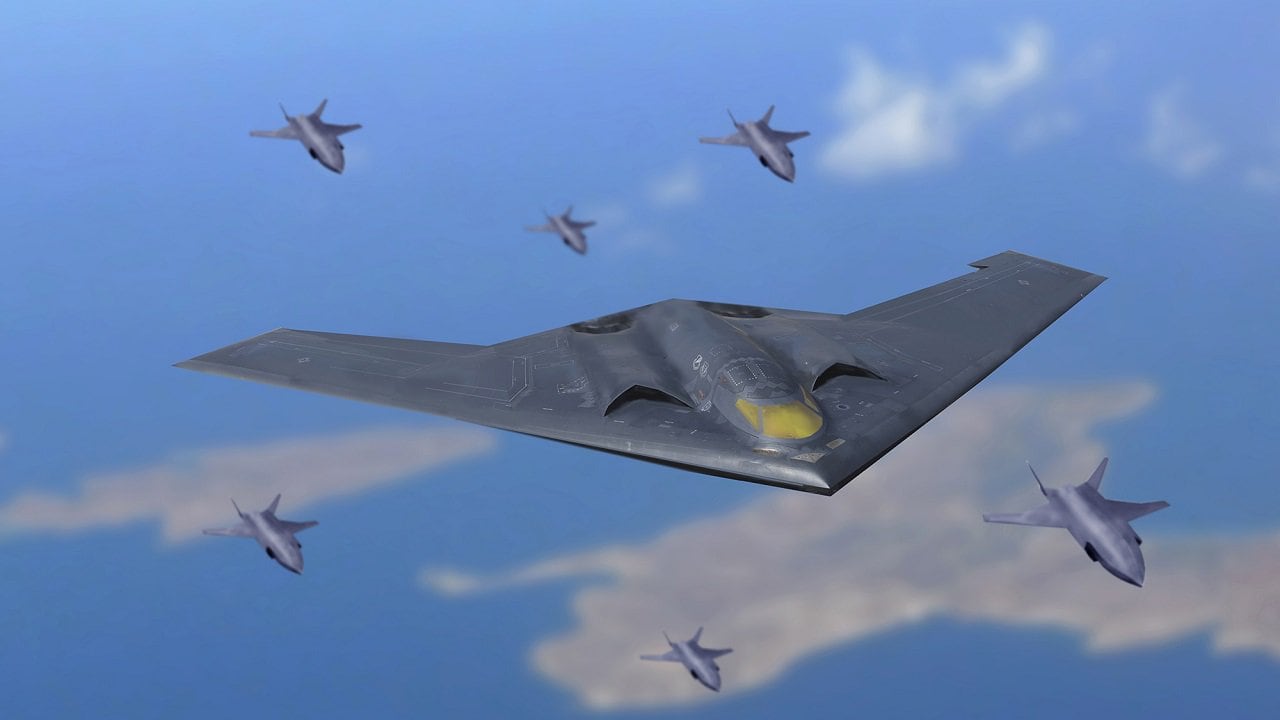
An artist illustration depicts a U.S. Air Force extended-range B-21 Raider escorted on a mission by armed unmanned next generation air dominance platforms. This fictional bomber features longer, wider wings, and a deeper fuselage that accommodates larger fuel tanks and dual weapons bays that enables the bomber to carry a much larger and varied payload. Mike Tsukamoto/staff; Greg Davis/USAF
The hardened structures under development will support higher security standards for the aircraft, not only preventing it from becoming a “sitting duck” in potential strikes but also protecting its classified technologies and keeping it from view.
At Dyess, those requirements mean that the base requires extensive new maintenance complexes, modernized runways, upgraded fueling infrastructure, and an expanded security force (and campus). Two projects – a fuels administration laboratory and a refueling park – are already moving into the construction phases, with additional facilities scheduled to follow in stages over the coming years.
Deputy Wing Commander Col. Ryan Stallsworth described the scale of the project and said that everything must be finished before the jet arrives.
“So we need to build a larger security force campus and, also, the maintenance requirements for the B-21 are significantly increased,” Stallsworth said. “So there are technologies that have to be performed inside covered hangars and maintenance facilities. All those will be built out before the jet arrives.”
Nuclear Mission Returns to Dyess
One of the most significant implications of the B-21’s arrival is the likely return of a nuclear mission to Dyess. While the base does not currently host nuclear-armed aircraft, the B-21 is being developed as a dual-capable bomber, intended to replace both the B-1 and B-2 fleets and eventually supplement the B-52.

Hypersonic Missiles fired from B-52. Image Credit: Creative Commons.

B-52 Bomber. Image Credit: Creative Commons.
The upcoming B-21 will be certified to carry nuclear weapons, making it a central pillar of the air leg of the U.S. nuclear triad.
Whether Dyess ultimately receives nuclear weapons infrastructure will depend on future strategic decisions, but base officials have acknowledged that current construction plans are being designed with that possibility in mind. Historically, Dyess supported nuclear-capable bombers during earlier phases of the Cold War.
Broader Modernization Push
The investment at Dyess is obviously intended for the B-21, but it also forms part of a larger Air Force effort to modernize its bomber force amid rising competition with China and Russia. The B-21 program is intended to deliver at least 100 aircraft – and that figure could well rise.
Northrop Grumman, the prime contractor behind the B-21, has stated that the aircraft is designed for lower sustainment costs and greater sortie generation than the B-2 – both of which are adaptations based on lessons learned from decades of operating stealth platforms.
At the same time, the Air Force will continue to fly and upgrade the B-1B fleet to bridge the gap until the B-21 becomes operational at scale. Dyess will maintain B-1 operations until the transition occurs – a process expected to span gradually over a period of years, rather than through an abrupt fleet upgrade.
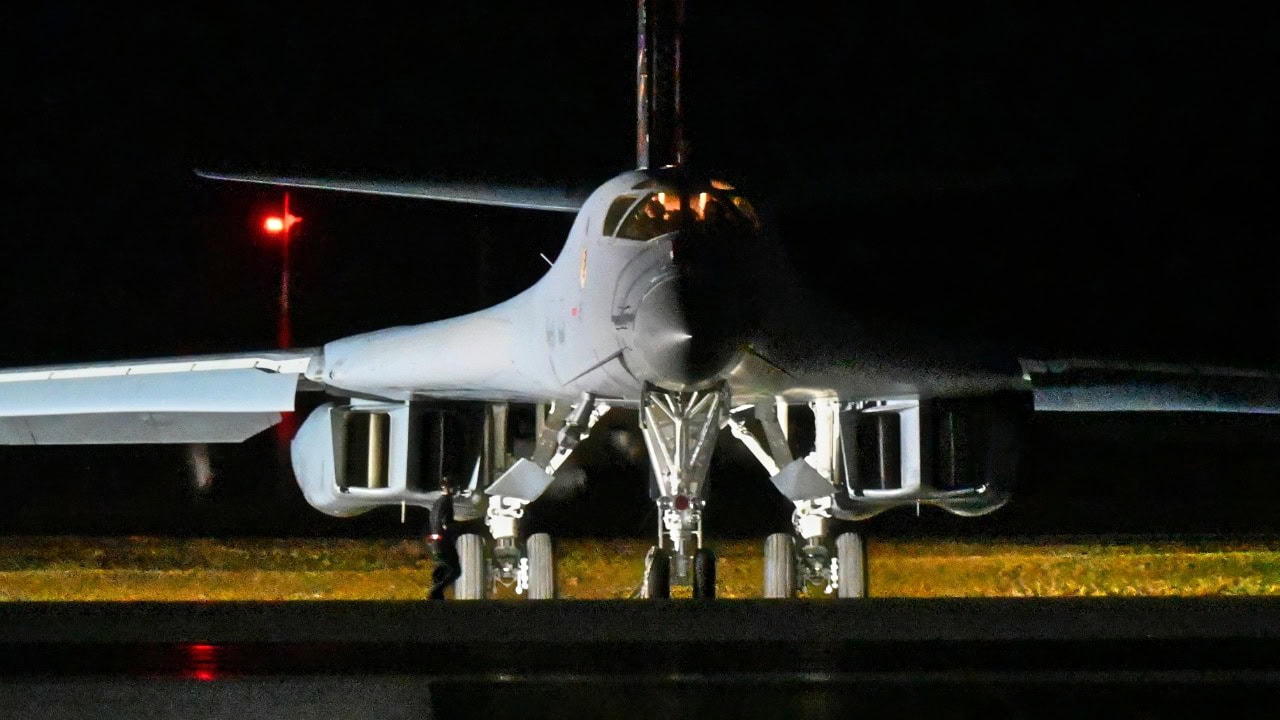
A U.S. Air Force B-1B Lancer assigned to the 34th Expeditionary Bomb Squadron, Ellsworth Air Force Base, S.D., runs final checks before takeoff of a training mission in support of Bomber Task Force 25-1 at Andersen Air Force Base, Guam, Feb. 24, 2025. The BTF missions are designed to showcase the Pacific Air Force’s ability to deter, deny, and dominate any influence or aggression from adversaries or competitors. (U.S. Air Force photo by Tech. Sgt Robert M. Trujillo)
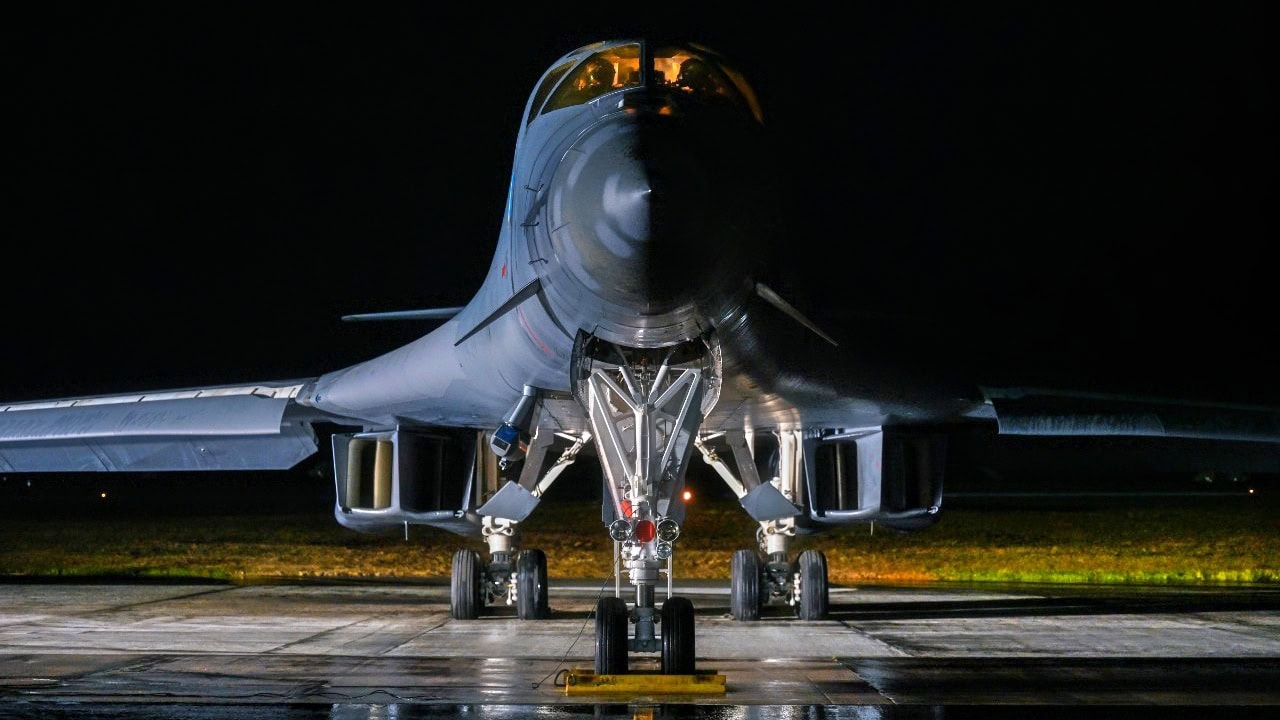
A U.S. Air Force B-1B Lancer assigned to the 34th Expeditionary Bomb Squadron, prepares to taxi onto the runway at Andersen Air Force Base, Guam, prior to a mission in support of Bomber Task Force 25-1, Feb. 27, 2025. Bomber missions demonstrate the credibility of U.S. Air Forces to address a complex and uncertain security environment. (U.S. Air Force photo by Airman 1st Class Alec Carlberg)
Recent program milestones show that the B-21’s development is now steadily advancing: a second Raider has joined flight testing at Edwards Air Force Base, enabling expanded mission systems and weapons integration trials that are bringing the platform closer than ever to operational capability.
About the Author:
Jack Buckby is a British author, counter-extremism researcher, and journalist based in New York who writes frequently for National Security Journal and 19FortyFive. Reporting on the U.K., Europe, and the U.S., he works to analyze and understand left-wing and right-wing radicalization, and reports on Western governments’ approaches to the pressing issues of today. His books and research papers explore these themes and propose pragmatic solutions to our increasingly polarized society. His latest book is The Truth Teller: RFK Jr. and the Case for a Post-Partisan Presidency.