
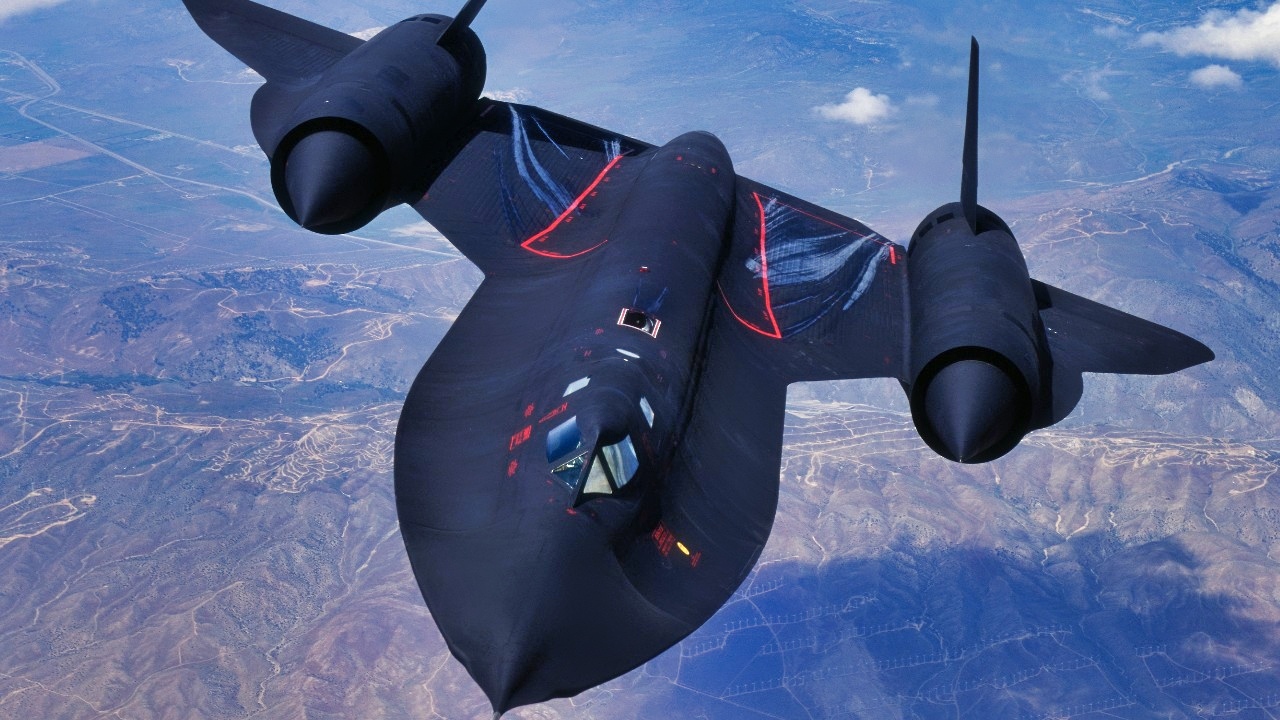
Key Points and Summary – The SR-71 Blackbird didn’t just demand exotic titanium and hand-built parts—it needed a fuel system unlike anything else in U.S. aviation.
-Conventional jet fuel risked catastrophic fire at Mach 3, so engineers created JP-7, a stable kerosene-based blend so resistant to ignition it could shrug off an open flame.
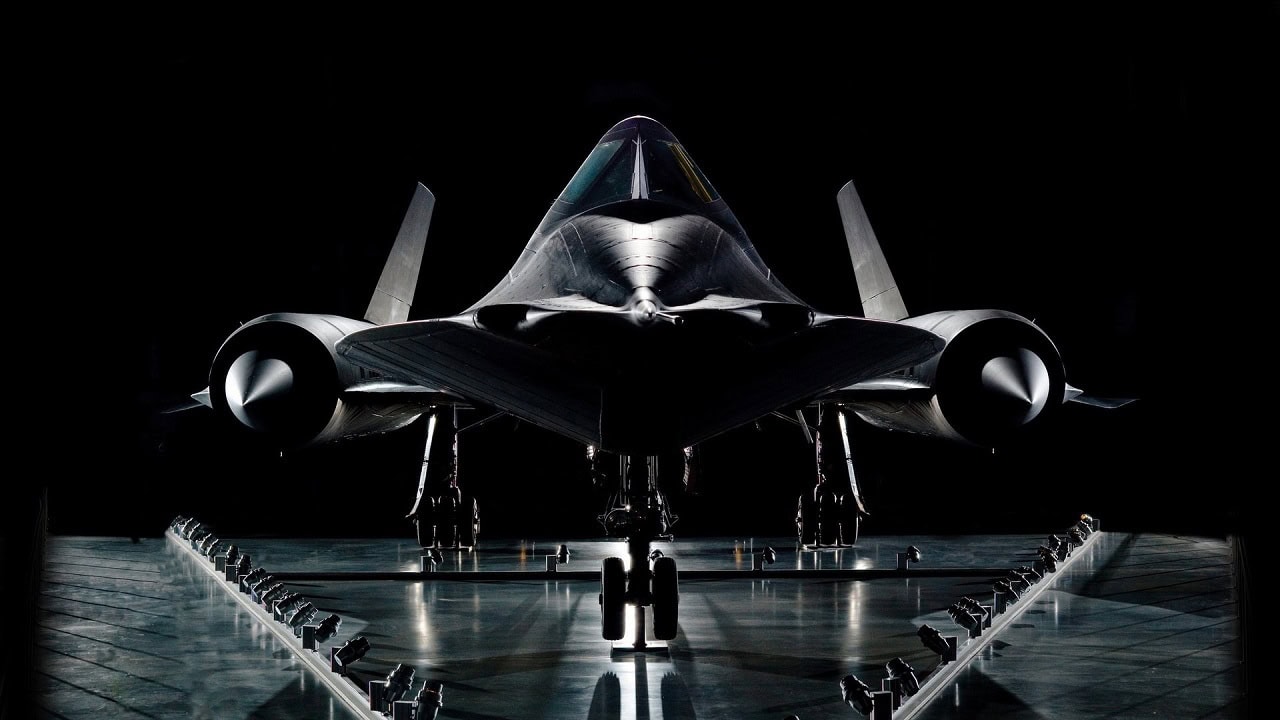
SR-71 Blackbird Artist Rendering. Image Credit: Creative Commons.
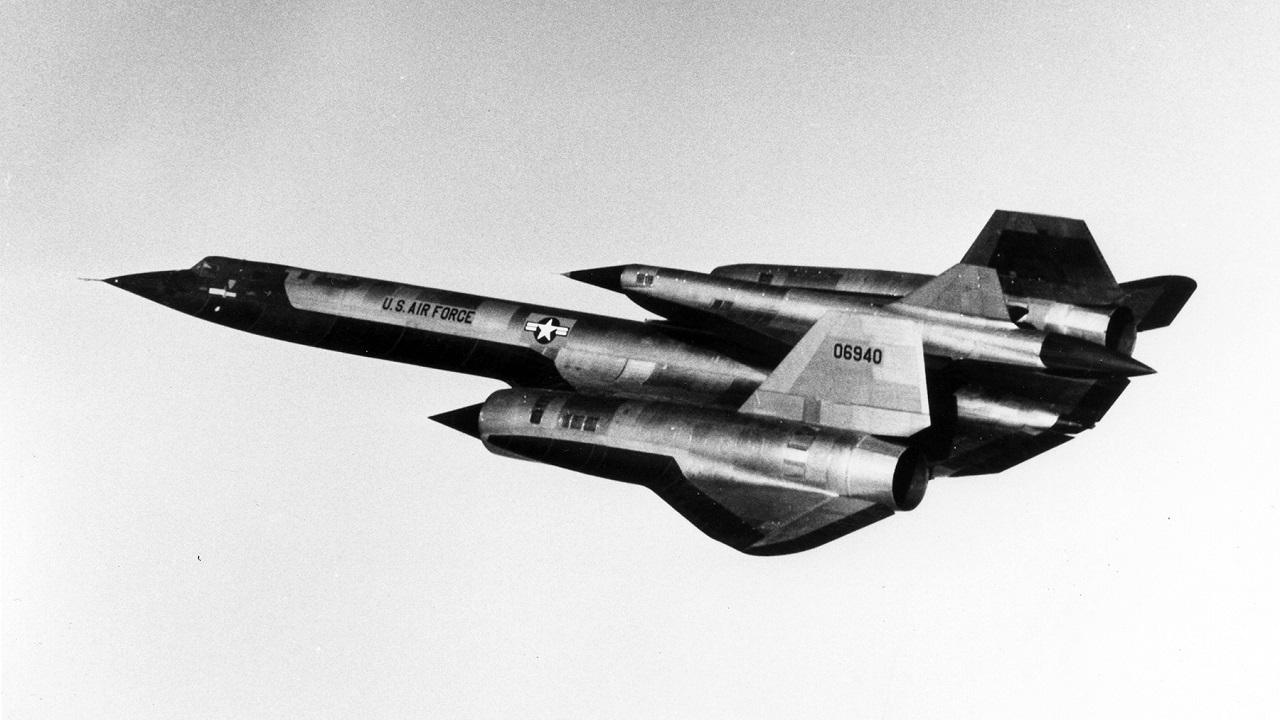
The Lockheed D-21 was a highly-advanced, remotely piloted aircraft (RPA) designed to carry out high-speed, high-altitude strategic reconnaissance missions over hostile territory. Developed by the famed Lockheed “Skunk Works” in the 1960s, the D-21 used technology from the A-12/YF-12/SR-71 “Blackbird” family of high-speed manned aircraft. Unlike the turbojet engines in the Blackbird, however, the D-21 was powered by a ramjet. D-21Bs were used on four flights over communist China under the code name Senior Bowl, but none of these missions fully succeeded. The U.S. Air Force canceled the program in 1971 and put the remaining D-21s in storage. The D-21B on display came to the museum in 1993.
SR-71 Spy Plane. Image Credit: Creative Commons.
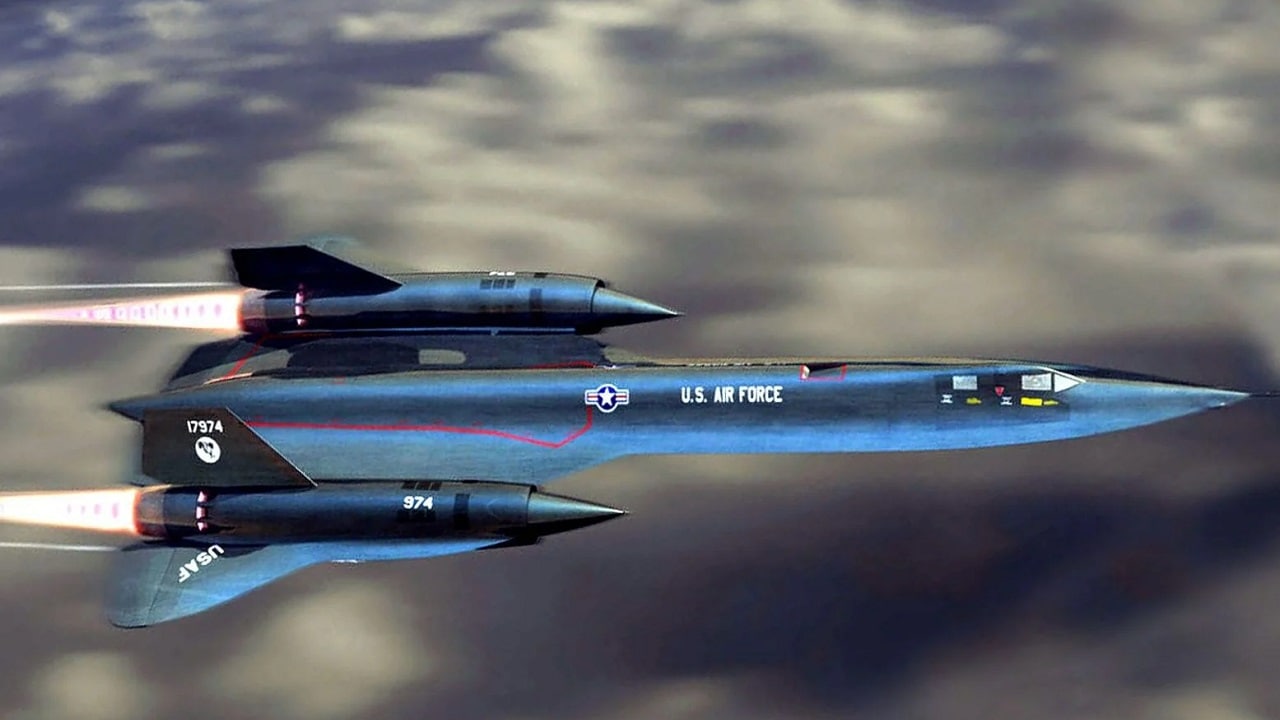
-To light it, the engines relied on triethylborane, and to keep the aircraft fed, the Air Force fielded a special tanker variant, the KC-135Q. At 36,000–44,000 pounds burned per hour, refueling timing mattered.
-Even the supply chain got weird, with insecticide tied to production. It’s the hidden logistics behind Blackbird speed.
SR-71 Blackbird’s Secret Fuel: How JP-7 Made Mach 3 Missions Possible
We cover the SR-71 Blackbird extensively here at 19FortyFive, and our readers can’t get enough of the ultra-fast spy plane. You may be an expert on the recon bird by now, but we have sniffed out some more interesting details about the SR-71 you may have never heard of.
You are likely aware that the SR-71 served with the US Air Force and the CIA during the Cold War, achieving an effectiveness in intelligence, surveillance, and reconnaissance data collection that was unheard of. The high-flying aircraft had an impressive ceiling of 85,000 feet and a top speed of over MACH 3. The rate of climb was unmatched, and it could outrun and outmaneuver any surface-to-air missile in existence.
However, the SR-71 was not easy to produce in numbers. It required unique components only used on the Blackbird. This took significant effort and engineering prowess – not to mention all the money poured into the program to achieve that kind of speed and performance.
As 19FortyFive reported, “Every last component of the Blackbird was specialized and distinct; the jet needed to do things no other jet could do. As a result, the SR-71 shared roughly zero commonality with any other airframe.”
Existing Fuel Was Going to Be Original and Distinct
The most challenging aspect of integration was determining the right type of fuel to power the esteemed propulsion system. First, understand that, since so many components had to be built from scratch, the fuel had to be unique as well.
The New Fuel Needed Unique Attributes
That meant existing jet fuel was not going to cut it. The Blackbird needed something special to give it that high-speed kick. Most Cold War-era airplanes introduced by the United States and NATO used JP-4 and JP-8 jet fuel. These types produced by Shell were adequate for the highly finicky Blackbird.
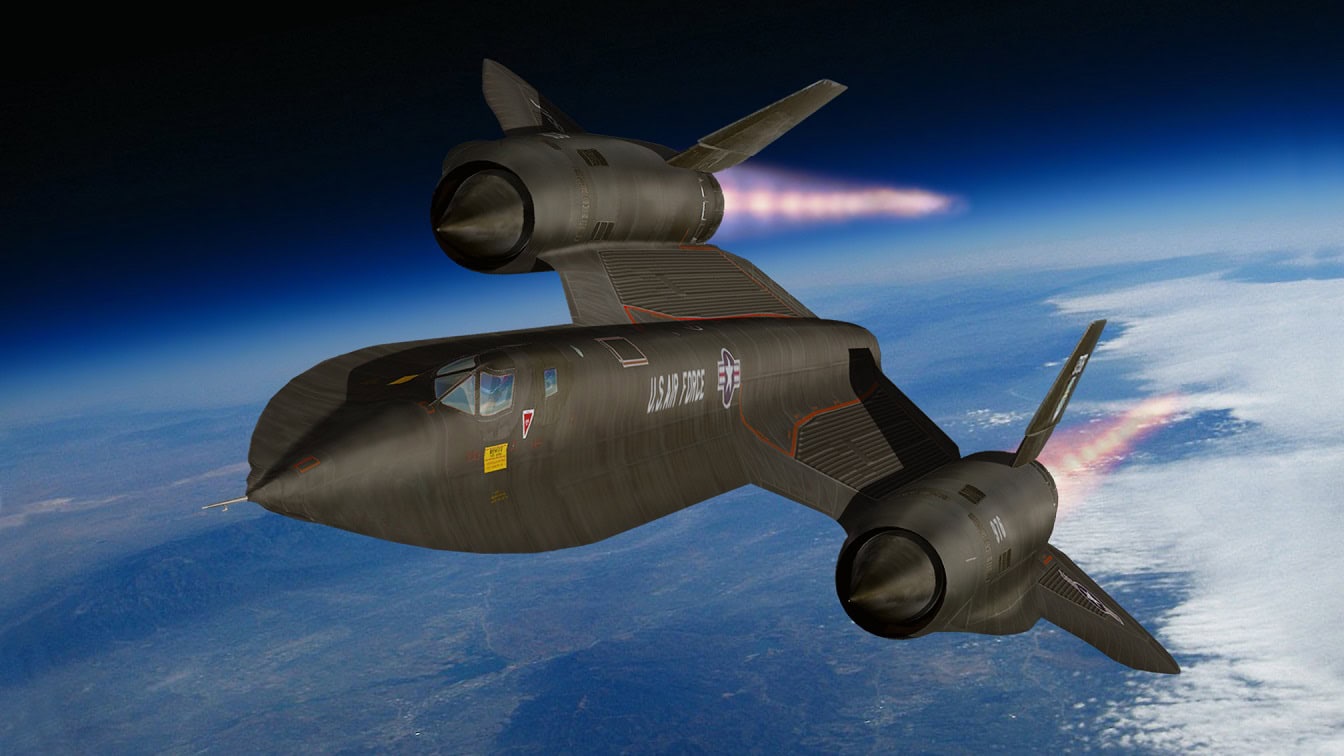
SR-71 spy plane. Image Credit: Creative Commons.
The heat generated by the engines, had they used conventional fuels, was likely to cause them to catch fire and explode. The temperatures were beyond the engines’ flash point. A fire at that speed and altitude meant that the pilot would likely be killed with no time to bail out.
Would the SR-71 Become a Flying Coffin Without New Fuel?
The engineers and technicians got to work. There had to be a workable solution, or the spy bird would never be that successful and could become a flying coffin. The eggheads at Pratt & Whitney derived a wholly new jet fuel called JP-7. This had a lower flashpoint and was perfect for the SR-71, thanks to the fuel’s “high thermal visibility.”
The JP-7 may have been so safe that one could hold a Zippo lighter to it, and the flame would not even ignite the fuel. However, this low combustibility was a problem. The fuel still had to be “fired” for thrust to be possible. No engine ignition, and the airplane would remain grounded.
Bring on a Chemist for the Engineering Team
So, there was a chemistry problem that vexed the engineers. The specialized fuel was a mystery, and a new type of amalgam was needed. The technicians finally found that they could inject triethyl borane (TEB) into the SR-71’s engines. This was not a process one could do, like pouring an engine additive into a car to improve combustion. The TEB addition was going to be difficult and took a tremendous amount of effort for this process to work. The additive was also expensive.
A New Tanker Variant Was Also Needed
What made matters more complicated was that the SR-71 had to be refueled in the air by a tanker. The KC-135 tanker would not be able to carry the JP-7 without complex integration and new systems. Engineers were undeterred and up for the challenge. This led to a new variant, the KC-135Q. Nothing had been done like this in the history of the KC-135 program.
The SR-71 was a fuel hog, even with the old propellant before JP-7, and even more so with the new KC-135Q. The Blackbird burned 36,000 and 44,000 pounds of fuel per hour. At that rate, the SR-71 would only have a 3,000-mile range. This meant it could not operate its spying duties anywhere, anytime, and this was a limitation that worried intelligence analysts. What if the Blackbird could not fly over the intended target? It would have to be refueled with the new JP-7 brand every three hours.
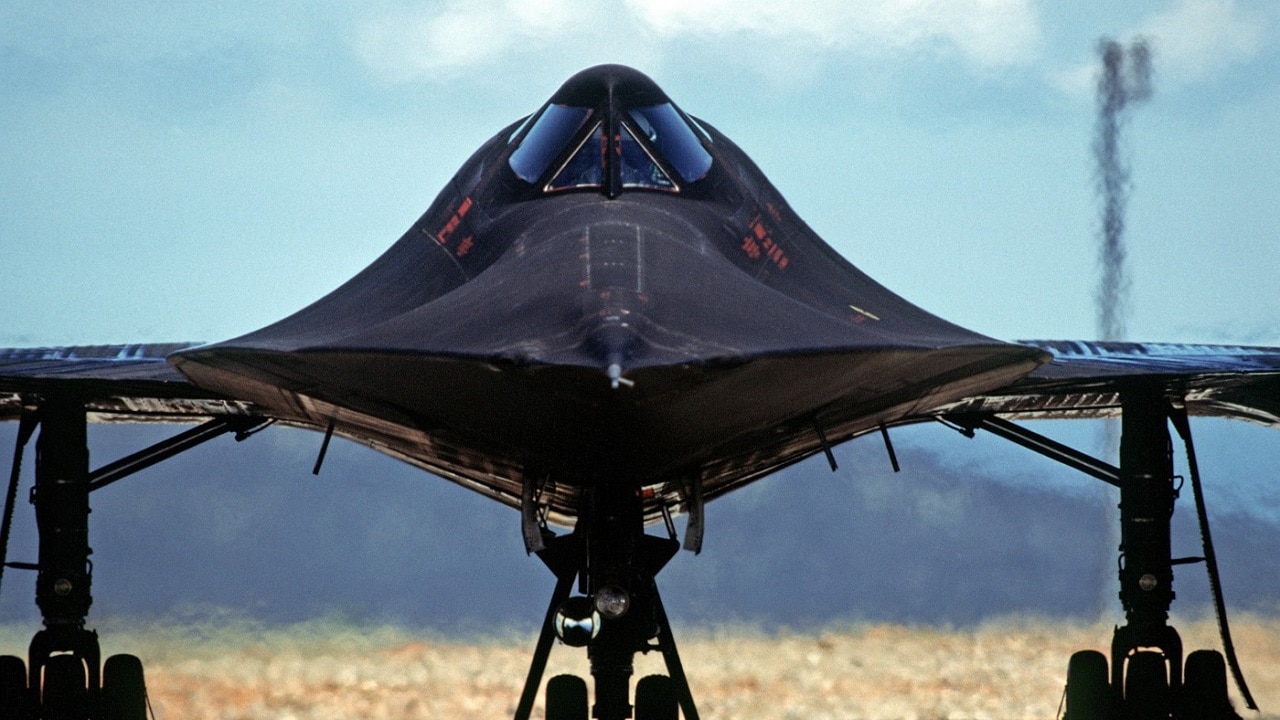
SR-71 Spy Plane. Image Credit: Creative Commons.
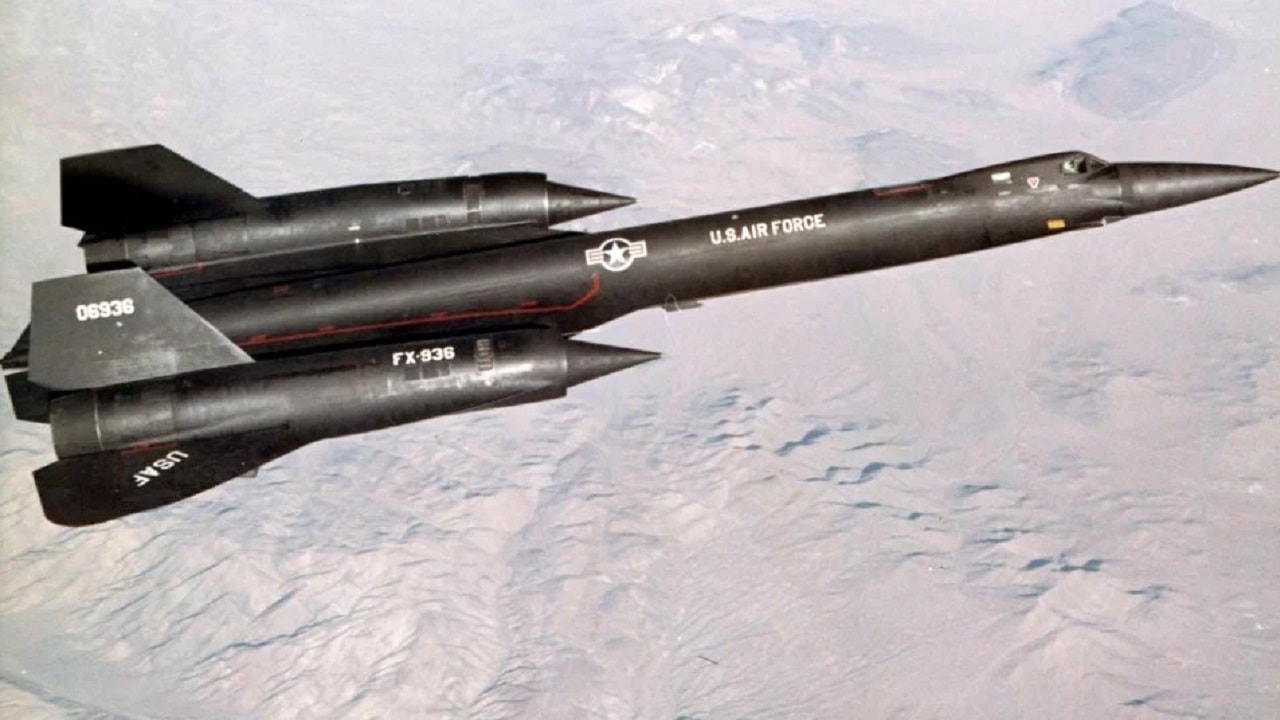
SR-71 Blackbird. Image Credit: Creative Commons.

SR-71 Spy Plane. Image Credit: Creative Commons.
The JP-7 was a good substance, though. It was highly stable, low-volatile, and based on kerosene. That was all fine, but the SR-71 propulsion system was complicated.
How Did the J58 Engines Work?
There were “two 34,000-pound (151,240 N) thrust-class J58 afterburning turbojet engines. Each engine contained a nine-stage compressor driven by a two-stage turbine. The main burner used an eight-can combustor, and the afterburner is fully modulating. The primary nozzle area was variable. Above Mach 2.2, some of the airflow was bled from the fourth stage of the compressor and dumped into the augmenter inlet through six bleed-bypass tubes, circumventing the core of the engine and transitioning the propulsive cycle from a pure turbojet to a turbo-ramjet,” according to TheAviationGeekClub.com.
The Fuel Was Integrated with Civilian Off-the-Shelf Insecticide
Shell developed JP-7, and one aspect of the process required the use of Flit-brand insecticide. The JP-7 required so much of the aerosol material that there was a nationwide shortage of the consumer product. The insecticide did not evaporate at high altitudes and high temperatures.
It’s a Good Thing That Muscular Brainpower Was Behind the SR-71
The SR-71 was an airplane with mysteries we are still learning about today. The jet fuel problem was solved by some smart people who were toiling hard to compete with the Soviet Union. The high speed and altitude, plus the climbing ability, did not happen naturally.
It required painstaking work and a fearlessness in innovation and in high-technology research and development. The Air Force and CIA were thrilled that the SR-71’s new fuel and tanker variant would take it to new heights, and this kind of can-do engineering capability was highly influential, allowing the United States to win the Cold War.
About the Author: Brent M. Eastwood
Author of now over 3,000 articles on defense issues, Brent M. Eastwood, PhD is the author of Don’t Turn Your Back On the World: a Conservative Foreign Policy and Humans, Machines, and Data: Future Trends in Warfare plus two other books. Brent was the founder and CEO of a tech firm that predicted world events using artificial intelligence. He served as a legislative fellow for US Senator Tim Scott and advised the senator on defense and foreign policy issues. He has taught at American University, George Washington University, and George Mason University. Brent is a former US Army Infantry officer. He can be followed on X @BMEastwood.