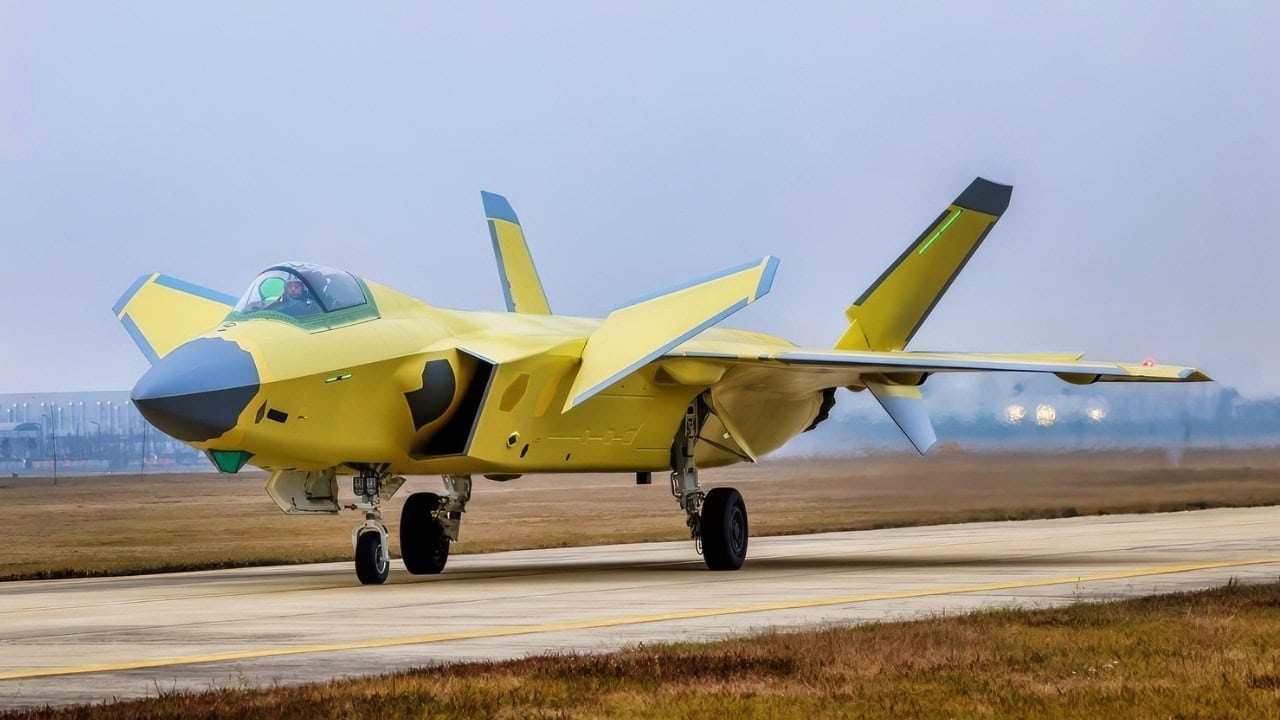
Summary and Key Points: China’s defense minister Dong Jun urged Russia to deepen military coordination during a video call with Russian defense minister Andrei Belousov, according to state-run CCTV.
-The exchange came shortly after Russia and Ukraine held renewed settlement talks, adding new attention to Beijing’s role in Moscow’s war effort. U.S. officials argue China is enabling Russia by supplying sanctioned dual-use components used in missiles and drones, with claims that the share is close to 80 percent.
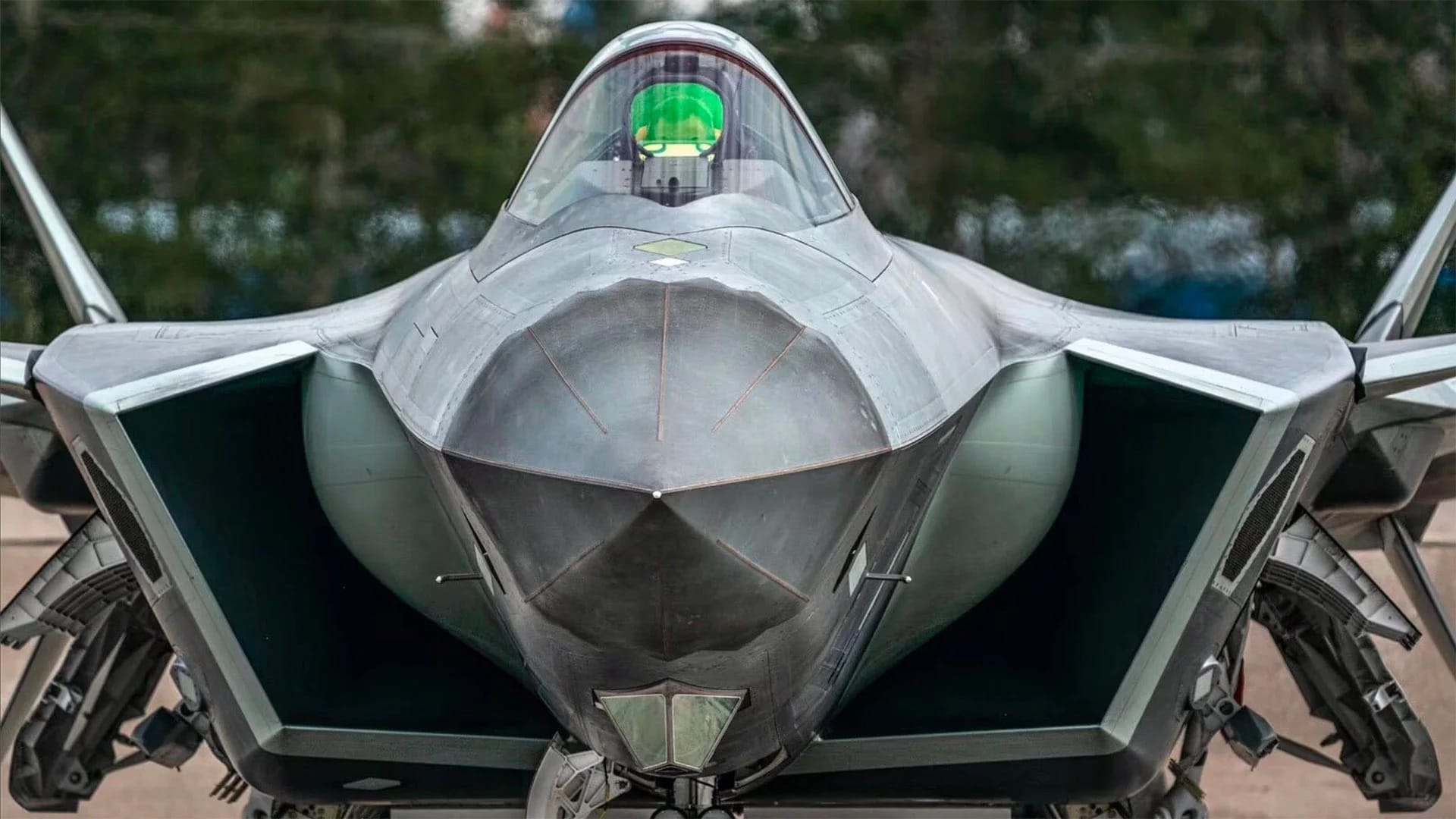
J-20 Stealth Fighter. Image Credit: Industry Handout.
-Treasury Secretary Scott Bessent has said photographic evidence will be released.
-Beijing and Moscow also point to expanding exercises with partners such as Iran and Mongolia.
China’s Defense Minister Tells Russia: “Strengthen Strategic Coordination”
According to state-run CCTV, China’s defense minister is calling for closer military ties and cooperation with Russia. The Beijing-based network reports Dong Jun told his Russian counterpart the two countries should “strengthen strategic coordination.”
Dong was appointed as defense minister on December 29, 2023, assuming a post left empty when General Li Shangfu was removed from office on charges of corruption in October 2023—after only 7 months in the position.
The Chinese defense chief made his comment during a video call with Russian Defense Minister Andrei Belousov. This interaction came days after teams of negotiators from Russia and Ukraine met for the first time to discuss a peace settlement to end the nearly four-year long conflict.
“China is willing to work with Russia to … strengthen strategic coordination, enrich the substance of cooperation, improve exchange mechanisms”, Dong told Belousov, according to CCTV. The two nations’ determination to forge an alliance that counterbalances the Western alliance has been a main theme of Belousov’s agenda since he became Russia’s defense minister.
An Ally or An Enabler
China’s support for Russia continues to be a sore point with the United States and other nations that have supported Ukraine’s defense. The West accuses Beijing of enabling the conflict and being responsible for Moscow’s ability to continue bombing civilian population centers and energy infrastructure.
U.S. State Department claim that China currently provides nearly 80 percent of the sanctioned dual-use items that Russia needs to build most of its major missiles and drone systems.
As an October 2025 report from the Atlantic Council war in Ukraine details, “the significance of this Chinese contribution cannot be overstated. Without a steady supply of cheap Chinese drone components, for example, it is unlikely that Russia would be able to maintain the bombardment of Ukrainian cities and the country’s civilian infrastructure at anything like the current intensity.”
U.S. Treasury Secretary Scott Bessent previously raised the issue of Chinese components in Russian airborne weapons after another round of accusations about Beijing’s increased military-technical assistance for Russian President Vladimir Putin’s invasion of Ukraine. In mid-October, Bessent announced that the U.S. would soon release photo evidence supplied by the Ukrainian government to back the claims.
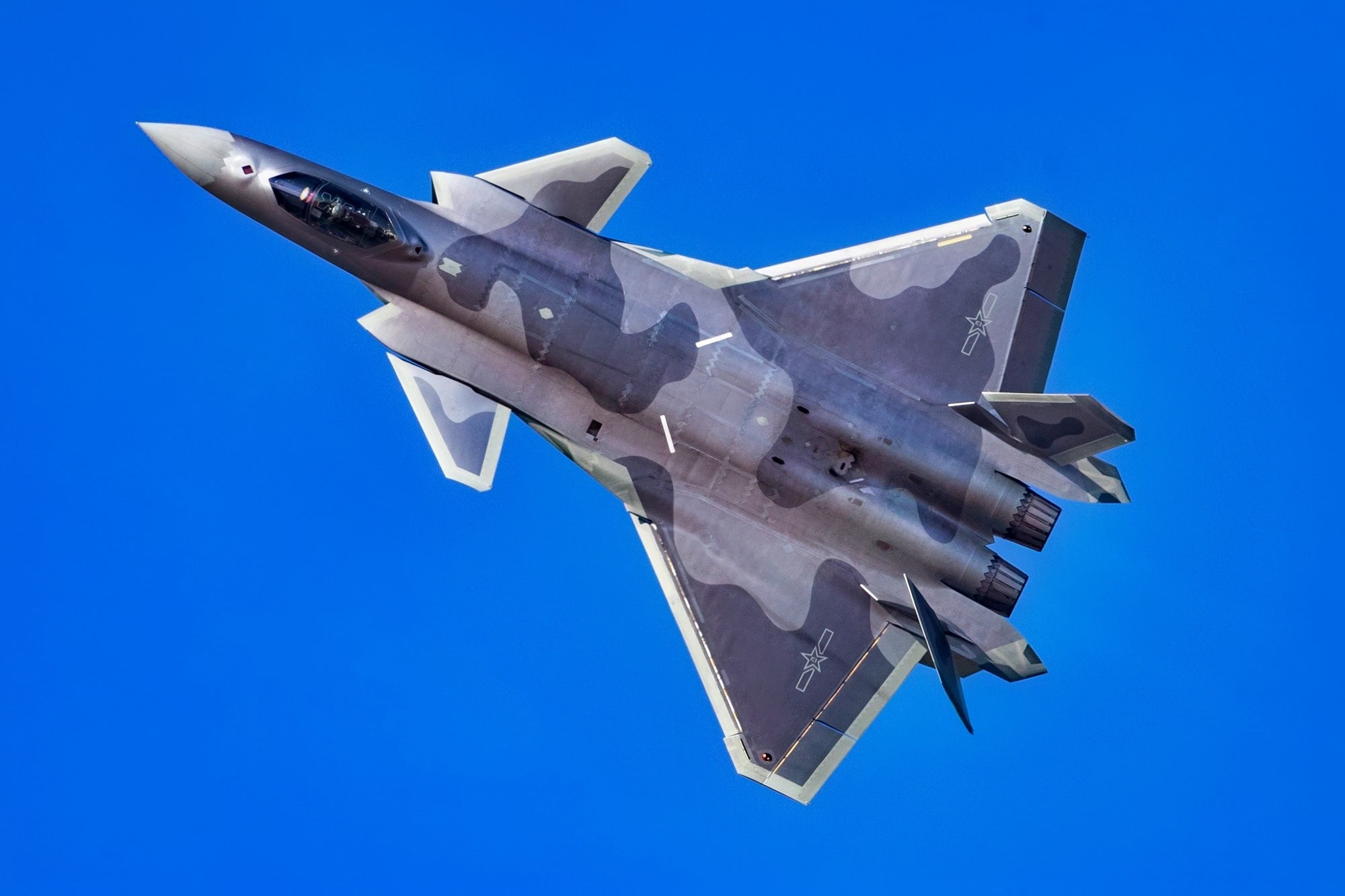
J-20 Fighter from China. Image Credit: Creative Commons.
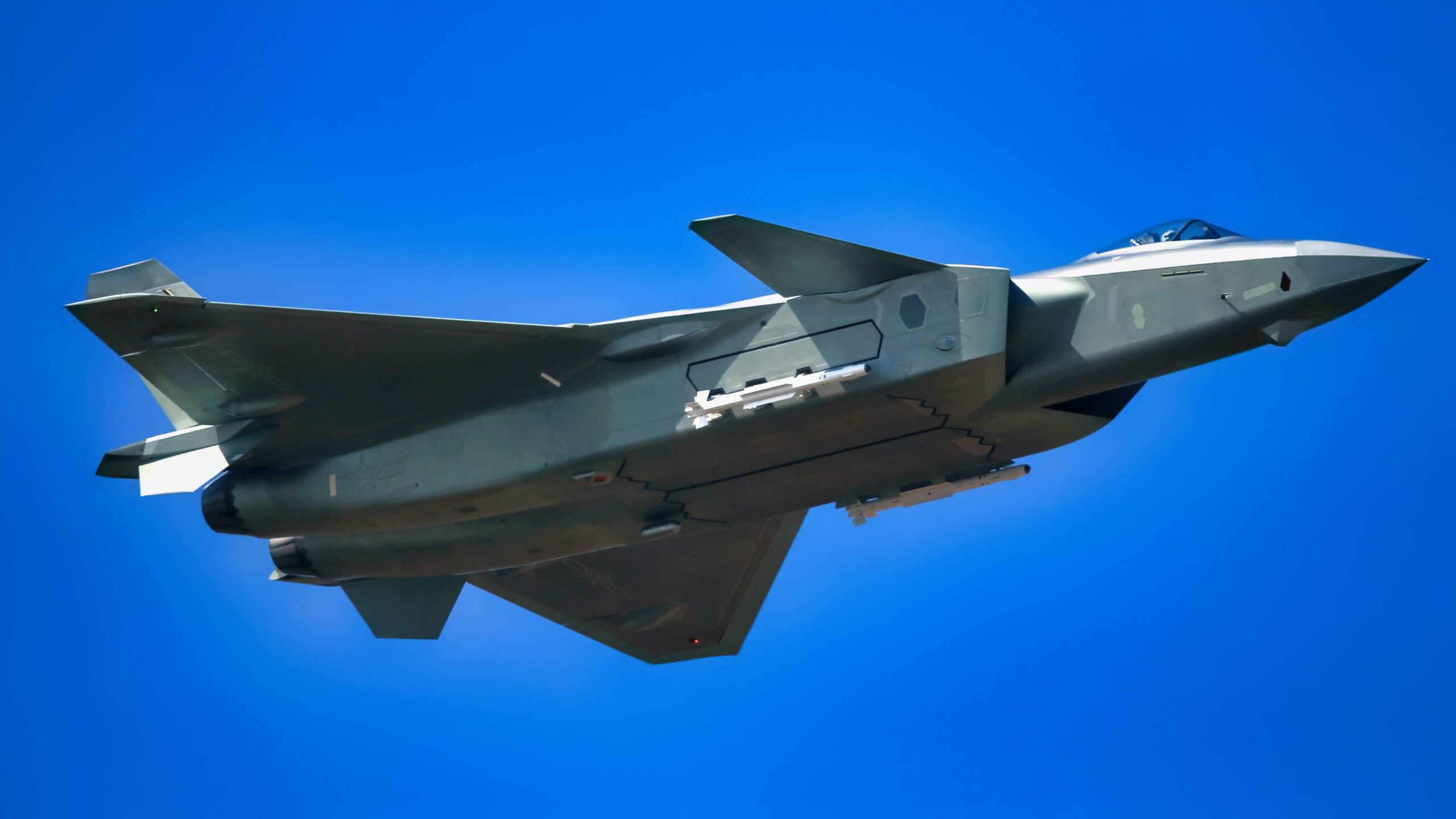
J-20 Fighter. Image Credit: Creative Commons.
This evidence, he said, will provide visual confirmation that Chinese-supplied components are responsible for enabling the production of “substantial amounts” of the drones being used by Russia in its war against Ukraine.
Cooperation Beyond Components
During their conversation, Dong reportedly told Belousov that Beijing was willing to “enrich the substance of cooperation, improve communication and exchange mechanisms, jointly enhance the ability to respond to various risks and challenges and work hand in hand to inject positive energy into global security and stability.”
Belousov told Deng that Moscow was interested in increasing practical cooperation in areas such as joint operations and personnel training. Moscow is also interested in promoting what the Chinese Defense Ministry stated would be “bilateral strategic coordination to a higher level to better safeguard their shared interests.”
The video call between Dong and Belousov was the first ministerial-level exchange between the two nations since the U.S. military’s raid on Venezuela earlier in January.
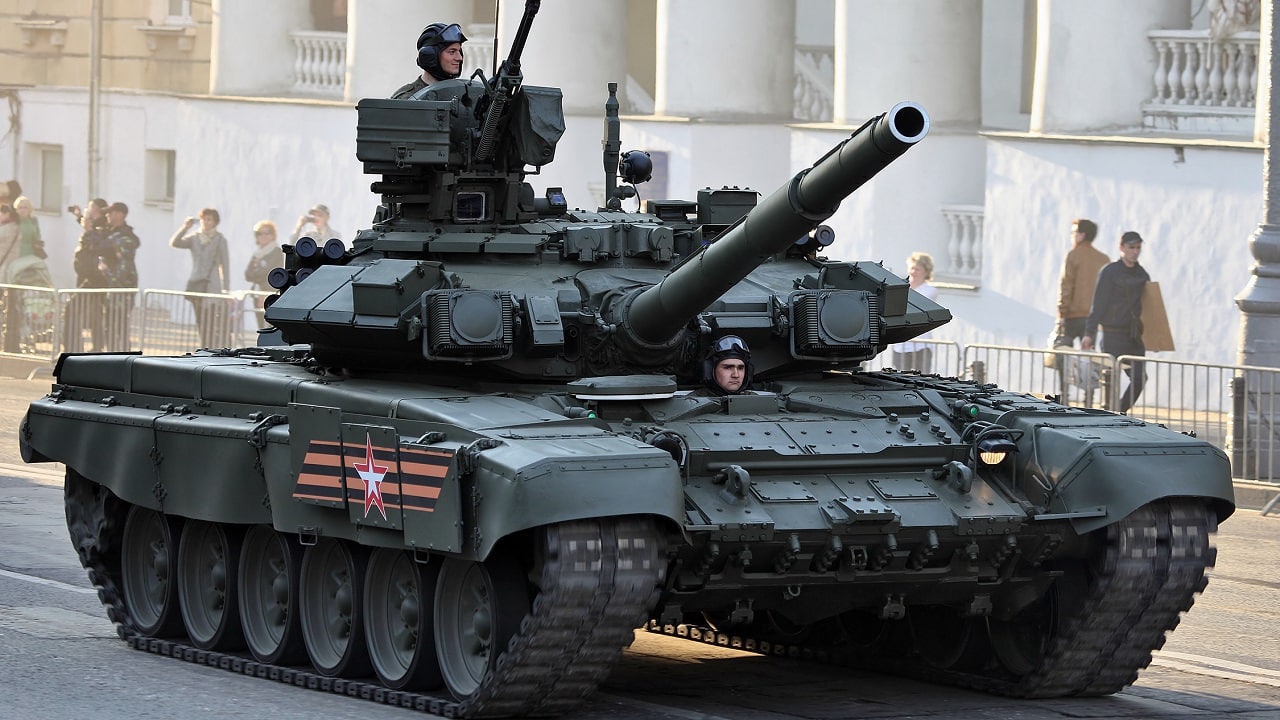
Russia’s T-90 Tank. Image Credit: Creative Commons.
In addition to deepening their strategic and security ties, Beijing and Moscow have expanded multilateral defense ties and conducted military exercises with third countries—including Iran and Mongolia—over the past year.
About the Author: Reuben F. Johnson
Reuben F. Johnson has thirty-six years of experience analyzing and reporting on foreign weapons systems, defense technologies, and international arms export policy. Johnson is the Director of Research at the Casimir Pulaski Foundation. He is also a survivor of the Russian invasion of Ukraine in February 2022. He worked for years in the American defense industry as a foreign technology analyst and later as a consultant for the U.S. Department of Defense, the Departments of the Navy and Air Force, and the governments of the United Kingdom and Australia. In 2022-2023, he won two awards in a row for his defense reporting. He holds a bachelor’s degree from DePauw University and a master’s degree from Miami University in Ohio, specializing in Soviet and Russian studies. He lives in Warsaw.