
Summary and Key Points: Despite persistent online commentary suggesting China may annex parts of Siberia to reclaim historical territories, experts argue that military conquest is highly unlikely due to Russia’s nuclear deterrent and the high political costs of revisionism.
-While historical grievances over 19th-century “unequal treaties”—specifically the Treaty of Aigun (1858) and the Convention of Peking (1860)—remain part of China’s cultural memory, Beijing’s modern strategy focuses on economic rather than territorial expansion.
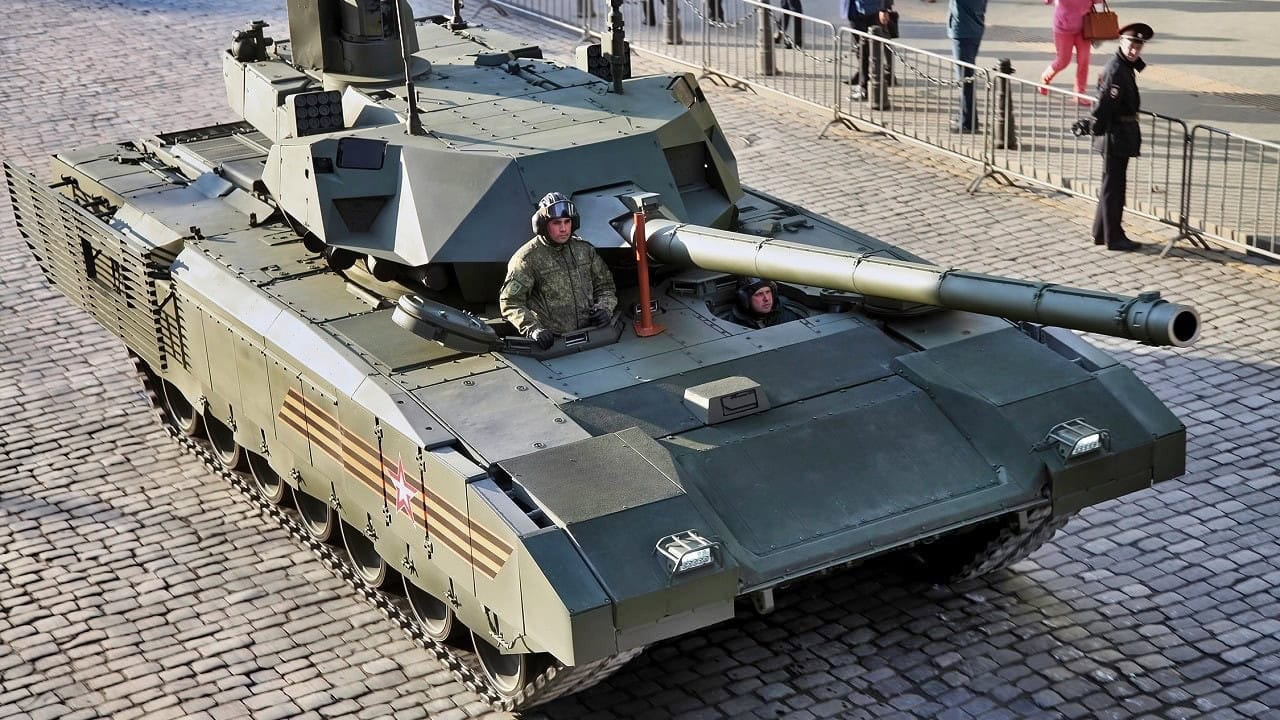
T-14 Armata Tank.
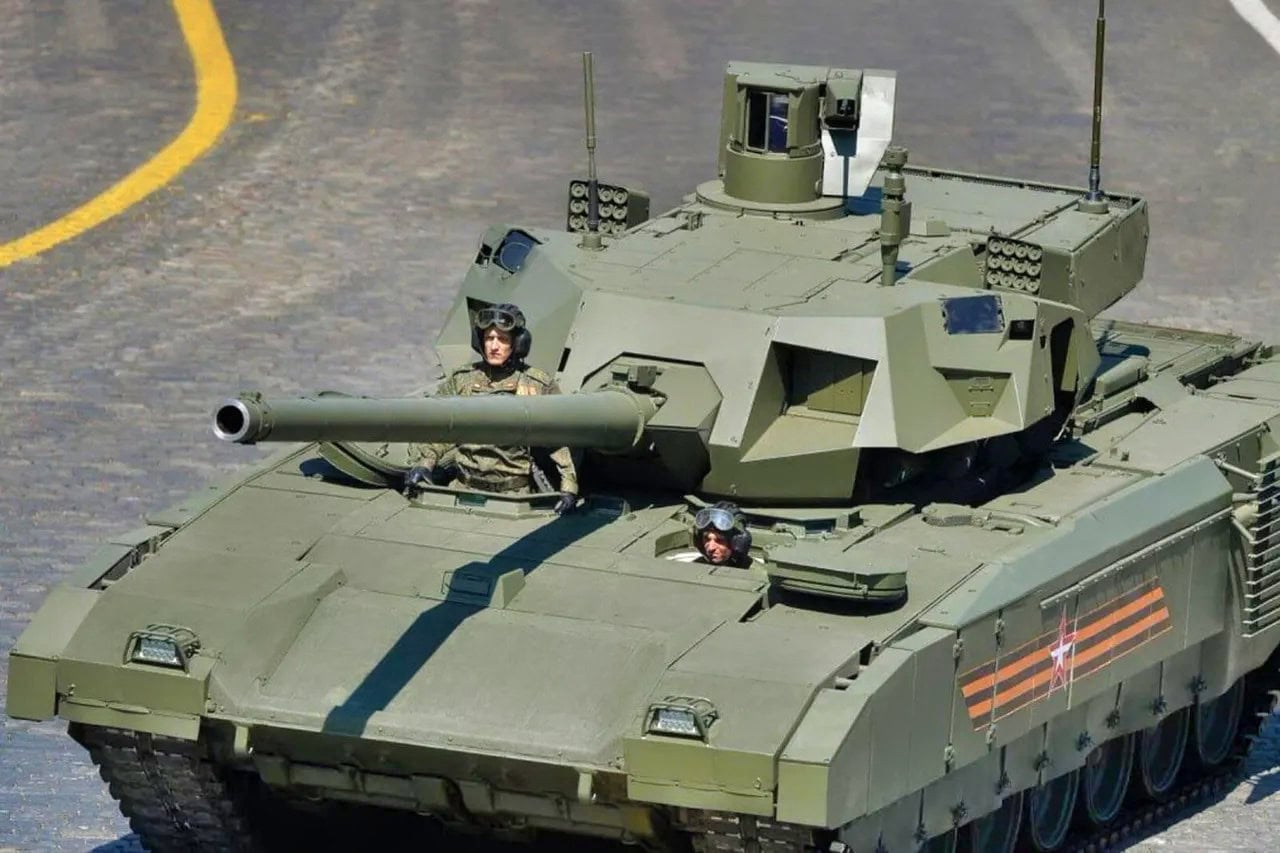
Russian T-14 Armata Tank. Image Credit: Social Media Screenshot.
-As Russia becomes the “junior partner” in the relationship, China is securing access to Siberia’s vast energy and mineral resources through pipelines and investment.
-The likely future is not a border war, but a scenario where China gains immense leverage over the region’s economy while the borders remain officially intact.
Will China Annex Siberia? The Truth Behind the Rumors
Commentary occasionally appears online to suggest that China may move to annex parts of Siberia. Granted, the commentary is unofficial—it originates outside Chinese state policymaking circles. But there is some cultural memory in China tied to Siberia, and Chinese economic interests pervade the region.
Will this translate into future revisionism? Or is the commentary just noise?
Historical context of Siberia
Siberia and Russia’s Far East is a vast land—sparsely populated but with immense resources and long logistical lines. China has large adjacent population centers in the northeast, and the country has an appetite for energy, timber, minerals, and transport corridors, all of which Siberia happens to offer.
The Siberia topic binds historical grievances, resource economics, and demographic geography. It also includes a history of treaties that portions of the Chinese population are still litigating.
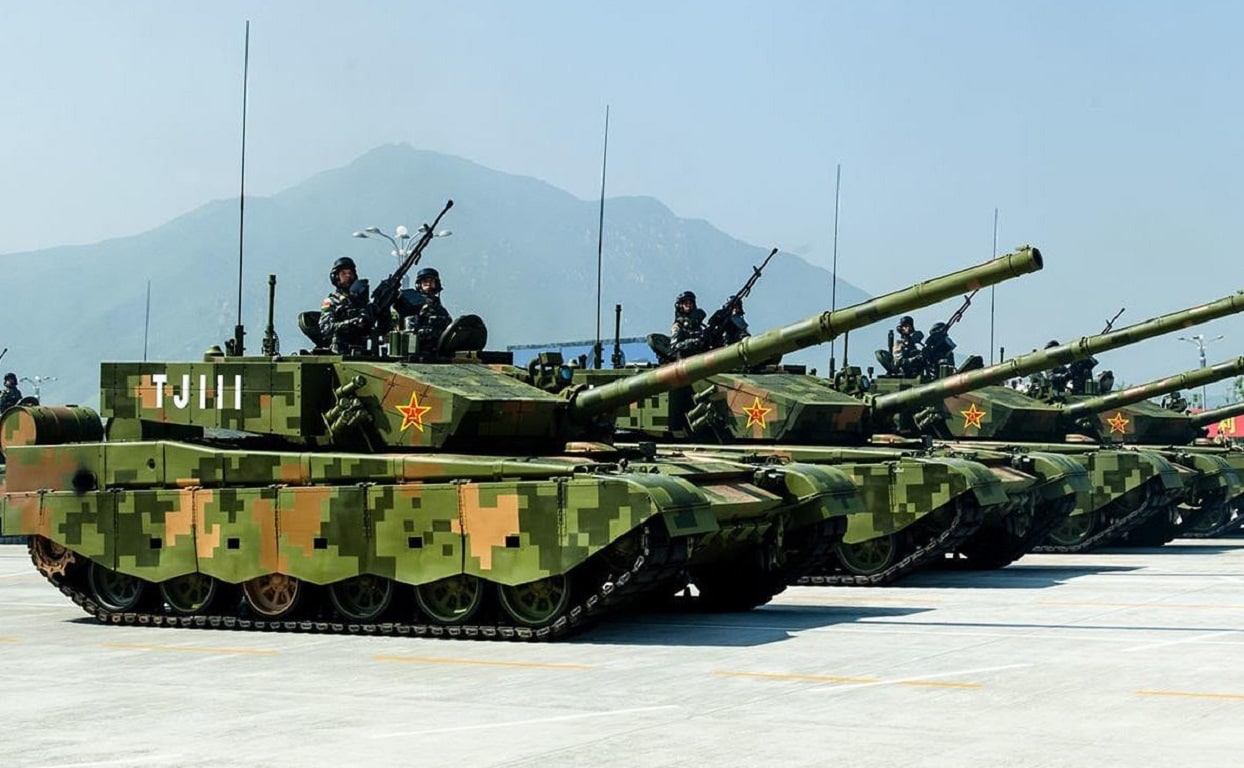
Type 99 Tank from China. Image: Creative Commons.
Treaties and debate
In the 19th century, the Qing dynasty was weak at a time when Russia pursued eastward expansion. The Treaty of Aigun in 1858 adjusted the Amur boundary, and the Convention/Treaty of Peking in 1860 enacted further territorial changes that helped guarantee Russia’s access to the Pacific.
In the 20th century, the Sino-Soviet relationship was tumultuous. It began with an alliance, before an ideological split led to border clashes in the late 1960s. Eventually, the relationship normalized. In the post-Cold War period, the two nations have generally treated their borders as set, even if commentators are still pushing for redress.
Modern circumstances
Today, the Sino-Russian relationship benefits from mutual opposition to U.S.-led alliances and pressure. The relationship is not equal, however; China is the larger economic engine, and Russia has been relegated to junior-partner status. Yet, Russia remains a nuclear-armed state with deep security instincts and a relatively capable military. Still, Russia overall is in decline and could well lose leverage over its underpopulated east.
Siberia’s strategic value
For Russia, Siberia grants strategic depth and feeds national identity. And while Siberia may appear peripheral on a map, it is psychologically central. It sits at the heart of Russian territorial mythos. Siberia is also rich in energy, metals, and timber.
Its vast geography makes Russia a continental power. It is a military and security buffer zone that offers basing options and boosts credibility.
For China, Siberia enables resource security through energy pipelines, commodities access, and a diversified supply. The region’s economic corridors are desirable, offering rail and road routes, increasingly important Arctic-related logistics, and regional trade. Siberia grants strategic options, but access is more important than possession.
Borders changing?
Territorial revision is extremely unlikely unless the Russian state collapses. It would require a major war. Russia has an impressive array of deterrent options to preserve their current border—most notably nuclear weapons—and China doesn’t have enough motivation. With disincentives including the risk of a catastrophic war, the loss of its desired reputation as a “responsible power,” sanctions, and isolation, China will not likely attempt to take over portions of Siberia while the Russian state still exists.
Increasing influence
The more plausible future sees an increase of Chinese economic and political influence in the region. Long-term leases, concessions, and joint ventures could lead to pipeline and rail dependencies, yuan-denominated trade, labor and demographic changes near the borders.
The near future
In the near future, Siberia will remain Russian territory. The rhetoric will stay mostly online. Economic ties will continue to grow. Russia will continue to weaken materially, allowing China to gain better terms on resources and infrastructure. Moscow will grumble and possibly enact tighter controls on Chinese investment and migration.
The only scenario in which the borders change is after internal Russian fragmentation or severe crisis. Far likelier is that China will continue to gain leverage over Russia, but not territory.
About the Author: Harrison Kass
Harrison Kass is an attorney and journalist covering national security, technology, and politics. Previously, he was a political staffer and candidate, and a US Air Force pilot selectee. He holds a JD from the University of Oregon and a master’s in global journalism and international relations from NYU.