
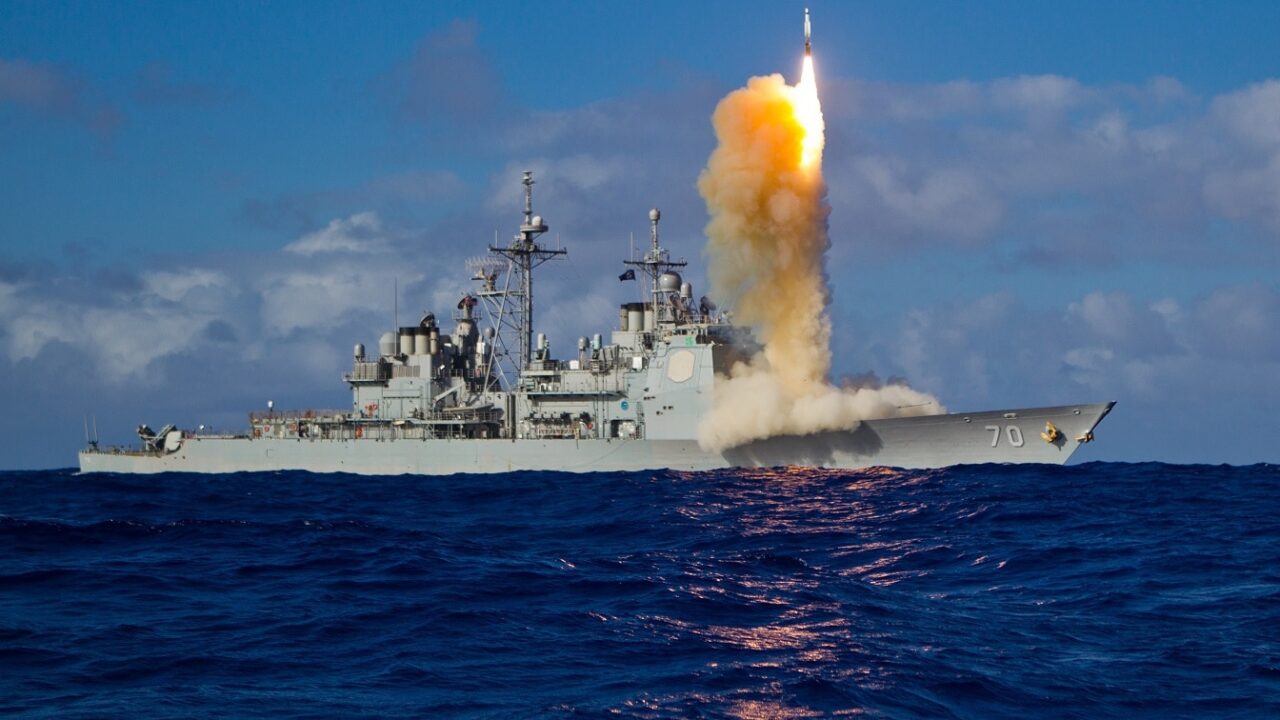
Dutch Frigate Shoots Down Drone Swarm In NATO Live-Fire Exercise
In January 2026, a Royal Netherlands Navy frigate conducted a live-fire engagement against multiple unmanned targets during a NATO exercise off the coast of Wales, marking one of the clearest public demonstrations yet of how European navies are preparing for the rapid proliferation of drone use at sea.
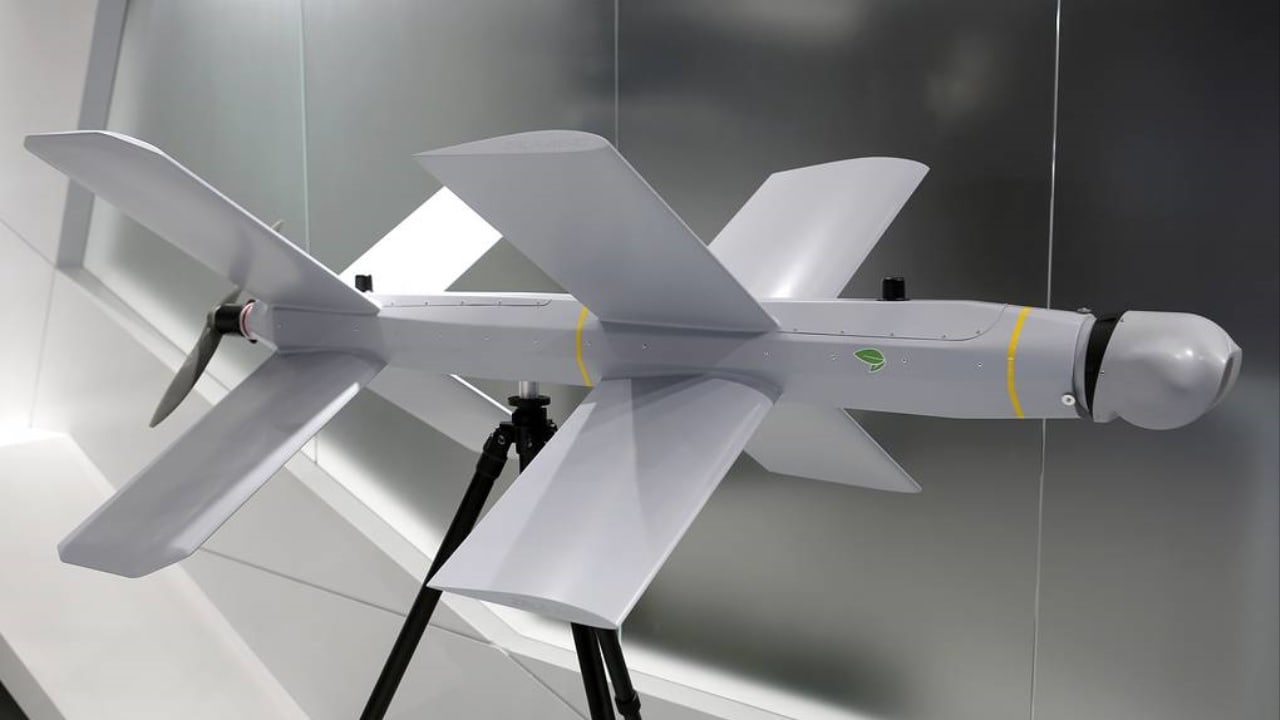
Lancet Drone. Image Credit: Russian State Media.
The air defense frigate HNLMS Evertsen took part in the Exercise Sharpshooter at the U.K. Ministry of Defence’s Aberporth test range, operating roughly 20 miles offshore in the Irish Sea, according to the British defense contractor QinetiQ, which runs the exercise under a long-term agreement with the British government.
“Over three days at MOD Aberporth, the Dutch ship HNLMS Evertsen, located 20 miles off the Welsh coast, was targeted by simulated drone attacks. QinetiQ’s aerial drone target, the Banshee Whirlwind, and the company’s uncrewed surface vehicle, Hammerhead, were used as well as virtual drone attacks,” a statement reads.
During the drill, Evertsen was tasked with detecting and destroying a mix of live aerial and surface drones designed to simulate coordinated attacks. QinetiQ confirmed that the frigate engaged Banshee Whirlwind aerial targets – small, jet-powered drones commonly used to replicate fast, low-flying threats – as well as Hammerhead uncrewed surface vessels meant to intimidate boats filled with explosives.
The Royal Netherlands Navy said the ship successfully destroyed five aerial drones and neutralized two surface targets over several days of sustained activity.
The exercise was notable not only for its use of live targets but because it was the first time a non-British NATO warship had taken part in Sharpshooter, which combines real drone engagements with computer-generated threats like simulated cruise missiles and hostile aircraft.
The timing is significant also: drone attacks have become a routine feature of modern conflicts – from Ukraine to the Red Sea – while China has recently claimed it is fielding a new high-power microwave system, known as Hurricane 3000, specifically designed to disable drone swarms.
How NATO Warships Are Learning to Fight Drones
HNLMS Evertsen is part of the Dutch Navy’s De Zeven Provinciën class – a group of frigates designed in the early 2000s primarily for air defense and fleet escort duties.
The ships were originally built to track and engage aircraft and missiles, using advanced radar systems and guided missiles, rather than to counter large numbers of small, inexpensive drones – and that’s precisely why exercises like Sharpshooter really matter.
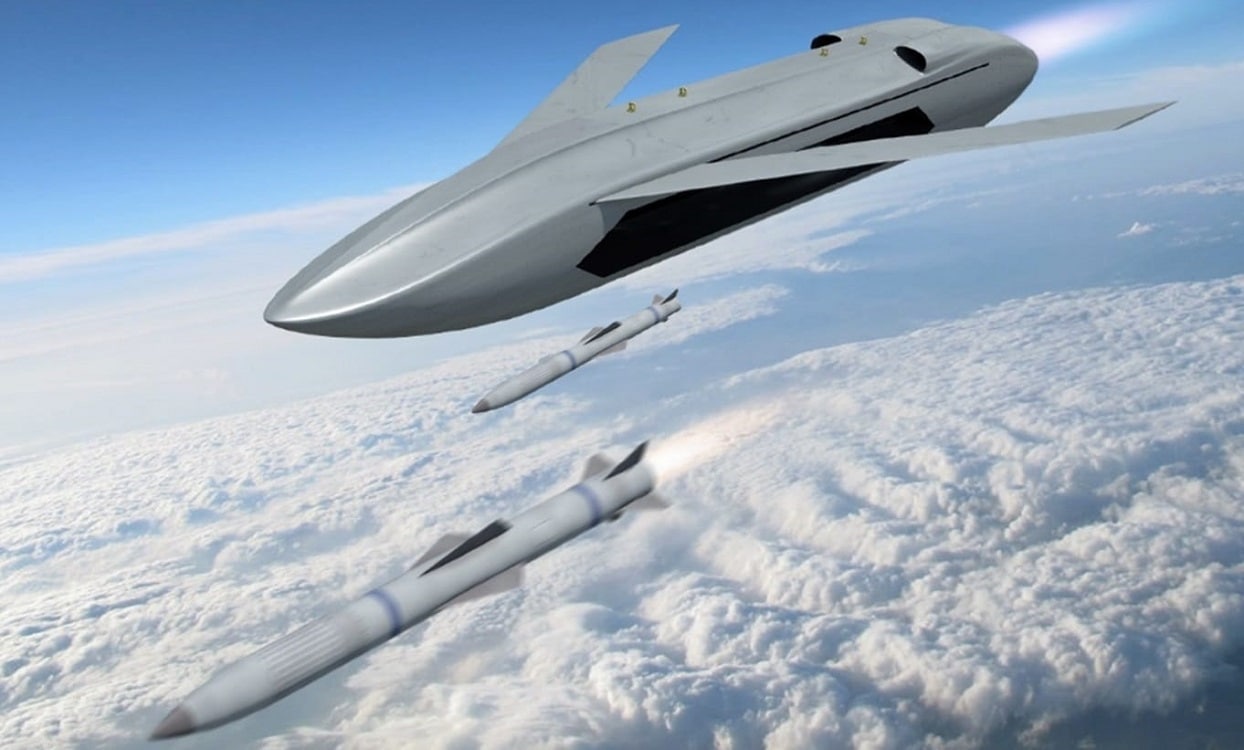
Image: Creative Commons.

U.S. Army drone swarm. Image: Creative Commons.
Drones such as the Banshee Whirlwind cost a fraction of traditional missiles and can be launched in large numbers, forcing defenders to respond repeatedly and at high cost. QinetiQ says the Whirlwind was selected because it can fly at low altitude and high speeds, closely resembling the types of uncrewed aircraft now seen in combat zones.
The Hammerhead surface drones (automated vessels), meanwhile, add another layer of pressure to the vessels. Similar uncrewed boats have been used in real attacks in the Black Sea and the Red Sea, where they have targeted both warships and commercial vessels – and by combining aerial and surface threats, Sharpshooter tested how quickly crews can detect, identify, and respond to attacks arriving from multiple directions at once.
QinetiQ also described how the integration of synthetic threats (computer-generated missile and aircraft attacks) into the scenarios allows navies to practice decision-making under pressure without the cost of firing live missiles for every simulated attack.
Drone Warfare Raises the Stakes
The drill comes in the wake of a major shift in naval warfare. In Ukraine, drones have been used not only for surveillance but for direct attacks on ships and infrastructure, including strikes against Russian vessels in the Black Sea. In the Red Sea, Houthi forces have launched drones and missiles at international shipping lanes, forcing Western navies into near-daily defensive operations.
Those changing dynamics have made it abundantly clear to every military on the planet that traditional air defense systems are no longer sufficient and cannot deal with constant, low-level drone attacks. It has driven interest in various alternatives spanning lasers, electronic jamming, and microwave weapons.
China’s state-owned defense industry now claims the Hurricane 3000 system is operational and can disable drones at ranges of more than three kilometers by damaging their electronics rather than shooting them down individually.
If these kinds of systems perform as advertised, they could well change the balance of power between attack and defender by allowing a single weapon to affect multiple drones at once – theoretically removing the advantage gained by the likes of Ukraine by rapidly scaling drone manufacturing capacity.
Western navies, however, remain cautious; most have yet to deploy microwave systems at sea, relying instead on layered defenses that combine radar, guns, missiles, and electronic warfare – but these tactics will ultimately need to change once drones become the standard rather than the exception.
About the Author:
Jack Buckby is a British researcher and analyst specialising in defence and national security, based in New York. His work focuses on military capability, procurement, and strategic competition, producing and editing analysis for policy and defence audiences. He brings extensive editorial experience, with a career output spanning over 1,000 articles at 19FortyFive and National Security Journal, and has previously authored books and papers on extremism and deradicalisation.