
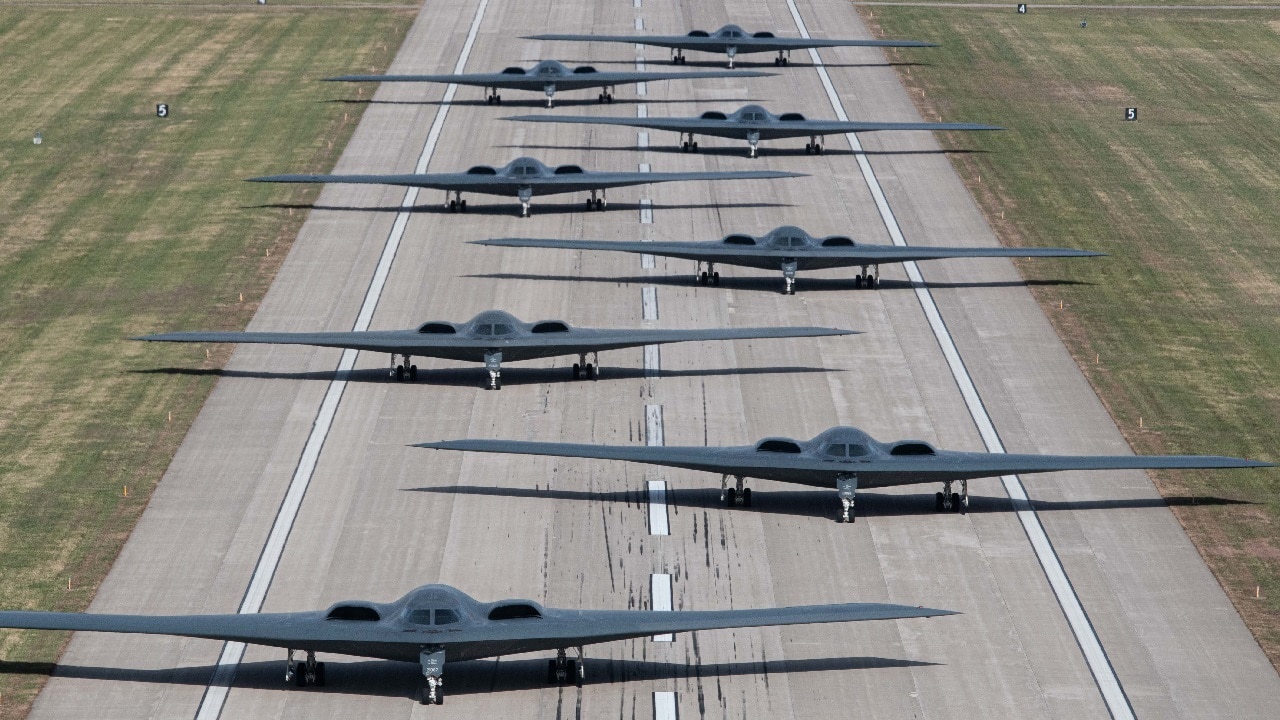
Why A B-2 Transfer Could Matter More Than Submarines For Australia Right Now
The US sale of Virginia-class submarines to Australia under the AUKUS agreement is facing significant challenges due to the US Navy’s current production capacity and its own submarine needs.
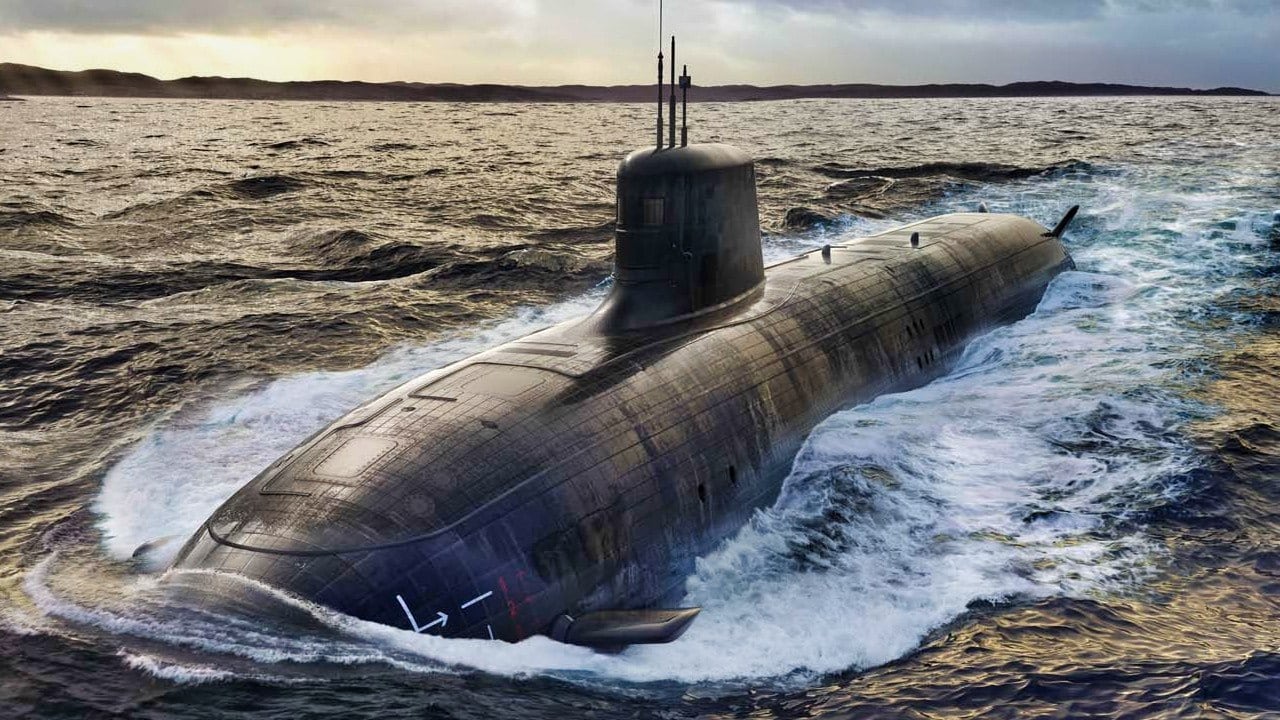
SSN-AUKUS Submarine. Image is Creative Commons Artist Rendering.
And with the US submarine fleet facing shortages, making it increasingly unlikely that the sale of Virginia-class submarines will go through, what’s next?
Could the US help out our ally “from the land down under” in another way to improve their defenses? Mainly by transferring our B-2 Stealth bombers to Australia, which are being retired as the B-21 Raiders come online?
The B-21 Is a Proven, Effective Bomber
The B-2 Spirit is the US Air Force’s outstanding stealth bomber. It has been in the inventory for more than 35 years, which speaks to its effectiveness.
However, the US Air Force currently has only 19 B-2 stealth bombers, a number it likely regrets. The shortsightedness of high-ranking service and government officials has left the Air Force with a deficit in its bomber fleet.
Initially, the plan was to build 132 B-2s; that number was later reduced to 75, and after the end of the Cold War, to 21. Since then, the number has been reduced further, with two aircraft lost in accidents.
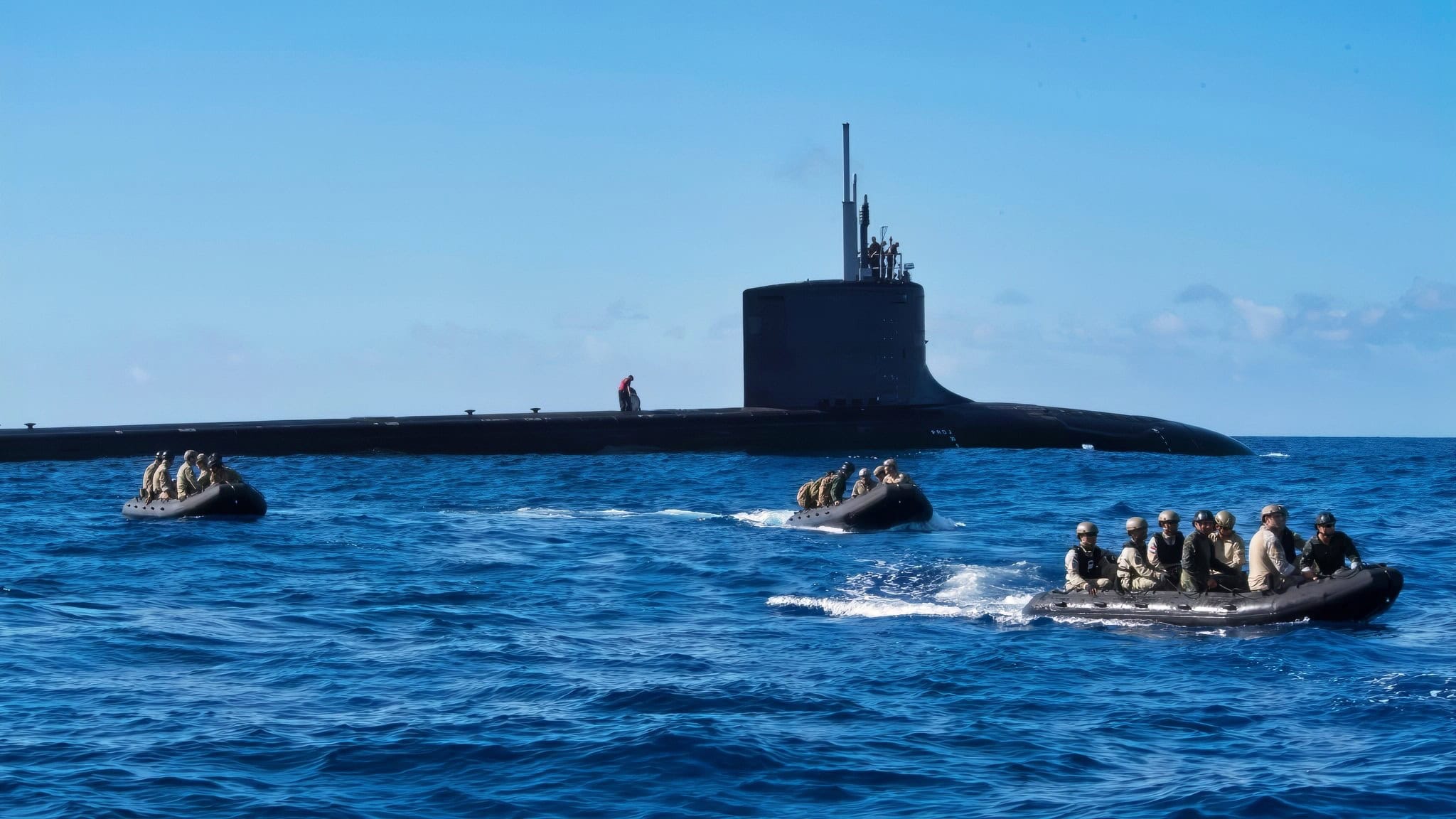
PEARL HARBOR (July 9, 2018) – Multi-national Special Operations Forces (SOF) participate in a submarine insertion exercise with the fast-attack submarine USS Hawaii (SSN 776) and combat rubber raiding craft off the coast of Oahu, Hawaii during Rim of the Pacific (RIMPAC) exercise, July 9. Twenty-five nations, 46 ships and five submarines, about 200 aircraft, and 25,000 personnel are participating in RIMPAC from June 27 to Aug. 2 in and around the Hawaiian Islands and Southern California. The world’s largest international maritime exercise, RIMPAC provides a unique training opportunity while fostering and sustaining cooperative relationships among participants critical to ensuring the safety of sea lanes and security of the world’s oceans. RIMPAC 2018 is the 26th exercise in the series that began in 1971. (U.S. Navy photo by Lt. j.g. Michelle Pelissero)
With bellicose actions by China, Russia, and now with the Israeli bombing of Iran, the demand for the B-2 is going up, especially with Israel lacking the ability to penetrate the deep bunkers where Iran hides its nuclear enrichment facilities.
While the B-21 Raider will soon be taking its place in the Air Force’s bomber fleet, the B-2 is still a more than capable stealth bomber, as seen by the recent long-range bombing of Iran’s nuclear facilities.
The transfer of B-2 Spirit stealth bombers makes total sense for our allies in Australia. The expected lifespan of the B-2 is sometime in the 2040s. In fact, that very idea was suggested last year in Australian elite defense circles.
How Long Could the B-2 Spirit Operate in Australia?
The Air Force originally planned for the B-2 Spirit to remain in service until around 2058, but this was moved up to 2032 in the Fiscal Year 2019 budget due to high maintenance costs and a small fleet size.
The actual lifespan, if retired in 2032, the aircraft will have served for about 35 years in an operational capacity. The airframes themselves are about 29 years old on average as of 2026.
There is some flexibility in the retirement date. The exact retirement date is flexible and depends on the progress of the B-21 Raider program and the number of new aircraft delivered. Ongoing upgrades to the B-2 fleet suggest it could remain in service into the late 2030s or early 2040s if needed.
Australia Is Upgrading Its Defenses But Lacks A Strike Platform
With China looking to expand its influence in the region, the Australian military has made a concerted effort to increase its military readiness.
Australia has invested in long-range missile systems, nuclear-powered Virginia-class submarines through AUKUS, and cutting-edge cyber capabilities. However, the country lacks an airborne strategic strike platform.
The B-2 would immediately fill the gap and extend its ability to conduct long-range conventional land-attack missions. It is undergoing midlife upgrades to keep it relevant into the 2040s.
Australia, operating a fleet of stealth bombers capable of striking deep into contested zones, would force China to contend with US airpower in one area of the Indo-Pacific and Australia’s in another, in the event of a war. Australia hasn’t had a bomber since the F-111 was retired in 2010.
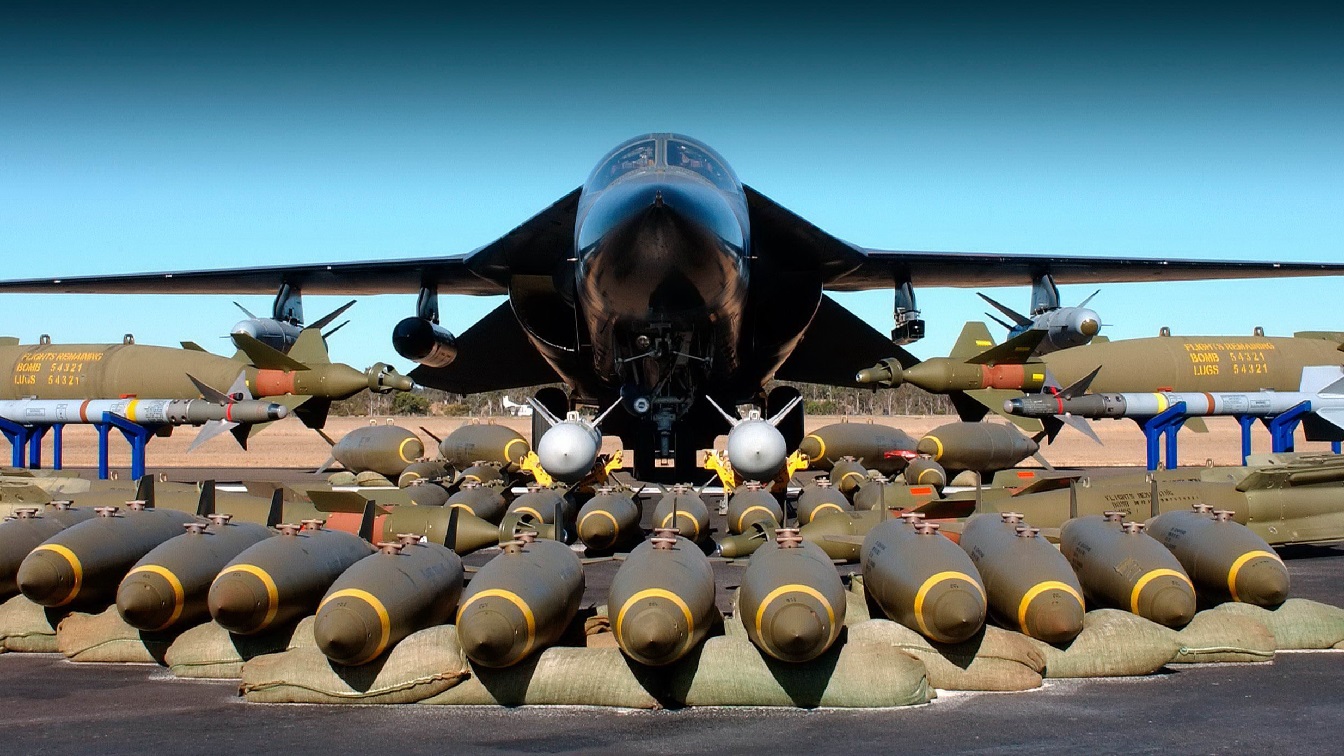
F-111. Image Credit: Creative Commons.
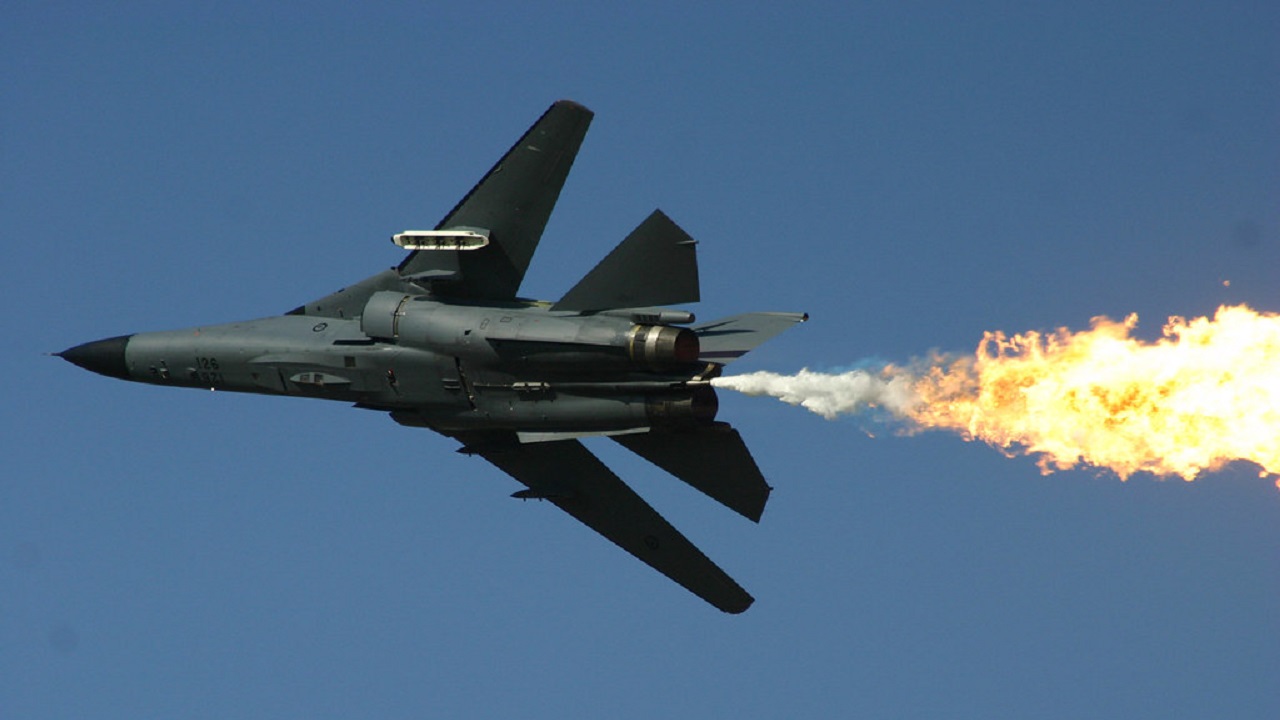
F-111. Image Credit: Creative Commons.
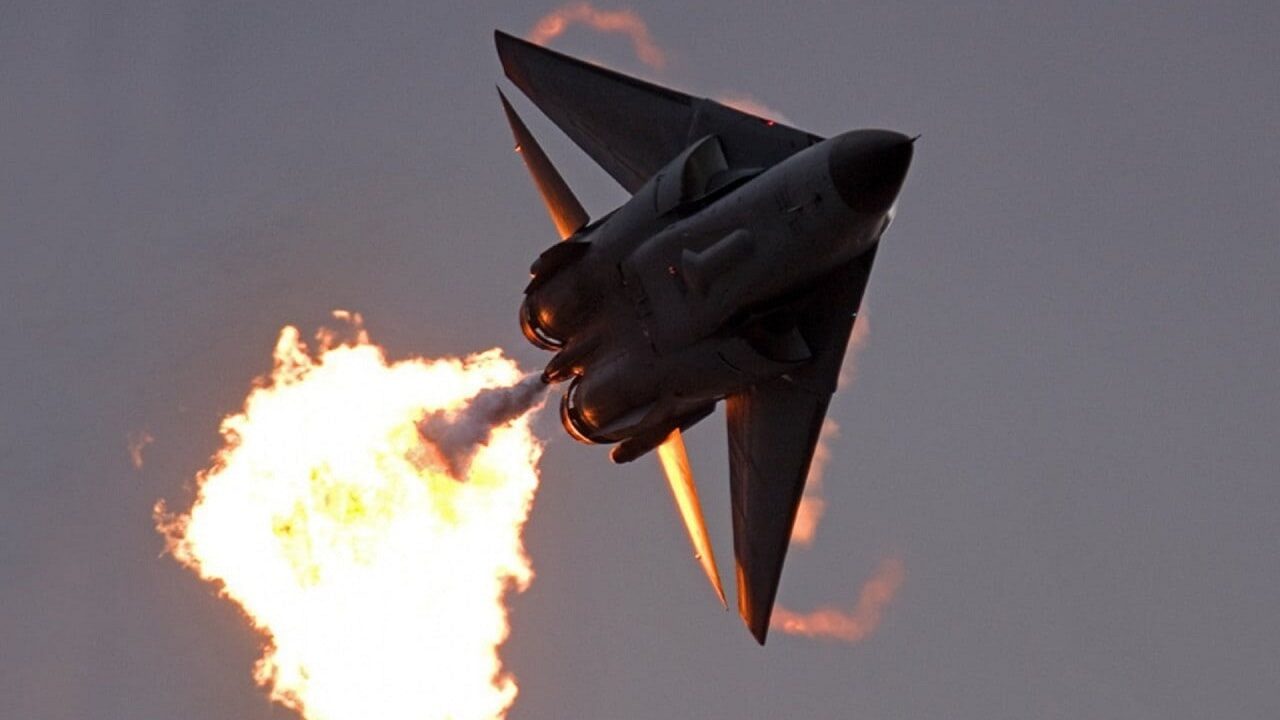
F-111. Image Credit: Creative Commons.
The Chinese PLAN would be forced to spread its air and missile defenses across a much wider swath of the vast Pacific.
The B-2’s Range Can Hit Anywhere In the World
The B-2 Spirit recently flew to Iran from its home base in Missouri, as it has a 7,000-mile range before refueling. With one just in-flight refueling, the B-2 has a range of 10,000 nautical miles.
This intercontinental range enables it to project air power worldwide and respond to crises quickly.
The B-2 flying from Australian air bases could engage targets anywhere in the region within hours. ASPI noted that “the B-2A is already transitioning to a long-range precision strike role — delivering such weapons as the Joint Air-to-Surface Standoff Missile (Extended Range) with which it was integrated in 2022.
“Maritime strike was a particular focus of the B-2A’s participation in last year’s RIMPAC exercises, when it demonstrated the use of modified JDAM gravity bombs as low-cost ship-sinkers. These are capabilities the Royal Australian Air Force (RAAF) already fields.”
Stealth Features, While Older, Are Still Viable
The B-2 Spirit’s stealth characteristics, or low-observable technologies, are designed to make the aircraft harder to detect.
When you couple the B-2 Spirit’s ability to reduce acoustic, infrared, electromagnetic, visual, and radar signatures with a high aerodynamic flying wing design, special coatings, and composite materials, you get a potent and unique capability able to penetrate the most sophisticated enemy defenses and hold at risk high-value, heavily defended targets.
The B-2 features Gen-1 stealth technology, which dates from the 1980s and 90s.
This technology is still effective, as seen during the B-2’s June airstrikes inside Iranian airspace. The B-2 was built with stealth optimization merely from the front, whereas it was much more detectable from the rear.
This stealth profile allows it to penetrate the most sophisticated air defenses unnoticed.
High Payload Capacity
The B-2 Spirit can carry a maximum of 40,000 pounds (20 tons) of weapons, including smart bombs, bunker busters, and nuclear weapons.
This significant payload capacity allows it to carry a heavy and diverse mix of ordnance on a single mission, including up to 80 500-pound-class Mk 82 JDAM GPS-guided bombs or 16 2,400-pound B83 nuclear bombs.
Australia Could Use The B-2 As A Bridge Bomber
The B-2 is still one of, if not the, stealthiest bombers in the world (not counting the B-21 Raider, its replacement). However, Australia has already indicated its interest in participating in the B-21 Raider program.
Australia’s Defense Strategic Review from 2023 stated that the defense ministry “has undertaken detailed discussions in Australia and the United States in relation to the B-21 Raider as a potential capability option for Australia.” However, it didn’t disclose when these discussions took place.
The acquisition of B-21s would be cheaper than the AUKUS nuclear submarines and would be able to adapt and react to issues faster than the submarines. However, given the low production rate, it will take time for the US to reconstitute its bomber force with B-21s.
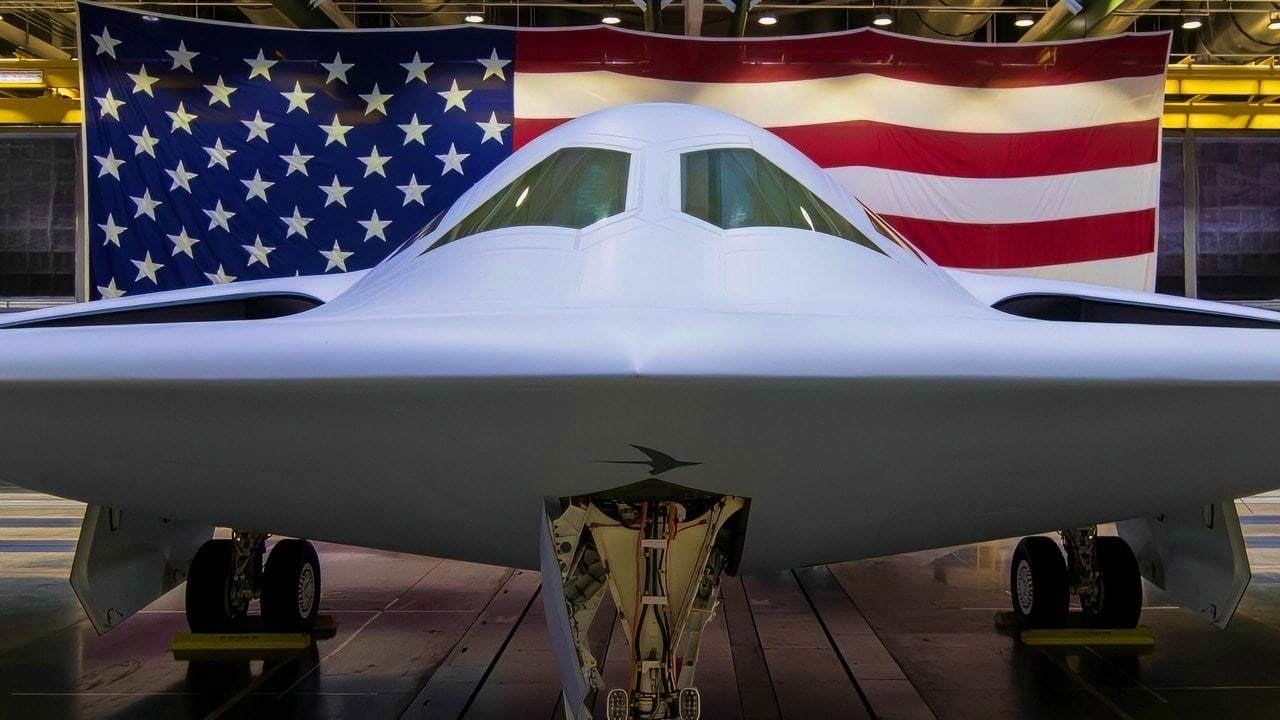
The B-21 Raider was unveiled to the public at a ceremony December 2, 2022 in
Palmdale, Calif. Designed to operate in tomorrow’s high-end threat environment, the B-21 will play a critical role in ensuring America’s enduring airpower capability. (U.S. Air Force photo)
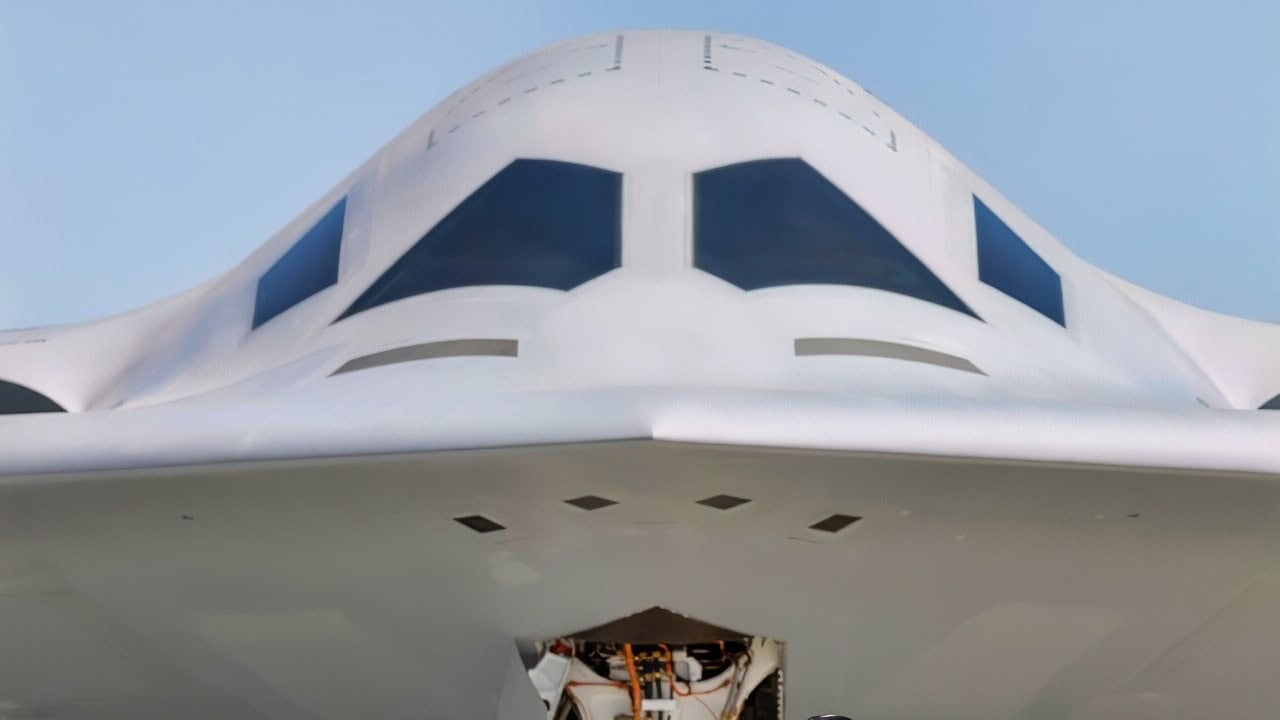
U.S. Air Force Airmen with the 912th Aircraft Maintenance Squadron prepare to recover the second B-21 Raider to arrive for test and evaluation at Edwards AFB, Calif., Sept. 11, 2025. The arrival of a second test aircraft provides maintainers valuable hands-on experience with tools, data and processes that will support future operational squadrons. (U.S Air Force photo by Kyle Brasier)
But the B-2 Spirit would serve as an outstanding bridge bomber, giving Australia a stealth capability it’s never had, while revitalizing the bomber fleet and keeping it viable for the next few decades. And it would be a great transition for Australia to eventually join the B-21 Raider program.
It won’t be cheap. Maintaining the B-2s is very costly. But the benefits to the US and our allies in protecting Australia’s territory from China would be vast.
About the Author: Steve Balestrieri
Steve Balestrieri is a National Security Columnist. He served as a US Army Special Forces NCO and Warrant Officer. In addition to writing on defense, he covers the NFL for PatsFans.com and is a member of the Pro Football Writers of America (PFWA). His work was regularly featured in many military publications.