
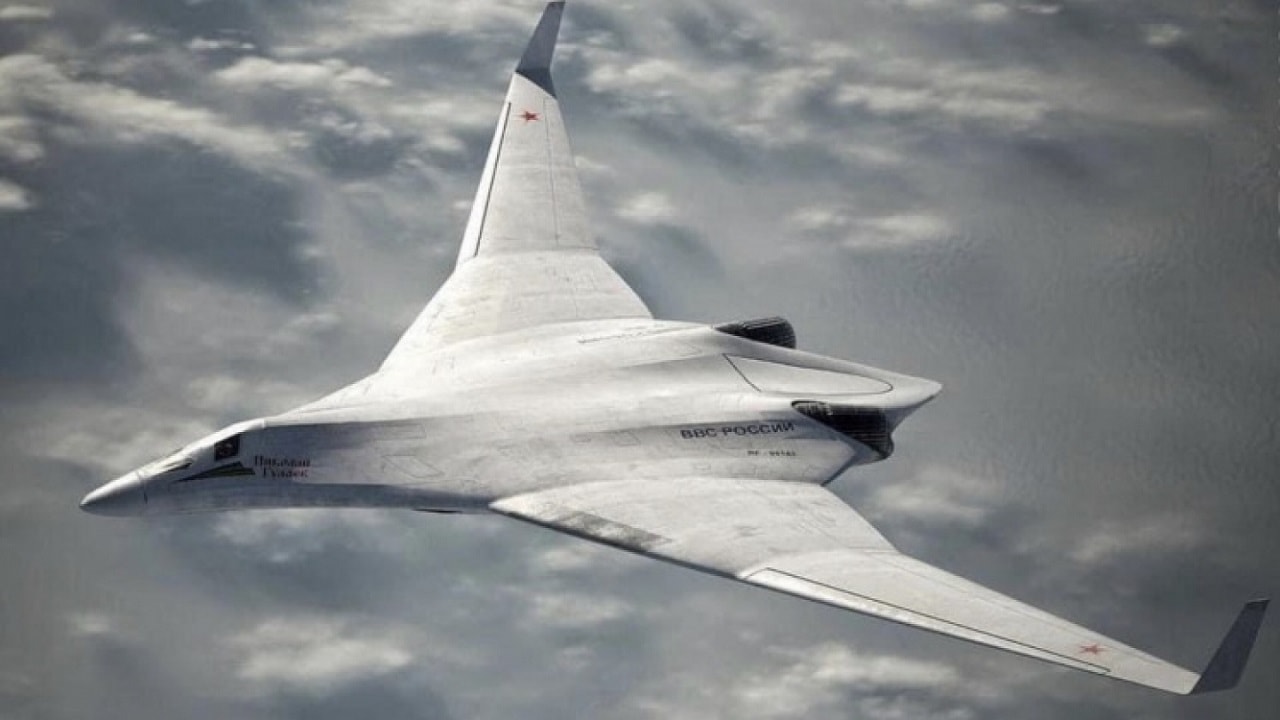
Key Points and Summary – Russia’s PAK DA is pitched as a next-generation, subsonic stealth bomber meant to replace aging Tu-95s and complement upgraded Tu-160Ms.
-On paper, it sounds like Russia’s answer to America’s B-21 and the broader shift toward survivability over speed.
-In reality, the program remains opaque: no confirmed prototype, constantly slipping timelines, and major unknowns about engines, avionics, and true low-observable performance.
-Strategically, PAK DA fits Russia’s cruise-missile “missile truck” approach and helps preserve the nuclear triad.
-But absent production at scale—and under sanctions and wartime strain—it remains more aspiration than certainty.
Will Russia’s PAK DA Ever Fly, or Is It Just a Paper Bomber?
The PAK DA is Russia’s planned next-generation strategic bomber, intended as a successor to the Tu-95 and a supplement to the Tu-160M.
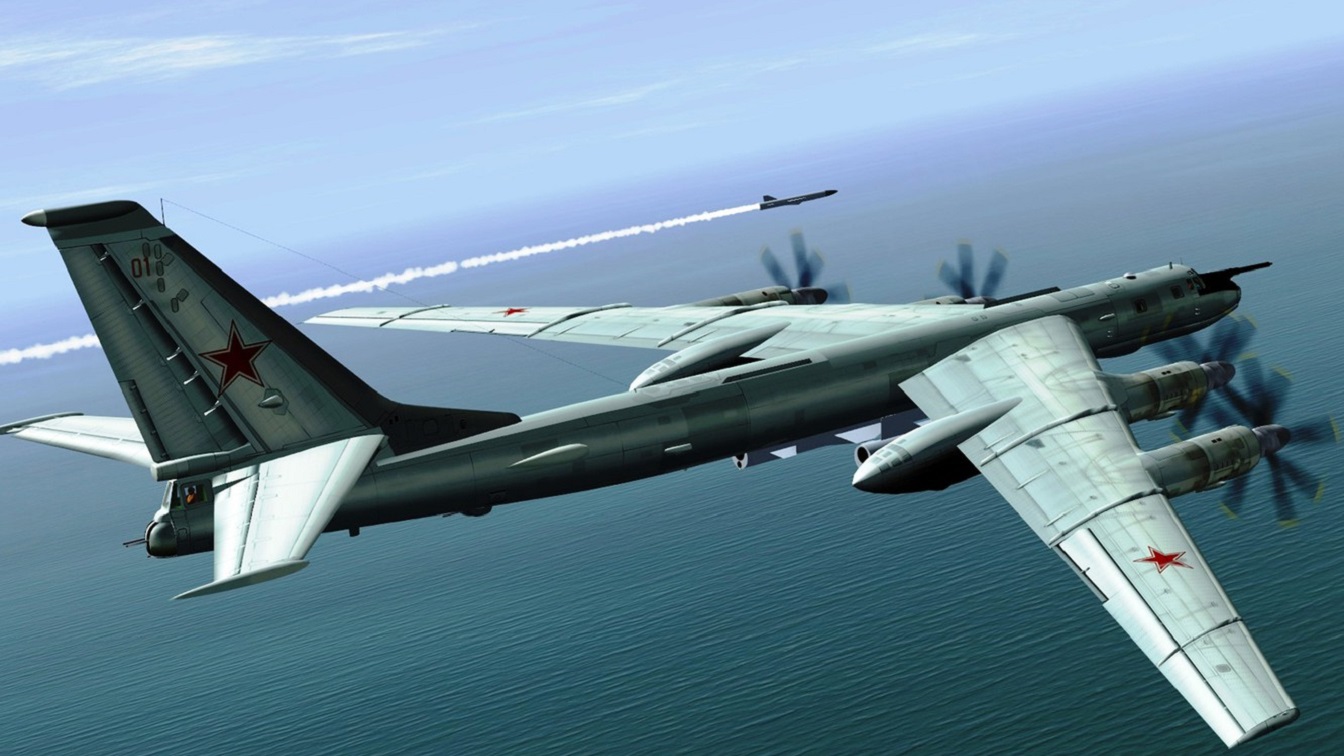
Tu-95MS. Computer generated image. Image Credit: Creative Commons.

Tu-95. Image Credit: Creative Commons.
The PAK DA is regularly referenced in Russian defense statements, yet no hardware is known to exist.
So the obvious question becomes, is the PAK DA a legitimate future program?
Will the thing ever fly?
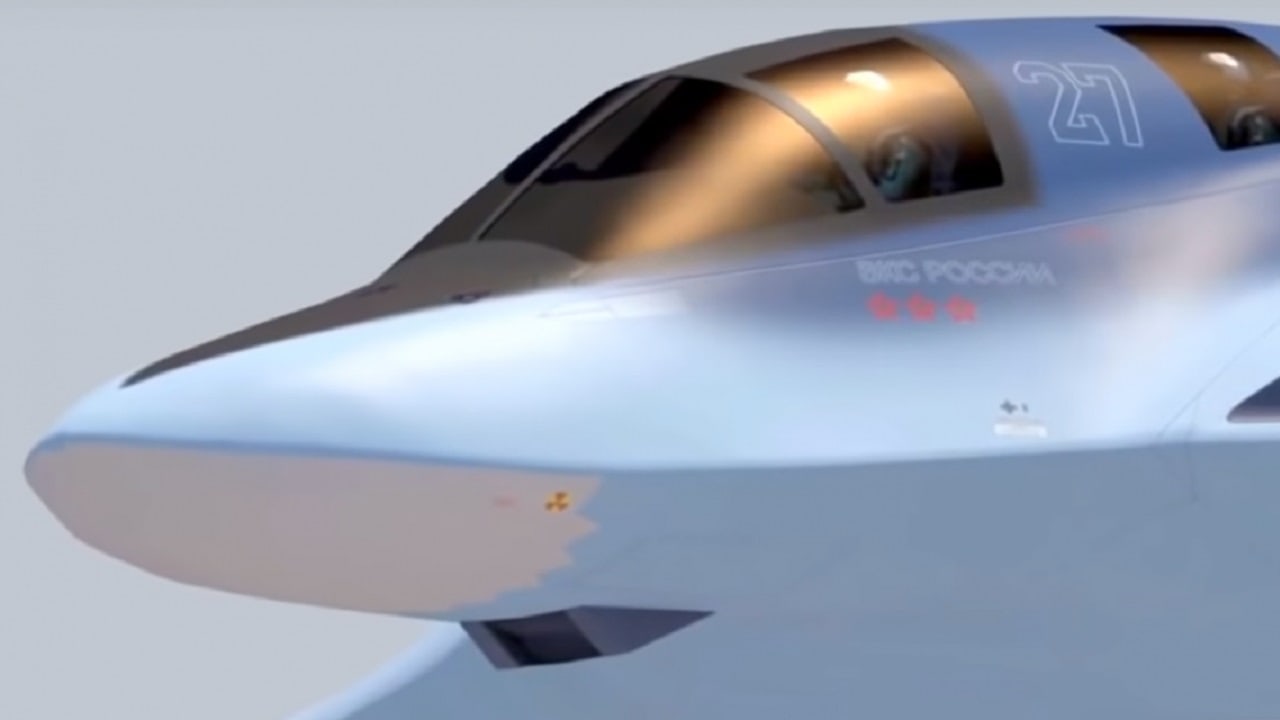
PAK DA Bomber. Image Credit: Artist Rendition/Creative Commons.
The relevance of the question is heightened as the US rolls out its next-generation strategic bomber, the B-21 Raider, and as Russia’s war with Ukraine rolls into its fifth year.
Meet the PAK DA Stealth Bomber
The PAK DA is conceptualized as a subsonic, long-range, stealth-oriented bomber. Presumably, the aircraft will feature a flying-wing or blended-wing-body design, comparable to the B-2 and B-21 (and the rumored Chinese H-20).
The PAK DA is understood to emphasize low observability and endurance rather than speed, reflecting a Russian doctrinal shift away from the speed-centric Tu-160 bomber and towards survivability in contested air spaces.
The shift mirrors a general trend, with stealth becoming the priority over speed in response to increasingly sophisticated air defense networks.
The PAK DA effort also mirrors the Western strategic bomber evolution, from the B-1B to the B-2 and B-21, signaling an implicit acknowledgment that the Americans are correct in their design philosophy and that modern air defenses render non-stealth platforms non-viable.
Tech Specs on Russia’s Stealth Bomber
The technical specifications of the PAK DA are all speculative; the aircraft’s existence is not even confirmed, so specific technical data is obviously unavailable. But unverified claims hold that the PAK DA will feature a flying-wing configuration, internal weapons bays, and be optimized for long-endurance intercontinental missions.
For propulsion, the PAK DA may rely on a modified NK-32 derivative or next-gen turbofan. The payload will likely include nuclear and conventional cruise missiles.
But unknowns persist.
The radar cross-section (RCS) performance, fundamental to the platform’s viability, is unknown; sensor fusion and avionics maturity is unknown; engine efficiency and reliability is unknown. No confirmed prototypes have ever been sighted. And the timeline has repeatedly slipped from the early 2020s to the mid 2020s to the late 2020s or later—suggesting the aircraft may never fly at all.
Does the Russian Air Force Need the PAK DA?
Russia has an aging bomber fleet. The prop-driven Tu-95 airframes date to the Cold War. The Tu-160 is expensive and only available in limited numbers. Yet, Russia wants to preserve its nuclear triad capability and maintain a credible long-range strike option. Russia also employs a cruise-missile-centric strategy, using bombers as missile trucks, operating in a stand-off configuration. The PAK DA fits this model.
And perhaps as importantly, the PAK DA offers symbolic significance, the idea that Russia has parity with the US, at least with respect to bomber modernization. That parity is unlikely, however. The US is the only nation on Earth that has ever successfully fielded a stealth bomber.
And even the US, operating with a more robust and mature aerospace sector, without international sanctions, without the burden of a next-door attrition war, has only fielded about 20 stealth bombers to date—a small fleet which suffered from runaway operational costs and was never produced at a scale enough to disperse monumental research and development costs.
Point being, the Russians are not well-positioned to succeed in such a significant industrial undertaking, at least not on anything like the Americans’ terms.
Operational Applications
If the Russians were able actually to field the PAK DA, the mission profile would likely include deep-strike cruise missile launches and nuclear deterrence patrols.
The platform would not be used for high-tempo conventional bombing. The PAK DA would operate from Russian territory under heavy air-defense cover, likely with a complement of drones and hypersonic missiles.
The Stealth Bomber Bottom Line for Russia
Strategically, the PAK DA’s arrival would be significant, marking Russia’s first actual stealth bomber.
If the platform were capable as advertised, it would fundamentally alter the deterrence calculus, offering greater survivability against modern IADS and reinforcing a shift toward stand-off warfare and missile-centric strike doctrine.
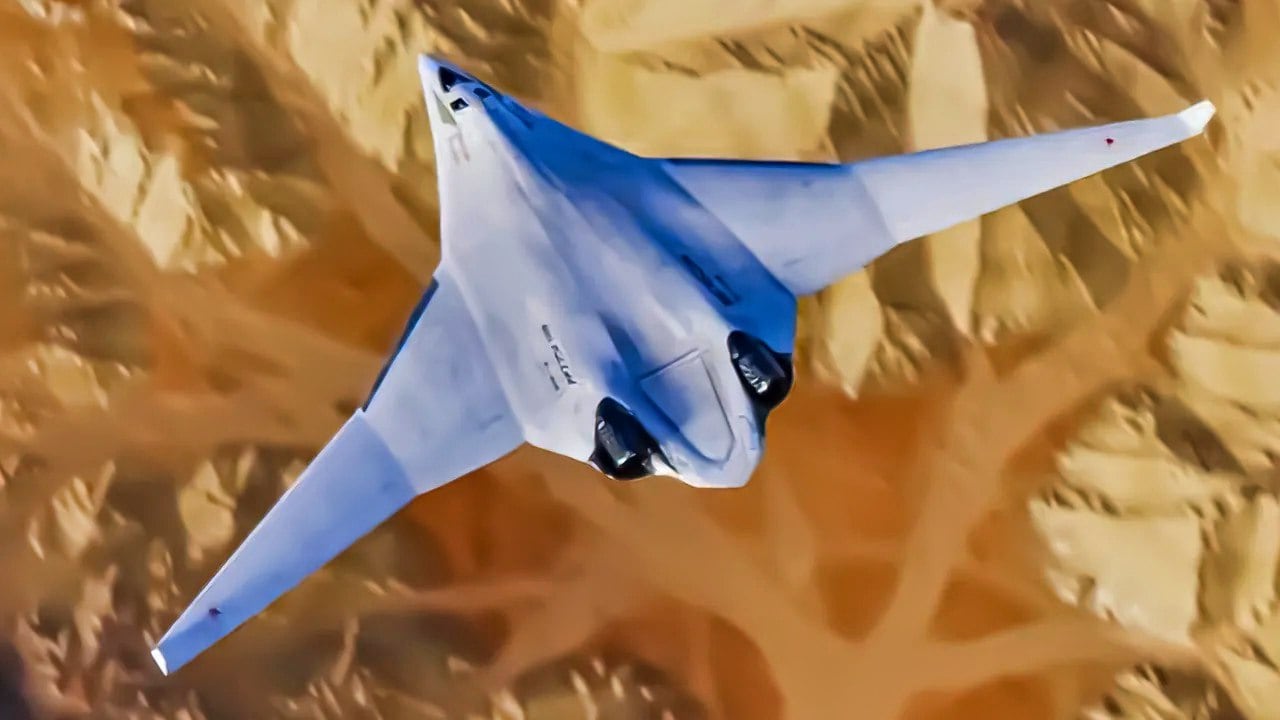
PAK DA Russian Bomber. Image Credit: Creative Commons.
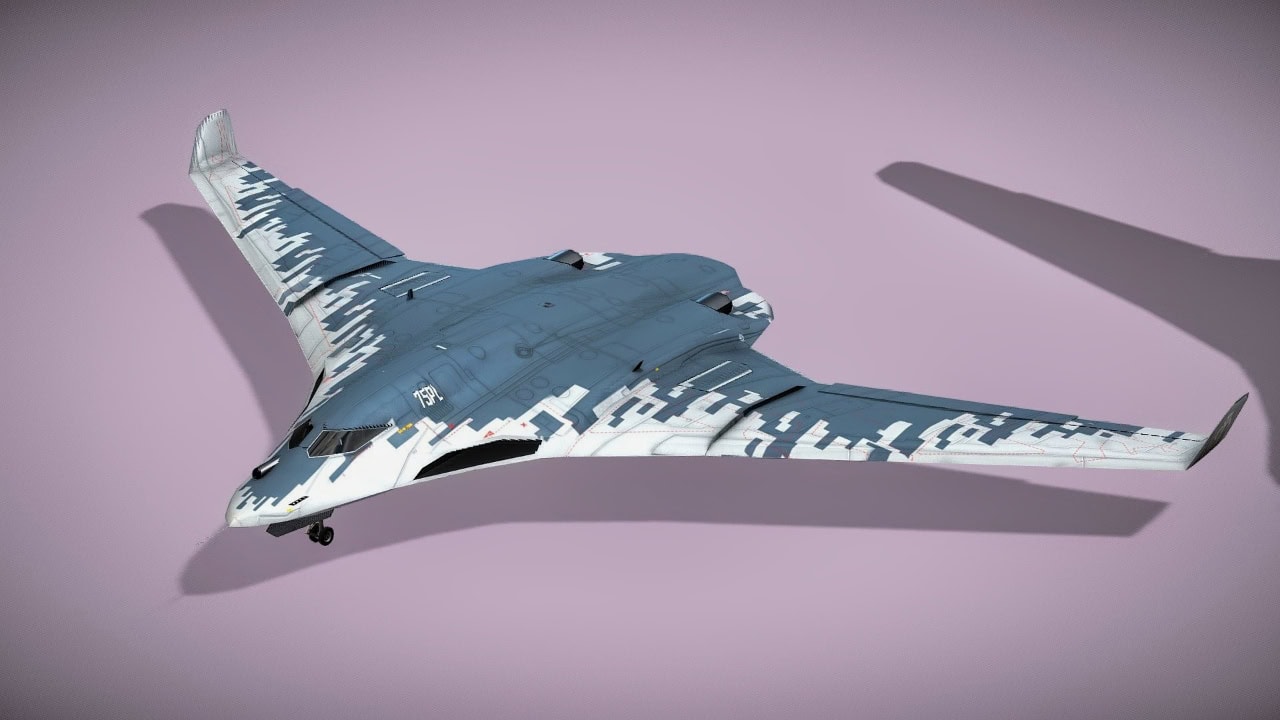
PAK DA Stealth Bomber Russia.
The PAK DA would also demonstrate Russia’s continued commitment to a nuclear triad. But the program would mean little if the PAK DA were not produced at scale.
And given Russia’s structural challenges, namely sanctions and a war-stretch industrial capacity, plus Russia’s long development cycles, the chances of a full-scale PAK DA ever being fielded are low.
The platform may fly eventually, but is likely to be fielded slowly and in small numbers. For the time being, consider the PAK DA an aspiration rather than a certainty.
About the Author: Harrison Kass
Harrison Kass is an attorney and journalist covering national security, technology, and politics. Previously, he was a political staffer and candidate, and a US Air Force pilot selectee. He holds a JD from the University of Oregon and a master’s in global journalism and international relations from NYU.