
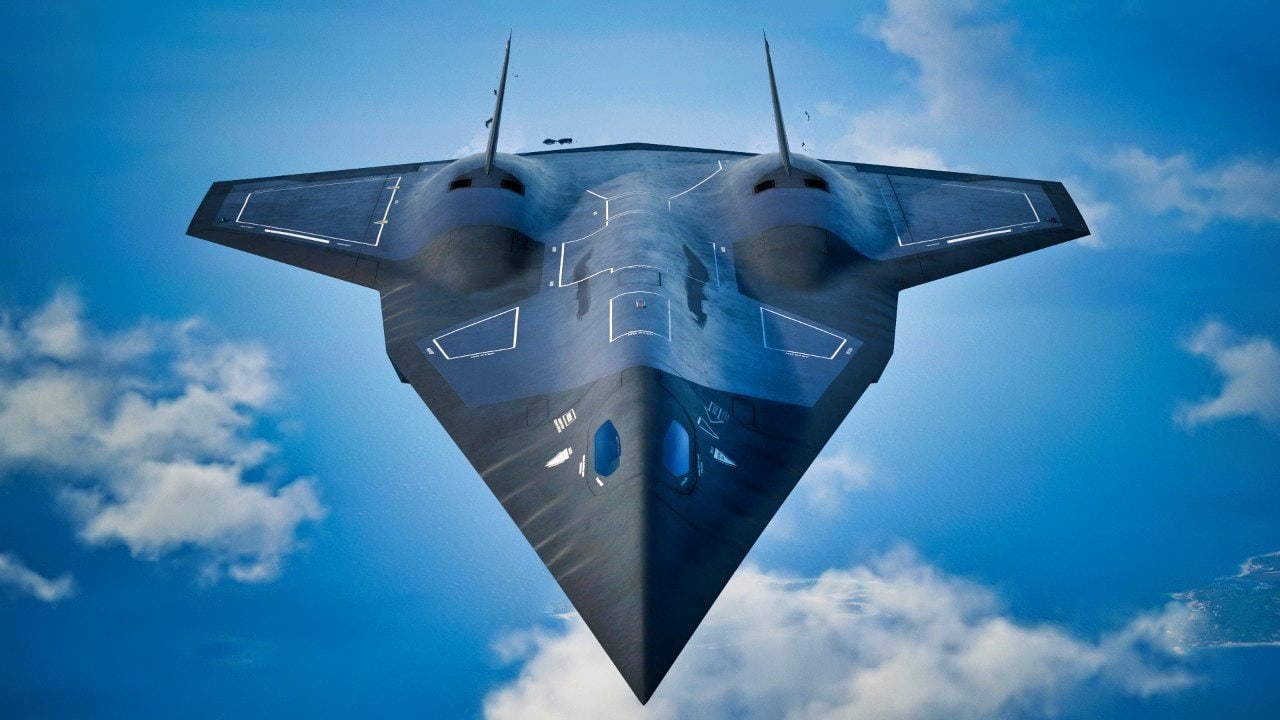
Summary and Key Points: Russian officials pitch the MiG-41 as a revolutionary successor to the MiG-31—Mach 4–5 speed, near-space altitudes, and even hypersonic-missile interception.
-The concept fits Russia’s geography and point-defense doctrine, especially for Arctic airspace. But the technical hurdles are enormous.
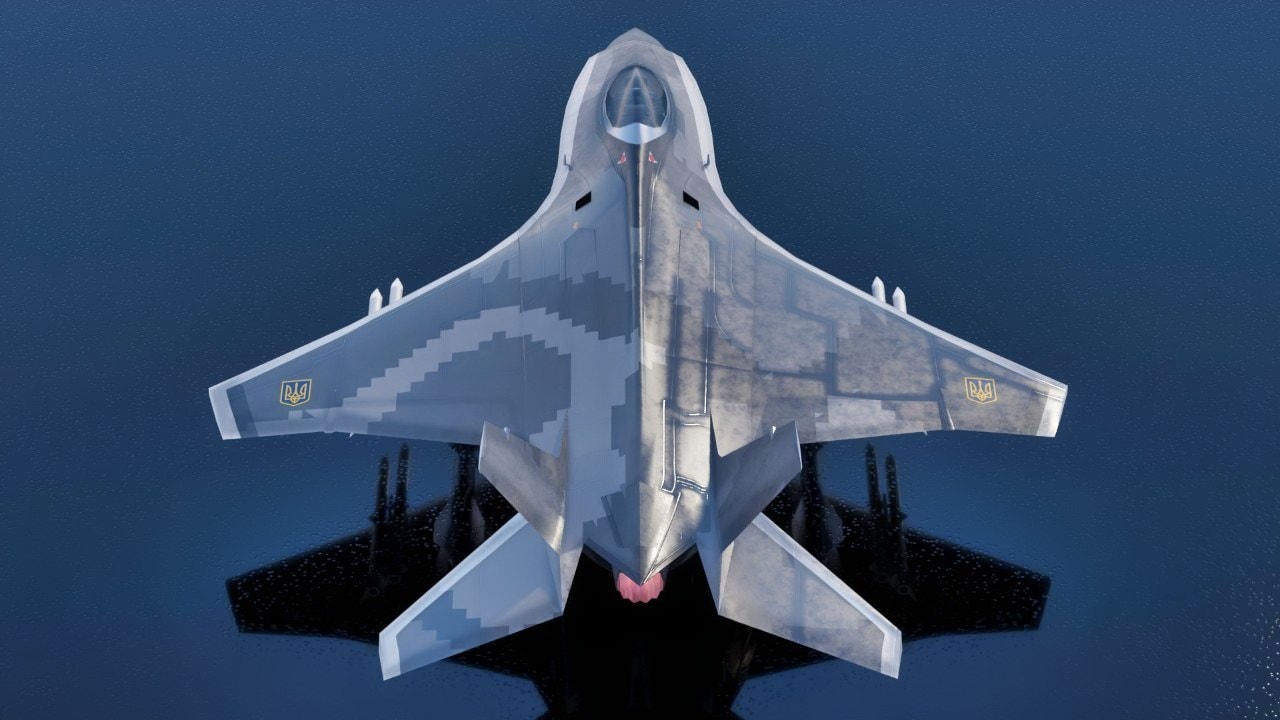
MiG-41 Fighter. Image Credit: Artist Rendition.
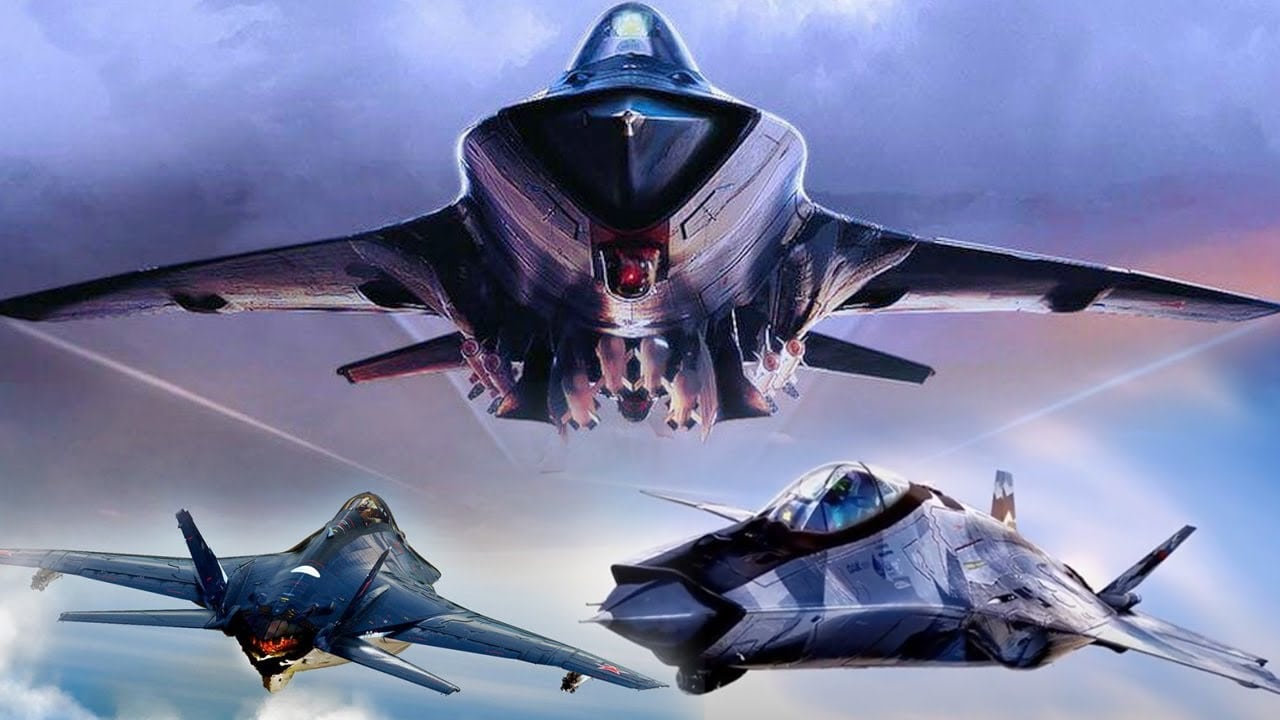
MiG-41. Image Credit: YouTube Screenshot.
-Sustained Mach 4+ flight demands exotic engines, materials, and thermal management that would strain even top-tier aerospace industries.
-Hypersonic interception also depends on persistent tracking and networked sensor fusion—areas where capability gaps and production friction matter.
-With sanctions, budgets, workforce constraints, and slow output on advanced jets, the MiG-41 reads more like strategic signaling than a credible near-term fielded aircraft.
MiG-41: Russia’s Mach 5 “Super Interceptor”—Real Program Or Pure Signaling?
Russian officials periodically tout the future MiG-41 as a revolutionary interceptor platform capable of Mach 4-5 speed, near-space altitudes, and hypersonic-missile interception.
These are ambitious capabilities for any nation—especially one facing severe sanctions and war-strained industrial output.
And when considering Russia’s inability to mass-produce the Su-57 Felon, Moscow’s claims about the MiG-41’s viability seem far-fetched. Is this a real next-generation aircraft, or just a signaling exercise divorced from industrial reality?
Meeting Russian needs
Russia’s air force has a variety of needs. It wants to replace the aging MiG-31 fleet, defend Russia’s vast northern and Arctic airspace, counter hypersonic weapons, produce high-altitude Intelligence, Surveillance, and Reconnaissance (ISR) platforms, and deliver long-range bombs.
The MiG-41, a Mach 4-5 interceptor, could address these needs while remaining consistent with Russia’s geographic realities and defensive doctrines.
The Russians, and the Soviets before them, have a long history of fielding extreme interceptors. The MiG-25 prioritized speed and altitude. The MiG-31 optimized sensors and missile reach. The MiG-41 is being presented as a logical continuation of that lineage. But earlier successes occurred under very different industrial and political conditions.
Technical ambitions
Doubt is natural for any program as technically ambitious as this one. MiG-41 speeds are often cited in the Mach 4-5 range—faster than anything the Russians have ever fielded. It claims a near-space operational ceiling—again, beyond anything Russia has ever flown.
The platform is also said to have new engines capable of sustained hypersonic flight; advanced sensors to detect low-observable or hypersonic targets; and long-range intercept missiles as primary armament. This all sounds too good to be true, and producing such a beast would be a staggering industrial challenge even for more capable military-industrial pipelines.
99 problems
The central obstacle for the MiG-41 is the engine. Sustained Mach 4+ flight requires exotic materials and extreme thermal management. Nothing in the current Russian inventory even comes close. Russia struggles to produce reliable modern turbofans at scale.
Indeed, the engine development alone, for something like the MiG-41, would likely take decades.
But the engine is just one of many problems. Hypersonic flight generates extreme structural heat, which means airframe materials must withstand prolonged thermal stress. Cooling requirements add weight and complexity. The physics problem is extremely expensive.
Russia is unlikely to have the sensors capable of keeping up with the demands of a platform like the proposed MiG-41. Hypersonic intercept requires persistent tracking and networked sensors. Russia’s ISR and sensor-fusion capabilities lag behind the U.S. and China, and an interceptor is only as good as the targeting data that feeds it.
Industrial constraints
The Russian aerospace sector is not well positioned to undertake such an ambitious program. Sanctions, shrinking budgets, talent drain, and production bottlenecks reduce the likelihood of success. Even incremental improvements to fighters face delays and setbacks. A clean-sheet hypersonic interceptor would be far harder to pull off, and is frankly beyond the capacity of the Russian aerospace sector.
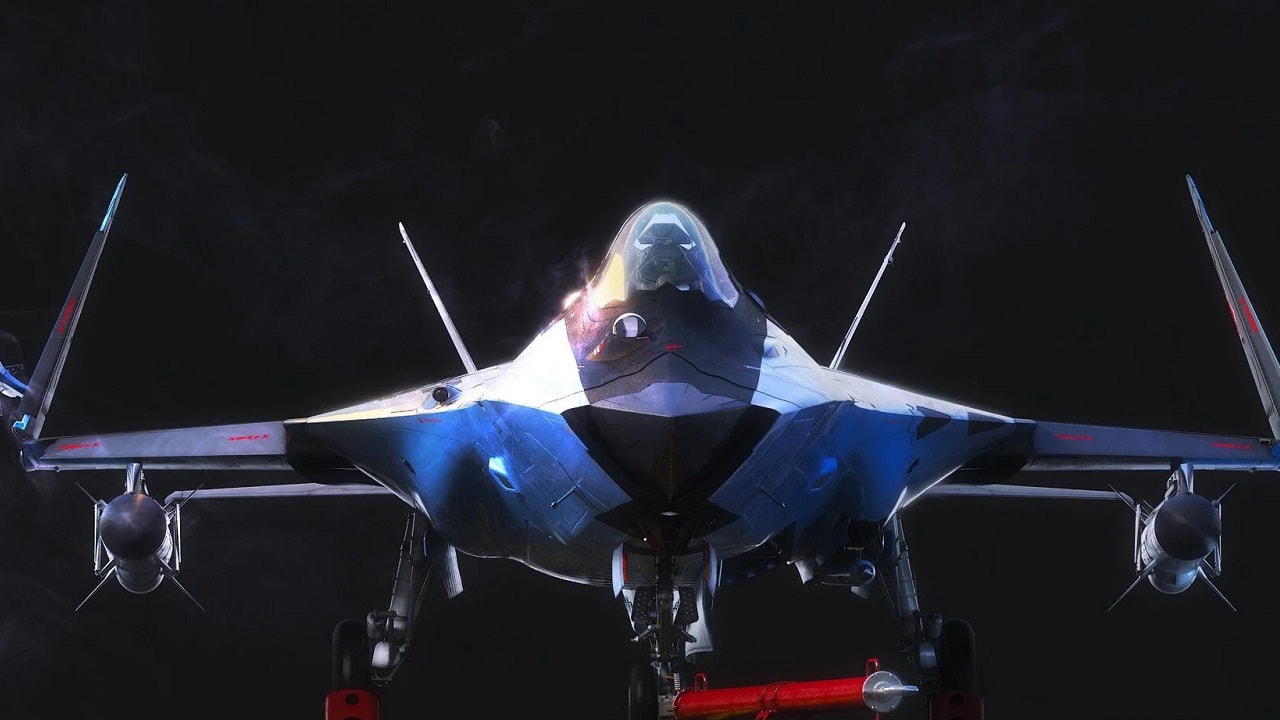
MiG-41 Artist Rendering. Image Credit: Creative Commons.
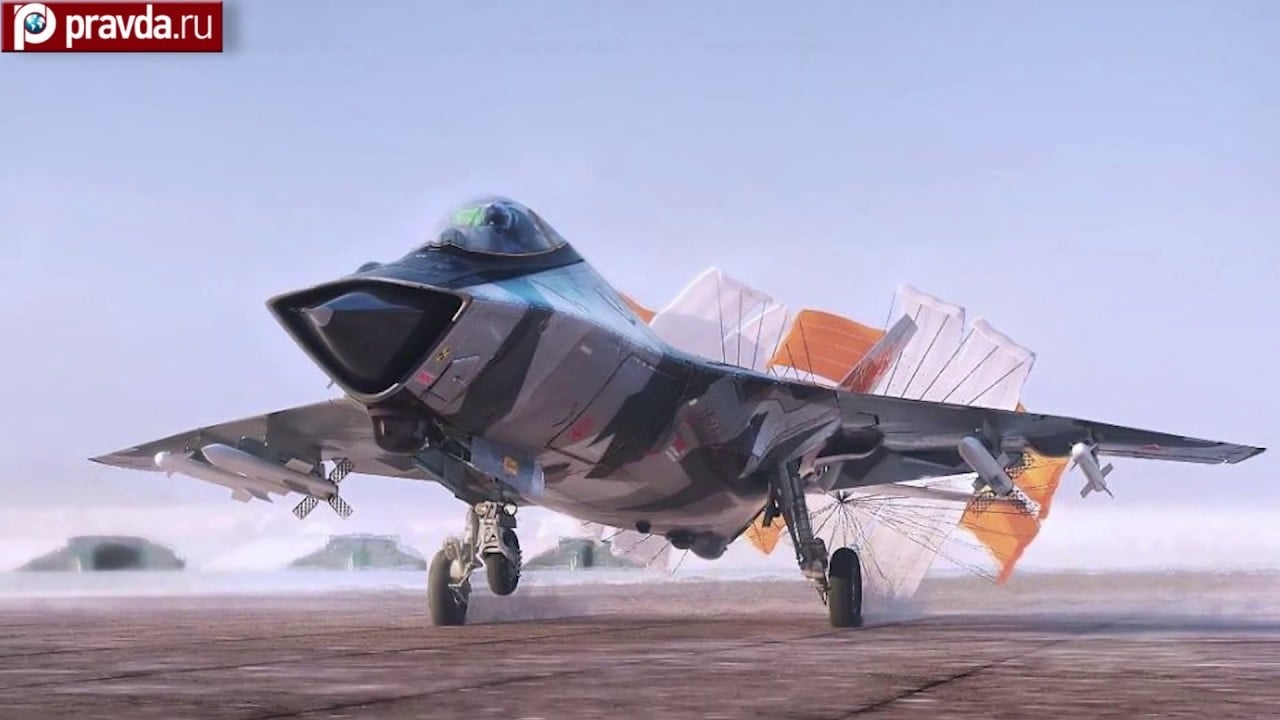
MiG-41 image. Image Credit: Russian State Media.
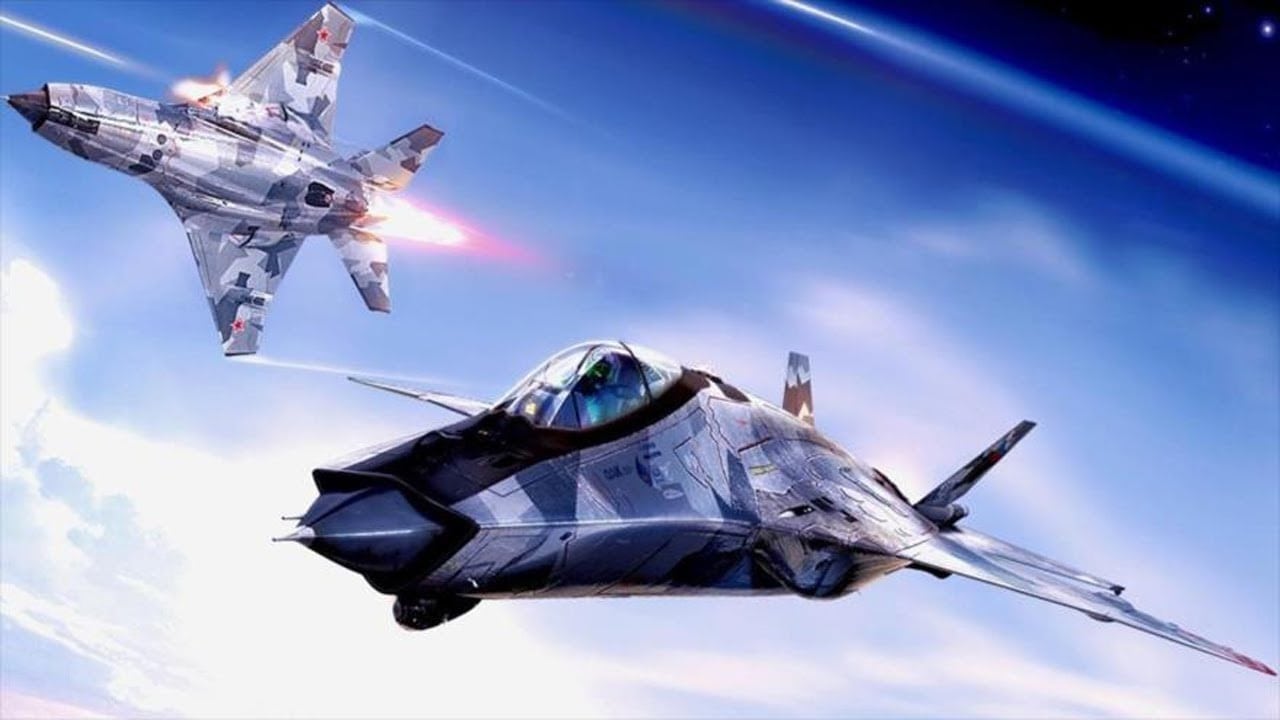
MiG-41 or PAK DP Screenshot from YouTube.
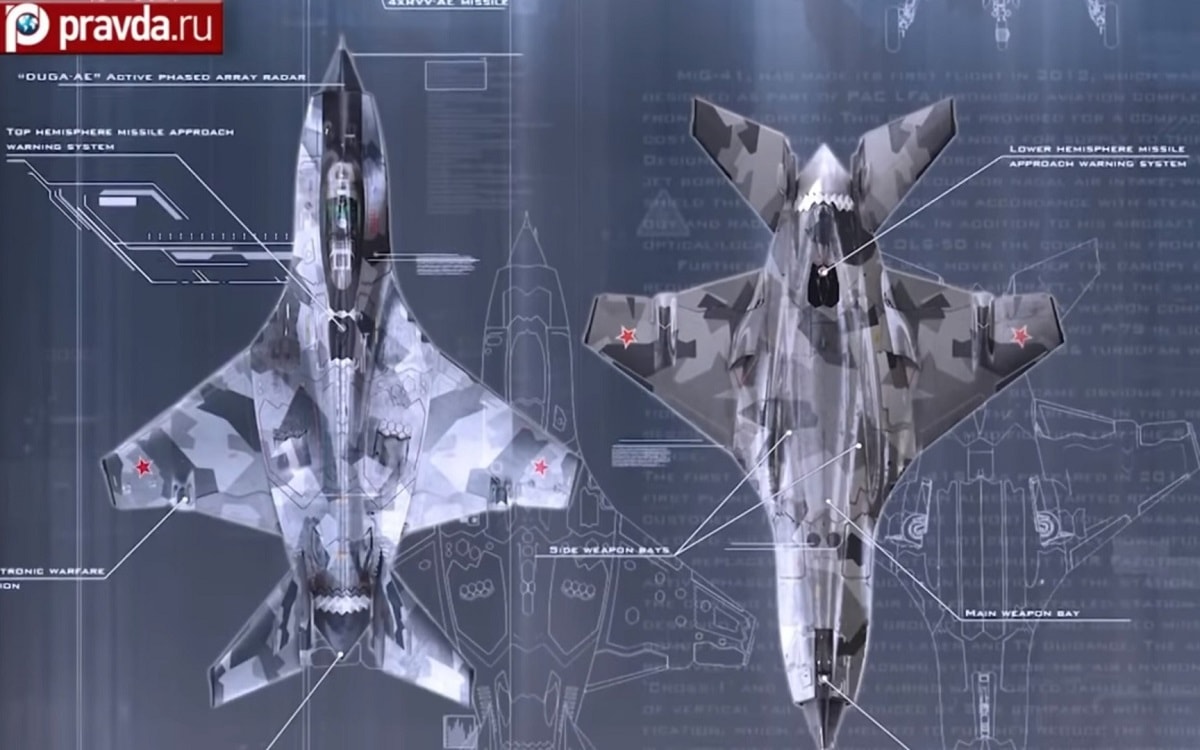
Image: Russian Media/Screenshot. MiG-41.
Tactical utility
Even if the Russians pulled off the MiG-41, the platform would be rare, expensive, and high-maintenance.
The type would participate in limited sorties defending a narrow mission set. It would not be used to achieve broad air superiority. So it would be a lot of effort and investment for a platform that serves a niche function.
Strategically, Russia emphasizes point defense over power projection. The MiG-41 fits Russia’s defensive rhetoric, especially for Arctic signaling. But modern air defense increasingly favors integrated surface-to-air missile networks, distributed sensors, and missiles over manned speed.
Healthy skepticism
Don’t count on a MiG-41 platform anytime in the near future.
No prototype has ever been publicly confirmed. No engine has ever been demonstrated. No production timeline is credible.
The repeated announcements resemble political messaging, not engineering milestones. The MiG-41 will likely remain a technology demonstrator or a paper project—maybe it will result in a very limited prototype program.
The more likely outcome is that Russia invests in incremental upgrades to the MiG-31, or in missile and air defenses.
The MiG-41 is a vision of what Russia wants to build, but not something that should be taken too seriously.
About the Author: Harrison Kass
Harrison Kass is an attorney and journalist covering national security, technology, and politics. Previously, he was a political staffer and candidate, and a US Air Force pilot selectee. He holds a JD from the University of Oregon and a master’s in global journalism and international relations from NYU.