

Summary and Key Points – A favorite line attributed to Benjamin Franklin—“He That Waits Upon Fortune Is Never Sure of a Dinner”—captures his worldview even if it’s misattributed.
-The idea is blunt: hoping for fate to deliver success is a losing strategy, and ambition only matters when matched with effort, discipline, and thrift.
-Poor Richard’s Almanack, published under Franklin’s “Richard Saunders” persona, popularized a distinctly American ethic of industriousness through sharp, memorable proverbs on money, credit, and small habits that compound over time.
“He That Waits Upon Fortune…”: The Benjamin Franklin Quote He (Probably) Never Said
“He That Waits Upon Fortune Is Never Sure of a Dinner” – Benjamin Franklin (or not?).
This is one of my favorite quotes attributed to Benjamin Franklin. But, like many others, he never actually said this, even though it sounds like something Franklin would say.
In his 1736 work, “Poor Richard’s Almanack,” was a popular annual publication by Franklin (under the pseudonym “Richard Saunders”) from 1732 to 1758, known for its calendar, weather forecasts, and witty proverbs on thrift, industry, and common sense, making it a bestseller in colonial America.
It served as a vehicle for Franklin’s wisdom, offering practical advice and entertainment to the masses, and remains famous for its memorable adages, such as “Early to bed, and early to rise, makes a man healthy, wealthy, and wise.”

Founding Fathers Painting. Image Credit: Creative Commons.
Meaning Of the Quote:
This misattributed quote would have been (if Franklin wrote it) in Poor Richard’s Almanack. It scolds those who sit idly by and wait for fate to bestow upon them wealth without putting forth any personal initiative or hard work.
Having lofty dreams is one thing, and there is nothing wrong with those. But as Franklin believed, dreams mean nothing without the hard work and sweat to see those dreams through.
Poor Richard’s was a powerful vehicle for Franklin’s vision of a frugal, hardworking American, and it offered wisdom to those seeking to better themselves. Some of the other wisdoms that Franklin was quoted in the Almanack include:
“Necessity never made a good bargain.”
“No gains without pains.”
“If you know how to spend less than you get, you have the philosopher’s stone.”
“He that is rich need not live sparingly, and he that can live sparingly need not be rich.”
“Creditors have better memories than debtors.”
“Buy what thou hast no need of, and e’er long thou shalt sell thy necessaries.”
“Keep thy shop, and thy shop will keep thee.”
“Beware of little expenses: a small leak will sink a great ship.”
“The way to be safe is never to be secure.”
“He that can have patience can have what he will.”
“Spare and have is better than spend and crave.”
“Many have been ruin’d by buying good pennyworths.”
“If you’d know the value of money, go and borrow some.
Franklin’s Early Life:
Franklin was born in Boston in 1706 and was apprenticed to his brother, a printer, at age 12. In 1729, Franklin became the colony of Pennsylvania’s official printer of currency.
He began publishing Poor Richard’s Almanack and the Pennsylvania Gazette, one of the colonies’ first and best newspapers. By 1748, Franklin had become more interested in inventions and science than publishing.
He spent time in London representing Pennsylvania in its dispute with England, and later in France. He returned to America in March 1775, with war on the horizon.
He served on the Second Continental Congress and helped draft the Declaration of Independence.
America’s First Ambassador:
During the Revolutionary War, Benjamin Franklin was a key member of the Founding Fathers, serving as a diplomat in France to secure vital military and financial aid.
Franklin helped draft the Declaration of Independence and was a key member of the Committee of Five with John Adams, Roger Sherman, Robert Livingston, and the document’s primary author, Thomas Jefferson, who reviewed and edited Jefferson’s initial draft.

Thomas Jefferson Burial. Image provided by Christian D. Orr/19FortyFive.
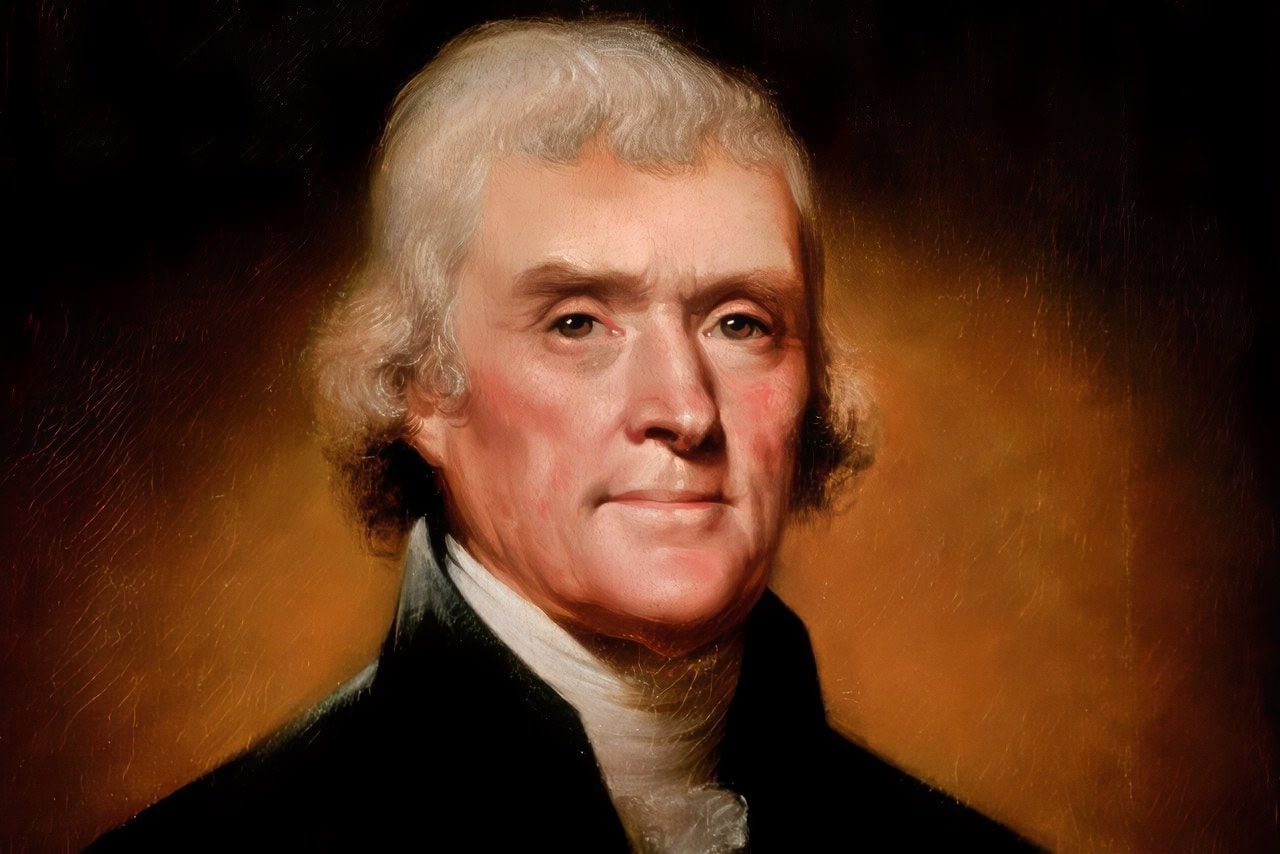
Thomas Jefferson. Image Credit: Creative Commons.

Monticello Thomas Jefferson Original Image. Image by Christian D. Orr/19FortyFive
He famously changed “sacred and undeniable” to “self-evident” to ground rights in reason, and he was also one of the few Founding Fathers to sign the Declaration of Independence, the Treaty of Paris, and the Constitution. He helped shape the document’s language, removing controversial passages.
Franklin Convinced France To Support The Fledgling Democracy
Franklin was a delegate to the Continental Congress. It helped organize defenses and militia during the French and Indian War, where the first inkling of independence was born out of necessity, embodying the spirit of the Enlightenment and New World ideals.
In 1754, he used his press to circulate the famous “Join or Die” cartoon to rally the colonies against the French. While at the congress, Franklin proposed the Albany Plan, which failed at the time but later inspired the Articles of Confederation and the unification of the colonies.
Franklin was the US’s diplomat in France (1776-1785). Appointed as America’s representative. Franklin’s popularity and skill charmed French society, becoming a popular figure for the Americans in Europe.
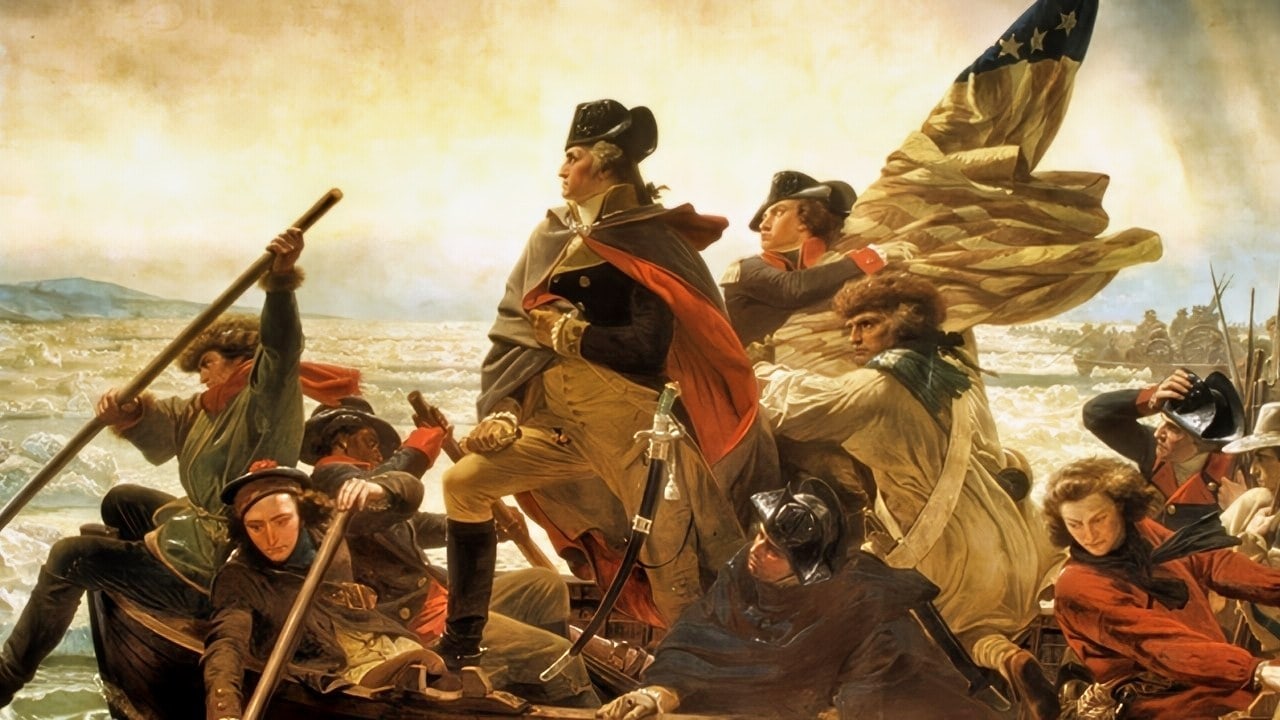
General George Washington. Image Credit: Creative Commons.
His persuasive diplomacy and international renown after the first American battlefield success at Saratoga convinced France to recognize American independence and conclude an alliance with the thirteen American states in 1778.
He died in Philadelphia in 1790.
About the Author: Steve Balestrieri
Steve Balestrieri is a National Security Columnist. He served as a US Army Special Forces NCO and Warrant Officer. In addition to writing on defense, he covers the NFL for PatsFans.com and is a member of the Pro Football Writers of America (PFWA). His work was regularly featured in many military publications.