

Synopsis: In 2026, retirees can continue to work while collecting Social Security, but strict earnings limits apply for those under their Full Retirement Age (FRA).
-The annual earnings limit for 2026 is $24,480 for those under FRA, with benefits reduced by $1 for every $2 earned above that amount.
-For those reaching FRA in 2026, the limit rises to $65,160, and West Virginia joins the list of states eliminating state taxes on Social Security benefits.
-Once retirees hit their FRA (age 67 for those born in 1960 or later), the earnings cap is removed entirely.
Working After Collecting Social Security In 2026: What Changes Just Dropped?
One of the things that many of us face (here as well) is continuing to work after receiving Social Security payments.
It is a fact of life today that things are more expensive, and more and more people are having a hard time getting by on SS and whatever retirement pay comes in.
Many of us continue to work because we have to, and in a few cases, because we still love what we do. However, there are some things that you need to be aware of in 2026, and the rules have changed if you want to work and collect Social Security. As always, if you have questions, the best thing to do is contact the Social Security Administration (SSA).
One of the biggest surprises in life is reaching retirement age. Life goes by in the blink of an eye, and it is shocking to discover, “I’m the same age as old people,” which is what I equated to collecting SS benefits earned over a lifetime.

Social Security Check. Image Credit: Creative Commons.
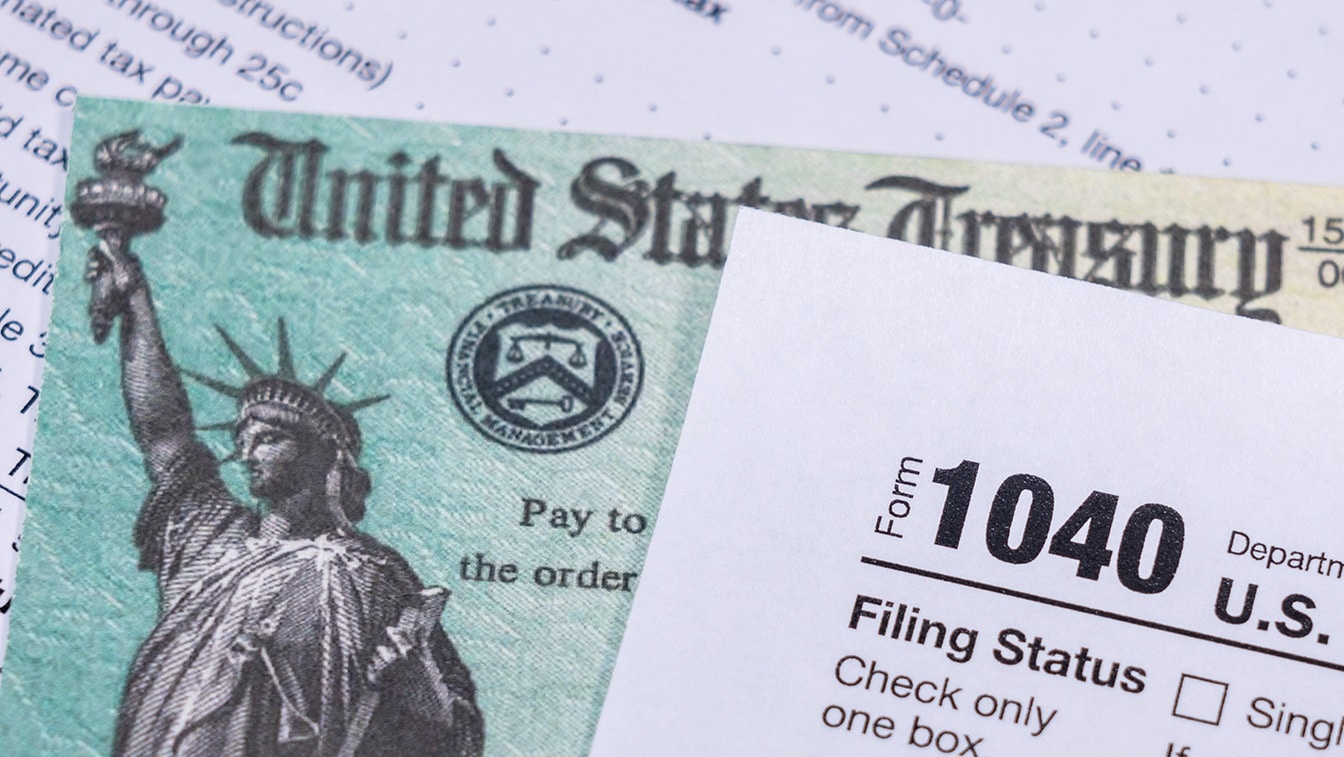
1040 and Social Security Check. Image Credit: Creative Commons.
But many people want to know, can you still work and collect Social Security?
Benefits May Decrease
Yes, you can work and collect Social Security, but your benefits may be reduced if you earn over certain limits before your full retirement age (FRA); once you reach FRA, there’s no limit, and benefits increase to account for past reductions.
Rules involve annual earnings tests, with $1 deducted for every $2 (or $3 in the year you reach FRA) earned over the limit, but those withheld amounts are recalculated back to your benefit later.
Working while collecting Social Security can also increase your income bracket and raise the portion of benefits subject to federal income tax. Higher income can also affect Medicare Part B and Part D premiums through income-related adjustments.
Rules for Working While Collecting Benefits:
Before Full Retirement Age (FRA)-
Earnings limits are something to keep an eye on. If you earn over the annual limit, benefits are reduced. The 2026 limit for the entire year under the FRA is $24,480, with $1 deducted for every $2 earned above that.
The Year You Reach Full Retirement Age-
A higher limit applies to the months before you reach FRA ($65,160 for 2026). $1 in benefits is deducted for every $3 earned over this limit.
At Full Retirement Age (FRA) and Beyond-
There are no earnings limits. You can earn any amount without your benefits being reduced. The Social Security Administration (SSA) recalculates your benefit to give you credit for the months your benefits were withheld, increasing your monthly payment.
What Is the Full Retirement Age?
Full Retirement Age (FRA) for Social Security gradually increased from 66 to 67 depending on your birth year; for anyone born in 1960 or later, the FRA is 67, while those born in the mid-1950s have an FRA between 66 and 67, and benefits can start as early as 62 at a reduced rate.
It can be confusing, but the SSA tried to simplify, and here is their breakdown of the ages now required to collect FRA benefits.
Born 1943–1954: FRA is 66.
Born in 1955: FRA is 66 and 2 months.
Born 1956: FRA is 66 and 4 months.
Born 1957: FRA is 66 and 6 months.
Born 1958: FRA is 66 and 8 months.
Born in 1959: FRA is 66 and 10 months.
Born in 1960, FRA is 67.
Important Considerations To Remember
You must report your earnings to the SSA, especially if you are working outside the US or receiving disability benefits.
Working and collecting Social Security can also affect your federal income taxes; some benefits might become taxable if your combined income is high.
Rules are different for Social Security Disability Insurance (SSDI) and require you to report all earnings during a Trial Work Period.
Ensure that you are aware of your full retirement age. Your exposure to the earnings test depends on your age. Holding off on collecting Social Security for a short time may be worthwhile.
Estimate your annual earnings before you exceed the prescribed limits. Plan part-time hours if needed. Your monthly Social Security payments may be subject to federal and state income taxes. If you are collecting both benefits and work income, consider increasing your withholding to avoid a big tax bill and penalties on April 15.
Nine states also tax some or all of their residents’ Social Security benefits: Colorado, Connecticut, Minnesota, Montana, New Mexico, Rhode Island, Utah, Vermont, and West Virginia. However, West Virginia is ending its state tax on Social Security in 2026.
Use SSA’s online calculators and My Social Security to view how current earnings affect benefits. Report earnings promptly to SSA to avoid incorrect payments and later recovery.
Consult a tax advisor about how additional income changes benefit taxation and Medicare premiums.
About the Author:
Steve Balestrieri is a National Security Columnist. He served as a US Army Special Forces NCO and Warrant Officer. In addition to writing on defense, he covers the NFL for PatsFans.com and is a member of the Pro Football Writers of America (PFWA). His work was regularly featured in many military publications.