

Summary and Key Points – After losing the Air Force’s NGAD sixth-generation fighter contract to Boeing, Lockheed Martin is reportedly exploring a “Ferrari” upgrade for the F-35 Lightning II, aiming to integrate advanced technologies like adaptive engines and next-gen sensors into the existing platform. W
-While the concept promises a potent interim solution using established logistics, critics argue that the F-35’s physical constraints—such as fixed stealth shaping and limited internal volume—make it ill-suited for the air superiority role intended for the NGAD.
-The analysis concludes that a “Ferrari” F-35 risks becoming an overly complex, costly hybrid that dilutes the jet’s core multirole strengths without achieving true sixth-generation performance.
Why Turning the F-35 Into a ‘Ferrari’ With NGAD Tech Might Be a Billion-Dollar Mistake
The “F-35 Ferrari” refers to a radically upgraded version of the F-35 with technologies developed for the US Air Force’s Next Generation Air Dominance (NGAD) program.
As the concept theory goes, Lockheed Martin, of course, lost the NGAD competition to Boeing; but that leaves Lockheed, potentially, with advanced concepts and technologies without near-term platforms, so why not pour those concepts and technologies into the F-35 instead?
The idea sounds appealing; it would upgrade an existing fleet while avoiding a clean-sheet aircraft.
But it raises a critical question: can a fifth-generation fighter be transformed into something fundamentally different?
Losing NGAD
The NGAD is not a single aircraft but a family of systems, centered around the F-47 sixth-generation fighter.
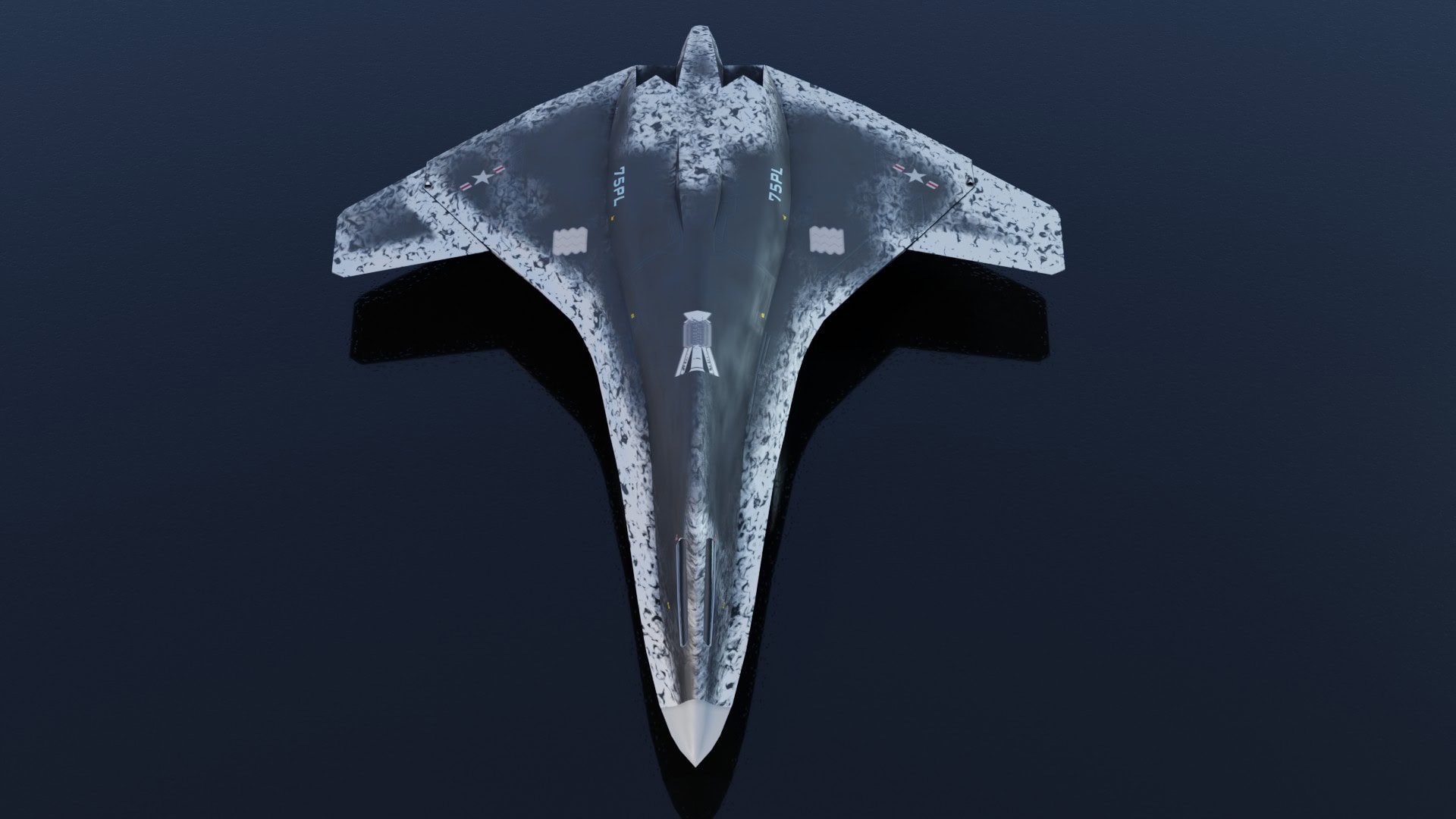
NGAD Fighter Mock Up. Image Credit: Creative Commons.
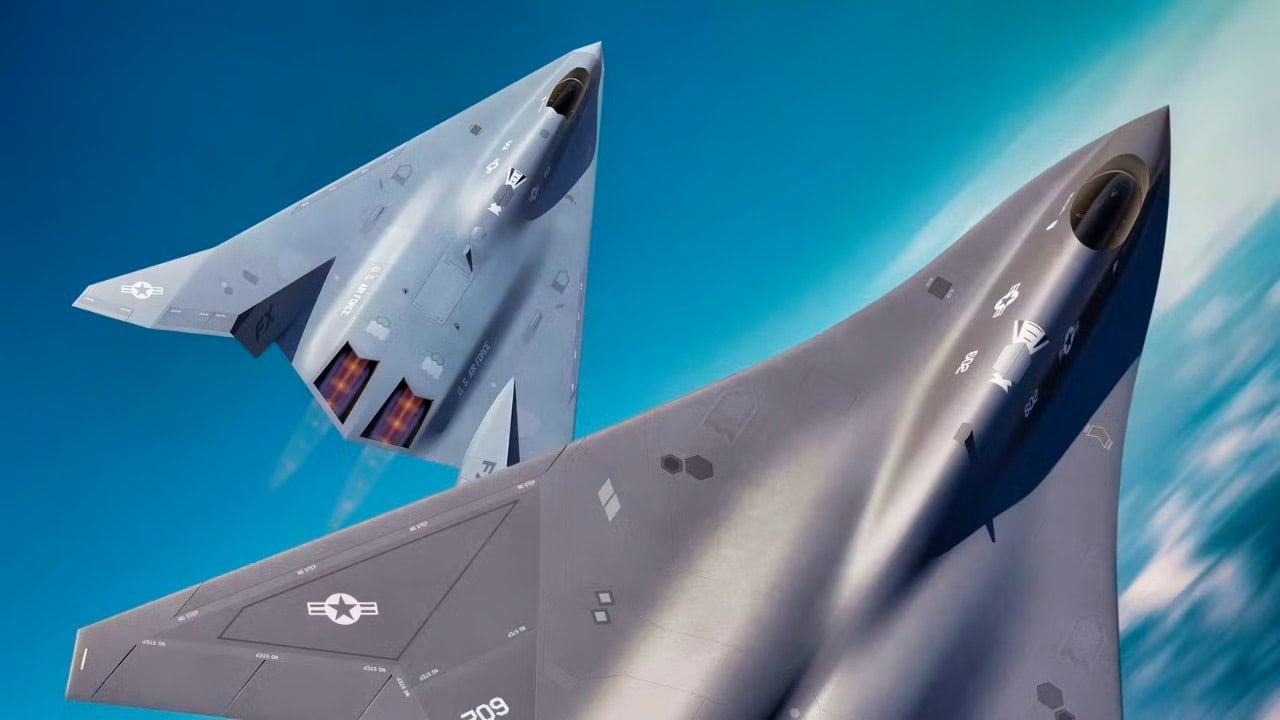
U.S. NGAD Fighter. Artist Rendering.
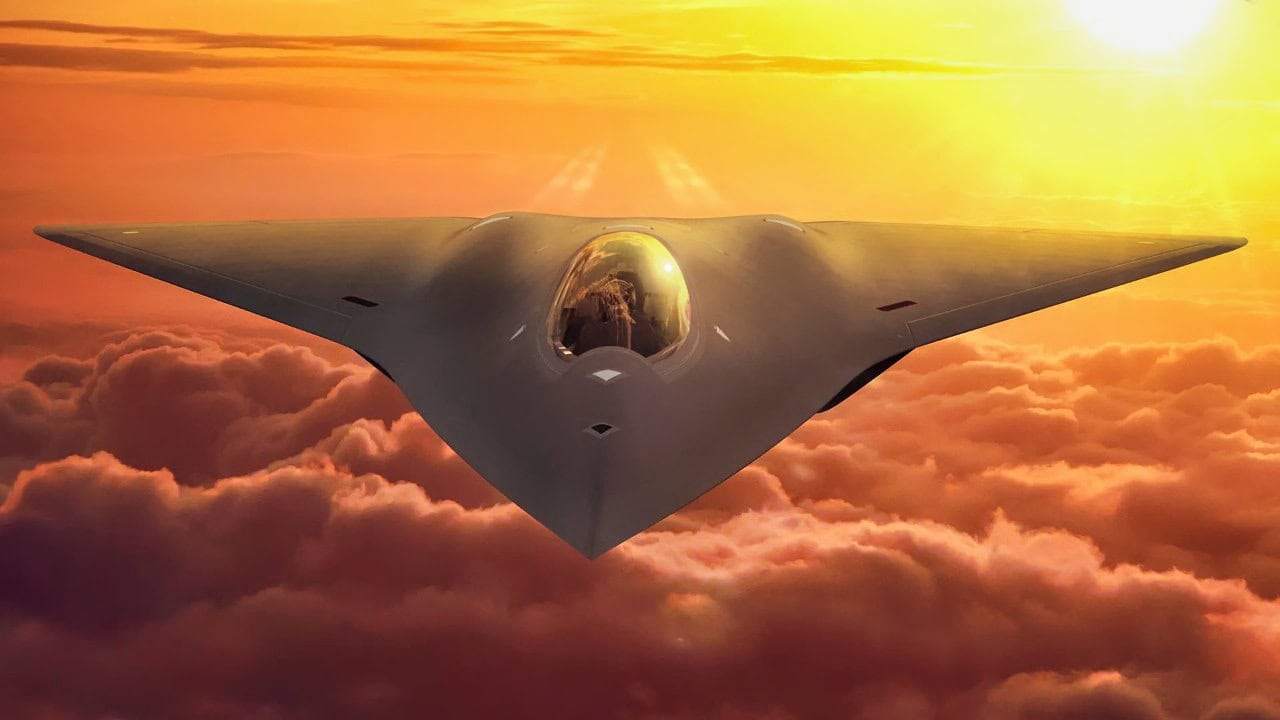
NGAD Fighter via Lockheed Martin.
Intended as a replacement to the F-22, as the world’s leading air superiority fighter, the NGAD emphasizes advanced stealth, more extended range, and manned-unmanned teaming.
The NGAD contract was prestigious and lucrative, pitting Lockheed and Boeing against one another in a contest the latter ultimately won.
Lockheed, having lost the bid, likely has technology concepts without a platform, prompting some to speculate that it could repurpose NGAD tech for the F-35 program.
Ferrari F-35 Upgrades
What would an F-35 Ferrari entail exactly?
Proponents imagine upgrades that include: new engines, i.e., adaptive cycle propulsion; advanced sensors and computing; improved electronic warfare capabilities; enhanced manned-unmanned teaming. Some of this is already happening, with the Block 4 upgrades.
But the “Ferrari” revamp implies a significant performance leap rather than incremental improvements.
Crafting the proposed upgrades would likely run up against severe constraints.
Namely, the F-35’s airframe is geometrically fixed; that’s all you have to work with, a platform with limited internal volume, with finite cooling and power margins.
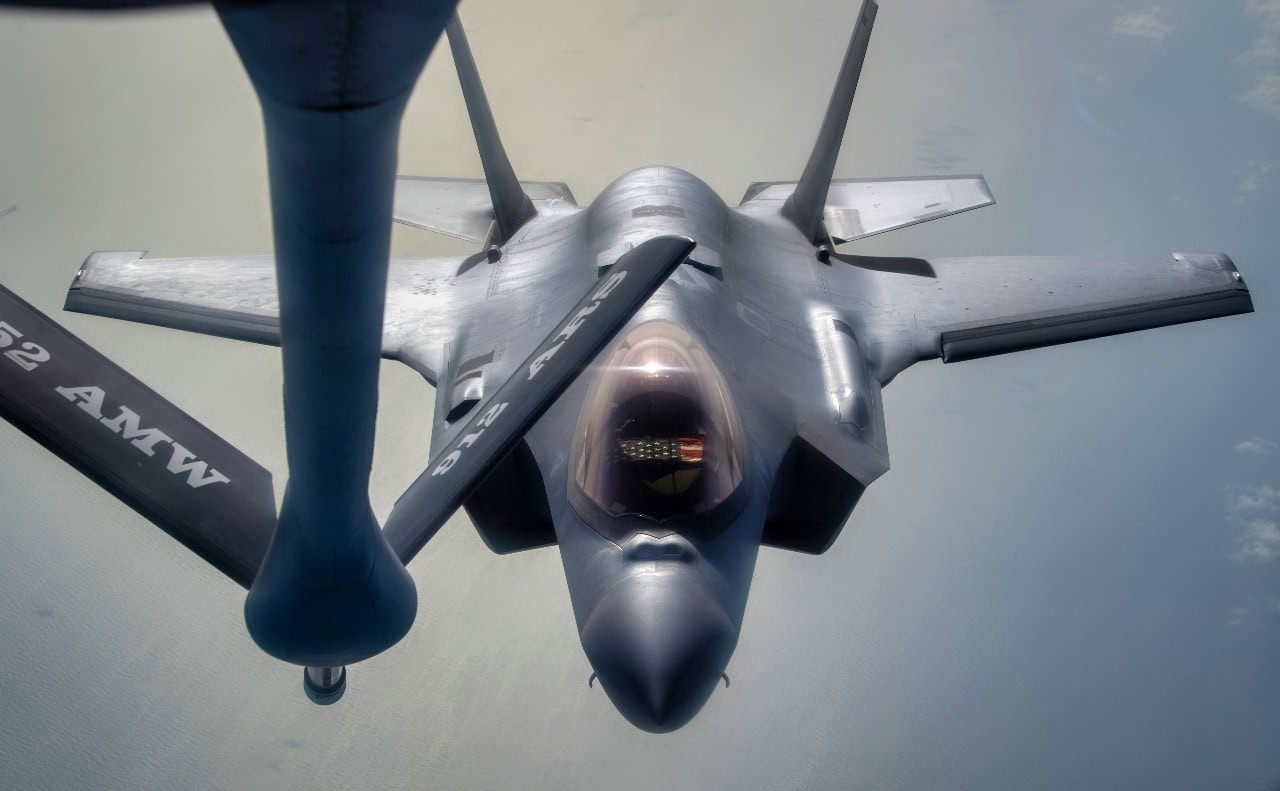
A U.S. Air Force F-35 Lightning II approaches a U.S. Air Force KC-135 Stratotanker over the U.S. Central Command area of responsibility, July 22, 2020. The F-35 Lightning II is an agile, versatile, high-performance, multirole fighter that combines stealth, sensor fusion and unprecedented situational awareness. (U.S. Air Force photo by Airman 1st Class Duncan C. Bevan)
And at some point, as a rule of thumb, upgrades beyond a certain point aren’t merely upgrades but a fight against original design assumptions.
Adaptive Engines
The key upgrade often cited in an F-35 Ferrari is an adaptive engine.
The potential benefits of such an engine are significant, offering greater range, improved thermal management, and more electrical power.
But small problem: the F-35 was not designed around adaptive engines, meaning retrofitting would be complex and expensive. And because the F-35 is such a tightly integrated system, big changes, like a new engine, would ripple throughout the entire system.
Obvious Appeal
On paper, the F-35 Ferrari upgrades sound appealing.
The F-35 fleet is enormous, with three variants in operation with the Air Force, Navy, and Marine Corps, with allied operators around the world.
Upgrades often feel safer than betting on a brand-new aircraft, developed from scratch, projected outwards across decades, and all the uncertainties of budget cycles and strategic shifts, and new administrations.
Upgrades are simpler, a way to sidestep a massive acquisition fight, a way to rely upon familiar logistics pipelines.
And upgrades would extract maximum value from the already substantial F-35 investment. So, the idea does have a very real attraction. But the technical reality is more constrained.
Ferrari F-35: Unlikely to Work
The F-35 was optimized for multirole flexibility and interoperability with coalitions.
The NGAD, meanwhile, was optimized for air superiority in contested airspace.
These are not the same problem; they do not rely on the same systems.
The limitations are myriad.
Stealth shaping can’t be altered.
Payload and range are capped.
Survivability requirements differ between platforms.
And then there’s the cost. The upgrades sound like a cheap fix—but they likely approach clean-sheet costs by the time it’s all said and paid for.
The risk is of creating an overly complex and costly aircraft that does a little bit of everything but excels sufficiently at anything.
China-related Anxieties
The debate about the F-35, like so many national security debates, reflects anxiety about China, her A2/AD bubble, and the resultant prospect of diminished US air superiority.
The F-35 Ferrari proposal, though not official, reflects a degree of reluctance to fully commit to next-generation programs that deal with a humbling degree of uncertainty.
The F-35, meanwhile, is already a backbone aircraft. But the F-35 is not an air superiority fighter.
Its payload is limited. If BVR should collapse, the aircraft fundamentally lacks WVR capabilities.
And any effort to make the F-35 an air superiority fighter will likely dilute its already formidable strengths.
The better approach, the one the Air Force will likely implement, is to let the F-35 evolve incrementally, with patchwork upgrades.
At the same time, the NGAD is being developed into a clean-sheet sixth-generation air superiority system.
About the Author: Harrison Kass
Harrison Kass is an attorney and journalist covering national security, technology, and politics. Previously, he was a political staffer and candidate, and a US Air Force pilot selectee. He holds a JD from the University of Oregon and a master’s in global journalism and international relations from NYU.