
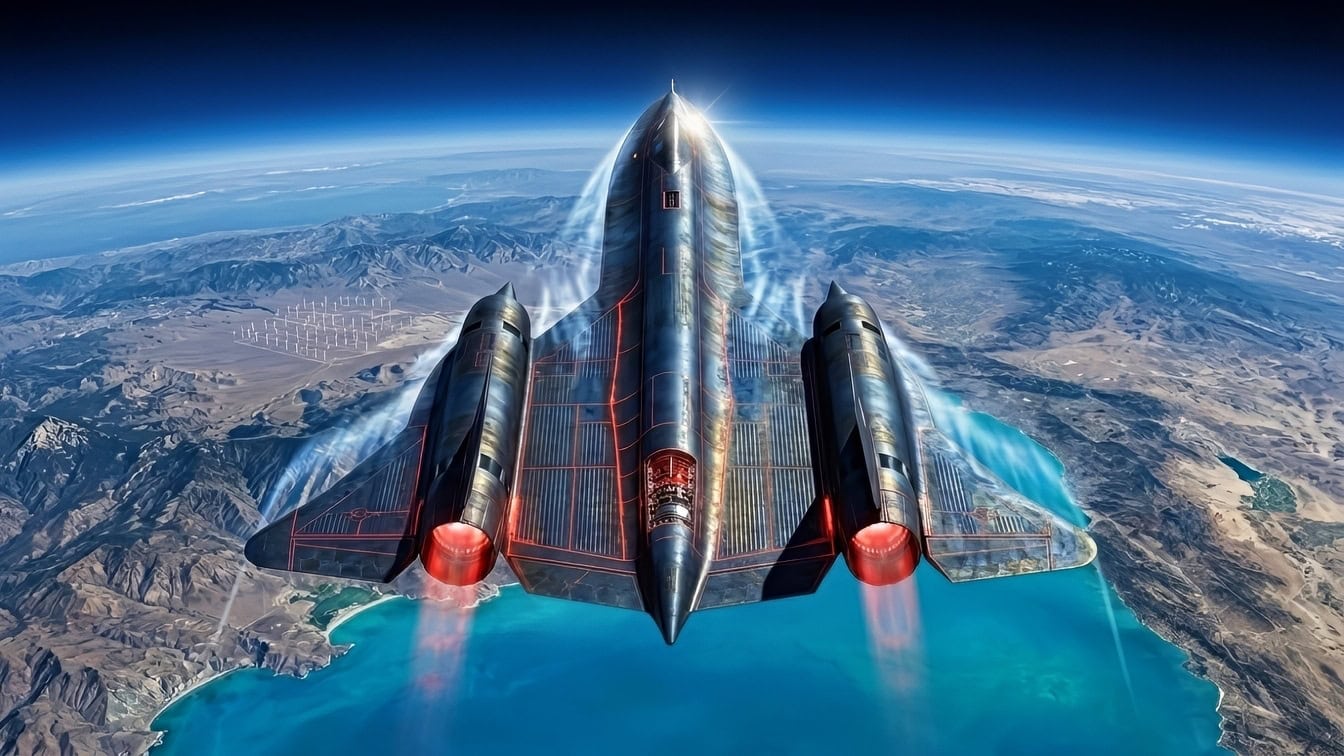
Summary and Key Points: The SR-71 Blackbird flew the Cold War’s most dangerous reconnaissance missions — over the Soviet periphery, North Vietnam and North Korea — carrying no weapons at all. Its only answer to a surface-to-air missile was to accelerate past Mach 3 and outrun it, and across three decades it worked every single time.
4,000 Missiles, Zero Kills: The SR-71 Blackbird Was The Untouchable Wonder Of The Cold War
The Lockheed SR-71 Blackbird was conceived to do something no aircraft had ever done: fly so high and so fast that nothing the Soviet Union could put in the air or launch from the ground could reach it. And in fact, that might be the reason I spend so many hours looking at the SR-71 Blackbird spy planes in museums over the years (please see all my own photos and video included in this article).
The aircraft emerged from Lockheed’s secretive Skunk Works division as the successor to the U-2 spy plane, born out of an urgent recognition that altitude alone was no longer enough to survive over hostile territory. By 1960, Soviet radar and surface-to-air missile technology had caught up with the U-2, and President Eisenhower needed something quicker, stronger, and more elusive.
That recognition crystallized in May 1960, when a Soviet missile brought down the U-2 flown by Francis Gary Powers over the Urals and exposed the vulnerability of high-altitude reconnaissance to modern air defenses. The next aircraft would need to fly higher than the U-2 and add raw, blistering speed that no interceptor or surface-to-air missile could match. What the Skunk Works produced, under the direction of the legendary engineer Clarence “Kelly” Johnson, was an aircraft that cruised above 85,000 feet at speeds exceeding Mach 3, gathering intelligence over the most heavily defended territory on earth and simply outrunning anything that tried to stop it. The result was the most extraordinary combat record in the history of military aviation. Over its entire operational life, more than 4,000 missiles were fired at the SR-71, and not a single one ever brought one down.
The Defense Was Speed Itself
The most remarkable thing about the Blackbird’s survival record is how simple the tactic behind it was. The aircraft carried no weapons. It had no way to fight back against the air defenses arrayed against it. Its entire defensive doctrine, when a surface-to-air missile was detected climbing toward it, consisted of a single instruction: go faster.
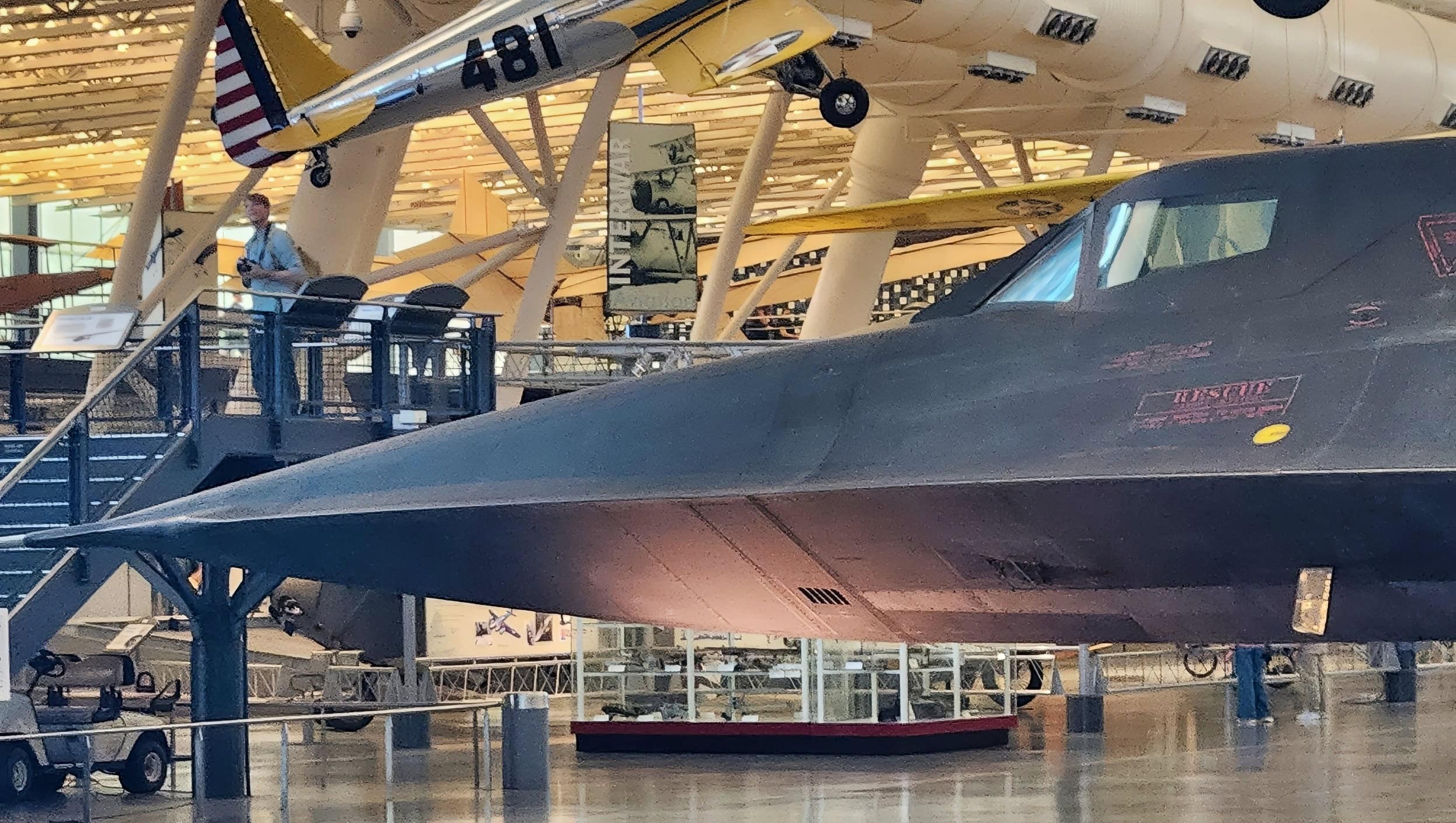
SR-71 Blackbird at Smithsonian. Image Credit: 19FortyFive.com

SR-71 Blackbird at the Smithsonian 19FortyFive.com Photo
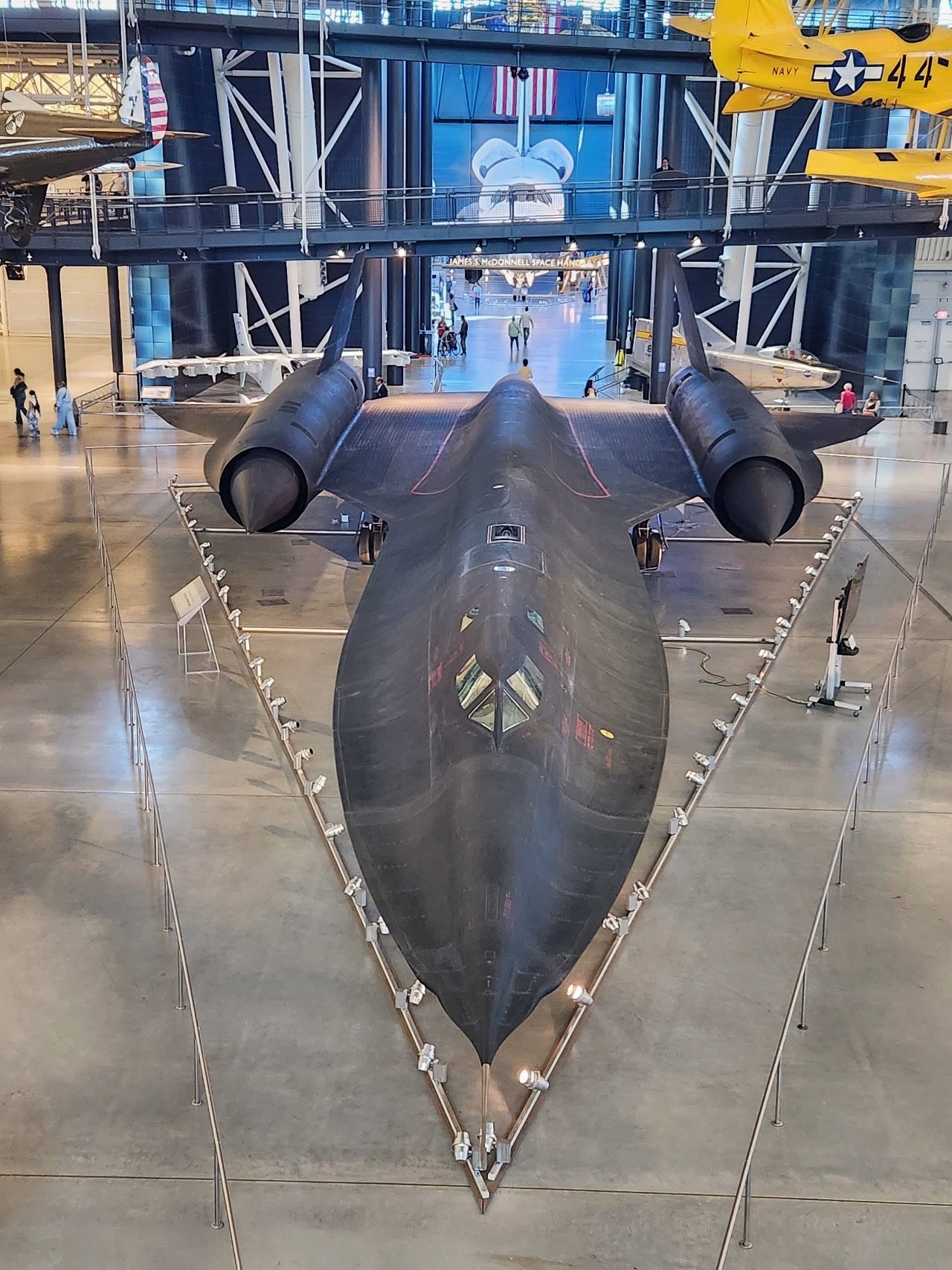
Longshot of SR-71. Image Credit: 19FortyFive.com
The aircraft could fly at speeds exceeding Mach 3, which empowered it to outrun the missiles launched at it, and that operating speed of more than three times the speed of sound was the foundation of everything the reconnaissance mission depended on. When a missile launch was detected, the SR-71 pilot would push the throttles forward and accelerate away from the threat, climbing and speeding until the missile exhausted its energy and fell away behind. The maneuver was crude in concept and flawless in practice. The physics simply did not favor the missile.
The numbers behind that physics are staggering. At Mach 3, the Blackbird covered more than half a mile every second. Even when missiles were launched head-on, the closing speeds were so extreme that the guidance systems struggled to keep up, and the aircraft would simply outrun the threat and leave it trailing in its wake. A surface-to-air missile launched at the SR-71 had only a fleeting window to acquire the aircraft, compute an intercept, and reach it before the Blackbird had already streaked beyond the missile’s effective range. By the time most missiles arrived at the point where the SR-71 had been, the aircraft was miles away and climbing.
The Vietnam Test
The tactic was not theoretical. It was tested repeatedly over one of the most heavily defended air-defense environments of the Cold War, the skies over North Vietnam, and it held every time.
Beginning in 1968, SR-71 missions were flown from Kadena Air Base on Okinawa to observe activity over North Vietnam and Laos, taking the aircraft directly over Hanoi and Haiphong, where North Vietnamese SA-2 missile batteries waited.
The SA-2 was the same type of missile that had brought down Gary Powers’ U-2 eight years earlier, and the North Vietnamese fired them at the Blackbird repeatedly. The crews learned to read the warning lights on their electronic countermeasures panels that told them when a North Vietnamese site had locked onto them and when a missile had actually been launched. The standard response never changed. They accelerated, and the missiles fell away behind them.
The aircraft’s survival in that environment came down to the same combination of attributes every time: extreme altitude that forced the missiles to climb to their absolute performance limits just to reach the Blackbird’s flight level, extreme speed that gave the guidance systems an impossible tracking problem, and a reduced radar signature. The aircraft’s shaping and its early radar-absorbent treatment meant that, even before the speed advantage came into play, the missile crews were working with a degraded picture of the aircraft’s actual position.

SR-71 Blackbird Near Ash Cloud. Banana Nano Image.
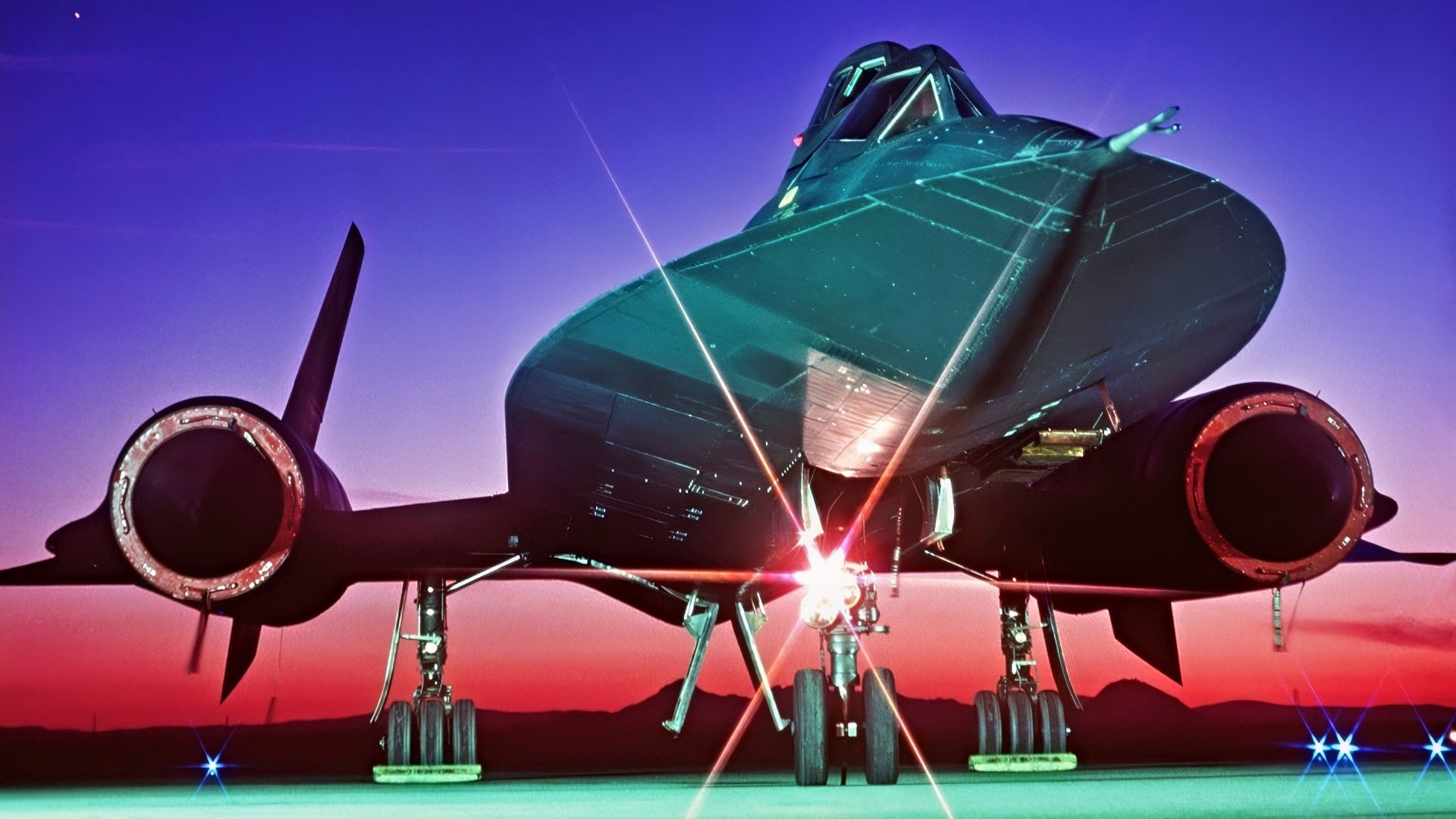
SR-71 Blackbird at Night. Image Credit: Creative Commons.

New SR-71 Blackbird in the Hanger. Banana Nano Image.

SR-71 on the Tarmac. Image Credit: Banana Nano.
The Titanium Marvel That Made It Possible
None of this would have been possible without solving an extraordinary engineering problem. An aircraft flying at Mach 3 heats up dramatically from air friction, with the leading edges of the wings and fuselage reaching temperatures exceeding 1,000 degrees Fahrenheit, hot enough to melt the aluminum that conventional aircraft were built from.
Lockheed’s answer was to build the Blackbird almost entirely out of titanium, a metal that could withstand the punishing thermal environment of sustained Mach 3 flight. Kelly Johnson summed up the scale of the challenge in a single line that has become legend among aerospace engineers: everything had to be invented, everything.
The irony of where that titanium came from is one of the great stories of the Cold War. The United States did not have the necessary high-grade ore, and the world’s largest supplier of it was the Soviet Union, the very adversary the aircraft was being built to spy on. Through a web of front companies and third-party intermediaries, the United States quietly purchased the metal it would use to build the aircraft designed to watch the Soviets. The material that made the Blackbird possible came from the nation the Blackbird was built to penetrate.
The titanium itself fought the engineers every step of the way. The brittle alloy shattered if mishandled, and conventional cadmium-plated steel tools embrittled the metal on contact, forcing Lockheed to design and fabricate entirely new tools made of titanium.
The thermal challenge shaped every aspect of the aircraft. The fuselage panels were fitted loosely on the ground because the airframe expanded as it heated in flight, and the aircraft famously leaked fuel while sitting on the runway because the tank seals only sealed properly once the metal had expanded at operating temperature. The Blackbird was a flying contradiction, an object that only became whole and sealed once it was screaming through the upper atmosphere at three times the speed of sound.
Records That Still Stand Today
The performance that kept the Blackbird alive over enemy territory also made it a record-setting machine in a class entirely its own. In 1976, the Blackbird broke the world record for sustained altitude in horizontal flight at 85,069 feet, and on the same day, another SR-71 set an absolute speed record of 2,193.2 miles per hour, roughly Mach 3.3, a mark that has never been beaten by a piloted air-breathing aircraft.
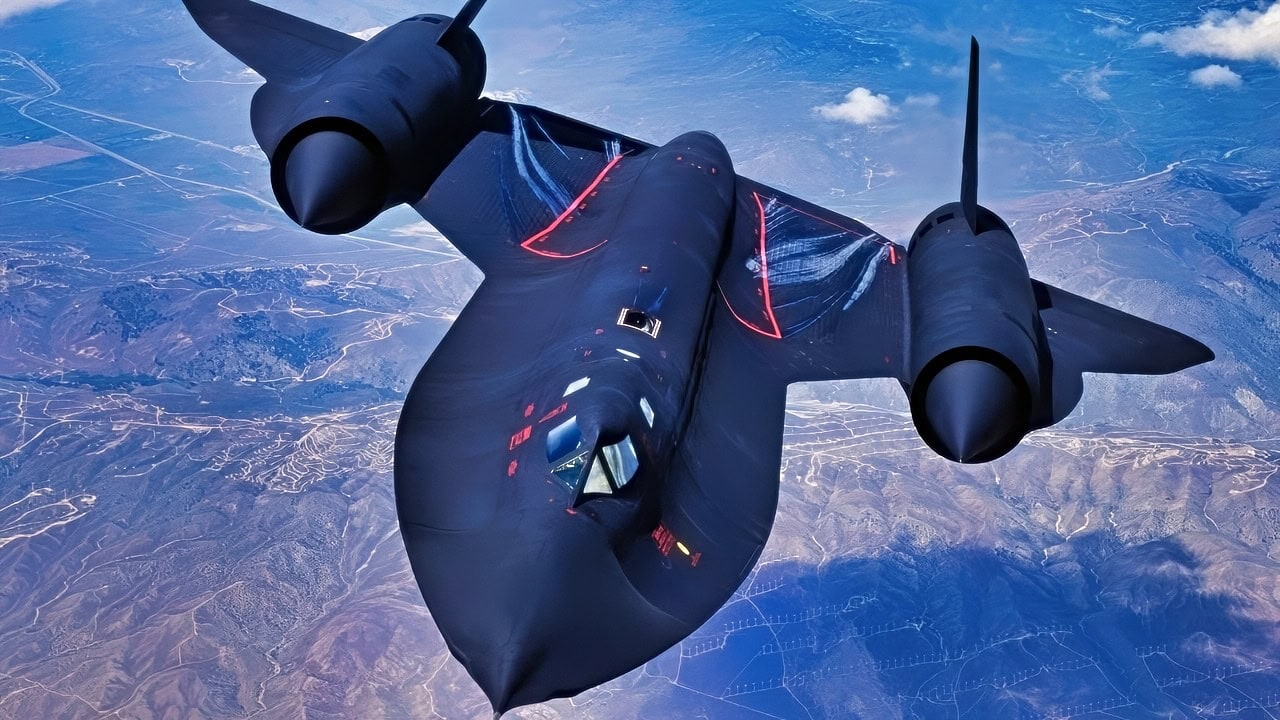
SR-71 Mach 3. Image Credit: Creative Commons.
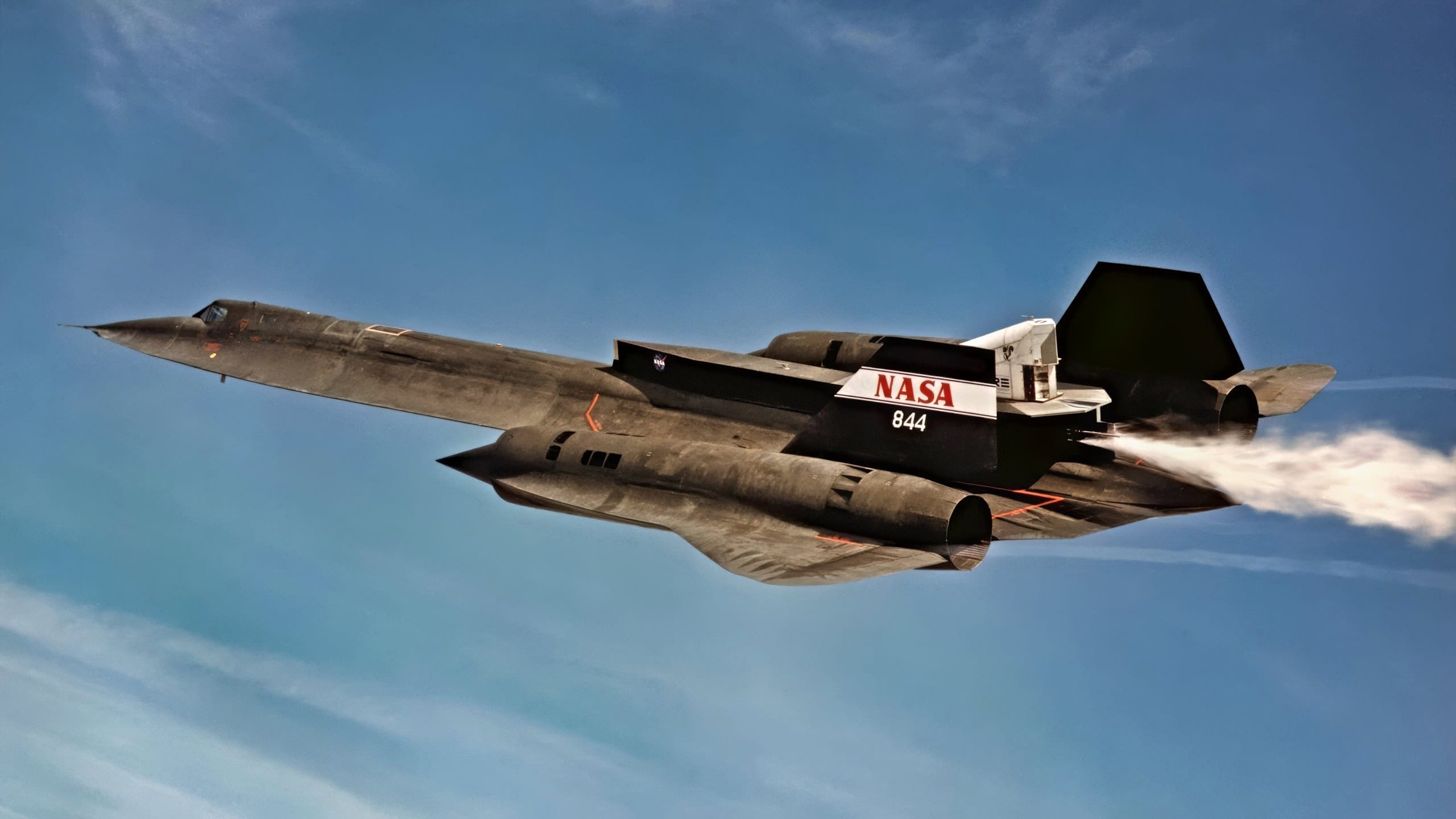
SR-71 Blackbird with NASA
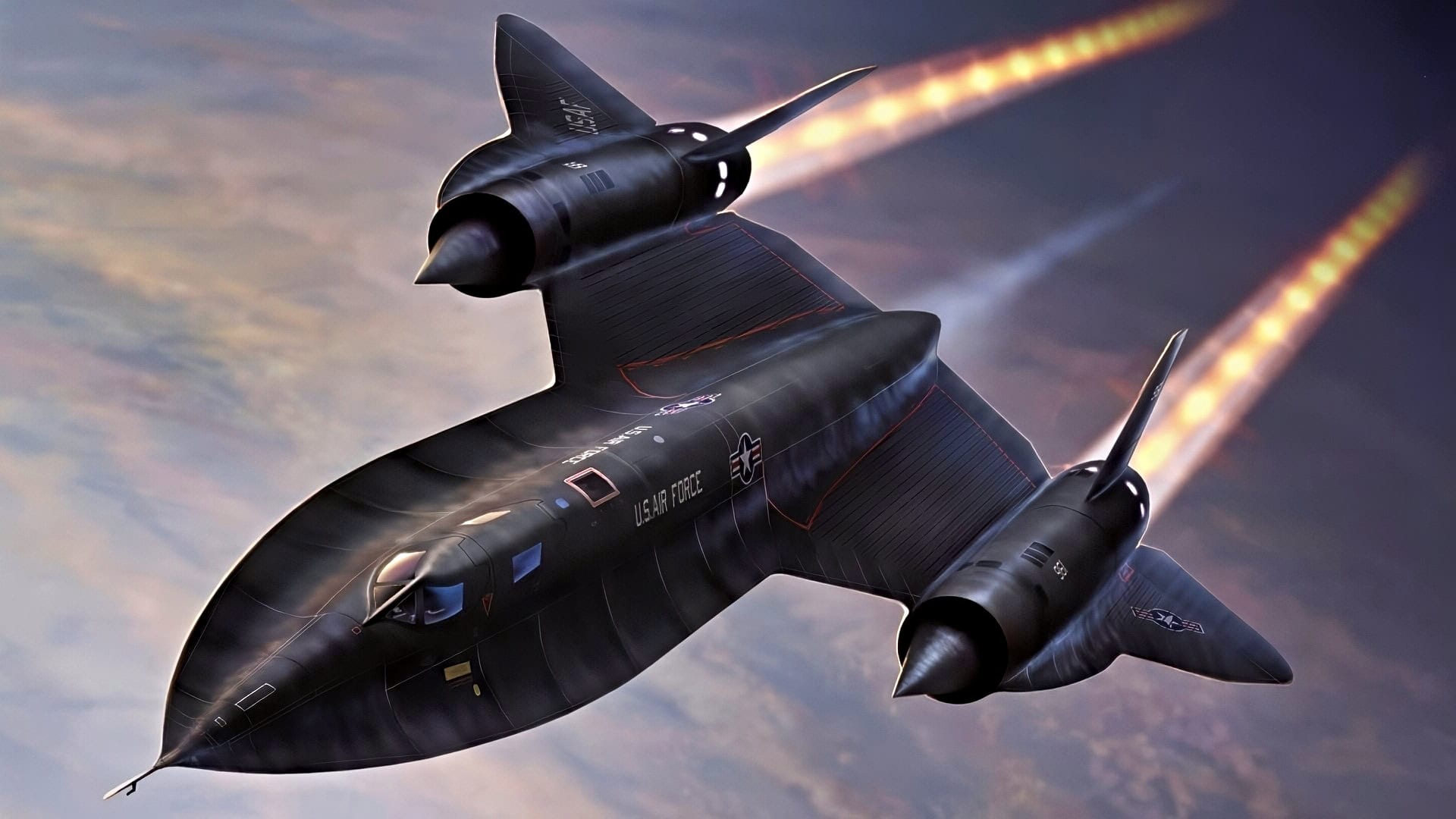
SR-71 Blackbird High in the Sky. Image Credit: Creative Commons.

YF-12, a plane that is related to the SR-71 looks very similar. 19FortyFive.com image from National Museum of the Air Force.
The aircraft could survey up to 100,000 square miles of territory in a single hour. Only 33 of the aircraft were built, twelve of which were lost in accidents unrelated to enemy action, and despite being fired at more than 4,000 times, not one was ever lost to enemy fire across a service life that ran from 1966 to 1998.
Even the fastest Soviet interceptor of the era, the MiG-25 Foxbat, could not catch it. The MiG-25 was built in part in response to the Blackbird, but it could not sustain the speed and altitude required to bring the SR-71 into a firing position. The Blackbird flew where nothing else could follow, and it terrified its adversaries precisely because it proved a simple and unsettling truth: no secret on the ground was safe from the aircraft passing overhead at Mach 3.
Why The Blackbird Still Matters
The SR-71 was eventually retired not because anything had caught up to it, but because the mission it performed had migrated to a safer platform.
By the late 1990s, reconnaissance satellites could gather much of the same intelligence from orbit without putting a crew at risk over hostile territory, and the enormous cost of operating the Blackbird became difficult to justify when a satellite could do the job from space. The aircraft was retired in 1998, its perfect combat record intact.
That record remains the aircraft’s greatest legacy, and it is one no other combat aircraft can claim.
The Blackbird flew the most dangerous reconnaissance missions of the Cold War, over the Soviet periphery, over North Vietnam, over North Korea, and across other contested skies, and it did so for more than three decades without ever being brought down by an enemy.
More than 4,000 missiles were fired at it, and every one of them missed. The aircraft’s defense was not armor, not stealth alone, and not electronic trickery.
It was speed, raw and absolute, the simple fact of being faster than anything built to kill it.
About the Author: Harry J. Kazianis
Harry J. Kazianis (@Grecianformula) was the former Senior Director of National Security Affairs at the Center for the National Interest (CFTNI), a foreign policy think tank founded by Richard Nixon based in Washington, DC. Harry has over a decade of experience in think tanks and national security publishing. His ideas have been published in the NY Times, The Washington Post, The Wall Street Journal, CNN, and many other outlets worldwide. He has held positions at CSIS, the Heritage Foundation, the University of Nottingham, and several other institutions focused on national security research and analysis. He is the former Executive Editor of the National Interest and the Diplomat. He holds a Master’s degree focusing on international affairs from Harvard University. Kazianis is Editor-In-Chief of 19FortyFive.

