
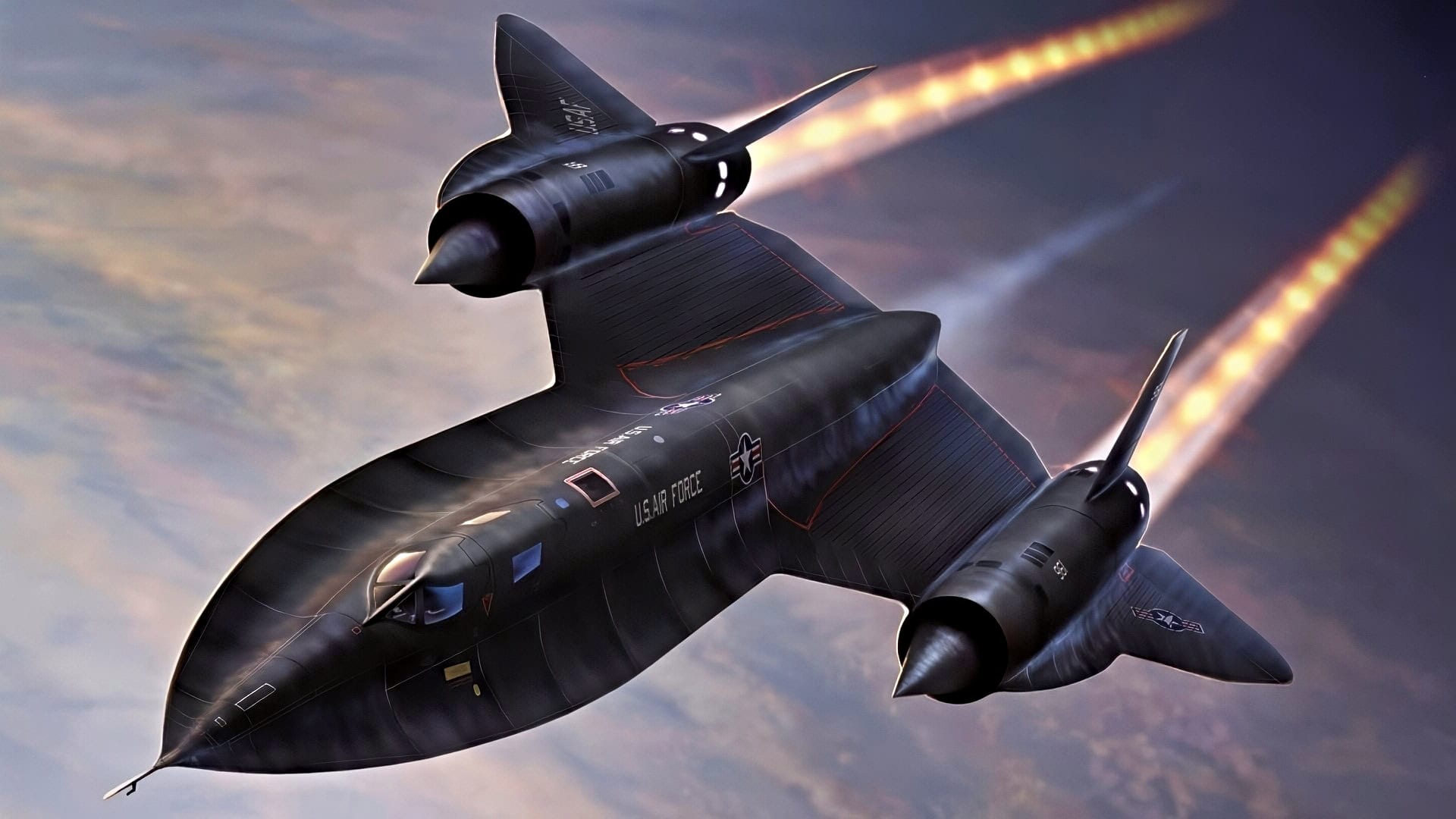
A retired SR-71 Blackbird Reconnaissance Systems Officer just revealed an explosive new theory about why the legendary spy plane was really retired in 1990. According to Colonel Richard “Butch” Sheffield’s new memoir, the U.S. Air Force allegedly killed the SR-71 program partly to ensure Lockheed Martin would win the F-22 Raptor contract over Northrop’s competing YF-23.
F-22 Raptor: The Final Reason the SR-71 Blackbird Had to Retire?
There is an intrepid writer who is becoming an expert on all things about the SR-71 Blackbird. Her name is Linda Sheffield Miller, and she writes for the Aviation Geek Club. Miller knows her stuff, and she examines detailed documents and books that place the SR-71 in the pantheon in the history of spy planes. Our readers know and love the Blackbird like a favorite child. There is no escape from the allure of this airplane, and we do our best to give you the latest developments in its back story.
The latest article by the Aviation Geek Club asks some important questions. Why exactly was the SR-71 retired? Was the airplane expensive to keep in the air, and did it require too much maintenance? Were spy satellites that much better? Did the Blackbird finally outlive its usefulness and become obsolete?
Say It Isn’t So
The SR-71 was decommissioned in January 1990, officially due to the high cost of flight hours and budget constraints. This made sense to the bean counters in the Department of Defense at the time since the Berlin Wall had already fallen.
The Soviet Union was probably going to collapse.
This would remove the primary need to keep the SR-71 flying at 80,000 feet and MACH 3.2. It was a disappointment for SR-71 enthusiasts. There were still geopolitical threats and countries to spy on. Iraq’s Saddam Hussein was a problem, and he would later order his forces to invade Kuwait that year, sparking Operation Desert Shield and Storm. The SR-71 would have been handy in that conflict.
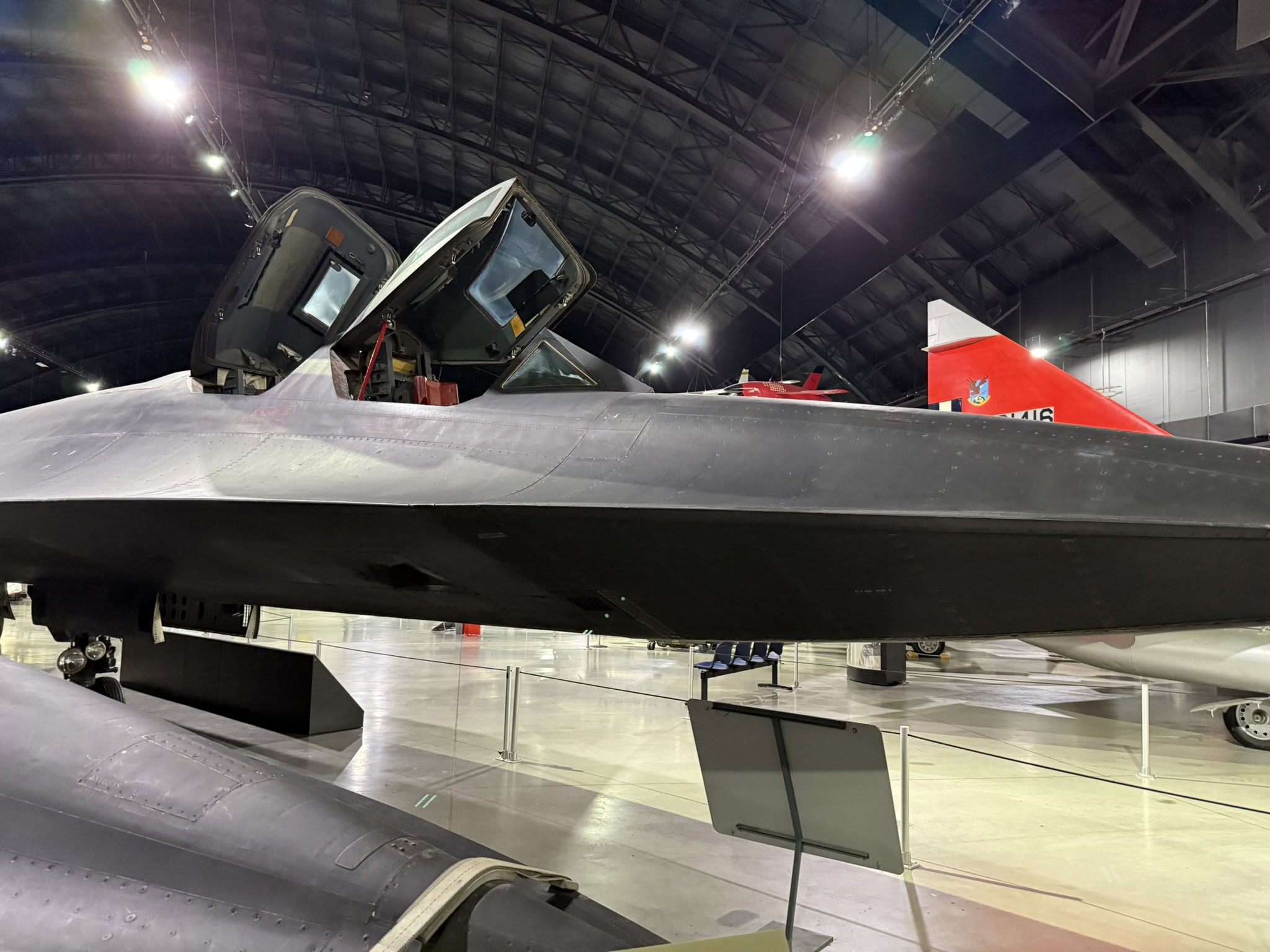
SR-71 at National Museum of the Air Force.
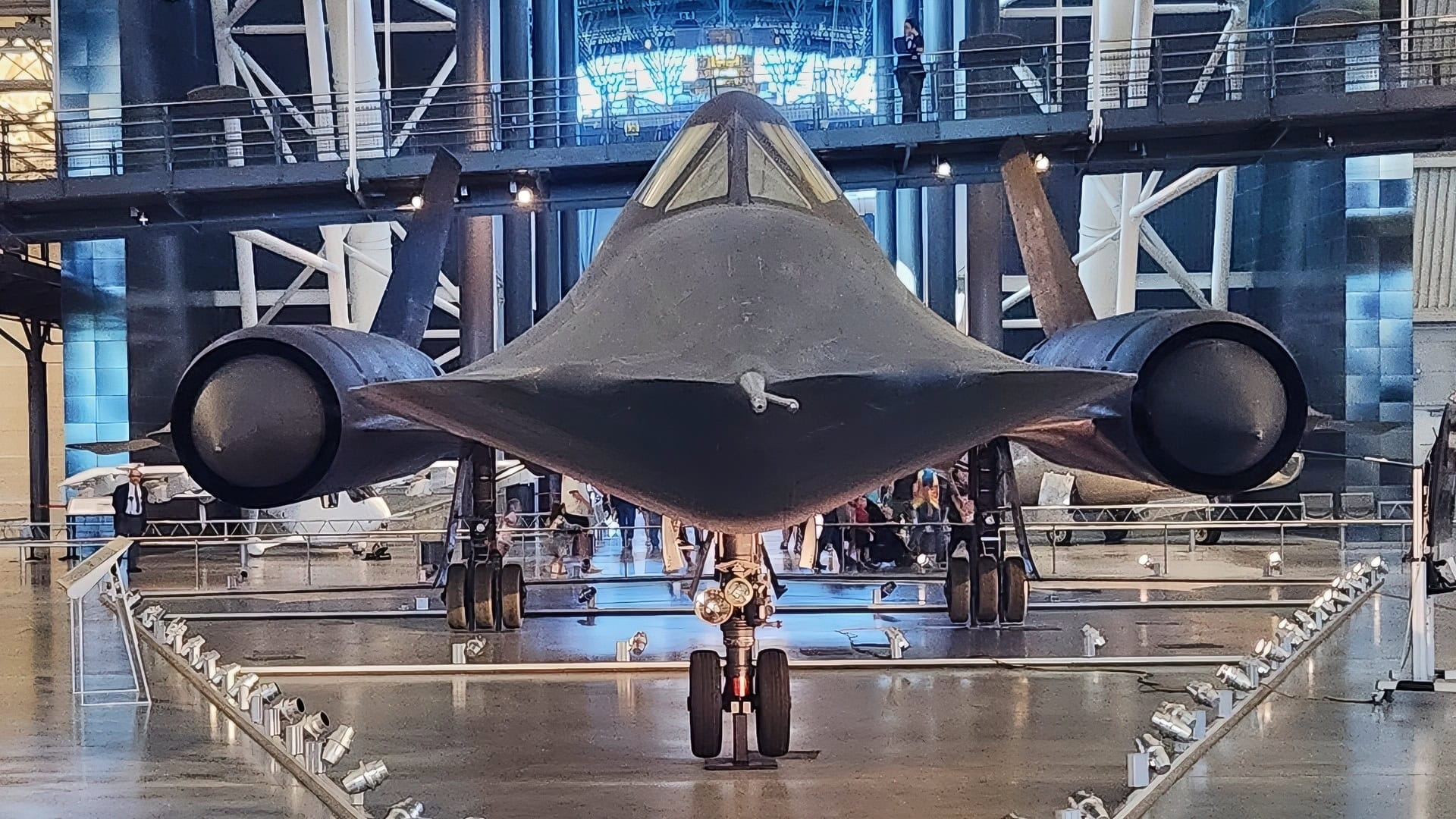
SR-71 At the Smithsonian. Image Credit: Creative Commons.
Intelligence Data Gleaned from the Russians and Chinese Was Still Valuable
The Soviet Union still had nuclear missiles, and the SR-71 could keep its eyes on those launch sites. China was growing stronger as it entered the Revolution in Military Affairs, a period when it began modernizing its armed forces. The SR-71 could have spied on those developments. Proponents had ample reasons to keep the Blackbird in business.
One Air Force Colonel Has a Different Perspective
Miller has revealed another prime source who knew the SR-71’s retirement firsthand. Her father was an SR-71 Reconnaissance Systems Officer (RSO) named Colonel Richard “Butch” Sheffield.
The experienced RSO has a new book called Ohio to Supersonic: Flying the SR-71 Blackbird to the Secret World of the Skunk Works.
Valuable Memoir Offers New Information
In the tome, Sheffield gives an astonishing account of how he grew from a young lad from a hard-scrabble family in Ohio, to taking one of the most exciting airplane seats in the U.S. Air Force. His daughter gives us a sneak peek at what Sheffield knew about the intricate workings of Lockheed Martin’s Skunk Works and the SR-71.
Four Things About the Blackbird You May Not Know
First, Colonel Sheffield thought that the SR-71 was better than satellites because the space orbiters’ path could be predicted, and the SR-71 could instead fly east to west and vacuum up 100,000 miles of data per hour.
Second, Sheffield believed that defense contractors were choosing satellites over spy planes because of the huge amounts of money involved. The SR-71 could not keep up with budgetary realities. Members of Congress preferred satellites.
Third, the colonel believed that the Air Force Chief of Staff’s office in 1990 put the SR-71 Blackbird out of business. This was a confusing time for the flying branch as there were an astonishing three different chiefs that year. Their strategic insights differed, and the generals did not agree on the SR-71’s future.
But Sheffield’s fourth point was the most amazing and yet to be heard. This had to do with Lockheed Martin and the future of the F-22 Raptor.
What Was Going On With the F-22?
“The Chief said that Lockheed trying to keep the SR-71 alive was going to hurt their chances of winning the F-22 contract [at the time the YF-22 was competing against the YF-23 in the Advanced Tactical Fighter program]! Contractors like Lockheed only have one customer, the Department of Defense,” Sheffield wrote in his memoir.
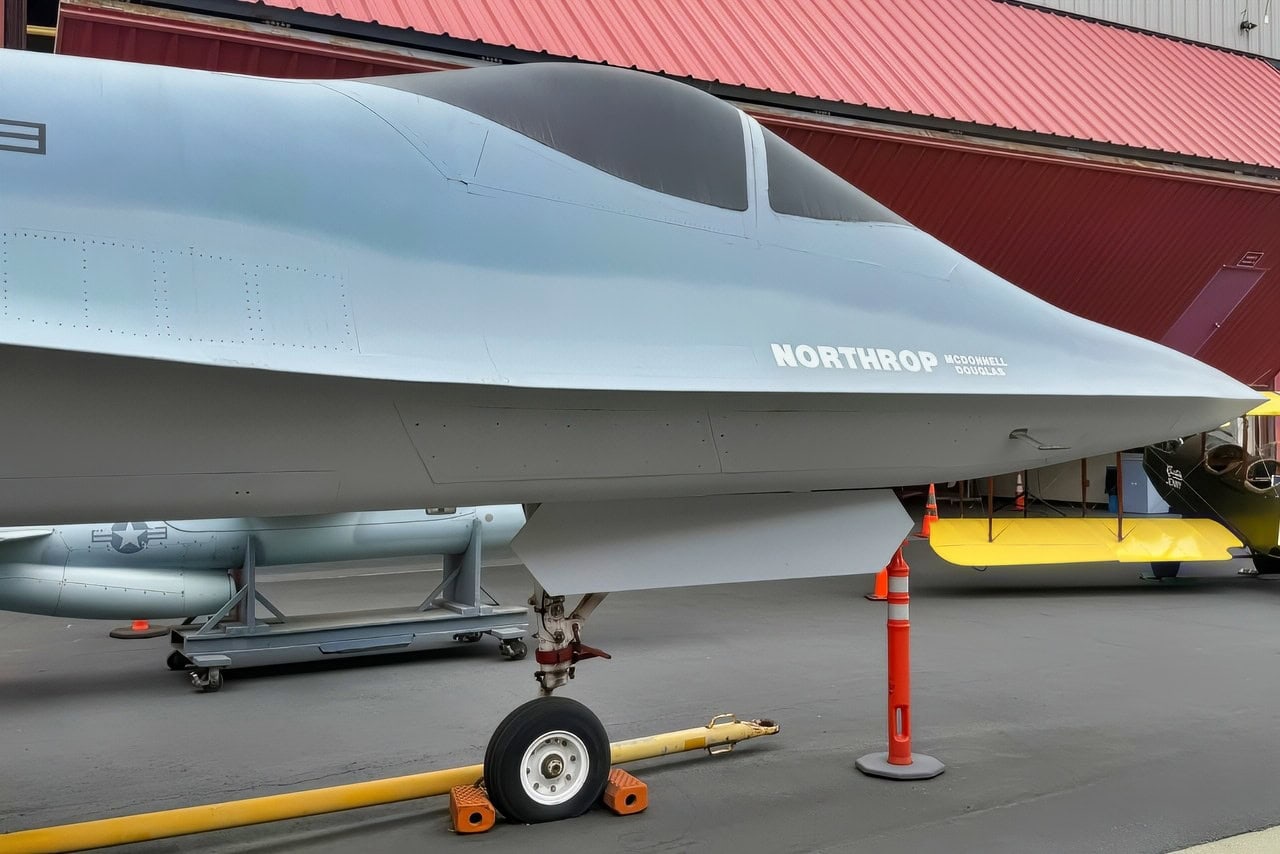
YF-23 Stealth Fighter. Image taken by Harry J. Kazianis for 19FortyFive.
Not As Many in the Intelligence Community Were Paying Attention
The colonel also claimed that the Air Force was not analyzing all the data that the SR-71 was collecting. This would have doomed the program if the expensive flights were not yielding actionable intelligence.
“NSA never liked the SR-71. Why? Communications intelligence SR-71 went too fast for COMINT. They thought communications intelligence was the only kind of intelligence that was useful. When the Air Force Generals saw how much the SR-71 was costing them, they revolted… they said it was costing more than $200 million to operate only 10 airplanes, which is ridiculous. U-2 funding was in the General Defense Intelligence Program [DIP] controlled by the DIA. The Air Staff could not get at that money, or they would have,” Sheffield wrote.
When Fighter Pilots Ruled the Air Force
Another reason the SR-71 was retired was that the Air Force at the time was becoming increasingly the domain of fighter pilots.
The colonel thought this meant recon pilots were becoming less popular and esteemed.
“About the time of open POM in 1984. The Air Force became a haven for fighter pilots with the death of General O’Malley. The four stars were all from Tactical Air Command (TAC); they even put a TAC General in charge of SAC! This is important because, from 1955 to 1980, SAC had the fastest aircraft, and TAC was always trying to catch up. One might ask how this affected the SR-71? The reason this very large amount of money was being spent on satellites was that they no longer wanted to fund the SR-71. The SR went from a national collection platform to a tactical intelligence asset,” the book said.
While that is only one person’s point of view, it shows that many forces were at play in the SR-71’s retirement.
It was later flown for NASA that decade, but not for the Air Force in 1990. It seemed the airplane could have served many more years, but it was just doomed by forces scheming against it.
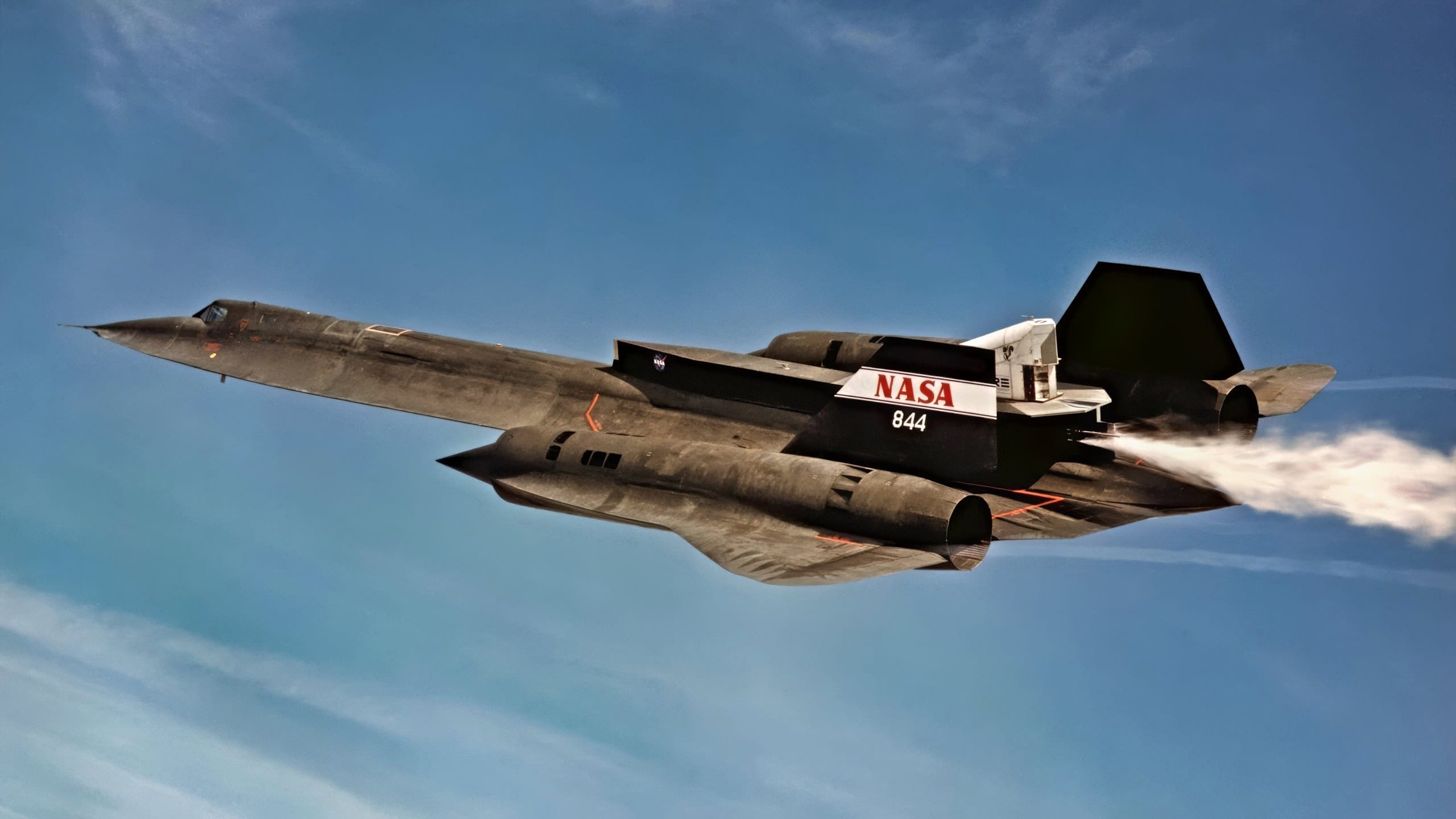
SR-71 Blackbird with NASA
Too bad for the program.
Yes, it had some drawbacks, but this airplane spied like no other and offered numerous advantages for collecting intelligence. We’ll keep bringing you more about the SR-71 so you won’t be disappointed.
The Blackbird is near and dear to our hearts and yours.
About the Author. Brent M. Eastwood, PhD
Author of now over 3,500 articles on defense issues, Brent M. Eastwood, PhD, is the author of Don’t Turn Your Back On the World: A Conservative Foreign Policy and Humans, Machines, and Data: Future Trends in Warfare, plus two other books. Brent was the founder and CEO of a tech firm that predicted world events using artificial intelligence. He served as a legislative fellow for US Senator Tim Scott and advised the senator on defense and foreign policy issues. He has taught at American University, George Washington University, and George Mason University. Brent is a former US Army Infantry officer. He can be followed on X @BMEastwood.