
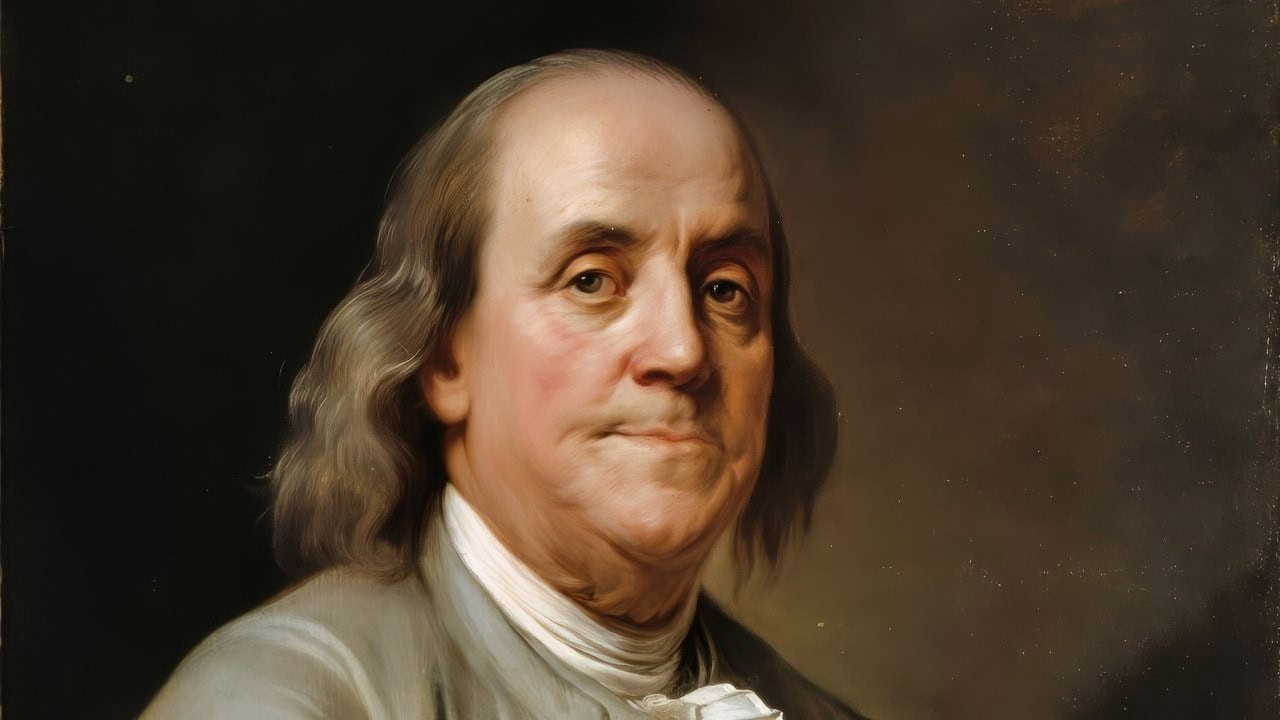
Benjamin Franklin once said it best: “There never was a good war, or a bad peace.” Written in a letter to Josiah Quincy, Sr. on September 11, 1783, as Franklin negotiated the peace treaty with England that ended the Revolutionary War, the famous quote captures one of the deepest truths from America’s first international diplomat.
Tuesday War Quote of the Day By Benjamin Franklin: Peace Is the Way

Benjamin Franklin. Image Credit: Creative Commons.
The quote is often attributed to Benjamin Franklin, one of the United States Founding Fathers and a key figure in the American colonies and early United States history.
This quote is attributed to Franklin in a letter to Josiah Quincy, Sr., dated September 11, 1783, as he negotiated the peace treaty with England after the Revolutionary War.
Significance Of The Quote:
This quote emphasizes the very real cost of war for both the fledgling Republic in the United States and England. Franklin knew that the immense destruction of property and the economic devastation, loss of life, and cost of any war always outweigh its benefits, making even a flawed peace preferable to fighting.
He argued that peace always leads to better outcomes, fostering prosperity and avoiding the lasting damage of conflict.
While Franklin was a staunch supporter of American independence, he saw firsthand the destruction, devastation, and brutality of war, while as a diplomat, he tried to avoid it.
Franklin’s “Enlightenment beliefs,” where he thought that even a “bad” peace treaty, which might not be perfect, is still better than the destruction of war because it spares lives and allows nations to build, rather than destroy.
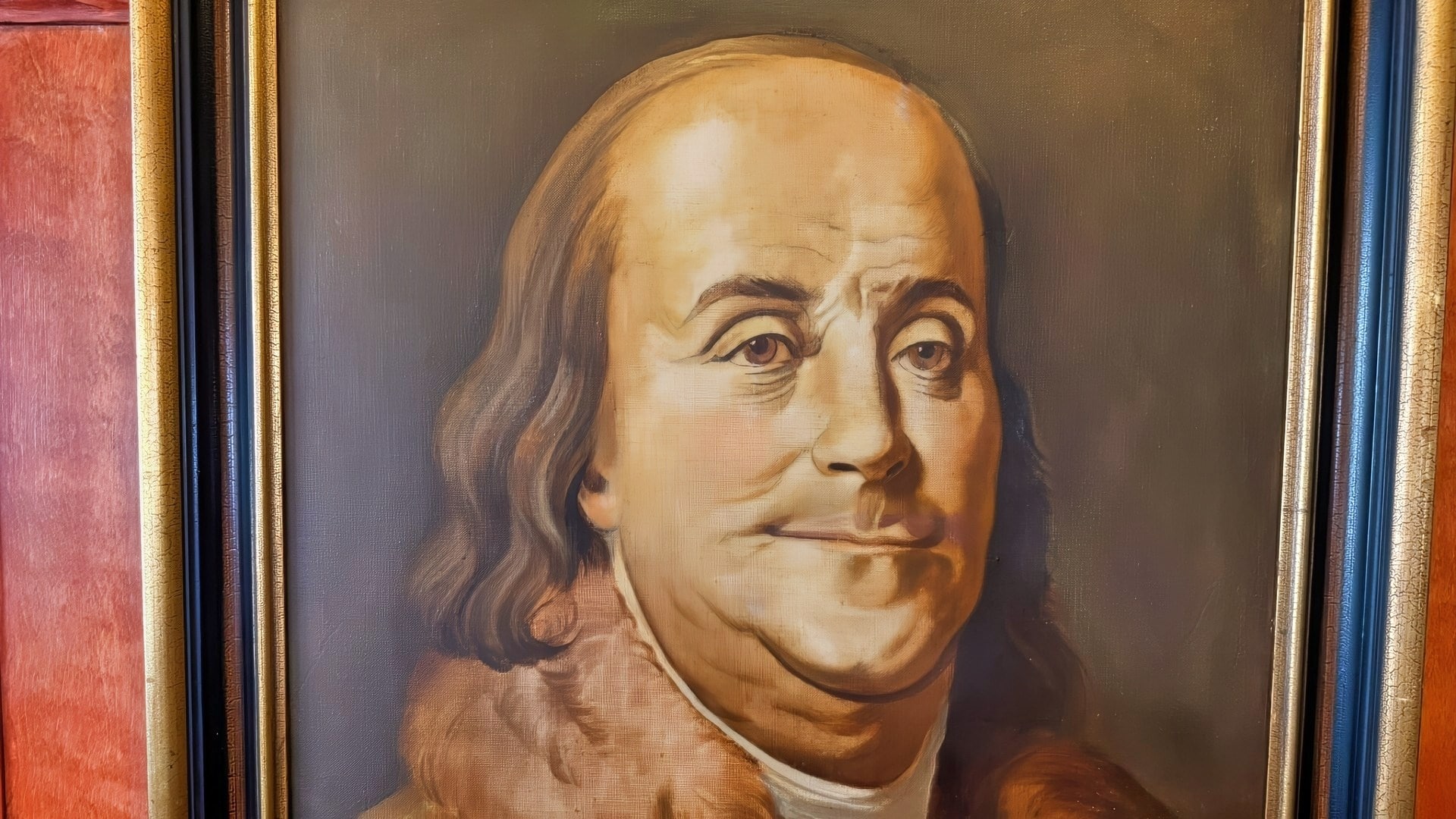
Benjamin Franklin 19FortyFive Image. Taken by Harry J. Kazianis at the Hall of Presidents at Walt Disney World, Florida.
Franklin Was America’s First Diplomat:
During the Revolutionary War, Benjamin Franklin was a key member of the Founding Fathers, serving as a diplomat in France to secure vital military and financial aid.
Franklin helped draft the Declaration of Independence and was a key member of the Committee of Five with John Adams, Roger Sherman, Robert Livingston, and the document’s primary author, Thomas Jefferson, who reviewed and edited Jefferson’s initial draft.
He famously changed “sacred and undeniable” to “self-evident” to ground rights in reason, and he was also one of the few Founding Fathers to sign the Declaration of Independence, the Treaty of Paris, and the Constitution. He helped shape the document’s language, removing controversial passages.
Getting Financial And Military Aid From France:
Franklin was a delegate to the Continental Congress and helped organize defenses and militia during the French and Indian War, where the first inkling of independence was born out of necessity, embodying the spirit of the Enlightenment and New World ideals.
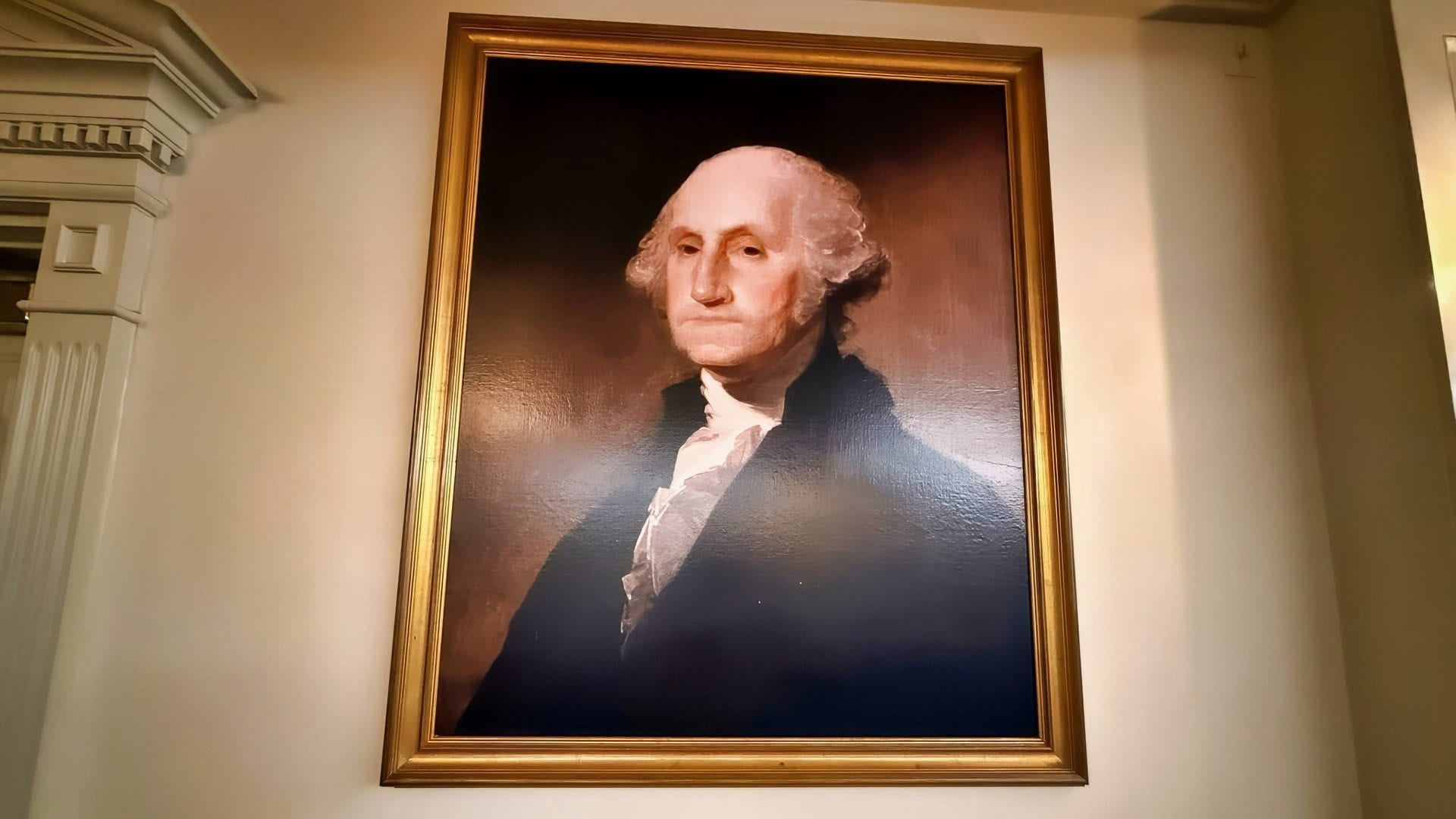
George Washington At Hall of Presidents at Walt Disney World. Image Taken by Harry J. Kazianis for 19FortyFive.com
In 1754, he used his press to circulate the famous “Join or Die” cartoon to rally the colonies against the French. While at the congress, Franklin proposed the Albany Plan, which failed at the time but later inspired the Articles of Confederation and helped unite the colonies.
Franklin was the US’s diplomat in France (1776-1785). Appointed as America’s representative. Franklin’s popularity and skill charmed French society, becoming a popular figure for the Americans in Europe.
His persuasive diplomacy and international renown after the first American battlefield success at Saratoga convinced France to recognize American independence and conclude an alliance with the thirteen American states in 1778.
Franklin Was Immensely Popular in Paris:
The French people were enamored of Franklin for embodying Enlightenment ideals of science, liberty, and rustic simplicity, serving as a living symbol of the “natural man” admired by French intellectuals.
He charmed Parisian society with his wit and charisma, while his reputation as a “tamer of lightning” (his electrical experiments) and his image as a rugged philosopher won over both the aristocracy and the public, creating a “Franklinomania” that assisted his diplomatic efforts to secure French support for the American Revolution.
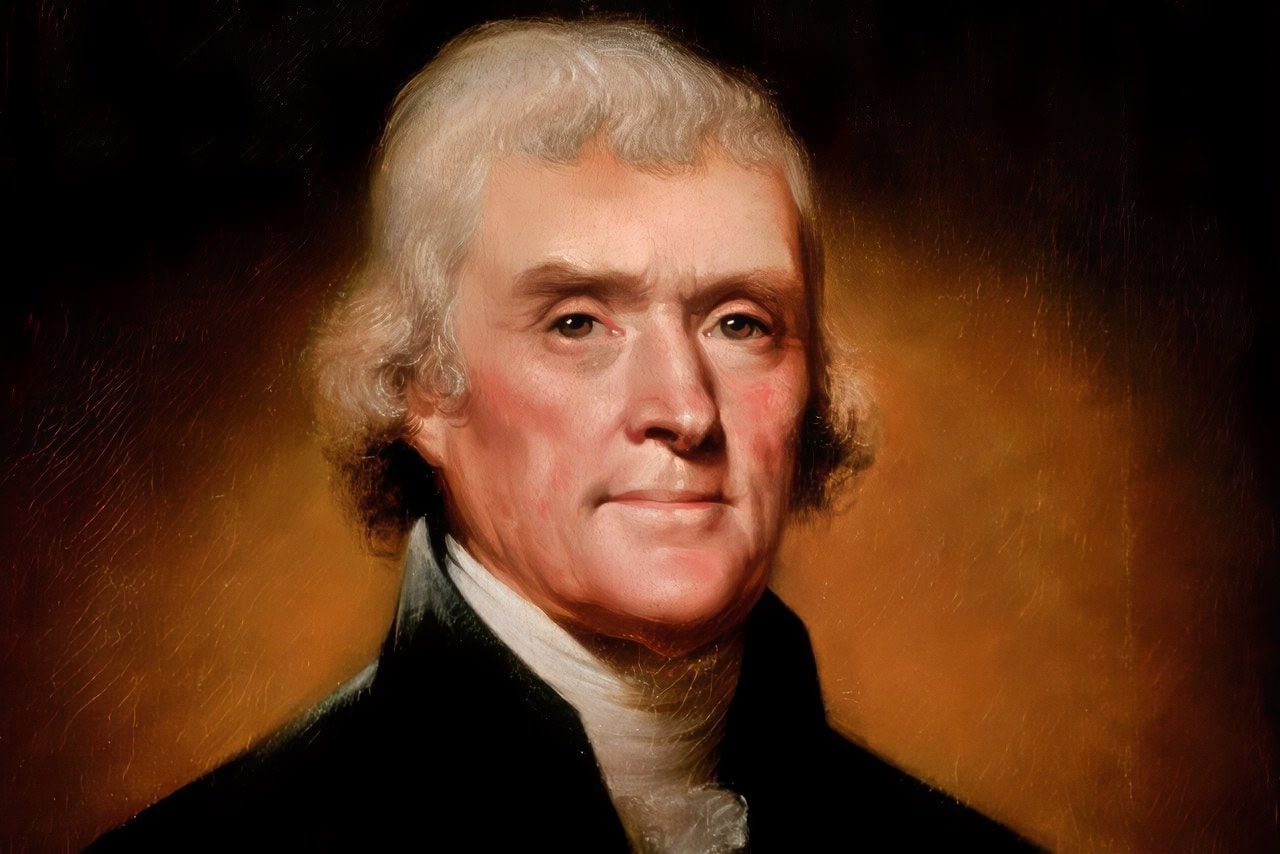
Thomas Jefferson. Image Credit: Creative Commons.

Thomas Jefferson Burial. Image provided by Christian D. Orr.

Monticello Thomas Jefferson Original Image. Image by Christian D. Orr/19FortyFive
Where the French and European courtiers wore powdered wigs, Franklin’s choice of a simple marten-fur cap and plain clothing was seen as charmingly rustic and unpretentious.
Plus, he was a natural charmer, especially with French women, unlike most politicians, who were mostly seen as stuffy and dry.
Franklin presented his credentials to the French court in 1779, becoming the first American Minister (the eighteenth-century American equivalent of an Ambassador) to be received by a foreign government.
Franklin was a lead negotiator for the Treaty of Paris (1783). As the principal negotiator, he helped secure the peace treaty that formally ended the war and established U.S. independence.
Franklin was one of three American negotiators, along with John Adams and John Jay, who hammered out a peace treaty with the English negotiator David Hartley. It not only secured British recognition of the United States but also established the boundaries that would later enable westward expansion.
When Franklin returned to the United States in 1785, Thomas Jefferson succeeded him in Paris. French Foreign Minister Vergennes asked Jefferson, “It is you who replaces Dr. Franklin?” Jefferson famously replied, “No one can replace him, Sir; I am only his successor.”
Franklin’s role in France was indispensable, transforming him into America’s first international face and securing the foreign backing essential for victory.
Franklin died in 1790 in Philadelphia at the age of 84. His funeral in Philadelphia saw the largest procession the city had ever witnessed, marking a national moment of mourning for the celebrated statesman, scientist, and diplomat.
He was buried at Philadelphia’s Christ Church Burial Ground.
Curiously, neither President George Washington nor members of Congress attended his funeral.
About the Author: Steve Balestrieri
Steve Balestrieri is a National Security Columnist. He served as a US Army Special Forces NCO and Warrant Officer. In addition to writing on defense, he covers the NFL for PatsFans.com and is a member of the Pro Football Writers of America (PFWA). His work was regularly featured in many military publications.