

Benjamin Franklin Has a Message for Anyone Chasing Money: Invest in Knowledge
“An Investment in Knowledge Always Pays The Best Interest” – Benjamin Franklin
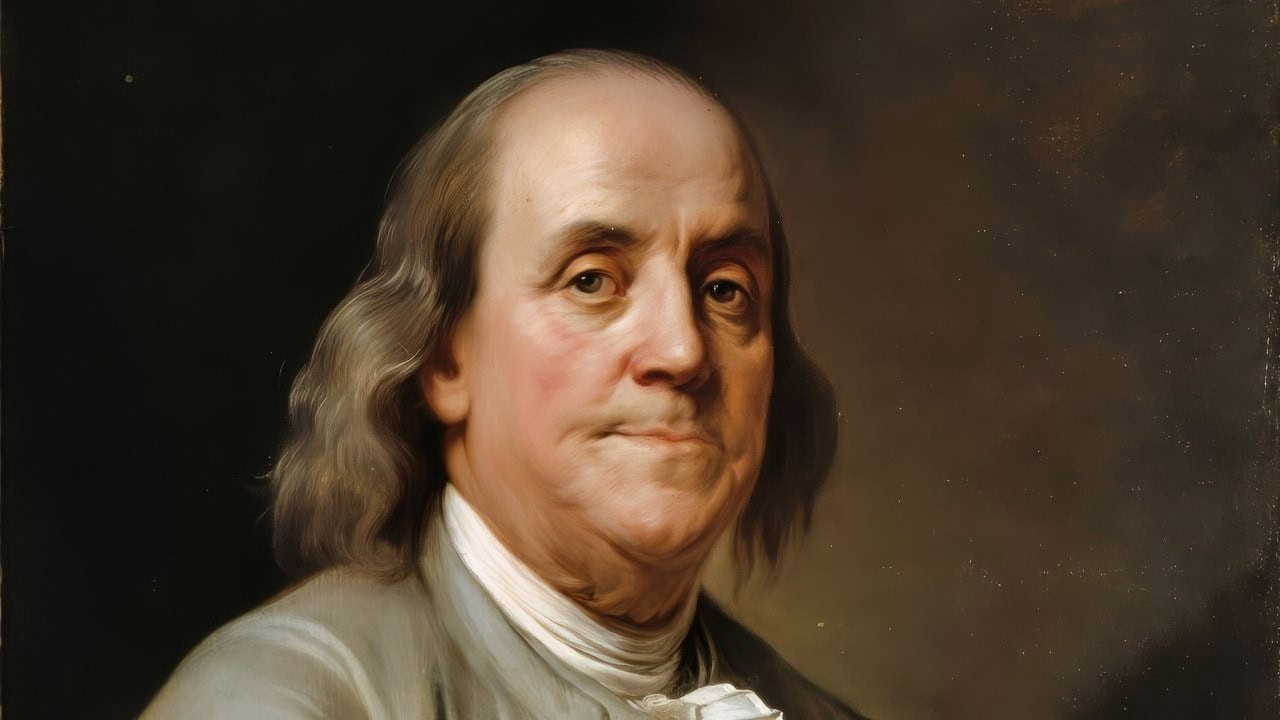
Benjamin Franklin. Image Credit: Creative Commons.
The quote by Benjamin Franklin means that acquiring knowledge and skills offers the most valuable and enduring returns, leading to greater opportunities, better decisions, and personal growth that can’t be lost like money.
Franklin emphasized his passion for lifelong learning, highlighting that education builds permanent assets for individuals and societies, yielding benefits far beyond financial gains.
Franklin means that, unlike money, knowledge cannot be stolen, taxed, or devalued, becoming a secure, compounding asset.
The “interest” comes from a lifetime of better choices, expanded opportunities, deeper understanding, and improved career prospects.
His view supports personal development and career advancement, creating more capable citizens who benefit families and entire communities. Investing in knowledge isn’t just formal schooling; it includes self-education, skill-building, reading, and on-the-job training.
Origin of the Quote
The quote is often found in contexts related to Franklin’s writings, sometimes as part of a longer passage: “If a man empties his purse into his head, no one can take it from him. An investment in knowledge always pays the best interest”.
The quote has been attributed to Franklin in his Poor Richard’s Almanack in the 18th century, although Bartleby’s lists it as “unverified.”
Poor Richard’s was a powerful vehicle for Franklin’s vision of a frugal, hardworking American, and it offered wisdom to those seeking to better themselves. Some of the other wisdoms that Franklin was quoted in the Almanack include:
“Necessity never made a good bargain.”
“No gains without pains.”
“If you know how to spend less than you get, you have the philosopher’s stone.”
“He that is rich need not live sparingly, and he that can live sparingly need not be rich.”
“Creditors have better memories than debtors.”
“Buy what thou hast no need of, and e’er long thou shalt sell thy necessaries.”
“Keep thy shop, and thy shop will keep thee.”
Franklin During The Revolutionary War
Prior to the Revolution, during the French and Indian War, Franklin, who isn’t particularly remembered as a military leader, however, “Franklin was made a military commander because of his experience in the Pennsylvania Assembly.
“Having lived through clashes between the French and British in the 1740s, he understood the importance of a staunch defense and wrote a bill in 1755 calling for the creation of a militia,” the Smithsonian Institution Magazine wrote.
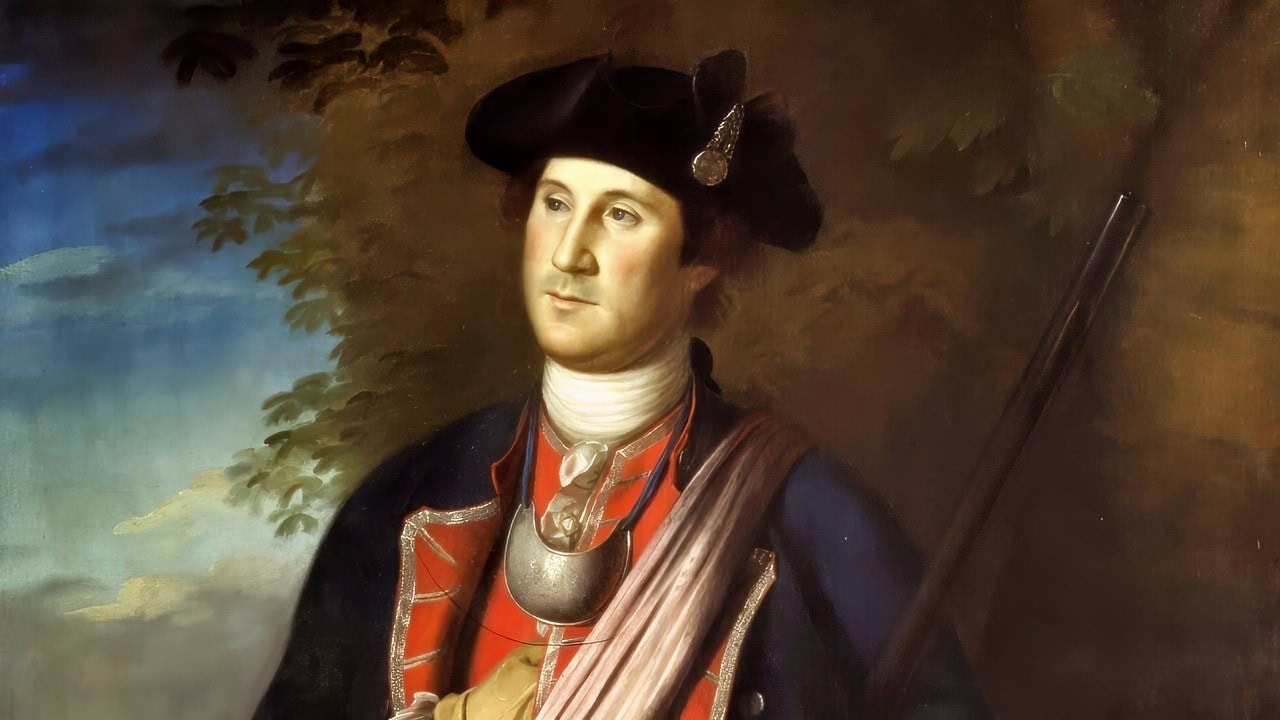
General George Washington Portrait. Image Credit: Creative Commons.
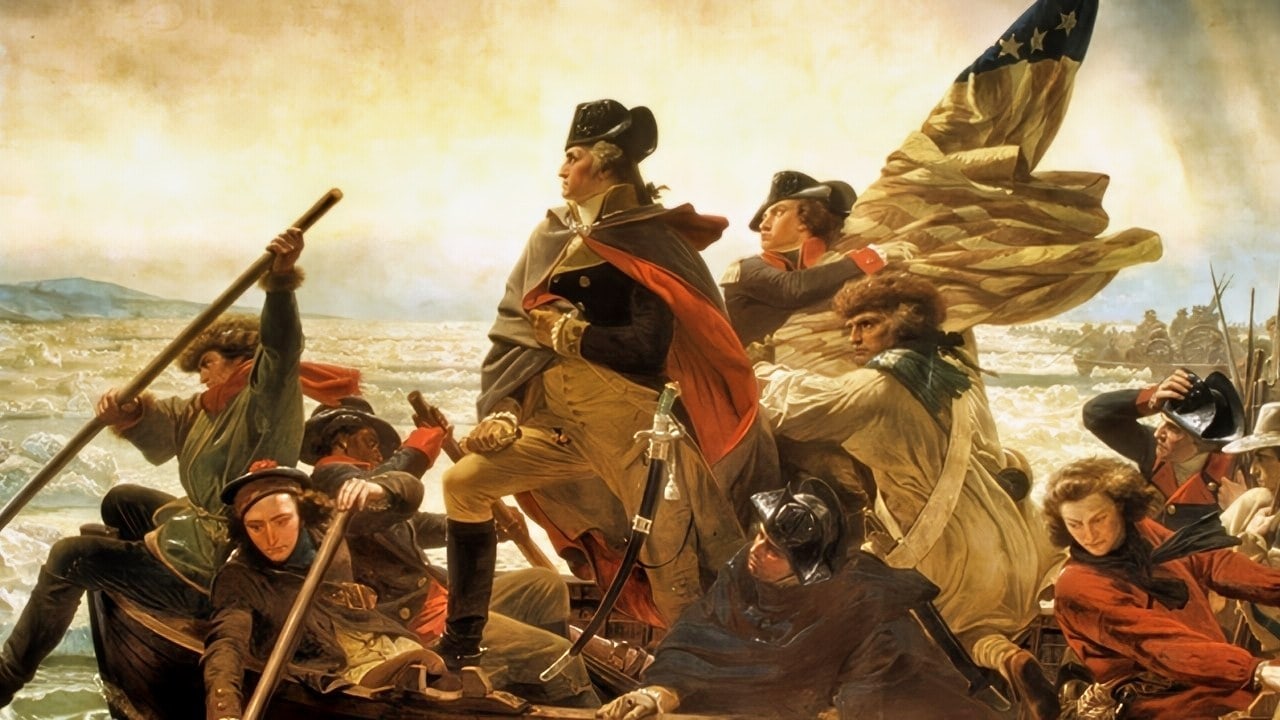
General George Washington. Image Credit: Creative Commons.
Franklin, “proved an able commander.” Franklin, drawing upon his experience as an inventor, built forts with platforms for firing ports, constructed other forts, and generally provided for the safety and welfare of the men, which any good commander will do.
According to a 2009 article, a Pennsylvania National Guard unit, the 1st Battalion, 111th Infantry Regiment, founded by Franklin during the French and Indian Wars, still exists and was stationed in Iraq at the time.
“We’re the founding unit in the Pennsylvania National Guard,” Lt. Col. Mark O’Hanlon, commander of the 1st Bn., 111th Inf. Regt., said. “We’re very proud of our lineage. We have been around since 1747, before there was a country.”
America’s First Ambassador
During the Revolutionary War, Benjamin Franklin was a key member of the Founding Fathers, serving as a diplomat in France to secure vital military and financial aid.
Franklin helped draft the Declaration of Independence and was a key member of the Committee of Five with John Adams, Roger Sherman, Robert Livingston, and the document’s primary author, Thomas Jefferson, who reviewed and edited Jefferson’s initial draft.
He famously changed “sacred and undeniable” to “self-evident” to ground rights in reason, and he was also one of the few Founding Fathers to sign the Declaration of Independence, the Treaty of Paris, and the Constitution. He helped shape the document’s language, removing controversial passages.
Franklin Convinced France To Support The Fledgling Democracy
Franklin was a delegate to the Continental Congress. It helped organize defenses and militia during the French and Indian War, where the first inkling of independence was born out of necessity, embodying the spirit of the Enlightenment and New World ideals.
In 1754, he used his press to circulate the famous “Join or Die” cartoon to rally the colonies against the French. While at the Congress, Franklin proposed the Albany Plan, which failed at the time but later inspired the Articles of Confederation and the unification of the colonies.
Franklin was the US’s diplomat in France (1776-1785). Appointed as America’s representative. Franklin’s popularity and skill charmed French society, becoming a popular figure for the Americans in Europe.
His persuasive diplomacy and international renown after the first American battlefield success at Saratoga convinced France to recognize American independence and conclude an alliance with the thirteen American states in 1778.
When Franklin returned to the United States in 1785, he was succeeded in Paris by Thomas Jefferson. French Foreign Minister Vergennes asked Jefferson, “It is you who replaces Dr. Franklin?” Jefferson famously replied, “No one can replace him, Sir; I am only his successor.”

Monticello Thomas Jefferson Original Image. Image by Christian D. Orr/19FortyFive

Thomas Jefferson Burial. Image provided by Author.
Franklin died in 1790 in Philadelphia at the age of 84. His funeral in Philadelphia saw the largest procession the city had ever witnessed, marking a national moment of mourning for the celebrated statesman, scientist, and diplomat.
Curiously, neither President George Washington nor members of Congress attended his funeral.
About the Author: Steve Balestrieri
Steve Balestrieri is a National Security Columnist. He served as a US Army Special Forces NCO and Warrant Officer. In addition to writing on defense, he covers the NFL for PatsFans.com and is a member of the Pro Football Writers of America (PFWA). His work was regularly featured in many military publications.