
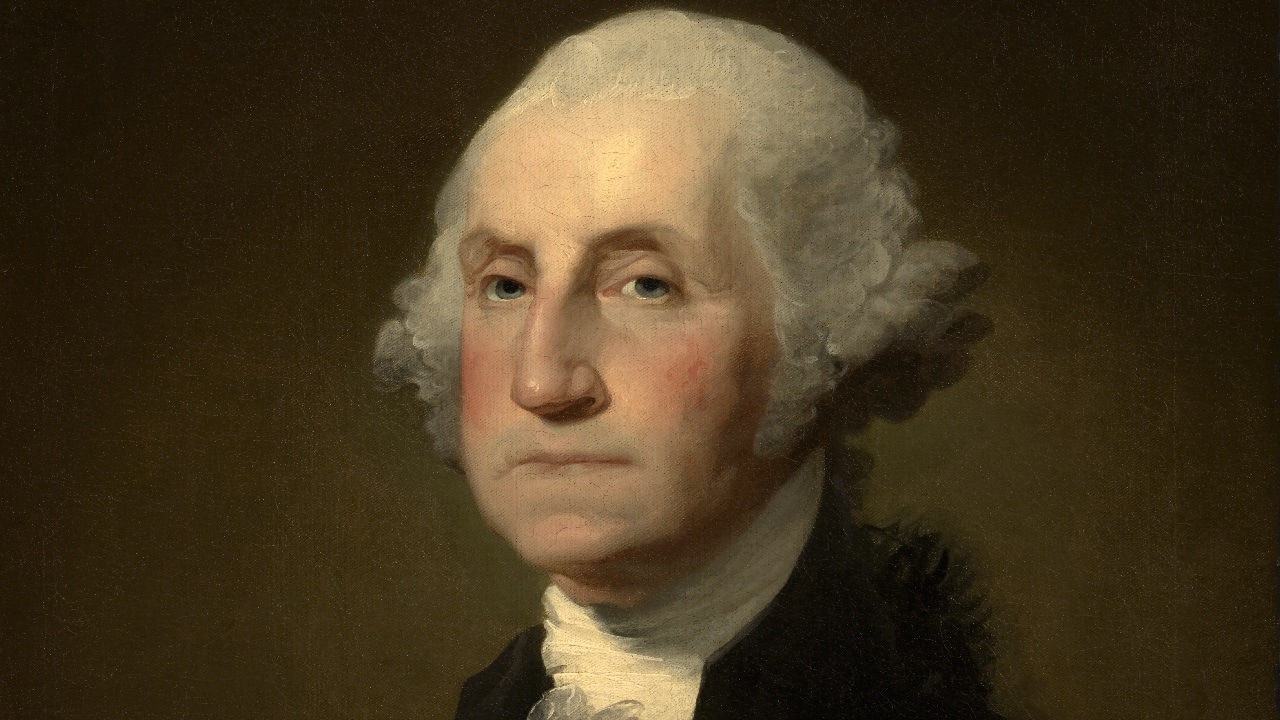
Key Points and Summary – Drawing on a quote often attributed to George Washington, this analysis argues that the outcome of the war in Ukraine will be defined by endurance rather than specific battlefield events like Russia’s recent advances in Pokrovsk.
-Just as Washington’s strategy in the Revolutionary War prioritized keeping the Continental Army intact over winning every engagement, Ukraine’s path to victory lies in preserving its political will, economy, and alliances.
-The piece contends that while Russia may claim tactical wins, true victory depends on which nation can sustain the costs of war long enough to break the other’s resolve.
“Victory or defeat is not determined by the outcome of a single battle or event, but by the overall perseverance and determination of a nation.” – George Washington.
Some have treated Russia’s push to seize Ukraine’s eastern logistics hubs as evidence that the war’s outcome is tilting toward Moscow.
It’s not the only factor, of course, but it’s a big one. In December, Russian commanders and state media once again framed the advances around places like Pokrovsk and Myrnohrad as proof that Ukraine’s front was cracking and that Kyiv should now accept a settlement on Russian terms.
Yet even as fighting intensified – Russia launching large missile and drone attacks on Kyiv while Ukraine continued striking Russian energy infrastructure – the core question remains unchanged: can either side break the other’s ability (and willingness) to keep fighting over time, and not in a single operation or a “turning point” week or month.
Cannon Firing. Image Credit: Creative Commons.
Recent events on the battlefield make this point well. Russia can claim a symbolic victory, Ukraine can deny it, and the war will still grind on.
That’s why a line often attributed to George Washington still resonates in modern war analysis: victory or defeat isn’t settled in a single battle but in a side’s ability to persevere and continue fighting.
The specific wording that often circulates online is tricky to trace to a particular document from Washington, but what is not in dispute is that Washington frequently framed the Revolutionary War as one of endurance – a matter of keeping the army intact, maintaining the political cause behind it, and outlasting a stronger opponent.
Survival Is A Strategy
Washington’s experience is valuable here because it exposes a standard error in debate: treating war as a series of victories and defeats rather than as a constant struggle over staying power.
In the American Revolution, Washington’s Continental Army could not match British soldiers in set-piece fighting (anticipated battles), and as a result, it lost major engagements.
But the revolution survived, as long as the army remained in the field and the political coalition behind the fighting did not break.
That strategic logic still applies to modern wars that, over time, become attritional.
Tactical events obviously still matter: cities will be destroyed or conquered, air defenses can fail, and stockpiles can run low. Ukraine knows this story well after years of fighting. But these events also matter for what they do to an adversary’s long-term capacity.
These events strip both sides of their manpower, their ability to replenish stocks and maintain their industrial capacity, and sometimes their allied support and domestic support. Washington’s comments and rationale, therefore, have modern relevance: a combatant can lose ground without losing the war if its force survives, its government holds, and its external support remains.
For Russia, that means maintaining domestic support for the war, maintaining or even expanding allies (as Putin has done with the likes of North Korea and others), and proving to the West that it will not simply give up.
Military Wisdom of George Washington: Endurance Decides Wars
Washington’s relevance here is this: he understood that the Continental Army didn’t need to defeat Britain outright on the battlefield to win independence. It needed to remain intact long enough for Britain to tire of the war’s cost, to lose political will at home, and to reassess whether the war was worth sustaining.
That meant Washington would order retreats when necessary, accept losses without allowing them to become totally catastrophic, and prioritize survival over anything else – including theatrics. Many of Washington’s critics at the time viewed his ideas as weak, but in retrospect, it was discipline – and it worked.
That same discipline is missing in some modern commentary on the Ukraine conflict. Advances around towns like Pokrovsk certainly matter, but they are not necessarily victories. At least, yet. Missile barrages on Kyiv matter too, but they don’t automatically translate into political collapse in Ukraine or a loss of domestic support for the resistance.
Ukraine’s ability to leverage its own capabilities and allied support, its surprising ability to sustain its economy and repair infrastructure, are all far more important than losing or holding a single city one month to the next. The same logic also applies to Russia, which is betting heavily on its own capacity to absorb sanctions (which it has, in many respects, done), to fund a war economy, and to maintain domestic support (for the most part) as the conflict drags on.
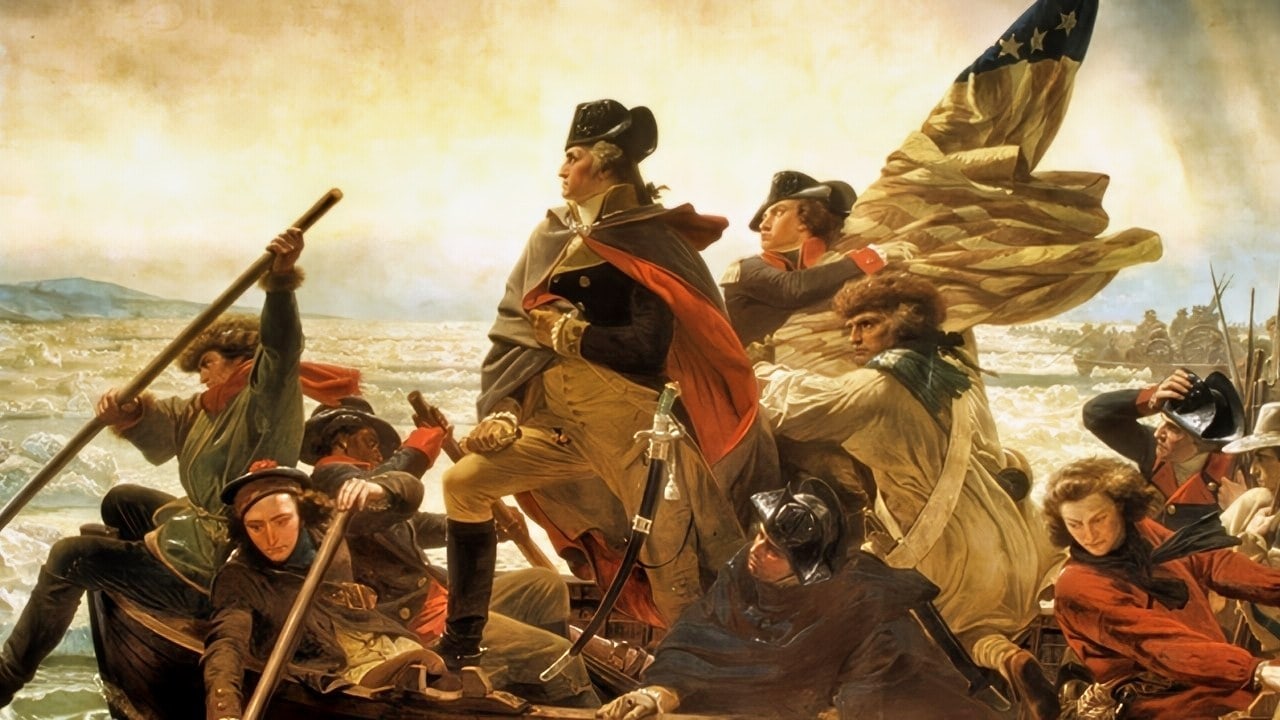
General George Washington. Image Credit: Creative Commons.
In Ukraine, as Washington understood centuries earlier, the war is unlikely to be decided by who wins the next battle but by which side ultimately proves able to sustain the political, economic, and military costs of continuing to fight.
About the Author:
Jack Buckby is a British researcher and analyst specialising in defence and national security, based in New York. His work focuses on military capability, procurement, and strategic competition, producing and editing analysis for policy and defence audiences. He brings extensive editorial experience, with a career output spanning over 1,000 articles at 19FortyFive and National Security Journal, and has previously authored books and papers on extremism and deradicalisation.