
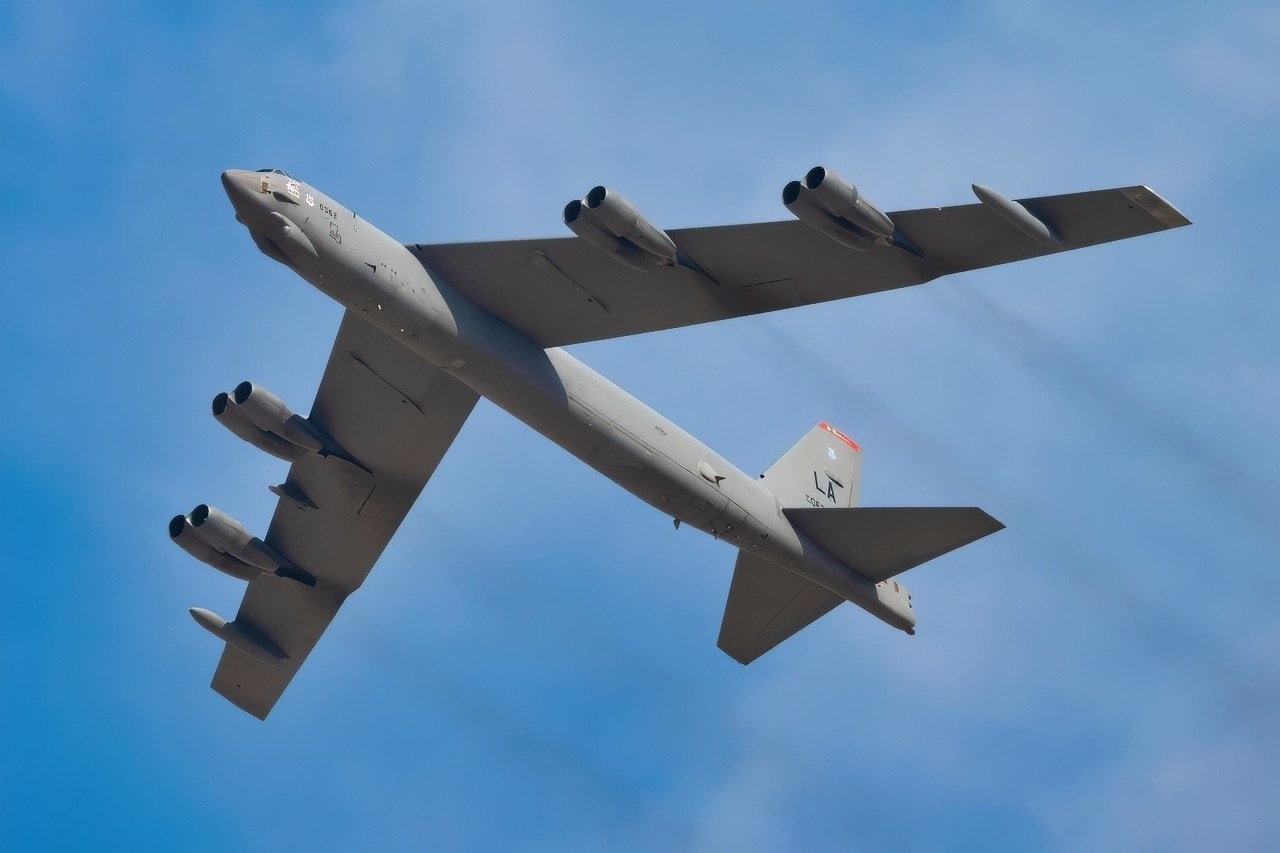
Key Points and Summary on the B-52J Bomber U.S. Air ForceProgram – The Air Force is putting fresh money behind the B-52’s long life, awarding Boeing more than $2 billion to push forward the Commercial Engine Replacement Program.
-The immediate focus is not a fleet-wide retrofit, but integrating and flight-testing Rolls-Royce F130 engines on two aircraft through a development effort expected to run into 2033.
The re-engine initiative supports the broader B-52J path, which also includes a new AESA radar, communications upgrades, and revamped avionics.
-The logic is straightforward: keep a large-payload, durable airframe relevant as the bomber force transitions toward the B-21—while preserving capacity and flexibility for long-range strike.
Boeing’s Next B-52J Step: Two Test Jets, Then a Long Road to 2033
The U.S. Air Force has awarded Boeing more than $2 billion to continue re-engining its B-52 Stratofortress bomber fleet, a significant new step in a long-running effort to keep the aircraft operational for decades to come.
The funding will permit the B-52 Commercial Engine Replacement Program to continue replacing the bomber’s Cold War-era Pratt & Whitney TF33 engines with modern Rolls-Royce F130 turbofans. The current contract phase is aimed squarely at integrating the new engines and testing them on two aircraft, rather than beginning a fleet-wide installation.
Air Force officials say that this phase of work should run through 2033, with funding released incrementally as testing and development milestones are met. Just under $36 million was obligated at the time of the award, with additional funding scheduled to begin in fiscal year 2026 as research, development, and evaluation continue.
The B-52 fleet remains a central part of U.S. long-range strike capability despite its age. The Air Force currently operates roughly 75 to 76 B-52H bombers, most of which entered service in the early 1960s.
While newer bombers such as the B-2 Spirit and the upcoming B-21 Raider are by far the more critical assets, Air Force leaders have repeatedly stressed the need for the B-52 not just to maintain the congressionally-mandated fleet size but because of its large airframe, payload capacity, and structural durability that make it uniquely well-suited for continued service if modernized.

PHILIPPINE SEA (Feb. 24, 2024) A U.S. Air Force B-52 Stratofortress, attached to the 5th Bomb Wing, and aircraft attached to Carrier Air Wing (CVW) 11, fly in formation over the Nimitz-class aircraft carrier USS Theodore Roosevelt (CVN 71), Feb. 24, 2024. Theodore Roosevelt, flagship of Carrier Strike Group Nine, is underway conducting routine operations in the U.S. 7th Fleet area of operations. U.S. 7th Fleet is the U.S. Navy’s largest forward-deployed numbered fleet, and routinely interacts and operates with allies and partners in preserving a free and open Indo-Pacific region. (U.S. Navy photo by Mass Communication Specialist 1st Class Thomas Gooley)
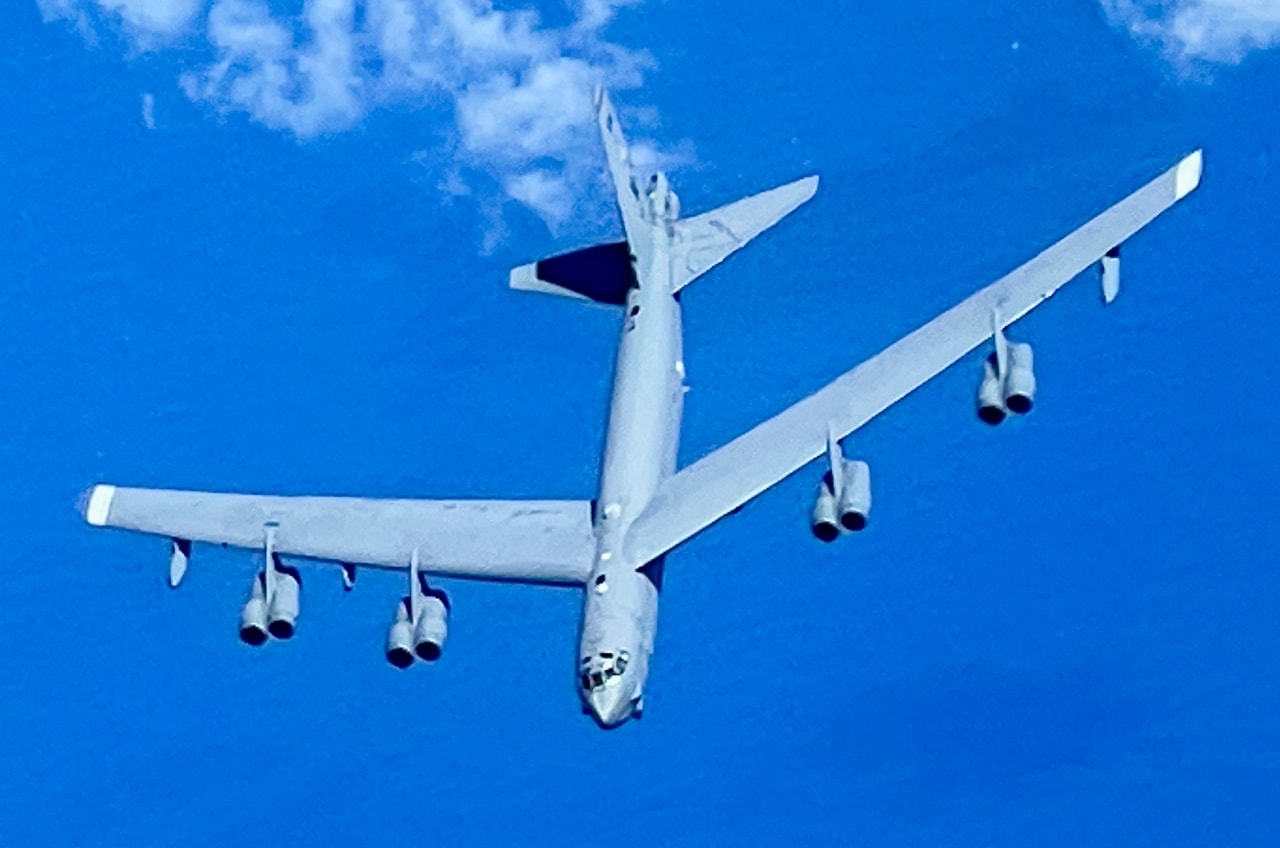
A B-52 Stratofortress assigned to the 2nd Bomb Wing, Barksdale Air Force Base, Louisiana, approaches a KC-135 Stratotanker assigned to the 6th Air Refueling Wing, MacDill AFB, Florida, for fuel over the southeastern United States, Nov. 5, 2024. The B-52 Stratofortress is a long-range, heavy bomber that can perform a variety of missions. As part of the Air Force Global Strike Command, the B-52 enables combat-ready forces to conduct strategic nuclear deterrence and global strike operations in support of combatant commanders. (U.S. Air Force photo by Senior Airman Mia McNeill)
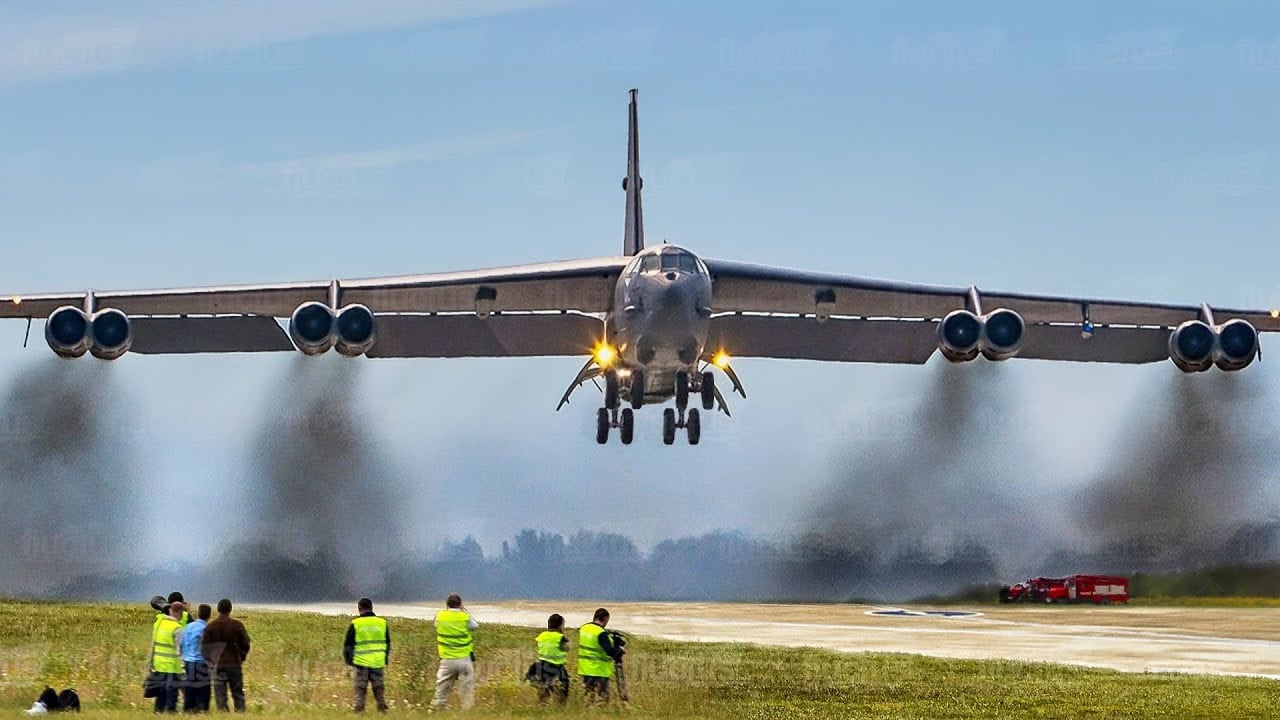
B-52 Bomber. Image Credit: Creative Commons.
At the heart of the ongoing modernization effort is replacing the TF33 engines, which have become increasingly complex and costly to maintain due to parts obsolescence and declining reliability.
Rolls-Royce’s F130 engine, a military derivative of the company’s BR725 commercial turbofan, was selected in 2021 after a competitive evaluation process that included bids from GE Aerospace and Pratt & Whitney.
The F130 design completed a critical design review in December 2024, clearing the way for the program to move into integration and testing. According to Rolls-Royce, the engine is expected to remain installed for the remainder of the B-52’s service life, eliminating the need for future re-engining efforts. This, it seems, will be the aircraft’s final showing.
Under the current contract, Boeing will modify and test two B-52 aircraft to validate the new engine installation. The phase is intended to confirm performance metrics, structural compatibility, and sustainment requirements before broader modernization decisions about the rest of the aircraft are made.
The Air Force and Boeing are also relying heavily on digital engineering tools to manage the complexity of the upgrade. That method will allow engineers to model performance, assess risk, and identify potential integration challenges before physical modifications are carried out, thereby reducing the likelihood of costly redesigns further down the line.
Re-engining is only one part of a broader effort to redesignate the aircraft as the B-52J, however. In parallel with the propulsion upgrade, the Air Force is planning to equip the fleet with a new active electronically scanned array radar supplied by Raytheon, along with upgraded communications systems. Avionics improvements and redesigned crew stations are also reportedly planned.
So far, Boeing has delivered a B-52 equipped with a new radar for ground and flight testing. Those tests are expected to continue through 2026, with a decision on full-fleet radar installation anticipated later in the year.
Why the B-52J Matters
The upgrades are critical, too. As the service manages the transition to a smaller bomber fleet built around the B-21, the B-52s will serve as a vital stopgap. While the B-1B Lancer and B-2 Spirit are expected to retire gradually as new aircraft enter service, the B-52 is expected to remain operational well into the 2050s – making it an almost century-old platform by the time it retires.
Beyond sustainment benefits, though, the new engines are expected to support future mission growth – a remarkable feat, if it eventually works out, for such an old platform. The engines will provide improved fuel efficiency and increased electrical power generation, enabling the integration of advanced sensors and long-range weapons, reinforcing once again the bomber’s role in both nuclear deterrence and conventional strike operations.
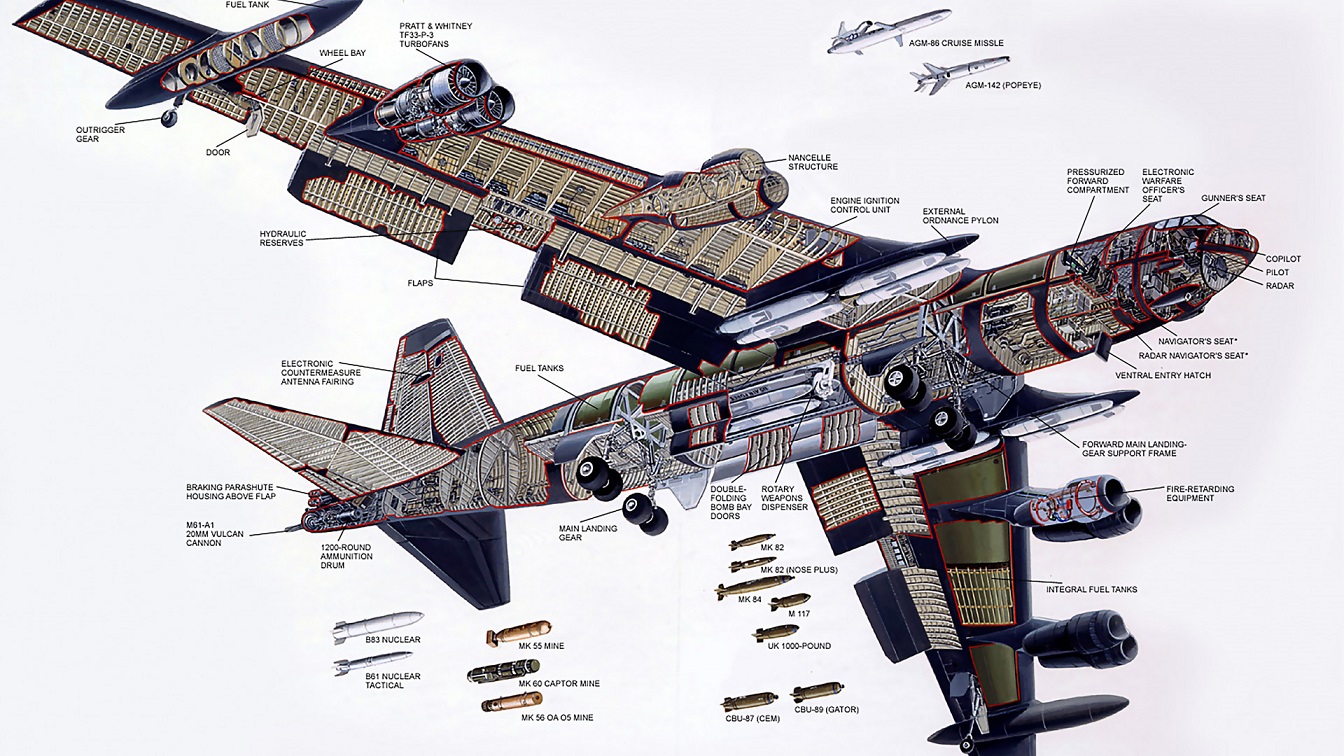
B-52 bomber. Image Credit: Creative Commons.
Current Air Force planning places initial operational capability for the B-52J, combining new engines and radar, somewhere around 2033. While that timeline is later than earlier projections, officials say it reflects updated technical assessments and budget realities rather than a change in intent.
If successful, the program would cement the Stratofortress as a significant asset for U.S. airpower for another generation.
About the Author:
Jack Buckby is a British researcher and analyst specialising in defence and national security, based in New York. His work focuses on military capability, procurement, and strategic competition, producing and editing analysis for policy and defence audiences. He brings extensive editorial experience, with a career output spanning over 1,000 articles at 19FortyFive and National Security Journal, and has previously authored books and papers on extremism and deradicalisation.