
Summary and Key Points: In a massive effort to combat suicide over the 2025 holiday season, U.S. Army Secretary Dan Driscoll launched the “Just Pick Up” campaign, directing officers and NCOs to personally check in with every soldier, every day, through January 15, 2026.
-Inspired by a successful strategy used by the 11th Airborne Division in Alaska—which saw zero suicides in 14 months—the initiative prioritizes direct human connection over institutional programs.
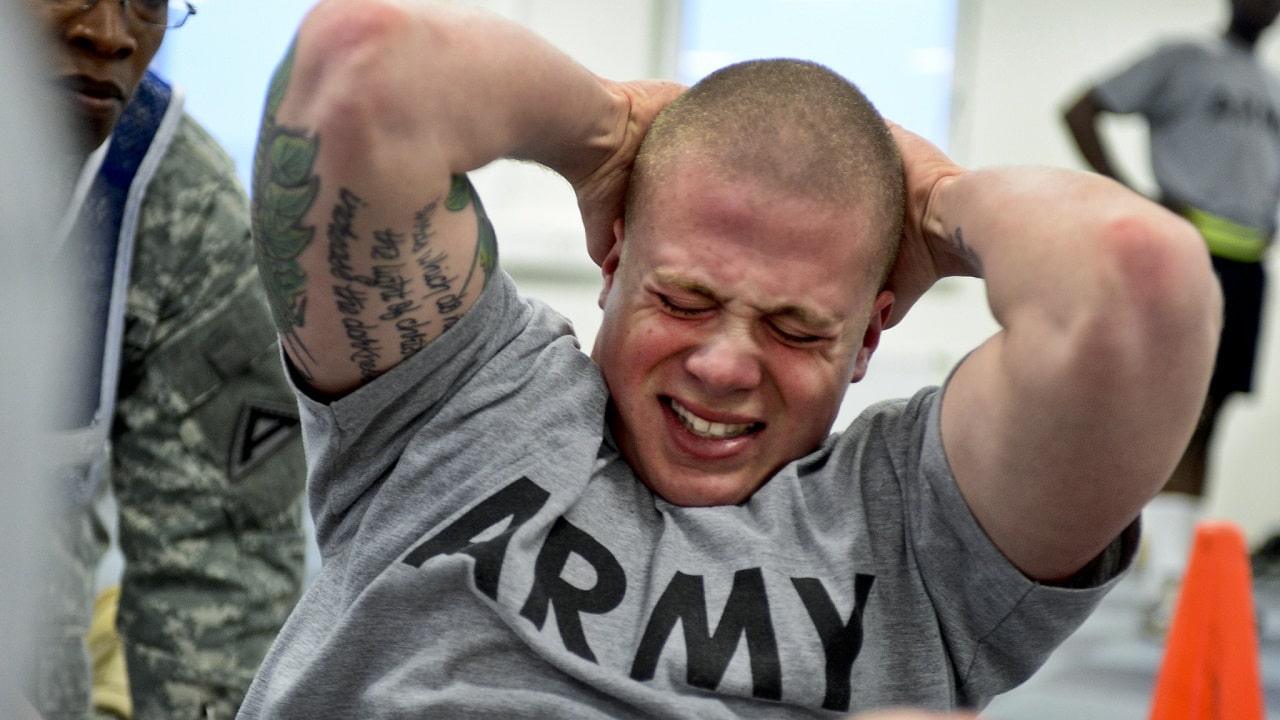
the Army’s goals are to train incoming civilians to become more than they once were — warfighters capable of managing the stresses of their role within the defense apparatus.
-The move addresses a grim reality, with the Army losing 260 soldiers to suicide the prior year, and aims to support troops during a period often marked by isolation and high stress.
Fighting Isolation: Inside the Army’s Massive ‘Just Pick Up’ Campaign for Holiday Mental Health
As we headed into the holiday season in 2025, U.S. Army leaders rolled out a service-wide effort aimed at tackling one of the most persistent and difficult challenges within the force: preventing suicide during a period when some soldiers feel isolated, stressed, and separated from their families.
Titled the “Just Pick Up” campaign, the initiative directed officers and noncommissioned officers across the Army to personally check in with every soldier every day from late November through January 15, 2026.
The campaign was formally announced through a memorandum and holiday letters issued by Secretary of the Army Dan Driscoll, who instructed leaders to call, text, or visit their soldiers daily to check in and determine whether they needed help.
Unlike long-term structural reforms or training programs designed to improve the general welfare of soldiers, the Just Pick Up campaign was deliberately simple: it directed officers to contact their soldiers directly rather than relying on institutional processes.
How the Holidays Impact Some Soldiers
The directive applied across the active-duty Army, the National Guard, and the reserves, and was deliberately designed as a temporary effort tied to the holiday season.
The effort is a response to both the persistent high suicide counts and the unique stressors that come with the holiday period. In his service-wide memo, Driscoll stressed that the holidays can be a “high-risk period for self-harm” and urged soldiers to “just pick up” calls from their leaders and seek help when needed.
“The holidays can be a high-risk period for self-harm. We know it’s a problem; it happens every year, so we’ll address it head-on,” the memo reads. “For those who need help: When your phone rings during daily checkup, just pick up and ask for help. We want to pick you up, share your load and get you moving forward again.”
Driscoll pointed to the grim reality that the Army lost 260 soldiers to suicide in the prior year and referenced the Department of Defense’s Calendar Year 2023 Annual Report on Suicide in the Military, which documented 523 service members dying by suicide and showed increases compared with the prior year’s totals.
Although the data doesn’t suggest that suicide rates peak during the season, Army leadership recognized that the accumulation of risk factors during the holiday period is associated with increased emotional distress and potential for self-harm.
Army officials have said that the initiative was adapted from practices used within the 1st Infantry Brigade of the 11th Airborne Division, where leaders focused on routine and personal soldier checks to improve general well-being.
It was that approach, Driscoll said, that helped produce a 14-month period in which no suicides were reported within the division, which is based at Joint Base Elmendorf-Richardson in Alaska. The division had previously experienced a higher-than-average suicide rate, making it a good test case for direct communication between soldiers and leadership.
The Army Grapples With Suicide Rates
Beyond the Just Pick Up campaign, the U.S. military and other agencies have continued to expand what’s known as a continuum of mental health care aimed at detecting and treating emotional distress before it escalates into crisis or self-harm.
Through the Military Health System and its associated programs, service members and their families have access to a broad range of resources that go well beyond seasonal check-ins. Among them are mental health therapies, telehealth services, non-medical support such as Military and Family Life Counselors, and virtual counseling options designed to reach troops around the world 24 hours a day, seven days a week.
The increasingly broad range of offerings for soldiers is intended to provide more personalized care, including cognitive-behavioral therapy, group support, consultation, and more. The Military Health System’s Mental Health Hub and related programs also currently serve as central points of information and resources for troops and their families seeking support.
So while Just Pick Up was a targeted initiative for the holidays, its announcement came amid a larger effort to tackle suicide rates among veterans.
According to the Department of Veterans Affairs’ 2024 National Veteran Suicide Prevention Annual Report, 6,407 veterans died by suicide in 2022, the most recent year of finalized data – an average of more than 17 deaths per day.
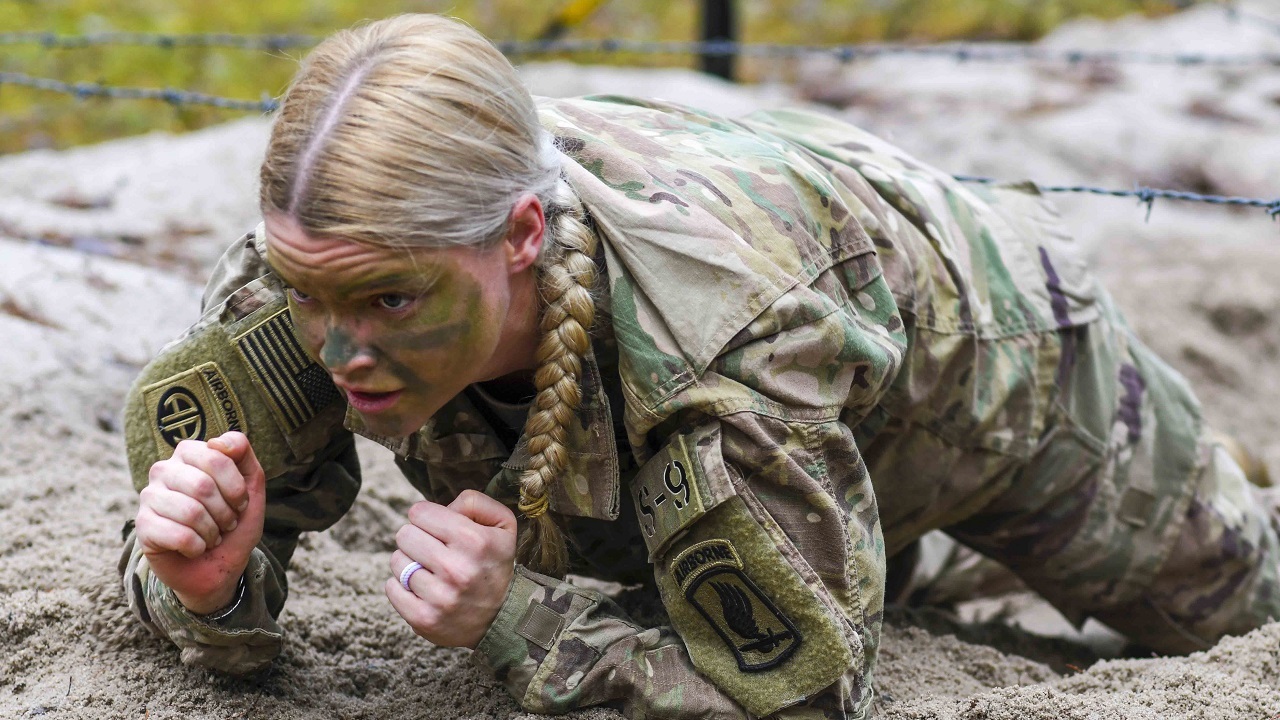
U.S. Army Capt. Valerie Nostrant, assigned to 1st Squadron, 91st Cavalry Regiment, 173rd Airborne Brigade, low crawls under barbed wire during the obstacle course portion of a spur ride at the 7th Army Training Command’s Grafenwoehr Training Area, Germany, Dec. 14, 2021. The purpose of this spur ride is to integrate new paratroopers into the Airborne Cavalry and build esprit de corps within the squadron, focused on Cavalry heritage. (U.S. Army photo by Markus Rauchenberger)
The scale of the problem has also been reflected in demand for crisis services. The VA reports that the Veterans Crisis Line, accessible by calling or texting 988 and pressing “1,” has handled millions of contacts annually since being integrated into the national 988 system.
The recent Just Pick up campaign builds on efforts to solve this pervasive problem and reinforces existing mechanisms, such as the 2021 Brandon Act, which allows service members to seek confidential mental health care during duty hours.
About the Author:
Jack Buckby is a British researcher and analyst specialising in defence and national security, based in New York. His work focuses on military capability, procurement, and strategic competition, producing and editing analysis for policy and defence audiences. He brings extensive editorial experience, with a career output spanning over 1,000 articles at 19FortyFive and National Security Journal, and has previously authored books and papers on extremism and deradicalisation.