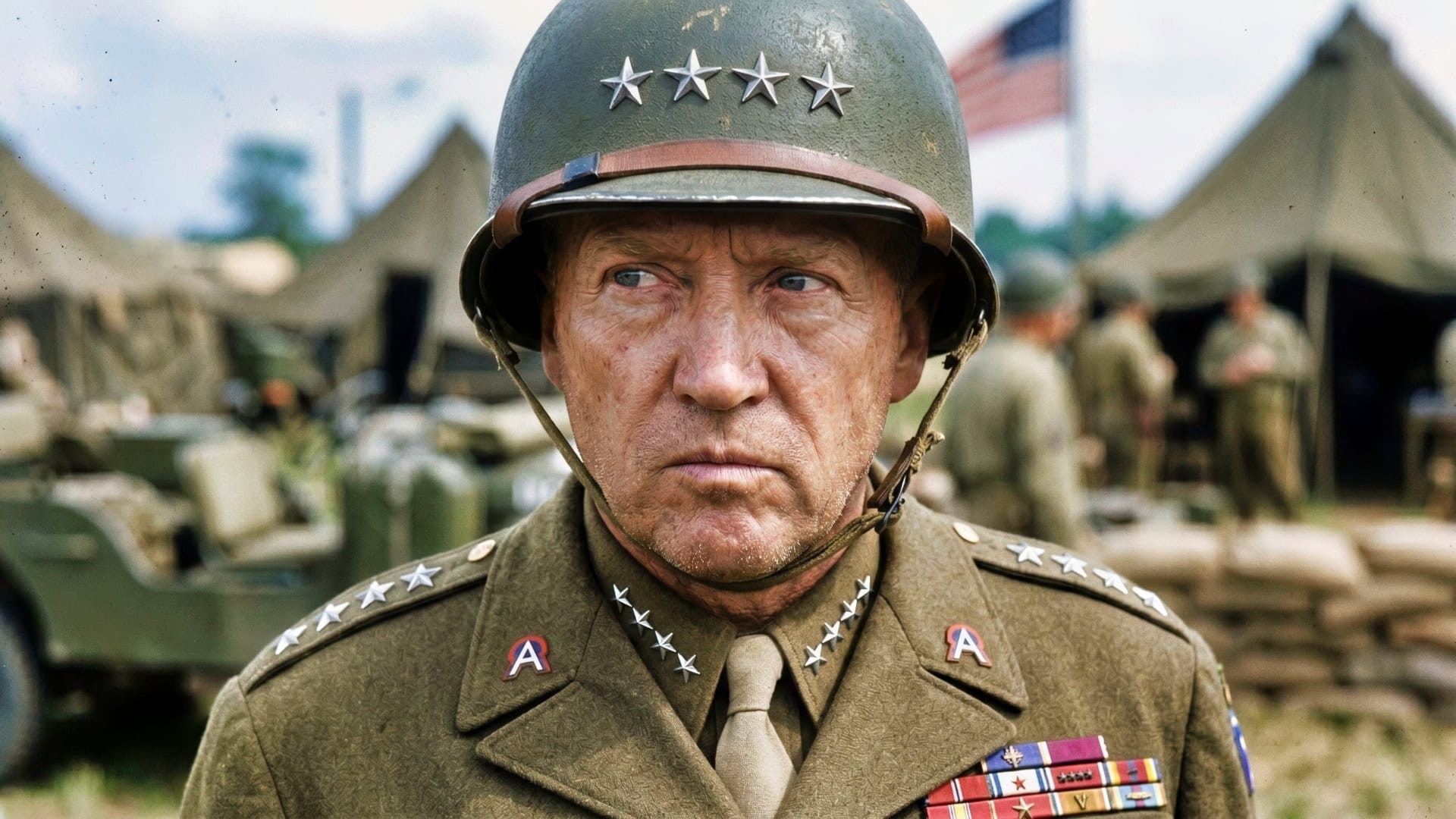
“Human beings are made up of flesh and blood, and a miracle fiber called courage.” – U.S. Army General George Patton
George S. Patton was not afraid of the unknown.
When it came to adopting new tactics and techniques, he never shied away from a challenge and always knew that his troops’ courage would carry the day. One such bold new change was adopting the tank.
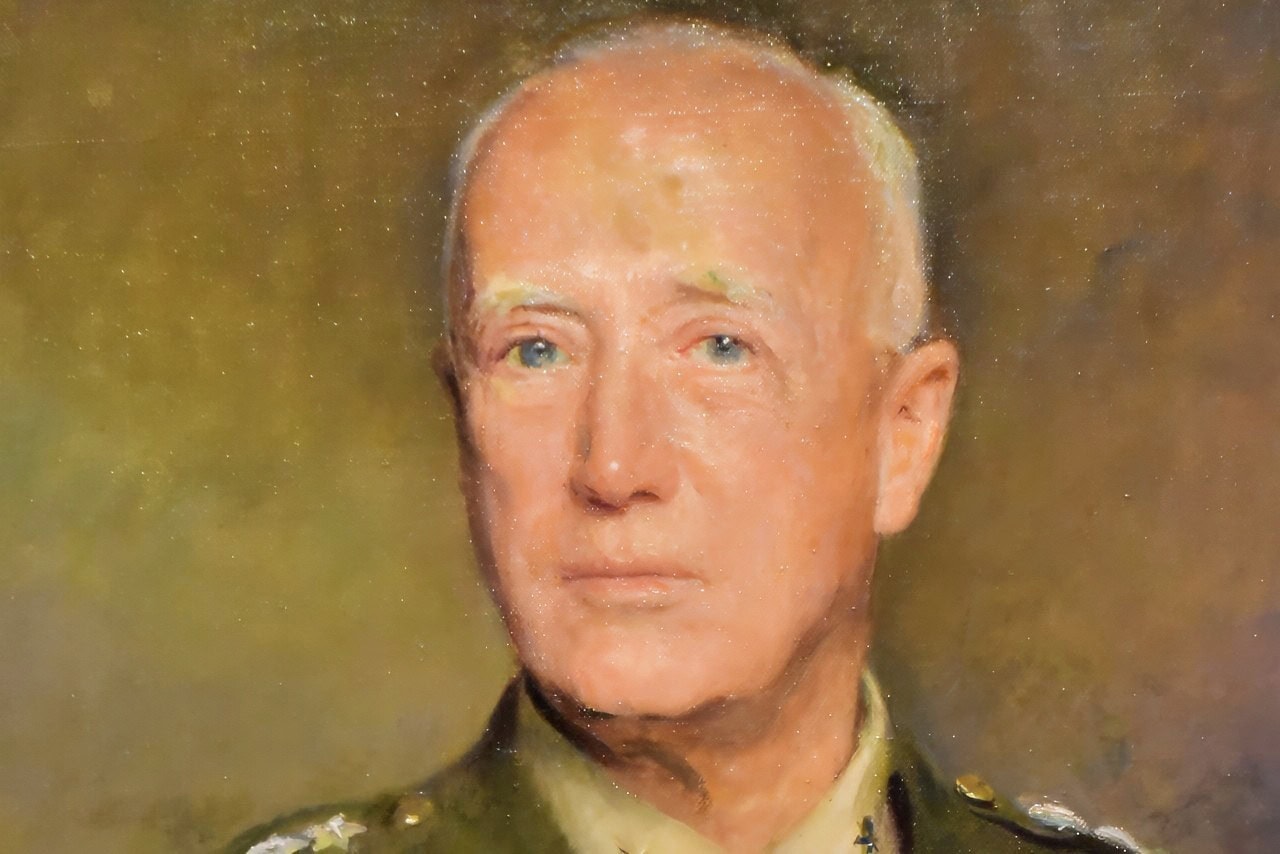
General George Patton National Portrait Gallery Photo. Image Taken by 19FortyFive on 1/23/2026 in Washington, DC.
After the First World War, many were unsure what to do with these new armored vehicles. Some were hesitant to adopt them, preferring to return to traditional horse use. Patton, however, saw immense value in the tank and campaigned aggressively for their integration into the U.S. Army. He would then go on to write some of the earliest armored doctrine for the Army, which is still studied today.
Patton’s First Exposure to Tanks
Patton’s exposure to armored warfare began during the First World War, when he became one of the U.S. Army’s earliest tank officers.
Serving in the newly formed Tank Corps, he commanded a tank brigade and personally led armored units in combat during the Meuse-Argonne Offensive.
During this time, he was also tasked with establishing a light tank school to train tankers and develop a new armored doctrine.
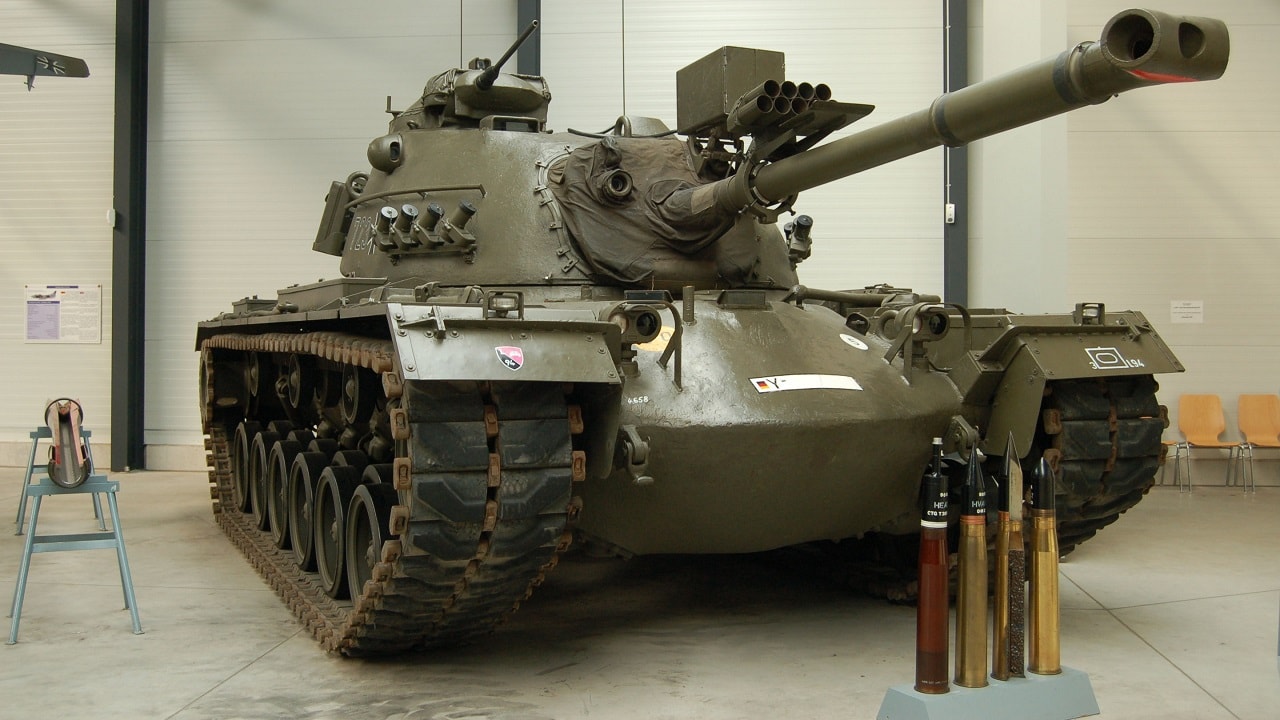
M48 Patton Tank. Image Credit: Creative Commons.
Patton saw firsthand both the potential and the limitations of tanks. Above all, he concluded that their value lay in aggressive, offensive use. To Patton, tanks were instruments that could restore mobility and maneuver on a battlefield dominated by artillery and machine guns.
During the interwar years, Patton became an outspoken advocate of mechanization in an Army that remained dominated by infantry and horse cavalry traditions. He, along with others, was tasked with devising a new manual on tank operations.
He studied European military theory closely, particularly the writings of British and German proponents of armored warfare, and followed foreign developments with keen interest.
Thinkers such as J.F.C. Fuller, Basil Liddell Hart, and Heinz Guderian influenced Patton’s understanding of how tanks could be massed and used for breakthrough and exploitation. Patton, however, knew that rigid doctrine alone would not be enough to win the day.
Underpinning any military victory, he believed, was a well-motivated fighting force led by competent commanders.
Pioneering U.S. Armored Doctrine
At the core of Patton’s armored warfare doctrine was an uncompromising commitment to offensive action. Patton believed that attack was both a tactical necessity and a moral imperative.
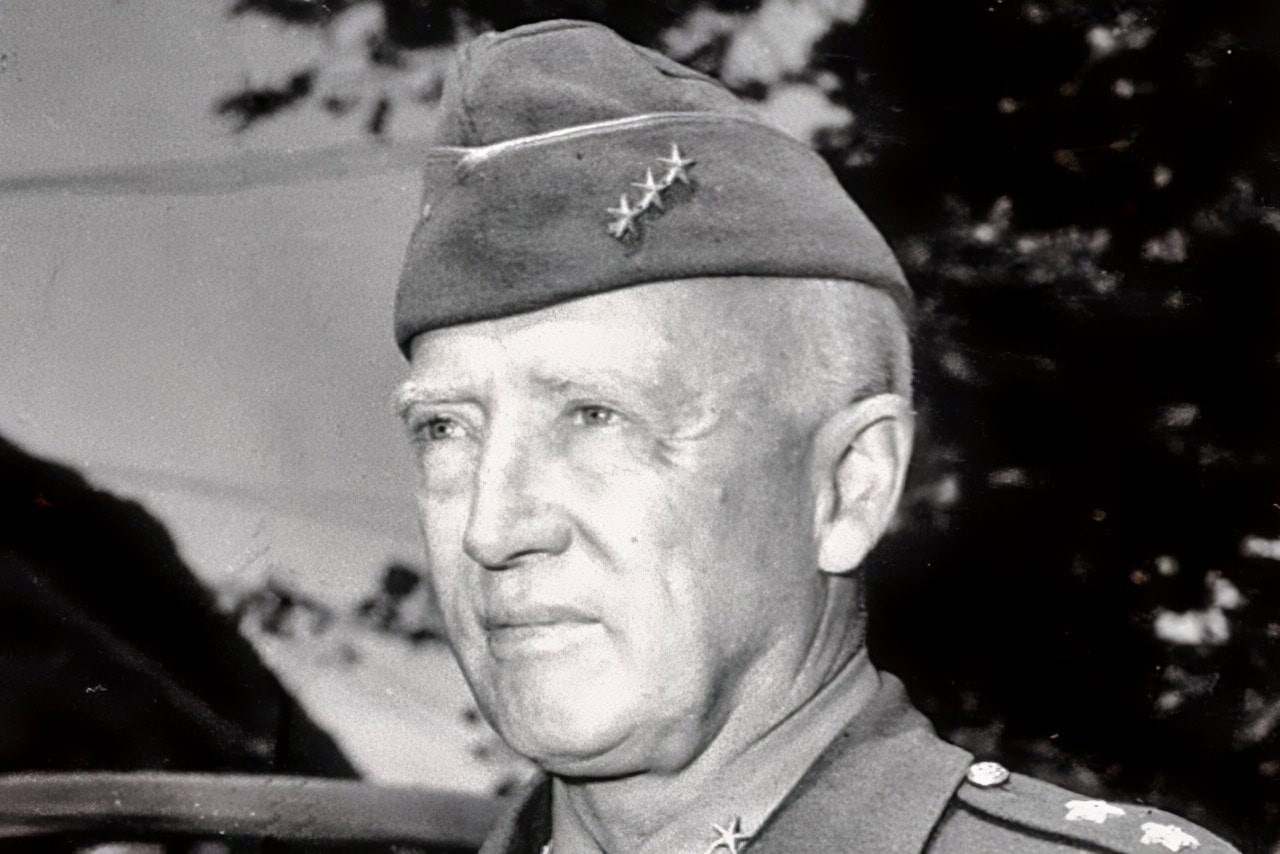
George S. Patton Quote of the Day. Creative Commons Image.
He held that only relentless offense could unhinge the enemy, destroy their will to fight, and bring a war to a decisive conclusion. When he was asked about his aggressive doctrine, he would simply answer, “Whenever you slow anything down, you waste human lives.” For armored forces in particular, he believed that any operational pause was a recipe for disaster, as tanks were most vulnerable when static. Movement, aggression, and pressure were therefore essential to both survival and success.
Speed was the main pillar of Patton’s armored strategy. He believed that time, above all else, determined the outcome of modern battles. By moving faster than the enemy could react, armored formations could compensate for manpower or material shortages.
For Patton, speed meant faster decision-making, the rapid transmission of orders, and the willingness of commanders at all levels to act without waiting for perfect information. With this aggressive method, he sought to avoid the stalemate and carnage of the First World War.
Tanks as Part of a Combined-Arms Fighting Force
Despite his reputation as a tank-centric commander, Patton was a firm believer in combined arms warfare. He understood that tanks alone were vulnerable to infantry and a wide range of weaponry, and that successful armored warfare required close cooperation with other branches.
Patton therefore demanded that artillery be made highly mobile, as he believed it to be the king of the battlefield. Infantry, whether on foot or in mechanized formations, was essential for protecting armored units from close threats and holding ground. Other units, be they engineers, logistics units, or air support, were similarly integrated into Patton’s operational vision, all to create a highly coordinated fighting force.
Patton’s doctrine also encompassed a distinctive philosophy of command. He believed that armored warfare demanded aggressive leadership and decentralized execution. He allowed subordinate commanders the freedom to exploit opportunities as they arose.
Patton expected initiative, boldness, and adaptability from his officers, and he showed little tolerance for caution or indecision. On several occasions, he relieved junior officers whom he believed to be indecisive or ineffective. At the same time, Patton valued professionalism and competence, insisting on rigorous training in navigation, gunnery, maintenance, and logistics to support operational boldness.
Patton’s Tanks in Action
When the U.S. entered the Second World War, Patton finally had the opportunity to test his new tactics and quickly rose to prominence.
In North Africa, he took command of II Corps after its defeat at the Kasserine Pass and rapidly imposed discipline, restoring the formation to fighting condition.
While North Africa was not ideal terrain for armored vehicles, Patton’s tactics helped II Corps rebound from earlier setbacks and push the Axis out of Africa. His forces managed to beat back the Germans under Rommel and forced them to retreat from Sicily some months later.
Patton’s fullest expression of armored warfare doctrine came during his command of the Third Army in 1944 and 1945. Following the Allied breakout from Normandy, Patton’s forces swept across France, driving his armored columns deep into enemy territory with remarkable speed.
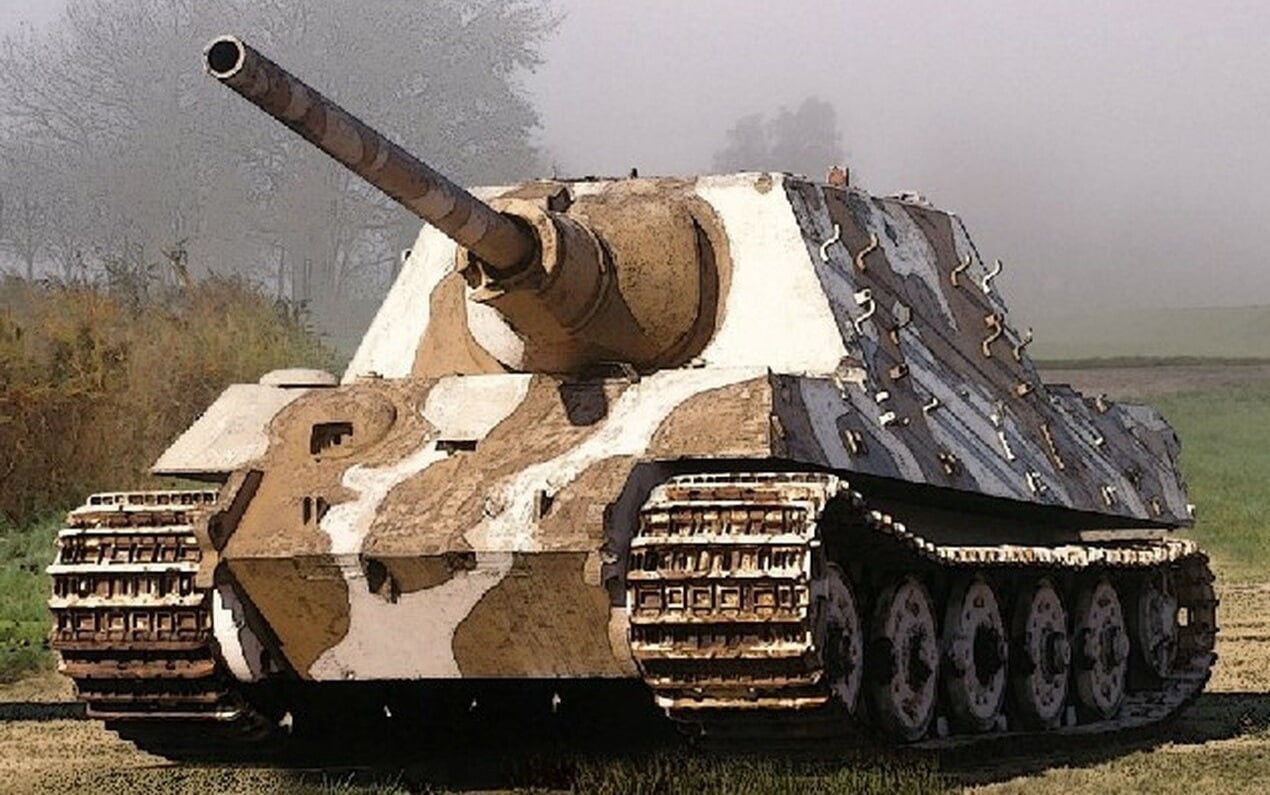
Jagdtiger. Image Credit: Creative Commons.
Despite chronic shortages of fuel and supplies, Third Army maintained momentum, determined to keep up its pressure on the defenders, who were themselves short on supplies.
Caught in a devastating war on two fronts, the Germans found themselves unable to establish stable defensive lines in the face of Patton’s rapid advances.
When the fighting finally ceased, Patton had established himself as one of the most influential generals on the Western Front.
His work and tactics are still studied today and have influenced American armored doctrine for decades to come.
About the Author: Isaac Seitz
Isaac Seitz, a Defense Columnist, graduated from Patrick Henry College’s Strategic Intelligence and National Security program. He has also studied Russian at Middlebury Language Schools and has worked as an intelligence Analyst in the private sector.