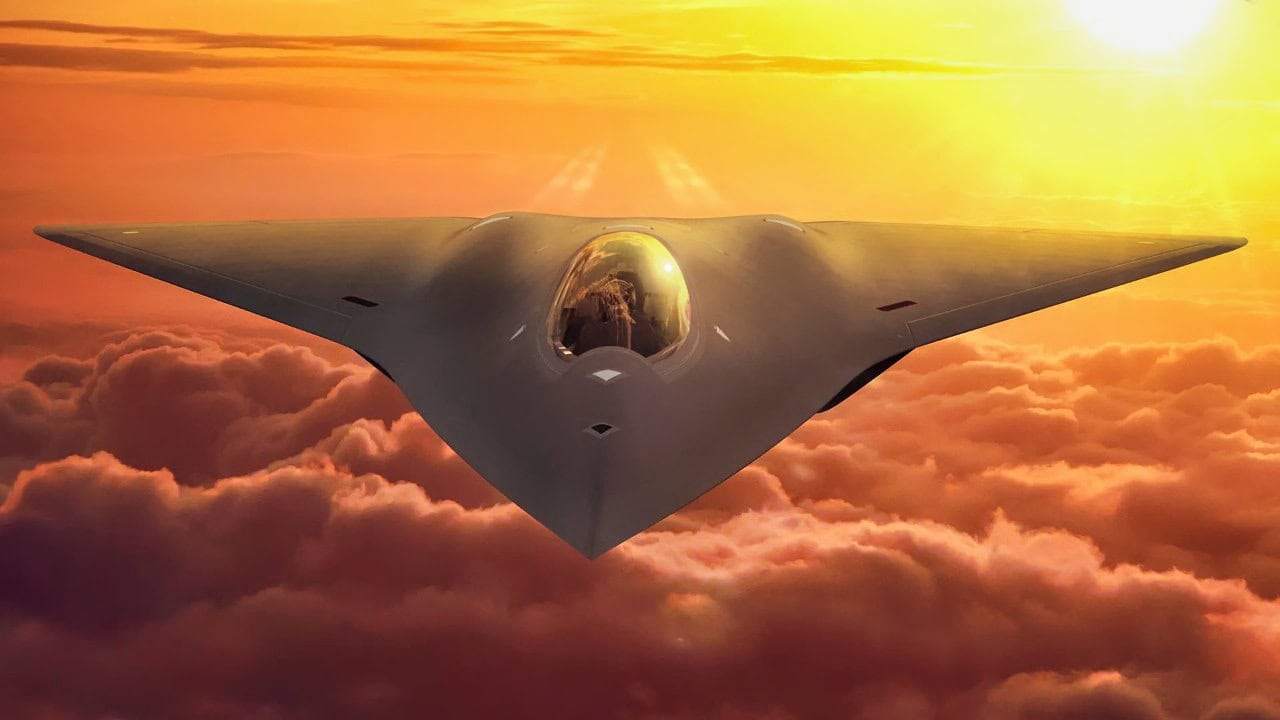
Synopsis and Key Points: The U.S. Navy’s F/A-XX program, designed to replace the aging F/A-18E/F Super Hornet in the 2030s, has stalled to the point where critics are calling it a “motionless program.”
-Intended as a sixth-generation “tip of the spear” featuring tailless aerodynamics and adaptive cycle engines, the jet is meant to complement the Air Force’s F-47.
However, with the Pentagon questioning whether the industrial base can support two simultaneous next-gen fighter programs, the decision-making process remains frozen with no immediate sign of progress.
The ‘Motionless’ F/A-XX: Inside the Navy’s Delayed Quest for a Sixth-Generation Fighter
Fort Lauderdale, Florida – Star Trek fans remember how underwhelmed we were with the release of Star Trek: The Motion Picture—the very first feature film made with the cast of the original series. The film plodded on without much happening and later would be panned among fans as, “Star Trek: The Motionless Picture.”
One of my colleagues, who is also a Star Trek fan, told me this week that “the people planning the US Navy’s F/A-XX program must be using the plot line for this film as a template. Because this aircraft project is showing all the signs of becoming a ‘motionless program.’”
The F/A-XX program is intended to be the counterpart to the Air Force’s sixth-generation F-47 fighter. It will replace the F/A-18E/F Super Hornet onboard Navy carriers in the 2030s and operate in conjunction with the F-35C.
The Navy’s needs from the program are similar to the Air Force’s for the F-47—the F/A-XX should also be a design that focuses extensively on stealth and the ability to operate in hostile environments at extended ranges.
It will be the proverbial “tip of the spear” in Navy air operations.
F/A-XX: What Makes Sixth-Generation Fighters Different
As with each new iteration of fighter aircraft, sixth-generation fighters have design characteristics that are unique and slot it along an evolutionary scale:
-Sixth-generation fighter aircraft are designed to achieve supercruise at Mach 2.2, at 60,000 feet, with periods of flight at Mach 0.8 for loitering or refueling.
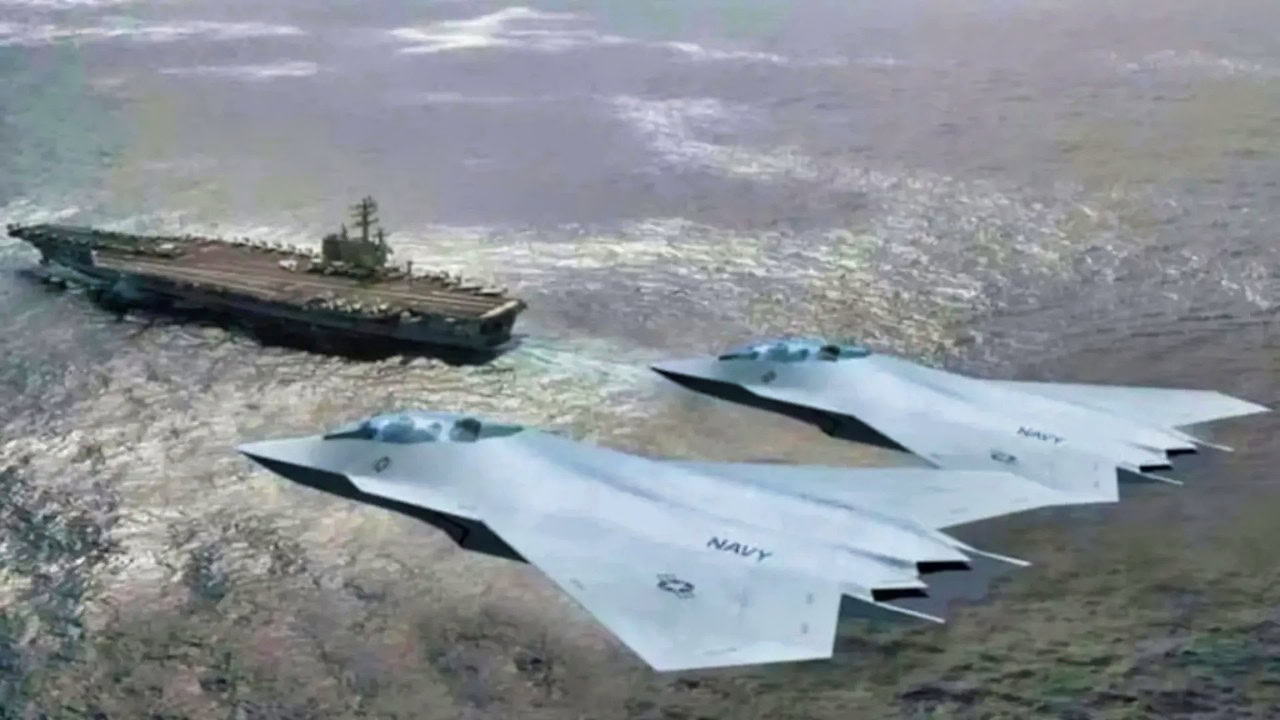
F/A-XX Fighter for US Navy. Navy graphic mockup.
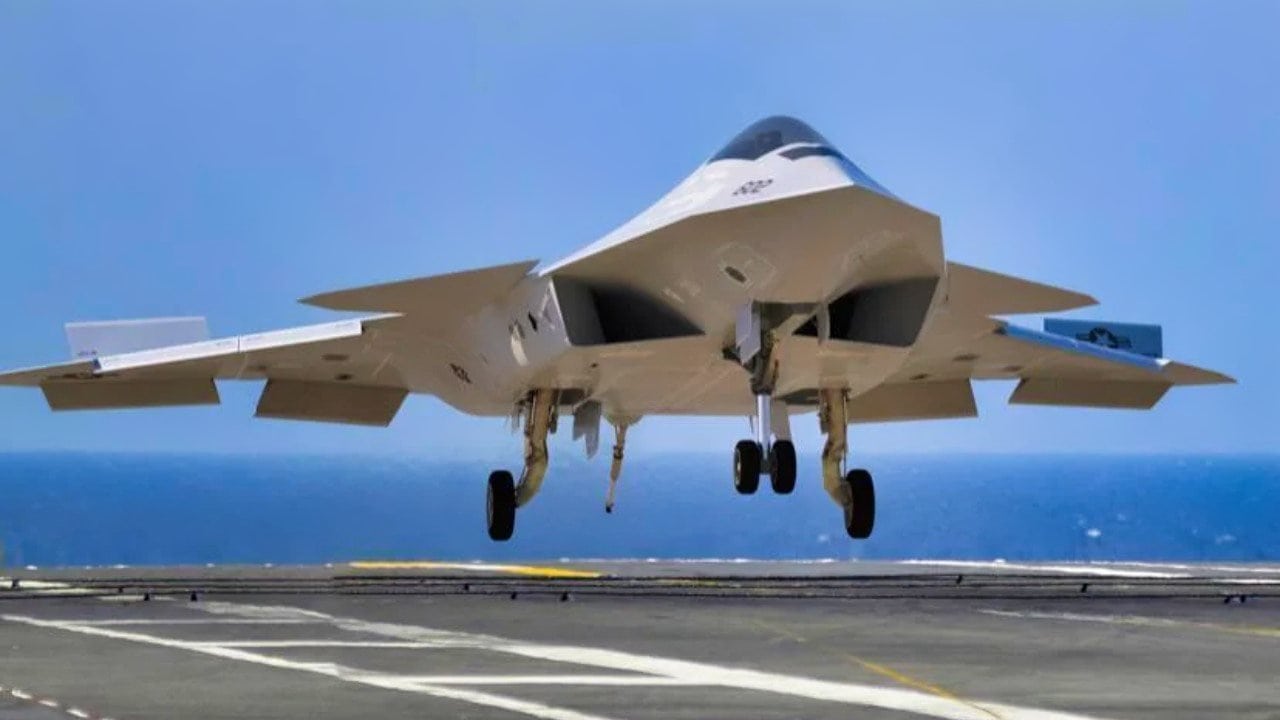
F/A-XX. Image Credit: Creative Commons.
-Almost all the designs are devoid of a conventional vertical tail or any other vertical control surfaces. The aircraft instead use split, wing-trailing edge controls and/or thrust vectoring to maintain stable flight.
-These aircraft are designed to be powered by a three-stream adaptive cycle engine that has a major effect on the aircraft’s performance. The engine plays a significant role beyond simply achieving speed. Concepts call for the engine to direct air to the bypass third stream for increased fuel efficiency and cooling, or to the core and fan streams for additional thrust and performance.
-Almost all designs developed for sixth-generation aircraft, including those developed in China, use some form of a diverterless supersonic air inlet.
-What are sometimes called morphing wing designs are needed to change wing shapes for different phases of a combat mission.
Moving Targets
While all sixth-generation fighters have most of these elements embedded in their designs, the Air Force and Navy programs have distinct goals, requirements, and technical characteristics.
The two aircraft will operate in very different environments, and their mission requirements are completely divergent.
The need for the F/A-XX was first officially indicated in June 2008. This platform is replacing a significantly older aircraft. The F/A-18E/F design dates back to the 1970s. The F-47 is replacing an aircraft, the F-22, that is less than half the age of the Super Hornet.
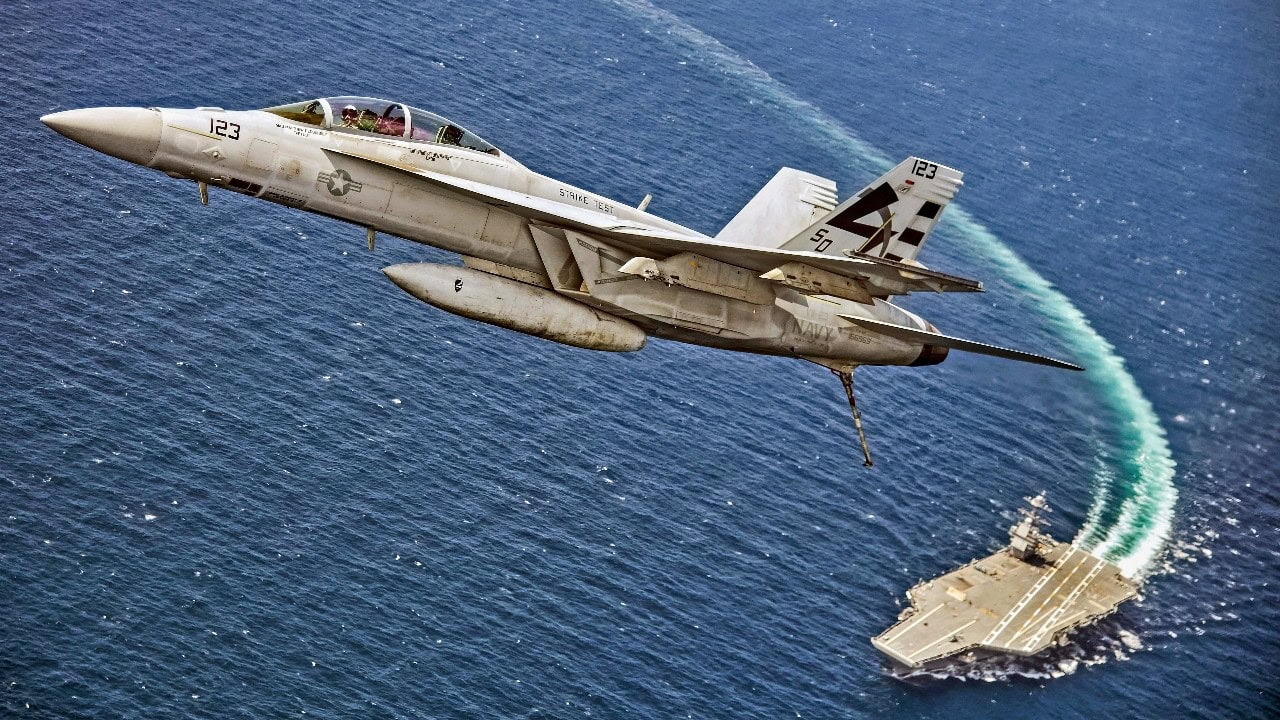
Super Hornet Navy Fighter. Image Credit: Creative Commons.
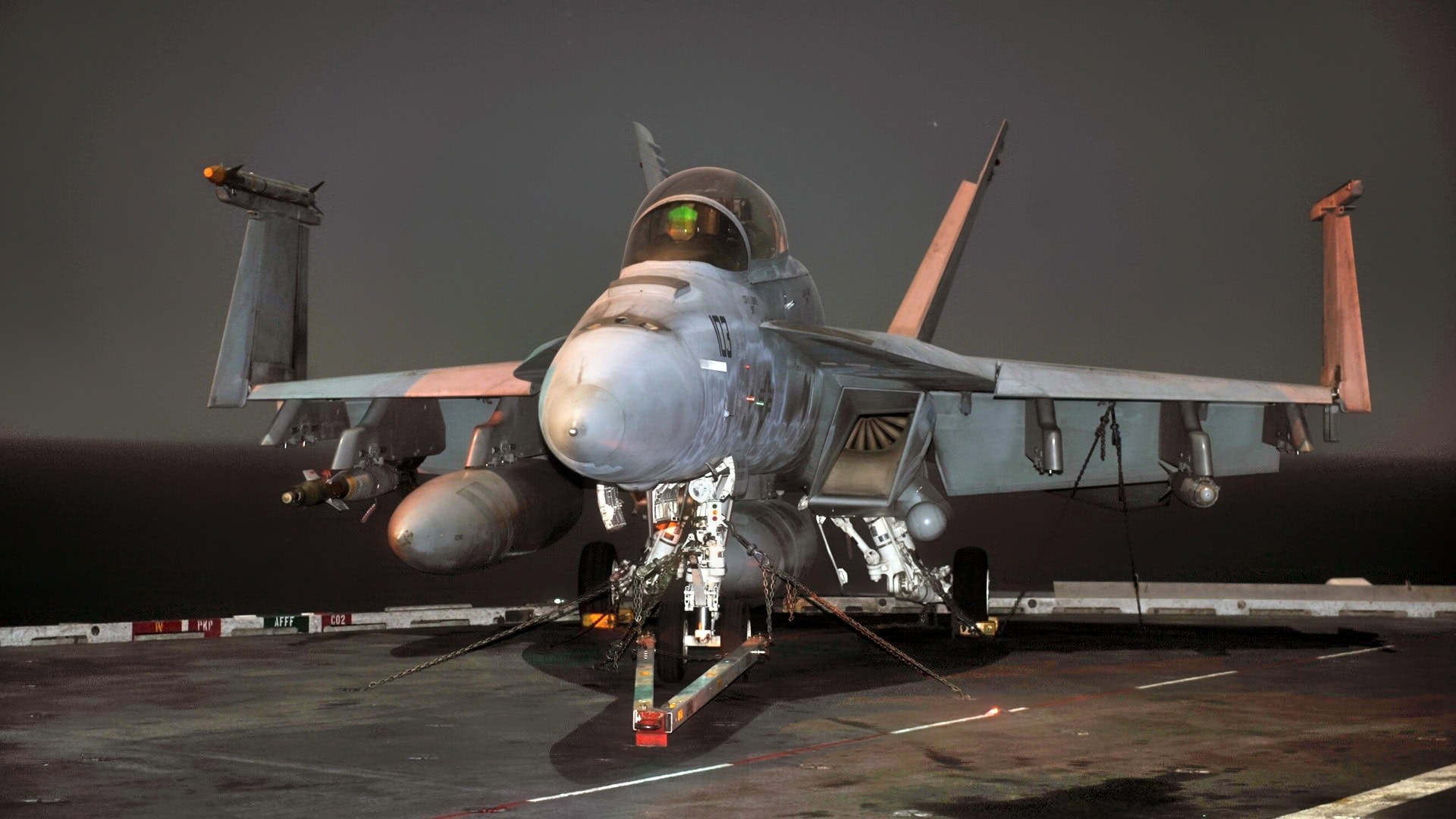
FA-18 Super Hornet. Image Credit: Creative Commons.
But the date of making a decision on the F/A-XX—as well as securing the program’s funding—is a moving target that never seems to stabilize.
Meanwhile, the Pentagon continues to evaluate U.S. industrial capacity—specifically investigating whether enough manpower and facilities still exist to build two new sixth-generation fighters at the same time. The contractors and Congress insist this is nothing to worry about, but the people holding the purse strings worry all the same.
So the process remains motionless. Do not look for it to change anytime soon.
About the Author: Reuben F. Johnson
Reuben F. Johnson has thirty-six years of experience analyzing and reporting on foreign weapons systems, defense technologies, and international arms export policy. Johnson is the Director of Research at the Casimir Pulaski Foundation. He is also a survivor of the Russian invasion of Ukraine in February 2022. He worked for years in the American defense industry as a foreign technology analyst and later as a consultant for the U.S. Department of Defense, the Departments of the Navy and Air Force, and the governments of the United Kingdom and Australia. In 2022-2023, he won two awards in a row for his defense reporting. He holds a bachelor’s degree from DePauw University and a master’s degree from Miami University in Ohio, specializing in Soviet and Russian studies. He lives in Warsaw.