
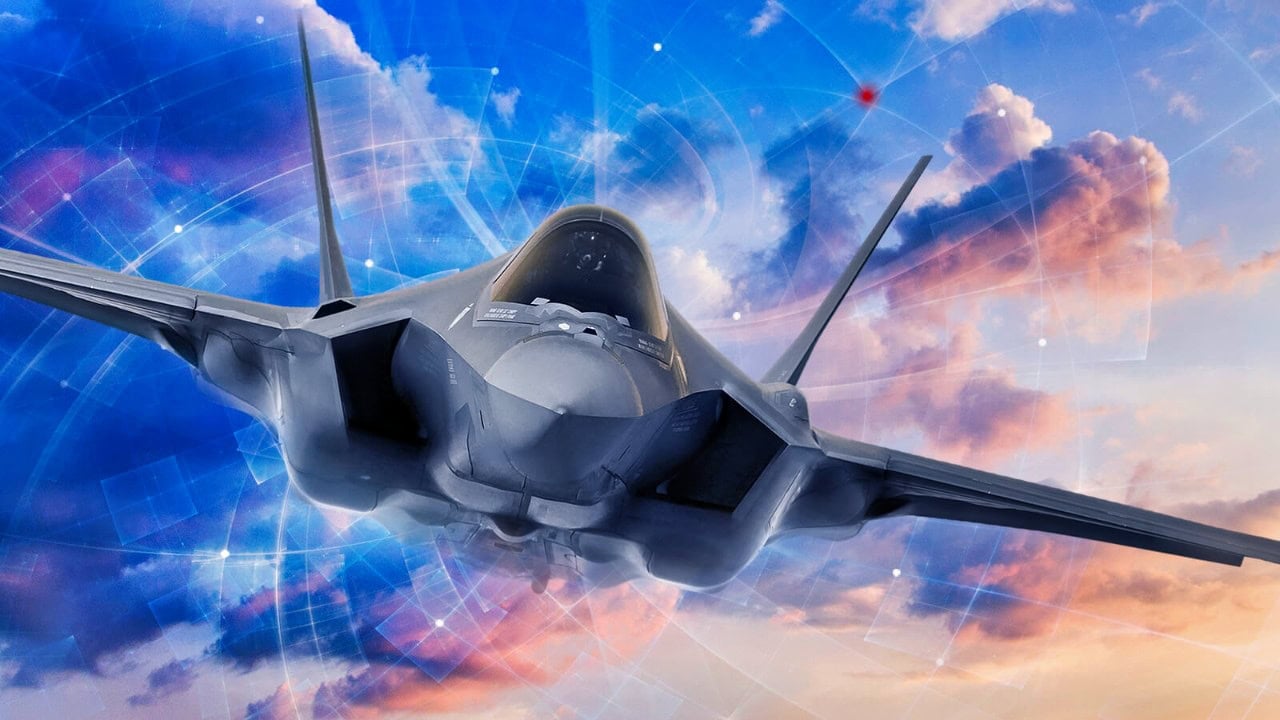
Key Points and Summary – Turkey is pressing to rejoin the F-35 program after being removed in 2020 over its purchase of Russia’s S-400 air defense system.
-U.S. officials say any return would require Turkey to stop operating—and likely no longer possess—the S-400, creating a hard legal and political hurdle even as Erdogan argues the jets were already paid for.
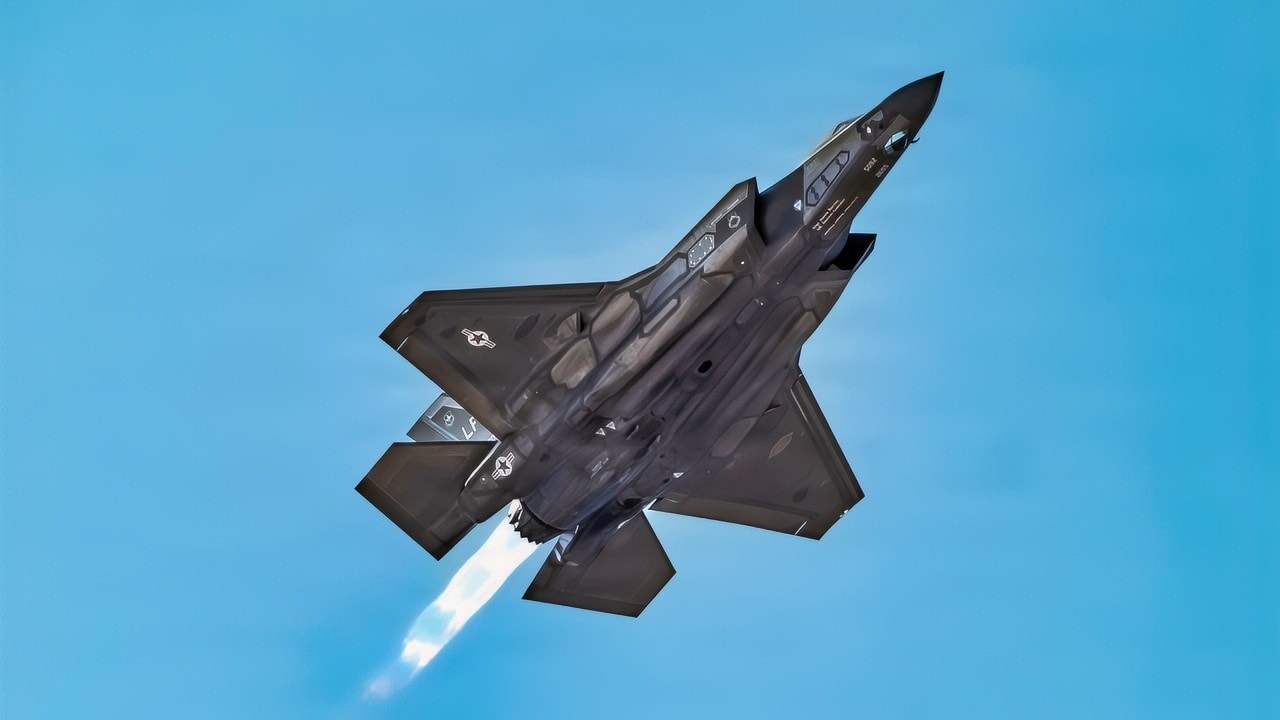
A U.S. Air Force F-35A Lightning II, assigned to the 56th Fighter Wing, takes flight, Nov. 26, 2025, at Luke Air Force Base, Arizona. The F-35A’s is designed for missions ranging from air superiority and electronic warfare. The 56th FW’s training programs emphasize interoperability, ensuring F-35A pilots can effectively collaborate with partner nations to achieve shared objectives. (U.S. Air Force photo by Airman 1st Class Belinda Guachun-Chichay)
-Israel is also pushing back, citing sensitive Israeli-made technology inside the F-35 and worsening ties with Ankara.
-The debate is further complicated by regional dynamics, including separate discussions about Saudi F-35 access and Israel’s qualitative military edge concerns.
The F-35 Fight: Turkey’s Return, Israel’s Objections, and Washington’s Leverage
Back in 2020, the US removed Turkey from the F-35 fighter jet program because, per Reuters, Turkey had acquired Russian S-400 air defence systems. To date, Turkey is the only country ever kicked out of the F-35 program.
Last fall, however, the US confirmed that it was in talks with Turkey to let them back in.
“The United States is in ongoing discussions with Türkiye regarding their desire to rejoin the F-35 program and their possession of the Russian-made S-400 air defense system,” Tom Barrack, the US ambassador to Turkey, said in an X post on December 9.
Barrack also said in the post that US law would require Turkey to “no longer operate nor possess” the S-400 system.
“The positive relationship between President Trump and President Erdogan has created a new atmosphere of cooperation, which has led to the most fruitful conversations we have had on this topic in nearly a decade. We hope that these talks will yield a breakthrough in the coming months that meets both the security requirements of the United States and Türkiye,” the ambassador said in that post.
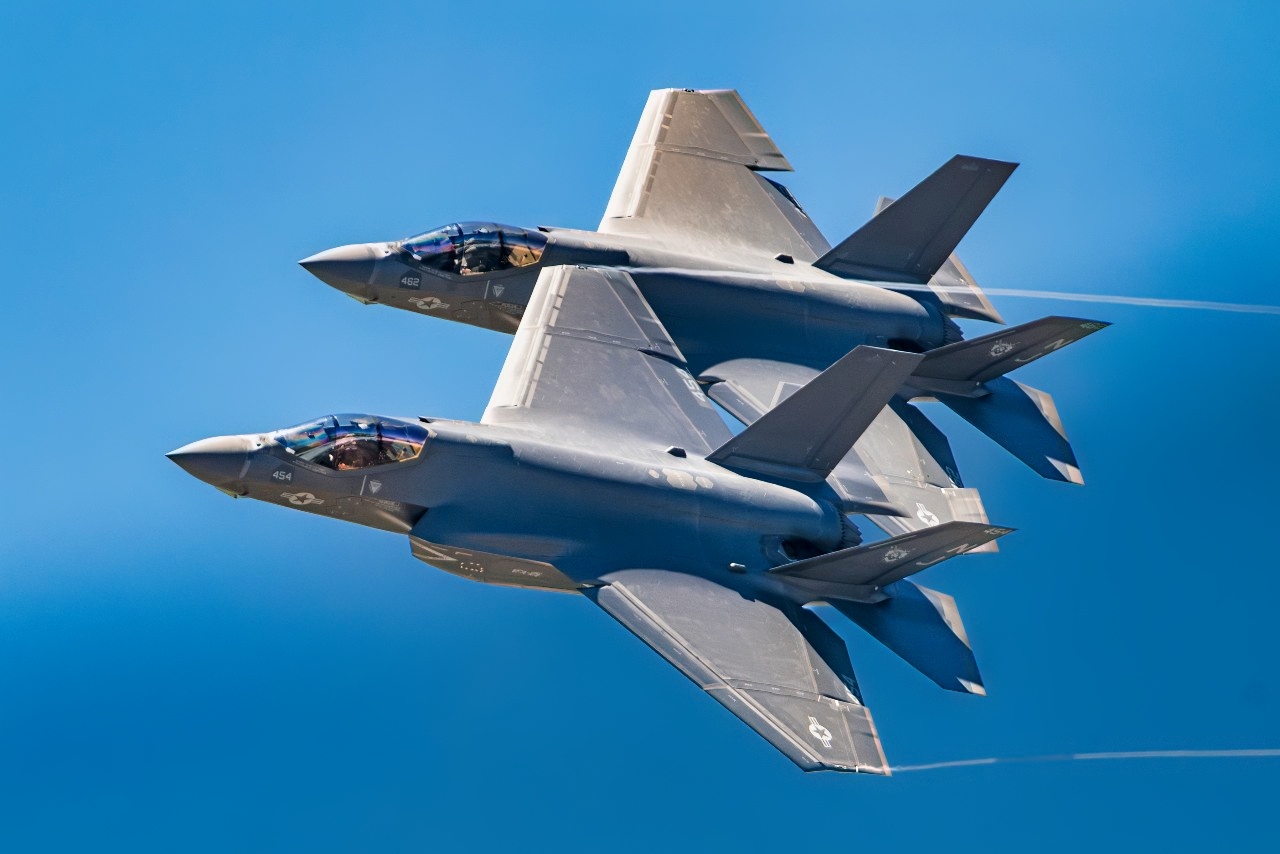
The U.S. Navy F-35C Lighting II Demo Team performs a flight demonstration at the Wings Over South Texas Air Show. This year’s air show marks Wings Over South Texas’s first return to Naval Air Station Corpus Christi since 2019.
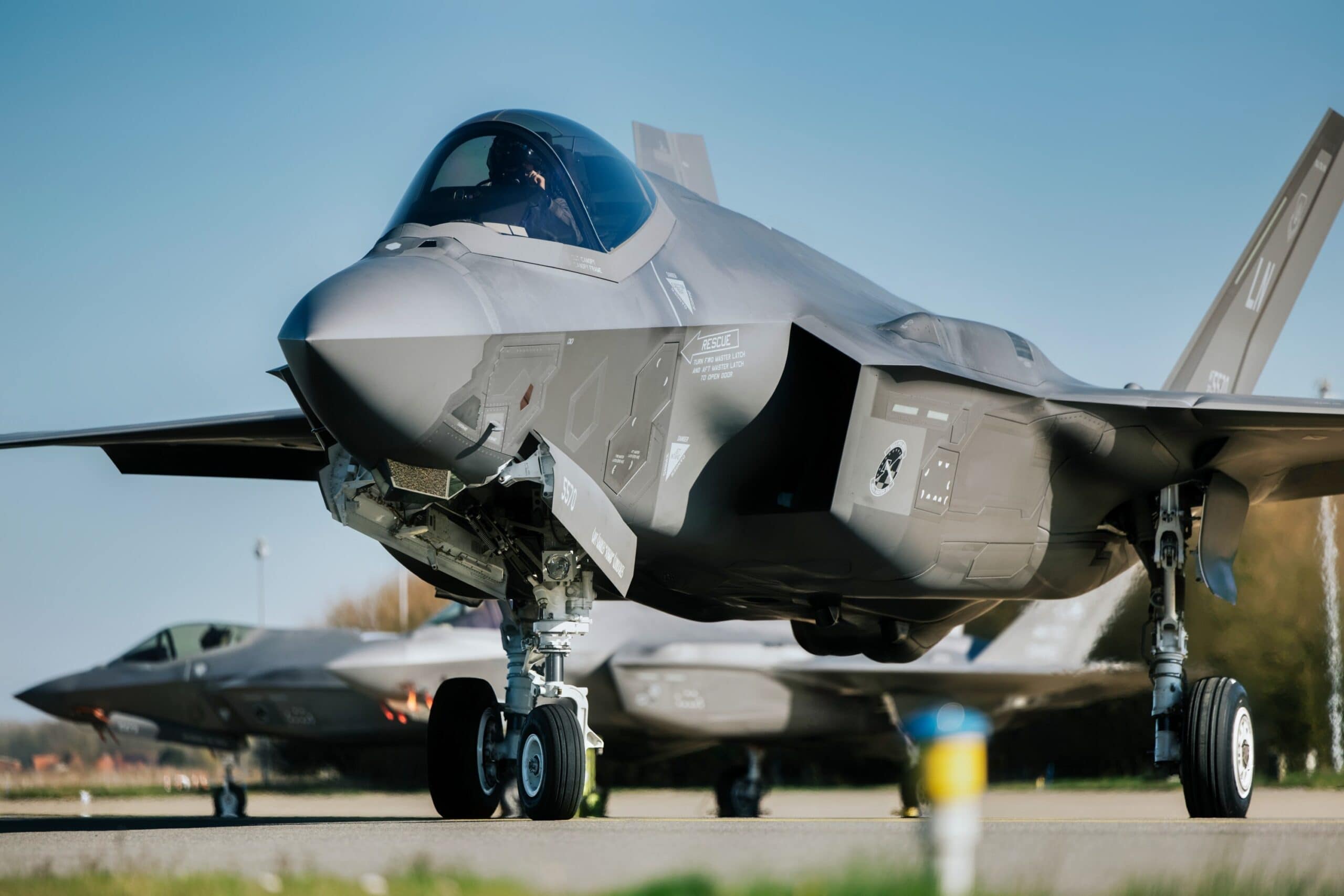
A U.S. Air Force F-35 Lightning II taxis during a cross-servicing event at NATO Allied Air Command’s Ramstein Flag 2025 exercise April 4, 2025. Successful cross-servicing at RAFL25 is an example of the importance of integrated logistics and maintenance training that enhances U.S. warfighting readiness by strengthening United States Air Forces in Europe – Air Forces Africa’s ability to deploy, sustain, and project fifth-generation capabilities across the European theater. (Royal Netherlands photo by Sgt. Maj. Jan Dijkstra)
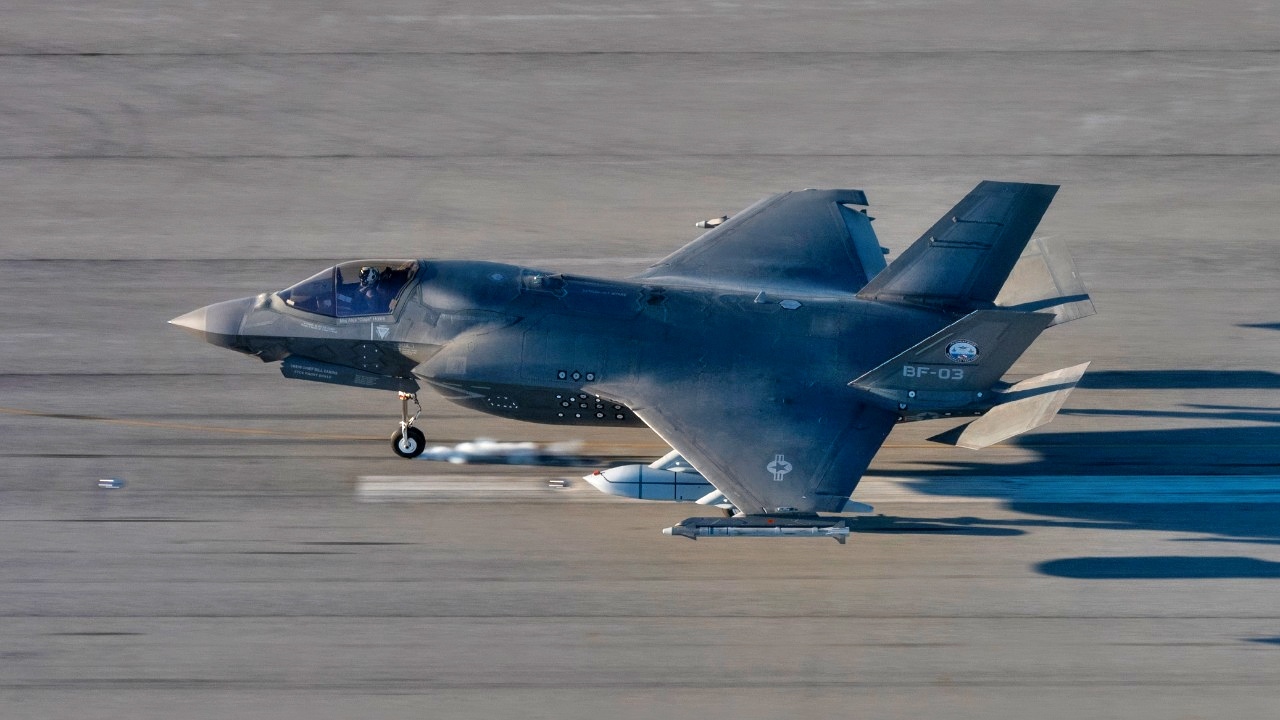
NAS PATUXENT RIVER, Md. — An F-35 Lightning II test pilot conducts the first flight test to certify the F-35B short takeoff and vertical landing variant of the fighter aircraft for carrying the AGM-158C Long-Range Anti-Ship Missile (LRASM). As part of ongoing weapon integration efforts, the Pax River F-35 Integrated Test Force (Pax ITF) team for the first time flew test flights Jan. 14 with two AGM-158 loaded on external stations. LRASM is a defined near-term solution for the Offensive Anti-Surface Warfare (OASuW) air-launch capability gap that will provide flexible, long-range, advanced, anti-surface capability against high-threat maritime targets. The Pax River ITF’s mission is to effectively plan, coordinate, and conduct safe, secure, and efficient flight test for F-35B and C variants, and provide necessary and timely data to support program verification / certification and fleet operational requirements.
Straight From the Top
Now, Recep Tayyip Erdogan has officially called for Turkey to return to the program.
In response to written questions from Bloomberg News on the F-35 question and US relations with Turkey, Erdogan stated that “with Trump’s return to office, an opportunity has emerged to move Türkiye–US relations onto a more reasonable and constructive footing,” adding that he had pressed the case to Trump personally when they met at the White House in September. Also, Erdogan has been willing to return the S-400 system to Russia.
“Türkiye’s receipt of the F-35 aircraft for which it has already paid, and its reintegration into the program, are important and necessary,” the Turkish leader said.
It’s all part, per Bloomberg, of the Turks’ “a balancing act between the North Atlantic Treaty Organization, of which it is a member, and Russia, its biggest trade partner.”
So what roadblocks still stand in the way of an agreement? For one thing, US ally Israel is objecting.
Jerusalem vs. Ankara
According to a report by the Greek news outlet Kathimerini, a top Israeli government official says the Israeli government has “reservations” about Turkey rejoining the program.
“We have no reservations [regarding a possible sale] … A lot of the technology inside the airplane is technology produced by Israel. And obviously this is not something that we will share with them,” Israel’s Deputy Minister of Foreign Affairs, Sharren Haskel, told the outlet.
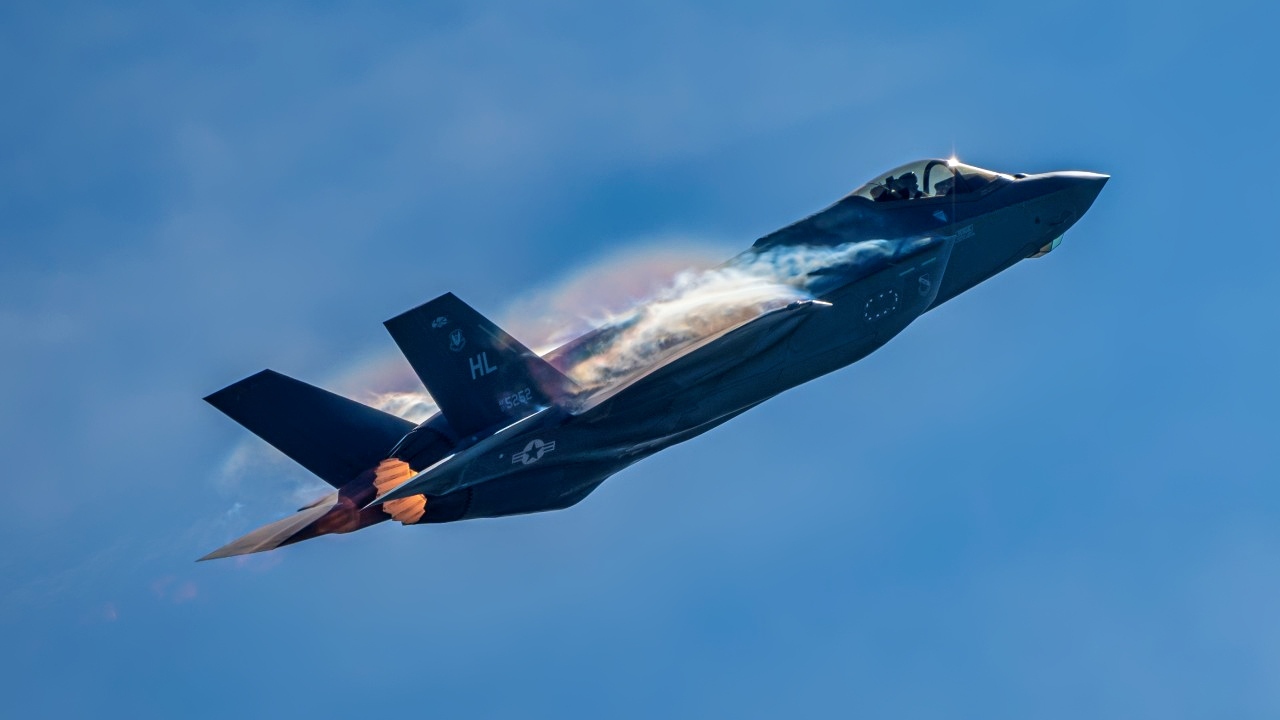
U.S. Air Force Maj. Kristin “BEO” Wolfe, F-35A Lightning II Demonstration Team commander and pilot, flies during a demonstration rehearsal at Hill Air Force Utah, April 28, 2021. The F-35A Lightning II Demonstration Team is part of the first operational F-35A wing for the Air Force, the 388th Fighter Wing, and flies over the Hill Air Force Base runway to practice and prepare for upcoming air shows around the world. (U.S. Air Force photo by Capt. Kip Sumner)
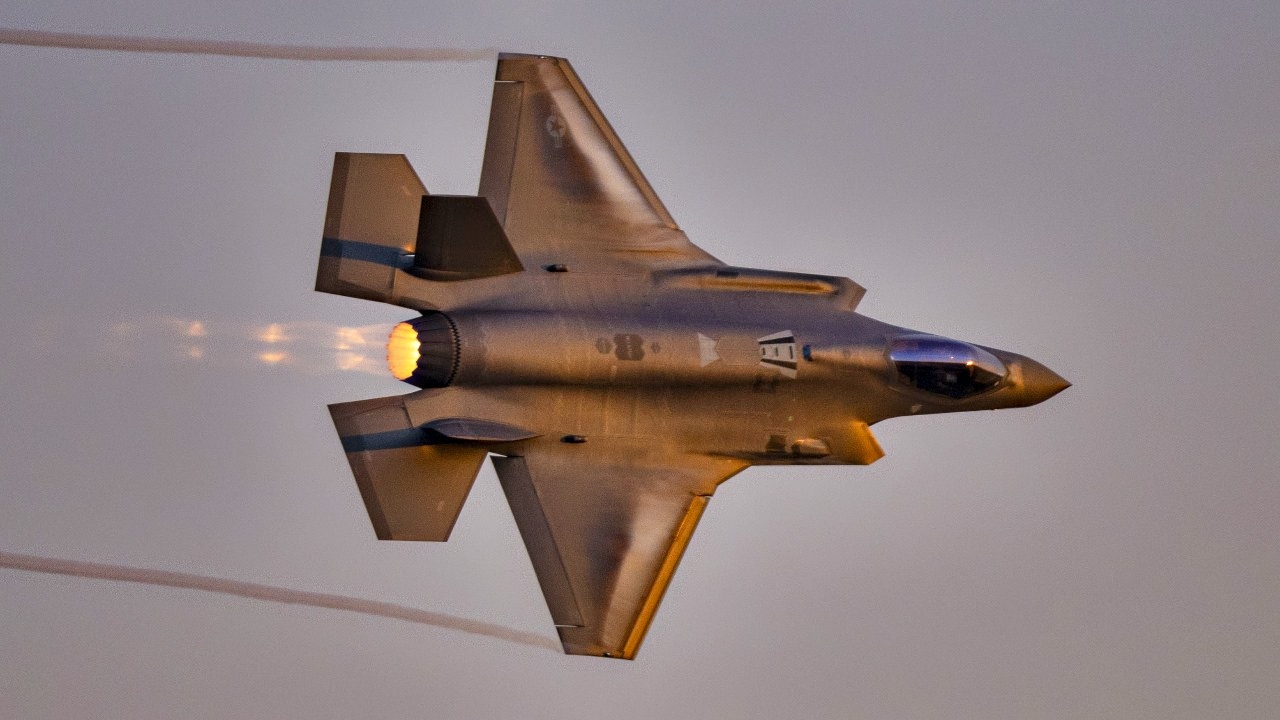
A U.S. Air Force F-35A Lightning II assigned to the F-35A Lightning II Demonstration Team performs at the Capitol Air Show over Sacramento, California, July 15, 2024. Innovations such as the F135 Smart Stacking Tooling Enhancement developed by the OC-ALC mechanics and engineers have significantly improved the rotor assembly process, increasing precision and enhancing the depot’s ability to produce the engine that powers the F-35 Lightning II. (U.S. Air Force photo by Staff Sgt. Zachary Rufus)
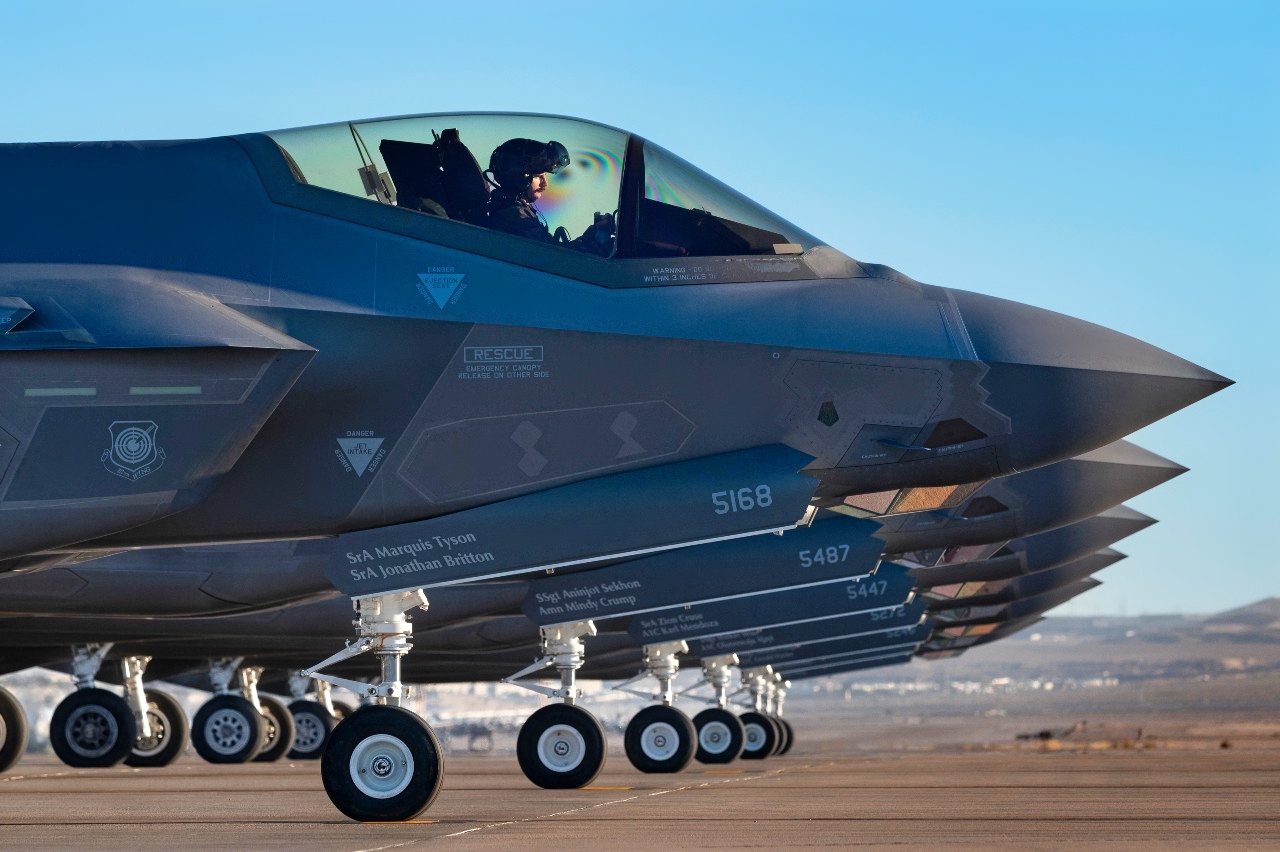
Seven F-35 Lightning II aircraft wait to take off for a U.S. Air Force Weapons School training mission at Nellis Air Force Base, Nevada, Jan. 31, 2024. The U.S. Air Force Weapons School teaches graduate-level instructor courses that provide advanced training in weapons and tactics employment to officers and enlisted specialists of the combat and mobility air forces. (U.S. Air Force photo by William R. Lewis)
The interview took place immediately after Trump met with Prime Minister Benjamin Netanyahu at Mar-a-Lago. Per Forbes, the president stated, “We’re thinking about it very seriously,” when he was asked about the sale to Turkey during his meeting with Netanyahu, who “strongly opposes any such sale to Turkey.”
The deputy minister added that Israel is opposed to Israeli technology being part of the F-35s going to Turkey, “even if they do get those airplanes.”
As pointed out by Kathimerini, Israel’s relations with Turkey are currently at a low ebb, although Israel and Greece have become closer.
Not a Danger?
On Christmas Day, Ami Segal, an Israel-based commentator, wrote an op-ed for the Wall Street Journal, arguing that an F-35 sale to Turkey “could lead to war.”
“Nothing good would come of allowing Turkish power in the region to increase. The US ambassador to Turkey earlier this month tweeted that recent conversations about Washington’s potentially selling F-35 fighter jets to Ankara have been ‘fruitful,’ Segal wrote. “This is deeply concerning. A senior Israeli official told me on December 12 that the chance of the sale’s approval was around 40%, much higher than he thought a few weeks earlier.”
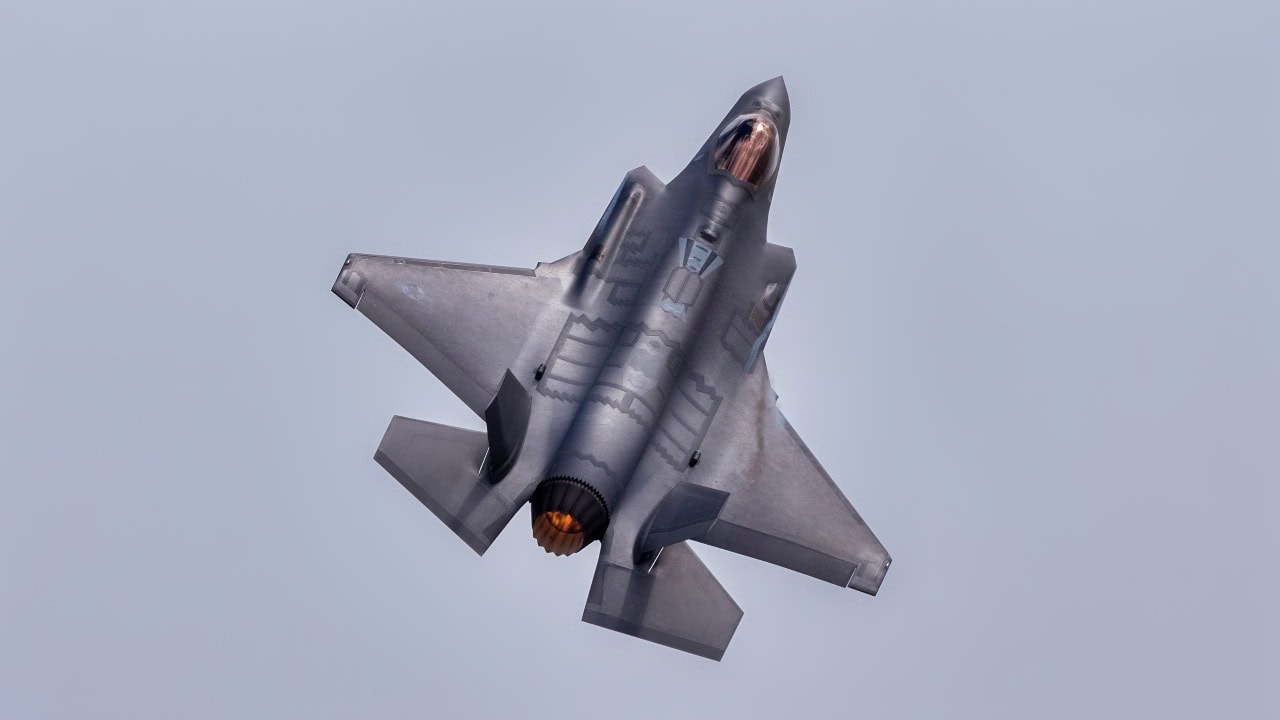
U.S. Air Force Capt. Kristin “BEO” Wolfe, the F-35A Demonstration Team pilot, climbs into the sky during a flight practice June 17, 2020, Hill Air Force Base, Utah. Air Combat Command’s single-ship aerial demonstration teams are required to regularly practice in order to maintain flight currencies and stay performance-ready. (U.S. Air Force photo by Capt. Kip Sumner)
However, there’s a case to be made that Israel has nothing to worry about with Turkey rejoining the program.
Aaron Stein of the Foreign Policy Research Institute wrote a letter to the Wall Street Journal in response to Segal’s op-ed, arguing that “An F-35 Sale to Turkey Won’t Endanger Israel.”
“The saga, more than anything, is indicative of broken military procurements in Turkey,” Stein writes.
“Ankara opted for the S-400 over a jet it paid to help develop. The government then looked on with concern as Greece and Israel purchased them, leaving its Air Force behind. It opted to buy Eurofighter Typhoons and then to lobby to buy the F-35—an outcome that would leave it with none of the industrial benefits it had paid for. Instead, Ankara may be on the road to operating three fighter types, which will further strain national budgets.”
The Saudis, Too
Israel is the only country in the Middle East that is currently in the F-35 program. But Saudi Arabia is poised to join them. The monarchy would become the first non-democratic country to receive F-35s.
Last fall, ahead of Saudi Crown Prince Mohammed bin Salman’s visit to Washington, Trump announced that the US was moving ahead with the sale of up to 48 F-35s to the Saudis. Per the Times of Israel, this set off concerns in Israel that the longstanding “qualitative military edge” (QME) doctrine could be jeopardized. A Reuters report in November did state that the jets sold to the Saudis would lack the “advanced features” of Israel’s jets.
“The United States and Israel have a longstanding understanding that Israel maintains the qualitative edge when it comes to its defense,” government spokesperson Shosh Bedrosian told reporters last fall, per the Times of Israel. “That has been true yesterday, that has been true today, and the prime minister believes that will be true tomorrow.”
It had been suggested, going back to the Biden Administration, that a sale of the F-35s to Saudi Arabia might be conditioned on the Saudis agreeing to normalize relations with Israel or, perhaps, joining the Abraham Accords, but no such diplomatic agreement has been reached to date.
About the Author: Stephen Silver
Stephen Silver is an award-winning journalist, essayist, and film critic, and contributor to the Philadelphia Inquirer, the Jewish Telegraphic Agency, Broad Street Review, and Splice Today. The co-founder of the Philadelphia Film Critics Circle, Stephen lives in suburban Philadelphia with his wife and two sons. For over a decade, Stephen has authored thousands of articles that focus on politics, national security, technology, and the economy. Follow him on X (formerly Twitter) at @StephenSilver, and subscribe to his Substack newsletter.