
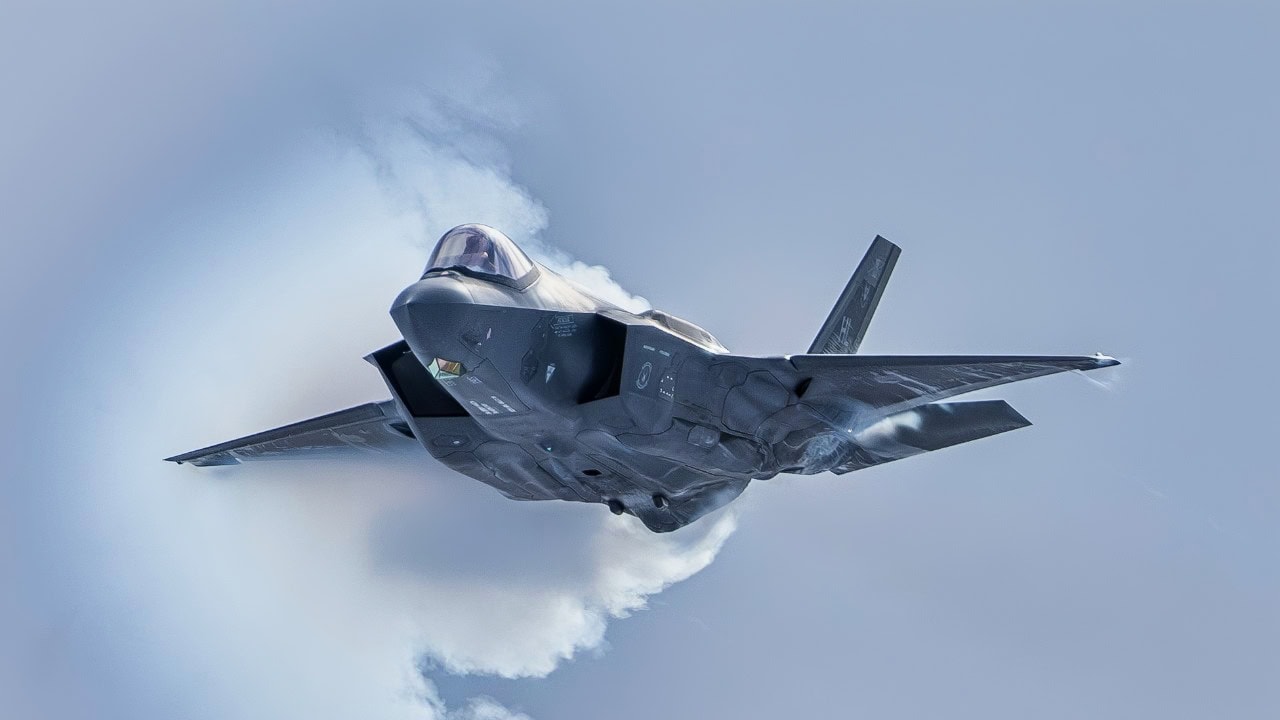
Key Points and Summary – The Air Force is heading toward a three-tier air-dominance model instead of betting everything on one jet.
-The F-47 NGAD is positioned as the deep-penetrating quarterback for contested fights, built to plug into a broader family of systems, including loyal-wingman drones.
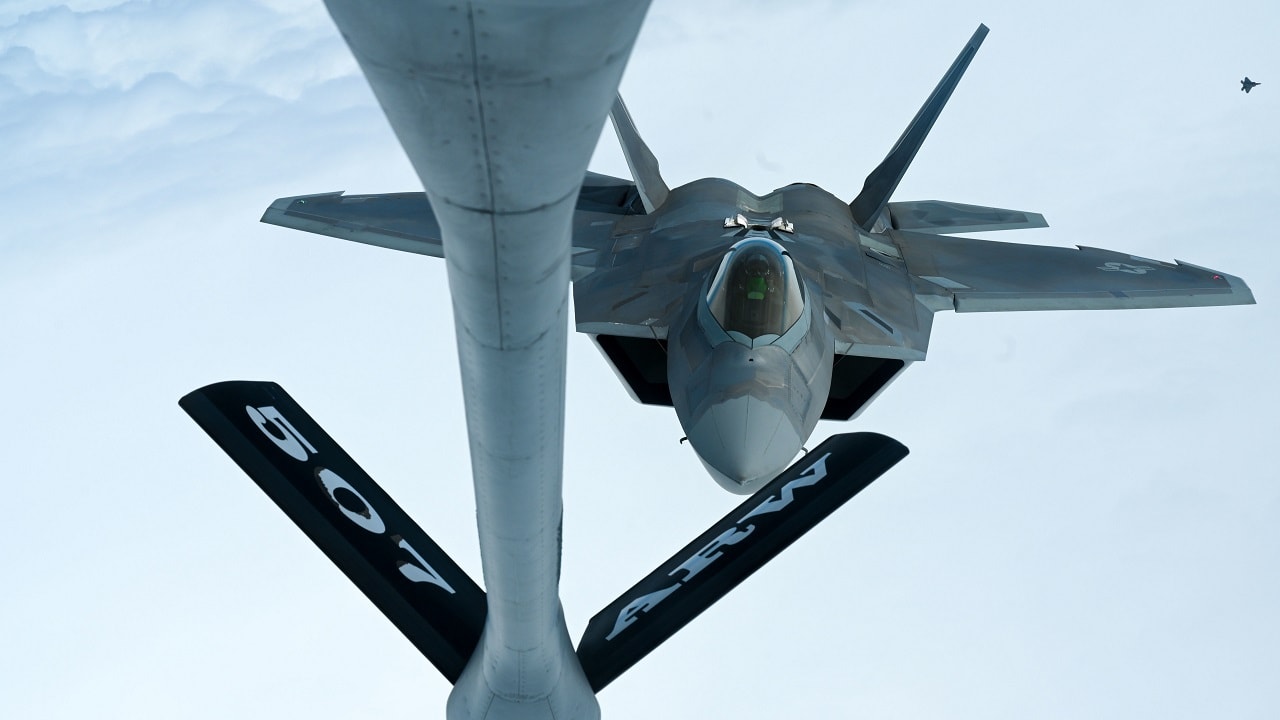
Eight F-22 Raptors with the 325th Fighter Wing at Tyndall Air Force Base, Florida, receive fuel from a KC-135 Stratotanker from the 507th Air Refueling Wing from Tinker Air Force Base, Oklahoma, Feb. 7, 2022, while the Okies flew to the U.S. Virgin Islands for training. (U.S. Air Force photo by Lauren Kelly)
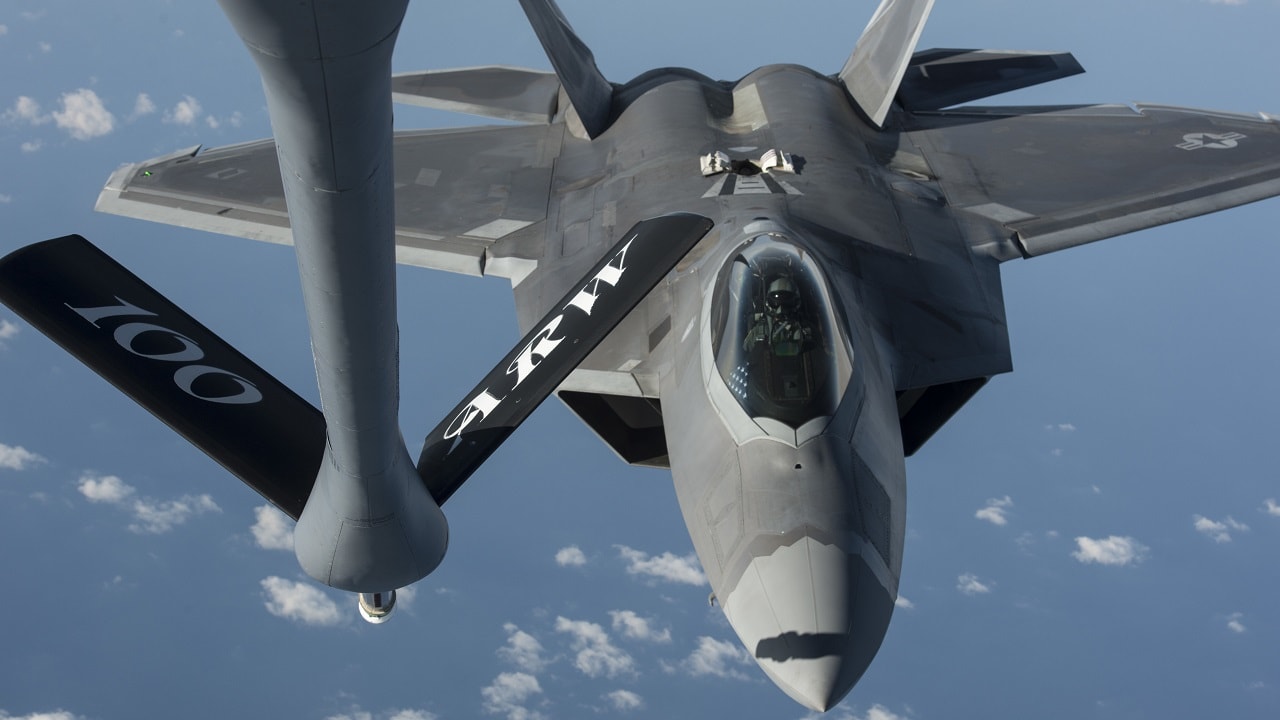
A U.S. Air Force F-22 Raptor from the 95th Fighter Squadron, Tyndall Air Force Base, Fla., moves into position behind a KC-135 Stratotanker from the 100th Air Refueling Wing, RAF Mildenhall Air Base, England, to conduct aerial refueling Sept. 4, 2015, over the Baltic Sea. The U.S. Air Force has deployed four F-22 Raptors, one C-17 Globemaster III, approximately 60 Airmen and associated equipment to Spangdahlem Air Base, Germany. While these aircraft and Airmen are in Europe, they will conduct air training with other Europe-based aircraft. (U.S. Air Force photo by Tech. Sgt. Jason Robertson/Released)
-At the same time, a viability upgrade package could keep the F-22 lethal into the 2030s with improved sensors, survivability, and electronic warfare.
-And as the F-35 fleet matures, it becomes the everyday multirole backbone—networked, allied, and sensor-rich—tying the stack together for the next decade.
-If the plan holds, the USAF gains flexibility: penetrate, control, and strike—while spreading risk across manned and unmanned assets.
F-47 Has a Message: The Air Force Is Building a Three-Tier Air Dominance Stack
Through a combination of the arrival of a new sixth-generation fighter, plans to modernize a still-potent fifth-generation fleet, and the maturation of a multirole stealth fleet, the U.S. Air Force is poised for a fundamental shift in how it fields its best combat aircraft.
The Boeing F-47 Next Generation Air Dominance (NGAD), an upgraded F-22 Raptor framed as a “Super Raptor,” and the maturation of the F-35 Lightning II multirole fighter fleet are all set to ensure the USAF is prepared for the next generation of adversary combat aircraft and air defenses – and as the platforms arrive or become refined, the way in which the Air Force fights adversaries is set to change, too.
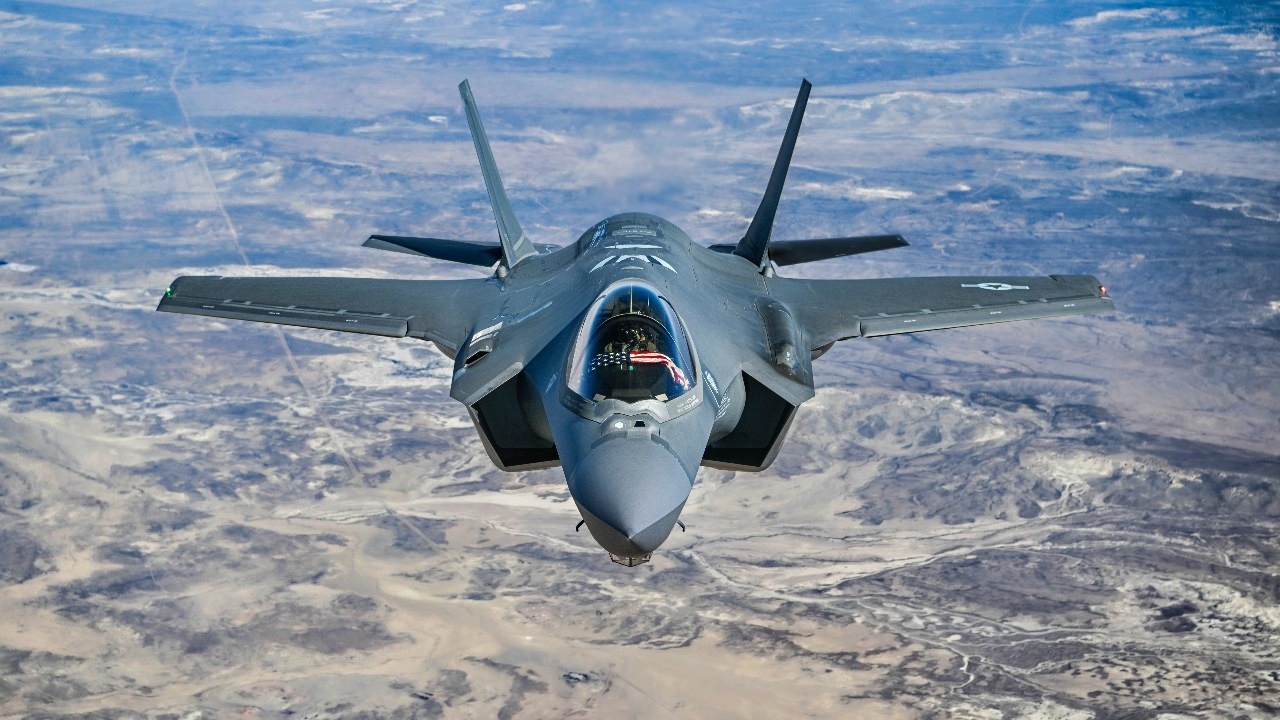
Maj. Melanie “Mach” Kluesner, F-35A Demonstration Team Commander, pilots an F-35A Lightning II after completing aerial refueling en route to Base Aérea No. 1 de Santa Lucía, Mexico, for the 2025 Feria Aeroespacial México (FAMEX), April 22, 2025. The teams participation highlights the strength of the U.S.–Mexico defense relationship and demonstrates the global reach and readiness of U.S. Air Force fifth-generation airpower. (U.S. Air Force photo by Capt. Nathan Poblete)
The Situation Today
For almost two decades, the Air Force’s air superiority efforts have placed an immense burden on the F-22 Raptor platform – a stealthy twin-engine fighter designed to achieve and maintain uncontested control of the skies. Introduced in 2005, the F-22 combines advanced stealth, supercruise-capable engines, and integrated avionics in a package that is highly maneuverable and capable of defeating aerial threats before being detected.
The Raptor’s sensor suite and weapon system enable pilots to engage air targets with precision at range while operating in heavily contested environments – and the platform has outmatched legacy fighters all over the world.
The Raptor’s design, in fact, is so distinct that it remains unmatched among adversary aircraft of its category, and the Air Force has invested in incremental upgrades to extend its capabilities well into the 2030s as new platforms stay in development.
At the same time, the F-35 Lightning II has become the backbone of U.S. and allied airpower in recent years – and even as Europe looks to field its own advanced fighters amid concerns about rising F-35 costs and logistical issues, it remains the most capable stealth fighter on the planet. The F-35A conventional takeoff and landing variant now serves across multiple Air Force units and is slated to replace aging F-16 and A-10 fleets.
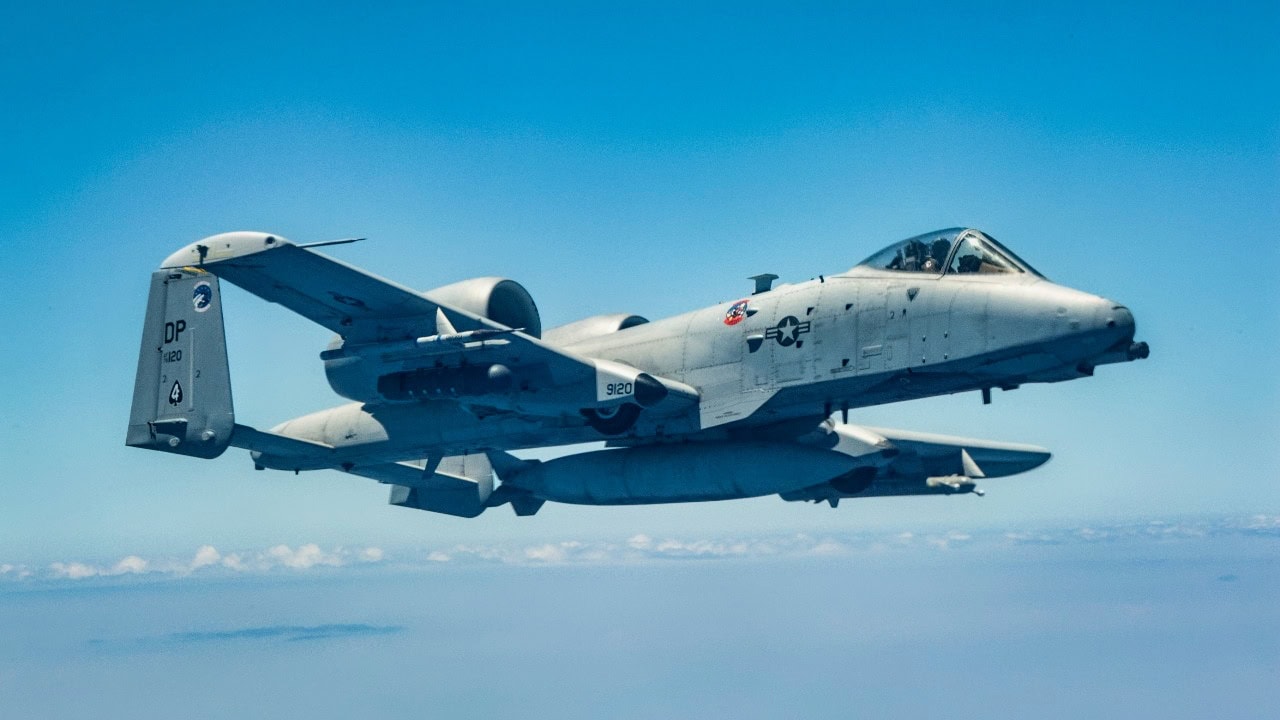
A U.S. Air Force A-10 Warthog from the Air National Guard Air Force Reserve Test Center flies during exercise Sentry Aloha 24-2 June 6, 2024, above the island of Hawaii. This iteration of the exercise involves approximately 1,060 participants and more than 40 aircraft from nine states, which operated out of Joint Base Pearl Harbor-Hickam, Marine Corps Base Hawaii, and Onizuka Kona International Airport, Keāhole. The Hawaii Air National Guard’s 154th Wing has hosted the exercise for more than 20 years to provide tailored, cost-effective and realistic combat training for total-force Airmen and other Department of Defense services. (U.S. Air National Guard photo by Tech. Sgt. John Linzmeier)
Its stealth design, advanced sensor fusion, and upgraded communications systems provide a significant advantage over earlier designs: the best situational awareness ever offered by a U.S. fighter. The F-35 is now a core part of both U.S. and coalition air operations.
What Comes Next?
The F-35’s role today is clear, but the ongoing development of the F-47 NGAD aircraft, part of a family of next-generation systems, is paving the way for the future. With the program, the Air Force is preparing to leap ahead both technologically and strategically, providing pilots and crews with new technology that will fundamentally change how wars are fought and how high-value assets are protected.
Selected for development by Boeing in March 2025, the F-47 has been described as a successor to the F-22, designed to operate in highly contested environments and to integrate next-generation stealth technology, sensor fusion, and open-architecture systems. The result is a highly upgradeable platform featuring world-leading low-observability and onboard computer systems that can be upgraded as new technology arrives. And all this will start to arrive within the next decade.
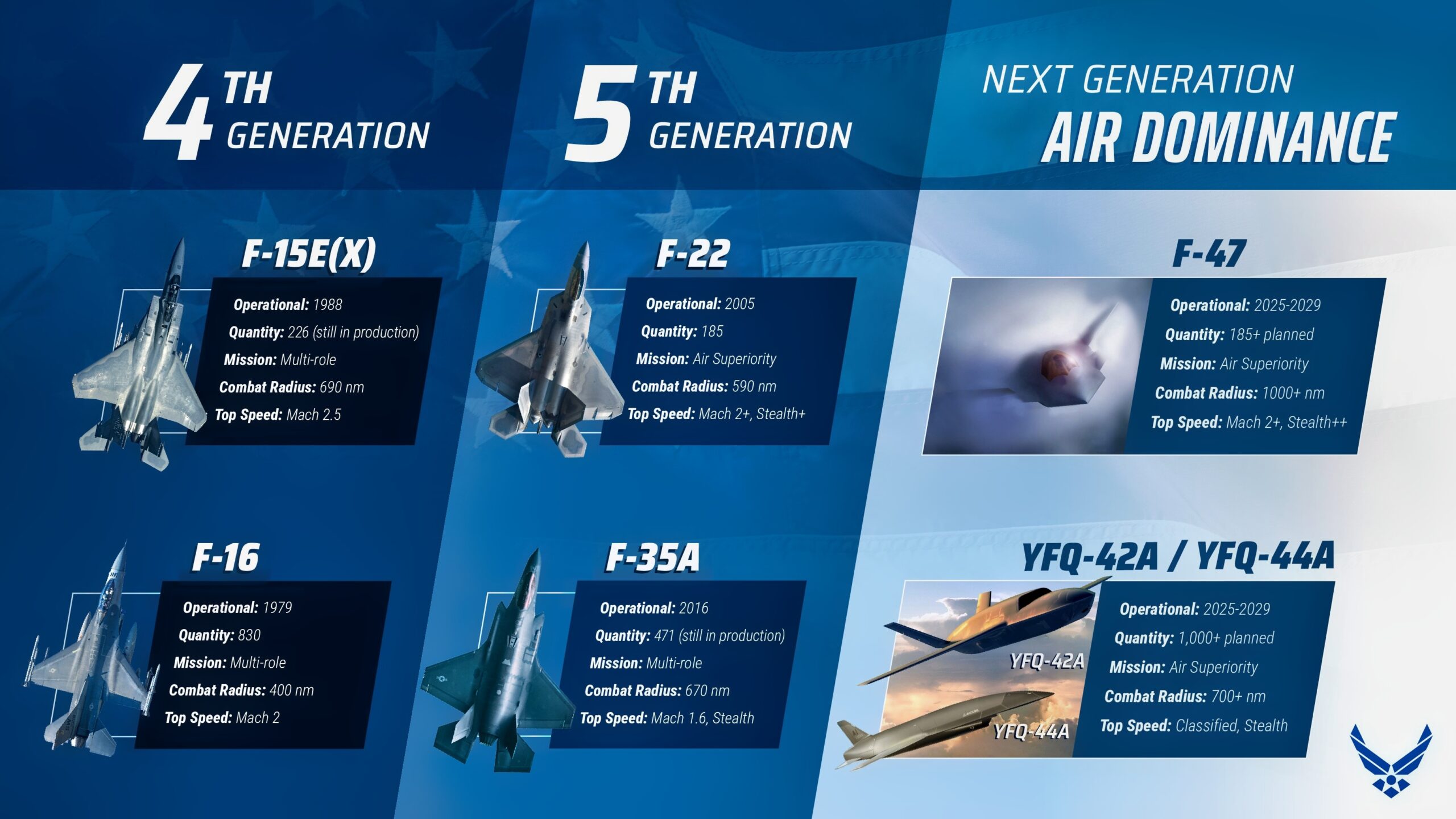
F-47 Infographic. Image Credit: U.S. Air Force
While development continues, the Air Force also continues to discuss the possibility of upgrading the F-22, giving the aircraft cutting-edge processors, electronic warfare systems, and potentially even some NGAD-derived technologies – and while specifics remain sparse, the prospect of upgraded F-22 fleets, a fully mature F-35 platform, and NGAD all point to a new strategic direction for the Air Force.
What to Expect
The most significant change we’ll likely see over the next decade or so will be the emergence of a layered air-dominance architecture and a shift away from reliance on a single platform to achieve air superiority.
In this new and emerging model, the F-47 will lead deep, contested penetrations and orchestrate distributed sensor networks while also working alongside both manned and unmanned systems.
The upgraded F-22 – should it happen – would serve as a resilient air superiority asset, capable of controlling airspace and engaging adversary fighters in contested zones. The F-35, meanwhile, will continue to provide multirole flexibility – the role for which it was designed – while bringing sensor fusion, strike precision, and allied interoperability with it.
The result is a three-tiered posture that reflects a pivot away from post-Cold War strategies that focus on multirole platforms and back to a dependence on multiple platforms designed to serve specific functions.
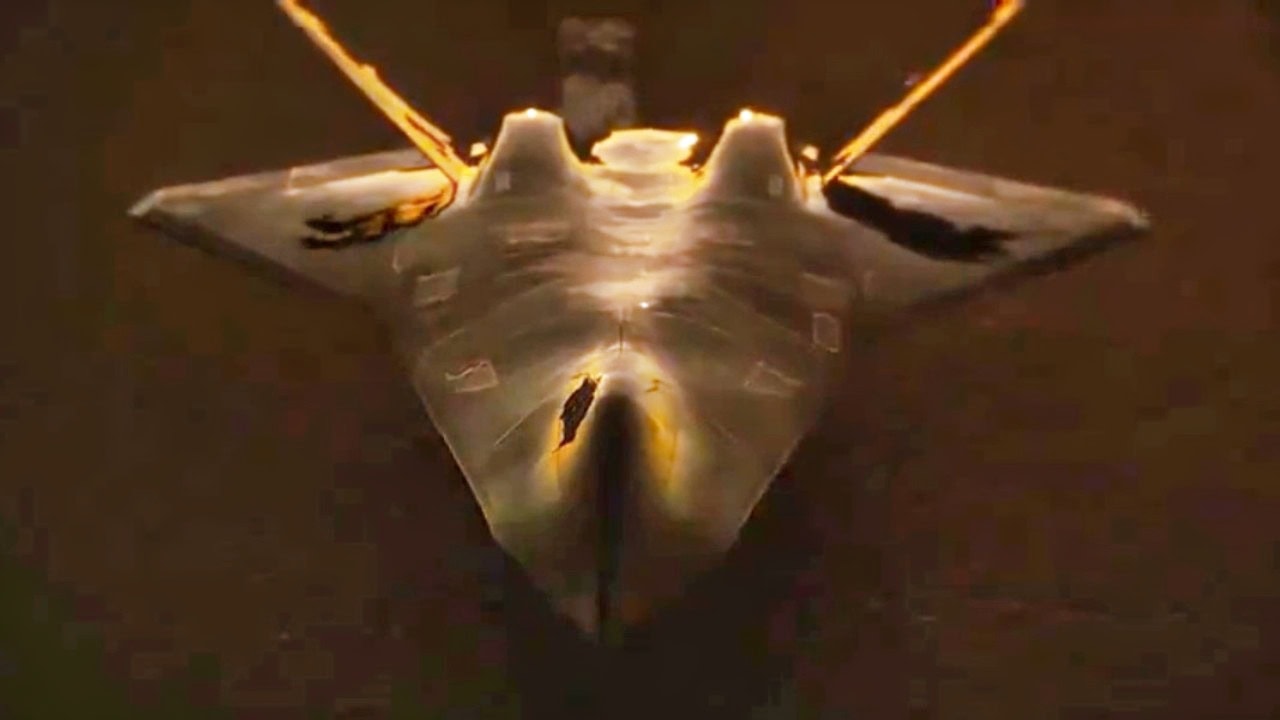
F-47 Fighter from Boeing. Image Credit: U.S. Air Force Screenshot.

Shown is a graphical artist rendering of the Next Generation Air Dominance (NGAD) Platform. The rendering highlights the Air Force’s sixth generation fighter, the F-47. The NGAD Platform will bring lethal, next-generation technologies to ensure air superiority for the Joint Force in any conflict. (U.S. Air Force graphic)
That layered structure is also evident in the fact that NGAD, as mentioned, will operate as a family of systems, with the F-47 operating alongside several “loyal wingman” drones that can absorb risk and take on tasks that would expose the manned aircraft to vulnerability.
As the Air Force enters this new era, force design priorities and strategies will shift profoundly. Rather than fielding large numbers of identical fighters, for example, the service will be able to lean more heavily on its family of systems – with the F-47 as a sixth-generation penetrator, upgraded F-22s providing sustained high-end air-to-air dominance, and the F-35 delivering networked sensing, target, and strike capability.
About the Author:
Jack Buckby is a British author, counter-extremism researcher, and journalist based in New York who writes frequently for National Security Journal. Reporting on the U.K., Europe, and the U.S., he works to analyze and understand left-wing and right-wing radicalization, and reports on Western governments’ approaches to the pressing issues of today. His books and research papers explore these themes and propose pragmatic solutions to our increasingly polarized society. His latest book is The Truth Teller: RFK Jr. and the Case for a Post-Partisan Presidency.