
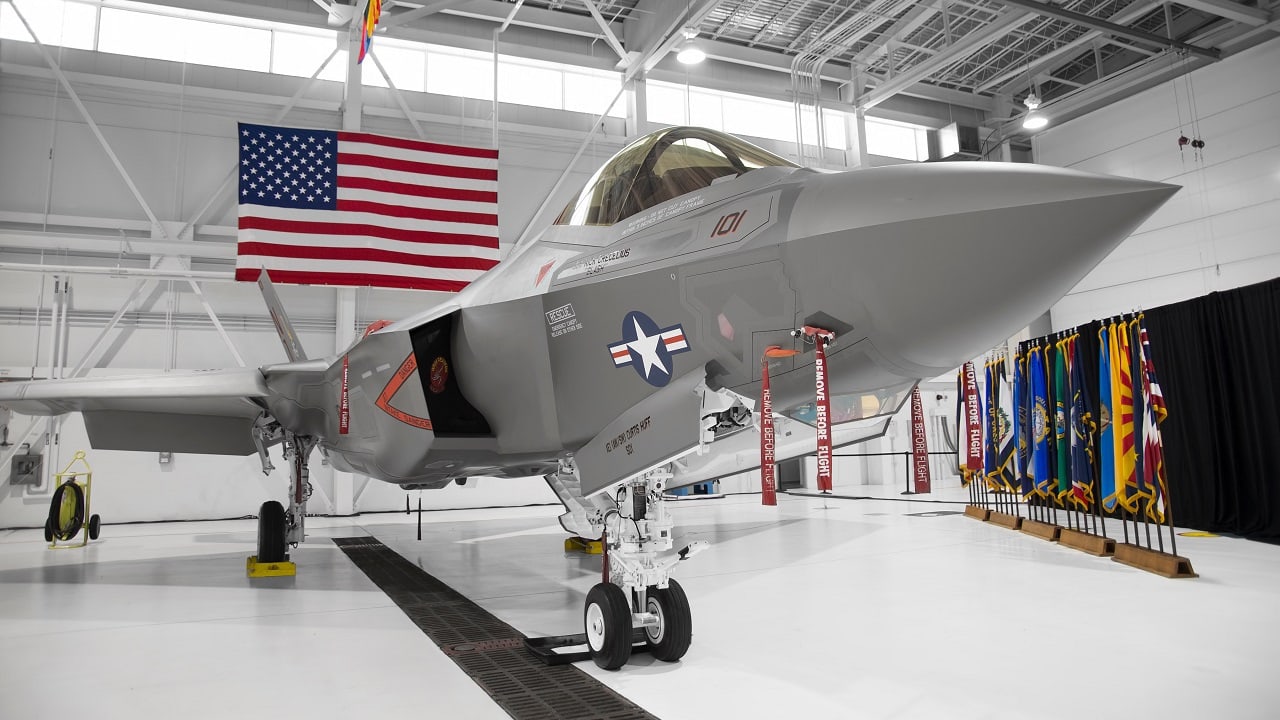
Summary and Key Points: Lockheed Martin’s 2026 Singapore Airshow projection of nearly 300 F-35s in the Asia-Pacific by 2035 marks a tectonic shift in regional air power.
-As China’s military modernization accelerates, allies like Japan, Australia, and South Korea are converging on the F-35 as a unified “game-changing” sensor network.
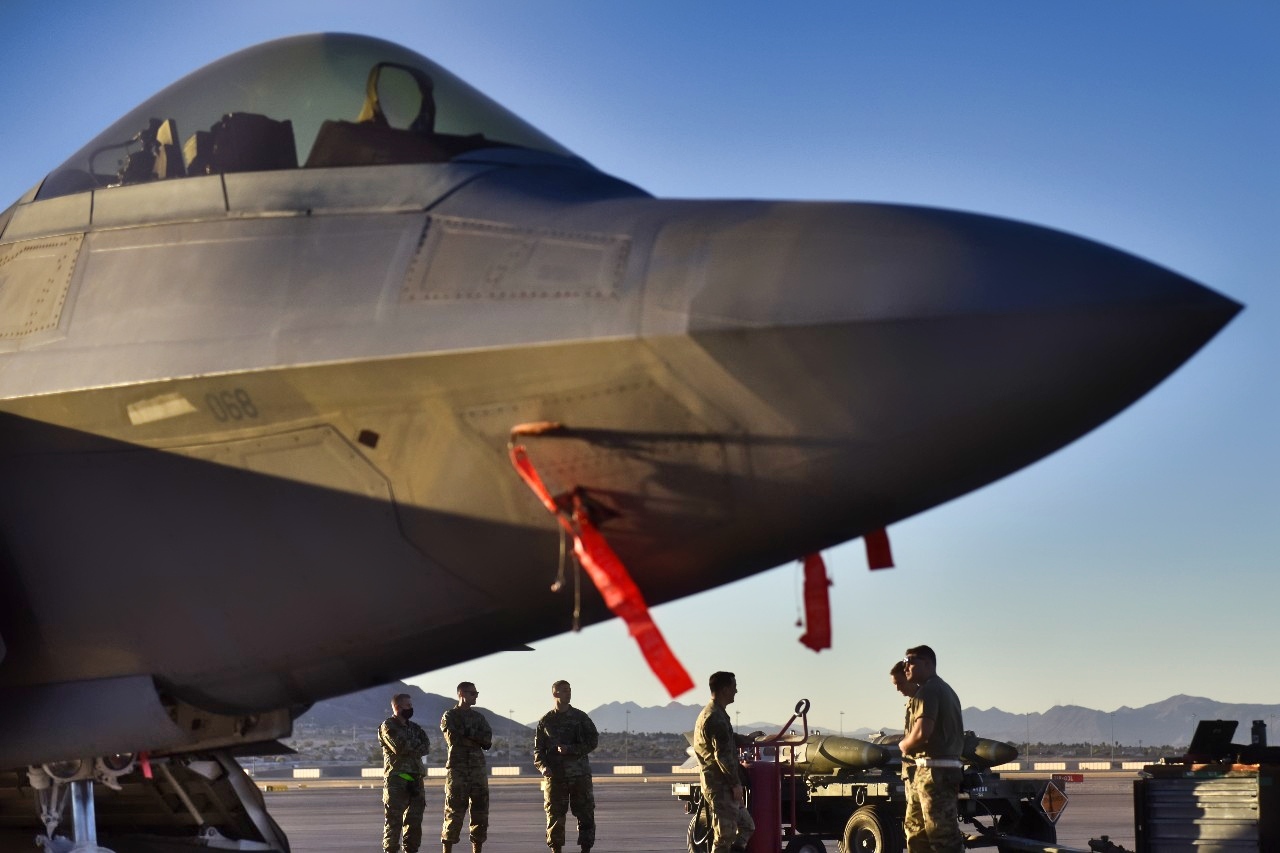
Airmen from the 757th Aircraft Maintenance Squadron talk about their execution plan next to an F-35 Lightning prior to the start of weapons load crew competition at Nellis Air Force Base, Nevada, Oct. 16, 2020. Throughout the year weapons crews are put to the test of safely loading and unloading ordinance to their respective aircraft in front of their peers while being timed. At the end of the year, the winners from each event are pitted against each other to see which team is the best. (U.S. Air Force photo by Tech. Sgt. Alexandre Montes)
-This massive fifth-generation buildup highlights the growing divide between interoperable Pacific powers and Canada, where Prime Minister Mark Carney’s push for the less-capable Saab JAS 39 Gripen threatens to isolate Ottawa from the alliance.
-In the Indo-Pacific, the F-35 is no longer just a fighter; it is the ultimate deterrent.
“Game-Changing” Interoperability: How 300 F-35 Fighters Will Create an Unbreakable Pacific Shield
At the 2026 Singapore Airshow, Lockheed Martin projected that U.S. allies in the Asia-Pacific could field nearly 300 of its fifth-generation F-35 fighter jets by 2035. The suggestion was made by Steve Sheehy, the aeronautics vice-president of international business development, on February 3.
Speaking during a media briefing, Sheehy cited emerging threats in the region and promised that the F-35’s capabilities – and its interoperability among allies – are a “game-changing” benefit.
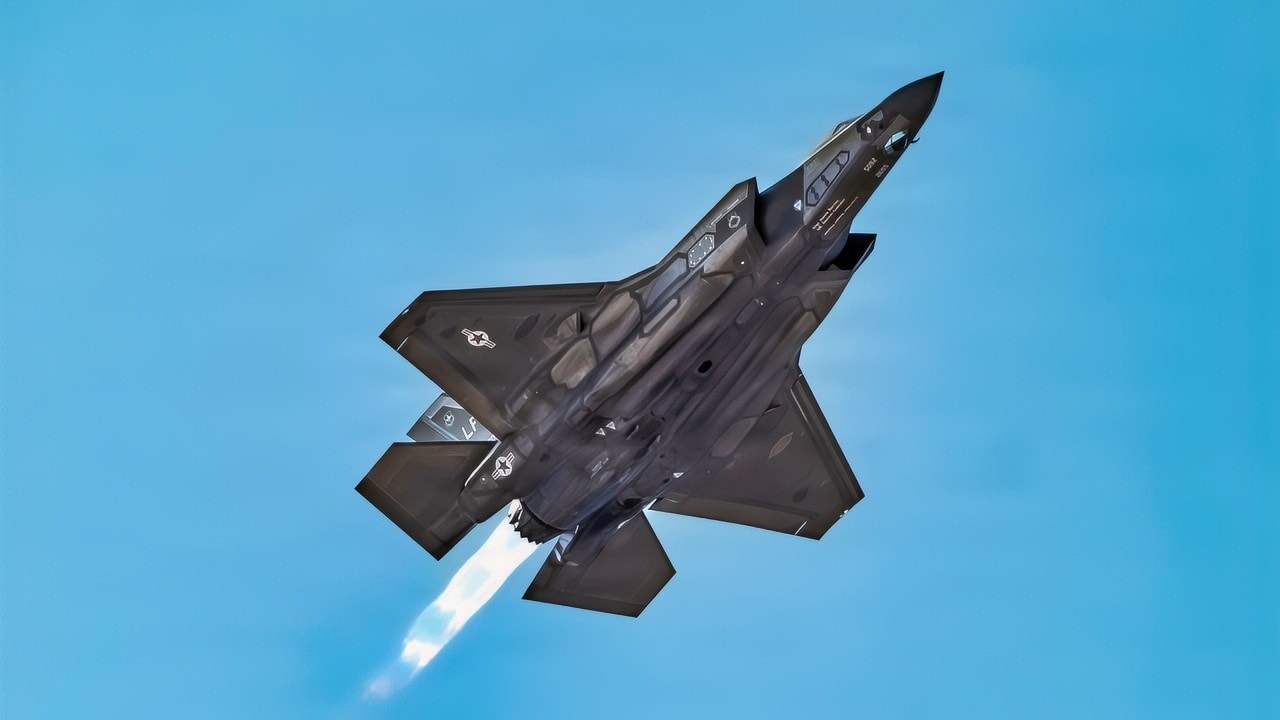
A U.S. Air Force F-35A Lightning II, assigned to the 56th Fighter Wing, takes flight, Nov. 26, 2025, at Luke Air Force Base, Arizona. The F-35A’s is designed for missions ranging from air superiority and electronic warfare. The 56th FW’s training programs emphasize interoperability, ensuring F-35A pilots can effectively collaborate with partner nations to achieve shared objectives. (U.S. Air Force photo by Airman 1st Class Belinda Guachun-Chichay)
The projection was framed not as a sales target but as a reflection of how regional air forces are converging on a common platform as strategic competition in the Indo-Pacific intensifies.
The comments come as Canadian Prime Minister Mark Carney reportedly moves closer to abandoning plans to field 88 F-35 fighter jets and instead choosing the less capable JAS 39 Saab Gripen E.
What Lockheed Is Claiming, and Why
The Singapore Airshow is the most important aerospace and defense exhibition in the Asia-Pacific, making it the natural venue for Lockheed Martin to articulate a regional vision for the F-35 program.
The timing coincides with rising concerns over China’s rapid military modernization, particularly its expansion of advanced fighter fleets and integrated air-defense systems, trends documented in the U.S. Department of Defense’s most recent China Military Power Report.
U.S. defense planning increasingly assumes that any major conflict in the region would involve multiple allied militaries operating together from the outset, rather than the United States fighting alone and partners joining later. That assumption is important because by talking about a shared pool of F-35s rather than separate national fleets, Lockheed is pointing to how its aircraft are expected to be used: as part of a combined air campaign in which data and situational awareness are exchanged across forces and borders in real time.
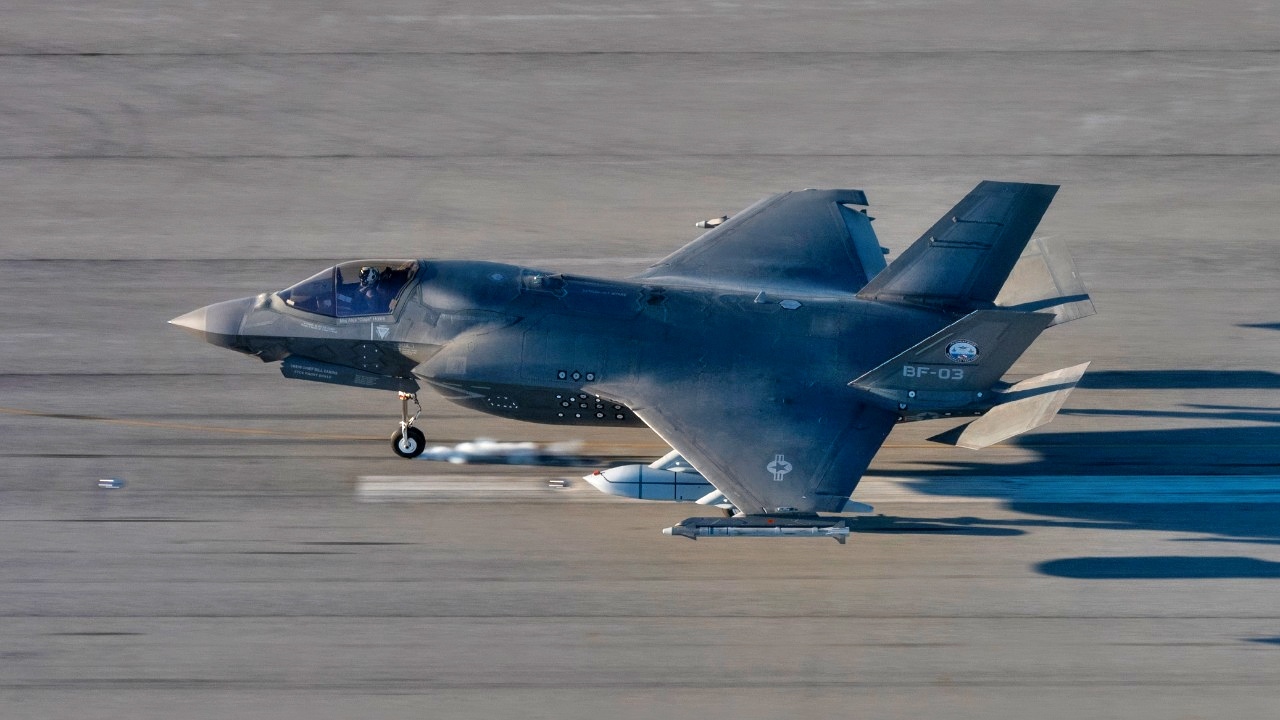
NAS PATUXENT RIVER, Md. — An F-35 Lightning II test pilot conducts the first flight test to certify the F-35B short takeoff and vertical landing variant of the fighter aircraft for carrying the AGM-158C Long-Range Anti-Ship Missile (LRASM). As part of ongoing weapon integration efforts, the Pax River F-35 Integrated Test Force (Pax ITF) team for the first time flew test flights Jan. 14 with two AGM-158 loaded on external stations. LRASM is a defined near-term solution for the Offensive Anti-Surface Warfare (OASuW) air-launch capability gap that will provide flexible, long-range, advanced, anti-surface capability against high-threat maritime targets. The Pax River ITF’s mission is to effectively plan, coordinate, and conduct safe, secure, and efficient flight test for F-35B and C variants, and provide necessary and timely data to support program verification / certification and fleet operational requirements.
These statements not only reinforce the F-35’s reputation and position as the world’s most advanced fifth-generation stealth fighter, but they also serve as a reminder to allies like Canada that allies are moving towards interoperability with U.S. systems – not away.
F-35 Fighters in the Asia-Pacific Today
The expectation of almost 300 F-35s operating in the Asia-Pacific is rooted in commitments that already exist – not deals that Lockheed still hopes to make. Several Asia-Pacific allies have either fielded the aircraft or are well into the process of doing so.
Japan plans to acquire 147 F-35s, including both conventional takeoff and landing and short takeoff variants, making it the largest operator outside the United States.
Australia operates 72 F-35A aircraft, with its fleet declared fully operational in 2025 after years of progressive integration into Royal Australian Air Force service.
South Korea also inducted 40 F-35As and approved additional purchases as it seeks to strengthen its ability to deter and respond to North Korean missile and nuclear threats.
These programs all account for well over half of the total Lockheed suggested will be operational in the near future, before including Singapore’s growing fleet or any future follow-on orders.
Singapore’s First F-35s Arrive This Year
One of the most immediate developments that supports Lockheed’s ambitious projection is Singapore’s expected delivery of its first F-35B aircraft later this year. The city-state initially ordered four aircraft for evaluation before approving additional purchases in 2023.
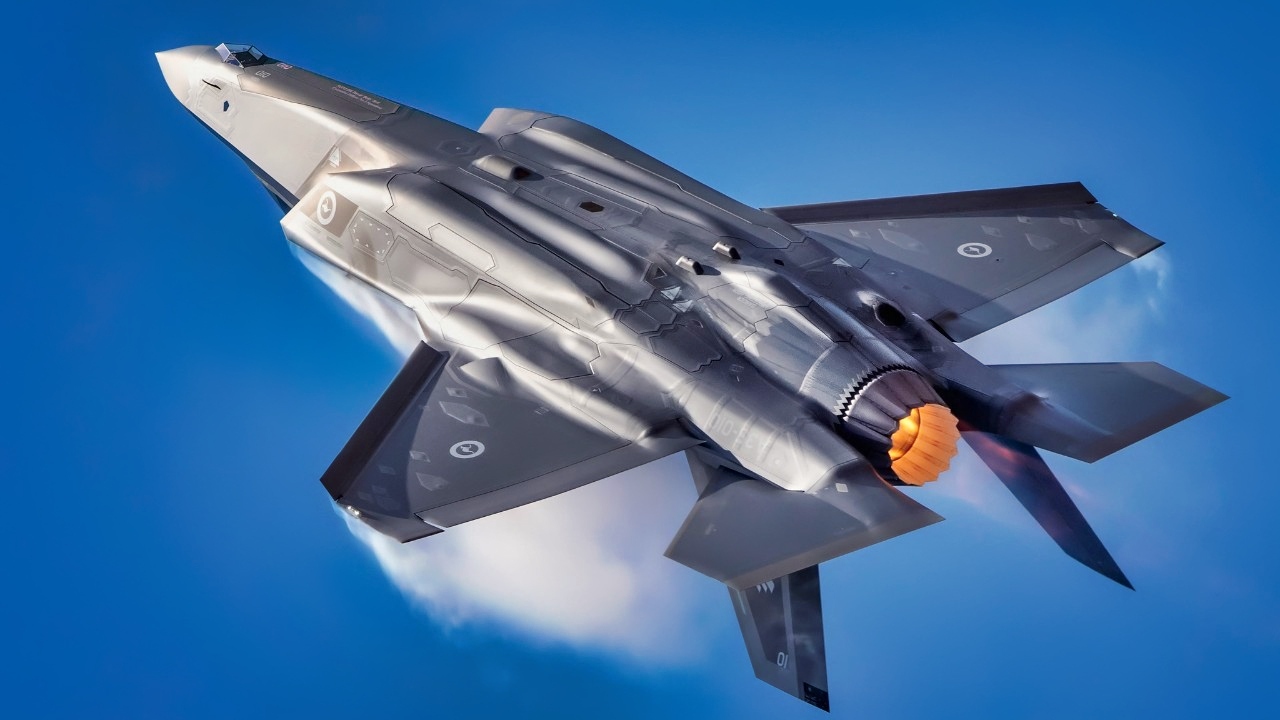
F-35 fighter. Image Credit: Creative Commons.
Singapore selected the short takeoff and vertical landing variant in part because of its limited land area and the vulnerability of fixed airbases in a high-end conflict.
Singapore’s Defence Minister Ng Eng Hen has said that replacing the city-state’s aging F-16 fleet is part of the armed forces’ long-term modernization effort, and that the F-35 was identified as the most suitable option after an extensive technical evaluation by the Republic of Singapore Air Force and Defence Science and Technology Agency.
Although Singapore’s F-35 fleet will be small by global standards, its arrival carries symbolic weight: it makes Singapore the first Southeast Asian country to operate a fifth-generation fighter and deepens its ability to integrate with U.S. and Australian forces not just in combat but during regional exercises.
Interoperability Matters
Sheehy’s recent comments, specifically with regard to interoperability, reflect one of the defining characteristics of the F-35 that, along with its stealth and other capabilities, makes it the most powerful fifth-generation stealth aircraft in the world.
Unlike older fighters, the aircraft was designed to collect, fuse, and distribute data across a network, thereby making it both a shooter and an airborne sensor node.
That has proven hugely beneficial for coalition warfare. During large multinational exercises like Pitch Black and Red Flag, allied F-35s have demonstrated their ability to pass data to fourth-generation aircraft, improving the effectiveness of the entire force – not just the fleet of F-35s.
The Singapore Airshow, held at Changi Exhibition Center, runs through February 8.
It showcases the platforms, companies, partnerships, software, and hardware that are shaping future airpower in the Asia-Pacific.
About the Author:
Jack Buckby is a British researcher and analyst specialising in defence and national security, based in New York. His work focuses on military capability, procurement, and strategic competition, producing and editing analysis for policy and defence audiences. He brings extensive editorial experience, with a career output spanning over 1,000 articles at 19FortyFive and National Security Journal, and has previously authored books and papers on extremism and deradicalisation.