
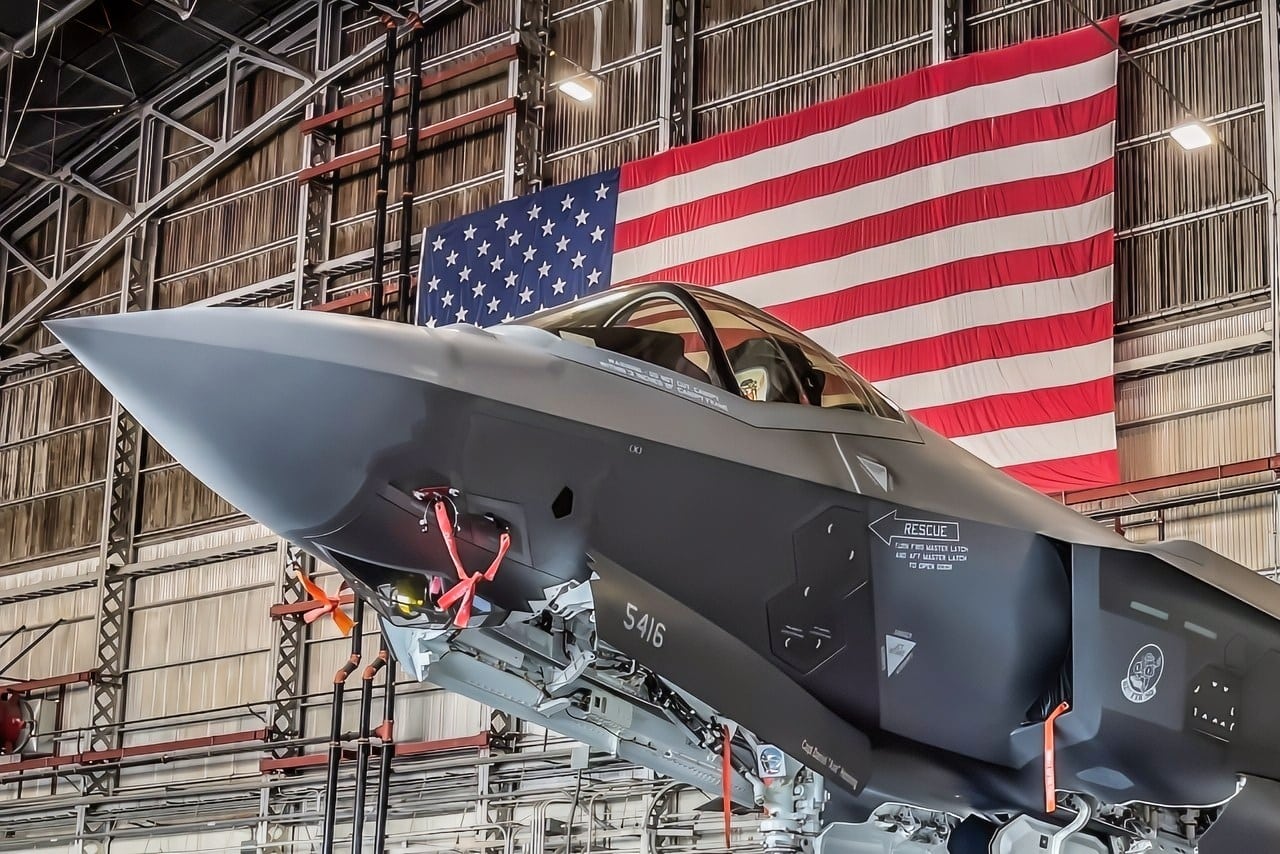
Summary and Key Points: Canada’s long-paused F-35 plan may be shifting as Ottawa boosts defense spending and the Royal Canadian Air Force faces a major recapitalization crunch.
-After paying for 16 aircraft, the broader 88-jet, $19 billion purchase has remained under review since March 2025.
-Now senior RCAF leadership is openly signaling that 88 fighters may be insufficient for a country of Canada’s size, especially with NATO and NORAD obligations and vast airspace to patrol.
-Sweden’s Gripen remains a competing option, but a mixed fleet could complicate interoperability and increase training and sustainment demands.
New Developments with the Canadian F-35 Purchase
Canada, sensing that it must flex its muscles for a robust new defense effort, is beefing up its own national security budget and that could be good news for the F-35 Lightning II deal and the Royal Canadian Air Force.
The Canadian government had agreed to acquire 88 F-35s, but after paying for 16 of the Lightning IIs, the rest of the $19 billion import agreement has been on hold since March 2025.
Now, an influx of defense spending could indicate that the Air Force will not only go ahead with the entire purchase agreement, but the government could buy even more F-35s.
More New Aircraft Are Needed in Canada
The Royal Canadian Air Force must replace 80 percent of its aircraft in the next five to ten years, according to a Canadian general, as noted by the Ottawa Citizen.
Major General Jeff Smyth said the service will buy new aircraft beyond “minimum viable fleet sizes” in the future.
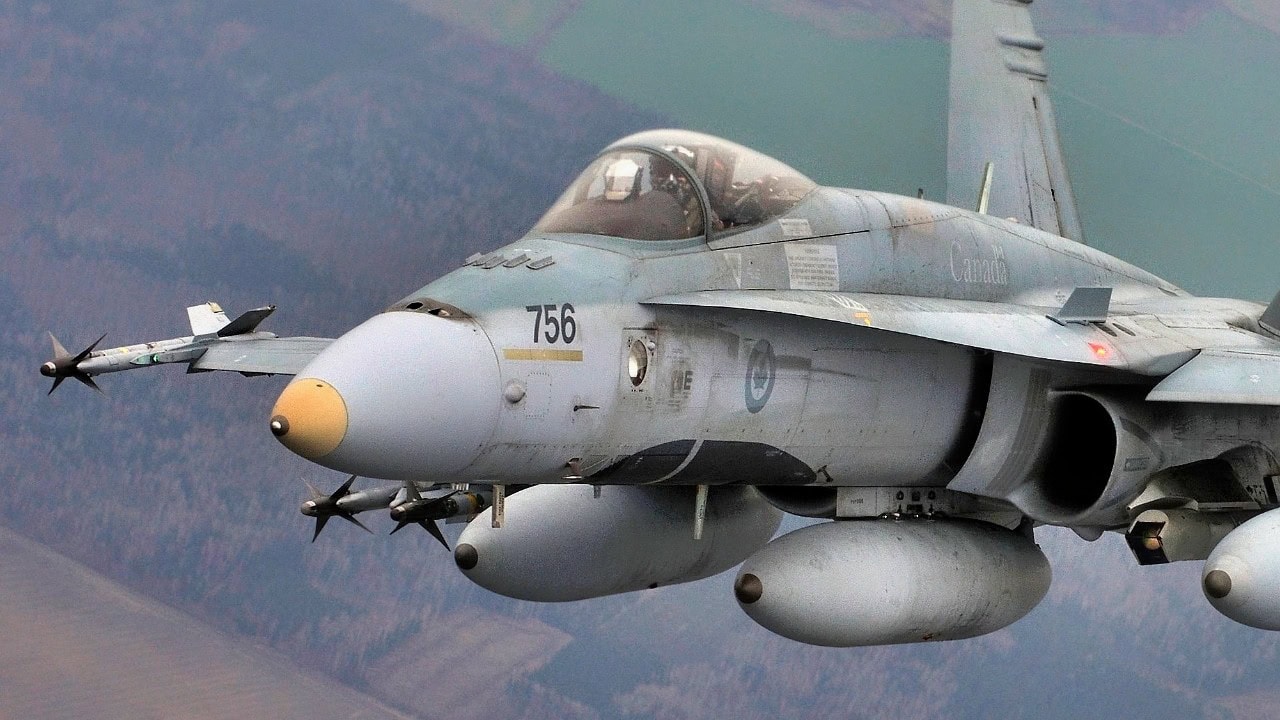
A CF-188 Hornet from the Canadian Air Task Force Lithuania flies over Lithuania on November 20, 2014 for the NATO Baltic Air Policing Block 36 during Operation REASSURANCE.
Photo: Air Task Force — OP Reassurance, DND
Boost to Defense Spending
Canada’s defense budget for 2026 will increase by more than $63 billion, bringing defense spending to 2 percent of GDP. The Canadians aim to reach a defense budget equal to 5 percent of GDP by 2035. Canada will spend around $17.9 billion on new military capabilities this year.
Could There Be More Than 88 F-35s on the Way?
The critical quote Smyth revealed was that the new budgeting could positively affect the F-35 agreement. “Eighty-eight jets are not a lot for a country the size of Canada,” he said. “If the government decides to buy more in the future, that would be welcome for us and for our allies.”
Sweden Has a Nice Offer to Deliver JAS 39 Gripens Instead
This is a telling clue. Canada is also considering buying the JAS 39 Gripen 4.5-generation fighter jet from Sweden. If so, they would have a mix of Gripen and F-35 Aircraft that could affect the interoperability required by NORAD. This mix would also require additional training for pilots and maintenance crews for two airplanes, which could necessitate new air base infrastructure.
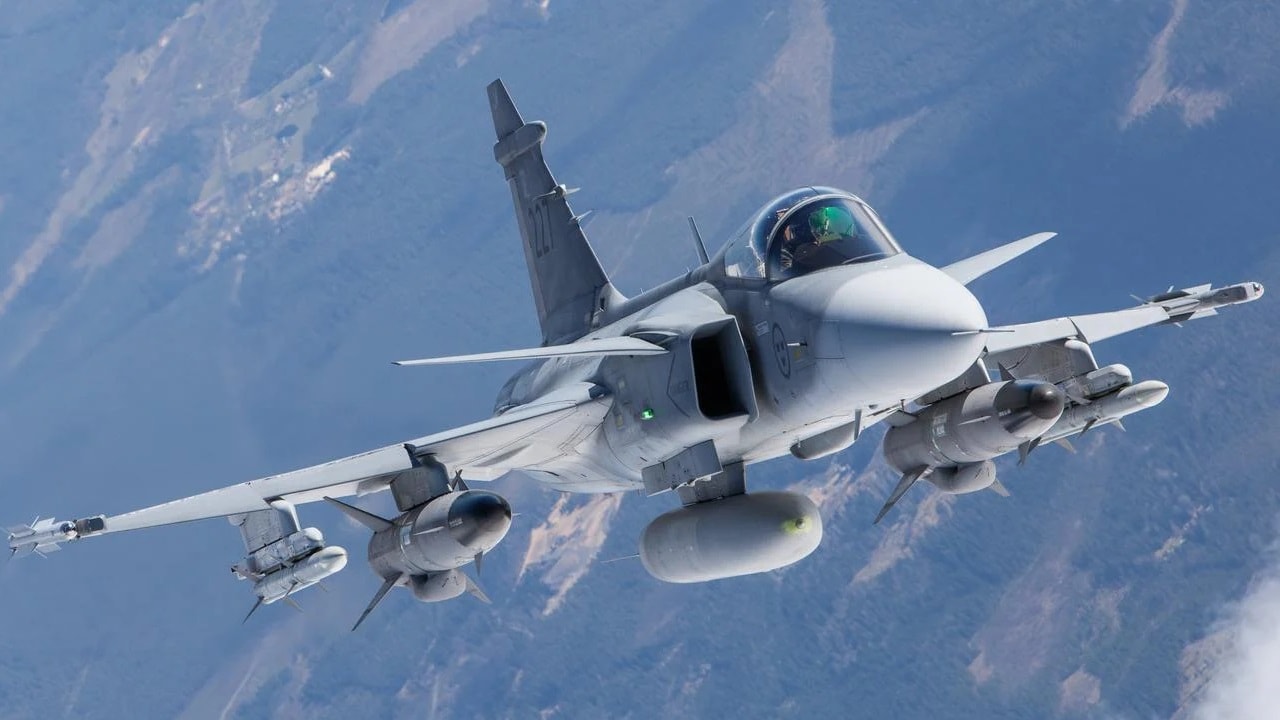
Saab JAS 39 Gripen E fighter. Image Credit: Creative Commons.
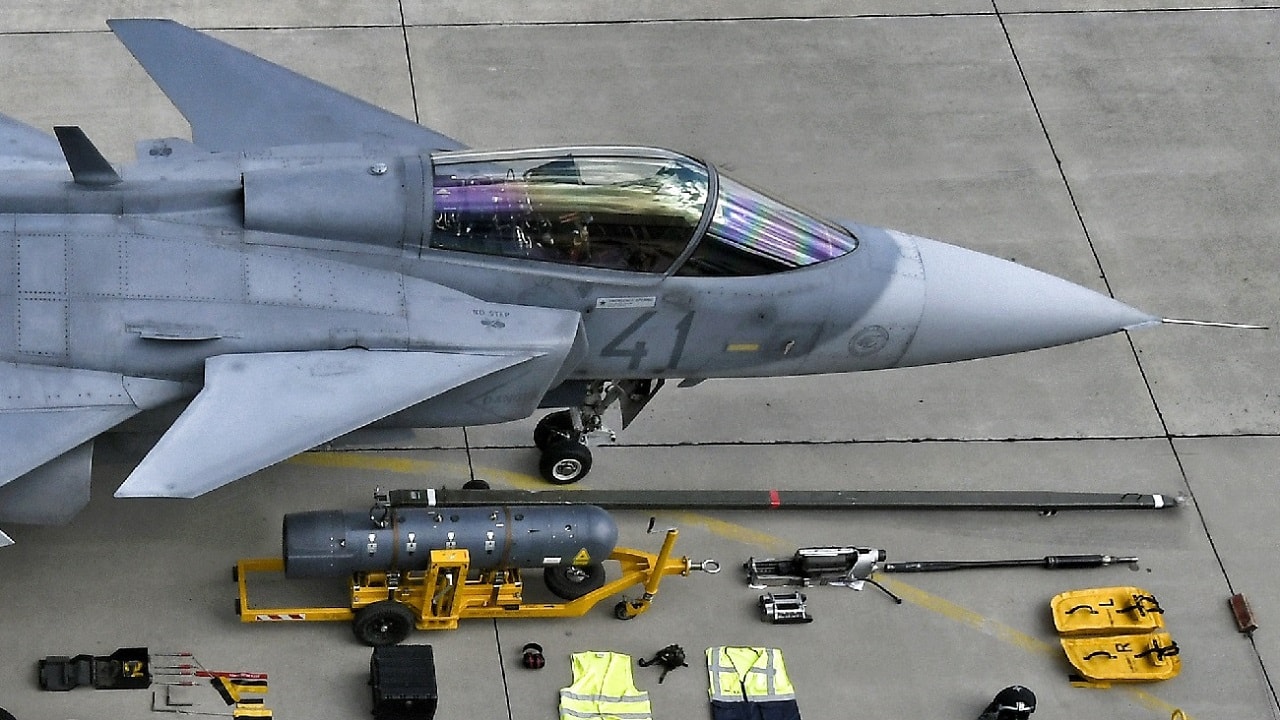
Sweden’s JAS-39 Gripen. Image Credit: Creative Commons.

Image is of Saab Gripen fighter. Image Credit: Creative Commons.
Department of National Defense spokesperson Kened Sadiku said, “as the RCAF advances its modernization toward a 5th-generation — and eventually 6th-generation — Air and Space Force, it is continually assessing fleet size to be able to meet Government of Canada tasks while also ensuring operational advantage now and into the future.”
Let’s Make It a Texas-sized Party
A Canadian contingent visited the Lockheed Martin facility in Fort Worth, Texas, recently to celebrate the production of the first F-35 that will eventually make its way to the Great White North. One general even signed the fuselage of the stealth fighter that will eventually replace the aging fleet of CF-18s.
The Plot Thickens With a Nice Offer from Sweden
Pilots will be training to fly the F-35 later this year in the United States.
But that doesn’t mean Canada will resist Sweden’s tempting offer of Gripen. The Swedish government has said JAS 39 parts and components, and even some of the Saab fighters, can be produced in Canada.
This would boost the Canadian aerospace industrial base that Prime Minister Mark Carney would be proud of.
The F-35 Deal Has Been On Hold for Nearly a Year
Carney’s government is still reticent on the future of the F-35 acquisition. Defense Minister David McGuinty told the media that the “question of further acquisition of that fleet remains under review,” he added.
Despite the defense ministry’s caution, General Smyth’s remarks indicate some optimism about the F-35’s future in Canada, which could mean the Carney government could forgo the JAS 39 Gripen and procure the full lot of 88 Lightning IIs, and perhaps even more of the fifth-generation jets.
Frustrations with Trump
It is important to qualify his remarks, though. Spending is increasing, but there is the pesky problem of diplomatic relations with President Donald Trump, who has needled and pressured Canada with tariffs and bellicose rhetoric. The Canadians have said in the past that they want to diversify away from dependence on U.S. military hardware.
Military necessity could outweigh Canadian frustration with Trump, though. Canada has commitments to NATO and NORAD, plus an immense border territory must be patrolled. This is why at least one general believes that more than 88 F-35s are warranted.
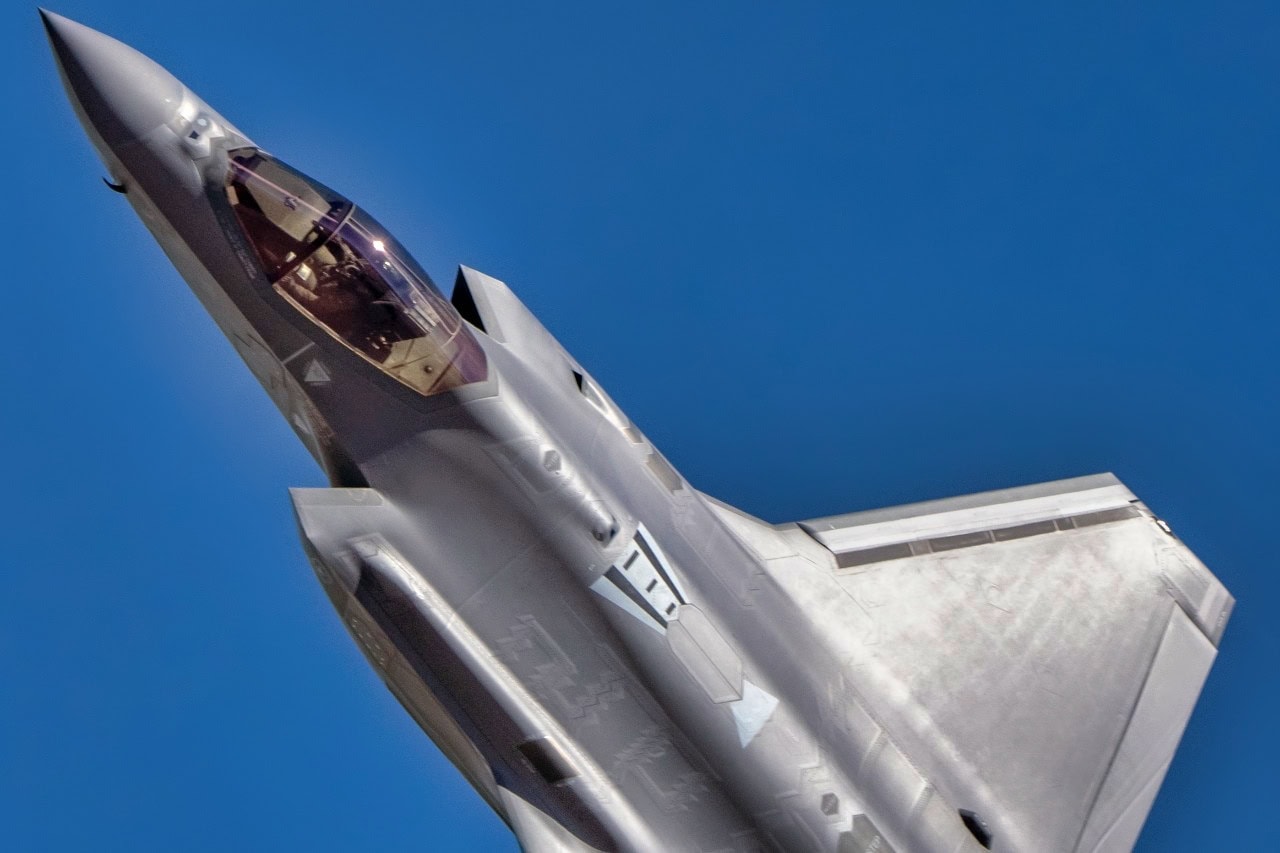
U.S. Air Force Maj. Kristin “BEO” Wolfe, F-35A Lightning II Demonstration Team pilot and commander, flies during the 2021 Reno Air Races, Reno, Nev., Sept. 18, 2021. The 2021 Reno Air Races featured performances from the U.S. Air Force F-35A Demo Team and the U.S. Air Force Thunderbirds. (U.S. Air Force photo by Capt. Kip Sumner)
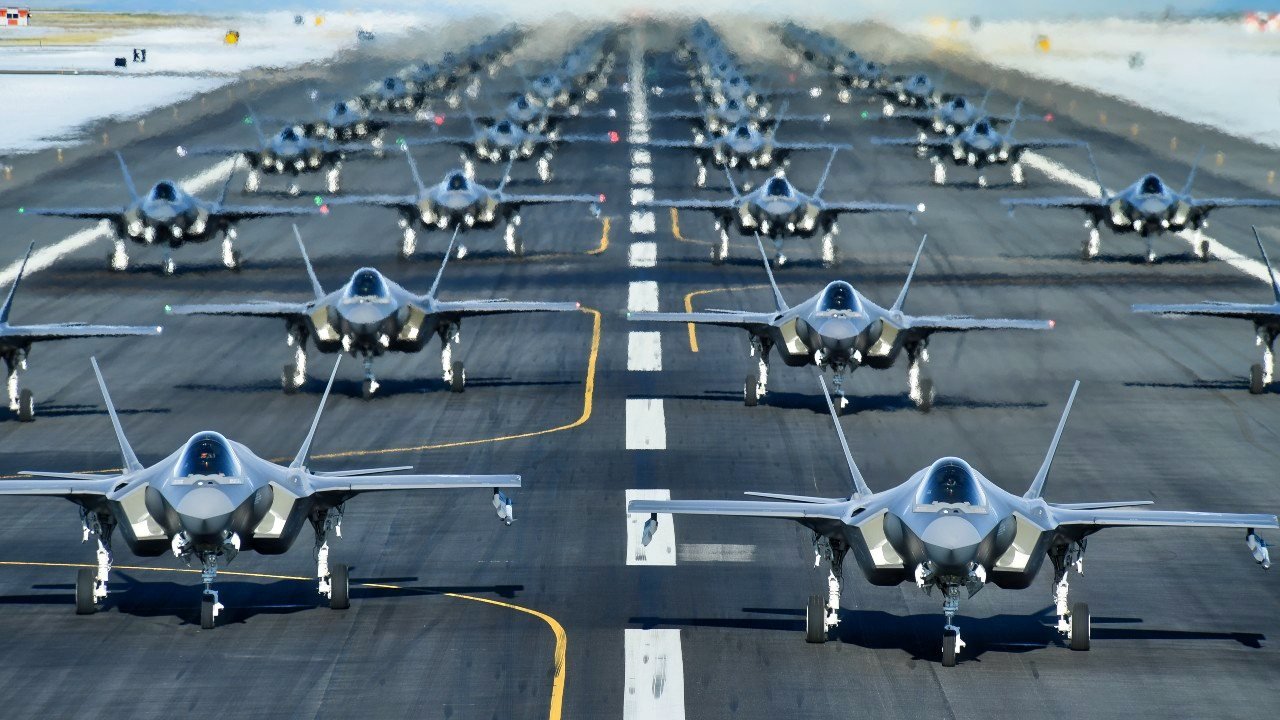
F-35 Elephant Walk. Image Credit: Creative Commons.
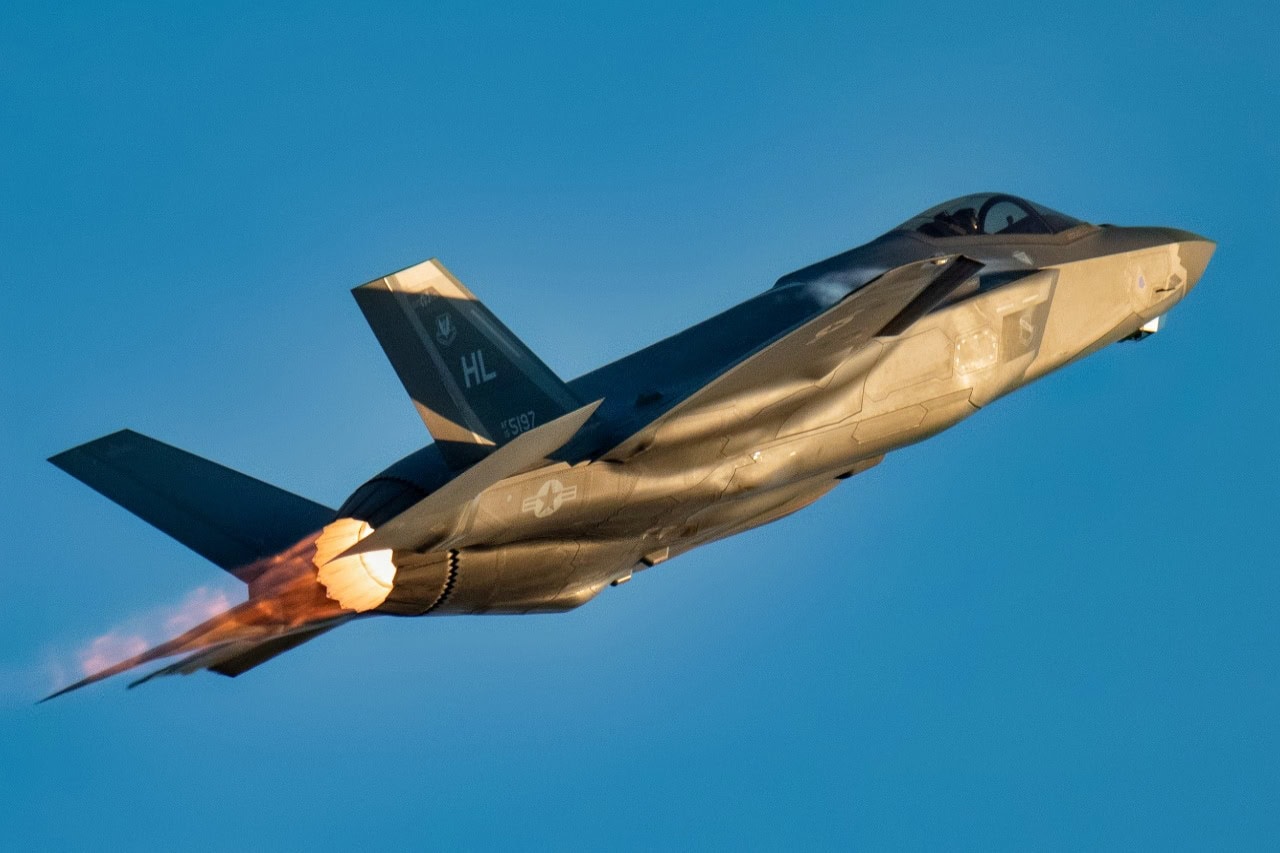
U.S. Air Force Major Kristin “BEO” Wolfe, F-35A Lightning ll Demonstration Team pilot and commander, flies during sunset over Mathers Airport, Calif., Sept. 24th, 2021, at the California Capital Airshow. The team consists of approximately 15 total Airmen to include the pilot and commander, pilot safety officers, superintendent, team chief, maintenance Airmen, aircrew flight equipment specialists, and public affairs personnel. (U.S. Air Force photo by Staff Sgt. Thomas Barley)
The commitment to Lockheed Martin’s F-35 remains uncertain, but the company’s executives are likely more optimistic that Canada will finally accept the full 88-jet order and may even order additional jets.
The Ball Is In Sweden’s Court
What will Sweden do next to sweeten the pot? Keep in mind that the F-35 purchase remains on hold, and Saab is still in the running. Would they sweeten the offer by allowing a Canadian factory to produce the Gripen, or even reduce the unit price of the JAS 39?
That is likely what Carney is waiting for. Why not hold out for the best offer? Canada also produces many F-35 parts and components, so numerous jobs remain at risk.
An Enigma Wrapped in a Riddle
This is shaping up to be one of the biggest defense mysteries of 2026. What will Canada finally decide? The Americans need some direct personal diplomacy from Trump and a concerted effort from the American Ambassador to Canada, Pete Hoekstra, who is working behind the scenes.
More defense spending from Canada comes at a good time, and this may mean that the U.S. neighbor could go beyond the 88 F-35s. We will keep our eyes open for new developments.
Canada can’t go wrong with the F-35, and they would join a large club of 19 nations that already fly it or are in the process of buying it. So there is precedent for a Lightning II purchase. Generals are getting antsy as they consider what needs to happen before the CF-18 is replaced, and they will likely push for more F-35 jets rather than the Gripen. Stay tuned for more analysis about this saga.
About the Author: Dr. Brent M. Eastwood
Author of now over 3,000 articles on defense issues, Brent M. Eastwood, PhD is the author of Don’t Turn Your Back On the World: a Conservative Foreign Policy and Humans, Machines, and Data: Future Trends in Warfare plus two other books. Brent was the founder and CEO of a tech firm that predicted world events using artificial intelligence. He served as a legislative fellow for US Senator Tim Scott and advised the senator on defense and foreign policy issues. He has taught at American University, George Washington University, and George Mason University. Brent is a former US Army Infantry officer. He can be followed on X @BMEastwood.