Synopsis: Canada’s fighter decision is no longer just about price; it’s about whether Ottawa can defend a continent-sized airspace with credible fifth-generation capability. With only 16 F-35s delivered, Canada faces a scale problem: protecting Arctic approaches and long coastlines demands networked sensing, secure data-sharing, and enough aircraft to sustain patrols. The F-35’s stealth and sensor fusion, paired with fleet-wide networking, offers a practical way to build a modern air defense “envelope” and plug into allied formations. The Gripen can be cheaper and useful in a mixed fleet, but it cannot replicate fifth-generation survivability. Tariffs and politics may complicate the path, yet the operational logic still points to the F-35.
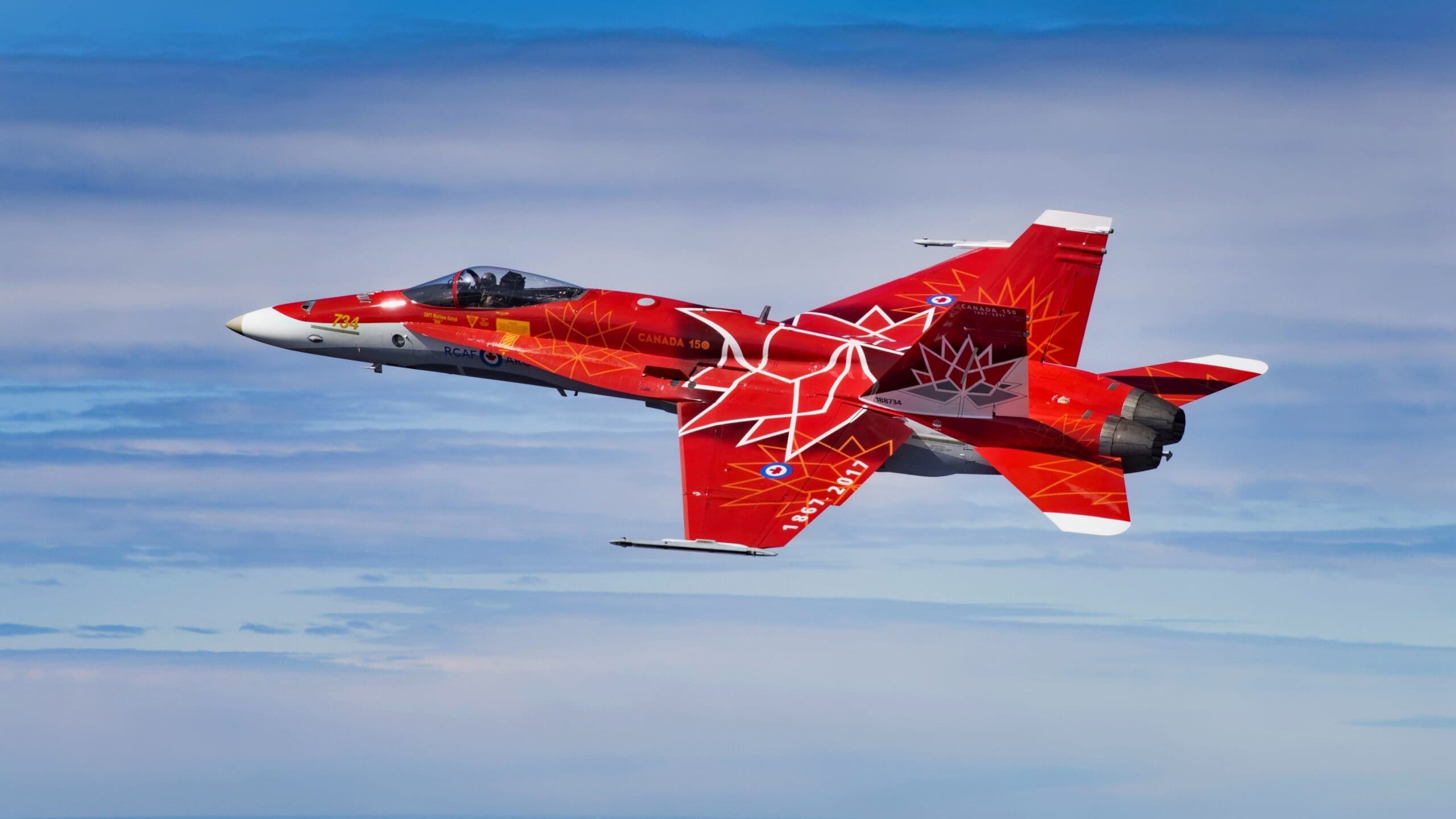
CF-18 Fighter from Canada. Image Credit: Creative Commons.
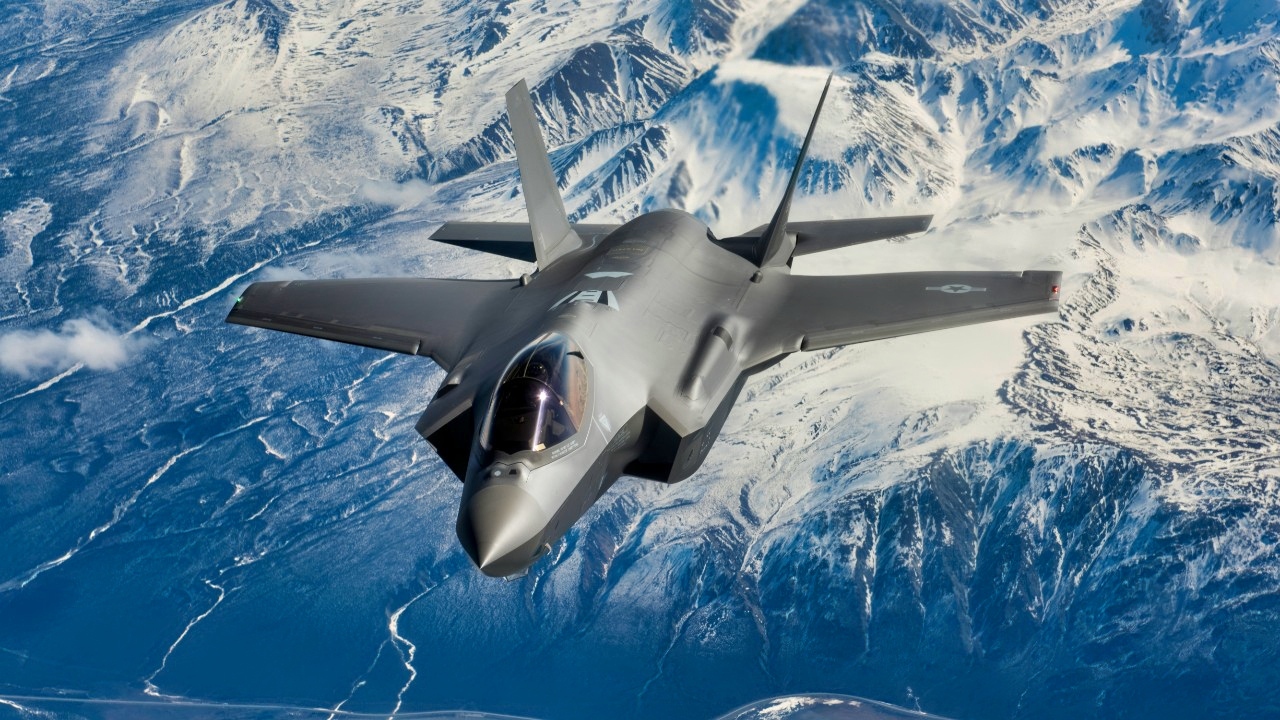
A new F-35A Lightning II fifth-generation fighter aircraft flies over the Alaska Canada Highway en route to its new home at the 354th Fighter Wing, Eielson Air Force Base, Alaska, April 21, 2020. The F-35 represents a new model of international cooperation, ensuring U.S. and Coalition partner security well into the 21st Century. (U.S. Air National Guard photo by Tech. Sgt. Adam Keele)
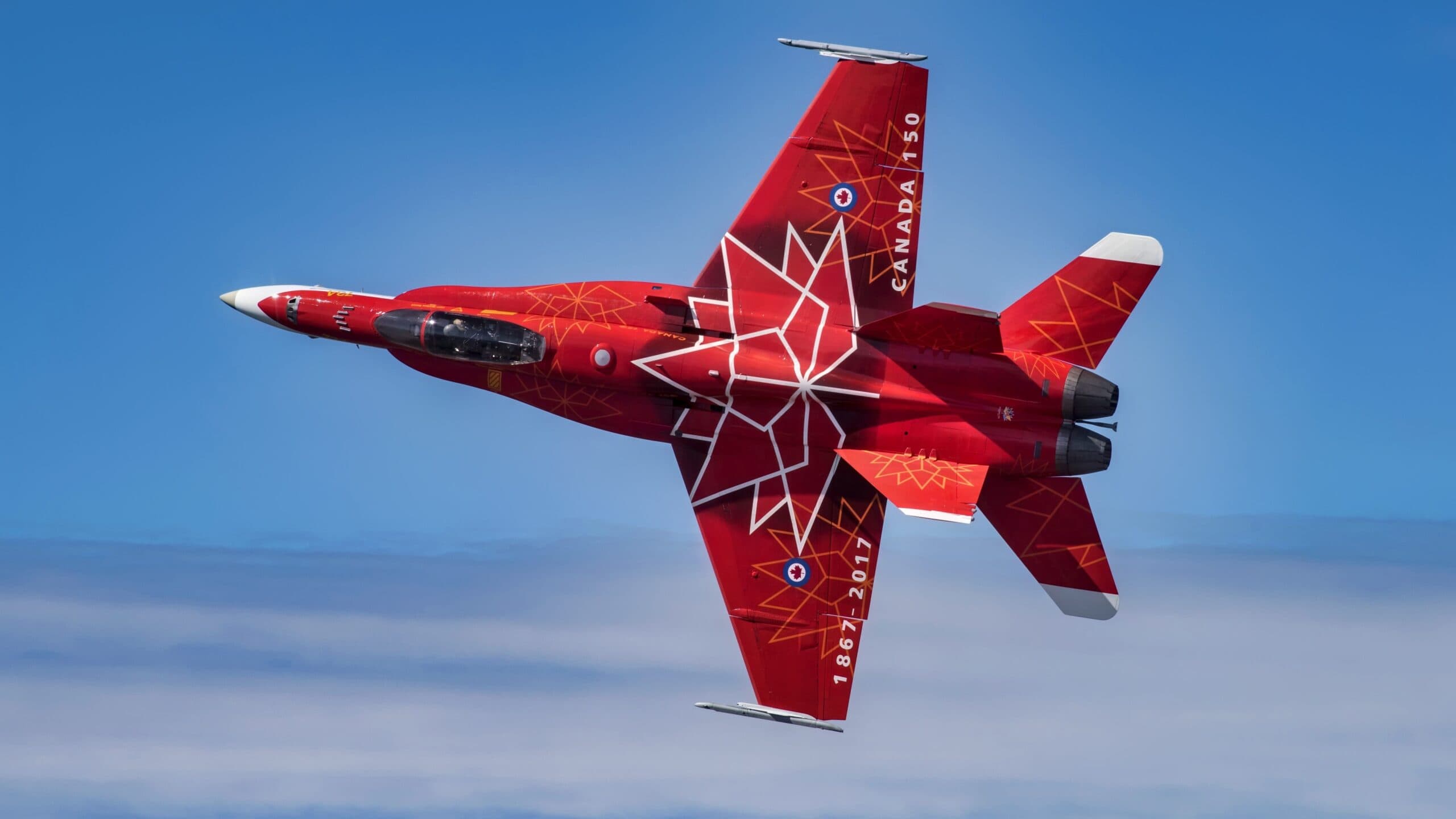
CF-18 Fighter from Canada.
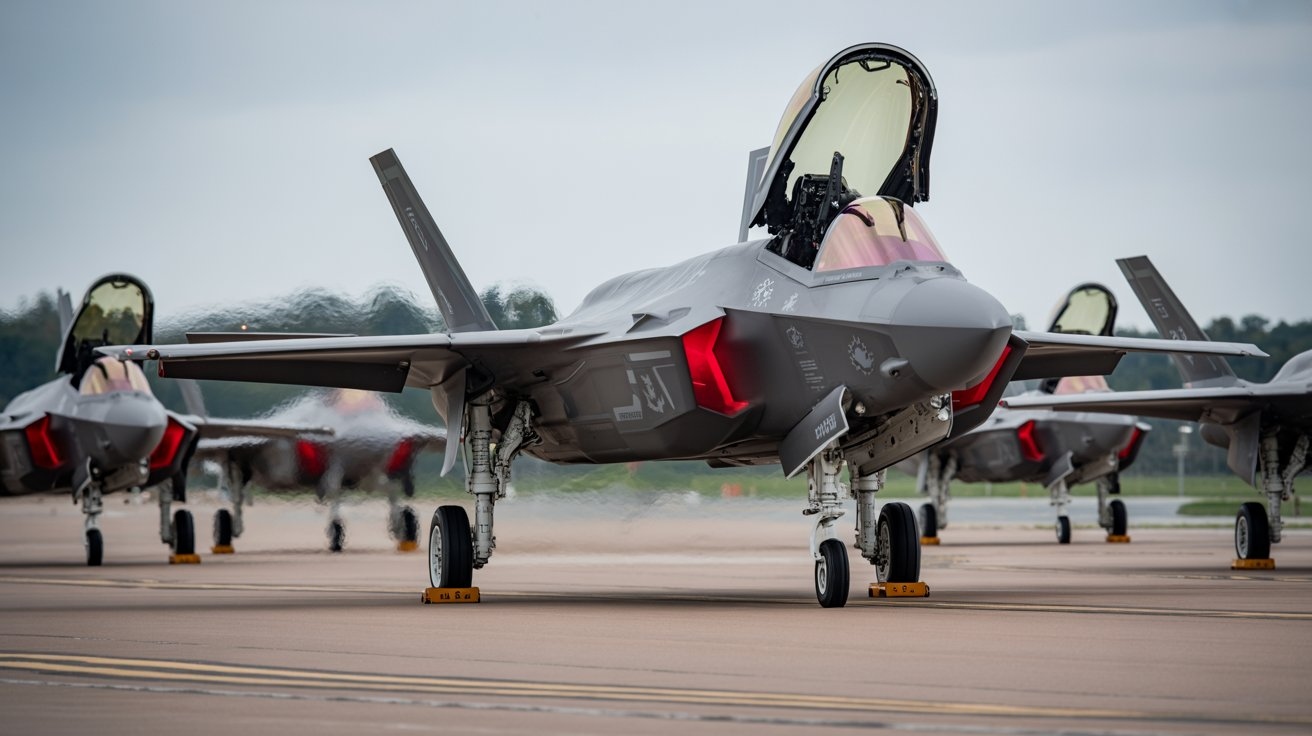
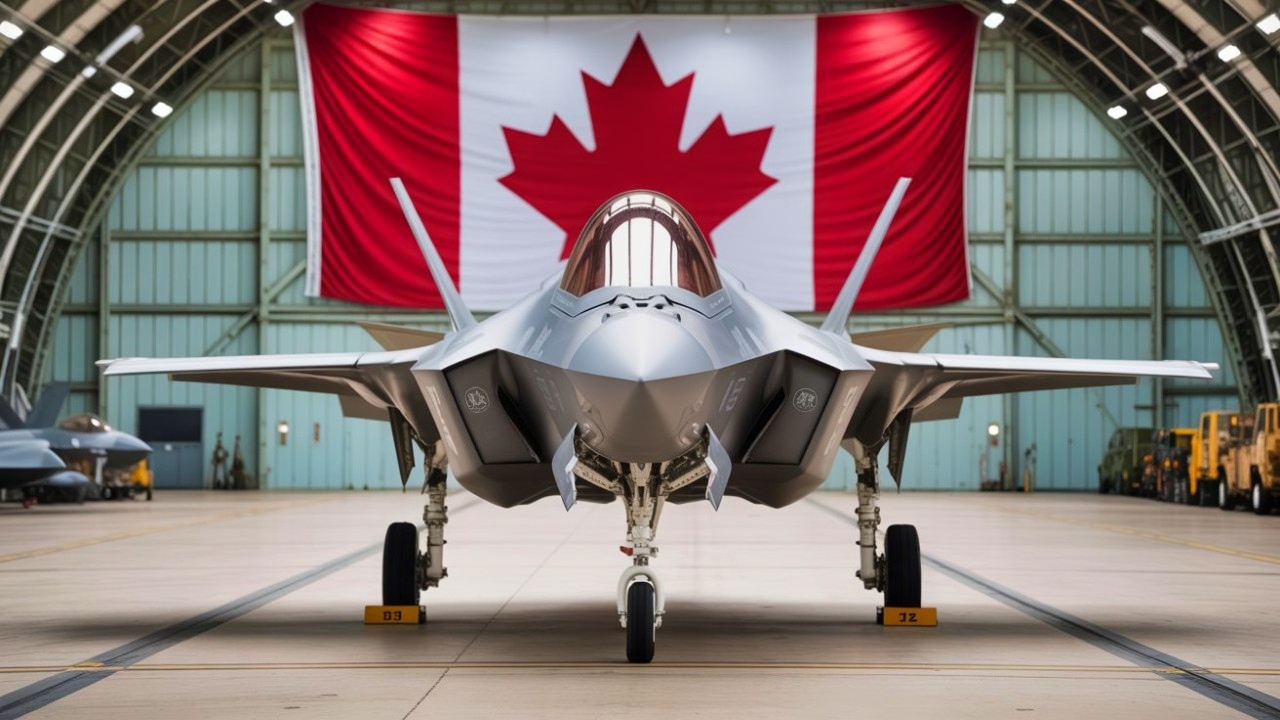
Canada F-35 Fighters. Image Created by Ideogram.
Canada’s F-35 Decision Is Getting Harder: Can Ottawa Afford to Walk Away?
As the Canadian government and its military leaders evaluate whether to complete a deal to buy more F-35s, the decision calculus hangs in a delicate balance of political and military considerations.
Canada needs an air envelope of protection for its borders as well as an ability to defend its interests and align with allies for security purposes.
This means Canada is now faced with the question of completing the original F-35 order, of which 16 have arrived, or picking another potentially less expensive fighter, such as Saab’s JAS Gripen multi-role fighter.
Do tariff-related negotiations or tensions between the US & Canada cast a shadow of uncertainty upon the future of the F-35 in Canada?
Perhaps the more operative question is whether Canada can afford “not” to buy the F-35, given that Canadian Defence Minister David McGuinty has been clear about his country’s commitment to acquiring a new fleet of advanced, high-performing fighter jets.
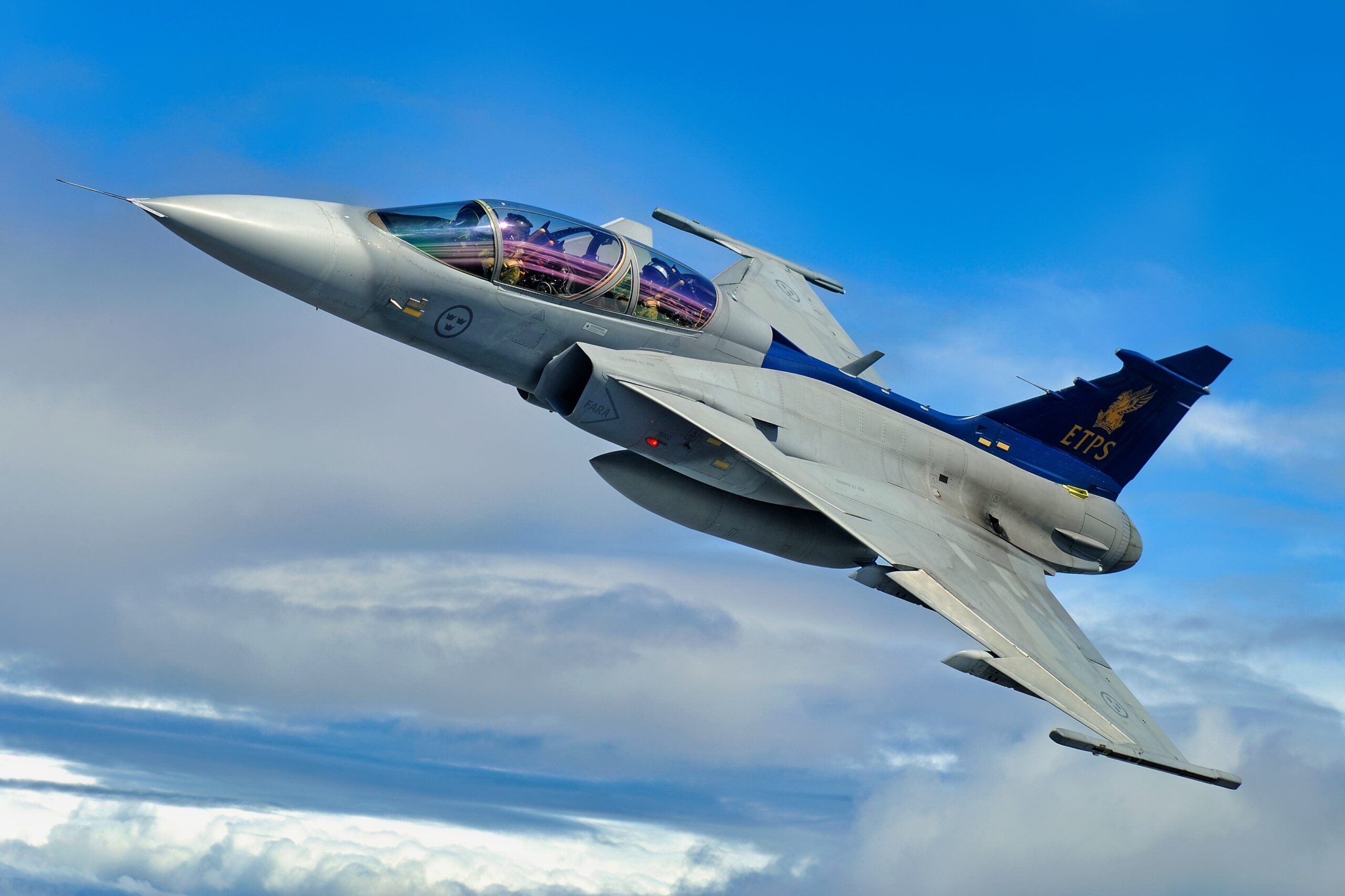
JAS 39 Gripen Fighter from Sweden. Image Credit: Creative Commons.
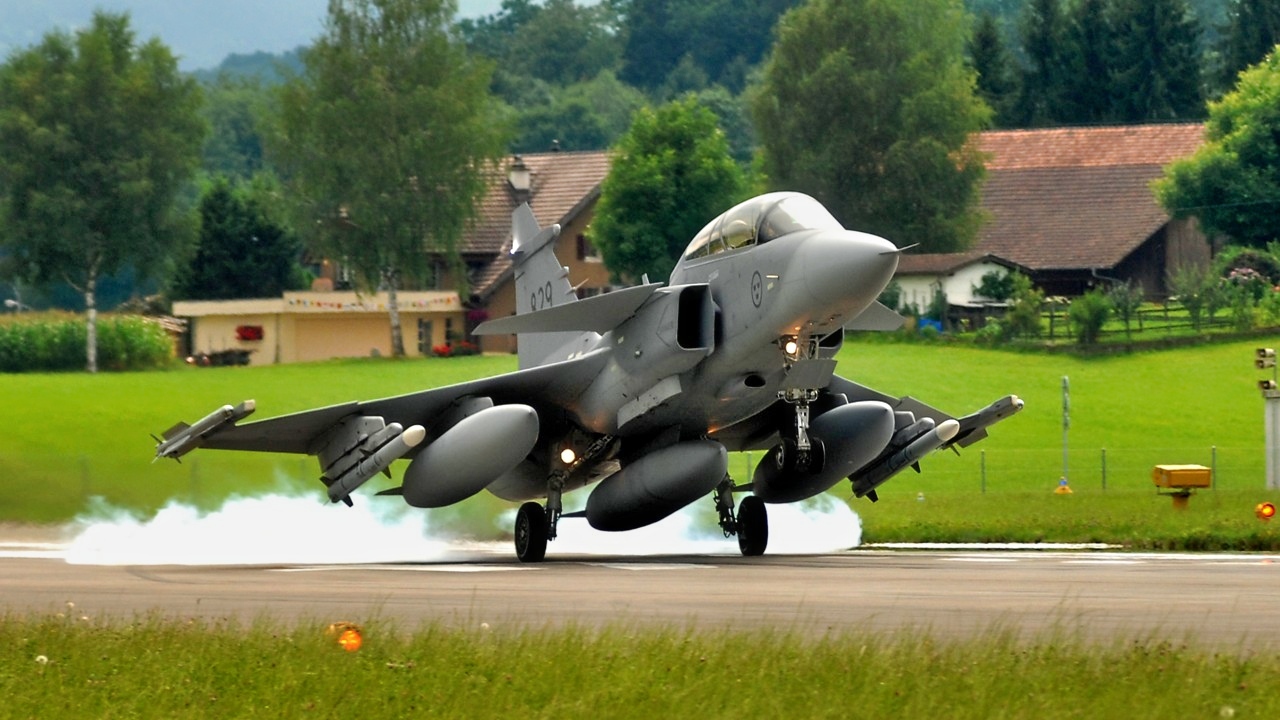
JAS 39 Gripen Fighter. Image Credit: Creative Commons.
McGuinty’s office was quoted in a Reuters news agency essay several months ago, stating, “[W]e are committed to procuring what the Air Force needs.”
American F-35 for Canada
Regardless of how tariff discussions, budget deliberations, and other political variables involving Canada and the US unfold, there is a clear security rationale for a fleet of F-35s to serve Canada best.
There are many clear, security-related reasons for this, given the global presence of F-35s and the aircraft’s performance parameters.
Indeed, Canada would want the ability to operate a protective air envelope throughout its airspace, with a particular focus on deterring potential threats from Russia to its Western border, South of Alaska.
Russia could also pose a threat to Canada’s Northern border through the Arctic.
F-35 Formations
In a scenario of this kind, a collection of 16 F-35s would be ill-equipped to protect Canadian shores because it simply would not be enough to establish a 5th-generation defensive perimeter along the vast expanse of its borders.
As for the particular merits of the F-35 for Canada, there are many factors to consider, including geography and 5th-generation stealth fighter jet technology.
It seems clear that fighter jets tasked with defending Canadian airspace would need to “network” across vast distances, something which would require a much larger fleet of F-35s.
The advantage of the F-35 in this kind of contingency is its standard, interoperable, fleet-wide data-sharing technology called MADL (Multi-function Advanced Data Link).
This means that time-critical threat data gathered by F-35’s Distributed Aperture System (DAS) sensors could be instantly “networked” across an entire formation of F-35s. This vastly expands battlefield presence and any commensurate need to track and destroy threats across a vast geographical expanse.
Russian Su-57
Since Russian weapons and air power are likely the most significant threat to Canada, any defensive air power the country has would need to confront, stop, or potentially destroy Russian 5th-Gen Su-57s.
Despite Russia appearing to suffer from ongoing production problems related to its efforts to build a whole fleet of Su-57s, the aircraft poses a threat that Canada is likely to take seriously, given how close its Northern and Western shores are to Russian air attack.
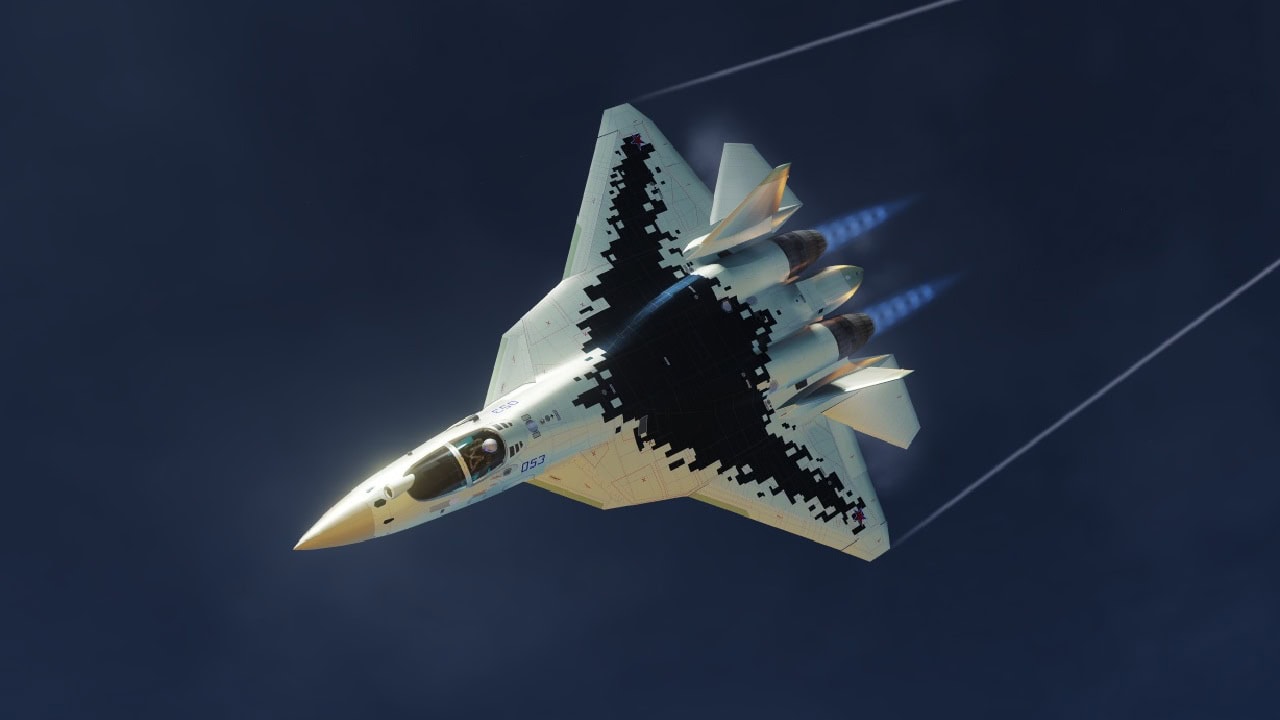
Su-57. Image Credit: Artist Created Image.
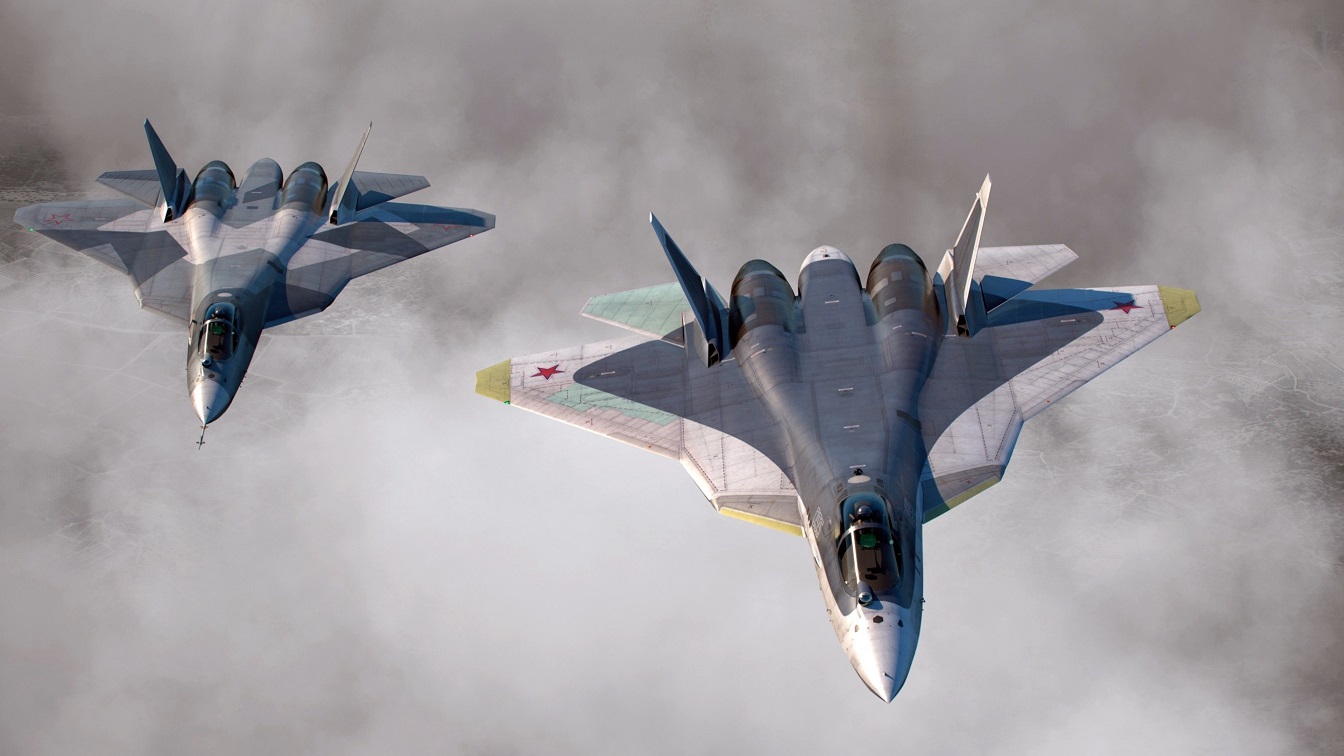
Su-57 stealth fighter. Image Credit: Artist Rendition.
As a known 5th-gen fighter, the F-35 could not only outmatch the Su-57 but also deploy a much larger 5th-gen fleet.
A Saab JAS 39 Gripen, by contrast, is not only non-stealthy but regarded as a 4.5-gen aircraft which is “not” 5th-gen, a circumstance potentially making it more vulnerable to Russian Su-57s.
Multi-National Strength
There is yet another primary reason Canada would be well-served by the F-35, and it concerns allies and potential multinational formations.
At least 20 countries operate with F-35s throughout Europe and Asia, so Canadian air war support from numerous F-35 nations could merge and align with Canada’s F-35s in the event of a great power war.
This is an advantage that alternative fighter jets simply could not parallel.
At the same time, there is also tactical merit associated with operating a “mixed” fleet of several aircraft, particularly given that the F-35 and Gripen can network well together.
About the Author: Kris Osborn
Kris Osborn is the President of Warrior Maven – Center for Military Modernization. Osborn previously served at the Pentagon as a highly qualified expert in the Office of the Assistant Secretary of the Army—Acquisition, Logistics & Technology. Osborn has also worked as an anchor and on-air military specialist at national TV networks. He has appeared as a guest military expert on Fox News, MSNBC, The Military Channel, and The History Channel. He also has a Masters Degree in Comparative Literature from Columbia University