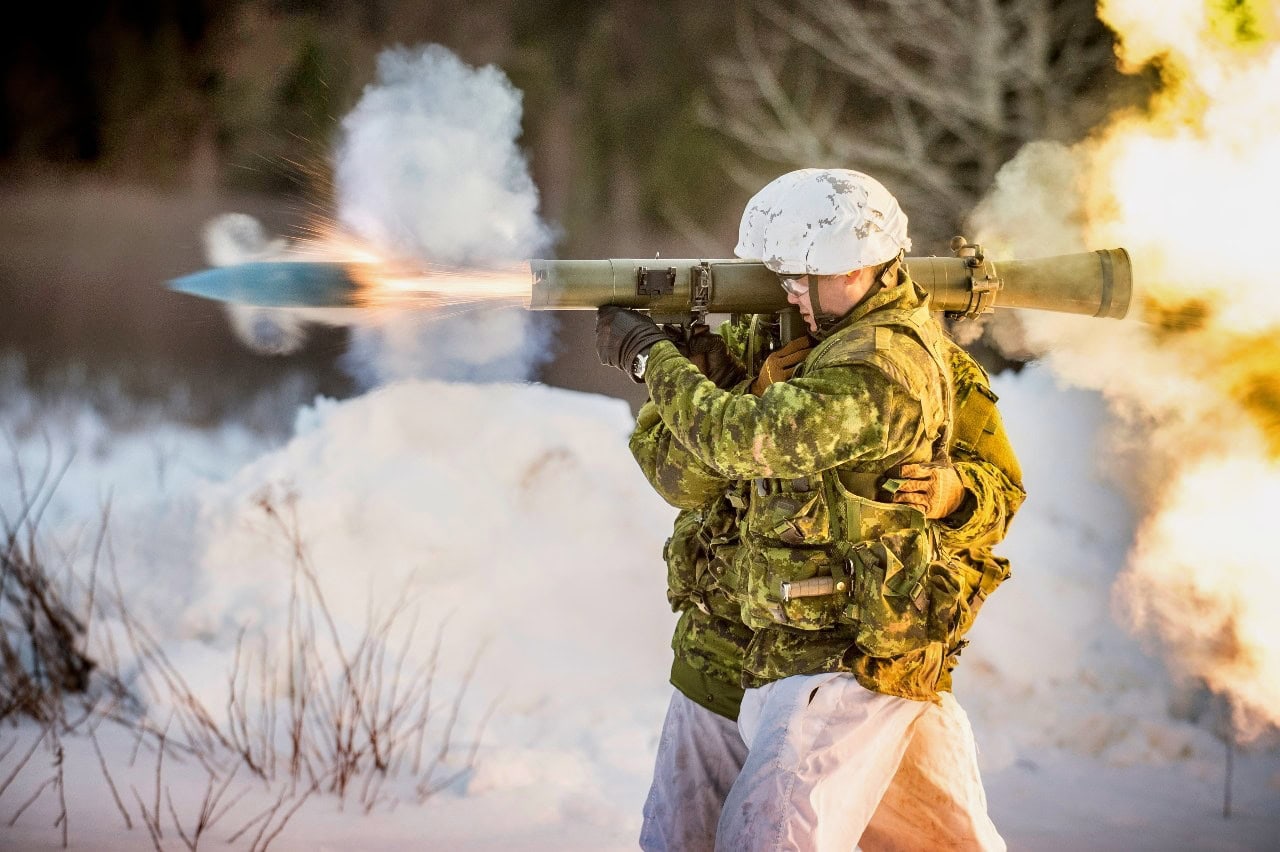
Summary and Key Points: The Canadian Armed Forces are facing a severe readiness crisis, with internal reports revealing that only 58% of forces could respond to a NATO crisis and nearly half of all military equipment is “unserviceable.”
-The Royal Canadian Air Force is struggling with an aging fleet and political tensions with the U.S. administration, prompting Ottawa to reconsider its commitment to the F-35 stealth fighter in favor of potentially integrating Swedish Gripen E jets.
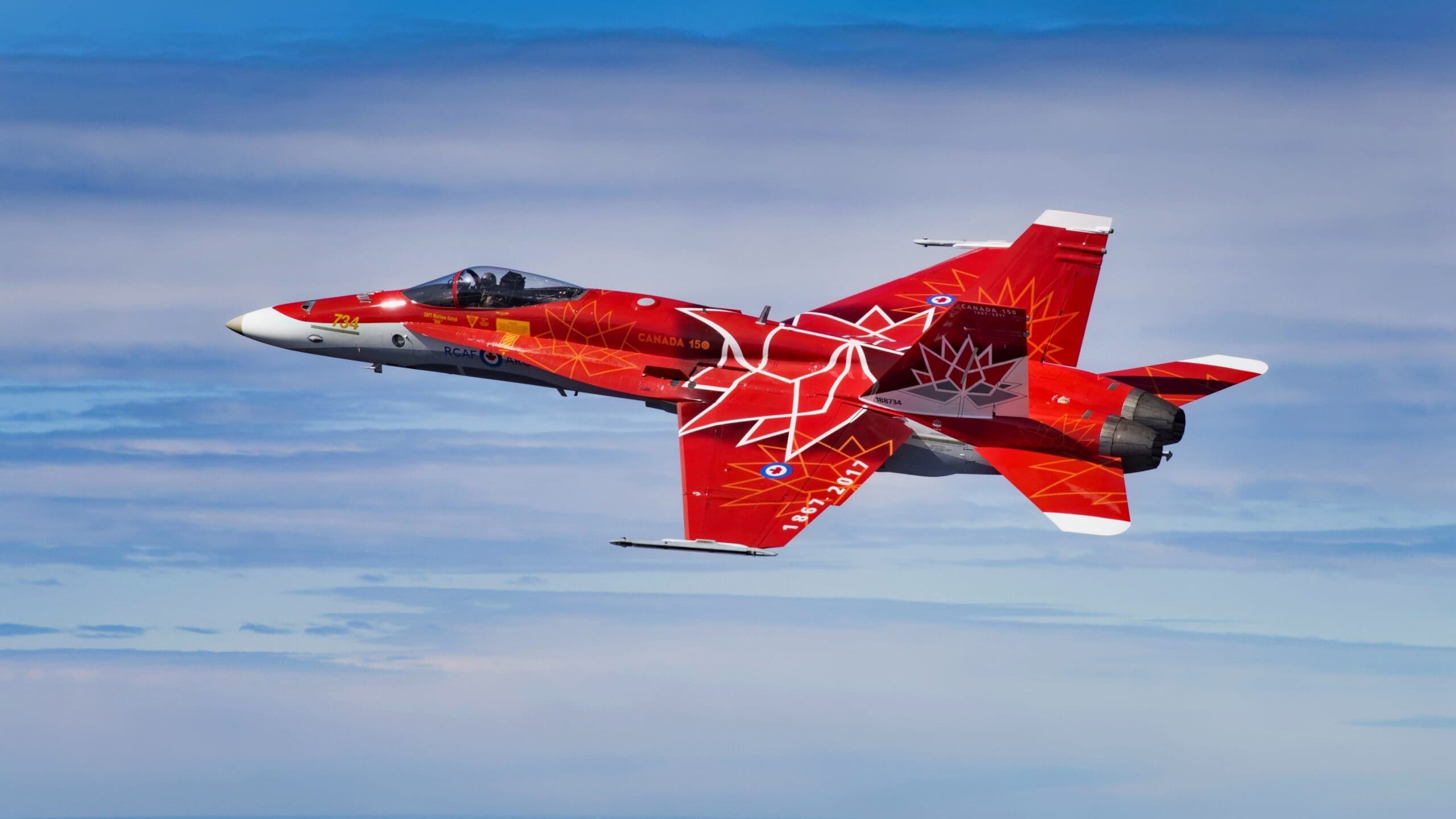
CF-18 Fighter from Canada. Image Credit: Creative Commons.
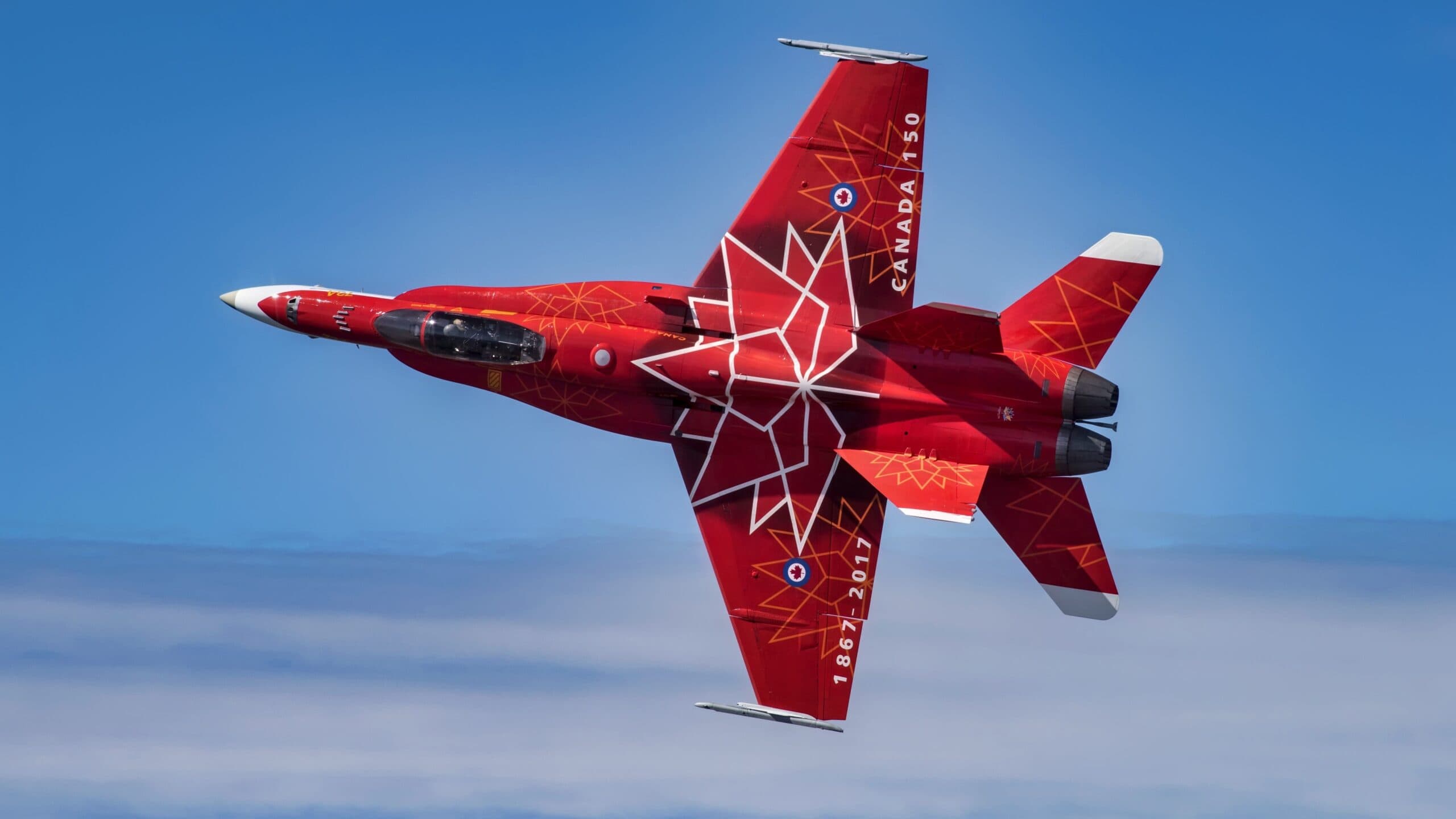
CF-18 Fighter from Canada.
-Simultaneously, the Royal Canadian Navy is urgently seeking to replace its troubled Victoria-class submarines, with German and South Korean firms competing for the contract by promising domestic job creation despite skepticism about Canada’s industrial capacity.
Canada’s Military Has a Big Problem
Canada’s armed forces suffer from a readiness problem. It is decades in the making, and there is no solution in sight. Part of the issue is equipment-related, but other readiness gaps are caused by perennial personnel shortfalls.
Readiness Crisis
One CBC News report cited an internal Department of National Defense document, which found that only 58 percent of the Canadian Armed Forces would be able to respond to a crisis if NATO asked them to. The CBC added that nearly half of Canada’s military equipment is “unavailable and unserviceable.”
The report found that 55 percent of “fighters, maritime aviation, search and rescue, tactical aviation, trainers and transport” are considered “unserviceable;” so is 46 percent of the Army’s equipment; and 54 percent of Royal Canadian Navy’s “frigates, submarines, Arctic Offshore Patrol Ships and defence vessels” are unable to deploy.
On the people side of the equation, the report found that shortfalls in technicians, support, funding, spare parts, and ammo present the biggest challenge. In 2023, the Canadian Armed Forces faced a force shortfall of 15,780.
Power in the Air?
Airpower is another aspect of the Canadian military’s readiness problem. The Royal Canadian Air Force operates a fleet of CF-188 Hornets, variants of the U.S. Navy’s Cold War-era F/A-18 Hornets. The fleet is old and needs to be replaced. And though Canada previously selected the F-35 stealth fighter, Ottawa has threatened to renege on that purchase, because of the emergence of tensions with Washington.
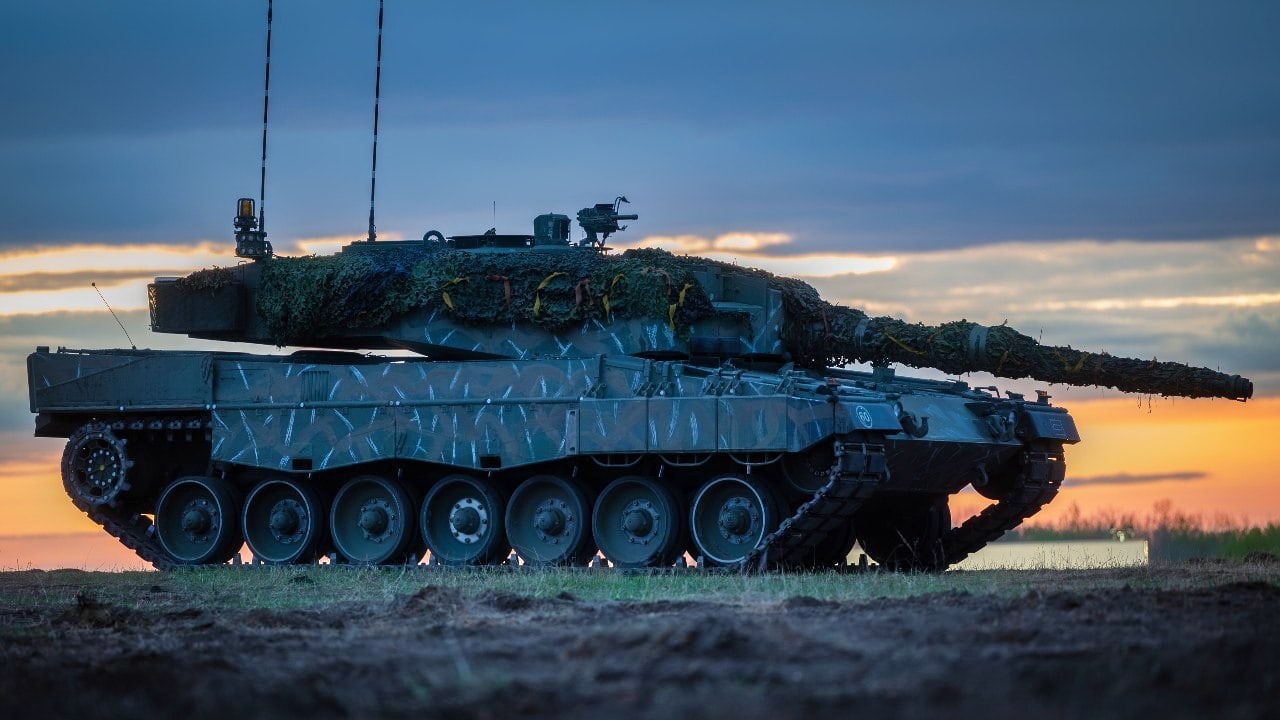
Troops depart their main base of operations for the training area on May 9, 2023, as Ex MAPLE RESOLVE kicks off. Combat arms and support vehicles left in convoys as defined by the order of battle.
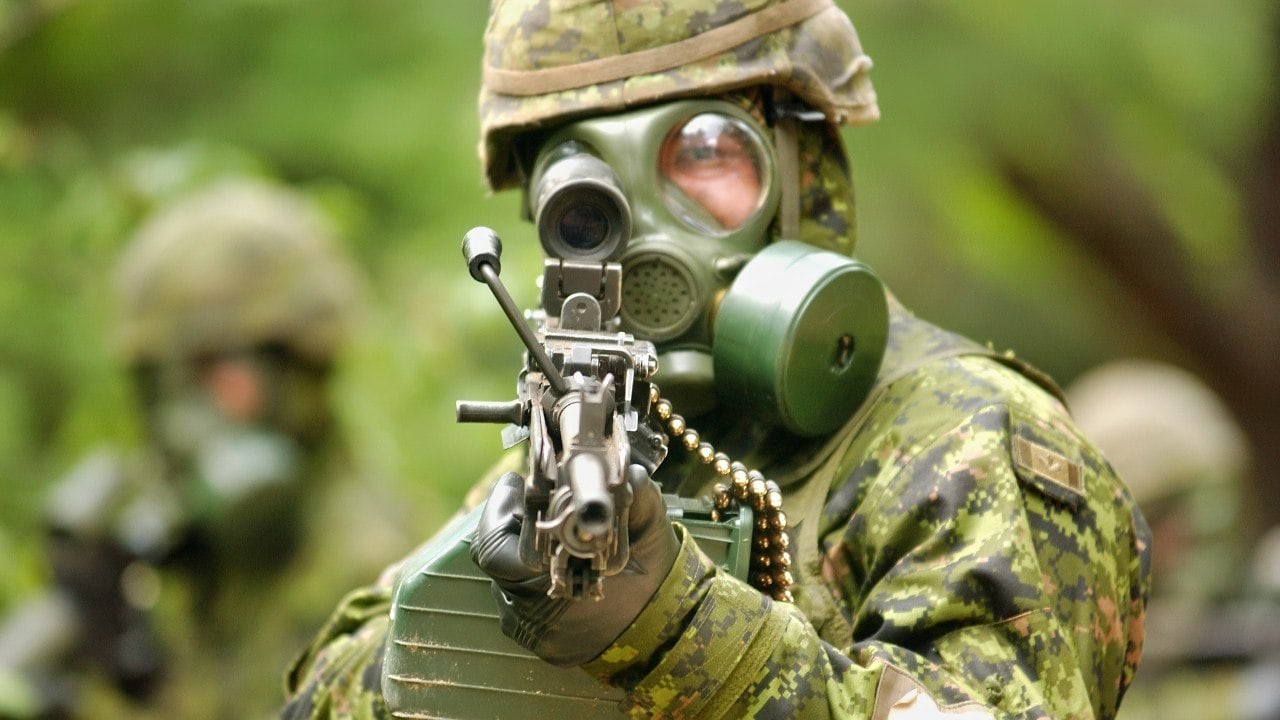
Pte Allen Jewell 1 RCR providing forward cover with his C9 weapon and wearing a new NBCD suit after coming under a simulation chemical agent attack at CFB Petawawa training area.

Members of 1st Battalion Princess Patricia’s Canadian Light infantry, playing as coalition forces take cover behind a Light Armored Vehicle (LAV) 6.0 during Ex MAPLE RESOLVE in Wainwright, Alberta on May 10th, 2021.
From May 1 to 11, 2021, about 2500 Canadian Armed Forces members are participating in Exercise MAPLE RESOLVE 21 in Wainwright, Alberta. As the premier annual Canadian Army field training event, Ex MAPLE RESOLVE tests soldier skills and abilities within a realistic, complex, and challenging combat environment.
Instead, the Royal Canadian Air Force has signaled its willingness to reassess other alternatives to the F-35—in particular the Gripen E, which placed second to the F-35 in a Canadian evaluation of fighters to replace the Hornet.
The Gripen E, built by Sweden’s Saab, is a fourth-generation fighter and lacks the stealthy properties of the newer, more advanced fifth-generation F-35.
And while Canada has already dedicated funds to an initial tranche of F-35s, so great is their fear and frustration with the U.S.-Canadian relationship suddenly upended by rhetoric from U.S. President Donald Trump that the prospect of operating a two-fighter fleet could become a reality. Doing so would present unique and avoidable challenges.
Not only would the Royal Canadian Air Force need to set up a second, distinct training pipeline for the maintainers and support crew who keep Gripen Es and F-35s aloft, but they would also need to stand up a separate pilot training pipeline for qualification on both fighters.
The Commander of the Royal Canadian Air Force, Lieutenant General Jamie Speiser-Blanchet, will head to Texas to accept delivery of the first F-35 for Canada, despite Ottawa’s undecided stance toward the fighter after delivery of the first 16 stealth fighters.
Beneath the Waves
Meanwhile, the Royal Canadian Navy seeks to replace its aged Victoria-class submarines. Originally purchased from the Royal Navy in the late 1990s, they were beset by problems from the outset, including electrical problems and mechanical deficiencies.
Cognizant of the Royal Canadian Navy’s glaring submarine capabilities gap, the government established the Canadian Patrol Submarine Project to evaluate different submarine offerings from Germany and South Korea. Germany’s ThyssenKrupp Marine Systems and South Korea’s Hanwha each have a submarine they would like to pitch to the Canadians.
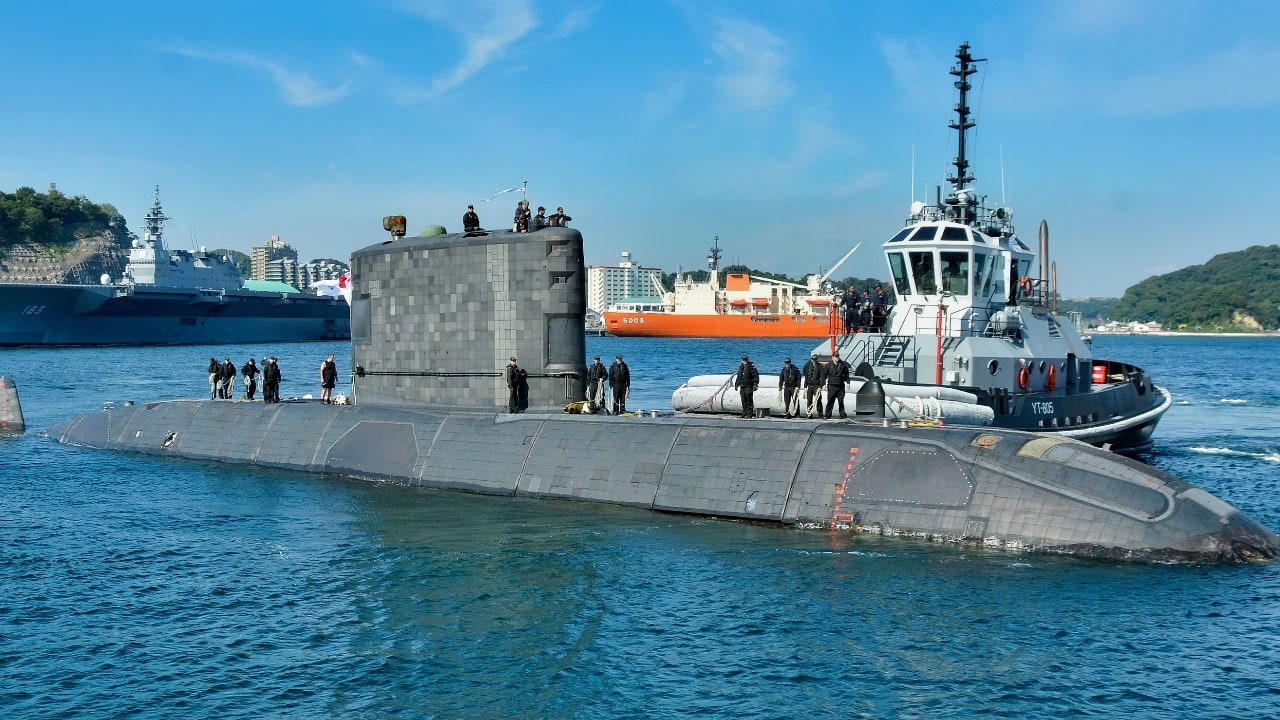
Canada Victoria-Class Submarine. Image Credit: Creative Commons.
Both are attempting to sweeten the terms of their prospective bids by emphasizing job creation. Hanwha has offered to pump cash into Canadian steel mills so they can produce the right kind of steel alloy for submarines. They have also signed memorandums of understanding “spanning steel, space, artificial intelligence, and advanced technologies,” which, the firm hopes, would translate to job growth in areas of the Canadian economy adjacent to submarine building.
In a similar fashion, Germany’s ThyssenKrupp Marine Systems has proposed that Canadians build the company’s Type-212CD submarines domestically, as well as building a pair of sub maintenance centers on Canada’s east and west coasts, along with a Teaming Agreement with Seaspan Shipyards, a Canadian boatbuilder.
Although Canada has indicated it would like to triple its submarine fleet to 12, it is unclear whether the domestic industry could handle such a large submarine order. Recent reporting from CBC shows Royal Canadian Navy personnel have expressed skepticism of Canadian industry’s ability to build so many submarines on time or under budget.
With new submarines and fighters potentially on the horizon, the future readiness prospects for the Canadian Armed Forces may be trending positively. But it is too soon to gauge the prospects of those disparate initiatives.
About the Author: Caleb Larson
Caleb Larson is an American multiformat journalist based in Berlin, Germany. His work covers the intersection of conflict and society, focusing on American foreign policy and European security. He has reported from Germany, Russia, and the United States. Most recently, he covered the war in Ukraine, reporting extensively on the war’s shifting battle lines from Donbas and writing on the war’s civilian and humanitarian toll. Previously, he worked as a Defense Reporter for POLITICO Europe. You can follow his latest work on X.