
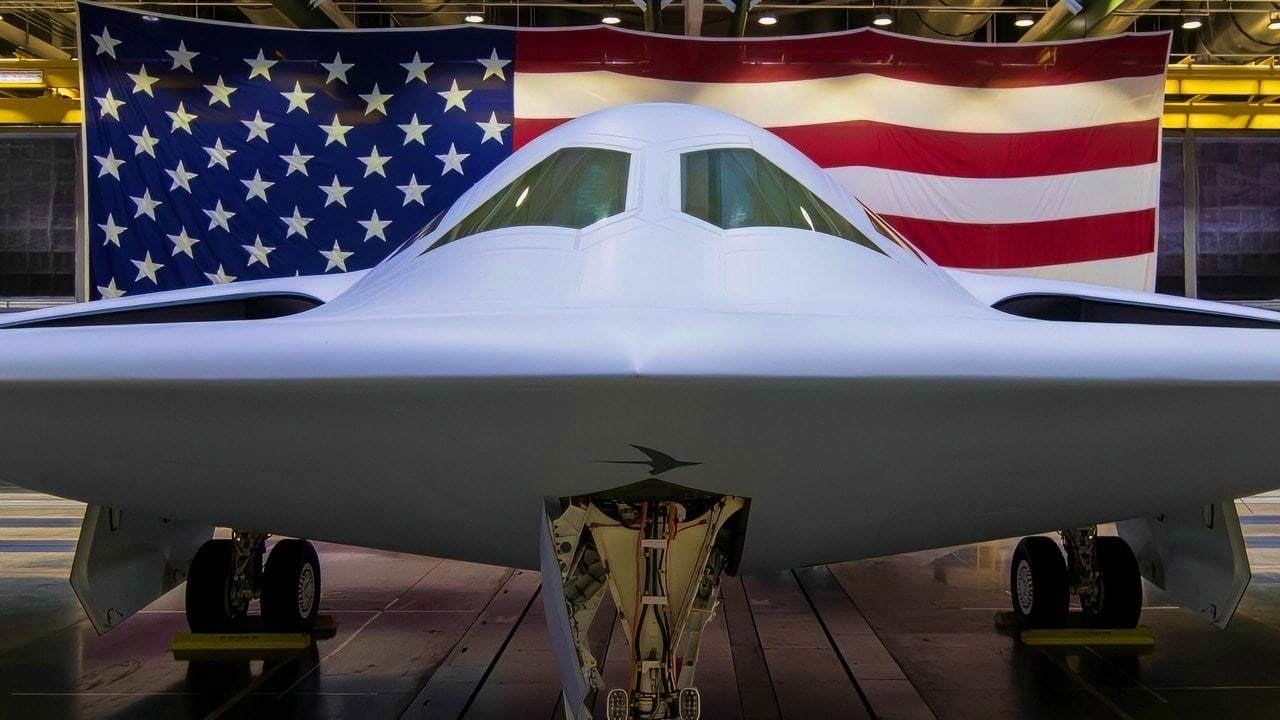
Summary and Key Points: Stealth reshaped modern airpower by enabling aircraft to slip into defended airspace with far lower detection risk—but it came with a punishing trade-off: maintaining low observability has often meant heavy downtime, specialized labor, and hangar-dependent operations. Early platforms like the B-2 demonstrated the concept but required constant attention to fragile coatings and surface imperfections. Fifth-generation fighters improved the equation by pairing stealth with more maintainable materials and smarter repair processes. Now the next wave pushes further. Designed for durability, standardized tracking, and fewer weather-driven repairs, the B-21 aims to make stealth more scalable—turning low observability from a boutique advantage into something the force can sustain at tempo.
Why the B-21 Could Fix Stealth’s Most Expensive Flaw
Stealth has proven to be one of the most consequential aviation innovations of the post-Cold War era, allowing aircraft to penetrate defended airspace with drastically reduced risk of detection.
Stealth fighters like the F-22 Raptor and F-35 Lightning II, and bombers such as the B-2 Spirit, have shaped modern airpower strategy. Yet for decades, that advantage has come with a persistent and expensive flaw: the maintenance required to keep stealth effective has been onerous and labor-intensive, making it hard to sustain.
Today’s stealth aircraft – and those still in the pipeline – are slowly solving this problem, however. Modern stealth fighters and bombers are designed not only to be hard to detect but also to be significantly easier to keep in the air with less maintenance downtime.
From materials science to aircraft shaping and maintenance strategies, the evolution of stealth has been remarkable – and it’s becoming more impressive still.
How Stealth Works
Stealth – or low observability – is about reducing how platforms appear to sensors across the electromagnetic spectrum, most notably radars. Radar cross section (RCS) is a measure of how much electromagnetic energy a radar system receives from an object; lower RCS makes detection more difficult at longer ranges, and vice versa. In advanced aircraft, RCS can be reduced by orders of magnitude relative to conventional, non-stealth designs. In some cases, RCS can be reduced to the point that an entire aircraft’s footprint appears as a bird or insect on a radar screen.
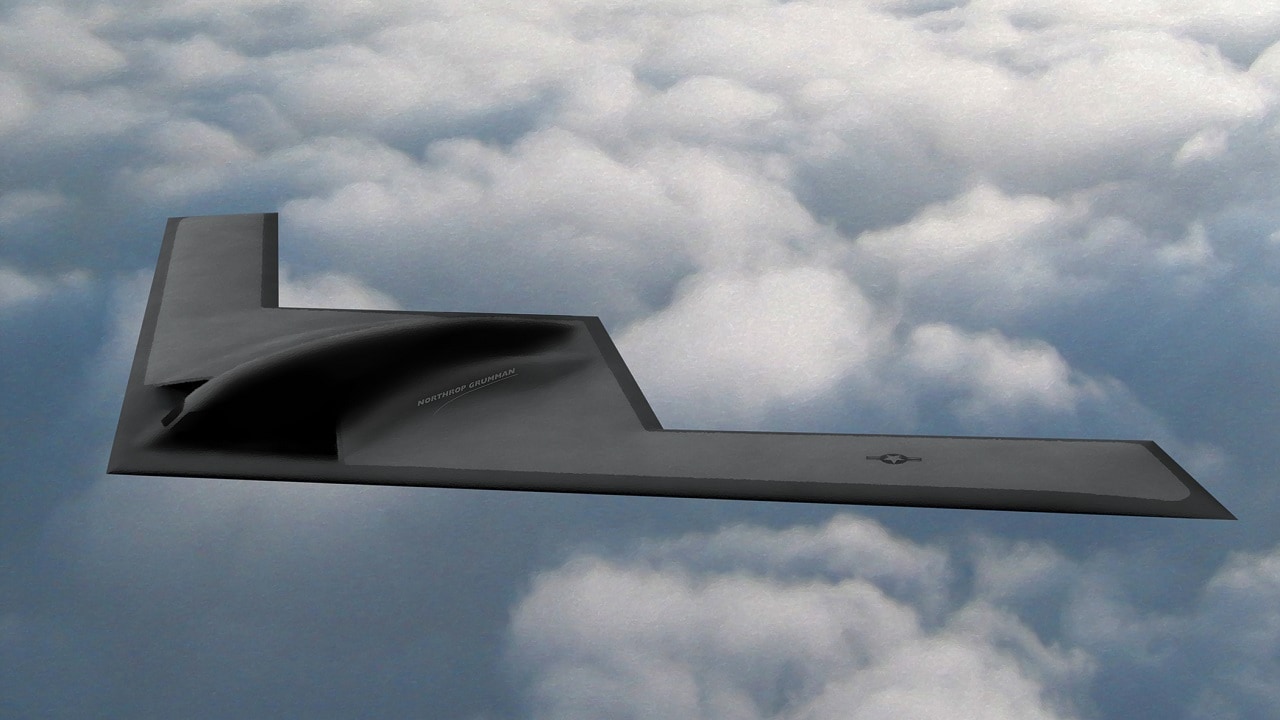
B-21 Raider bomber. Image Credit: Creative Commons.
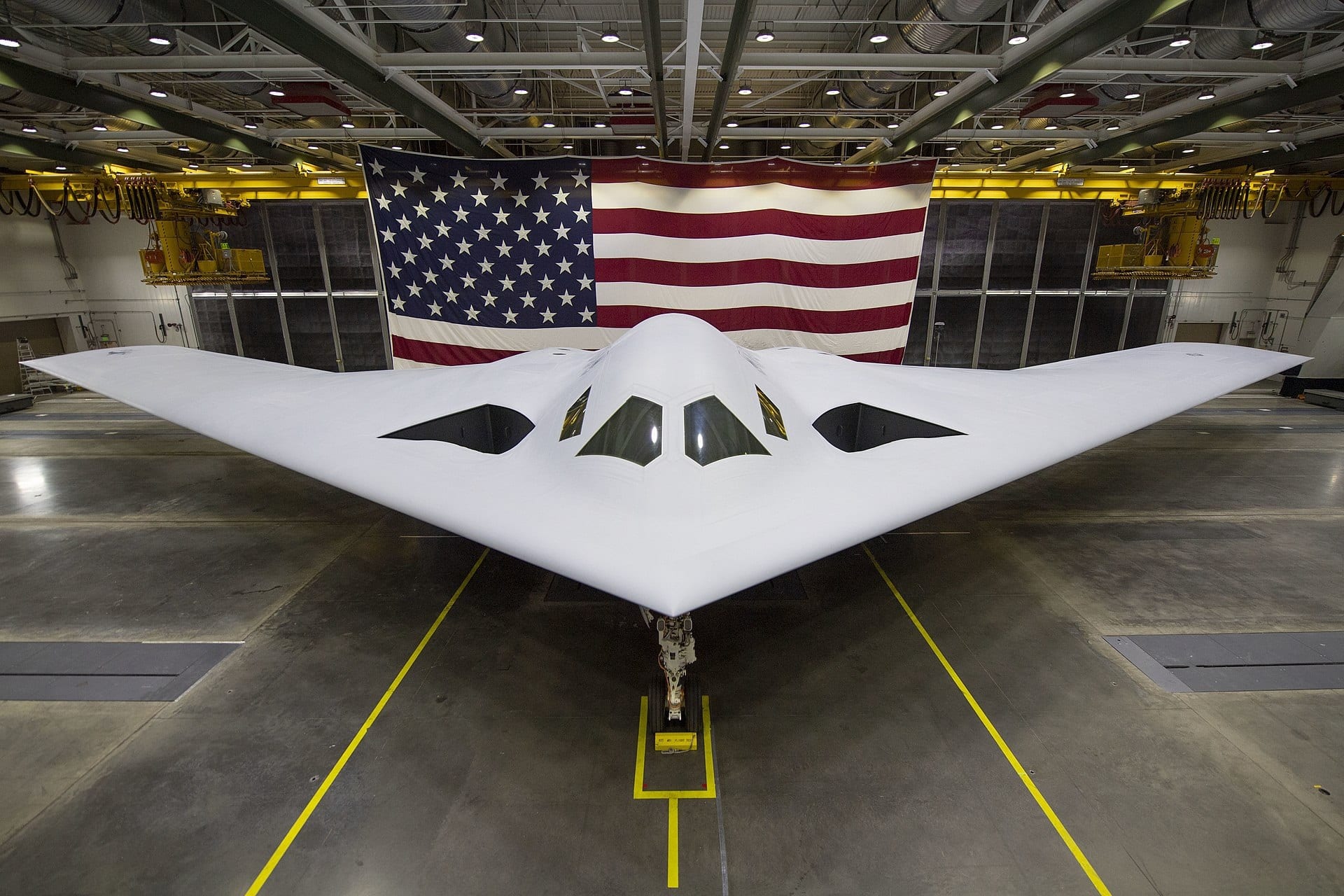
The B-21 Raider was unveiled to the public at a ceremony December 2, 2022 in..Palmdale, Calif. Designed to operate in tomorrow’s high-end threat environment, the B-21 will play a critical role in ensuring America’s enduring airpower capability. (U.S. Air Force photo)
That effect is achieved through careful shaping of surface materials that absorb or deflect radar waves rather than reflect them directly back to the source.
The geometry of the aircraft is critical: angled surfaces reduce RCS, as does planform alignment (whereby the leading and trailing edges of wings and tail surfaces are aligned at the same angles, typically parallel to each other).
The use of internal weapon bays also contributes to the effect, deflecting radar waves away from the transmitter rather than simply back toward it.
Combine those clever shaping tricks with advanced radar-absorbent materials (RAM) that are embedded into or applied onto the airframe, and the aircraft becomes almost invisible to many systems. Those increasingly advanced materials absorb or dissipate radar energy in such a way that it cannot simply bounce back.
Until recently, these materials were delicate and highly sensitive to environmental conditions, requiring specialized handling and imposing significant maintenance demands. But that is now beginning to change.
Early Stealth Was Hard to Manage
The earliest operational stealth platforms proved the feature’s value on the battlefield but also exposed its greatest weakness: sustainability.
The B-2 Spirit, which entered service in the late 1980s, employed stealth for strategic bombing, significantly reducing the likelihood that long-range air defenses would detect and track its massive flying wing.

F-117 Nighthawk at National Museum of Air Force 19FortyFive Photo
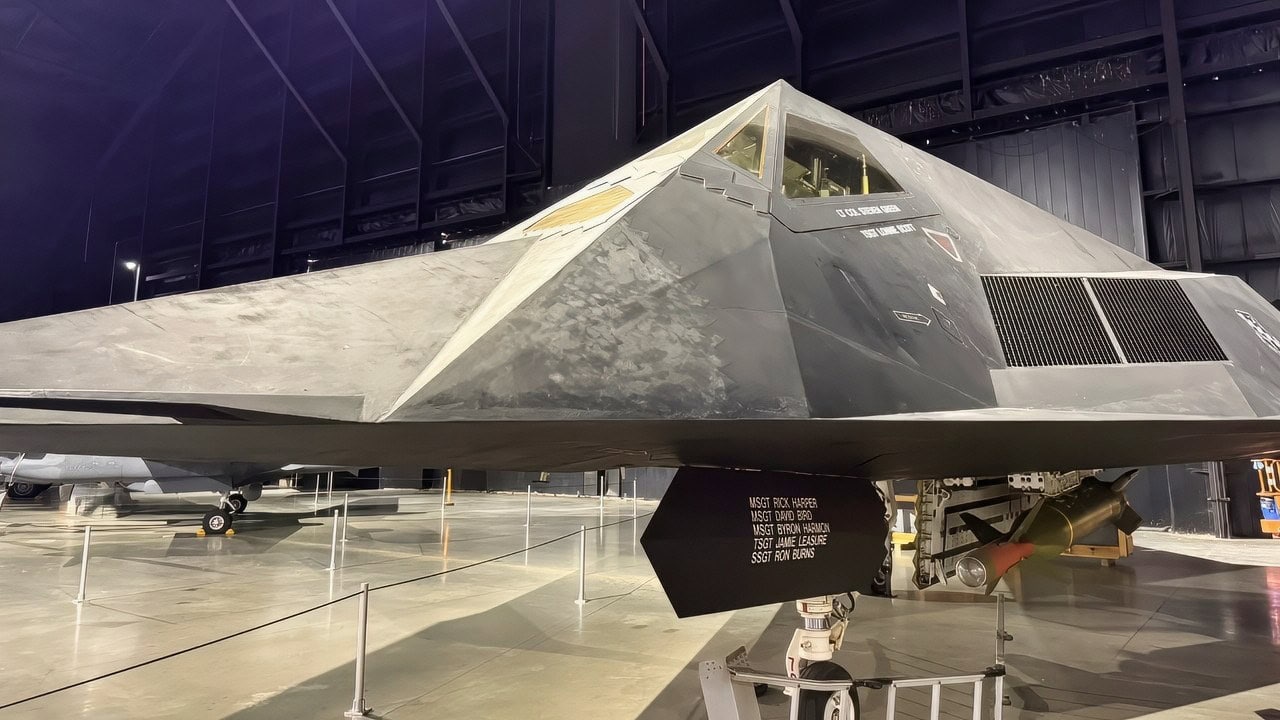
F-117A Nighthawk at USAF Museum. Image taken by 19FortyFive Owner, Harry J. Kazianis.
Maintaining the B-2’s low-observable skin, however, proved to be a major logistical challenge – and it still is, today. Ram coatings and other materials were sensitive to moisture, abrasion, and temperature changes, requiring extensive hangar time and specialized technicians to preserve them.
Even small imperfections in a RAM surface could change how radar energy scatters, degrading stealth performance. That fragility has constrained the deployment of stealth aircraft, often confining them to well-supported bases with climate-controlled hangars and limiting sortie generation under certain conditions.
How Fighters Have Evolved
Fifth-generation fighters such as the F-22 and F-35 exemplify how far stealth design has advanced.
The F-22, which is optimized for air superiority, was one of the first fighters designed from the outset with low observability across all aspects of the design, integrating angular surfaces and internal weapons bays with RAM coatings to push down RCS as far as practically possible for the era.
The F-35, while similarly stealthy, reflects a different design philosophy: stealth as part of a broader operational package.
Engineers accepted slightly less aggressive shaping in exchange for coatings and materials that are more tolerant of environmental effects and easier to repair.
Those choices contribute to the platform’s stealthiness but don’t demand the same level of labor and maintenance from ground crews for every flight as earlier systems did.
That being said, maintainers still perform specialized maintenance to preserve stealth characteristics, including resealing seams and repairing small surface defects.
How Stealth Is Preserved Today, and What’s Next
For early stealth aircraft such as the B-2 Spirit, the preservation of stealth remains a major driver of sustainment needs.
The bomber undergoes Programmed Depot Maintenance every nine years, and the Air Force states that restoring its low-observable materials is a central part of that process, underscoring how environmental exposure and surface wear directly affect stealth performance.
Newer stealth aircraft have been designed to reduce that burden: the F-35’s low-observable condition, for example, is monitored and managed through standardized maintenance processes rather than periodic, large-scale restoration.
In its annual F-35 testing reports to Congress, the Pentagon’s Director of Operational Test and Evaluation explains that the aircraft’s Low Observable Health Assessment System enables maintainers to document, track, and repair stealth-related defects during routine unit-level maintenance. And while stealth maintenance is technically more manageable now than it was before, it remains challenging and improvements continue.
Lockheed Martin has also said the program is working toward a sustainment target of 0.32 low-observable maintenance man hours per flight hour at fleet maturity.
The B-21 Raider is going further. The successor to the B-2 Spirit has been designed from the outset to reduce LO sustainment demands, with the aircraft expected to use more durable coatings, newer manufacturing techniques, and new environmental protection shelters to limit weather-driven degradation of those surfaces while reducing the frequency and intensity of stealth maintenance required over its service life.
With the B-21 Raider expected to enter operational service later this decade, its more durable, easier-to-sustain stealth could allow the U.S. Air Force to apply low observability more consistently and at greater scale than ever before – not just for this platform, but also for future fighters, bombers, and drones.
About the Author:
Jack Buckby is a British researcher and analyst specialising in defence and national security, based in New York. His work focuses on military capability, procurement, and strategic competition, producing and editing analysis for policy and defence audiences. He brings extensive editorial experience, with a career output spanning over 1,000 articles at 19FortyFive and National Security Journal, and has previously authored books and papers on extremism and deradicalisation.