
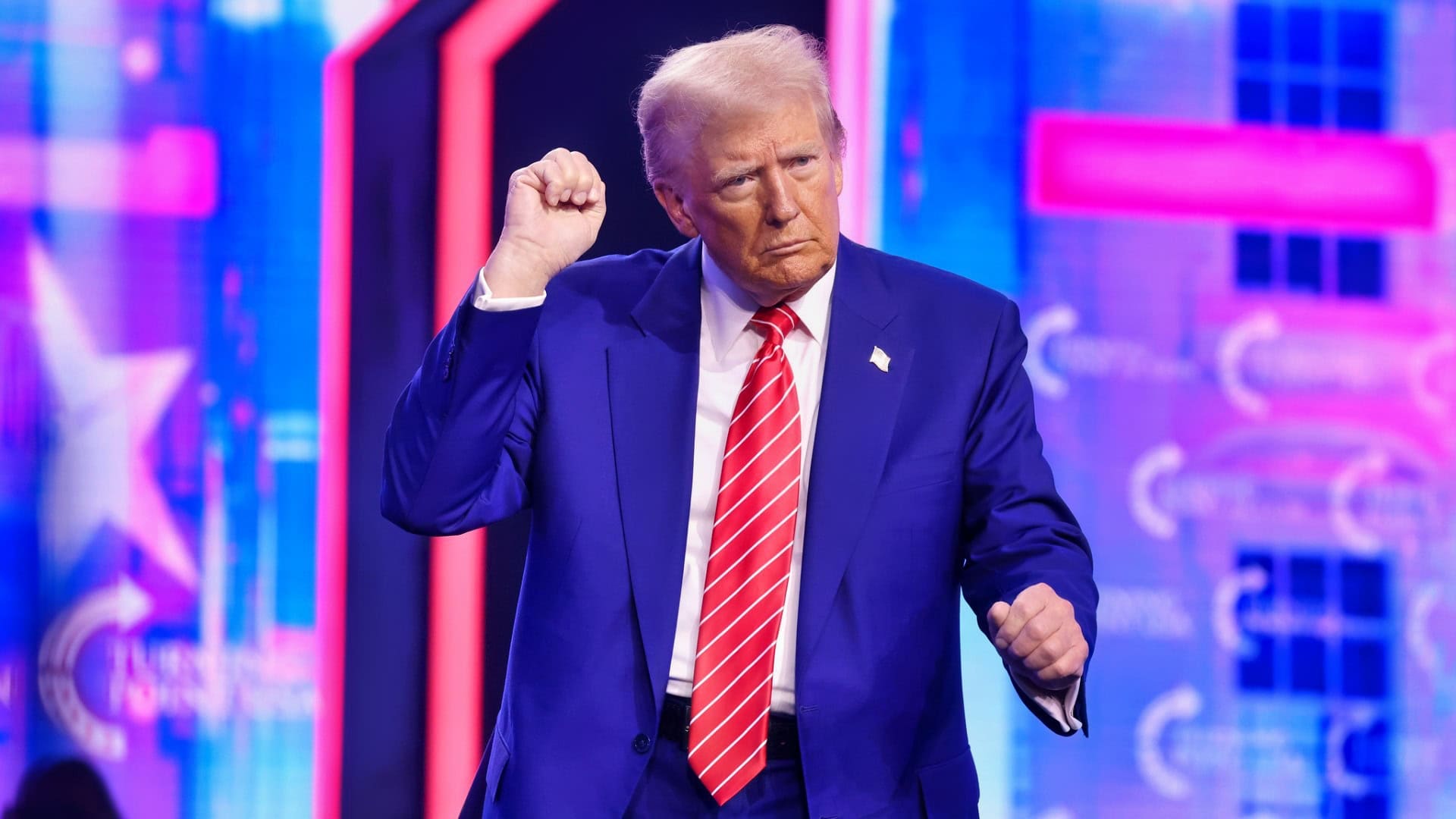
Summary and Key Points: Doug Bandow, Senior Fellow at the Cato Institute and former assistant to Ronald Reagan, delivers a scathing critique of President Donald Trump’s “predatory hegemony.”
-Bandow argues that the administration’s focus on extracting “tribute” from NATO allies and leveraging the U.S. military for economic gain—exemplified by the Greenland dispute and the capture of Nicolás Maduro—destroys long-term U.S. national security.
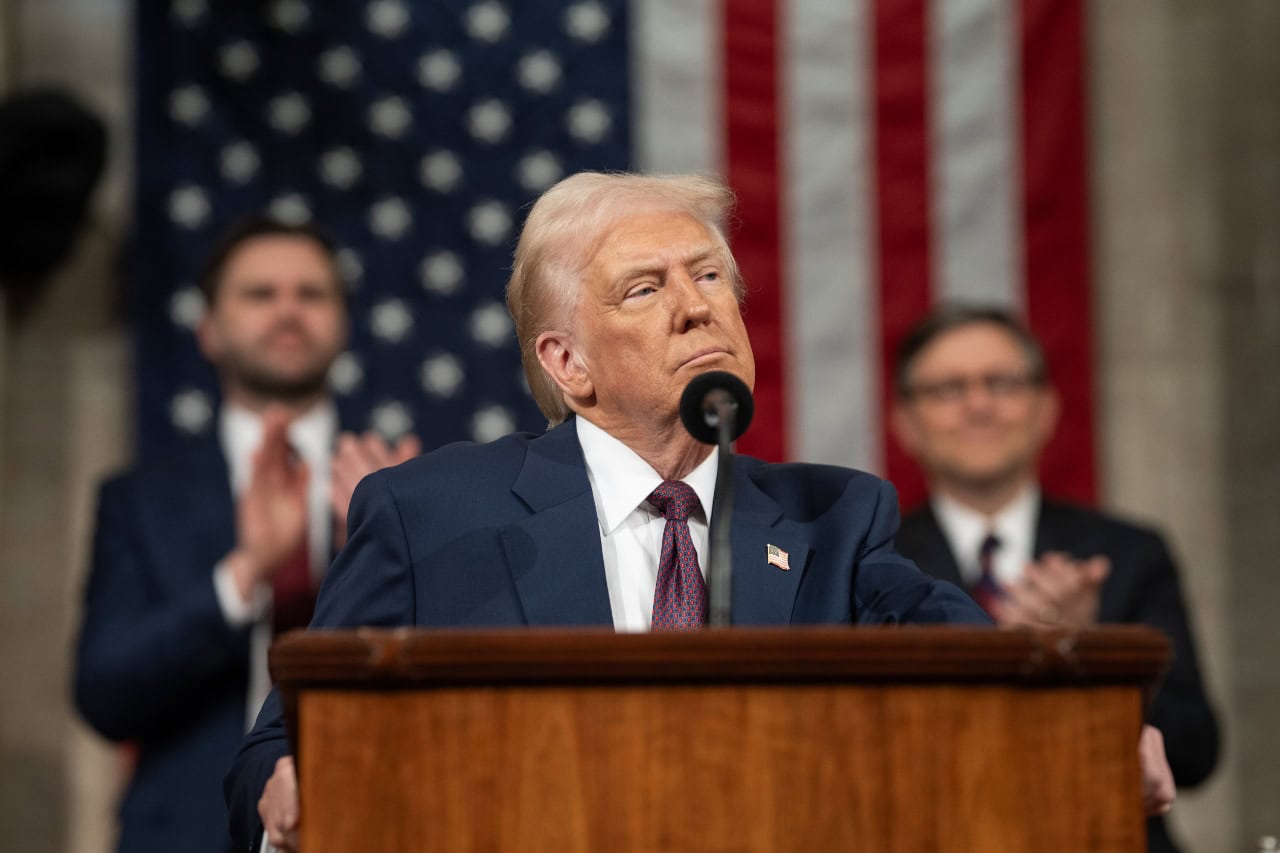
President Donald Trump delivers his Joint address to Congress, Tuesday, March 4, 2025, in the House Chamber of the U.S. Capitol in Washington, D.C. (Official White House Photo by Daniel Torok).
-This 19FortyFive analysis warns that excluding Palestinians from the Board of Peace and demanding Iranian capitulation ignores the benefits of mutual cooperation, ultimately accelerating a multipolar world that reduces American influence.
The Predatory Hegemon: Why Trump’s Global Coercion is Backfiring in 2026
Internationally, President Donald Trump might be the most hated U.S. president ever.
Ronald Reagan and George W. Bush were widely viewed as dangerous cowboys. Lyndon Johnson’s reputation crashed as opprobrium toward Washington exploded during the Vietnam War. However, the antagonism toward Trump is broader and deeper, close to universal in some nations.
Foreign sniping isn’t necessarily bad, of course. The president’s criticism of allied cheap-riding on America is not only well-taken but unexceptional. A long list of past presidents and other U.S. officials voiced similar frustrations, but did nothing to hold Washington’s feckless defense dependents to account. Trump seemed willing to say, “No more!”
Trump’s Foreign Policy, Explained
However, turning the United States into what Stephen Walt of Harvard’s Kennedy School calls “the predatory hegemon” has neither consistently nor significantly advanced U.S. interests. Walt views Trump’s “central aim” as being “to use Washington’s privileged position to extract concessions, tribute, and displays of deference from both allies and adversaries, pursuing short-term gains in what it sees as a purely zero-sum world.” Unfortunately, Trump’s understanding of U.S. interests is limited—indeed, it is destructively narrow.
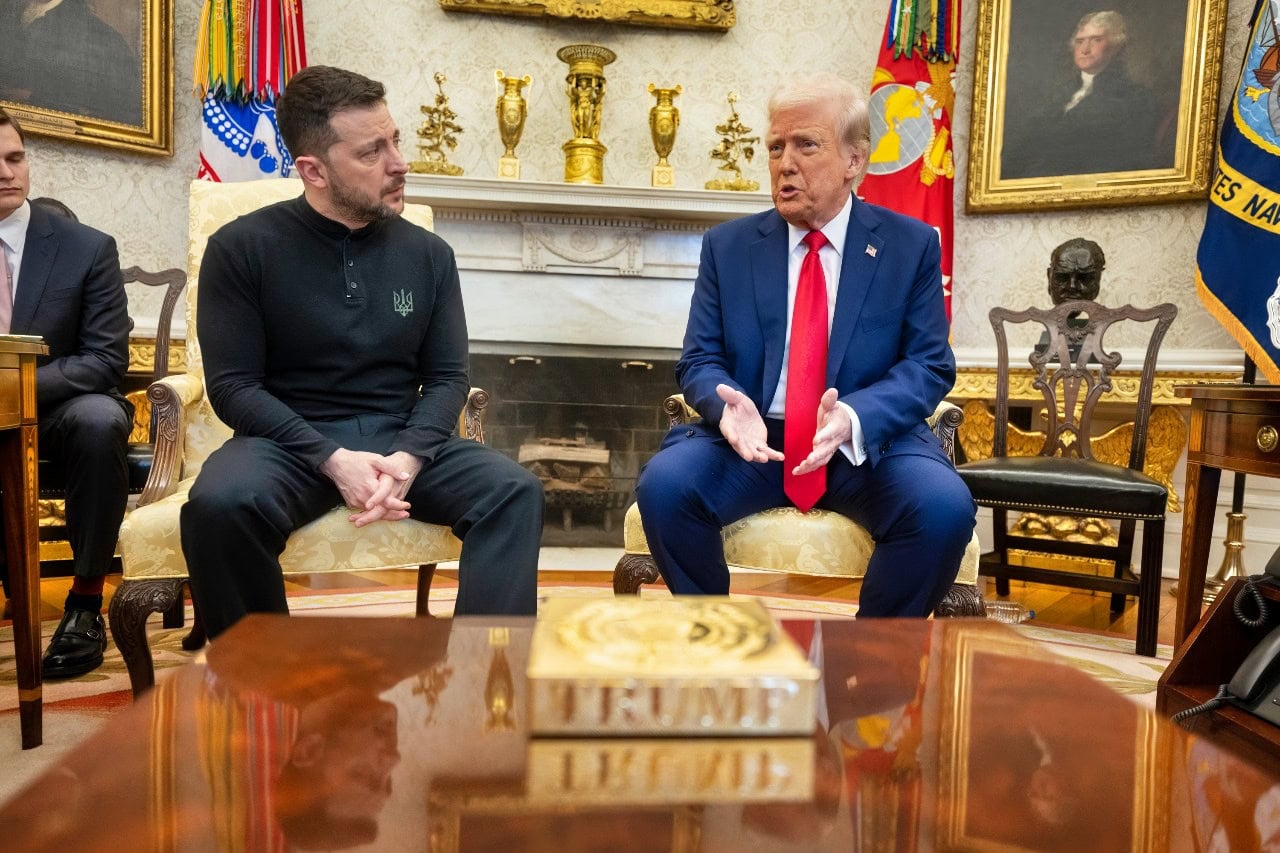
President Donald Trump greets President Volodymyr Zelenskyy of Ukraine, Friday, February 28, 2025, in the West Wing Lobby. (Official White House Photo by Daniel Torok).
He wrongly dismisses the benefits of mutual cooperation in economics or, it seems, in most any human endeavor.
Worse, his highest goal is acquiring foreign cash, which he treats as more important than safeguarding American lives. His threat to return responsibility for their defense caused the Europeans, Japanese, and South Koreans to agree to lopsided trade agreements that enhance Washington’s economic powers to the detriment of everyone else—but that “everyone else” includes U.S. consumers and producers. Conveniently, Trump has since dropped any discussion of defenestrating defense dependents. Washington’s allies frankly acknowledge that they are buying protection. The president, it seems, views U.S. military personnel as useful tools for essentially socializing foreign commerce and investment.
Trump Is No Deal Maker
Nor is he a uniquely effective dealmaker, as some analysts contend. Trump famously makes an outrageous ask and then accepts the best that he believes he can get.
Yet in many cases, he could have done better without offending other nations and peoples. For instance, he has turned much of Canada’s population against the United States. Canadians reelected an otherwise failed left-wing government for being more likely to confront Trump. Ottawa has since turned toward China for trade, eliciting yet another Trumpian threat for refusing to kowtow.
In the case of Greenland, he could have enhanced U.S. military coverage under existing agreements, but failed to do so during his first term. Threatening to attack a NATO ally has undermined any criticism he might later direct at China, Russia, or most any other state that threatens aggressive war in the name of “national security.” In Venezuela, his pronouncements on democracy and drugs were never serious but merely served as cover for seizing that state’s oil. In fact, Trump admitted that Venezuelan President Nicolas Maduro offered essentially everything he had demanded. Trump also was forced to back down from his threats against India, whose prime minister made a high-profile appearance in Beijing alongside both Chinese President Xi Jinping and Russian President Vladimir Putin.
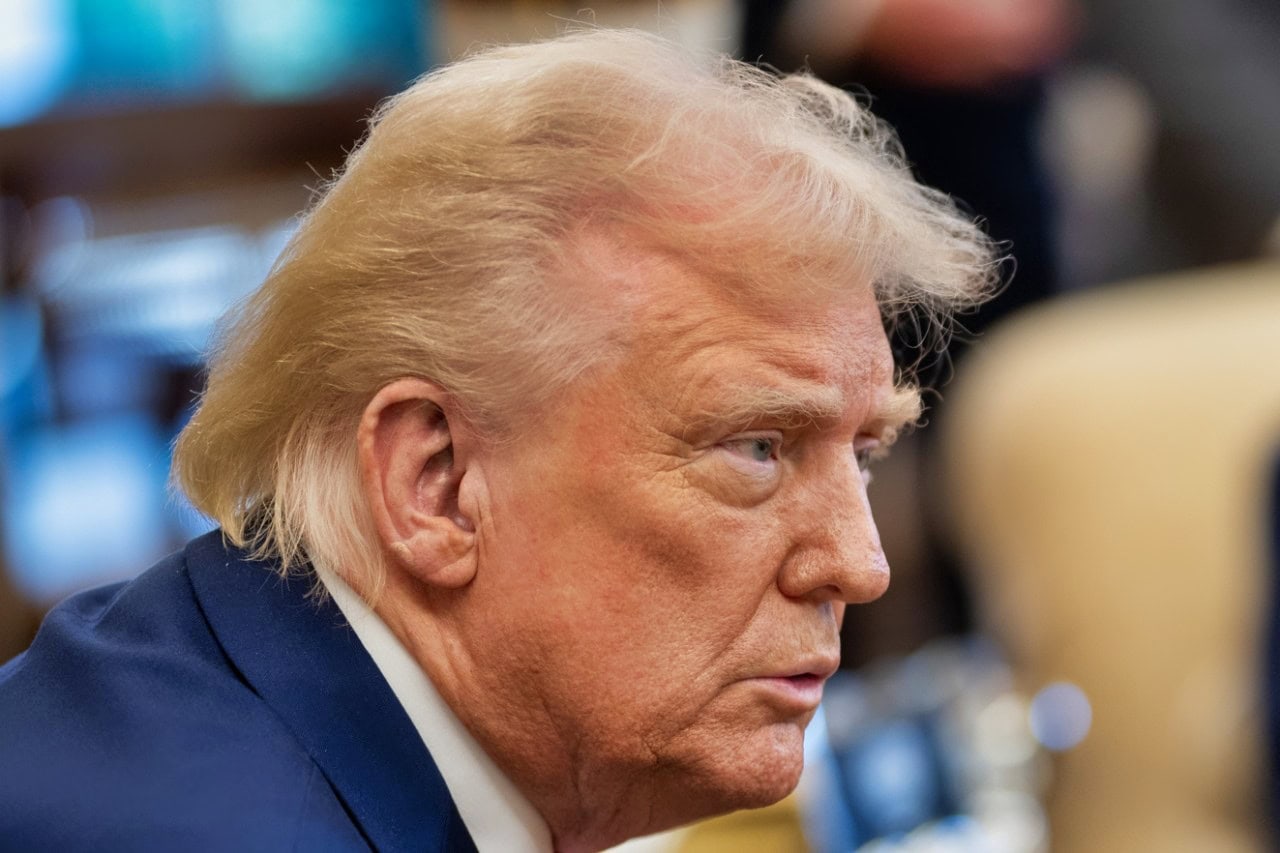
President Donald Trump greets President Volodymyr Zelenskyy of Ukraine, Friday, February 28, 2025, in the West Wing Lobby. (Official White House Photo by Daniel Torok)
Why is Trump indifferent to results? He appears to rely on coercion as a matter of course simply because he wants to rely on coercion as a matter of course—largely irrespective of the issue and circumstance. Indeed, he appears to enjoy doing so. This attitude may be most obvious when Trump sanctions other nations after their governments oppose or even criticize him. He threatened new tariffs on NATO member-states that came to Denmark’s defense over Greenland. He multiplied tariffs on and ended trade negotiations with Canada after one province ran an ad featuring Ronald Reagan’s strong defense of free trade. Trump didn’t claim that any U.S. interests were at stake. Rather, he punished Americans as well as foreigners in angry fits of personal pique.
Trump Channels the Soviet Union and China?
Admittedly, Trump’s treatment of other nations, especially nominal allies, is not unprecedented.
The Soviet Union never engaged other communist states or parties as equals. Former Chinese Foreign Minister Yang Jiechi famously told Singapore’s foreign minister that “China is a big country and other countries are small countries and that is just a fact.” Yet Moscow and Beijing usually at least pretended a commitment to solidarity with other states, usually preferring ostentatious hypocrisy to transparent brutality. So, too, the European colonial powers, as well as Washington when ruling the Philippines, typically spoke of preparing inferior peoples for self-government.
Not so Trump. Although 52 Danes died serving in Washington’s Afghanistan and Iraq wars, he belittled Copenhagen’s military contribution and threatened it with war. After capturing Maduro, Trump dismissed Venezuela’s leading opposition politician and prolonged Chavista rule. Indeed, he effectively embraced Maduro’s vice president, who was more likely to make the sort of dubious economic deals that he is pushing around the globe. He fails to even acknowledge the basic humanity of Palestinians, and when he demands negotiation with Iran, he means capitulation.
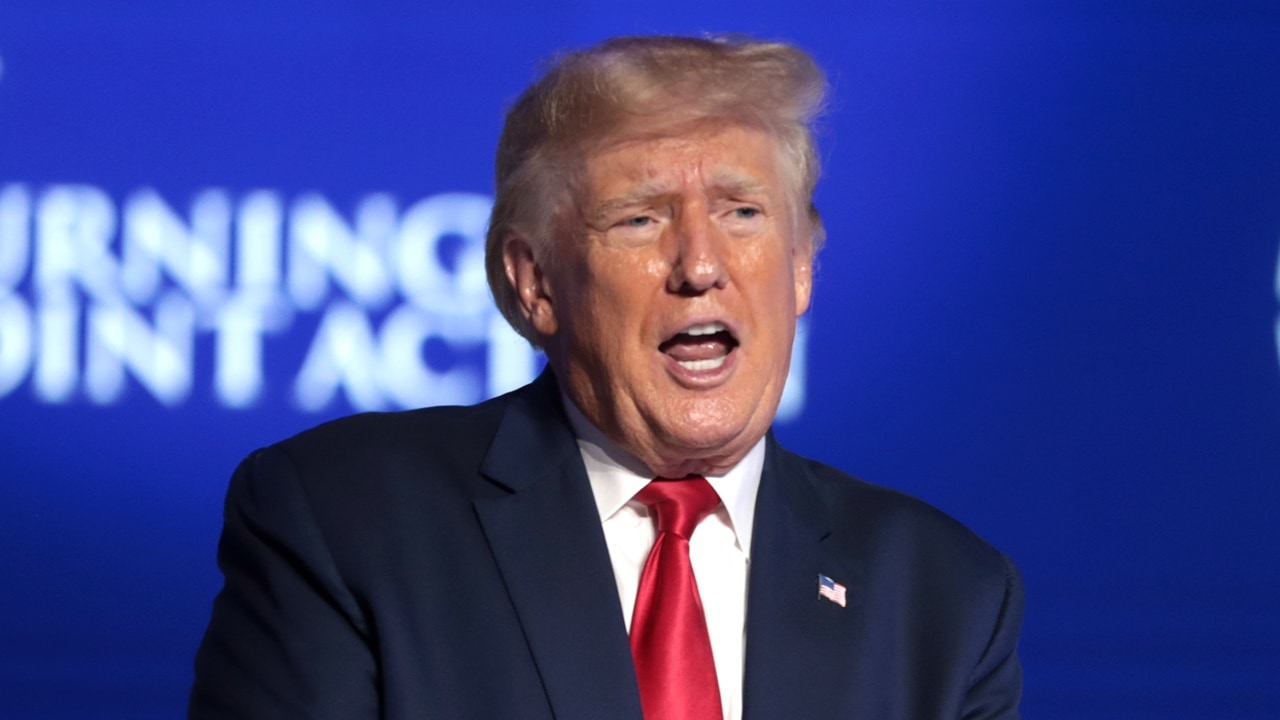
Former President of the United States Donald Trump speaking with attendees at the 2022 Student Action Summit at the Tampa Convention Center in Tampa, Florida. By Gage Skidmore.
Washington’s professed commitment to a transcendent moral and political vision has always enhanced its foreign influence. A more balanced international approach would achieve better results at less cost. Despite achieving some mostly modest and likely transitory benefits today, Trump’s approach sows deep future troubles. Walt warns that “multipolarity gives other states ways to reduce their dependence on the United States.” If Trump continues to pursue his current strategy, adds Walt, he “will weaken the United States and its allies alike, generate growing global resentment, create tempting opportunities for Washington’s main rivals, and leave Americans less secure, less prosperous, and less influential.” That process has already begun.
Candidate Donald Trump set himself apart during the 2016 presidential campaign by challenging the establishment foreign policy that often put America’s interest second, if that. However, President Donald Trump has done the same, preferring the interests of Washington, and especially of his administration and family, to those of the American people.
It’s not too late for him to remember that MAGA stands for Make America Great Again.
About the Author: Doug Bandow
Doug Bandow is a Senior Fellow at the Cato Institute. A former Special Assistant to President Ronald Reagan, he is author of several books, including Foreign Follies: America’s New Global Empire.