
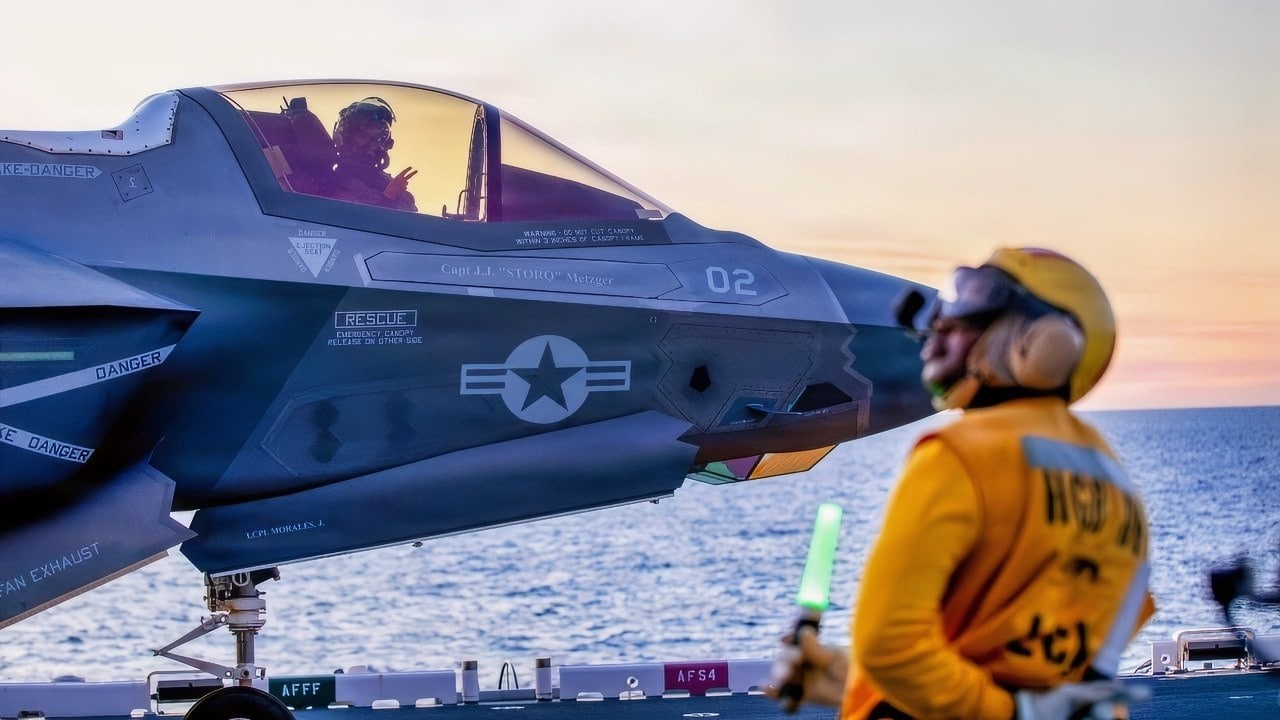
Summary and Key Points: In mid-February 2026, Prime Minister Mark Carney confirmed that Canada has begun “long-lead” payments for 14 additional F-35 aircraft, bringing Ottawa’s total commitment to 30 jets despite an ongoing strategic review.
-While the original 88-jet deal remains in “overtime,” Carney is framing these expenditures as a way to maintain production “options” amid deteriorating trade relations with the U.S. simultaneously, the government’s new Defence Industrial Strategy aims to reduce U.S. dependence.
-This has fueled speculation of a “mixed fleet” future, where a core group of F-35s provides high-end stealth while a domestic Saab Gripen line bolsters Canadian jobs and data sovereignty.
Optioning the Future: Why PM Mark Carney is Paying for 14 More F-35s
In mid-February 2026, Prime Minister Mark Carney confirmed that Canada has begun “long-lead” payments for 14 additional F-35 aircraft, bringing Ottawa’s total commitment to 30 jets despite an ongoing strategic review.
While the original 88-jet deal remains in “overtime,” Carney is framing these expenditures as a way to maintain production “options” amid deteriorating trade relations with the U.S., simultaneously, the government’s new Defence Industrial Strategy aims to reduce U.S. dependence.
This has fueled speculation of a “mixed fleet” future, where a core group of F-35s provides high-end stealth while a domestic Saab Gripen line bolsters Canadian jobs and data sovereignty.
Canada Is Buying More F-35s – But The Deal May Still Be Over
Canada’s review into its planned purchase of 88 Lockheed Martin F-35 stealth fighters has raised questions about whether Ottawa might ultimately pivot toward alternatives like Sweden’s Saab Gripen, but recent developments suggest that whatever decision is made may actually be more complicated than that. Rather than simply cutting off further F-35 procurement beyond, Ottawa may in fact be looking to both expand its F-35 fleet and field them alongside a fleet of 4.5-generation Gripen fighters.
Reports from February 2026 reveal how Ottawa has already begun making payments for critical components to 14 additional F-35 aircraft, even as the review technically continues.
The news is curious, and it’s hard to argue that Canada is not acting politically. Ottawa began examining alternatives to the F-35 when tensions with Washington began to escalate, arguing that other fighter platforms would not only provide greater data sovereignty but also deliver industrial and economic benefits.
On the flipside, the F-35 deal had already been made and was overwhelmingly supported by the nation’s top military officials.
Ottawa, however, continues to invest in the F-35 program. The result, then, could be a different compromise than the one many analysts expected: a fleet of F-35s nearly double the size of the 16 already purchased, but still smaller than the 88 originally agreed.
Is Canada Purchasing 14 More F-35s?
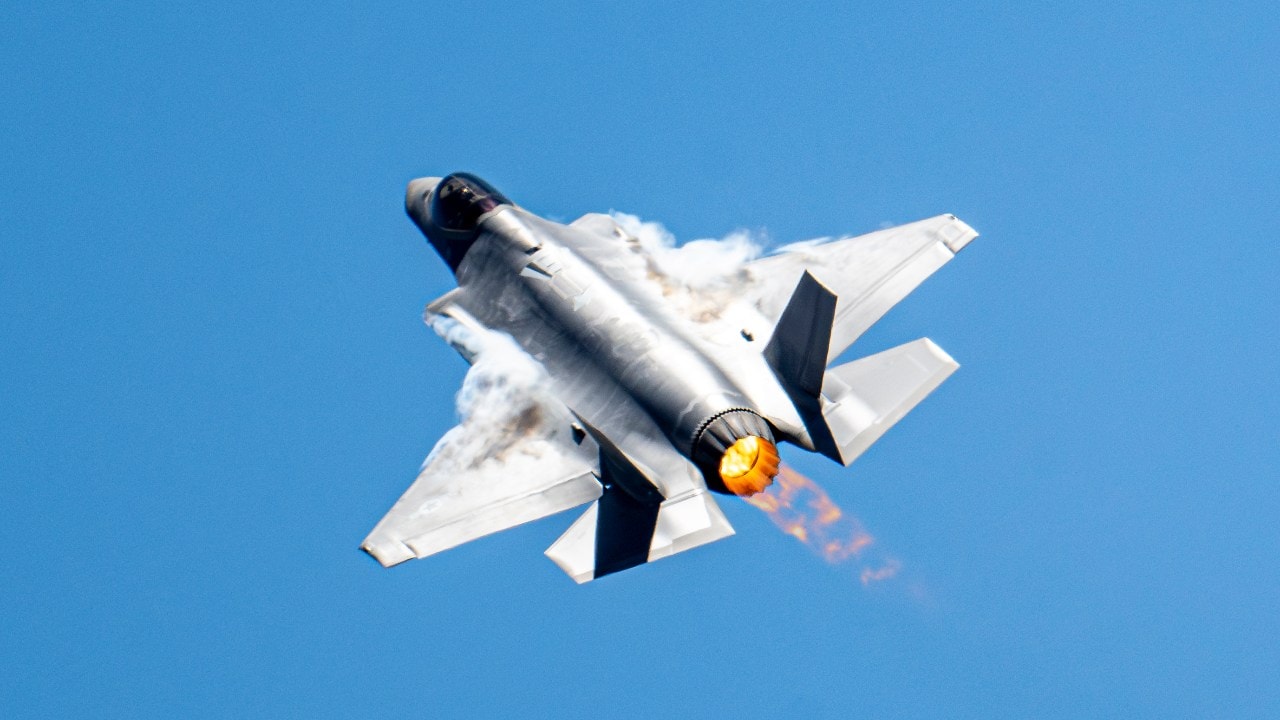
U.S. Air Force Maj. Melanie “Mach” Kluesner, pilot of the F-35A Demonstration Team, performs aerial maneuvers at the Wings and Eagles Airshow at Kingsley Field, Oregon, on July 19, 2025. The demonstration team travels across the country to showcase the power and precision of the world’s most advanced 5th-generation fighter jet. (U.S. Air Force photo by Senior Airman Nicholas Rupiper)
In January 2023, Ottawa finalized a $19 billion CAD deal to purchase 88 F-35 fighter jets to replace its aging CF-18 fleet, with the first aircraft expected to arrive in 2026 and full operational capability projected by the early 2030s.
Now, even as the government continues to review that original deal, Canada has begun making payments for long-lead components for 14 additional F-35 aircraft. Prime Minister Mark Carney confirmed the plans in mid-February, meaning that Ottawa will maintain its place in the queue for production of new aircraft.
That would bring the total number of F-35s procured by Canada, once complete, to 30. Notably, however, Carney suggested that the payments were intended to ensure “options” remained available to them while the extended review continues.
“Yes, the government is paying a small amount in order to have options,” Carney told reporters. “That’s useful for our defense and to have options in our negotiations with the Americans.”
Why the Fighter Review Began
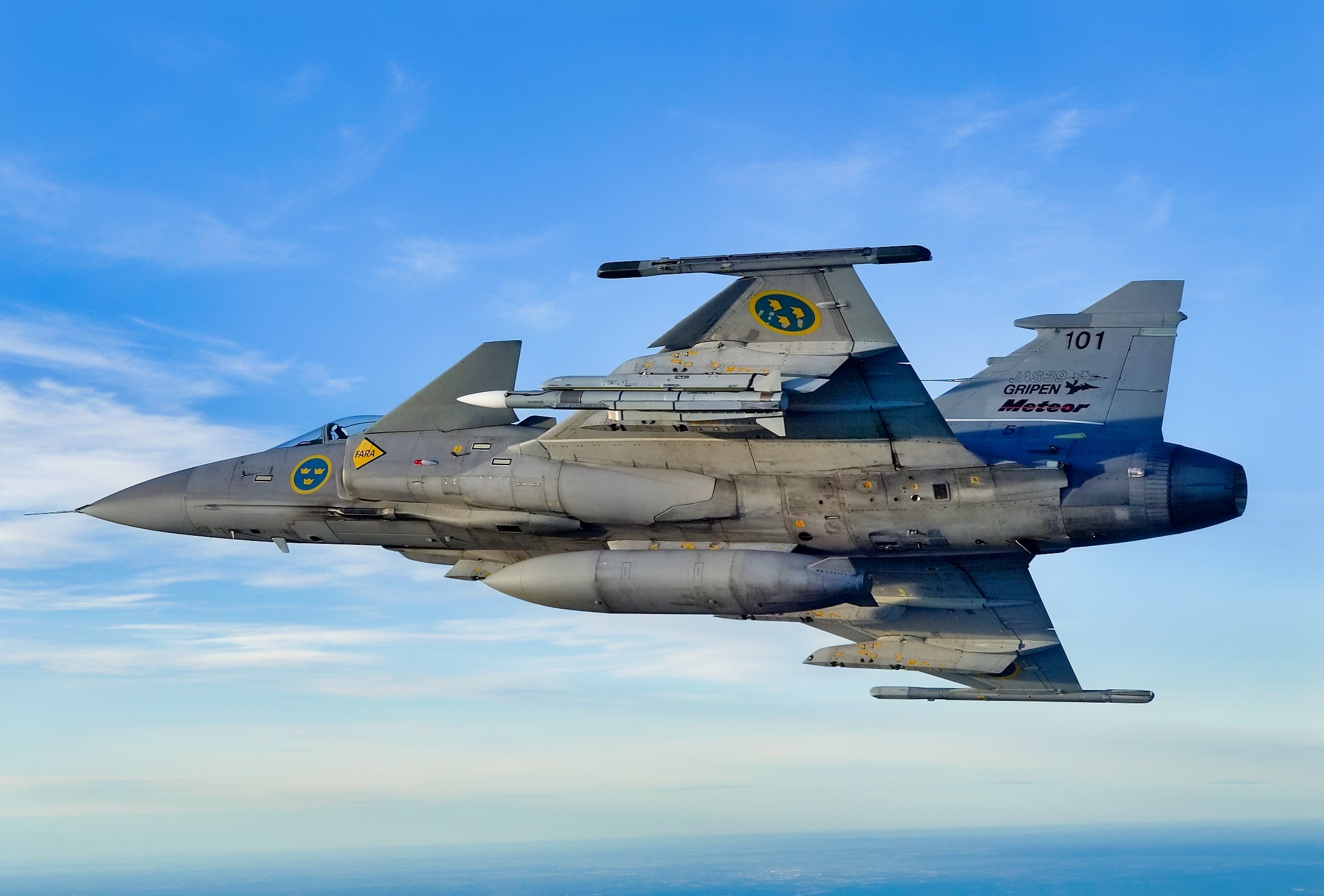
JAS 39 Gripen. Image Credit: Creative Commons.
It’s not hard to argue that Ottawa’s fighter jet review is driven primarily by industrial and geopolitical considerations rather than operational dissatisfaction with the aircraft itself – even if there are legitimate complaints to be made about the F-35’s overall readiness rate.
Canadian dependence on the United States and its defense suppliers, infrastructure, and logistics has been cited as a reason to initiate the review. Carney himself has noted that at present, 70% of Canada’s weapons budget is spent on American products, adding that the figure is simply too high.
Trade tensions and industrial policy issues have reinforced that concern, with Canada’s new defense strategy aiming to dramatically increase domestic defense production, boost defense industry revenues, and potentially create tens of thousands of new jobs.
But as high-ranking officials in the Royal Canadian Air Force have noted – alongside a host of Western analysts – fielding a mixed fleet of F-35s and Gripens would be logistically complex and expensive, not to mention operationally disruptive given Canada’s deep integration with U.S. forces through NORAD and NATO.
The Problems With A Mixed Fleet
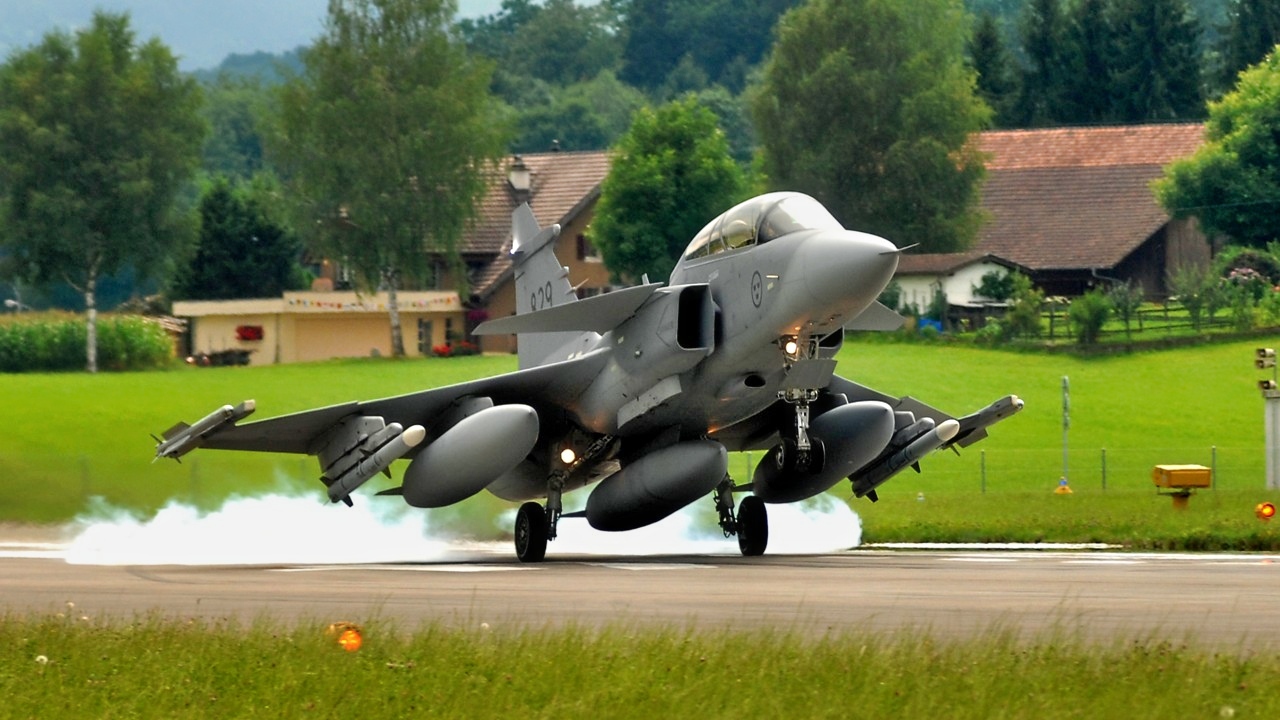
JAS 39 Gripen Fighter. Image Credit: Creative Commons.
If Canada ultimately chooses to operate a mixed fleet combining between 16 and 30 F-35s with another fighter such as the Gripen, it would introduce significant operational complexity.
Operating multiple fighter types requires separate pilot training pipelines, spare parts inventories, maintenance procedures, and support infrastructure. Inefficiencies like this will increase lifecycle costs and likely reduce overall readiness compared to operating a unified fleet.
There are strategic implications, too: Canada faces unique defense challenges, including protecting vast Arctic airspace and integrating with U.S. forces through NORAD. A smaller F-35 fleet supplemented by less capable aircraft could limit Canada’s ability to fully participate in modern joint operations and reduce its overall combat effectiveness.
A larger F-35 fleet, however, would provide consistent capability across the air force and ensure full interoperability with allied forces – a reality that ultimately led to the decision to purchase the F-35 in the first place.
Is Ottawa Preparing to Split the Difference?
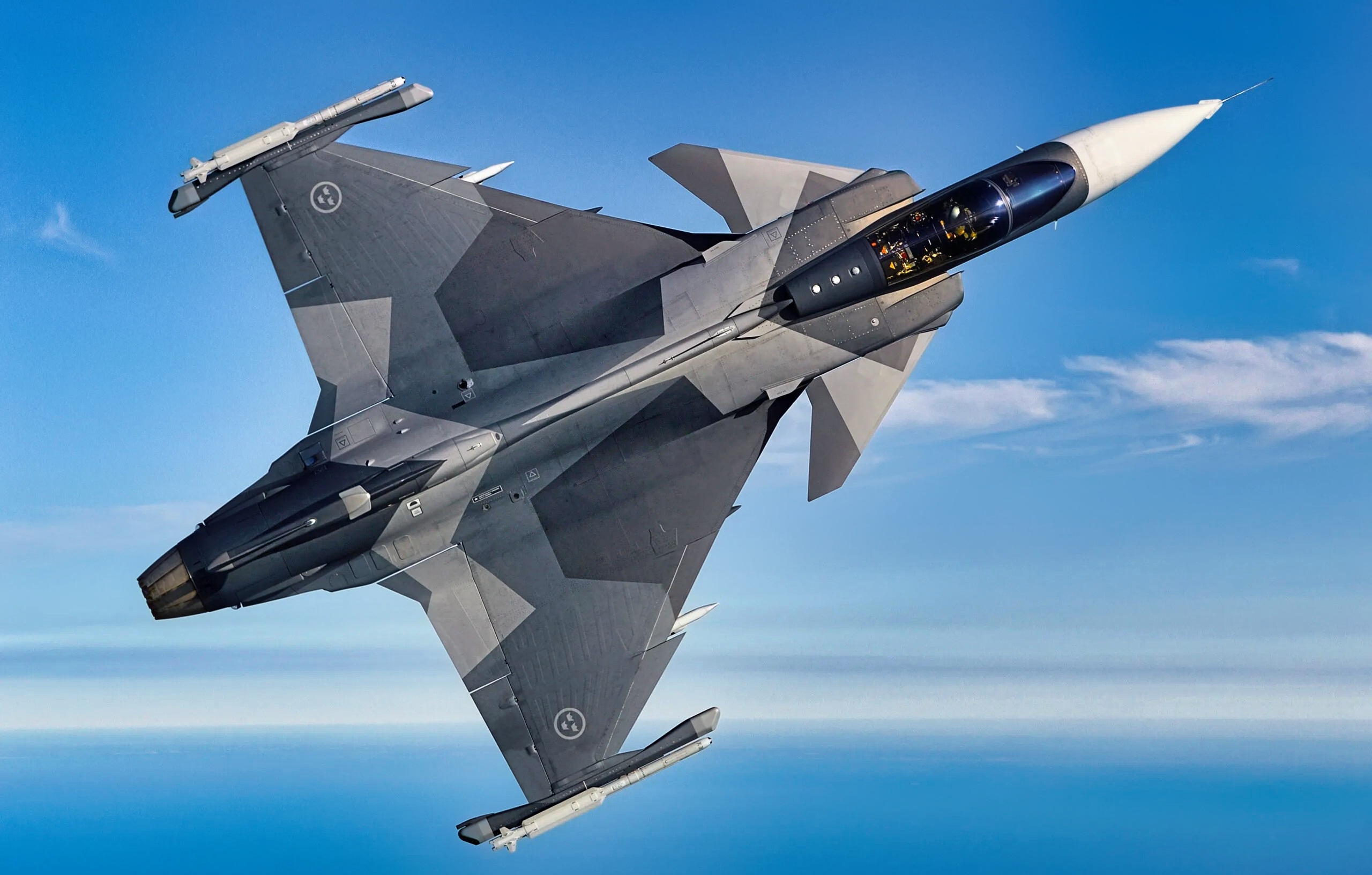
JAS 39 Gripen E Fighter. Image Credit: Saab.
The decision to secure production slots for 14 additional F-35s may, in itself, reveal the calculations going on in Ottawa right now. If Canada were truly prepared to pivot fully toward the Gripen, there would be little reason to spend money preserving access to more stealth fighters.
Instead, it might suggest a recognition that abandoning the F-35 entirely would leave the Royal Canadian Air Force dependent on a fourth-generation platform for decades, institutionalizing a capability gap at precisely the moment stealth and sensor fusion are becoming baseline requirements.
In that sense, Ottawa may simply be trying to split the difference – using the Gripen to satisfy domestic industrial and political goals, while also quietly ensuring that it retains enough F-35s to avoid fundamentally weakening its long-term combat posture.
About the Author: Jack Buckby
Jack Buckby is a British researcher and analyst specialising in defence and national security, based in New York. His work focuses on military capability, procurement, and strategic competition, producing and editing analysis for policy and defence audiences. He brings extensive editorial experience, with a career output spanning over 1,000 articles at 19FortyFive and National Security Journal, and has previously authored books and papers on extremism and deradicalisation.