
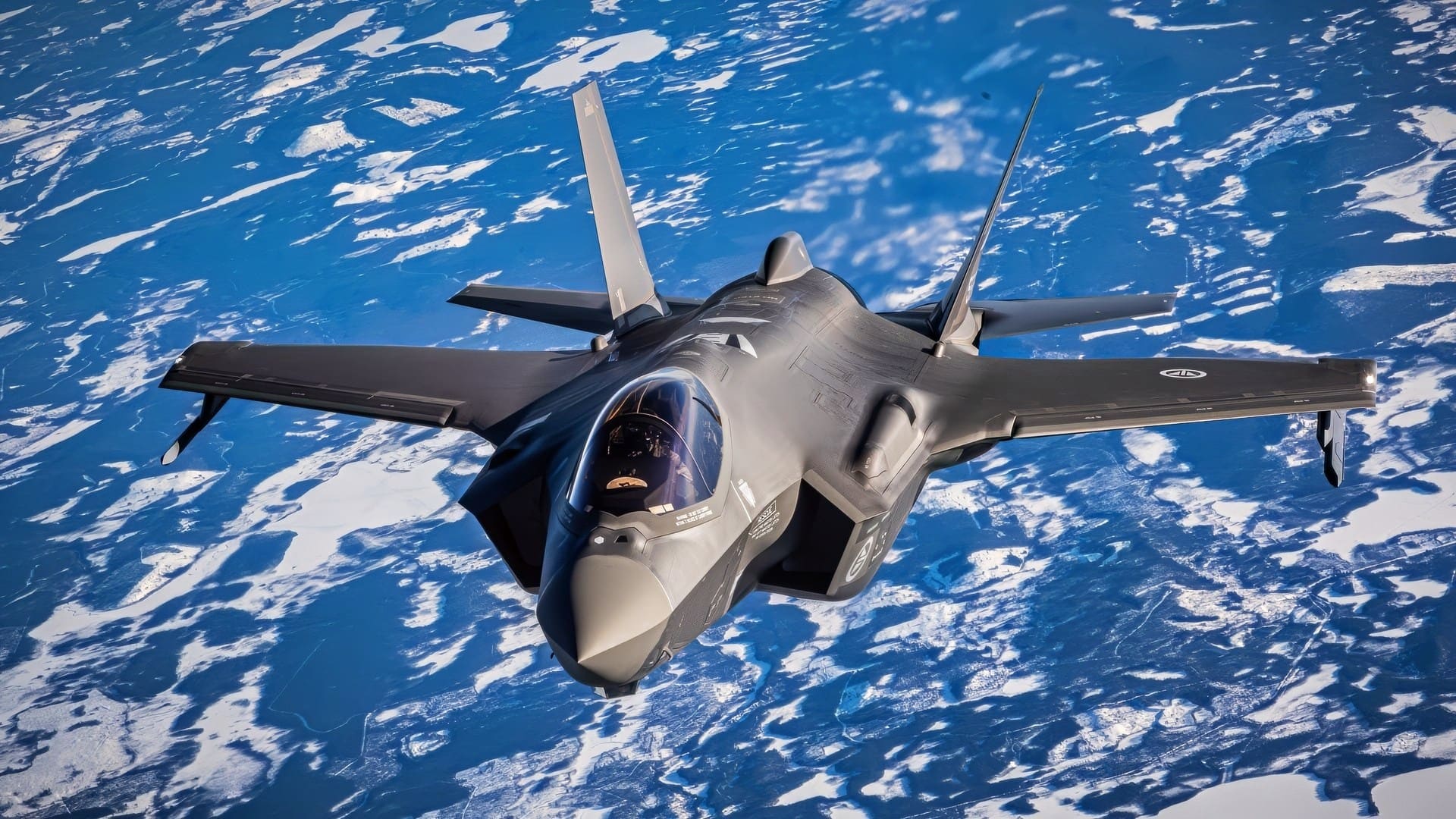
Canada’s long-delayed decision to buy the F-35 Lightning II is facing renewed skepticism. This time, the concern isn’t technical, or financial, but political. Trump-era rhetoric has raised concerns over Canadian sovereignty and dependence, begging the question: does an F-35 purchase strengthen Canadian security or compromise autonomy?
Canada’s fighter replacement
Canada’s CF-18 fleet is aging, and its replacement has been delayed for more than a decade. The new fighter’s requirements are shaped by Canada’s NORAD commitments, NATO interoperability, and Arctic sovereignty patrols. The F-35 was selected after years of back-and-forth—but the transaction has stalled, with uncertainties persisting.
Canada wanted the F-35, at least originally, because the jet offers fifth-generation stealth, sensor fusion, and deep integration with US and NATO forces. The F-35 was seen as the most future-proof option for coalition warfare and high-end deterrence, and was particularly attractive for NORAD missions where interoperability is critical.
Using the F-35
Were Canada to purchase the F-35 the likely missions sets would include Arctic air defense and sovereignty patrols, NORAD early-warning and interception, and NATO deployments to Europe. The emphasis would be on information sharing and networking operations with US forces.
Purchasing the F-35, for Canada, would be less about independent power projection and more about alliance integration.
But the Trump administration’s rhetoric has disrupted alliance norms and unsettled Ottawa. For example, Trump suggested that if Ottawa pulled out from the deal, the US would patrol Canadian airspace with American F-35s—something Trump likely does not mean but is audacious nonetheless in suggesting the violation of Canadian sovereignty.
Regardless, the rhetoric has reinforced fears that dependence on US systems, at this time, would be unwise.
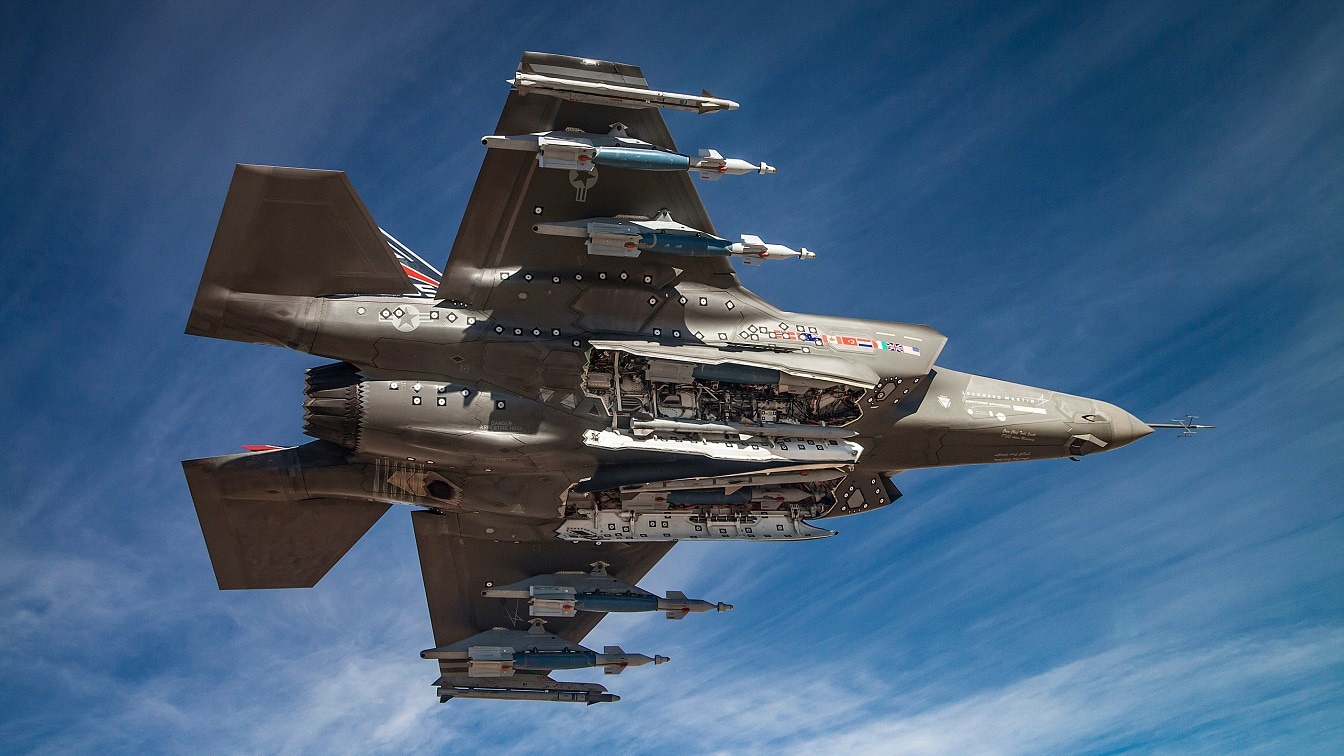
F-35 Joint Strike Fighter in What Is Called Beast Mode. Image Credit: Lockheed Martin.
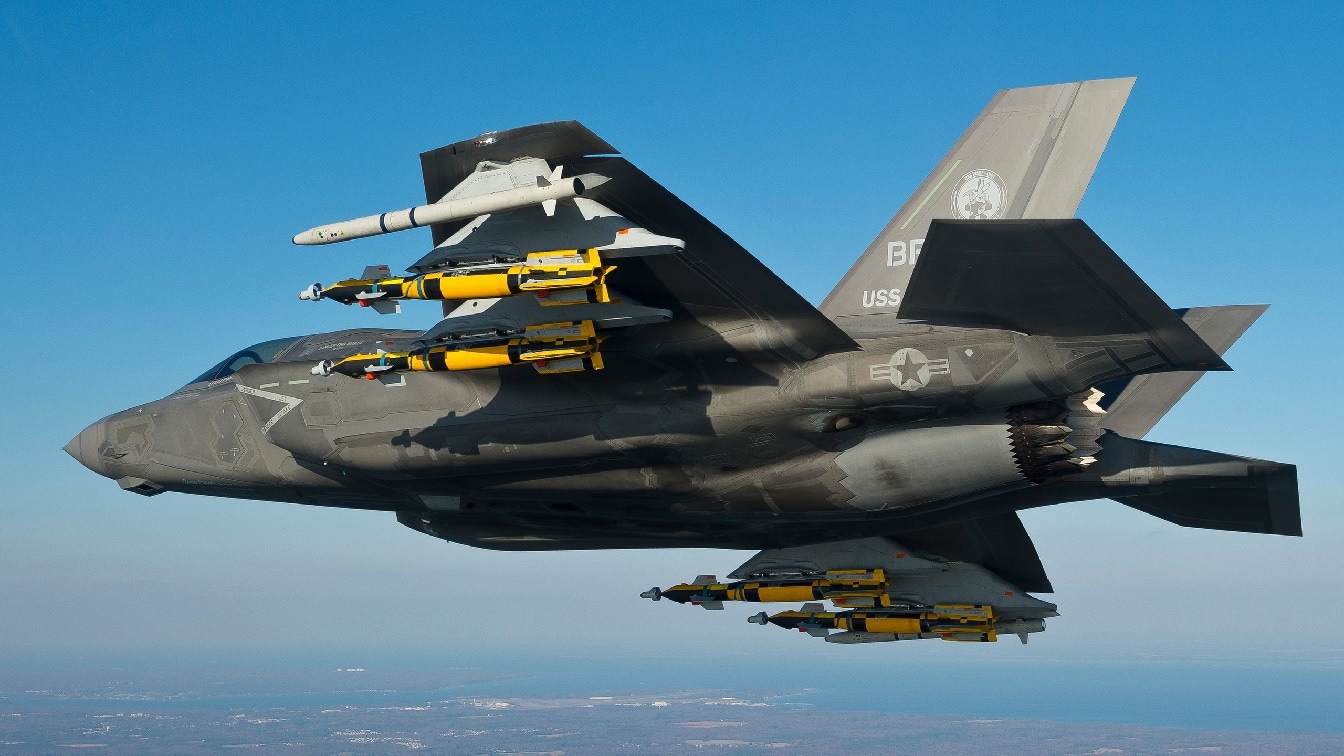
F-35 Stealth Fighter. Image Credit: Creative Commons.
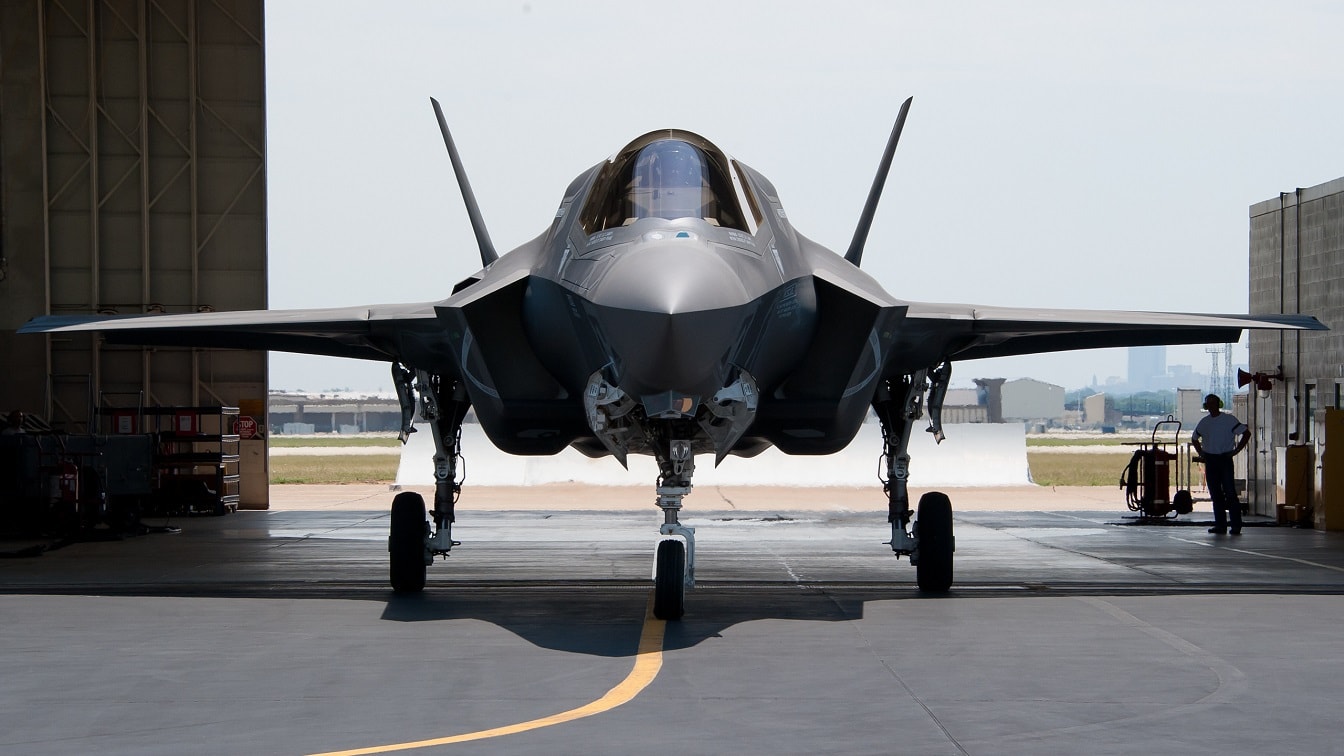
F-35 Stealth Fighter. Image Credit: Creative Commons.
The F-35 ecosystem is tightly US-controlled. Software updates, mission data files, sustainment pipelines—everything goes through the US.
Canada would not have full control over upgrades or certain operational parameters. Critics argue that this relationship would create long-term strategic dependency.
The Saab Alternative
Complicating matters, Sweden is aggressively pitching the Saab JAS 39 Gripen to Canada, emphasizing lower operating costs, greater national control, and industrial participation.
Saab has, wisely, positioned the Gripen as good enough for Canada’s more modest needs—all without US strings attached.
The Gripen is not a fifth-generation fighter, however. The F-35 offers distinct advantages, including stealth, sensor dominance, and coalition war fighting edge. But does Canada need all of that? The Gripen is a capable aircraft, effective in dispersed basing scenarios, with sovereign software access, and a platform tailored for territorial defense. The choice really reflects Canada’s priority: integration or independence.
Strategic implications of the deal
Canceling or scaling back the F-35 purchase would strain relations with Washington, complicate NORAD interoperability, and force Canada back into a position of procurement uncertainty. The US would question Canada’s long-term defense posture.
And the financial savings of opting out of the F-35 purchase would likely cause capability gaps. Staying with the deal would reinforce Canada’s commitment to US-led defense architectures, NATO interoperability, and high-end deterrence.
But the F-35 purchase would also entail structural dependence and political exposure to US domestic shifts.
NORAD and F-35
NORAD places a particular strain on the decision.
Canada’s air defense is inseparable from the US; any fighter selection must operate under a binational command.
Even a non-US aircraft would still operate within a US-dominated sensor and C2 framework. So absolute autonomy is limited regardless of the platform.
Yet the skepticism persists—reflecting a broader Canadian unease about Trump-style transactional alliances and over-reliance on the US. In this case, fighter procurement has become a proxy for broader national identity and sovereignty considerations.
No perfection options
Canada does not have a perfect option. The F-35 offers unmatched capability—but less control.
The Gripen offers more sovereignty—but less coalition dominance.
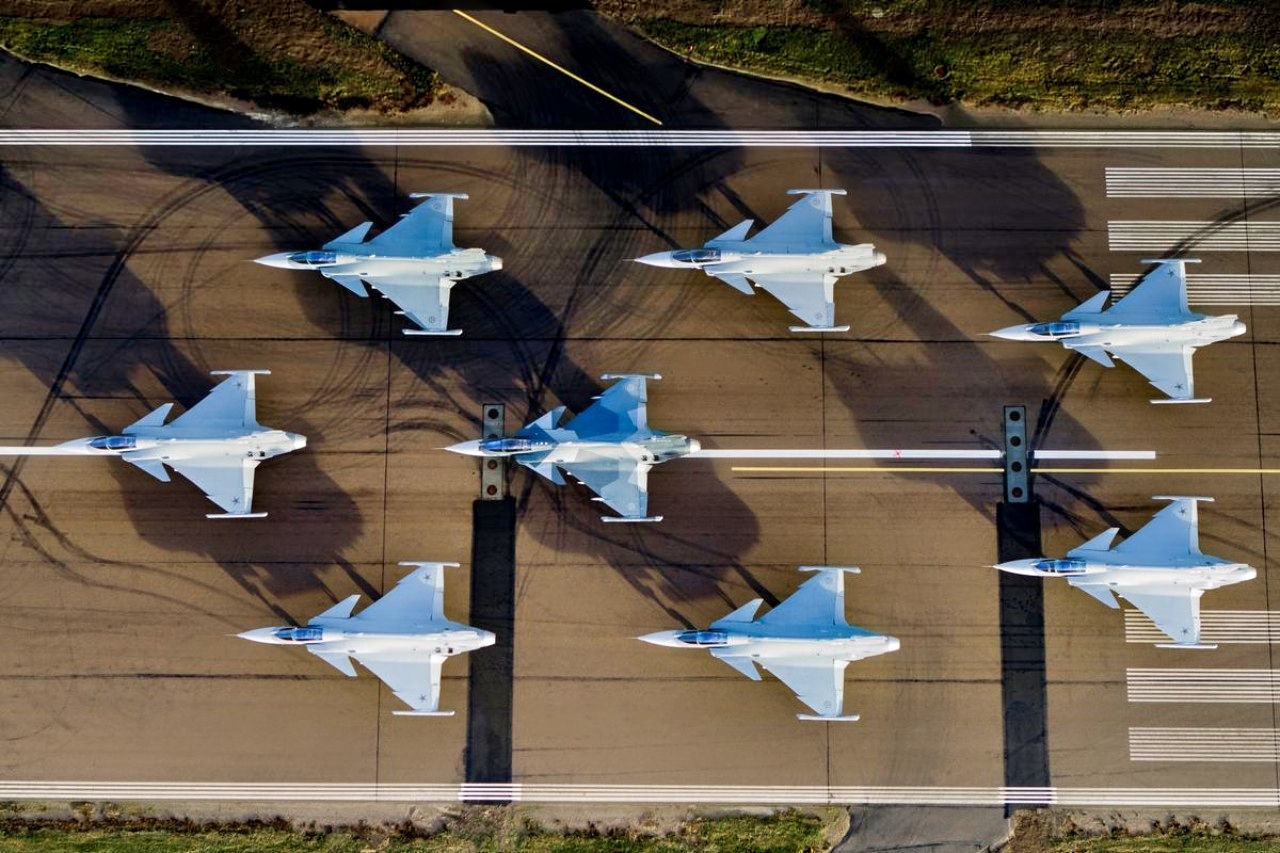
JAS 39 Gripen E. Image Credit: Creative Commons.
Canada should ask whether the F-35 is not overkill for the out-of-the-way nation’s needs, and whether NATO coalition compatibility is really a priority. Regardless, the decision will undoubtedly involve risk assessments: strategic dependence versus reduced high-end capability.
Canadian skepticism toward the F-35 is less about the jet than about political trust.
Trump’s rhetoric has reopened questions, leaving Ottawa uneasy yet aware that pulling out of the deal would carry very real political costs.
Ultimately, the decision is a referendum on how tightly Canada wants its security bound to Washington.
About the Author: Harrison Kass
Harrison Kass is an attorney and journalist covering national security, technology, and politics. Previously, he was a political staffer and candidate, and a US Air Force pilot selectee. He holds a JD from the University of Oregon and a master’s in global journalism and international relations from NYU.