
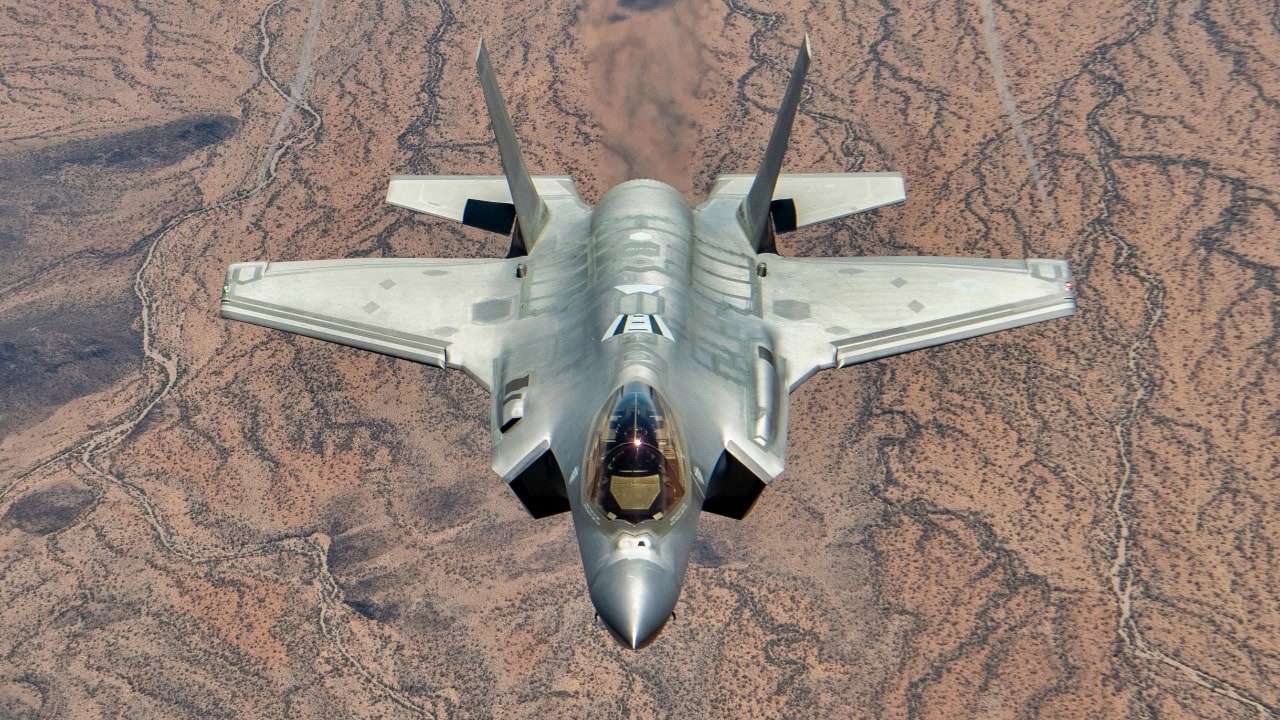
Key Points and Summary – Canada is again reexamining its plan to buy 88 F-35A fighters, keeping a long-running procurement saga alive while U.S.–Canada friction rises.
-Washington says Ottawa can revisit the deal—but the repeated back-and-forth is wearing thin, especially given Canada’s long involvement in the F-35 industrial ecosystem.
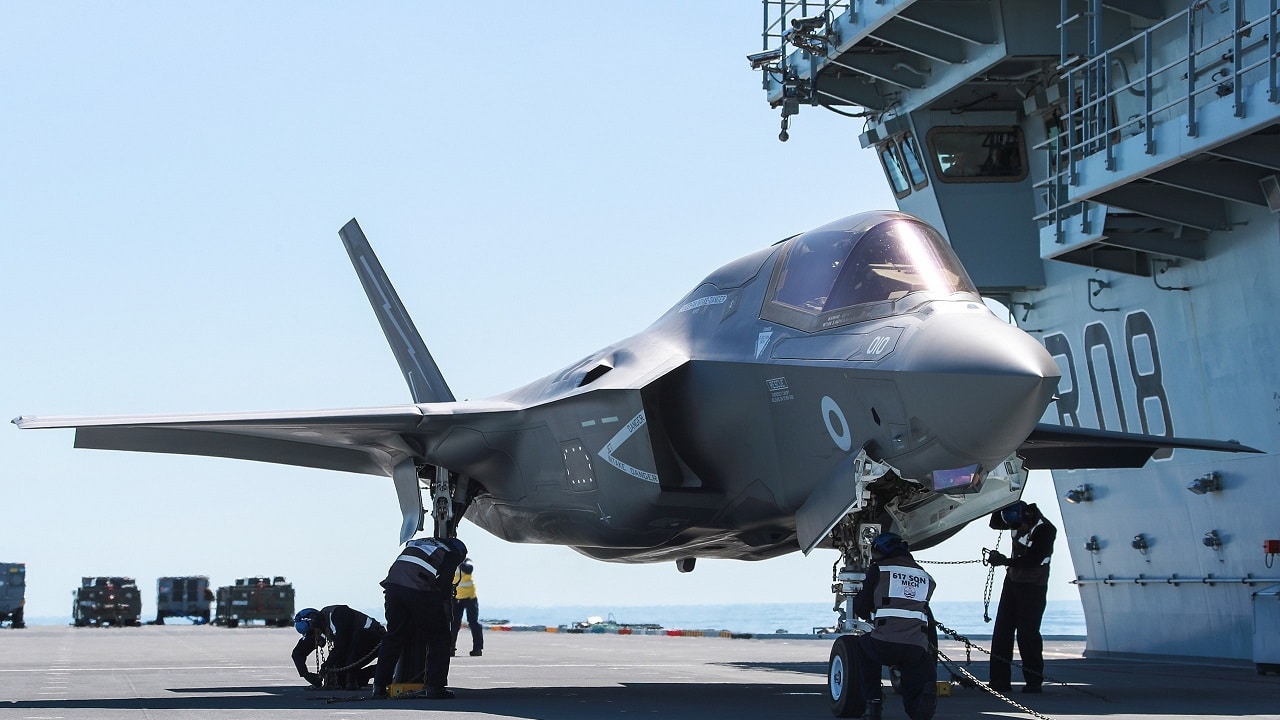
HMS Queen Elizabeth with F-35 on the flight deck.
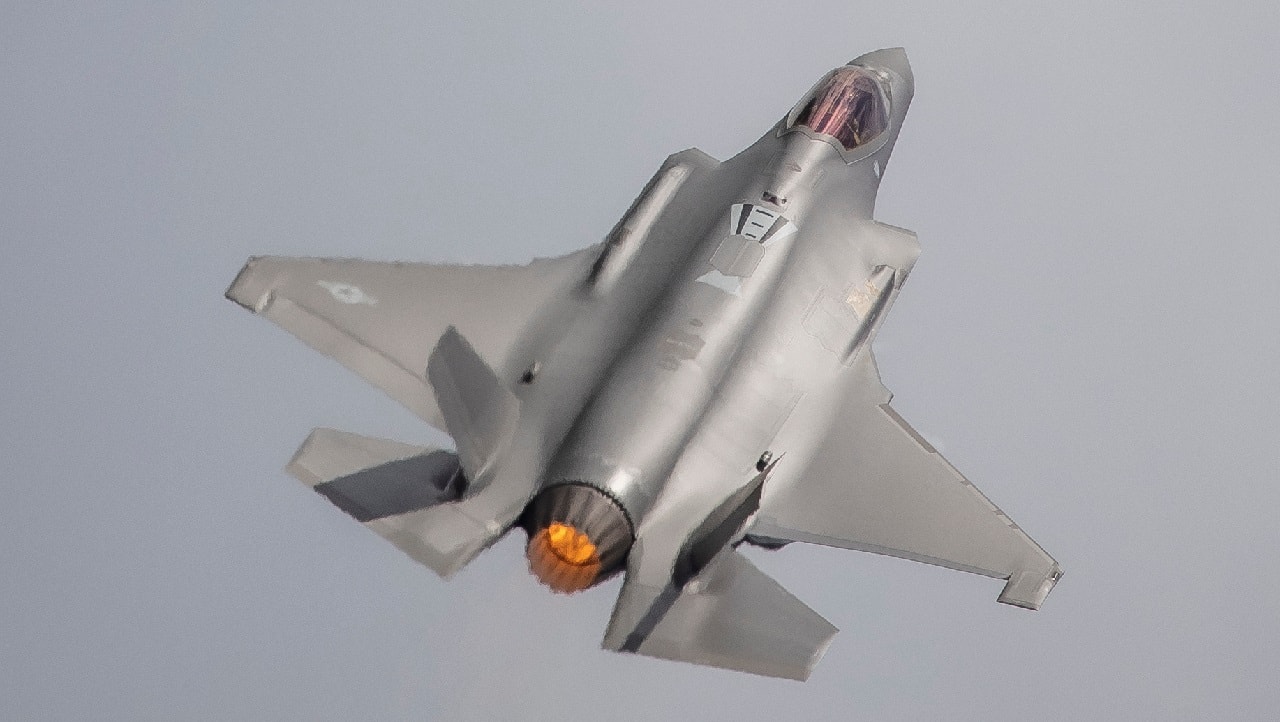
Lockheed Martin F-35 Stealth Fighter. Image Credit: Lockheed Martin.
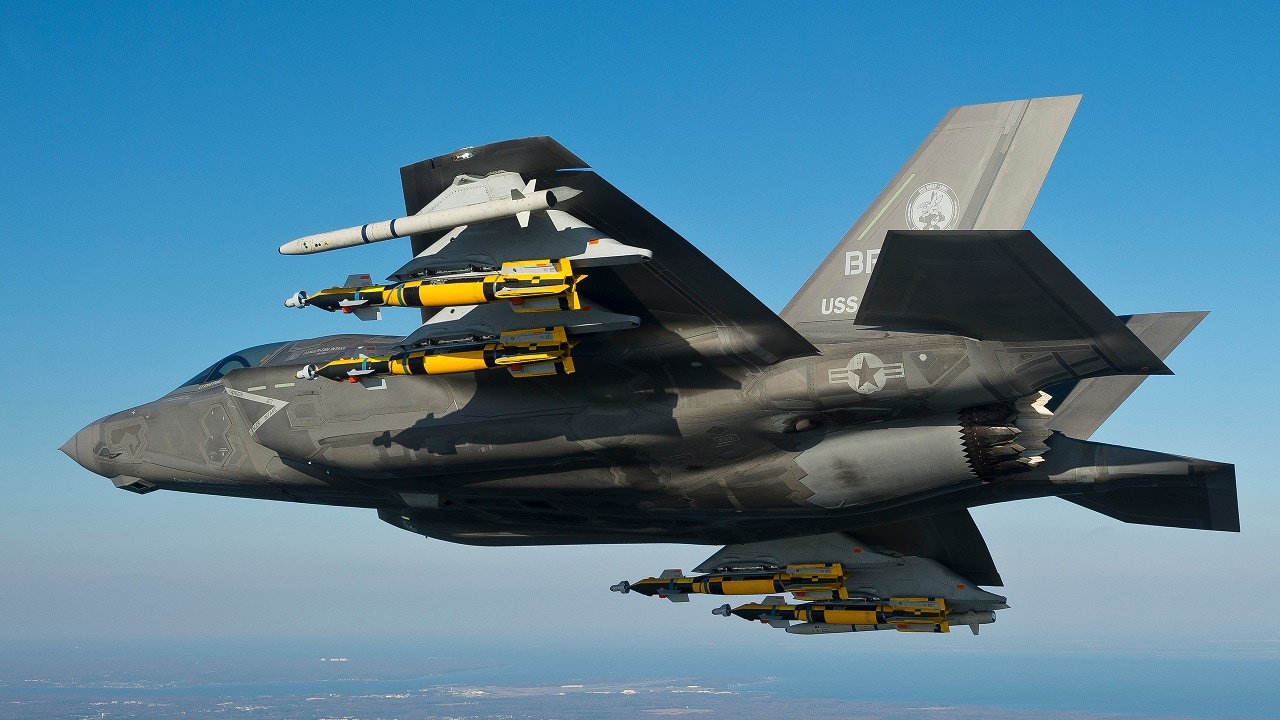
F-35 Joint Strike Fighter. Image Credit: Lockheed Martin.
-Sweden’s Saab is pressing an alternative pitch for the Gripen E as a cheaper, dispersed-ops fighter, but the tradeoff is clear: the Gripen lacks fifth-generation stealth and may complicate NATO and NORAD interoperability trends.
-Costs, politics, and alliance signaling—not just performance—are now driving the debate.
Canada’s F-35 Waffling Has a Message for NORAD
Canada is revisiting its planned purchase of 88 F-35A fighters—again.
US Ambassador Pete Hoekstra says Canada is free to revisit the plan, but admits that the constant equivocation is “irritating” after more than a decade of back-and-forth.
The US-Canada F-35A deal underscores a greater friction between the two countries. Complicating the transaction: Sweden’s efforts to sell Canada the Gripen fighter, a cheaper fourth-generation alternative to the F-35A.
Background on Canada and F-35 Stealth Fighter Problems
In 2012, Canada canceled an F-35 purchase—only to return to the program in 2022. But last spring, Canadian Prime Minister Mark Carney ordered a fresh review of the F-35 purchase as trade tensions escalated with US President Trump.
Concerns about the US’s reliability as a partner and domestic pressure to reevaluate the deal’s costs prompted Carney’s decision.
The review is still ongoing despite promises it would conclude this summer.
The Canada F-35A Challenge
The purchase would give Canada its first fifth-generation fighter. The F-35A is a stealth multirole fighter offering sensor fusion, EW dominance, network-centric warfare capabilities, and the world’s most advanced ISR suite in a fighter.
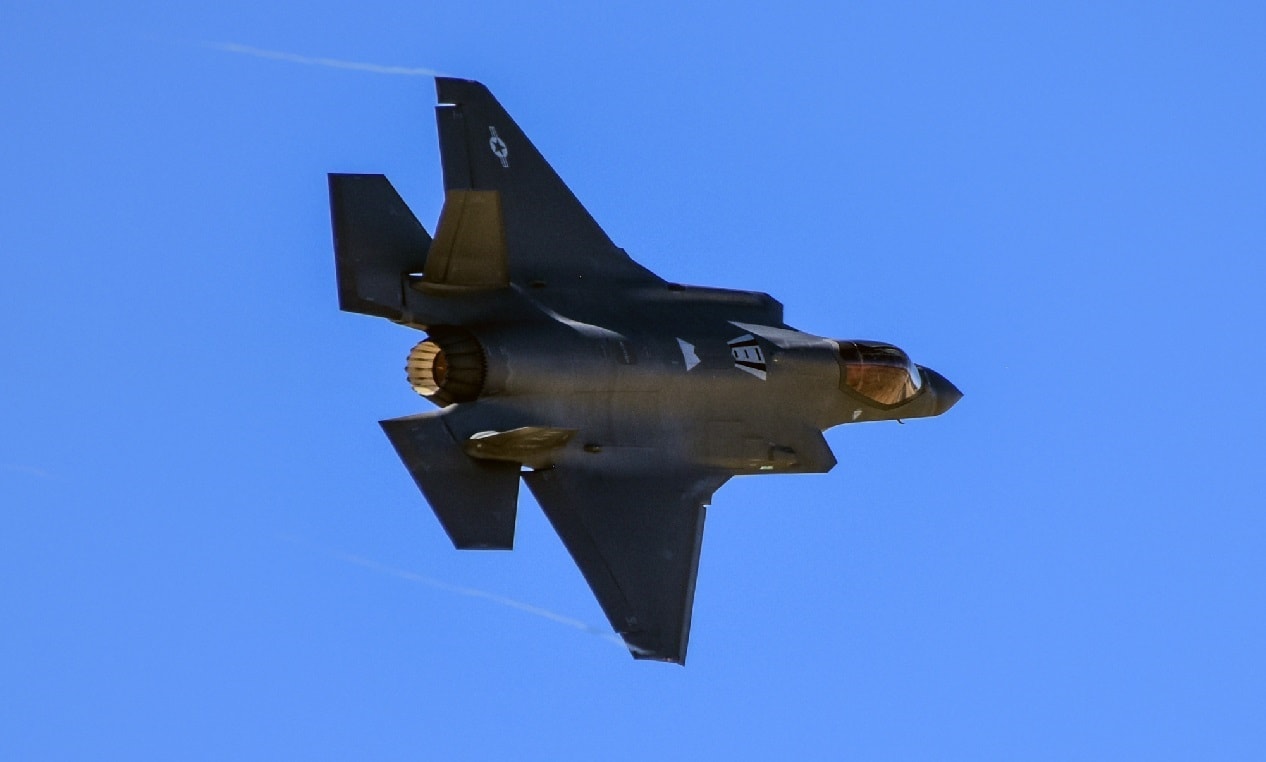
U.S. Air Force Maj. Kristin “BEO” Wolfe, F-35A Lightning II Demonstration Team commander and pilot, performs an aerial demonstration during the 2021 Thunder and Lightning Over Arizona Air Show and Open House at Davis-Monthan Air Force Base, Arizona, Nov. 5, 2021. The last air show and open house DM held showcasing U.S. military capabilities was in 2019. (U.S. Air Force photo by Senior Airman Kaitlyn Ergish)
With a combat radius of 670 nautical miles, the F-35A gives Canada excellent Arctic fighting potential. Designed for NATO interoperability, the F-35A would replace Canada’s aging CF-18 Hornet fleet, which was first fielded in the early 1980s.
The US is pushing the F-35A on Canada, one of the few NATO partners not operating the F-35—which the US views (conveniently) as a capability gap.
The US sales pitch emphasizes Arctic cooperation, seamless NORAD integration, shared maintenance and logistics efficiencies, and Canada’s existing industrial role in the program (30 Canadian companies contribute to F-35 production).
Sweden has complicated the transaction, however. Saab is actively lobbying Canada to purchase the Gripen E—a cheaper, dispersed-operation friendly multirole fighter.
But the Gripen lacks the fifth-generation refinement found in the F-35A, namely, stealth. And were Canada to purchase the Gripen, it would break NATO interoperability trends; but ironically, with most of NATO already committed to the F-35, Saab sees Canada as one of the last export markets available amongst Western markets, which only makes Saab’s efforts more urgent.
Part of Canada’s hesitation in committing to the F-35A, is purely fiscal.
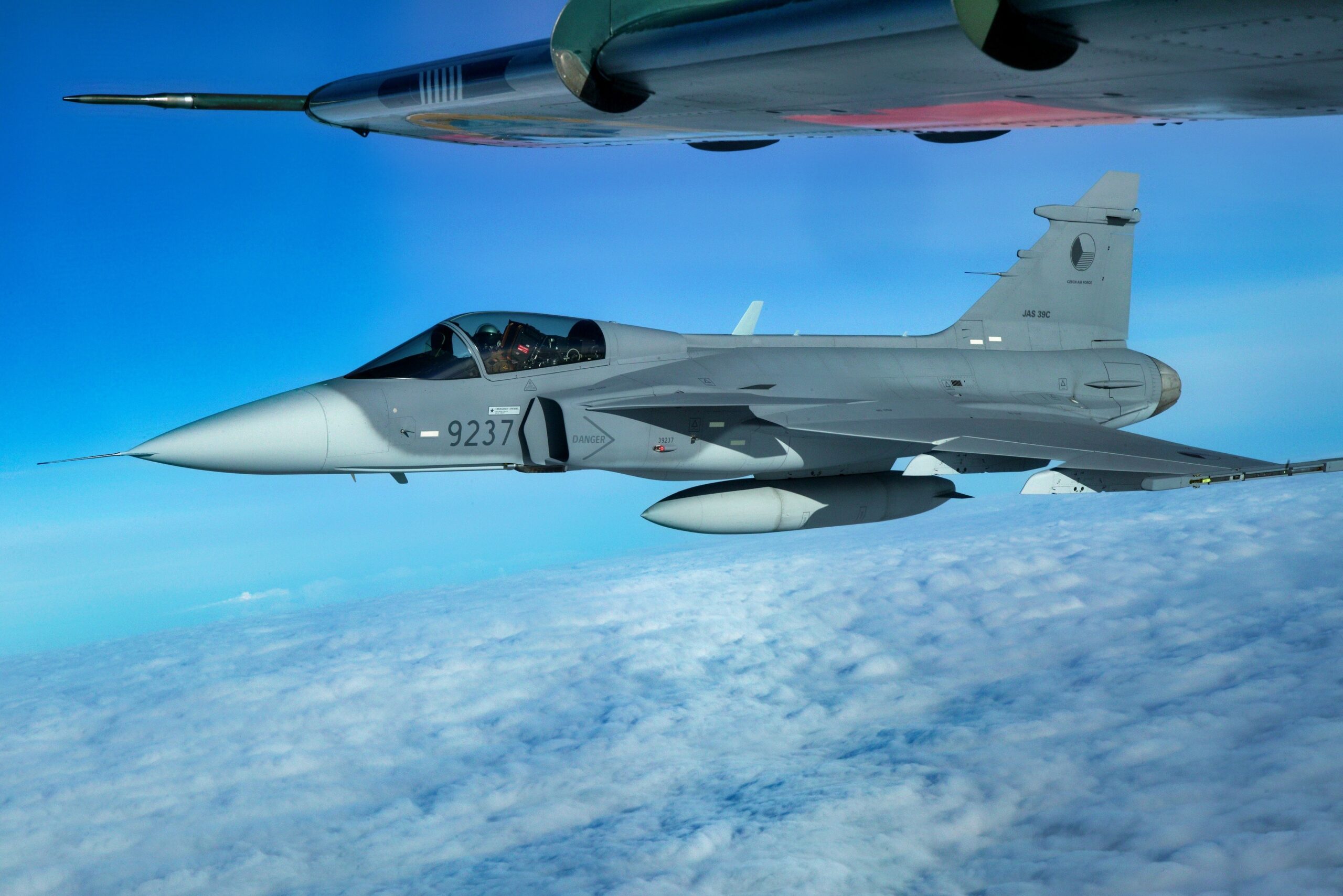
JAS 39 Gripen. Image Credit: Saab.
The initial estimated cost of the purchase, in 2023, was $19 billion.
The cost is now expected to fall to around $28 billion, with an additional $5.5 billion needed for full operational capability.
These overruns have fueled political hesitation in Canada, prompting PM Carney to initiate the review.
Canada Fighter Review Gets Intense
The review has irritated the US, creating friction in a partnership that has run somewhat smoothly for years.
The fact that Canada has been part of the F-35 consortium since the early 2000s and that Canadian firms benefit massively from F-35 supply chain work is a further source of irritation. The US is ready for a firm commitment from a national who has benefited from the program they are now hesitating to purchase from.
F-35A Strategic Implications
Strategically, Canada would benefit from the F-35A.
With respect to Arctic defense, the F-35A is superior to the Gripen, or other legacy fighters; the F-35A is world-class in terms of surveillance and threat detection, thanks to advanced sensor fusion, which would be vital in the expansive Arctic territories, within which Russia has become increasingly assertive.
The F-35A purchase would also bolster NORAD modernization (joint US-Canada air defense architecture is increasingly dependent on stealth ISR platforms like the F-35).
And because the F-35 is becoming the standard NATO fighter, alliance tactics and shared datalinks are transforming to accommodate the F-35 specifically; Canada would integrate more seamlessly into this alliance, from a technological perspective, by purchasing the F-35A.
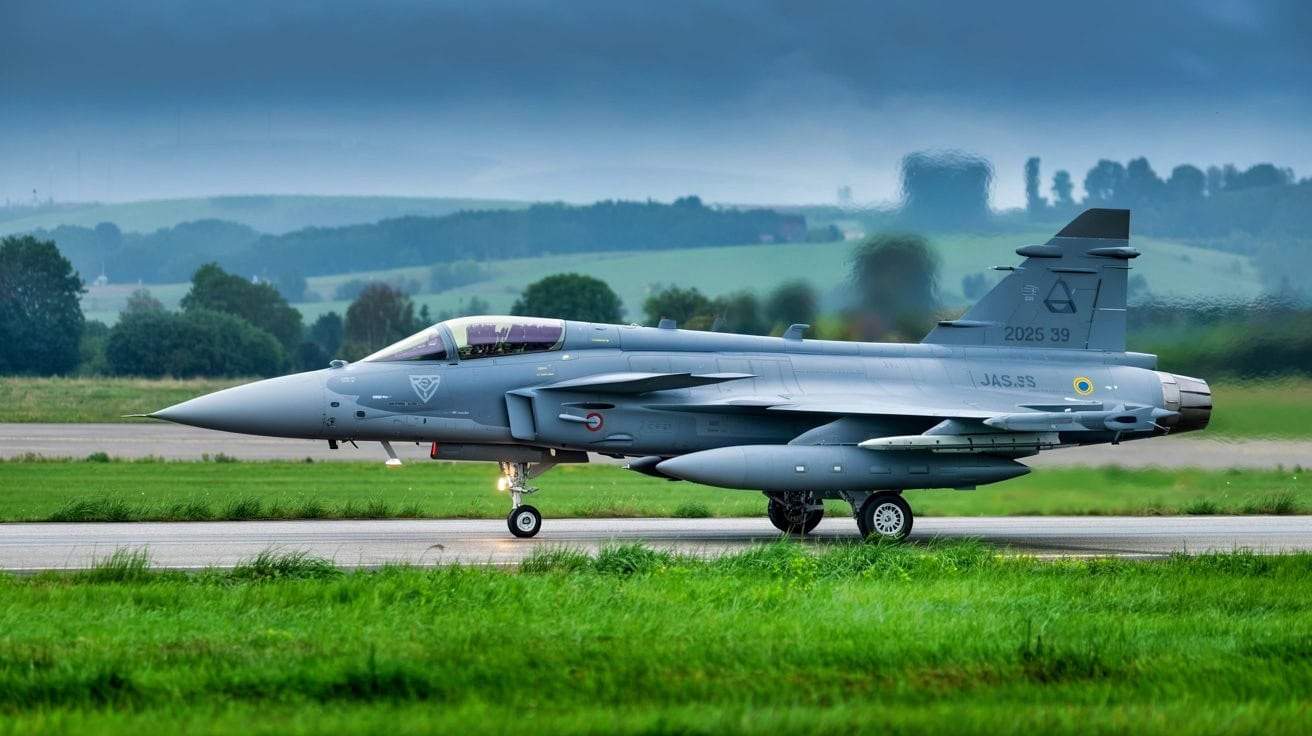
JAS 39 Gripen Fighter. Image Created VIA Ideogram.
Last, Canada may need a more proper deterrent platform, as China and Russia increasingly assert themselves, rather than just a simple sovereignty patrol aircraft.
Canada will likely proceed with the F-35 purchase. Canceling the order and choosing the Gripen would cause a significant diplomatic backlash. As Canada continues to delay the purchase, it pushes back the aircraft delivery further into the 2030s, while potentially increasing costs due to production slot shifts.
The US is ready for the ordeal to be over; Canada wants more assurances and political cover for their decision, which ultimately isn’t just about a fighter jet, but about the country’s posture towards NORAD, NATO, and the world order at large.
About the Author: Harrison Kass
Harrison Kass is an attorney and journalist covering national security, technology, and politics. Previously, he was a political staffer and candidate, and a US Air Force pilot selectee. He holds a JD from the University of Oregon and a master’s in global journalism and international relations from NYU.