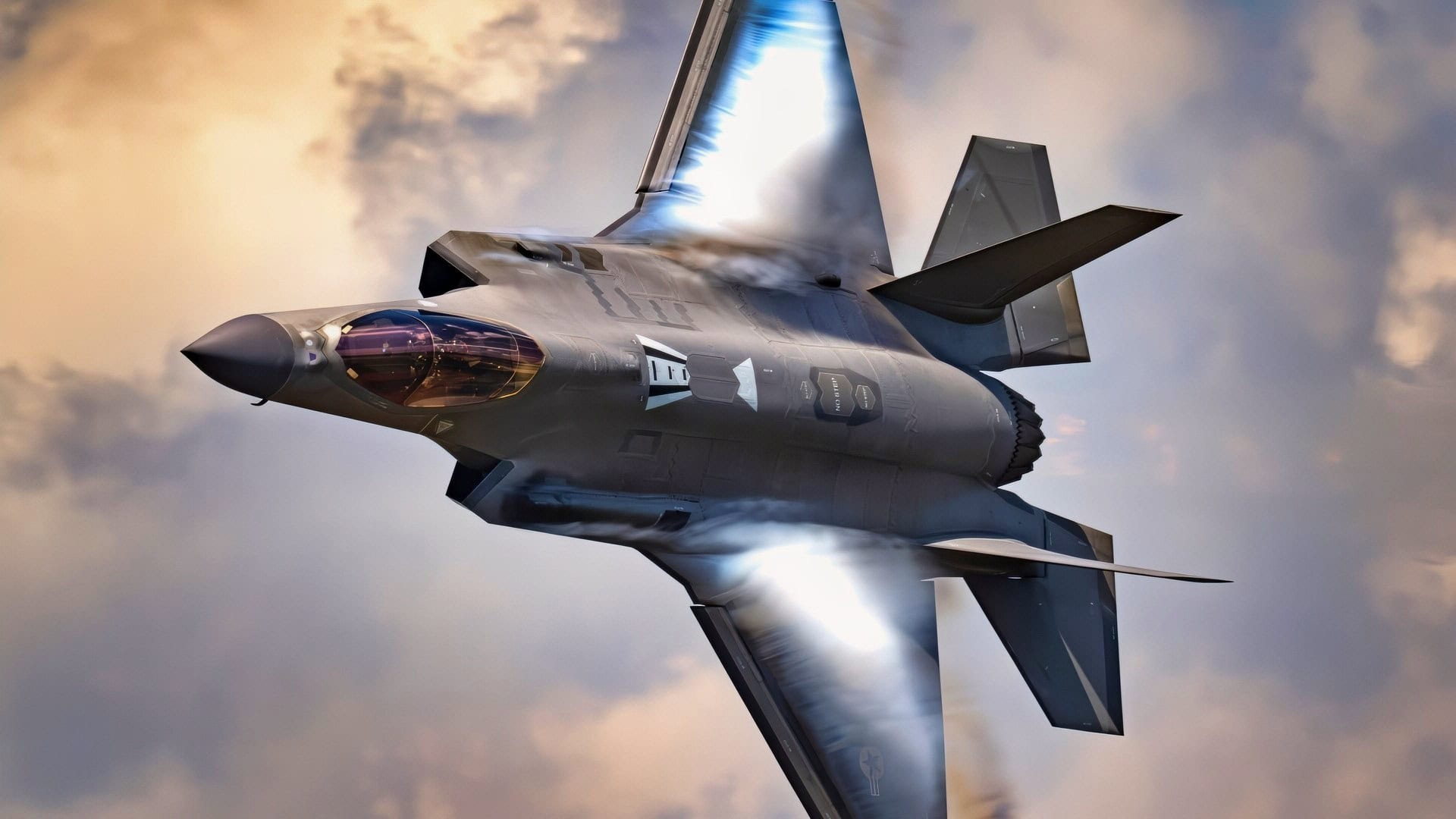
Canada’s F-35 Plan Is Splitting In Two—And NORAD Could Pay The Price
Prompted in part by admonitions from Washington as well as the realization that they are out of step with the rest of the NATO alliance, Ottawa is in the throes of a spending blitz, part of a larger effort to bolster Canada’s atrophied military capabilities following the end of the Cold War and subsequent budgetary drawdowns.
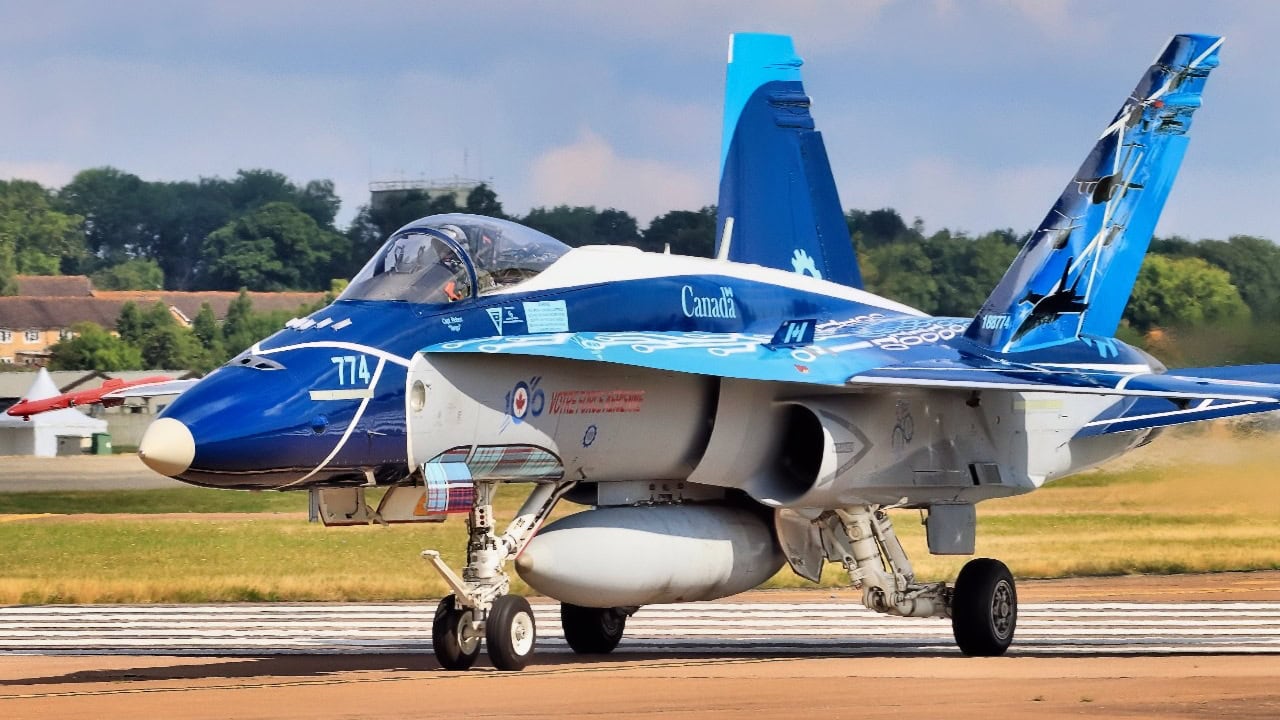
CF-18 Canada Air Force.
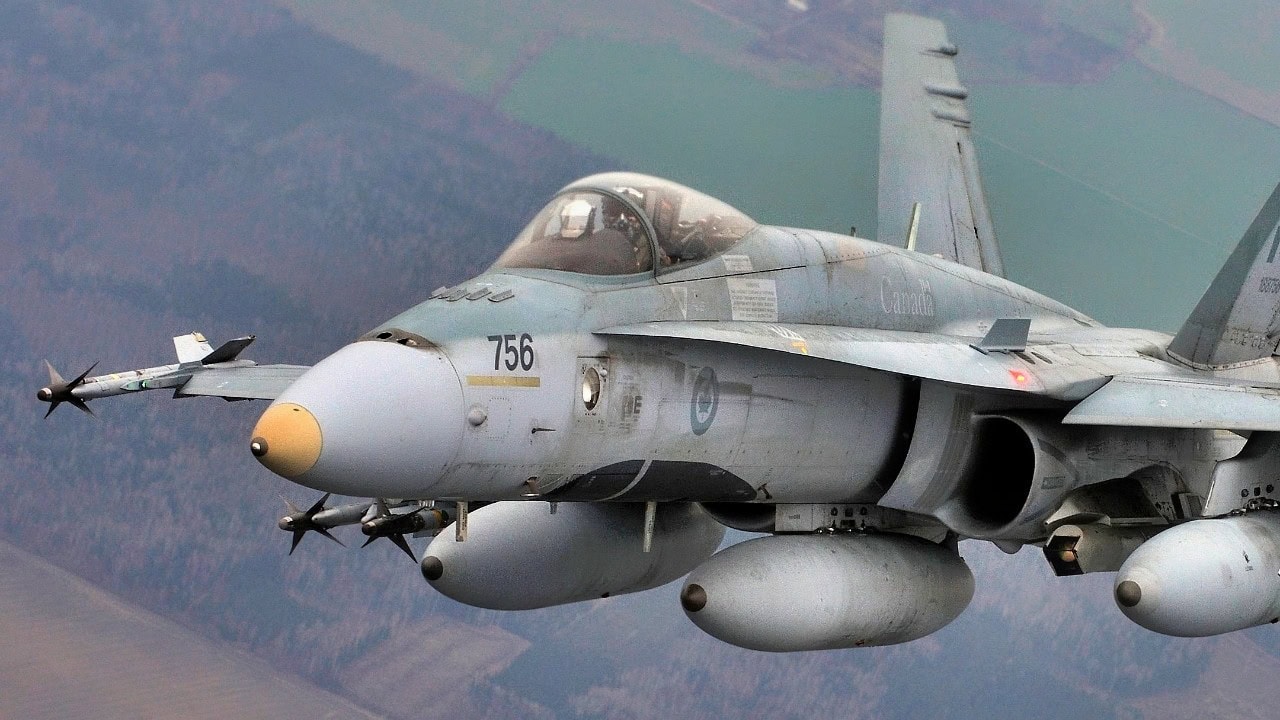
A CF-18 Hornet from the Canadian Air Task Force Lithuania flies over Lithuania on November 20, 2014 for the NATO Baltic Air Policing Block 36 during Operation REASSURANCE.
Near the top of their purchase list are, of course, replacements for the Royal Canadian Air Force’s aged CF-188 Hornets, a close variant of the United States Navy’s Cold War-era F/A-18 Hornets. Canada also needs new submarines to replace its Victoria-class diesel-electric submarines.
Canada had previously committed to purchasing 88 F-35 stealth fighter jets, built primarily in the United States by Lockheed Martin, to replace their fleet of Hornets, and has provided the funds for an initial 16 F-35s
. But the bellicosity with which American President Donald Trump has repeatedly castigated one of America’s nearest and dearest allies provided the impetus for reevaluating that decision, particularly in light of the damaging tariffs President Trump single-handedly decided to levy against America’s northern neighbor.
The reevaluation trend has been seen in other friends of the United States as well. Both Portugal and Spain reneged on their prior interest in the F-35, which, before the second Trump administration, was seen as a near-certainty.
The Swiss, too, saw their F-35 order cut after it became clear that the originally agreed-upon price for 36 F-35s — $7.6 billion — was insufficient to cover the full cost of the order. While the Trump administration attributed the price discrepancy to a misunderstanding, Bern declined to increase its financial commitment to cover 36 jets, deciding instead to purchase as many F-35s as possible using the originally committed funds.
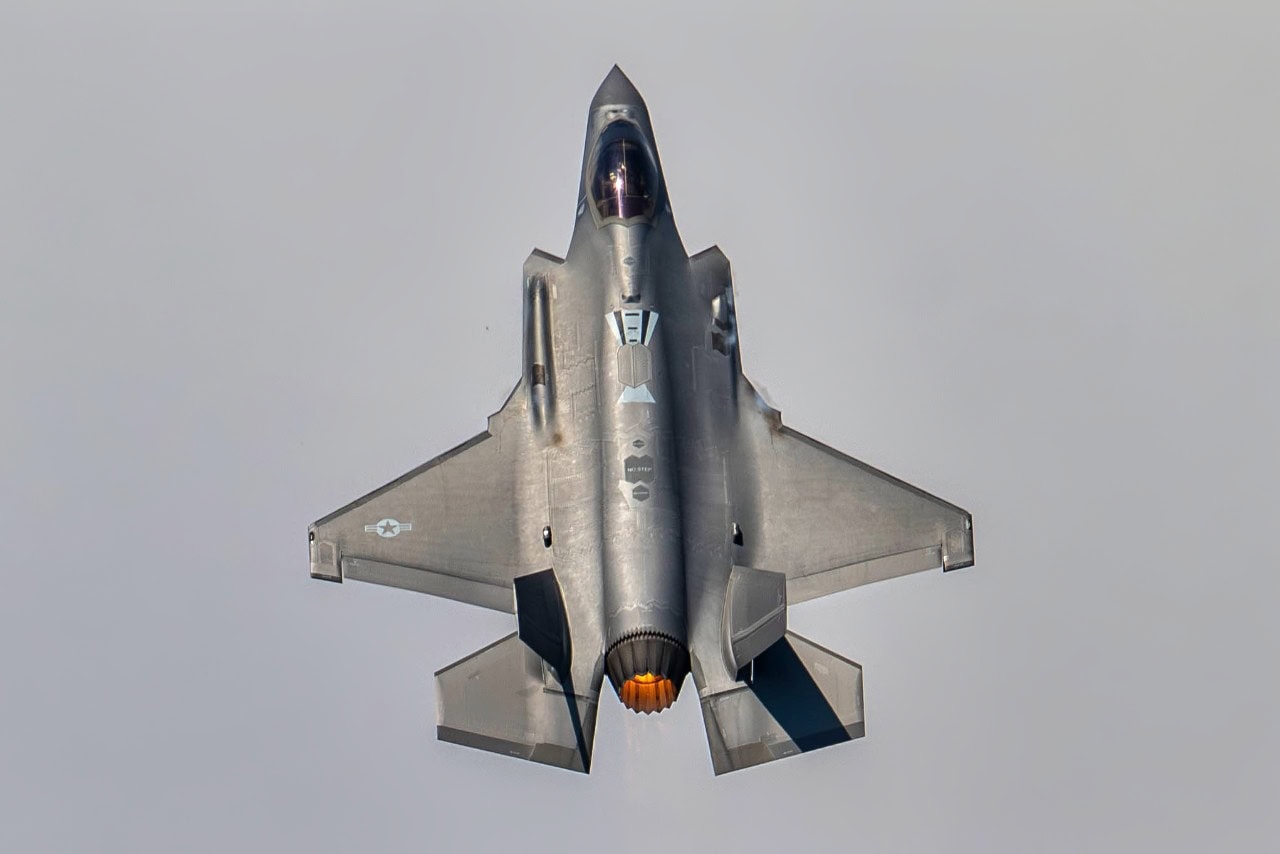
U.S. Air Force Maj. Kristin “BEO” Wolfe, F-35A Lightning II Demonstration Team commander, flies over Kennewick, Washington, during the Tri-Cities Water Follies Airshow Over the River, July 30, 2023. The F-35 Demonstration Team participated in the 2023 Tri-Cities Water Follies airshow and various other events in support of their mission to recruit, retain and inspire new and old generations of Airmen. (U.S. Air Force photo by Staff Sgt. Kaitlyn Ergish)
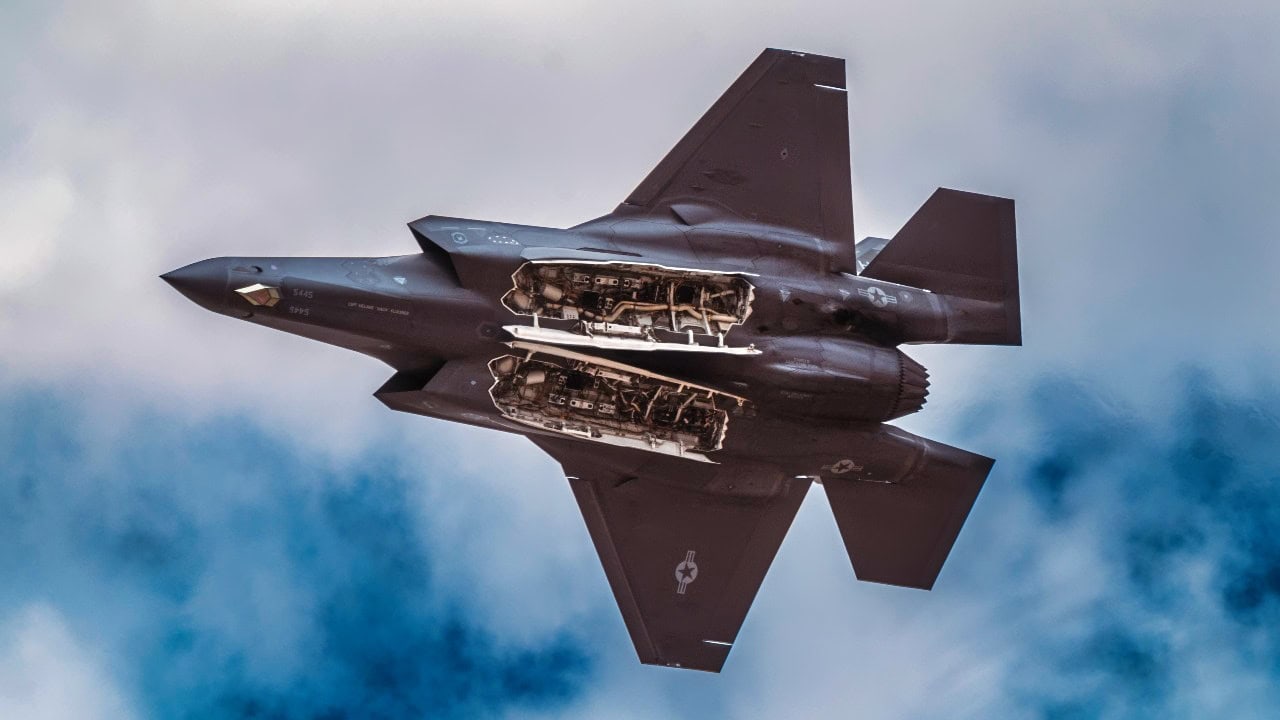
An F-35 Lightning II, assigned to the F-35 Demonstration Team, pays tribute to the past present, and future of Air Force aviation customs and capabilities during Luke Days airshow, March 23, 2024, at Luke Air Force Base, Arizona. Luke Days demonstrates the Air Force’s continuing progress in building the future of airpower with military and civilian air acts including the U.S Air Demonstration team the “Thunderbirds,” F-35A Lightning II, static displays, science, technology, engineering, and math exhibits, and military operations demonstrations. (U.S. Air Force photo by Airman 1st Class Mason Hargrove)
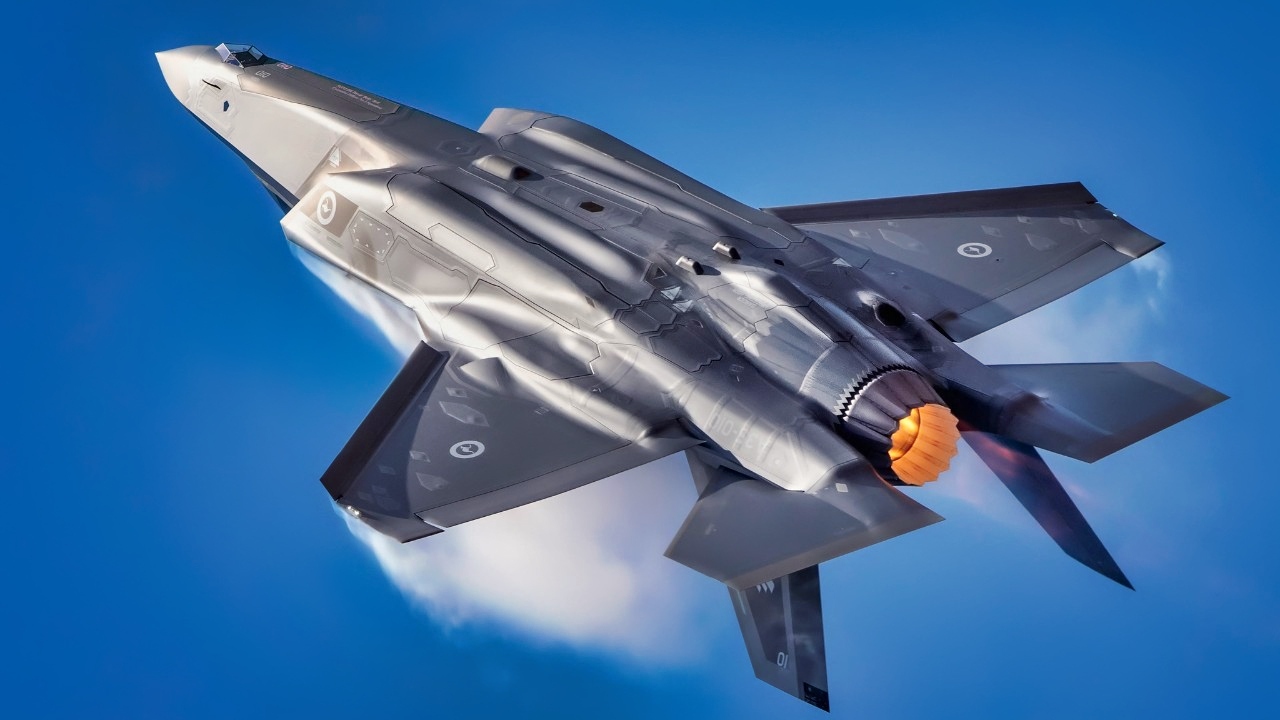
F-35 fighter. Image Credit: Creative Commons.
Concurrently, Canada has pursued a similar approach: it will keep the initial 16 F-35 stealth fighters it purchased and also explore alternatives to the F-35, raising the prospect of operating a mixed-fighter fleet. But equipping the Royal Canadian Air Force with two disparate fighter aircraft would put that branch of the Canadian military in a quandary.
The RCAF would need to establish two separate pilot training and qualification pipelines: one for the stealthy, fifth-generation F-35 fighter and another for any other aircraft the RCAF selects, should it move forward with that decision.
Different training regimens would also be needed for the mechanics and maintainers who service those aircraft, given the unique maintenance schedules and requirements inherent to each aircraft program.
Ambassadorial Irritation on F-35
Late last year, Pete Hoekstra, the American Ambassador to Canada, expressed his displeasure with the situation, saying that he was “irritated” by Canada’s newly tepid interest in the F-35. Speaking to local Canadian media, the ambassador lambasted the country of his diplomatic posting, saying, “Canada can do what it wants on the F-35, OK?”
“Does it irritate me, personally, that we’re revisiting this issue again? Yeah, it’d be nice to put this one to bed and just move forward,” Ambassador Hoekstra added, underscoring the historically tight relationship that the Canadian and American aerospace industries have enjoyed in years past.
“It would be nice if Canada made a commitment,” Ambassador Hoekstra emphasized. “But if they want to go through another review, they can go through another review.”
An Adjustment to NORAD
Ambassador Hoekstra echoed those comments broadlybut also said that NORAD, the early-warning and defense pact between the United States and Canada, would need adjustments to remain viable if Ottawa turns away from the F-35.
“NORAD would have to be altered,” Ambassador Hoekstra said to CBC News in an interview given in Arizona, adding that the United States would have to shoulder more of the NORAD burden, and in turn purchase more F-35s for itself should Canada create a capabilities gap by turning away from the F-35.
”If Canada is no longer going to provide that [capability], then we have to fill those gaps,” the ambassador added. “If they decide,” Hoekstra said, “they’re going with an inferior product that is not as interchangeable, interoperable as what the F-35 is, that changes our defense capability. And as such, we have to figure out how we’re going to replace that.”
Deep Dissatisfaction, but Unclear Alternatives
Despite Ottawa’s exploration of F-35 alternatives, a bombshell document leaked to CBC News underlines the dearth of viable alternatives for the F-35, as concluded by the Royal Canadian Air Force.
According to the document, which presented the results of a head-to-head evaluation of the F-35 and the Gripen E, a Swedish fourth-generation fighter built by Saab, the F-35 outperformed its competitor in every metric and, in some categories, by significant margins.
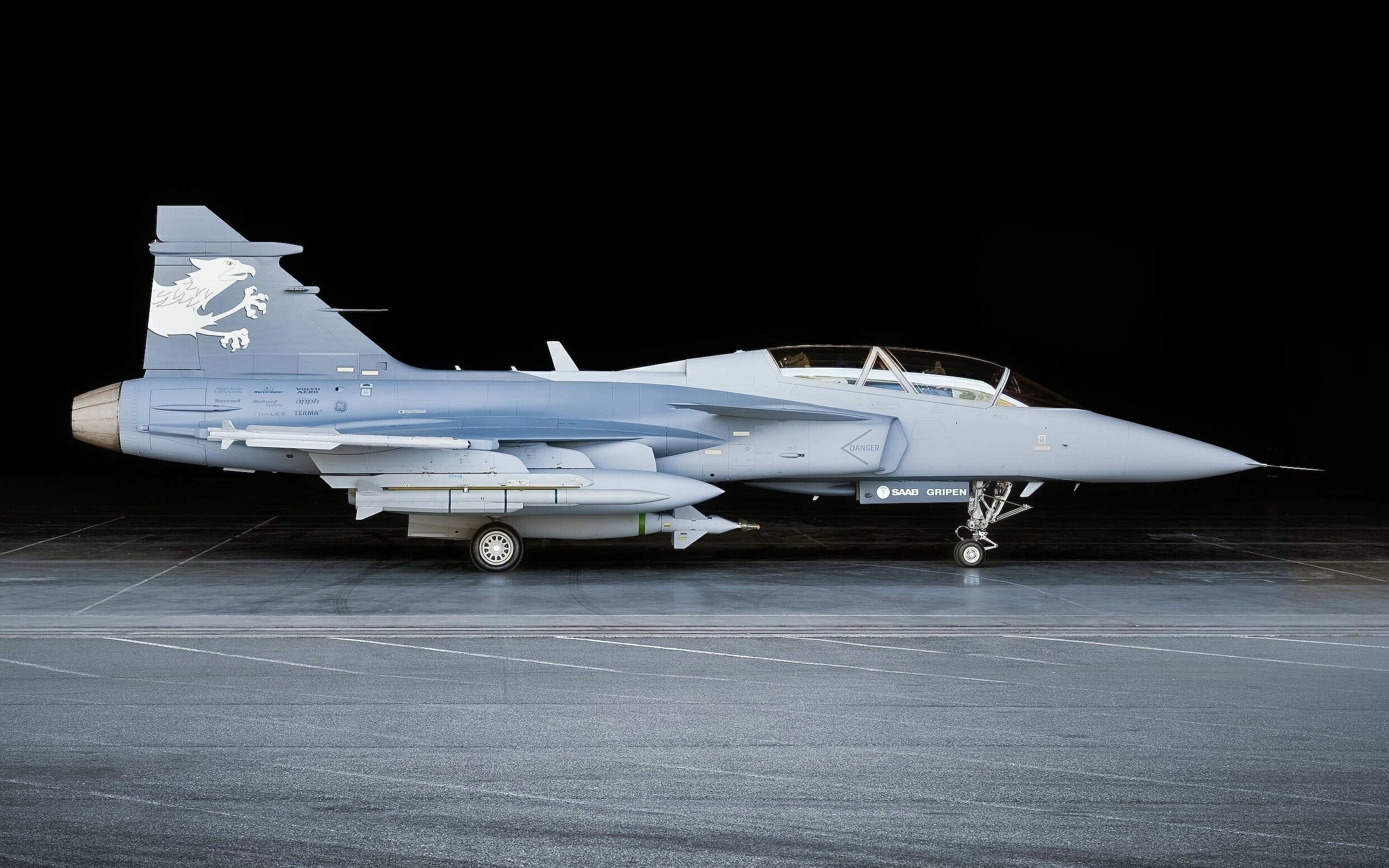
JAS 39 Gripen. Image Credit: Creative Commons.
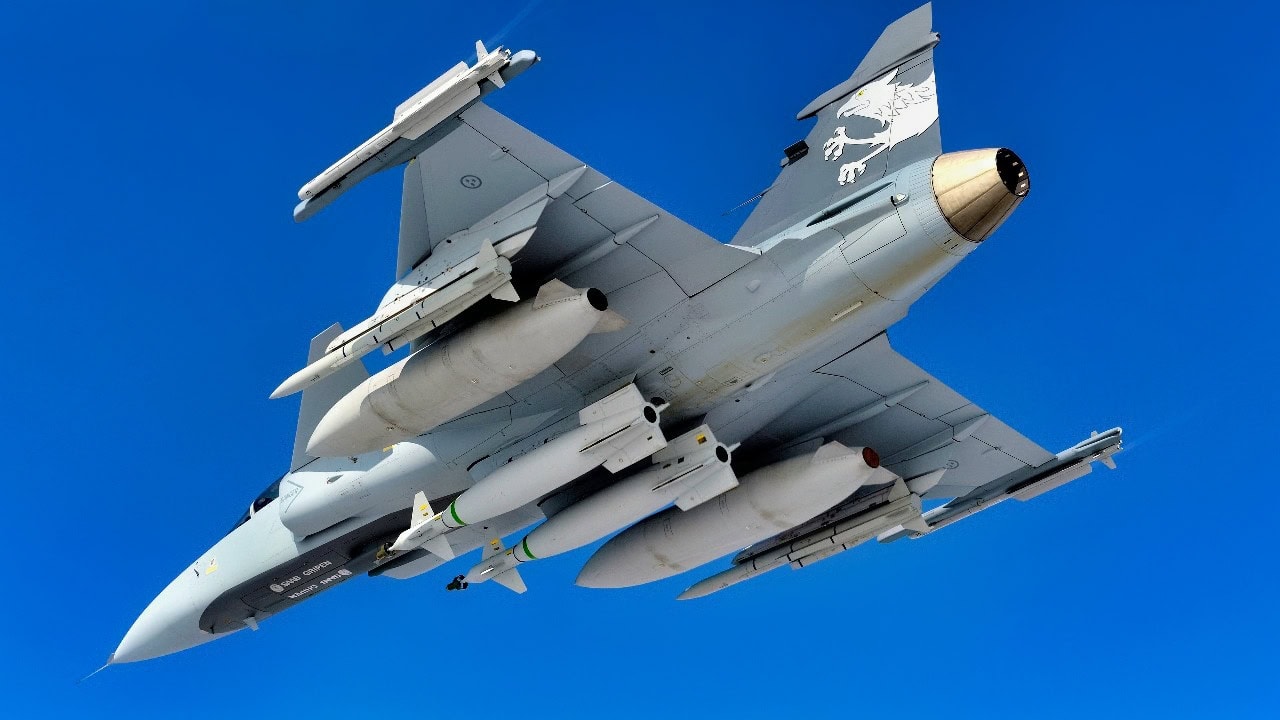
JAS 39 Gripen. Image Credit: Creative Commons.
The two fighters were assessed across several categories, including mission performance, sustainability, upgradability, delivery, and technical criteria. The F-35 garnered 95 percent of the total possible points across the categories. The Gripen E, on the other hand, scored a modest 33 percent, partially due to its older design and lack of radar-mitigating stealth technology.
Though Canada has not made a final decision on the F-35, it seems rather far-fetched that an older, non-stealthy fourth-generation fighter would complement Canada’s 16 F-35s, but instead be a drag on the RCAF’s capabilities, with negative implications for NORAD as well. So despite intense and understandable dissatisfaction, there do not seem to be clear alternatives.
About the Author: Caleb Larson
Caleb Larson is an American multiformat journalist based in Berlin, Germany. His work covers the intersection of conflict and society, focusing on American foreign policy and European security. He has reported from Germany, Russia, and the United States. Most recently, he covered the war in Ukraine, reporting extensively on the war’s shifting battle lines from Donbas and writing on the war’s civilian and humanitarian toll. Previously, he worked as a Defense Reporter for POLITICO Europe. You can follow his latest work on X.