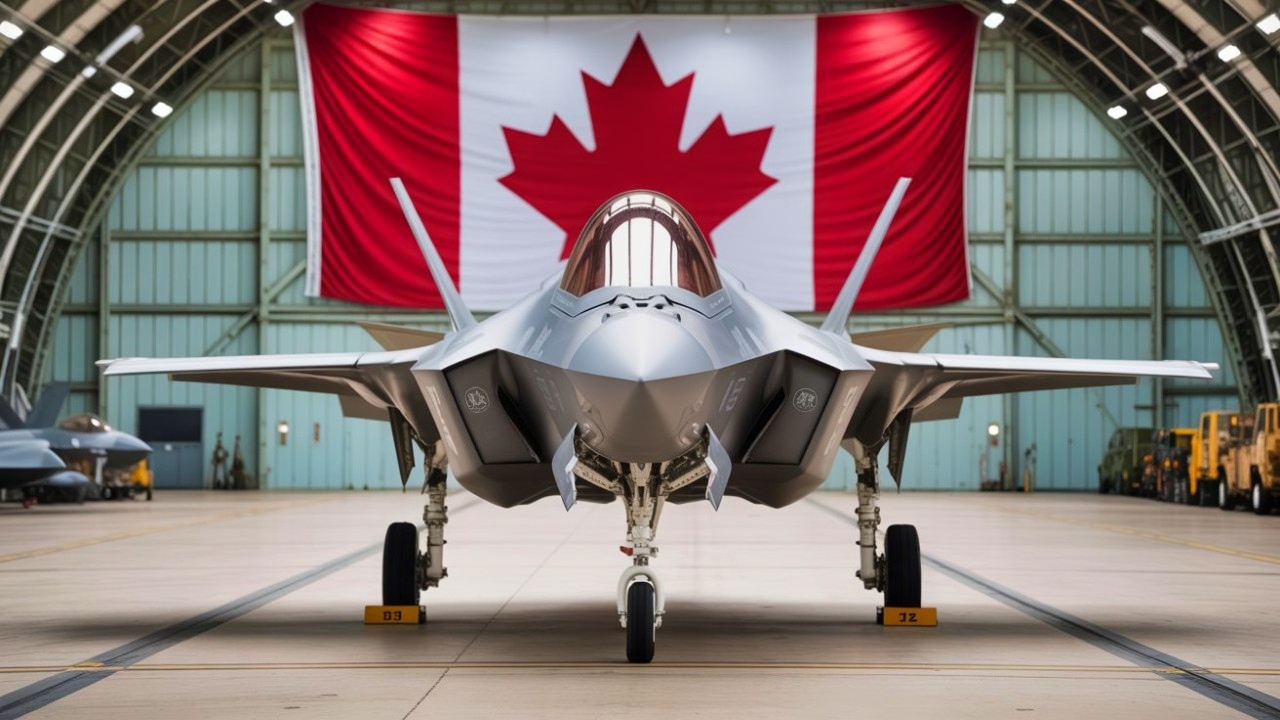
Summary and Key Points: Canada’s defense strategy is in a “tailspin” as the Carney government re-evaluates its F-35 commitment.
-Saab has recently sweetened the deal, offering a “Made-in-Canada” production hub that promises 12,600 domestic jobs and a faster 3-year delivery timeline.
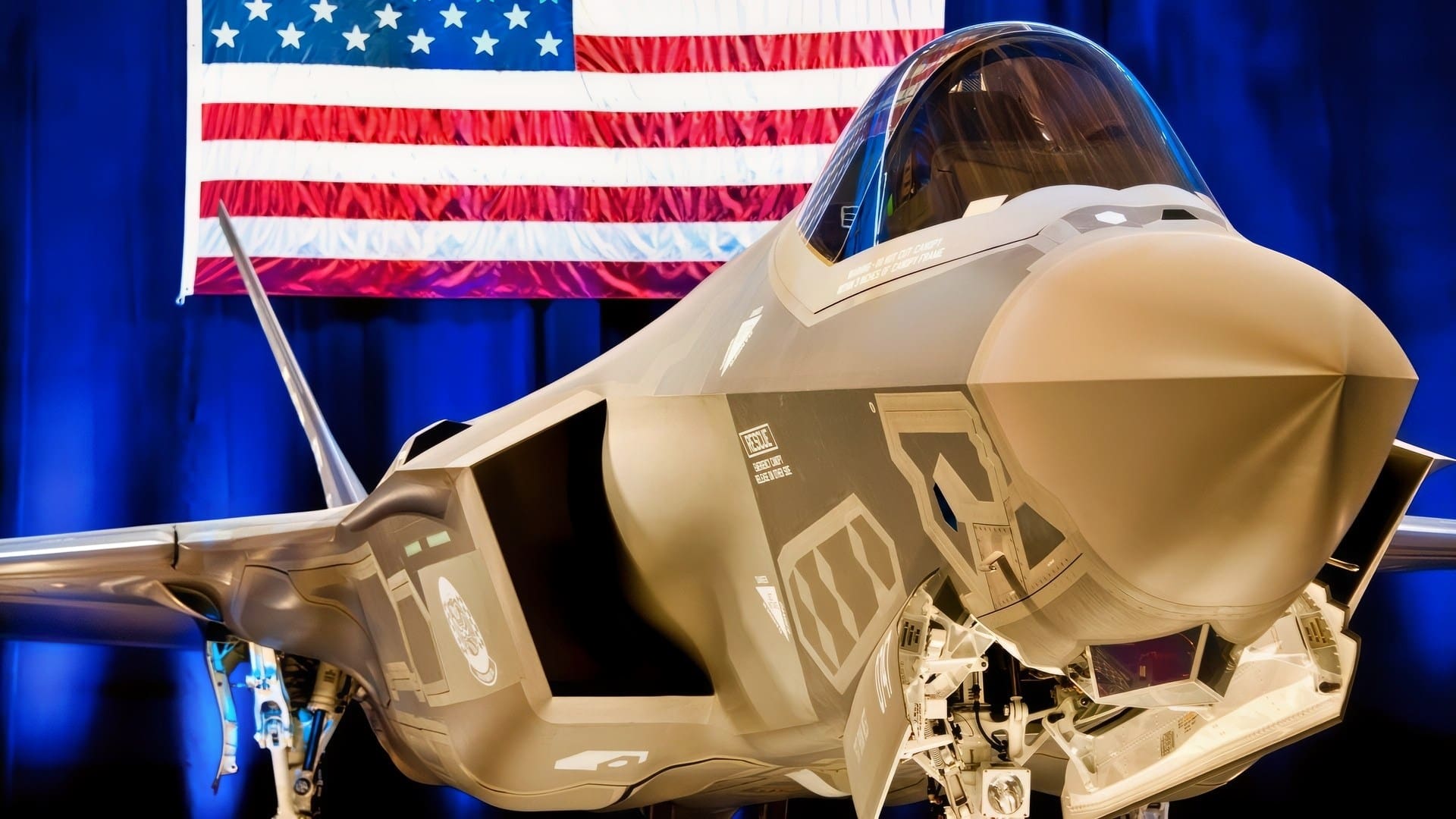
F-35 Fighter With U.S. Flag. Image Credit: Creative Commons.
-While the F-35 remains the gold standard for stealth and NATO interoperability, its 55% mission-capable rate and high operating costs have made the “cost-efficient” Gripen E a political favorite in Ottawa.
-However, experts warn that a mixed fleet would “institutionalize weakness,” leaving Canada dependent on U.S. air cover for its own Arctic sovereignty while still relying on American-made engines and avionics.
Stealth vs. Sovereignty: Why Mark Carney Might Ditch 72 F-35s for the Gripen E
Canada is still considering acquiring large numbers of Saab’s JAS 39 Gripen fighter, amid ambivalence about its previous agreement to buy 88 F-35s. The issue is tactical, strategic, geopolitical and financial—and Ottawa does not yet appear to have a decided path forward.
Canada’s air force has multifaceted defense obligations. The Royal Canadian Air Force is called on to defend North American airspace through NORAD and to contribute to expeditionary operations with NATO. Any replacement for its CF-18 Hornet fleet has to be fit to meet both of these requirements.
This strategic reality informs much of the debate about Canada’s decision to sustain or increase its F-35 buy, or to instead acquire large numbers of fourth and 4.5-generation aircraft such as the Gripen. According to a recent article in Breaking Defense, Saab is aggressively pitching the Gripen, sharing detailed information with Canada.
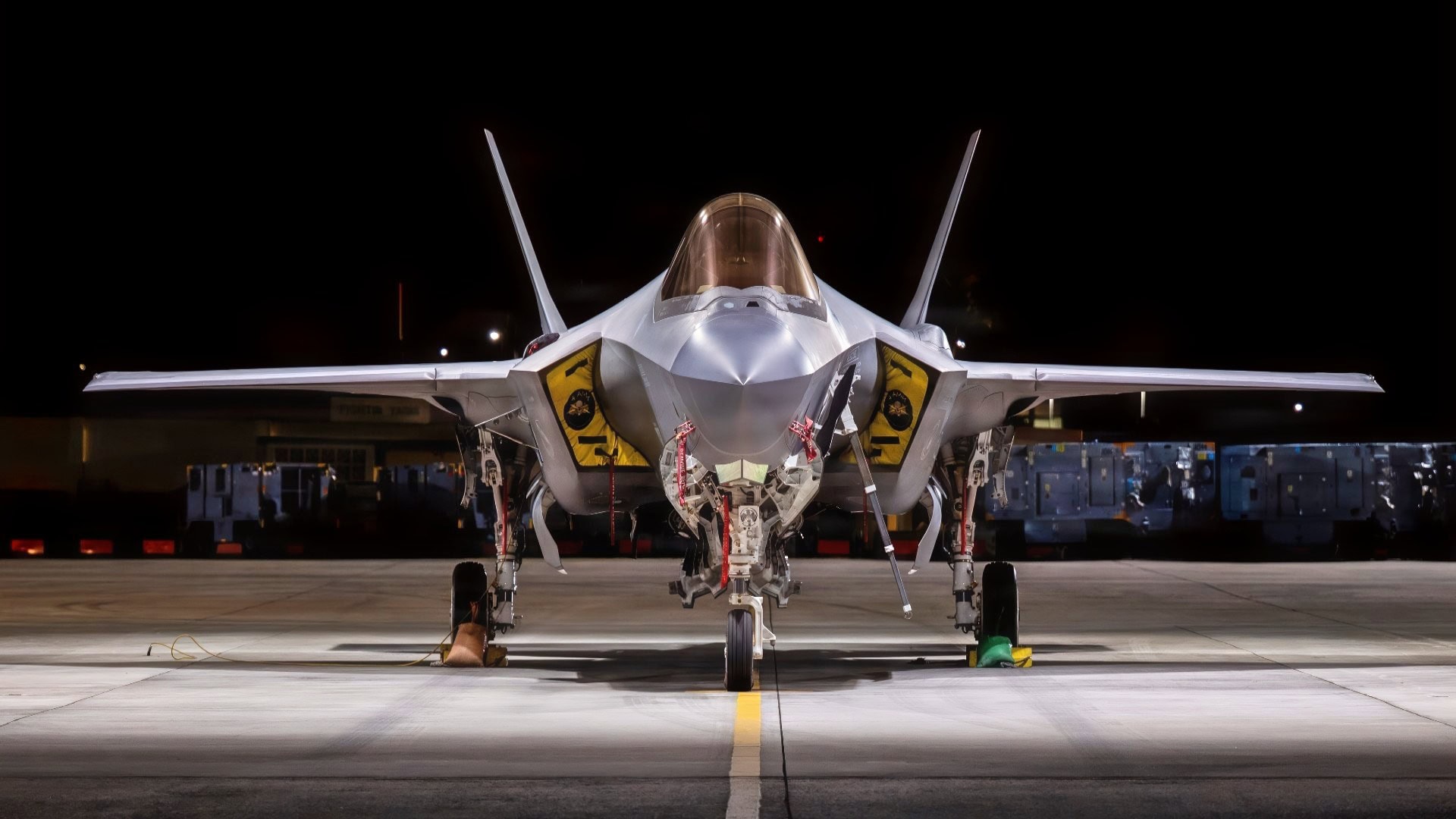
An F-35A Lightning II assigned to the 4th Expeditionary Fighter Squadron, deployed to Kadena Air Base, sit on the flight line during base-wide operational readiness exercise BH 26-1 at Kadena Air Base, Japan, Nov. 3, 2025. Kadena serves as a critical element in deterring potential adversaries through its demonstrated strength and commitment to regional security.
(U.S. Air Force photos by Senior Airman Jonathan Sifuentes)
The F-35 is deeply integrated into U.S. and NATO air operations. The Lightning II was designed from the outset to operate in contested airspace against advanced air defenses. Its stealth, sensor fusion, and data-sharing capabilities allow it to function as a node in a broader network, rather than just a standalone aircraft.
For NORAD, where Canada operates in lockstep with the United States, this interoperability matters enormously.
F-35 vs JAS 39 Gripen
The Gripen represents a different philosophy. Saab designed it for smaller air forces operating close to home. It emphasizes dispersed basing, low operating costs, and ease of maintenance. Gripen advocates argued that it was better suited to Canada’s geography—especially Arctic operations, during which long distances, harsh weather, and limited infrastructure are constant challenges. The Gripen’s ability to operate from short or improvised runways is often highlighted as a uniquely Canadian advantage.
Saab & Gripen Support
Supporters of the Gripen further argue that it offers lower acquisition and operating costs, as well as greater transparency. Saab also proposes extensive industrial benefits, including the transfer of intellectual property and guaranteed domestic maintenance work.
This appeals to Canadian policymakers who want to strengthen national industry rather than simply buy into a U.S.-dominated supply chain.
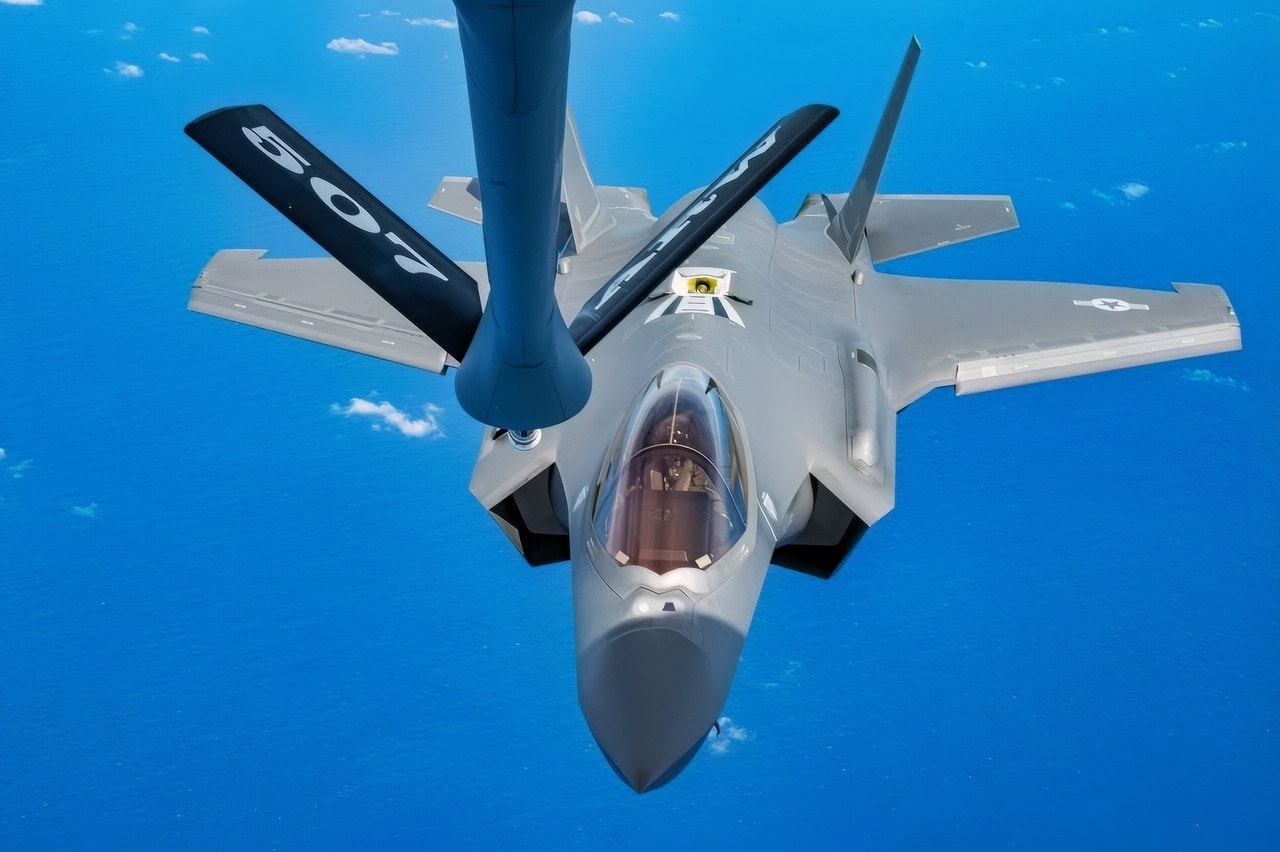
A U.S. Air Force F-35A Lightning II assigned to the 134th Fighter Squadron, Burlington Air National Guard Base, Burlington, Vermont is in pre-contact over the U.S. Indo-Pacific Command area of responsibility before receiving fuel from a U.S. Air Force KC-135 Stratotanker assigned to the 465th Air Refueling Squadron, Tinker Air Force Base, Oklahoma during exercise Cope North 2025, Feb. 7, 2025. The KC-135 provides the core aerial refueling capability for the U.S. Air Force and has performed this role for over 50 years. It provides aerial refueling to the U.S. Air Force, U.S. Navy, U.S. Marine Corps and allied nation aircraft during CN25 to support exercise operations. (U.S. Air Force photo by Staff Sgt. Caleb Roland)
However, critics of the Gripen note that Canada’s version would not be truly “off-the-shelf.” Canadian requirements—especially around communications, sensors, and NORAD integration—would require significant customization. That raises doubts about whether the Gripen’s cost advantage would survive contact with reality.
Industrial participation is another dividing line. Saab promised Canada more control over sustainment and upgrades, reinforcing arguments about sovereignty and independence from U.S. political constraints. In theory, this would allow Canada to operate and modify its aircraft without relying on American approval.
F-35 for Canada?
The F-35, on the other hand, ties users into a global sustainment and software ecosystem managed largely by the United States. Critics worry this could limit Canada’s freedom of action, particularly when U.S. political priorities diverge from Canada’s.
But the F-35 also offers industrial benefits of a different kind. Canadian companies are already embedded in the F-35 supply chain as partners, with contracts tied to performance rather than guaranteed offsets.
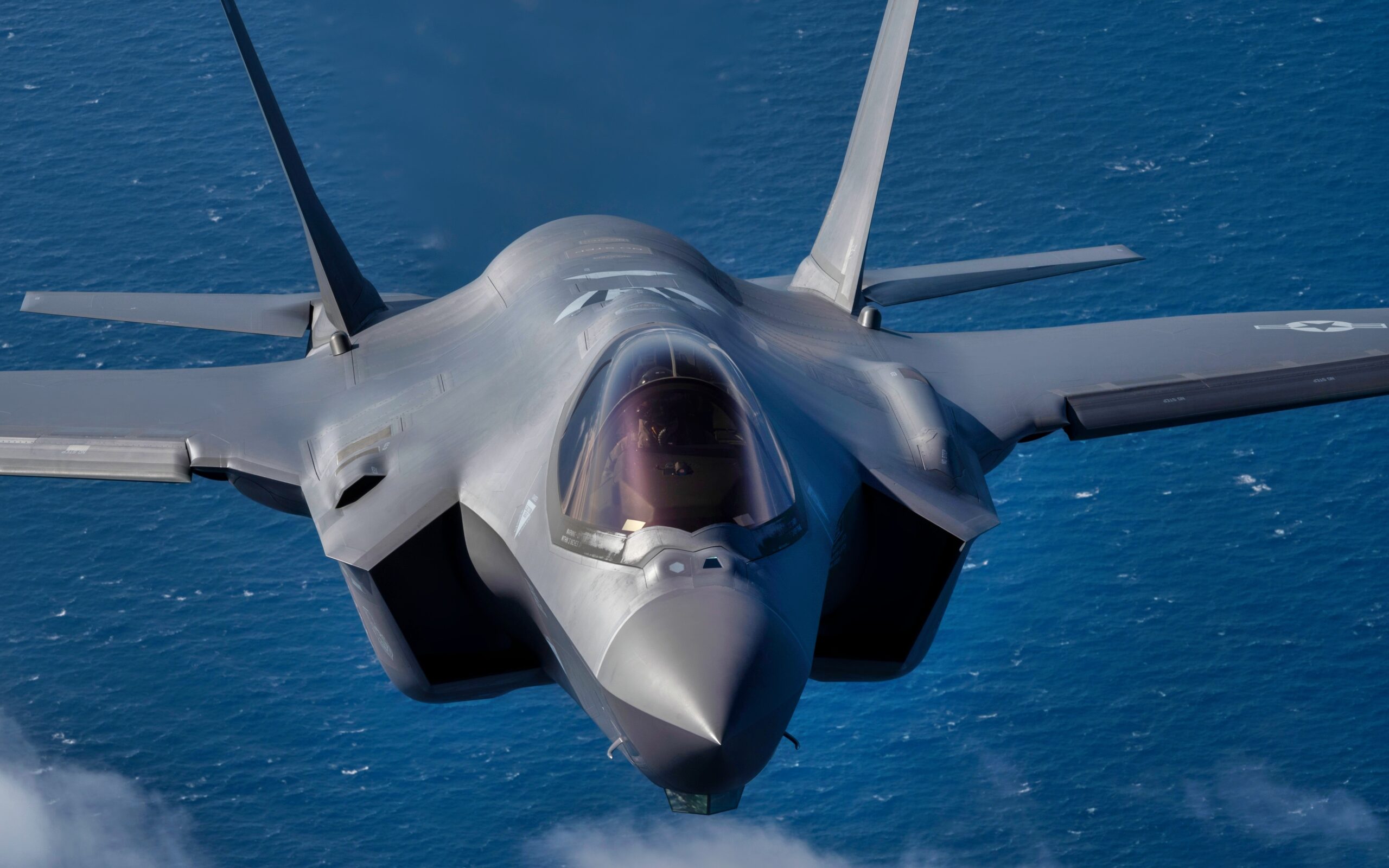
A U.S. Air Force F-35A Lightning II participating in NATO exercise Ramstein Flag 24 flies over the west coast of Greece, Oct. 4, 2024. Over 130 fighter and enabler aircraft from Greece, Canada, France, Hungary, Italy, Poland, Portugal, Romania, Spain, Sweden, United Kingdom and United States are training side by side to improve tactics and foster more robust integration, demonstrating NATO’s resolve, commitment and ability to deter potential adversaries and defend the Alliance. (U.S. Air Force photo by Tech. Sgt. Emili Koonce)
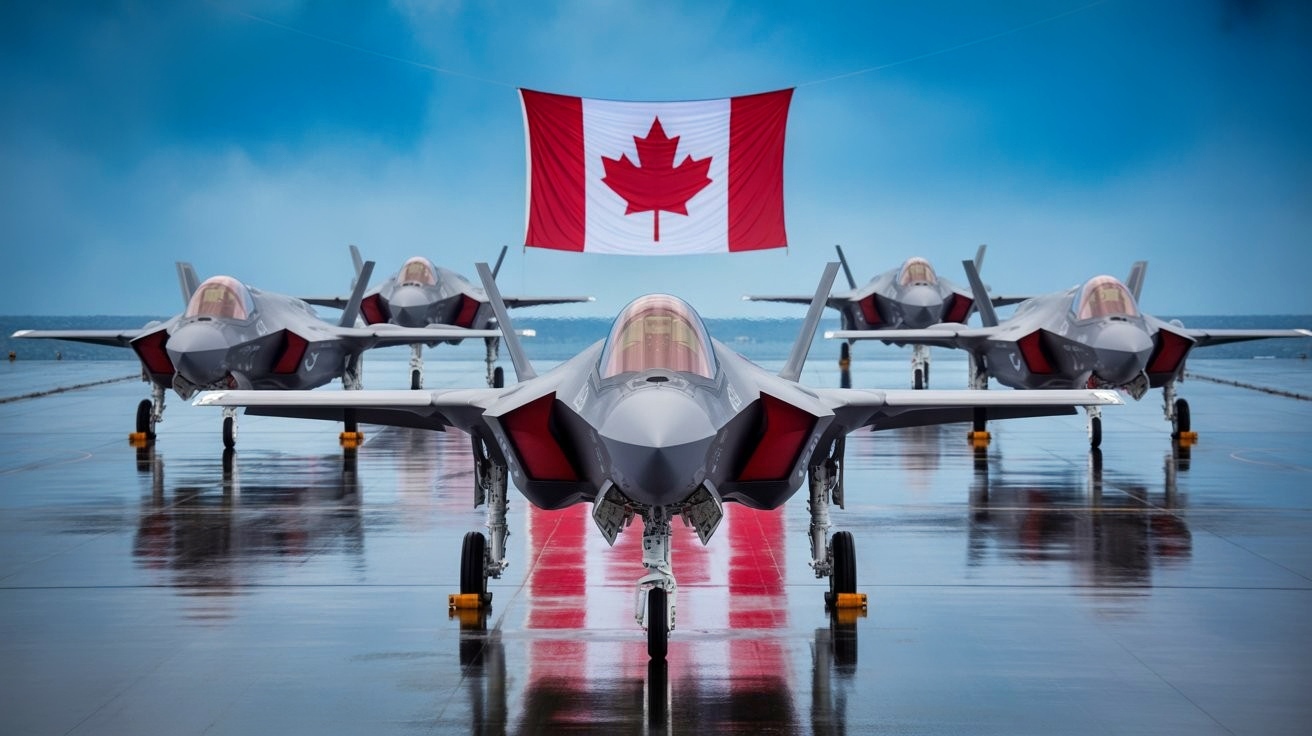
F-35 Fighters in Canada. Image Created by Ideogram.
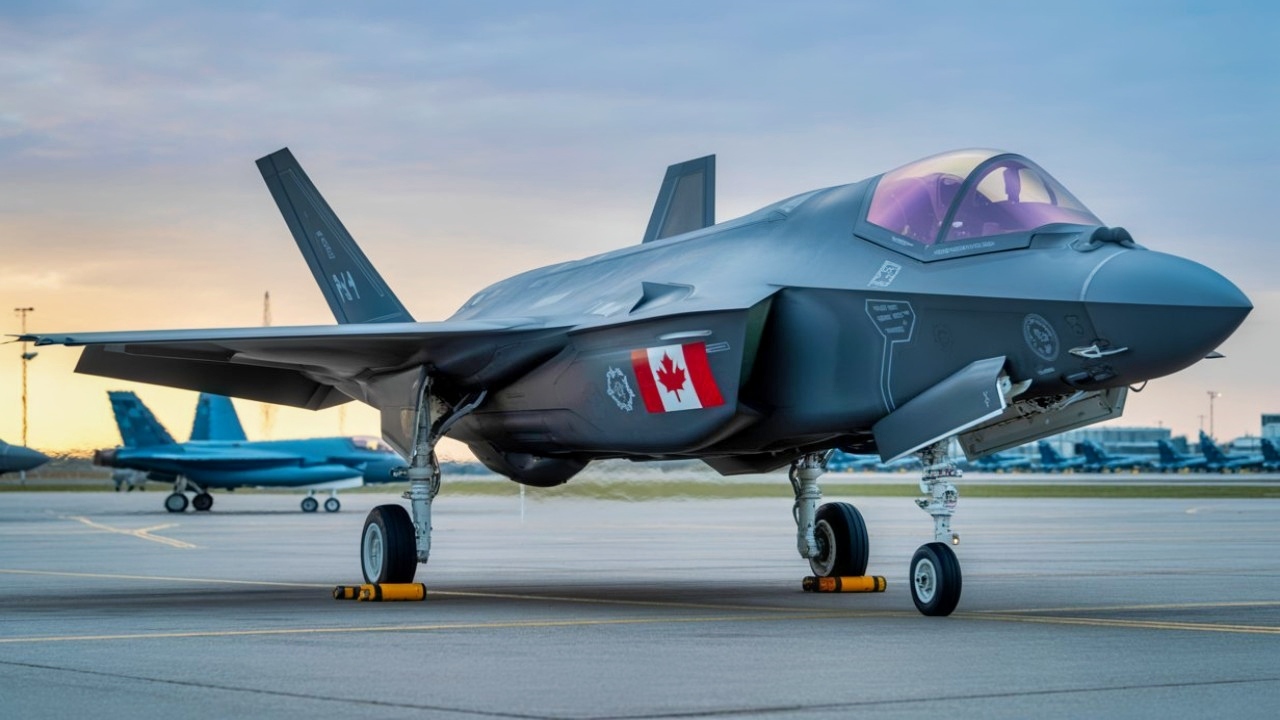
F-35 Fighter for Canada. Image Credit: Created by Ideogram.
Choosing the F-35 protects those existing roles and allows Canadian firms to compete for work across the entire global fleet.
The evolving nature of air combat ultimately tilts the balance toward the F-35.
Modern warfare increasingly revolves around sensors, data, and electronic warfare—not just speed or maneuverability. The F-35’s ability to detect, process, and share information across domains—air, land, sea, space, and cyber—gives it a qualitative edge.
While the JAS 39 Gripen E is highly capable and features advanced avionics, it remains a fourth-generation aircraft operating in an environment where stealth and information dominance are becoming baseline requirements.
About the Author: Kris Osborn
Kris Osborn is the President of Warrior Maven – Center for Military Modernization. Osborn previously served at the Pentagon as a highly qualified expert in the Office of the Assistant Secretary of the Army—Acquisition, Logistics & Technology. Osborn has also worked as an anchor and on-air military specialist at national TV networks. He has appeared as a guest military expert on Fox News, MSNBC, The Military Channel, and The History Channel. He also has a Master’s Degree in Comparative Literature from Columbia University