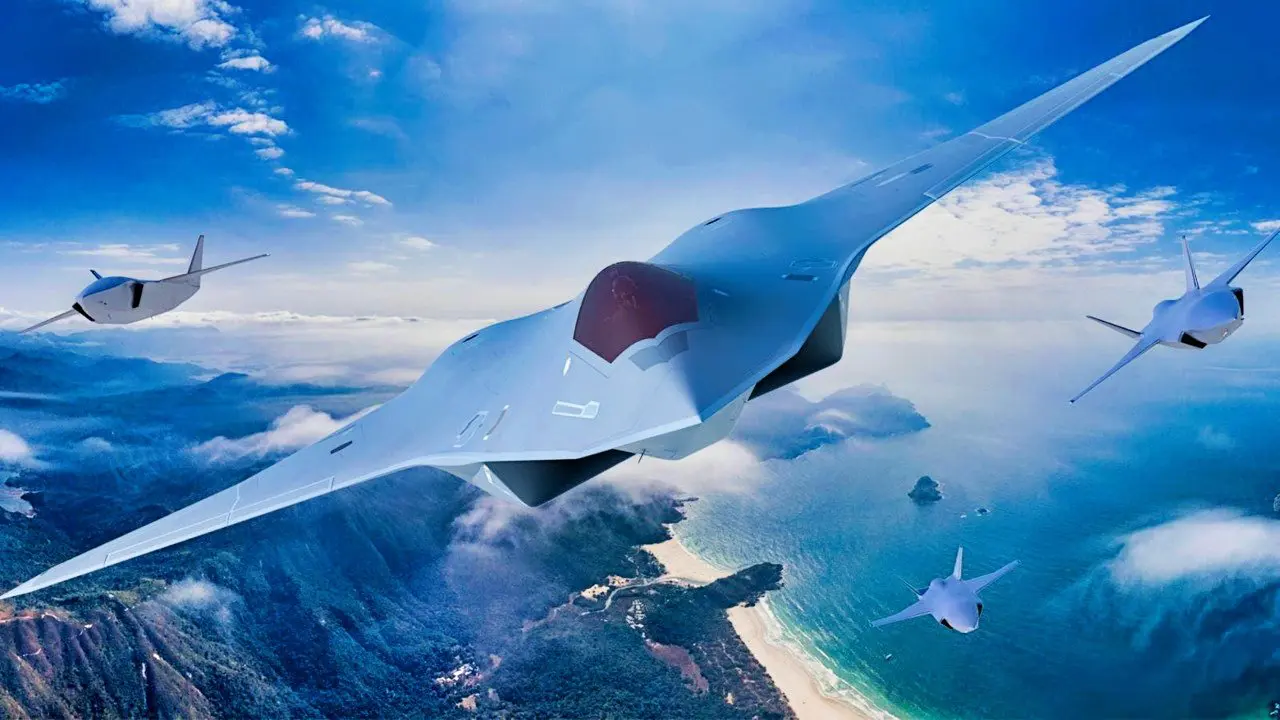
Summary and Key Points: Building two stealthy sixth-generation fighters in parallel—F-47 and F/A-XX—would strain a U.S. industrial base that has consolidated into a handful of primes and a fragile supplier ecosystem.
-Both programs demand elite engineering talent, secure software teams, advanced manufacturing, and high-end materials that are often single-source.
-Workforce aging, clearance requirements, and competition with commercial tech reduce the pool of available labor, while supply chains for composites, semiconductors, and propulsion components can buckle under sudden demand.
-Still, parallel development is plausible if the Pentagon stabilizes funding, expands suppliers, shares common subsystems, and accepts phased schedules that prevent both programs from peaking at the same time.
F-47 vs. F/A-XX: The Real Problem Isn’t Design—It’s Workers and Suppliers
The concept of the US industry simultaneously building two distinct, yet technologically sophisticated, stealthy 6th-generation fighters may be as tricky as it is appealing to national security. Yet, it seems far too pessimistic to presume it is not entirely realistic.
The most immediate constraint is industrial concentration. Since the end of the Cold War, the US combat aircraft industry has consolidated from dozens of prime contractors to essentially three: Lockheed Martin, Boeing, and Northrop Grumman.
Of those, only Boeing and Lockheed currently maintain high-volume tactical fighter production lines, and Boeing’s position is increasingly precarious after years of losses on the KC-46 tanker, T-7 trainer, and other fixed-price contracts.
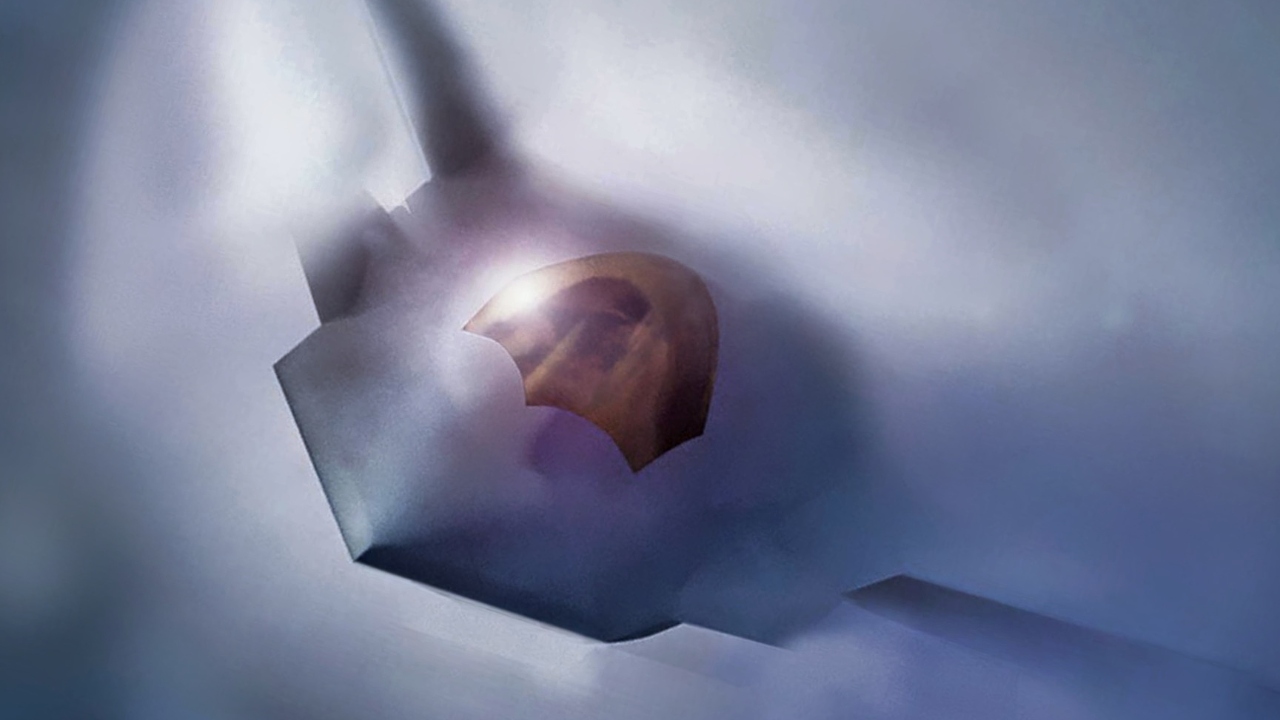
Shown is a graphical artist rendering of the Next Generation Air Dominance (NGAD) Platform. The rendering highlights the Air Force’s sixth generation fighter, the F-47. The NGAD Platform will bring lethal, next-generation technologies to ensure air superiority for the Joint Force in any conflict. (U.S. Air Force graphic)
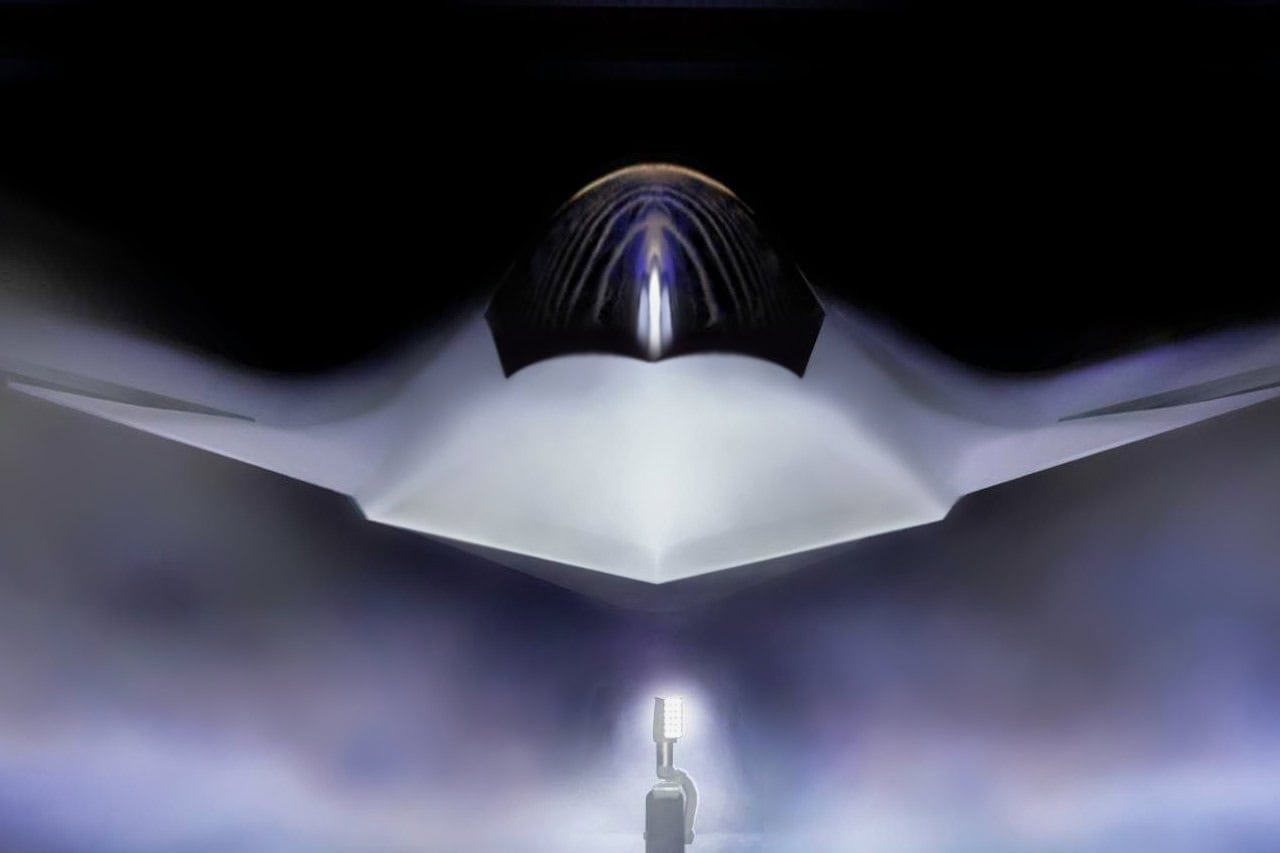
Shown is a graphical artist rendering of the Next Generation Air Dominance (NGAD) Platform. The rendering highlights the Air Force’s sixth generation fighter, the F-47. The NGAD Platform will bring lethal, next-generation technologies to ensure air superiority for the Joint Force in any conflict. (U.S. Air Force graphic)
Northrop Grumman, while technologically sophisticated, exited the tactical fighter market after the B-21 Raider win and lacks an active fighter production line.
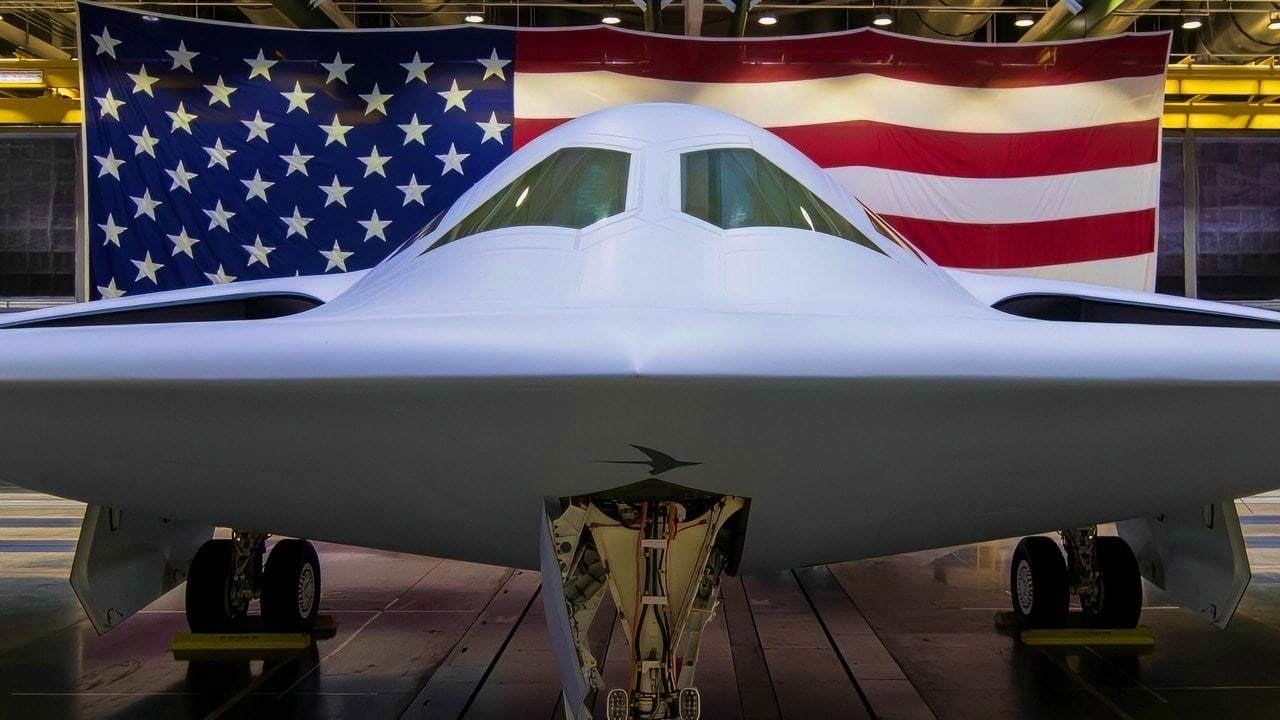
The B-21 Raider was unveiled to the public at a ceremony December 2, 2022 in
Palmdale, Calif. Designed to operate in tomorrow’s high-end threat environment, the B-21 will play a critical role in ensuring America’s enduring airpower capability. (U.S. Air Force photo)
However, Northrop does have historical expertise in building fighters, given its role as the prime contractor for the famous F-14 Tomcat; Northrop is also offering an F/A-XX option for Pentagon decision-makers to consider, so it seems entirely feasible that Northrop could “flex” if needed to restart fighter jet production at scale.
Expand Suppliers
This concentration matters because sixth-generation aircraft are not merely incremental upgrades. Both F/A-XX and F-47 are expected to integrate advanced stealth shaping, adaptive-cycle engines, sensor fusion, AI-enabled battle management, and tight integration with uncrewed collaborative combat aircraft (CCA).
Developing and producing even one such system would tax engineering talent, software teams, and advanced manufacturing capacity. Doing two in parallel risks forcing the same finite pool of suppliers, engineers, and skilled tradespeople to serve competing programs on overlapping timelines.
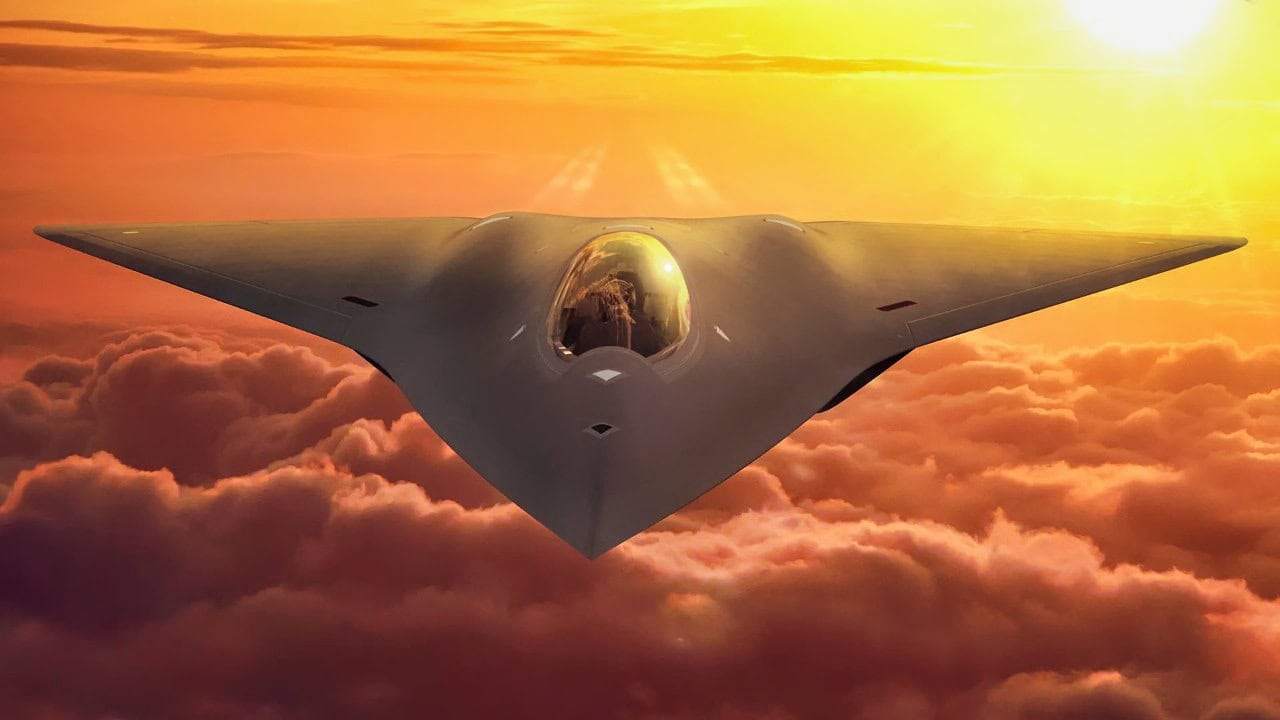
NGAD Fighter via Lockheed Martin.
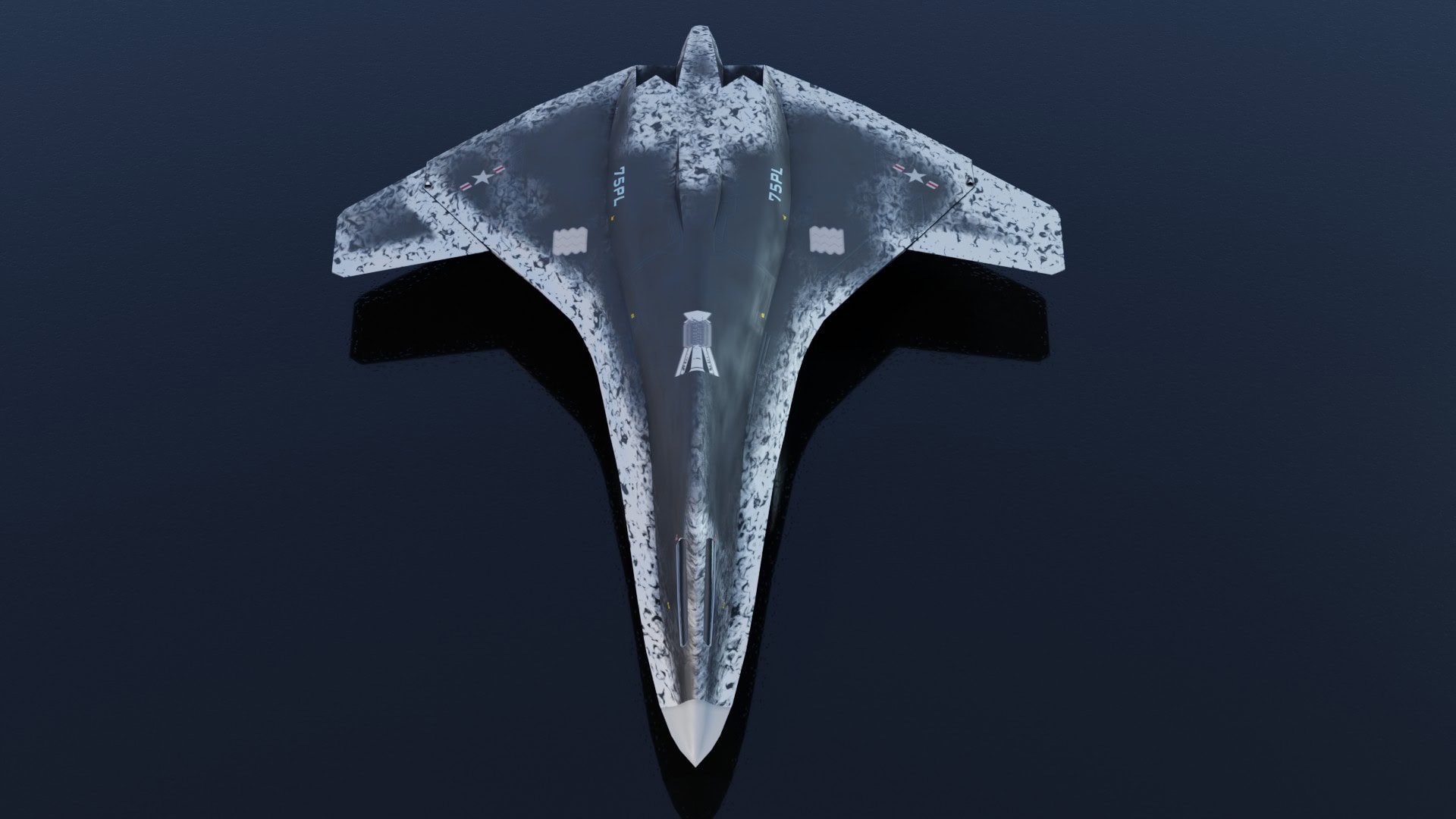
NGAD Fighter Mock Up. Image Credit: Creative Commons.
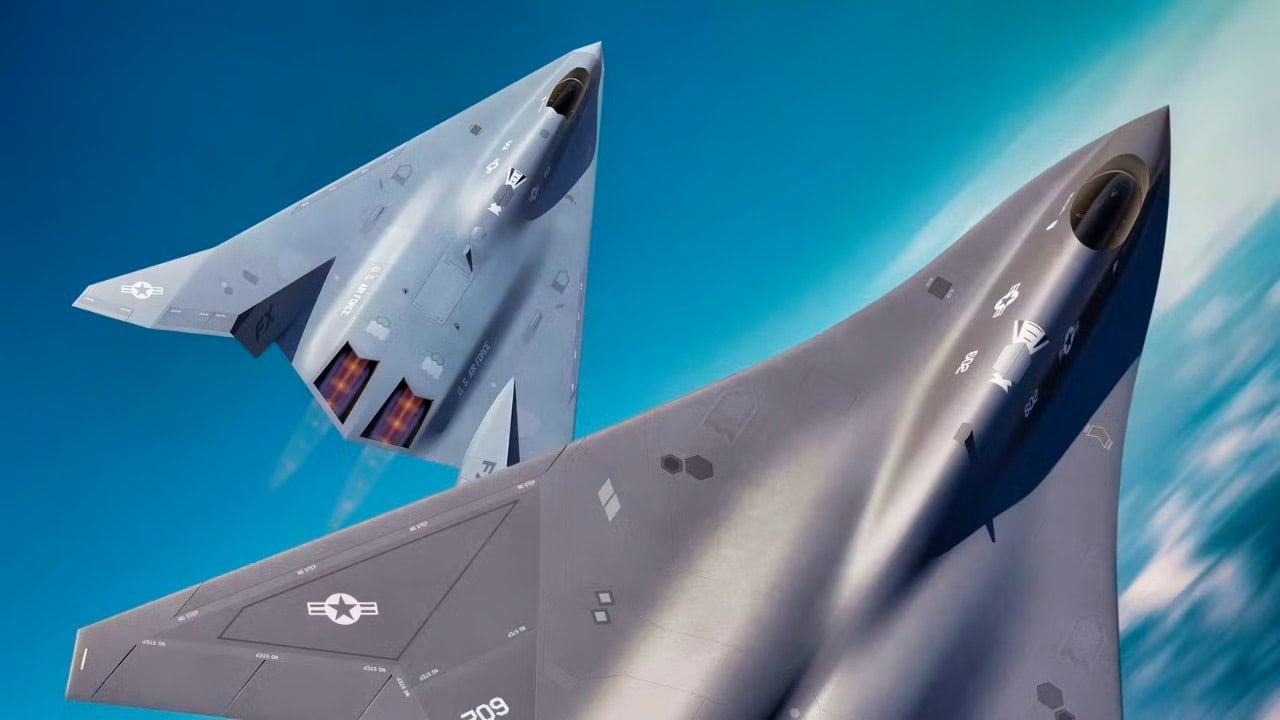
U.S. NGAD Fighter. Artist Rendering.
The workforce issue is especially acute. The US aerospace labor force has shrunk and aged significantly since the 1990s. Many of the engineers and machinists who built the F-15, F-16, and F/A-18 have retired, and their replacements have proven difficult to find. Security clearance requirements, long training pipelines, and competition from the commercial tech sector all limit the speed at which talent can be regenerated.
Even today, defense primes report difficulty hiring software engineers and advanced manufacturing specialists. Running two next-generation fighter programs simultaneously would intensify these shortages, potentially leading to schedule slips or quality risks.
Common Parts
Supply chains present another severe bottleneck.
Modern fighters rely on a dense web of second- and third-tier suppliers for items such as high-temperature composites, advanced semiconductors, specialty castings, and propulsion components.
Many of these suppliers are single-source or financially fragile, having survived years of low defense demand by serving narrow niches.
The F-35 program has already shown how vulnerable these supply chains can be; introducing two additional high-end fighter programs could overwhelm suppliers who lack the capital or workforce to scale rapidly.
Without deliberate government intervention—such as long-term contracts or direct investment—supplier failures could ripple across both programs.
Budgetary dynamics further complicate the picture.
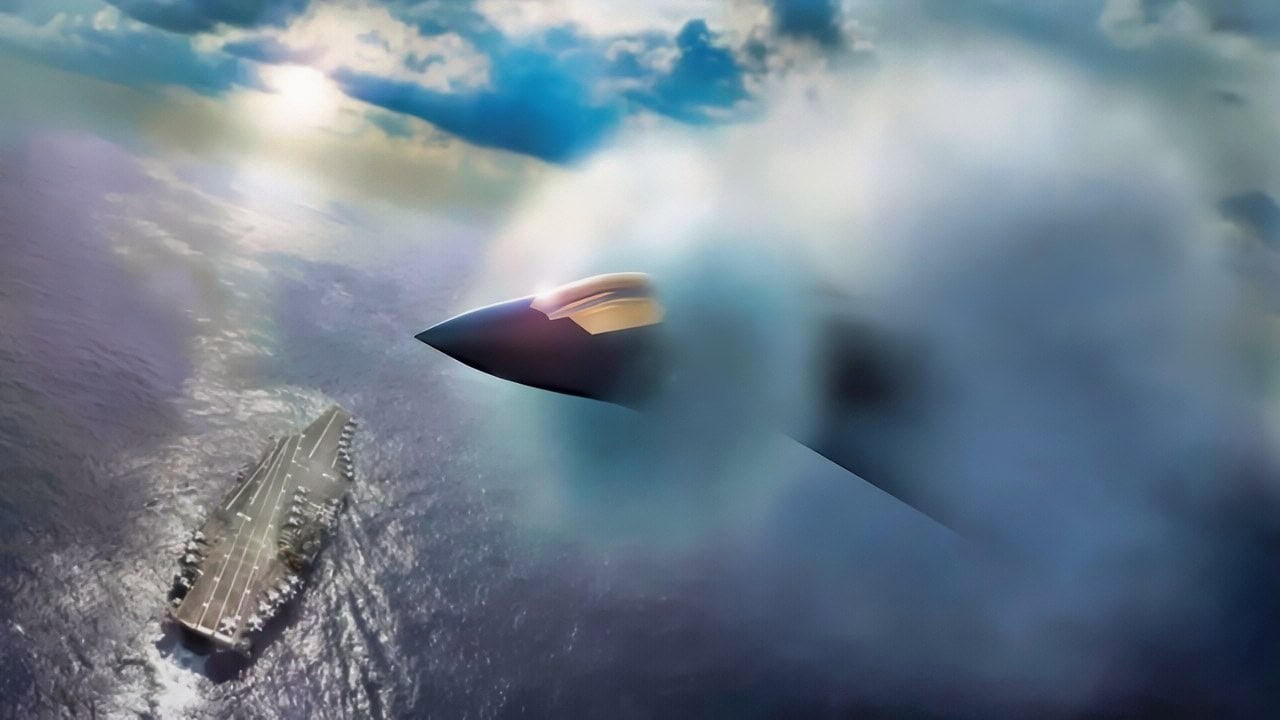
F/A-XX Boeing Image.
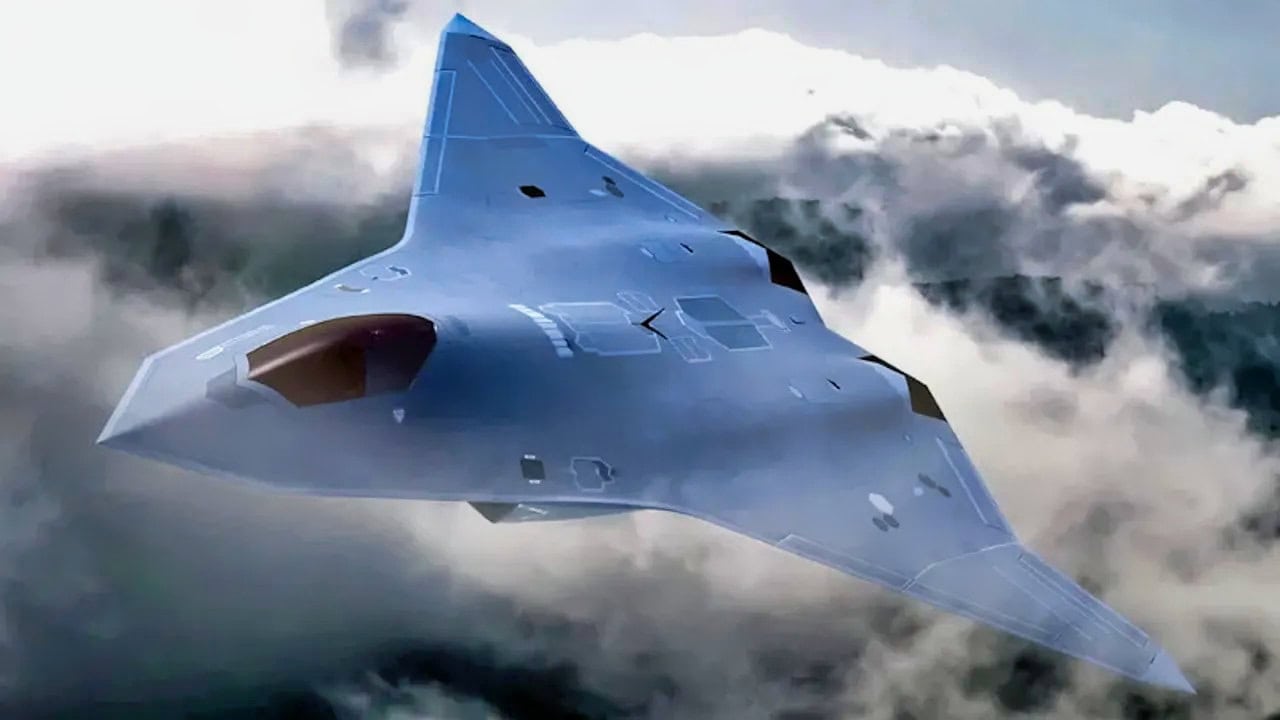
F/A-XX. Image Credit: Creative Commons.
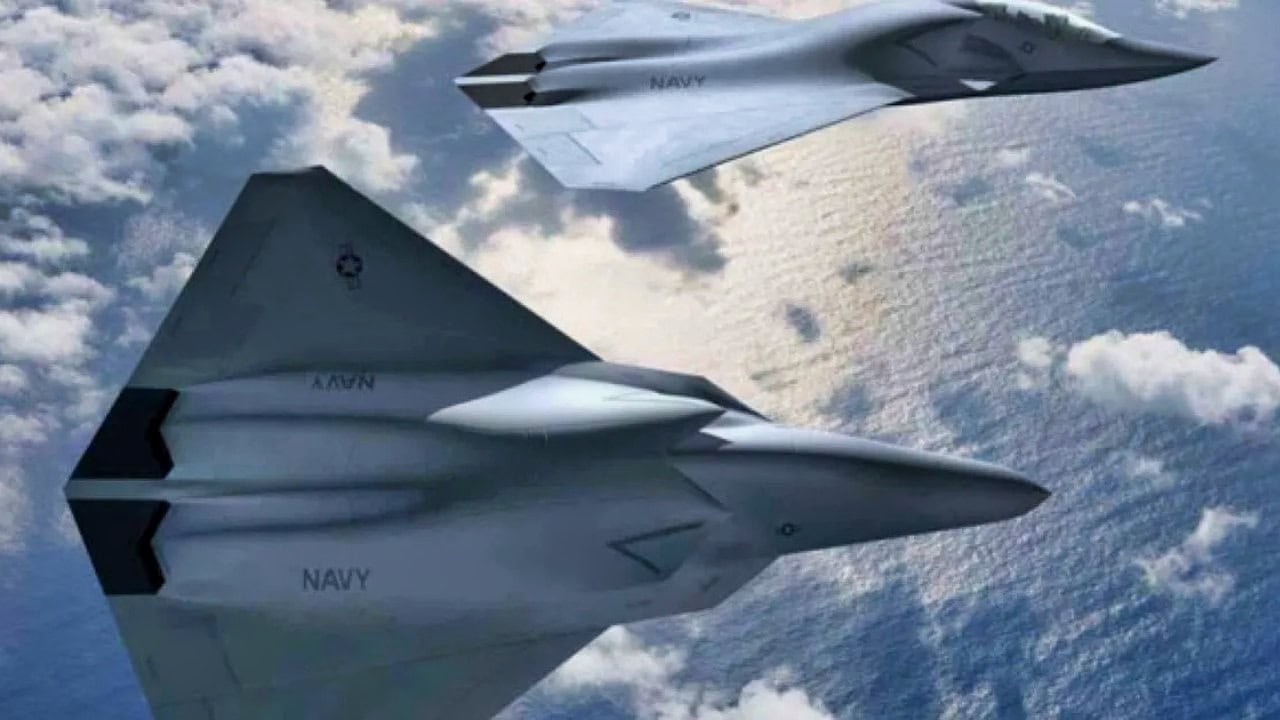
F/A-XX Fighter. Image Credit: Boeing.
While the defense budget remains large in absolute terms, it faces growing pressure from personnel costs, nuclear modernization, shipbuilding, and space systems.
Historically, the Department of Defense has struggled to sustain even one major tactical aircraft program without cost overruns and restructuring.
Funding two sixth-generation fighters at once would require unusually stable budgets across multiple administrations, a rarity in modern U.S. politics.
Any fiscal turbulence could force one program to slow down, undercutting the efficiencies of parallel development.
Digital Engineering—Shared Parts
That said, it would be a mistake to conclude that concurrent development is impossible.
The US has done comparable feats before. During the Cold War, multiple fighter, bomber, and missile programs ran simultaneously, supported by a far larger and more diverse industrial base.
Moreover, digital engineering, open systems architectures, and common subsystems could reduce duplication between the F/A-XX and F-47 programs. If engines, avionics, software frameworks, or uncrewed teaming concepts are shared, the marginal burden of a second program could be reduced.
Success, however, would require conscious choices.
The government would need to accept higher near-term costs to preserve competition, invest aggressively in workforce development, and stabilize supplier demand. It also needs to tolerate some scheduling divergence, allowing one program to lead while the other follows, with lessons learned along the way.
Absent such discipline, the risk is that both programs proceed optimistically on paper but struggle in execution, unless the US industrial base can “flex” sufficiently to address the need.
About the Author: Kris Osborn
Kris Osborn is the President of Warrior Maven – Center for Military Modernization. Osborn previously served at the Pentagon as a highly qualified expert in the Office of the Assistant Secretary of the Army—Acquisition, Logistics & Technology. Osborn has also worked as an anchor and on-air military specialist at national TV networks. He has appeared as a guest military expert on Fox News, MSNBC, The Military Channel, and The History Channel. He also has a Masters Degree in Comparative Literature from Columbia University.