
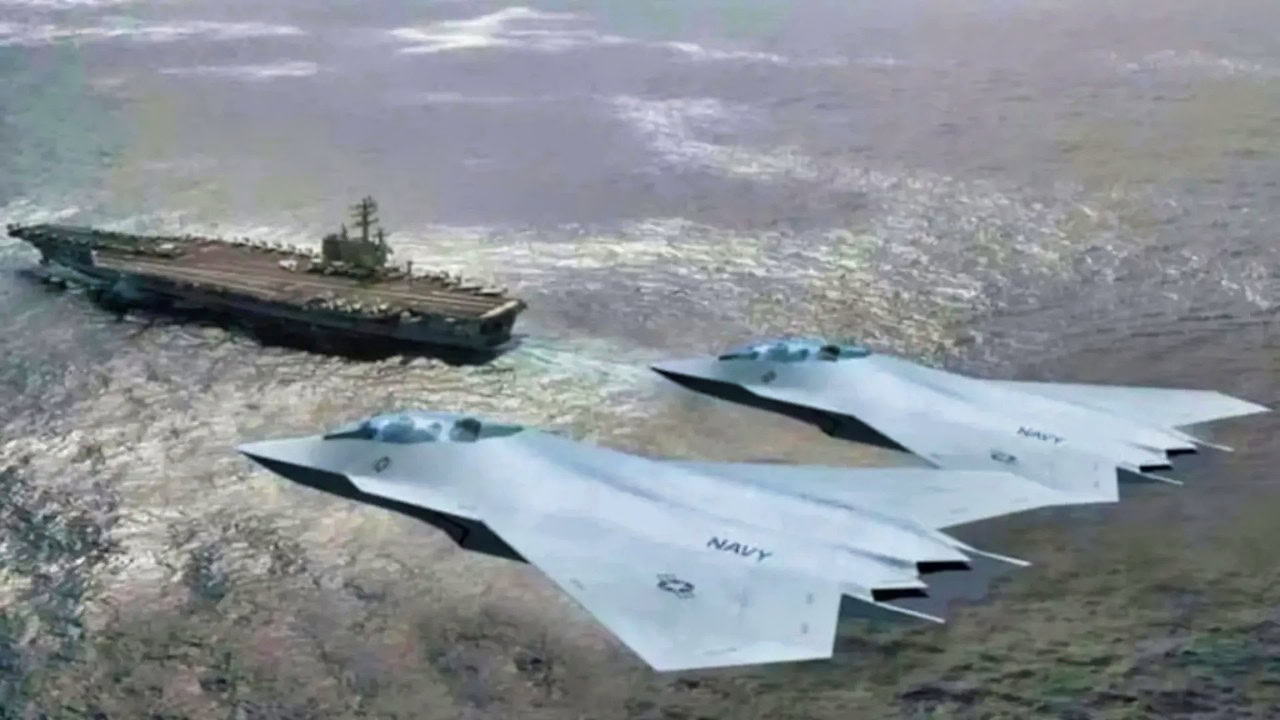
Congress Just Put $897 Million Back Into the Navy’s F/A-XX Fighter—Here’s the Real Reason
Congress has injected new life into the U.S. Navy’s next-generation carrier-based fighter program, F/A-XX, inserting an additional $897 million into the fiscal year 2026 defense appropriations bill compared with the Pentagon’s original budget request for the project.
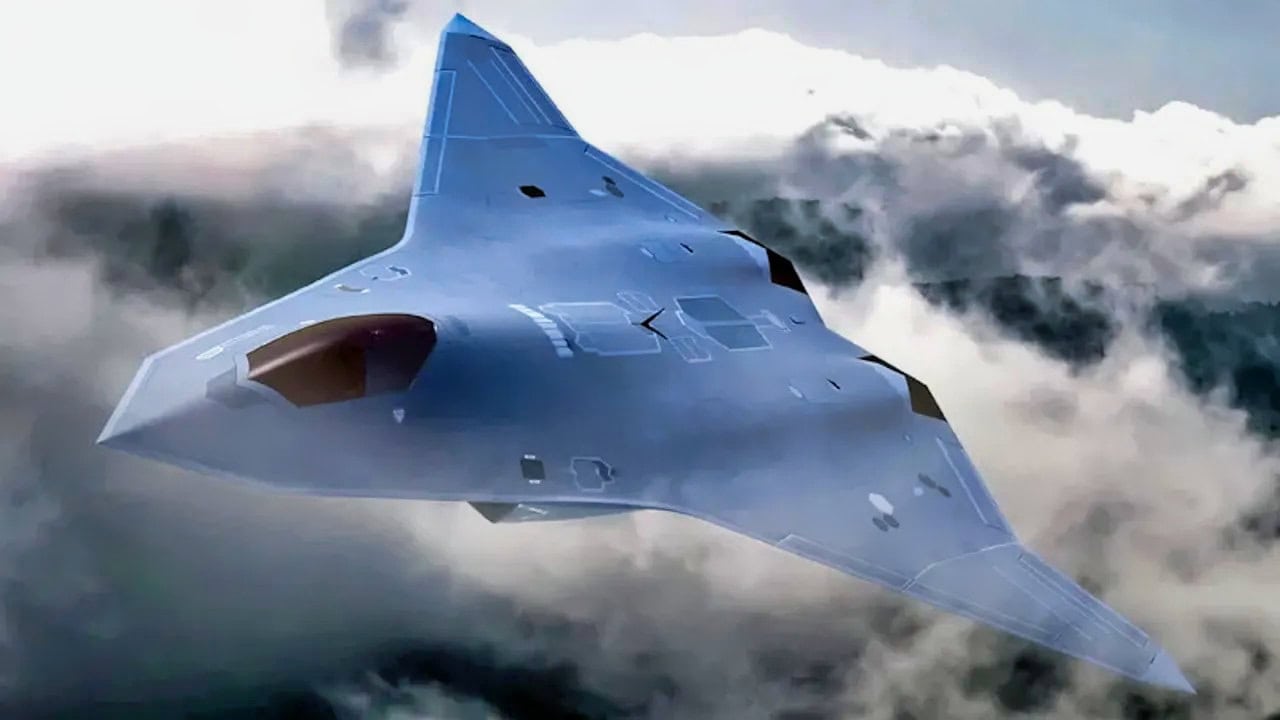
F/A-XX. Image Credit: Creative Commons.
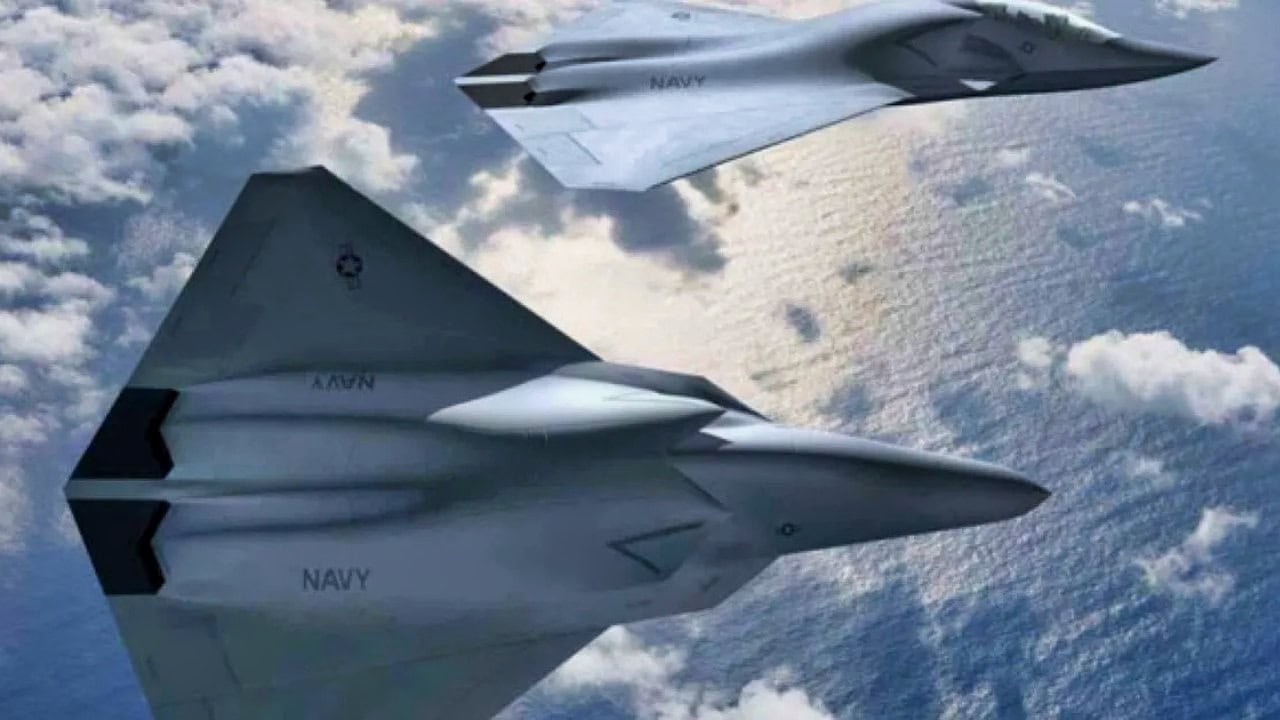
F/A-XX Fighter. Image Credit: Boeing.
The appropriation follows growing congressional frustration – and concerns – with the Department of Defense’s proposal to sideline the program in favor of other priorities, particularly the Air Force’s F-47 sixth-generation fighter. The Pentagon’s decision left the Navy’s next-generation fighter efforts in limbo, largely over concerns that America’s industrial base couldn’t handle both programs at the same time.
F/A-XX is the planned replacement for the Navy’s Boeing F/A-18E/F Super Hornet and EA-18G Growler aircraft, intended to provide stealth and networked combat capabilities – along with extended range – for carrier air wings from the 2030s.
Last summer, the Pentagon’s FY 2026 budget request included only $74 million for F/A-XX, constituting a substantial reduction from previous years, citing concerns that the defense industrial base could not reliably build two next-generation fighters without incurring cost increases and delays.
That decision was controversial, not just in Congress but within the U.S. military itself, largely over concerns that U.S. naval airpower could not be well preserved in the face of rapid advancements by adversaries if the F/A-XX could not be built quickly.
The newly drafted appropriations bill not only restores that funding but also includes congressional directives aimed at compelling the Pentagon to finally make a definitive selection of a contractor and accelerate the program.
Congress Steps In After Pentagon Pushed Back
The fiscal 2026 draft defense spending bill negotiated by the House and Senate appropriations committees significantly expands the Navy’s F/A-XX budget beyond the Pentagon’s initial request, which no doubt comes as a relief to Navy officials who have already made it clear the program needs to move more quickly.
The addition of $897 million to the program makes it clear that Congress supports the Navy’s efforts to field a next-generation fighter as soon as possible, despite the Pentagon’s hesitation.
Specifically, the legislative language found inside the draft directs that the money be used to award an engineering and manufacturing development (EMD) contract to a single company and expedite reaching an accelerated Initial Operational Capability (IOC).
The Navy now has a markedly different plan than it did after the separate National Defense Authorization Act (NDAA) signed into law in December, which authorized just $74 million for F/A-XX.
The new appropriations guidance also compels the Secretary of the Navy to report to Congress on acquisition strategy, updated timelines, barriers to progress, and a detailed plan of how the money will be spent.
Why the Pentagon Tried to Pause F/A-XX
Pentagon officials have pointed to a number of hard lessons learned from past fighter programs as justification for slowing down the F/A-XX program and prioritizing the Air Force’s F-47. One recurring concern is that the U.S. aerospace industrial base has struggled when asked to execute multiple advanced combat aircraft programs simultaneously, even when sufficient funding was available.
During the F-35 program, for example, the Government Accountability Office found that shortages of experienced engineers, immature manufacturing processes, and overly optimistic plans led to delays that ultimately cascaded, as well as cost overruns and retrofit backlogs that stretched years.
Similar issues were also witnessed earlier with the F-22, where a small supplier base and limited production capacity meant that sustaining the line became increasingly difficult and expensive – ultimately resulting in the early termination of the program.

U.S. Air Force Capt. Samuel “RaZZ” Larson, F-22 Raptor Aerial Demonstration Team pilot and commander, performs during FIDAE 2024, Santiago, Chile, April 4th, 2024. The F-22 Raptor Aerial Demonstration showcases the unmatched maneuverability of the airframe by executing a series of combat maneuvers to inspire Americans and their allies, and deter foreign adversaries. (U.S. Air Force video by Staff Sgt. Michael Bowman)
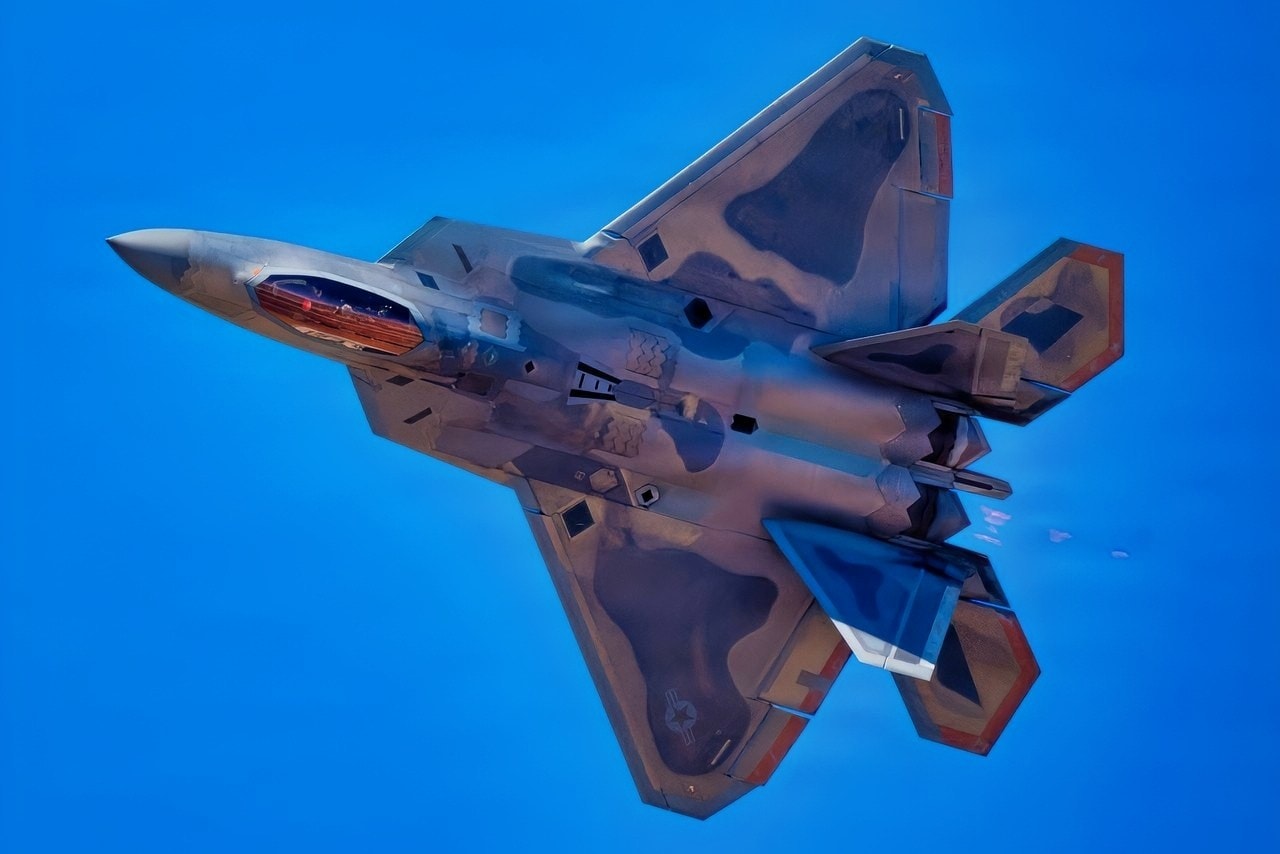
U.S. Air Force Capt. Samuel “RaZZ” Larson, F-22 Raptor Aerial Demonstration Team pilot and commander, performs during FIDAE 2024, Santiago, Chile, April 4th, 2024. The F-22 Raptor Aerial Demonstration showcases the unmatched maneuverability of the airframe by executing a series of combat maneuvers to inspire Americans and their allies, and deter foreign adversaries. (U.S. Air Force video by Staff Sgt. Michael Bowman)
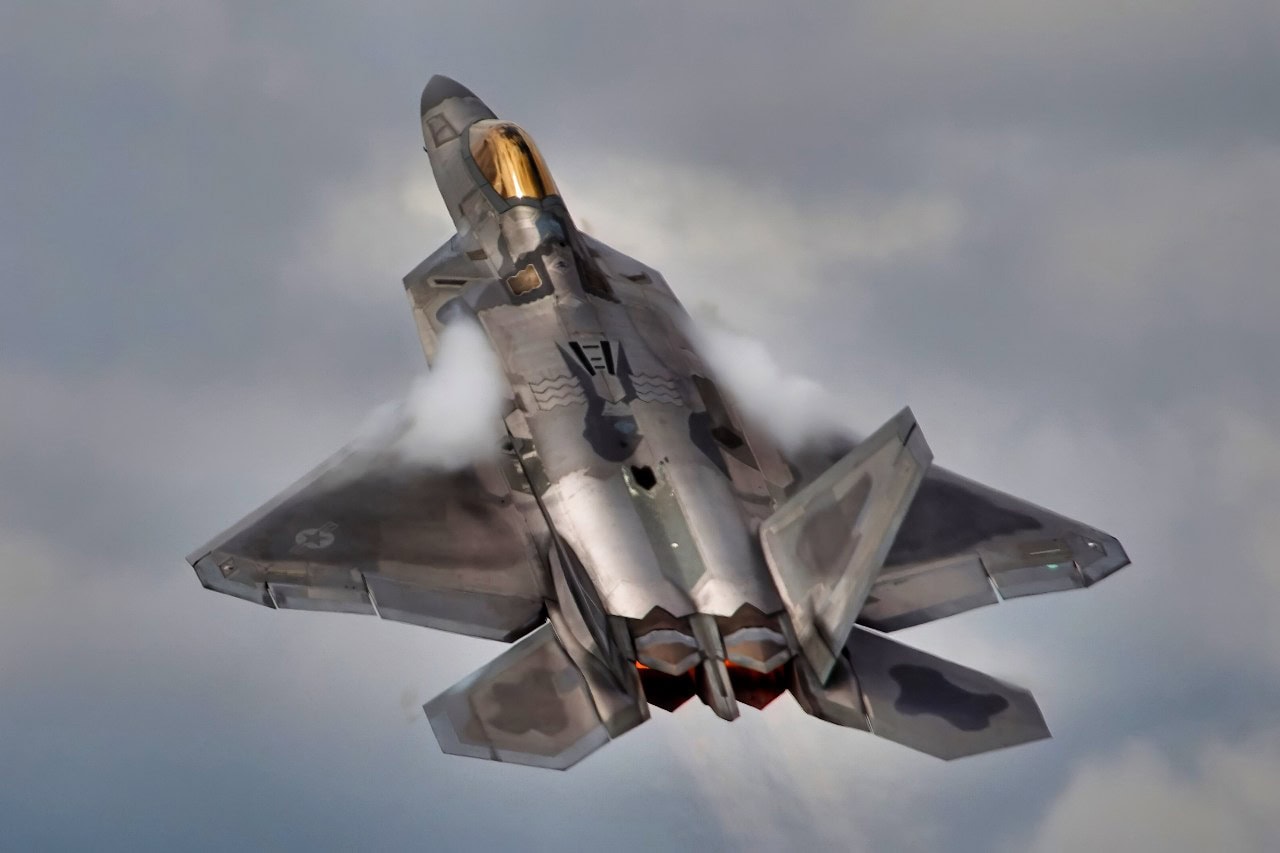
F-22 Raptor in Flight Back in 2017. Image Credit: Creative Commons.
More recently, the Pentagon has warned that the fighter industrial base has consolidated to the point where only a small pool of specialized suppliers, tooling facilities, and engineers exist – thereby creating a real risk if two sixth-generation programs demand resources at the same time. Those constraints are the reason why the Pentagon decided to push back, and not because the Navy’s program was deemed unnecessary.
The Stakes
The Navy needs the F/A-XX. The platform is envisioned to replace not only the aging Super Hornet fleet but also to serve as a multirole platform with extended stealth, sensor fusion, and networked combat capabilities. The aircraft is expected to operate alongside uncrewed systems – much like the NGAD fighter – and work with new battle management architectures that improve situational awareness and communication between pilots, aircraft, and vessels.
The next-generation Navy fighter – whatever form it eventually takes – will ultimately expand carrier strike group reach and lethality from the 2030s and well into the future.
Senior naval leaders and lawmakers have repeatedly stressed that the stakes are too high to not fund the F/A-XX program sufficiently, noting the rapid military development currently taking place in the People’s Republic of China. In congressional hearings, legislators have warned on multiple occasions that failure to modernize the Navy’s air wing at the same pace as China could quickly erode U.S. strategic advantages in the Indo-Pacific.
But there’s more to it still: the F/A-XX, once ready, is expected to contribute to intelligence, surveillance, and reconnaissance (ISR) missions and serve as a command node for future uncrewed aerial vehicles.
What Happens Next?
The FY 2026 defense appropriations bill that contains the additional funding must now be approved by both chambers of Congress – a formal vote in the House and Senate – before it can move to the White House to be signed into law. A compromise “conference” defense package has already been released by lawmakers that restores support for both the Navy’s F/A-XX and the Air Force’s sixth-generation fighter programs.
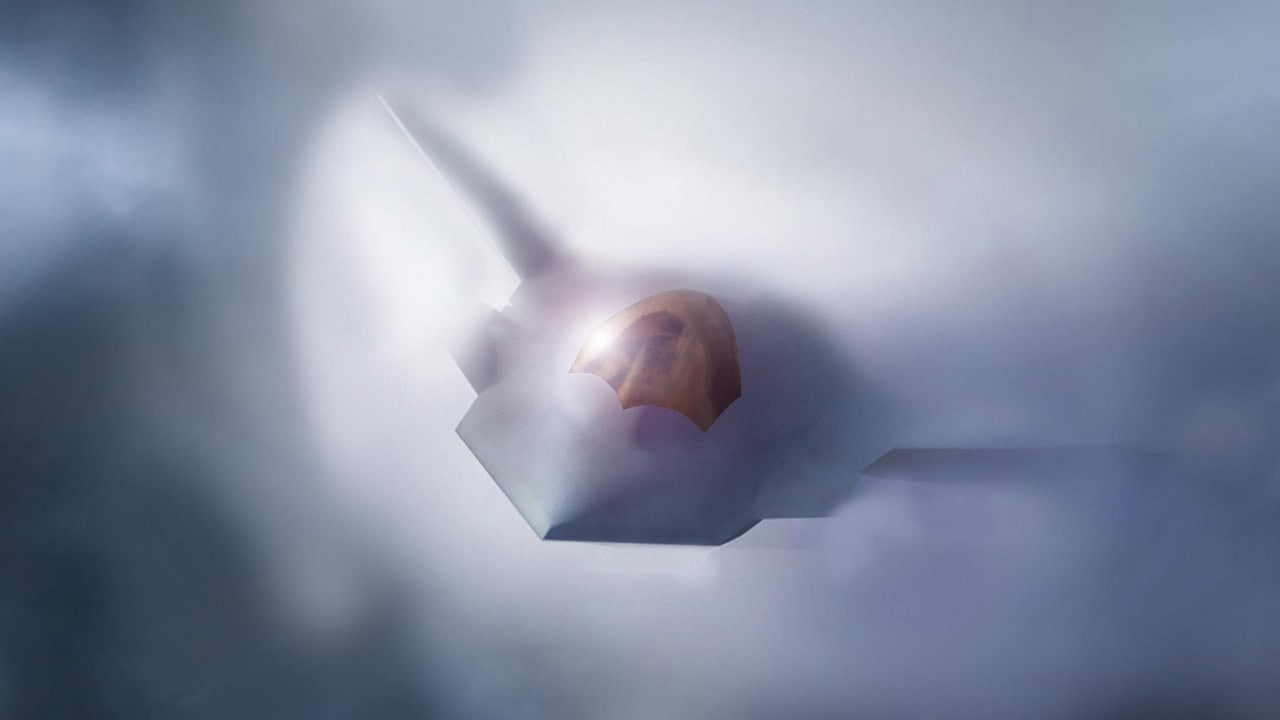
F-47 Fighter. Image Credit: U.S. Air Force.
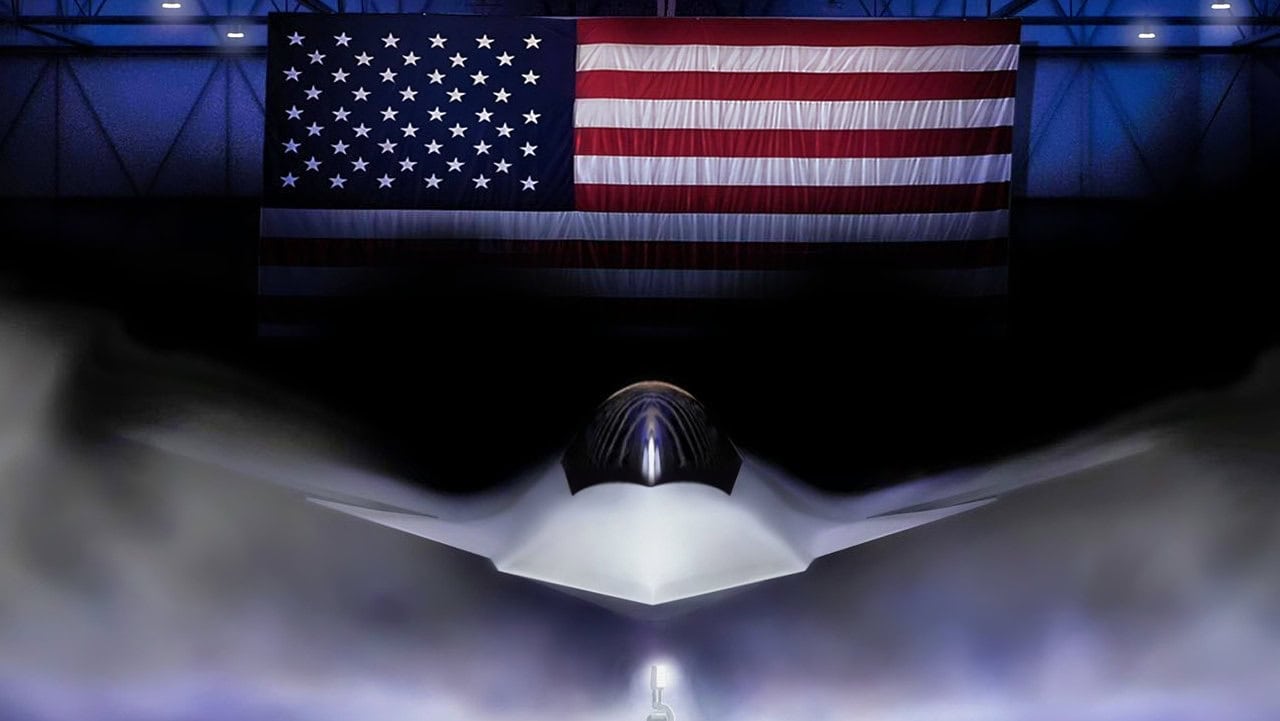
F-47 Fighter from U.S. Air Force.
Congress is operating under a January 30 appropriations deadline, and leaders are now rushing to finalize and pass the full package to avoid further continuing resolutions or spending shortfalls.
If enacted, the appropriations directives will compel the Pentagon to provide the funds, and the Navy to accelerate an initial operational capability timeline and submit a detailed acquisition strategy to congressional committees.
About the Author: Jack Buckby
Jack Buckby is a British researcher and analyst specialising in defence and national security, based in New York. His work focuses on military capability, procurement, and strategic competition, producing and editing analysis for policy and defence audiences. He brings extensive editorial experience, with a career output spanning over 1,000 articles at 19FortyFive and National Security Journal, and has previously authored books and papers on extremism and deradicalisation.